Best Plants for Shade Gardens
Most vegetables want full sun, but many leafy greens, herbs, and ornamentals actually prefer partial shade — especially in hot climates where afternoon sun scorches leaves. These varieties thrive with 3–6 hours of direct sun or bright dappled light.
978 varieties across 24 categories
Browse by Category
All 978 Varieties
Bandit
Bandit has beautiful very dark blue-green, upright leaves and good uniformity. The shank grows very thick with minimal bulbing. NOTE: For ease of sowing, Bandit's seed is coated with an inert, NOP-compliant film.
Biker
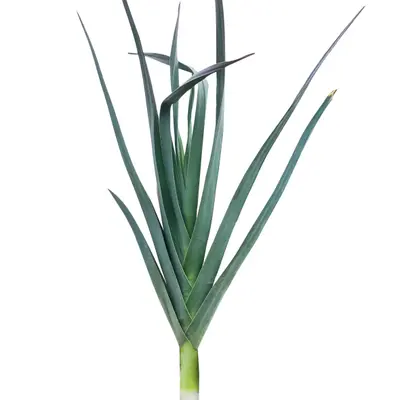
Shanks bulk up quickly by mid-early season and resist bulbing for easy stripping. Performs well across the US and maintains high quality, even at a large size. An easy replacement for Jumper, which was discontinued by our supplier. Primed seed.
Comanche
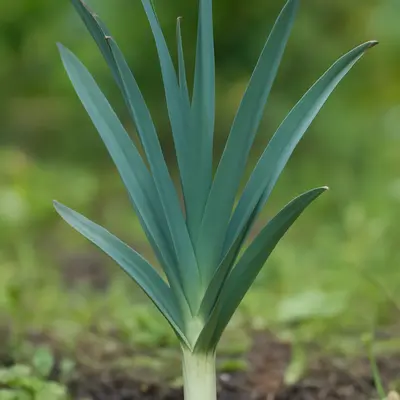
Beautiful shanks can achieve impressive length. Comanche is a midseason leek with medium blue-green foliage. Its upright plant habit makes for easier cultivation. Also available in organic seed.
Common Chives
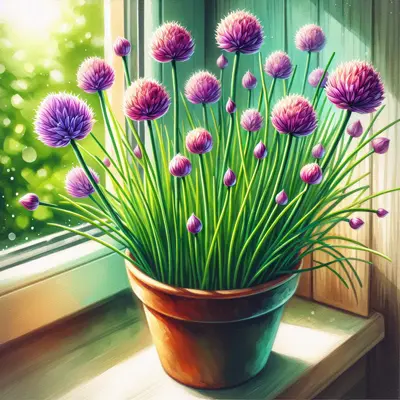
Common Chives (Allium schoenoprasum) are a classic perennial herb featuring slender, tubular green leaves that grow in dense clumps and reach 12-18 inches tall. Delicate purple-pink pompom flowers appear in spring, adding ornamental appeal. Ready to harvest at 75-85 days from seed, though established plants provide year-round cutting. This hardy heirloom offers mild, delicate onion flavor with subtle sharpness, making it ideal for finishing dishes, garnishing soups, and creaming into sauces. Unlike stronger alliums, chives complement rather than overpower. Extremely cold-hardy and low-maintenance.
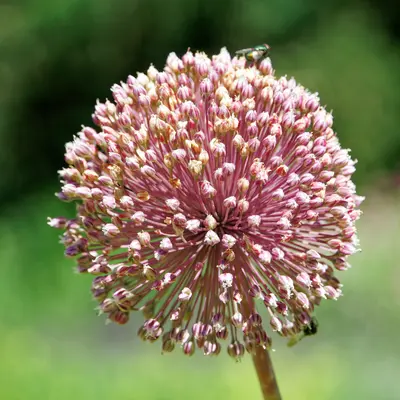
Dash
Our recommendation for the early slot. Reduced bulbing results in a more refined end product and upright leaves allow for easier cultivation and cleaner harvests. Compared to Guardsman, Dash is quicker to mature, more upright, and less likely to form bulbs under stress. For overwintering, we recommend 'Marksman'. Dash is prone to bolting when overwintered.
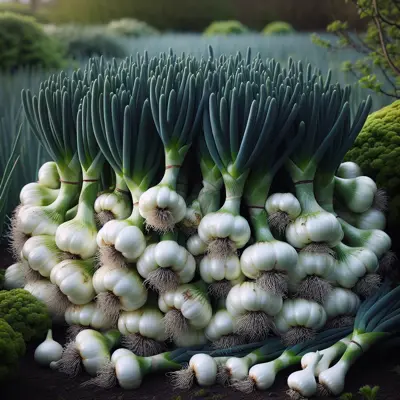
Evergreen Hardy White
Evergreen Hardy White is an heirloom Allium variety prized for its mild, tender white onions with a delicate flavor less pungent than standard onions. Reaching maturity in approximately 65 days, this cold-hardy cultivar produces elongated white bulbs suitable for fresh eating and cooking. The plant tolerates a wide range of soil conditions and thrives in full sun to partial shade. Its hardiness and ease of cultivation make it an excellent choice for gardeners seeking a versatile, sweet onion option that stores moderately well and brings subtle onion flavor to dishes without overwhelming heat.
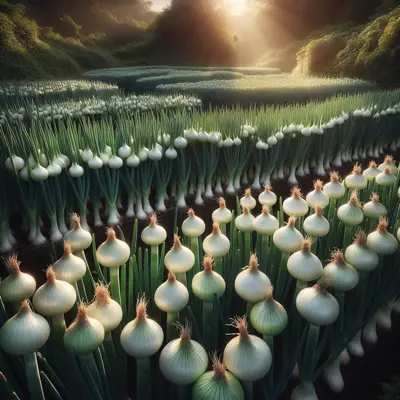
Evergreen White Bunching Onion
A hardy perennial scallion variety that lives up to its name by providing fresh green onions year-round in most climates. This vigorous variety forms thick white bases and dark green tops that can be harvested continuously by cutting and allowing to regrow. Perfect for gardeners who want a permanent source of fresh scallions without replanting.

Giant Red Beard
A showstopping ornamental allium that creates dramatic 6-inch purple globes on tall stems, making it a favorite for cutting gardens and perennial borders. This Dutch hybrid blooms in late spring with hundreds of star-shaped flowers that attract beneficial insects and dry beautifully for arrangements. The spherical flower heads are perfectly geometric and long-lasting.
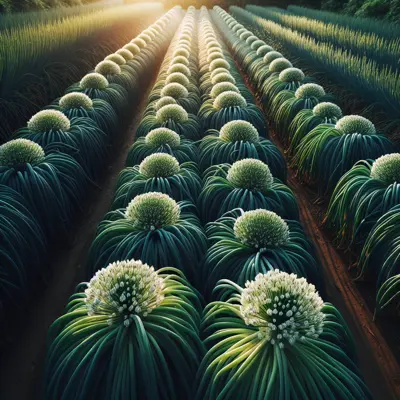
Japanese Bunching Onions
Japanese bunching onions are delicate, slender green onions that mature in approximately 65 days. Unlike bulbing onions, they form elongated white shanks with tender green tops, making them ideal for both raw and cooked applications. These heirloom varieties are prized for their mild, sweet onion flavor and exceptionally crisp texture. They're a staple in Japanese cuisine, perfect for garnishing dishes, stir-fries, and salads. Their easy growing requirements and continuous harvest potential make them a favorite among home gardeners seeking fresh, flavorful alliums.
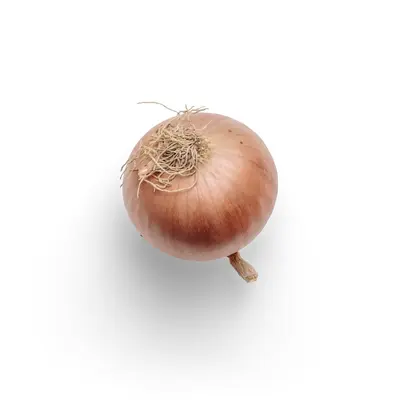
Jumper
Very upright foliage keeps leaves off the ground, which results in easier cultivation, better plant health, and cleaner leaves at the wash station. Refined shanks with minimal bulbing for easy stripping.
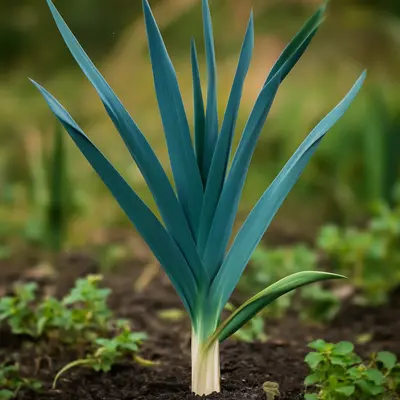
King Richard
Beautiful full-sized leeks. In favorable soil and culture, the white shanks are over a foot long to the first leaf. Medium-green leaves with full habit. For baby leeks, plant closely (40 seeds/ft.) and harvest at finger size. While not hardy enough for overwintering, they will withstand medium-heavy frost (32° to 20°F/0° to -7°C) without losing their healthy appearance.
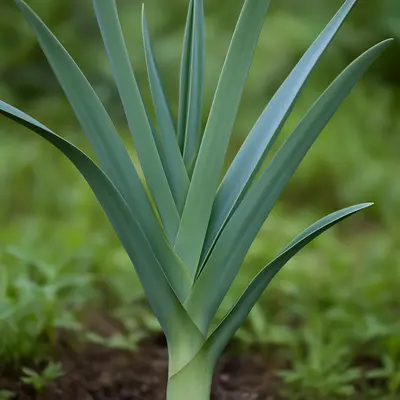
Megaton
Early maturing and good field holding of long, thick shanks creates a very high yield potential. Less bulbing and splitting, and easier to peel than open-pollinated varieties. Vigorous and uniform.

Red Carpet Chives
A stunning ornamental chive variety that produces masses of vibrant rose-red flowers above dense clumps of slender green foliage. Beyond its beauty, this perennial herb offers the same mild onion flavor as regular chives, making it both a gorgeous garden accent and a useful culinary herb. The flowers are edible and make beautiful garnishes.
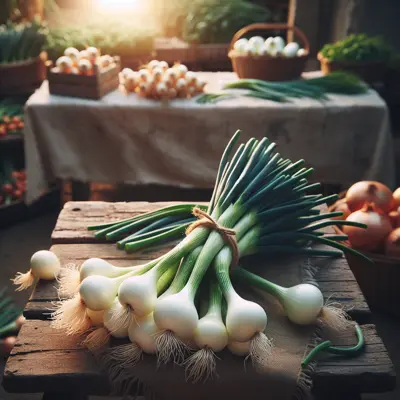
White Lisbon Bunching Onion
The classic European bunching onion prized for its crisp white stems and mild onion flavor. Perfect for continuous harvesting throughout the growing season, these versatile scallions can be harvested young for tender greens or left to mature for thicker stems. A kitchen garden essential that's incredibly easy to grow.
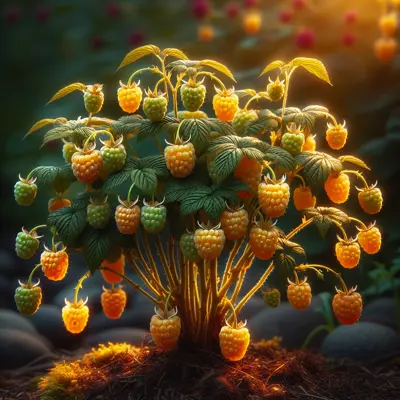
Anne Golden Raspberry
A stunning everbearing yellow raspberry that produces sweet, honey-flavored berries from summer through fall. This primocane variety offers the unique appeal of golden-yellow fruit that's less attractive to birds while delivering exceptional sweetness and a delicate, almost tropical flavor. Anne's thornless canes and compact growth habit make it ideal for small gardens and containers.
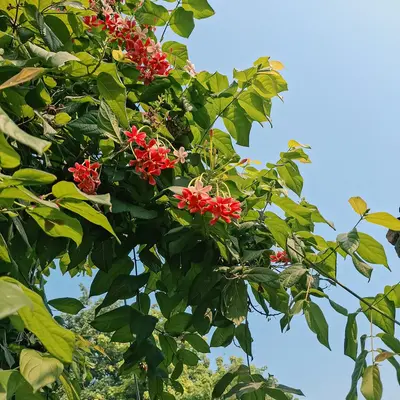
Aronia Berry (Chokeberry)
Often called the ultimate superfruit, aronia berries pack more antioxidants than blueberries, goji berries, or acai. These native North American shrubs are incredibly hardy and adaptable, thriving where other berries struggle. While tart when fresh, they transform into delicious jams, juices, and baked goods while providing exceptional nutritional benefits.
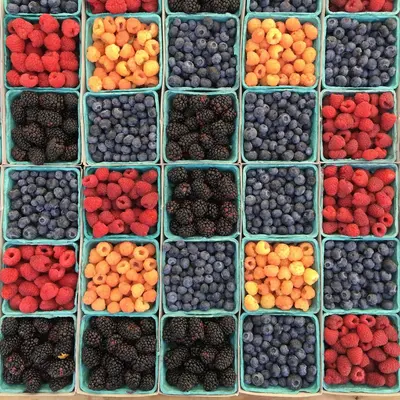
Bluecrop Blueberry
The gold standard of highbush blueberries and America's most widely planted variety for good reason. This mid-season producer yields large, flavorful berries with excellent storage quality and consistent annual crops. Bluecrop's exceptional cold hardiness, disease resistance, and reliable performance make it the perfect choice for beginner blueberry growers.
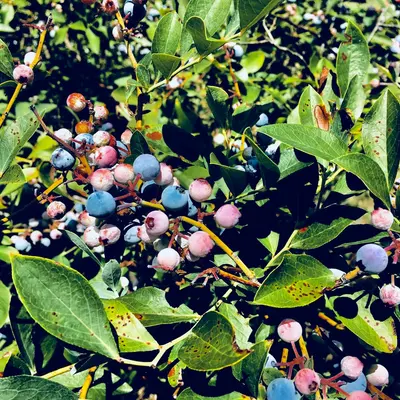
Blueray Blueberry
A premier northern highbush blueberry developed by the USDA, prized for its exceptionally large, firm berries and outstanding flavor. This vigorous grower produces heavy crops of light blue berries with excellent storage quality, making it a favorite for both fresh eating and preserving. The attractive spring flowers and brilliant fall foliage add ornamental value to any landscape.
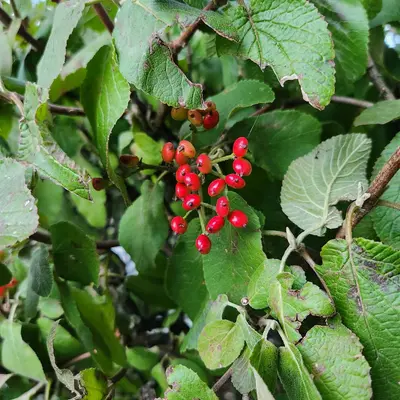
Boyne Red Raspberry
An exceptionally hardy red raspberry developed in Manitoba, Canada, capable of surviving temperatures down to -40°F without winter protection. This early-ripening variety produces medium-sized, bright red berries with excellent flavor and remarkable productivity despite its compact size. Boyne is perfect for northern gardeners who thought raspberries were impossible to grow in their climate.
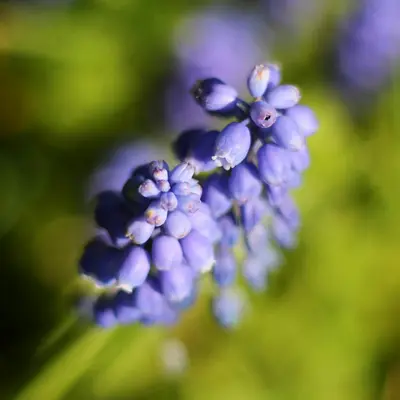
Brightwell Rabbiteye Blueberry
A premium rabbiteye blueberry variety developed by the University of Georgia, prized for its exceptionally large, firm berries with outstanding sweet flavor. This vigorous, upright bush produces heavy yields of light blue fruit that stores and ships better than most varieties. Perfect for hot, humid climates where Northern highbush varieties struggle.
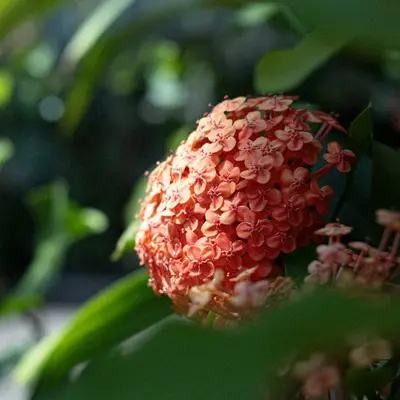
Caroline Red Raspberry
A premium everbearing red raspberry that produces two crops per year - a summer harvest on second-year canes and a heavy fall crop on first-year canes. Known for exceptional fruit quality with large, firm berries that have outstanding flavor and excellent shelf life. This disease-resistant variety thrives in hot climates better than most raspberries, making it perfect for challenging growing conditions.
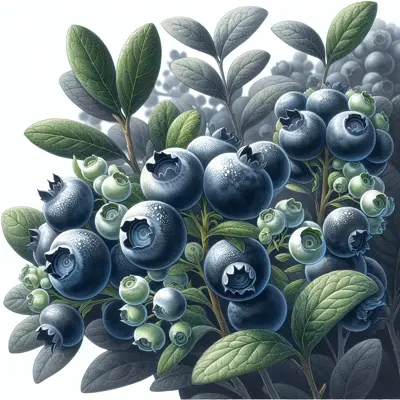
Duke Blueberry
One of the finest early-season blueberry varieties, producing large, firm berries with exceptional sweet flavor in mid-June. Duke offers reliable annual production and excellent cold hardiness, making it a favorite among northern gardeners. The upright, vigorous bushes also provide beautiful white spring flowers and stunning orange-red fall foliage.
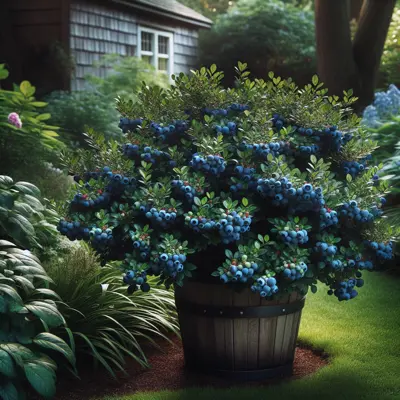
Elliott Blueberry
The season extender that blueberry enthusiasts dream about, Elliott produces sweet, firm berries well into late summer when other varieties have finished. This vigorous highbush variety offers excellent cold hardiness and consistent heavy yields of medium-large berries with exceptional storage quality. Its extended harvest period makes it invaluable for home gardeners wanting fresh blueberries from July through September.
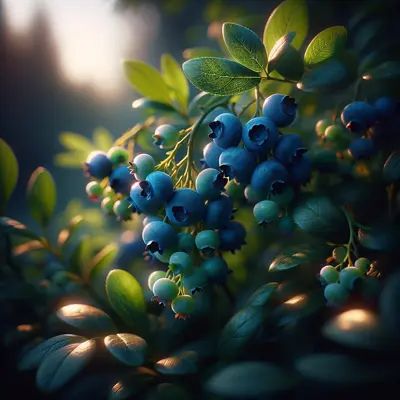
Emerald Blueberry
A revolutionary southern highbush blueberry that produces massive, sweet berries without requiring winter chill hours. Perfect for warm climates where traditional blueberries struggle, Emerald offers exceptional fruit quality with a long harvest season that extends from late spring through early summer.
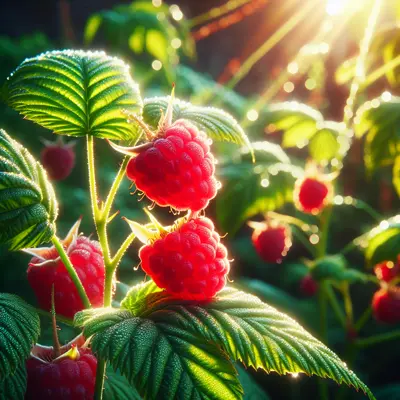
Everbearing Red Raspberry
A prolific everbearing raspberry that delivers two harvests per year - a summer crop on second-year canes and a fall crop on first-year canes. Known for producing large, firm berries with excellent flavor and superior keeping quality, making it a favorite among home gardeners seeking extended harvests.

Fall Gold Everbearing Raspberry
A unique yellow-fruited everbearing raspberry that produces sweet, mild berries on current-year canes. This thornless variety offers two harvests per year and exceptional cold hardiness. The golden berries are less acidic than red varieties, making them perfect for fresh eating and creating stunning dessert presentations.

Heritage Red Raspberry
America's most popular everbearing raspberry variety, delivering two harvests per year with exceptional reliability. These medium-sized berries offer outstanding flavor and freeze beautifully, making them perfect for both fresh eating and preserving. Heritage is renowned for its disease resistance and ability to produce consistent crops even for novice gardeners.
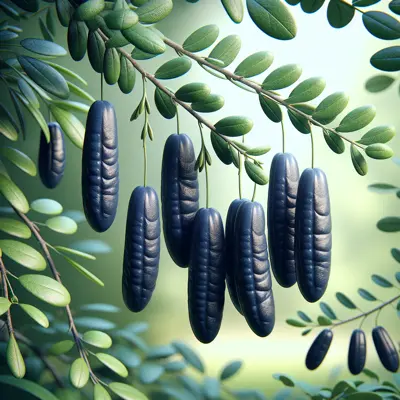
Honeyberry (Haskap)
An exciting superfruit that's gaining popularity among adventurous gardeners, producing unique elongated blue berries with a complex flavor reminiscent of blueberry-raspberry-cherry. These extremely cold-hardy bushes are among the first fruits to ripen in early summer, often ready weeks before strawberries. Honeyberries thrive in northern climates where other berries struggle and offer exceptional antioxidant content.
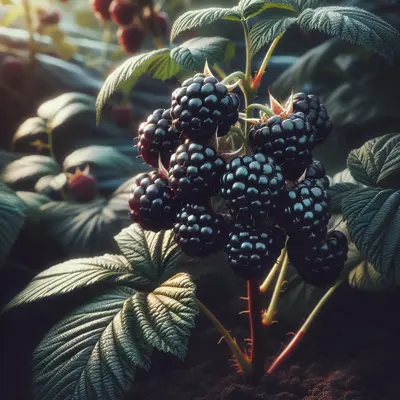
Jewel Black Raspberry
A premium black raspberry variety developed by Cornell University, prized for its exceptional sweet-tart flavor and firm, glossy berries. Jewel produces abundant crops of large, jet-black fruits that hold their shape beautifully for fresh eating or baking. This hardy variety offers excellent disease resistance and reliable harvests that make it a favorite among home gardeners.
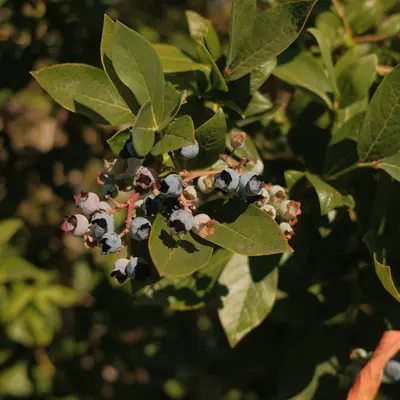
Legacy Blueberry
A late-season highbush blueberry prized for its enormous, firm berries that can reach the size of quarters. This vigorous variety produces consistently heavy crops of sweet, flavorful berries with excellent storage quality, making it perfect for fresh eating and preserving. Legacy's compact growth habit and beautiful fall foliage make it an attractive addition to any edible landscape.
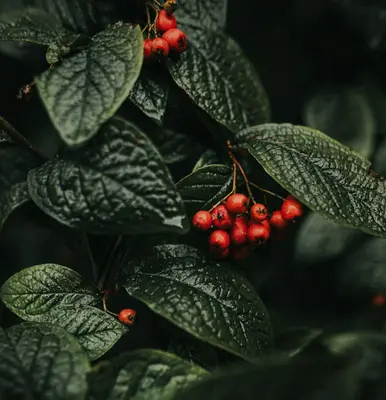
Lingonberry
A Scandinavian favorite that's perfect for northern gardens, producing two crops per year of tart, cranberry-like berries. These low-growing evergreen shrubs create beautiful ground cover while yielding berries prized for their keeping quality and distinctive flavor. Ideal for gardeners wanting to grow something unique that thrives in cooler climates.
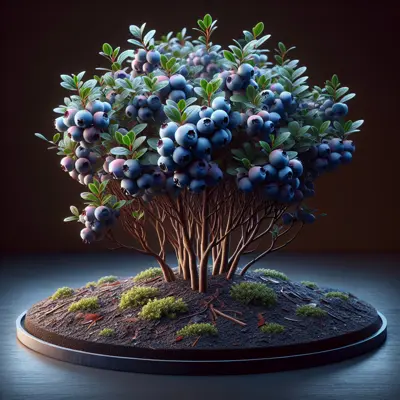
Northland Blueberry
A cold-hardy, half-high blueberry bush that's perfect for northern gardeners and smaller spaces. This reliable variety produces abundant crops of medium-sized, sweet berries and offers beautiful fall color, making it both productive and ornamental in the landscape.

Patriot Blueberry
An exceptionally hardy northern highbush blueberry known for its consistent heavy yields and superior cold tolerance. This vigorous variety produces large, flavorful berries early in the season and demonstrates excellent resistance to root rot, making it ideal for challenging growing conditions and northern climates.
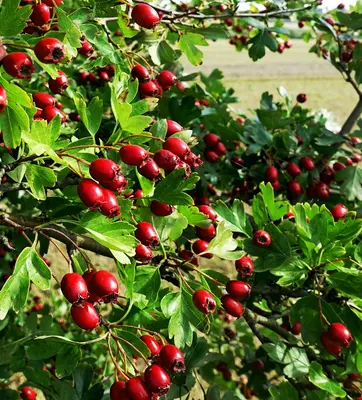
Royalty Purple Raspberry
A stunning purple raspberry variety that combines the best traits of red and black raspberries, producing large, sweet-tart berries with a unique wine-like flavor. Developed at Cornell University, this vigorous grower produces heavy yields on strong, self-supporting canes. The deep purple fruit is perfect for fresh eating and makes spectacular jams with incredible color.
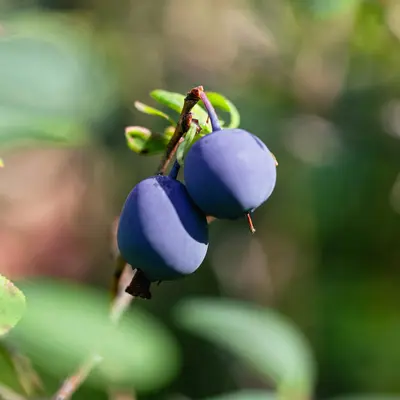
Saskatoon Berry (Serviceberry)
A native North American superfruit that's gaining popularity for its incredible health benefits and sweet, almond-like flavor. These hardy shrubs produce abundant crops of purple-blue berries and offer beautiful spring flowers and stunning fall foliage as bonus features. Perfect for edible landscaping and wildlife-friendly gardens.
Tifblue Rabbiteye Blueberry
A heat-tolerant rabbiteye blueberry that thrives in Southern climates where northern varieties fail. This vigorous producer yields large, firm berries with excellent flavor and superior storage quality. Perfect for gardeners in hot, humid regions who want reliable blueberry harvests.
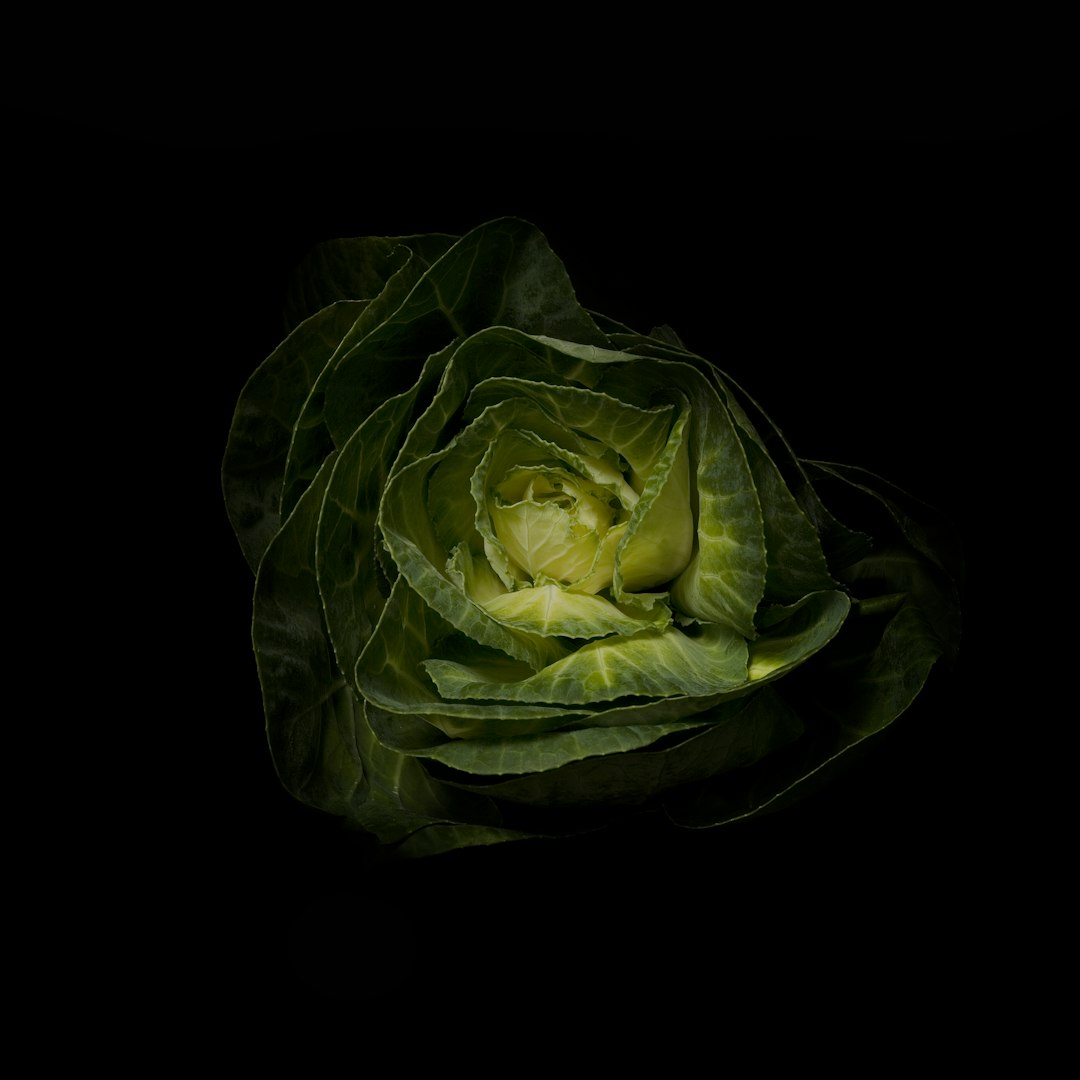
Amazing
Medium-size plants with domed, solid curds and self-blanching, upright wrapper leaves when well fed. Tolerant to both heat and cold stress.
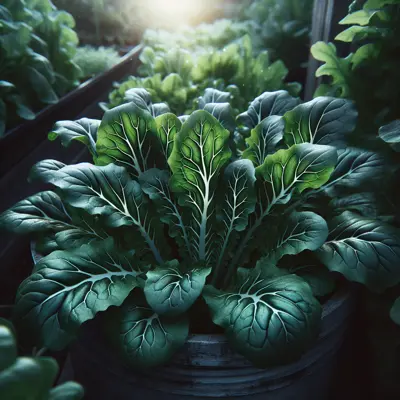
Arugula 'Rocket'
This fast-growing salad green delivers a peppery, nutty punch that transforms ordinary salads into gourmet experiences. The deeply lobed leaves are ready to harvest in just weeks, making it perfect for succession planting and continuous fresh salads. Cool weather brings out the best flavor, while hot weather intensifies the spiciness for those who love bold, peppery greens.
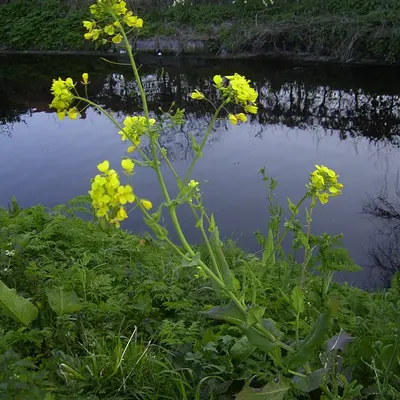
Attis
Firm, smooth and very high-quality medium-sized sprouts. Suitable for late-season harvest.
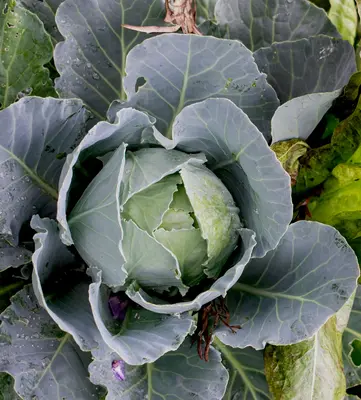
Beas
The first white kohlrabi. Beas is early and incredibly uniform. A real beauty with sweet, mild flavor and creamy internal color. Named for the Beas River in Northern India, where it was bred.
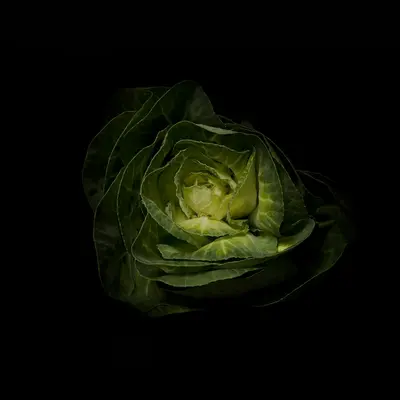
Bishop
For summer and fall crops. Bishop has well-wrapped heads, excellent vigor, and wide adaptability.
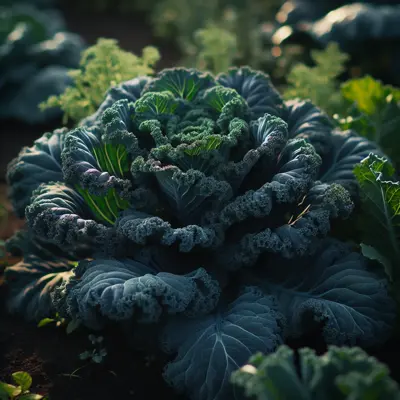
Black Magic Kale
Black Magic is a well-maintained selection of Toscano kale with long, narrow leaves for attractive and tall, straight bunches. Dark blue-green leaves with beautiful savoy. Lacinato or "dinosaur" type kale.
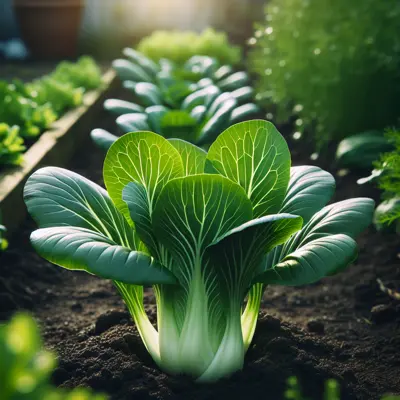
Bok Choy 'Joi Choi'
An All-America Selections winner that produces beautiful, uniform heads with crisp white stems and dark green leaves. This hybrid variety is slow to bolt and performs exceptionally well in both spring and fall gardens. Joi Choi's tender texture and mild flavor make it perfect for both raw and cooked applications.
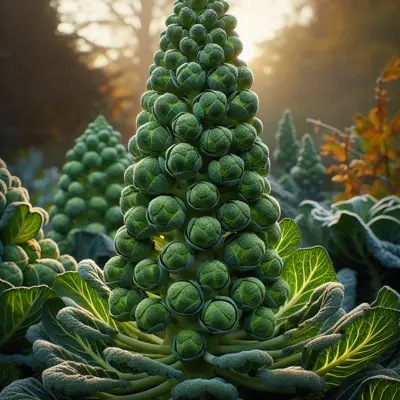
Brussels Sprouts 'Long Island Improved'
A reliable heirloom Brussels sprouts variety that produces abundant harvests of sweet, compact sprouts along tall, sturdy stalks. This cold-hardy variety actually improves in flavor after frost, developing a nutty sweetness that makes it perfect for roasting. An excellent choice for gardeners wanting to grow their own fresh Brussels sprouts without the bitterness often found in store-bought varieties.
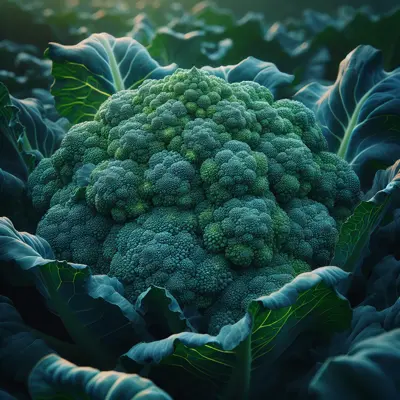
Burpee Hybrid Broccoli
A reliable hybrid broccoli that produces large, tight heads with excellent uniformity and heat tolerance. This variety is prized for its ability to produce substantial side shoots after the main head is harvested, extending the harvest season significantly.
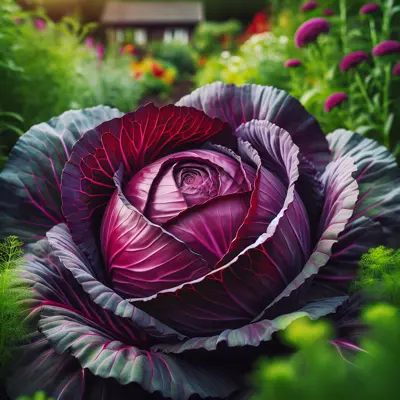
Cabbage 'Red Express'
A compact, early-maturing hybrid that produces perfectly round, deep red-purple heads in just 76 days. This space-saving variety is ideal for small gardens and containers while delivering the crisp texture and peppery-sweet flavor that makes red cabbage a kitchen favorite. The uniform heads resist splitting and store exceptionally well.
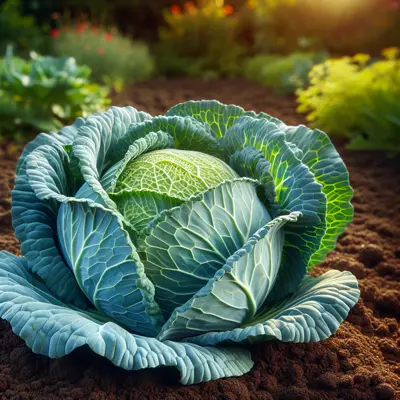
Cabbage 'Stonehead'
An award-winning hybrid that produces perfectly round, compact heads with exceptional storage quality. This reliable variety forms dense, 3-4 pound heads that resist splitting and maintain their quality in the garden longer than most cabbages. Stonehead's consistent performance and excellent flavor make it a top choice for home gardeners seeking reliability.
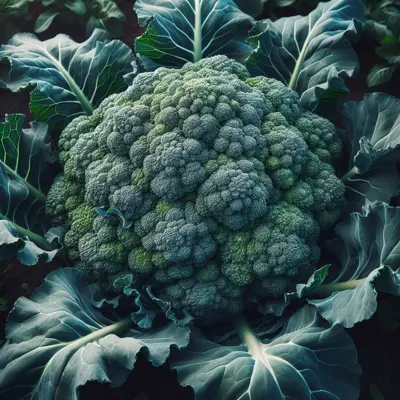
Calabrese Broccoli
The classic Italian heirloom that gave us the broccoli we know today, originating from the Calabria region. This traditional variety produces medium-sized blue-green heads with excellent flavor and reliable side shoot production after the main head is harvested. A must-grow for gardeners seeking authentic Italian flavor and continuous harvests.
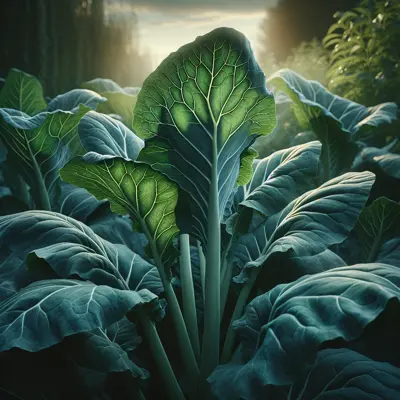
Champion Collards
A heat and cold tolerant hybrid collard that produces large, smooth, blue-green leaves perfect for traditional Southern cooking. This variety is exceptionally slow to bolt and continues producing tender leaves through both summer heat and winter cold, making it ideal for year-round harvests in mild climates.
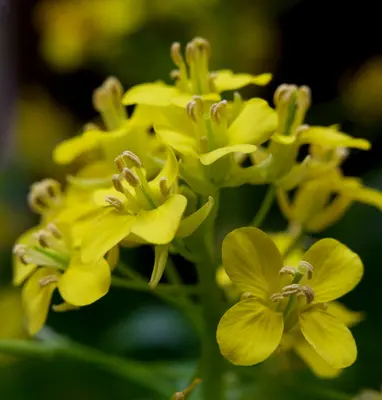
Cheddar
This beautiful, early, orange cauliflower holds well in the field. It becomes an even brighter orange when lightly cooked. Market Cheddar alongside other specialty varieties for an irresistible combination. Brighter orange, but less heat tolerant than Flame Star. Best for fall harvest, but can also be spring sown for a summer harvest.
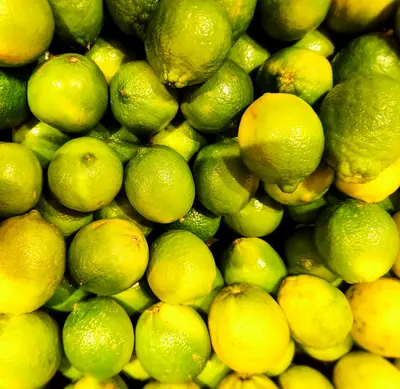
Citrus
Well-filled heads average 11" tall and 5 1/2-6 lb. Similar to standard Napa types except for the interior color and a distinctive orange ring around the edges of the cut stems. NOTE: Under very rainy conditions, the interior will be less orange. Suitable for cooking, kimchi, salads, and slaws.
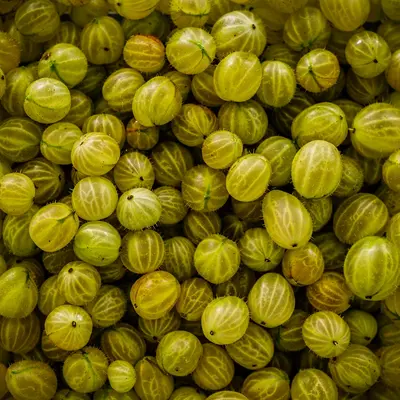
Clementine
Our brightest orange cauliflower. Big sturdy plants produce excellent crops, even under less-than-ideal conditions. The earliest maturing orange variety in our trials. For summer and fall harvest.
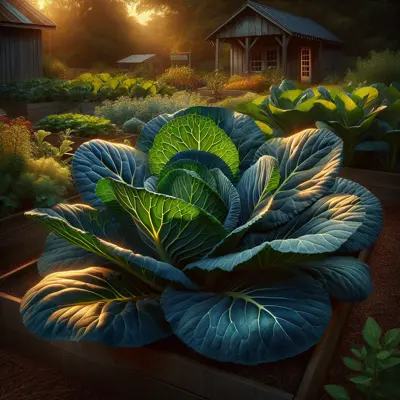
Collard Greens 'Georgia Southern'
The quintessential Southern collard green variety, prized for its large, blue-green leaves that become sweet and tender after cooking. This heat-tolerant heirloom thrives in hot summers when other greens bolt, and actually improves in flavor after frost. A must-have for traditional Southern cooking and an excellent source of nutrition for the home garden year-round.
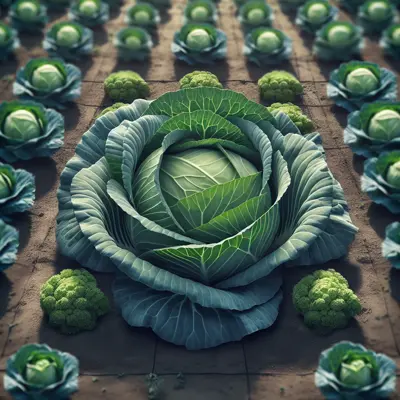
Copenhagen Market Cabbage
A classic early-maturing cabbage that's been a gardener favorite since 1909, prized for its reliability and compact growth habit. This Danish heirloom produces perfectly round, solid heads with crisp, sweet leaves that are ideal for fresh eating or quick cooking. Its ability to mature quickly while maintaining excellent quality makes it perfect for successive plantings.
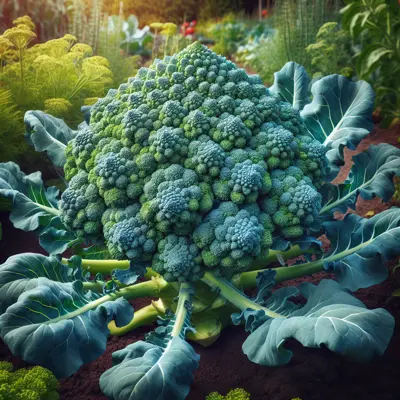
De Cicco Broccoli
A traditional Italian heirloom variety producing small, avg. 3-4", main heads projected well above the foliage followed by a large yield of side-shoot spears. Nonuniform in maturity, resulting in a long harvest period. Grow as later succession to BC1611. Longer harvest period than other sprouting broccoli varieties, with more variation in shoot size. For spring or fall production. Pinching recommended to encourage heavier side-shoot production. Unsized seed.
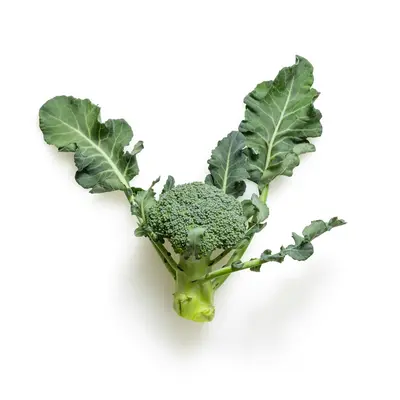
Denali
Heads are large, heavy, and self-wrapping. Good heat and humidity tolerances make Denali an excellent choice for summer sowings for fall harvest in Eastern conditions. Good for fall and winter in mild climates. Extensive root system makes it a good choice for plantings in fields with below-average fertility. Good for fresh market or florets. Widely adapted.
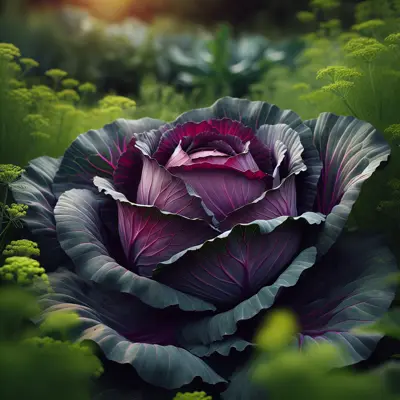
Detroit Dark Red
A classic heirloom cabbage prized for its deep burgundy-red color and exceptional storage capabilities. This reliable variety produces dense, round heads with crisp texture and sweet flavor that intensifies after light frosts. Perfect for both fresh eating and traditional fermented preparations like sauerkraut.
Divino
Firm, uniform, and attractive sprouts hold well on the stalk for whole-stalk harvest. Medium-size sprouts. For late-season harvest.
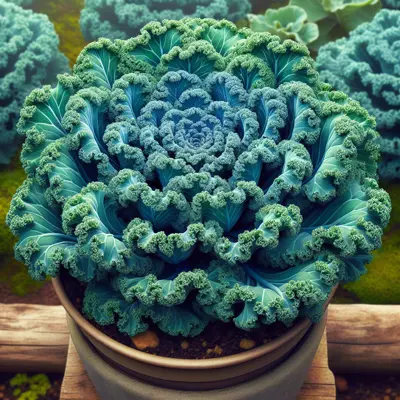
Dwarf Blue Curled Kale
A compact heirloom kale variety dating back to the 1860s, prized for its intensely curled blue-green leaves and sweet flavor that improves with frost. This space-saving variety is perfect for small gardens and containers while still providing abundant harvests of tender, flavorful leaves. The attractive, heavily ruffled foliage also makes it an excellent ornamental edible.
EarliSnow
Performs well in both spring and fall trials. Earlier, more consistent, and more dependable than Snow Crown. Medium-size plant with an average wrap. Widely adapted.
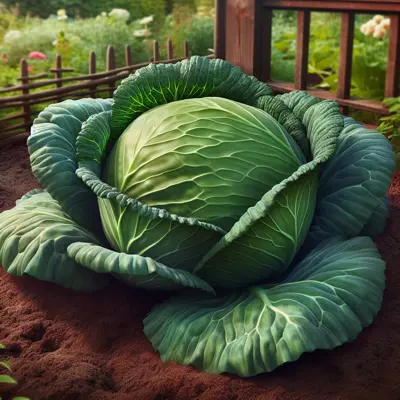
Early Flat Dutch Cabbage
A classic heirloom cabbage dating back to the 1840s, prized for its large, flattened heads that can weigh 10-15 pounds. This reliable variety produces solid, sweet heads with excellent storage qualities and is perfect for making sauerkraut or coleslaw.
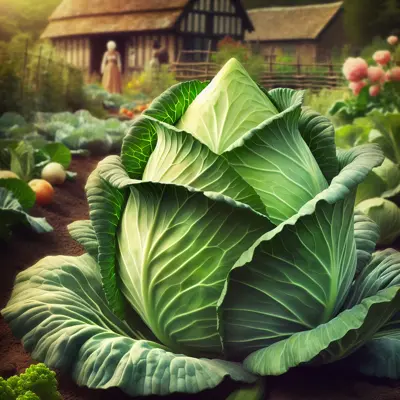
Early Jersey Wakefield Cabbage
A treasured heirloom dating back to the 1840s, this variety produces compact, conical heads that are perfect for small gardens and early harvests. Known for its sweet, tender leaves and reliable performance, it's an excellent choice for gardeners wanting to try a piece of American agricultural history. The pointed heads are distinctively attractive and space-efficient.
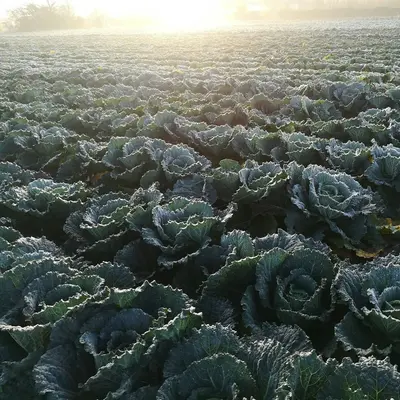
Fioretto 70
Most reliable sprouting cauliflower in our trials. The sweet and tender, light green stems with white florets are ideal for light cooking or serving raw for dipping. Eye-catching when paired with sprouting broccoli. Market heads whole, or cut and bunched. Stems will continue to elongate once heads form. Harvest anytime up to about 8" tall. NOTE: This variety can be difficult to grow. Requires moderate heat, but excess heat can result in purpling and uneven curds. Recommended temperature range: 60-80°F during head formation. We suggest trialing before implementing on a larger scale.
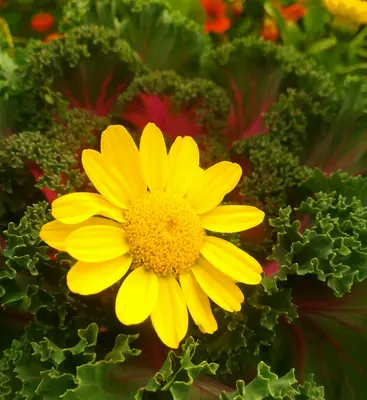
Flame Star
Flame Star performs very well in both spring and fall trials. Compared to Clementine and Cheddar, Flame Star is paler in color and more tolerant to heat and stress. Pastel-orange heads on medium-large plants.
Gladius
Blue-green sprouts are uniform in size and color and hold well on their stalks. Plants resist lodging. Medium-small sprouts. For early and mid-fall harvest.
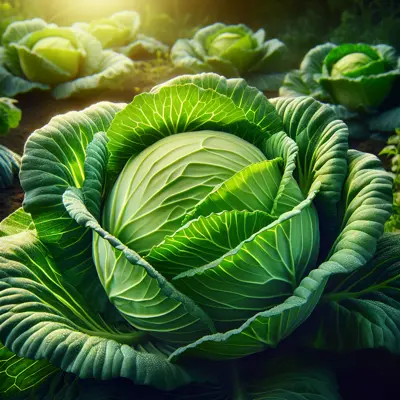
Golden Acre Cabbage
A compact, early-maturing cabbage that's perfect for small gardens and beginning gardeners seeking reliable results. This variety produces perfectly round, solid heads with sweet, crisp leaves and has the advantage of maturing quickly without taking up excessive garden space. An excellent choice for succession planting and container growing.
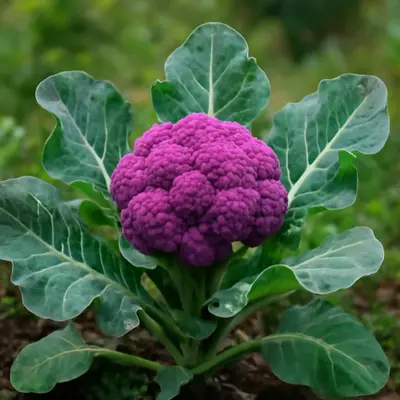
Graffiti
Graffiti's brilliant purple heads are a great draw at farm stands and excellent for CSAs and restaurants. The colorful florets are attractive served raw with dip or as a cooked vegetable. Graffiti produces a true cauliflower head on large plants. Best for fall harvest, but can also be sown in spring.
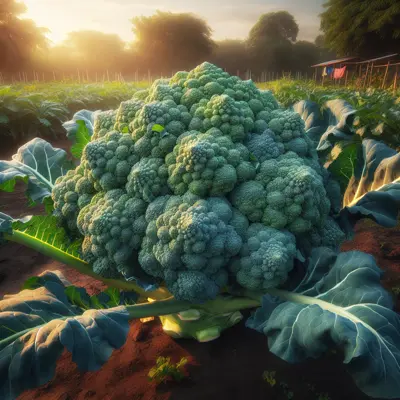
Green Goliath Broccoli
A hybrid powerhouse that produces massive 6-8 inch heads on sturdy plants that tower over other broccoli varieties. Green Goliath lives up to its name with exceptional heat tolerance and the ability to produce substantial side shoots after the main head is harvested, extending your harvest season significantly.
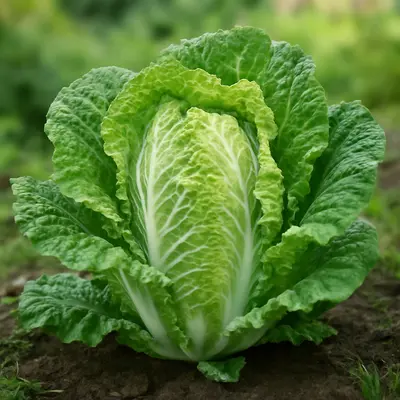
Haku
Very good performance along the Eastern Seaboard, as well as in Arizona and California. Heads avg. 11" tall and 5 1/2-6 lb. Our most heat tolerant, tipburn tolerant, and adaptable variety.
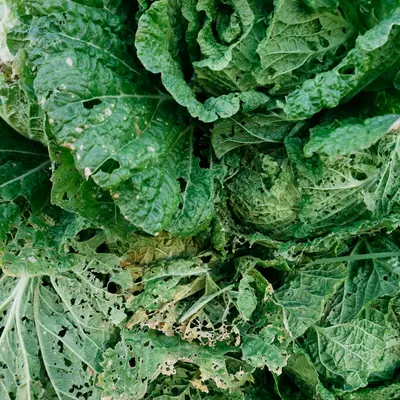
Kale 'Winterbor F1'
The ultimate winter kale that actually improves in flavor after frost exposure, becoming sweeter and more tender. This vigorous hybrid produces masses of deeply curled, blue-green leaves that can withstand temperatures down to 10°F while continuing to grow. It's the go-to variety for gardeners wanting fresh greens throughout winter.
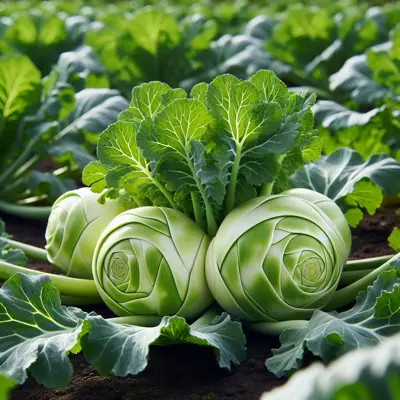
Kohlrabi 'Early White Vienna'
This unique vegetable produces crisp, sweet bulbs that taste like a cross between cabbage and turnip, with a delightful apple-like crunch. The pale green bulbs are best harvested young and tender, offering a refreshing addition to salads or excellent roasted as a side dish. Easy to grow and fast-maturing, this heirloom variety is perfect for gardeners wanting to try something new and delicious.
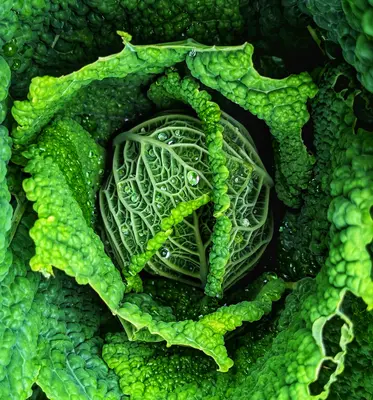
Kolibri
3" bulbs with uniform deep purple skin and nearly fiberless, crisp, white flesh.
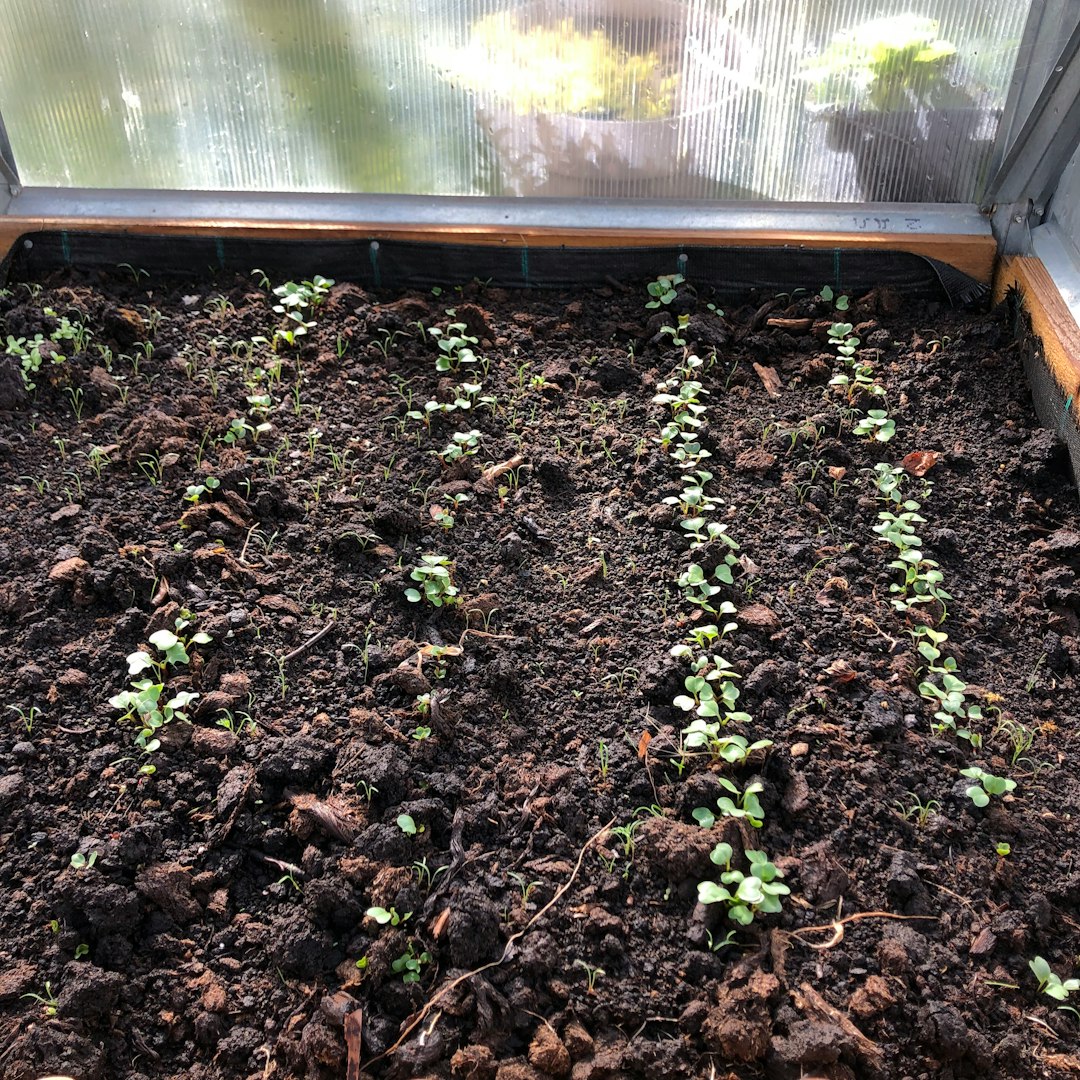
Kossak
Kossak is a hybrid brassica variety prized for its tender, sweet flavor and mild taste profile. This reliable variety reaches maturity in approximately 80 days, making it ideal for mid-season gardening. Known for its excellent eating quality, Kossak produces heads with a delicious, pleasant flavor that sets it apart from coarser cabbage varieties. It thrives in well-drained, fertile soil under full sun to partial shade conditions. Best suited for gardeners seeking an easy-to-grow brassica with superior culinary qualities and dependable performance.
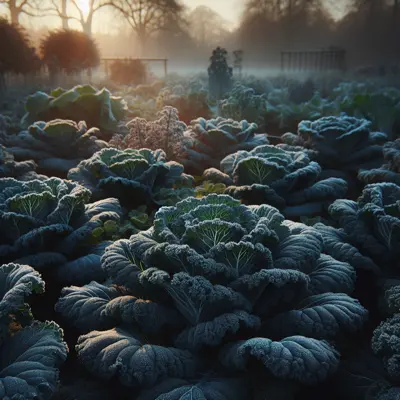
Lacinato Kale
Also known as 'Dinosaur Kale' or 'Tuscan Kale', this Italian heirloom features distinctive dark blue-green leaves with a pebbled texture resembling reptilian skin. The narrow, strap-like leaves have a sweeter, more tender flavor than curly kale and become incredibly sweet after frost exposure. An absolute must-have for the health-conscious gardener seeking both nutrition and gourmet flavor.
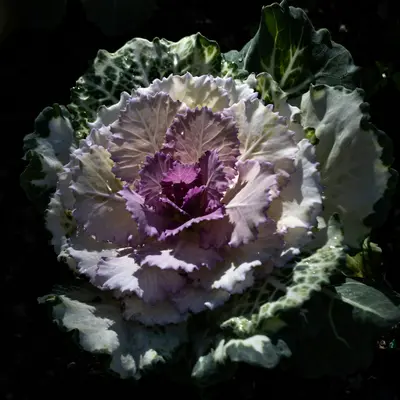
Lavender
Attractive bright purple florets make Lavender a great choice for dipping platters. Stems are a beautiful medium-purple in fall, paler in spring. Compared to Graffiti, heads are a much brighter violet-purple and have a slightly larger dome. Performs best for fall crops but may also be grown successfully for summer crops.
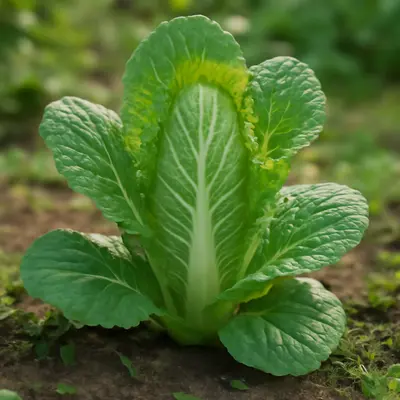
Minuet
9" tall heads with dark green outer leaves and an attractive yellow interior. Light, sweet taste. Space 12" apart for high yields of upright, dense heads. Slow to bolt. Tolerant to bottom rot and black speck.
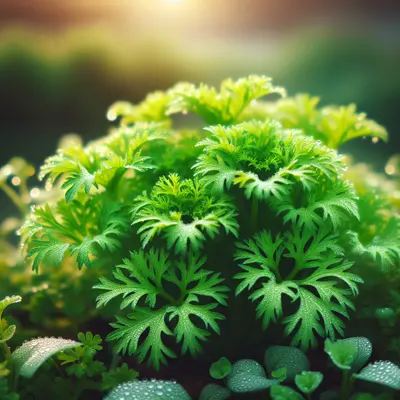
Mizuna
Mizuna is a Japanese mustard green featuring delicate, feathery leaves with a lacy appearance that resemble fine parsley. This heirloom brassica matures quickly in 21-45 days, making it ideal for succession planting. Unlike assertive mustard greens, mizuna offers a mild, slightly peppery flavor with a fresh, clean taste that adds subtle complexity to salads and Asian dishes. The tender leaves are less fibrous than standard mustard varieties, allowing them to be eaten raw or lightly cooked. Mizuna thrives in cool seasons and tolerates partial shade, making it versatile for various growing conditions.
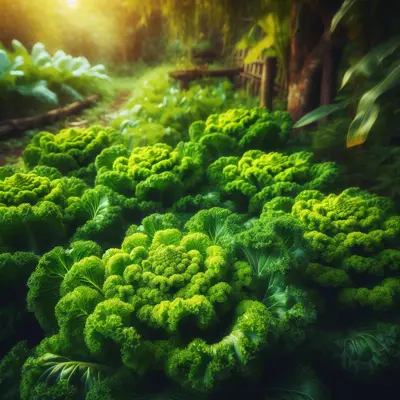
Mustard Greens 'Southern Giant Curled'
A beloved heirloom variety that's been a Southern garden staple for over 100 years, producing massive yields of deeply frilled, bright green leaves. This heat-tolerant variety grows vigorously in conditions that would stress other greens, making it perfect for extending the harvest season. The young leaves are mild enough for salads, while mature leaves develop the characteristic peppery bite that makes them perfect for traditional Southern cooking.
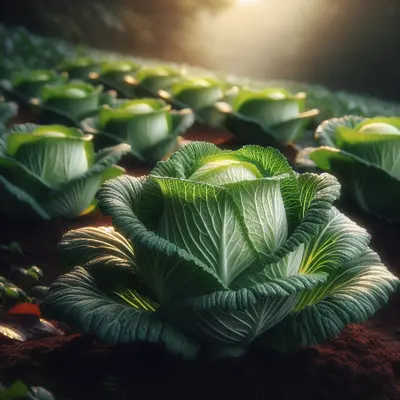
Napa Cabbage 'Michihili'
This classic Chinese cabbage produces tall, cylindrical heads with tender, sweet leaves perfect for Asian cuisine and fresh salads. The pale green leaves have crisp white ribs and a delicate flavor that's much milder than regular cabbage. Fast-growing and heat-tolerant, 'Michihili' is ideal for gardeners wanting to add authentic Asian vegetables to their garden repertoire.
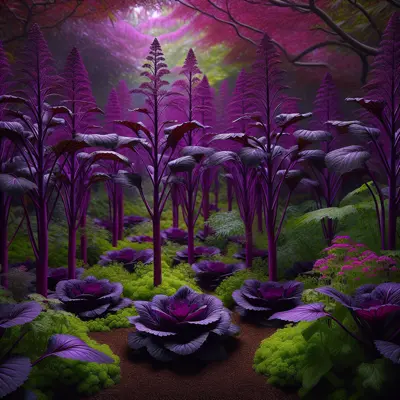
Osaka Purple Mustard
A stunning Japanese mustard green with deep purple leaves and bright green stems that creates an eye-catching contrast in any garden bed or salad bowl. This fast-growing beauty offers a mild mustard flavor when young that intensifies as leaves mature, giving you versatility from baby greens to cooking greens.
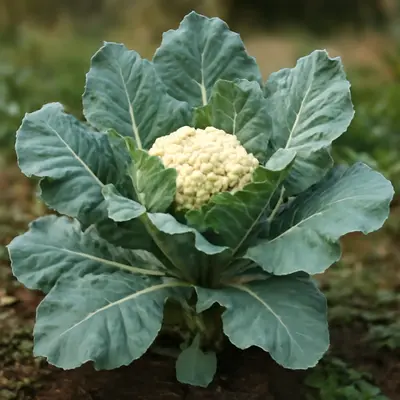
Paxton
An excellent choice for summer and fall-harvested crops, particularly in the Pacific Northwest and the Northeast. Large well-domed, attractive heads that are self-wrapping and do not need to be tied.
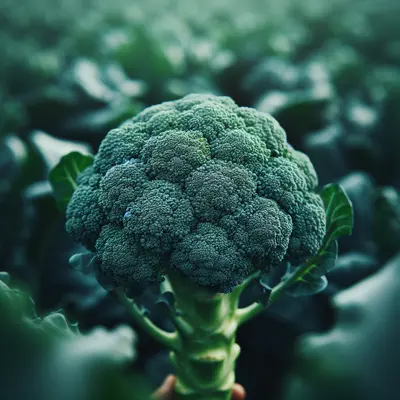
Premium Crop Broccoli
An award-winning F1 hybrid that produces large, dense blue-green heads with exceptional flavor and texture. This reliable variety offers excellent heat tolerance and produces abundant side shoots after the main head is harvested. A favorite among both home gardeners and commercial growers for its consistent performance.
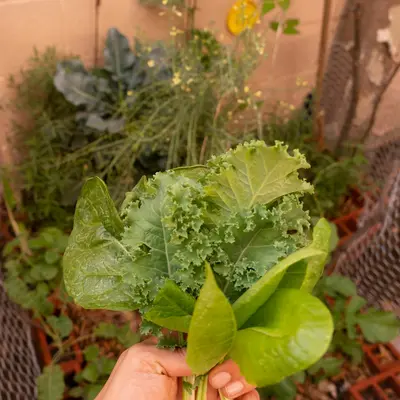
Puntoverde
Attractive, high-quality heads for summer or fall harvest. Produces excellent fall crops and, unlike other Romanesco types, produces very good summer crops in areas without extreme summer heat. Also suitable for winter or early spring production in areas with mild winters. Strong, rugged plants. Outperforms typical romanesco types under stressful weather conditions.
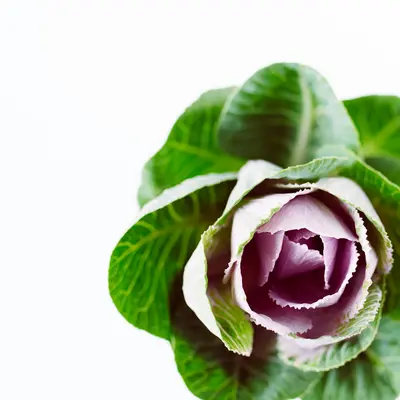
Purple Moon
Early maturing purple cauliflower. Very attractive medium-dark, purple heads. Our best-performing purple variety in warm weather and also makes an excellent fall crop. Widely adapted.
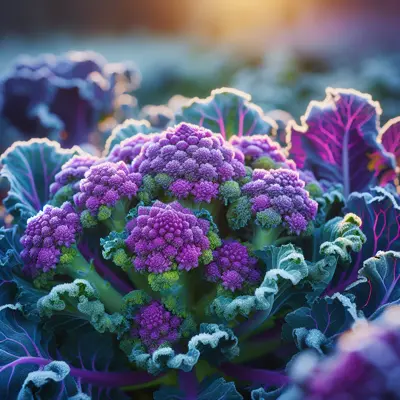
Purple Sprouting Broccoli 'Early Purple Sprouting'
A stunning heirloom variety that produces abundant purple flower heads over an extended harvest period. Unlike regular broccoli, this cold-hardy gem overwinters and provides fresh spears when little else is growing in the garden. The purple heads turn green when cooked and offer a sweet, nutty flavor that's considered superior to regular broccoli.
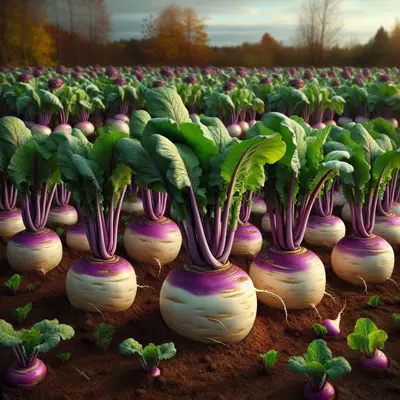
Purple Top Turnip
Purple Top Turnip is a classic heirloom variety featuring distinctive purple-tinged shoulders that fade to white at the base, creating an attractive two-tone appearance. These small to medium roots mature in just 37 days, making them quick from seed to harvest. The mild, sweet flesh develops additional complexity after frost, becoming noticeably sweeter. Young roots offer a subtle peppery bite, while mature roots are tender and suitable for roasting, mashing, or raw consumption. The purple coloring is both ornamental and traditional, making this an excellent choice for gardeners seeking reliable, flavorful turnips with minimal fuss.
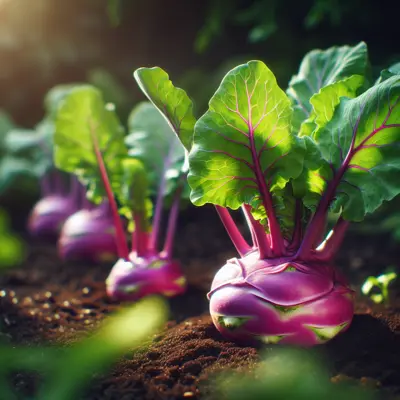
Purple Vienna Kohlrabi
An eye-catching heirloom kohlrabi with striking purple-red skin and crisp white interior that tastes like a cross between cabbage and turnip. This unique vegetable is perfect for gardeners wanting to try something different, and it's surprisingly easy to grow with a sweet, mild flavor when harvested young.
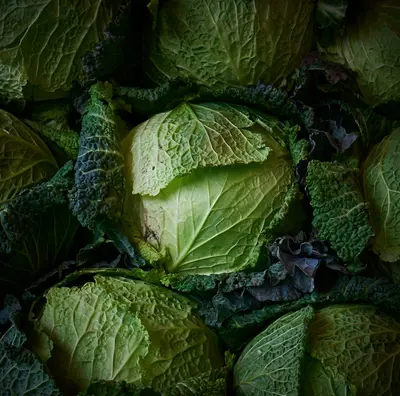
Quickstar
Very uniform in maturity with exceptional earliness and good flavor. Excellent yields.
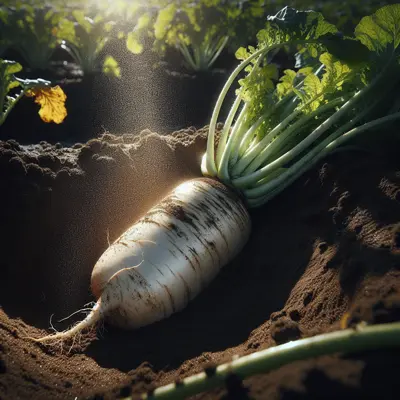
Radish 'Daikon 'Miyashige'
A premium Japanese daikon variety prized for its exceptionally sweet, crisp flesh and smooth white skin. These impressively large roots can reach 14-18 inches long while maintaining perfect tenderness throughout. This variety is particularly valued for its ability to stay mild and juicy even when large, making it perfect for fresh eating and traditional Asian preparations.
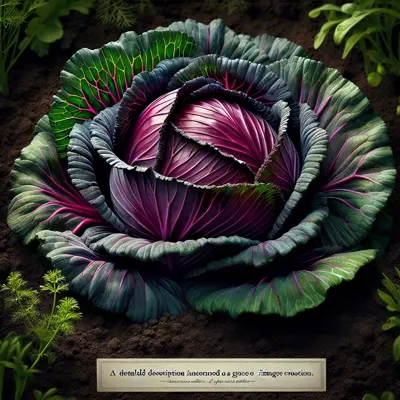
Red Acre Cabbage
An early-maturing red cabbage that forms compact, baseball-sized heads perfect for small families and succession planting. This reliable variety produces gorgeous deep purple-red heads that hold their color beautifully when cooked and adds stunning visual appeal to any garden or plate.
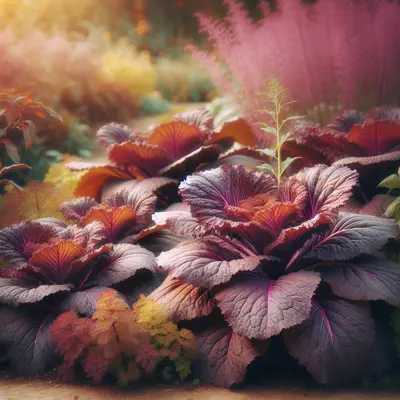
Red Giant Mustard
A stunning Asian green with large, bronze-red leaves that add dramatic color to both the garden and the dinner plate. This vigorous heirloom variety provides continuous harvests of spicy, peppery leaves that mellow when cooked. Red Giant's bold appearance and robust flavor make it a favorite among adventurous gardeners and chefs.
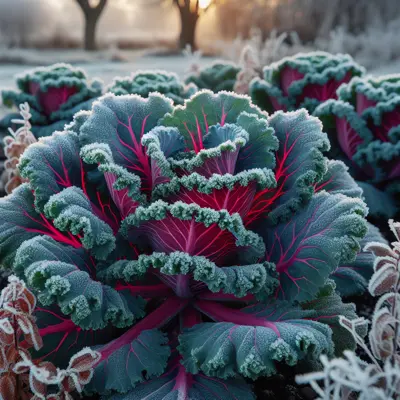
Red Russian Kale
Stems are purple; leaves are flat and toothed with purple veins. Mature plants are medium-tall and leaves are tender compared to other kales. For salads and light cooking. Sized seed. Also available in organic seed.
Red Trumpet
Tall, fancy, vibrant red heads avg. 11-12" tall by 3-3 1/2" wide. Good for salads, slaws, and attractive red kimchi. Similar color but much more slender than Merlot. NOTE: There are 4-5% green Napa-type off-types in this variety.
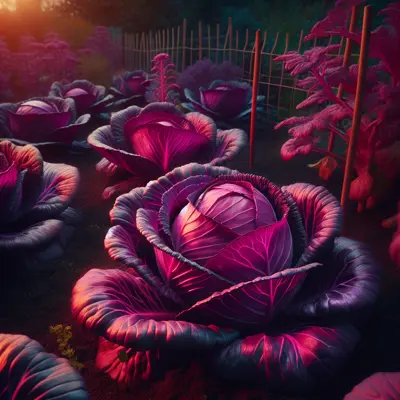
Ruby Perfection Cabbage
The #1 mid-late red cabbage. The heads are medium-size and dense with a uniform high-round shape and good wrapper leaves. Good field-holding ability. Matures just in time for late summer crops or fall harvest for medium-term storage. Avg. weight: 3 1/2 lb. Resistant to thrips. Unsized seed.
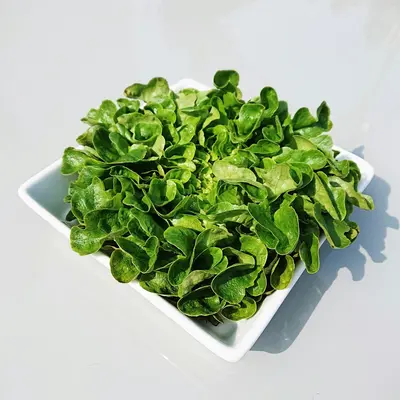
Silvia
Sprouts are medium-large, round, and very dense. The plants are medium-tall, upright, and resist lodging. Similar to Dagan, but a few days later and with the added benefit of intermediate resistance to black rot.
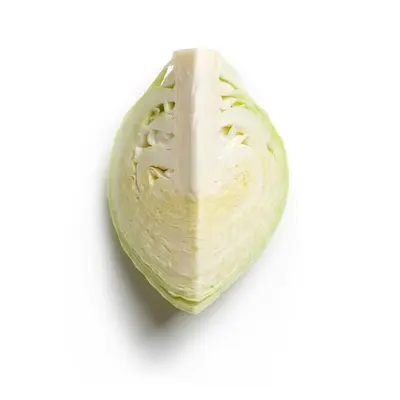
Snow Crown
This hybrid shows unusual seedling vigor. Good quality, medium-size heads whether harvested in summer or fall. Good tolerance to moderate fall frost (25-32°F/-4-0°C). AAS Winner. NOTE: When grown under fertility or moisture stress all cauliflower, but particularly Snow Crown, can show a purplish coloration on the undersides of the heads. Unsized seed.
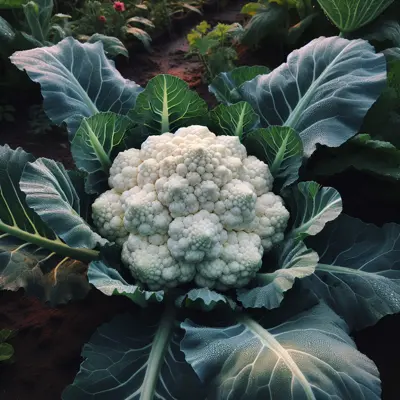
Snowball Y Improved Cauliflower
The gold standard for home gardeners seeking reliable, pure white cauliflower heads with exceptional flavor and texture. This improved variety produces dense, creamy white 6-8 inch heads that hold their quality longer than older varieties and resist yellowing. It's more heat tolerant than traditional Snowball types while maintaining that classic sweet, nutty cauliflower taste.
Song TJS-65
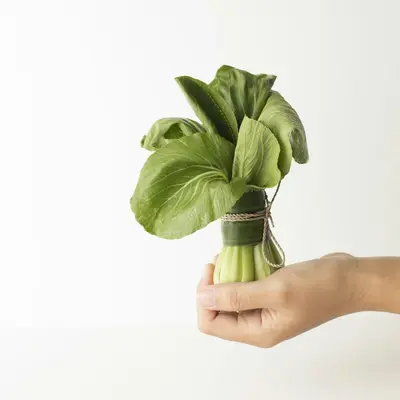
Green-stem cauliflower is popular in Asia, where it is commonly grown. Sweeter and more tender than standard white-stemmed varieties, and with longer stems that are exceptional for dipping. Kitchen prep work is quick, as a few knife strokes will cut most of the florets from the heads. Typically harvested after florets have elongated and curds have started to separate, though harvesting at the same stage as standard types is acceptable. Song TJS-65 performs better in hot weather and below-average fertility than standard types. Also known as sweet stem, soft curd, or loose curd cauliflower.
Spring Raab
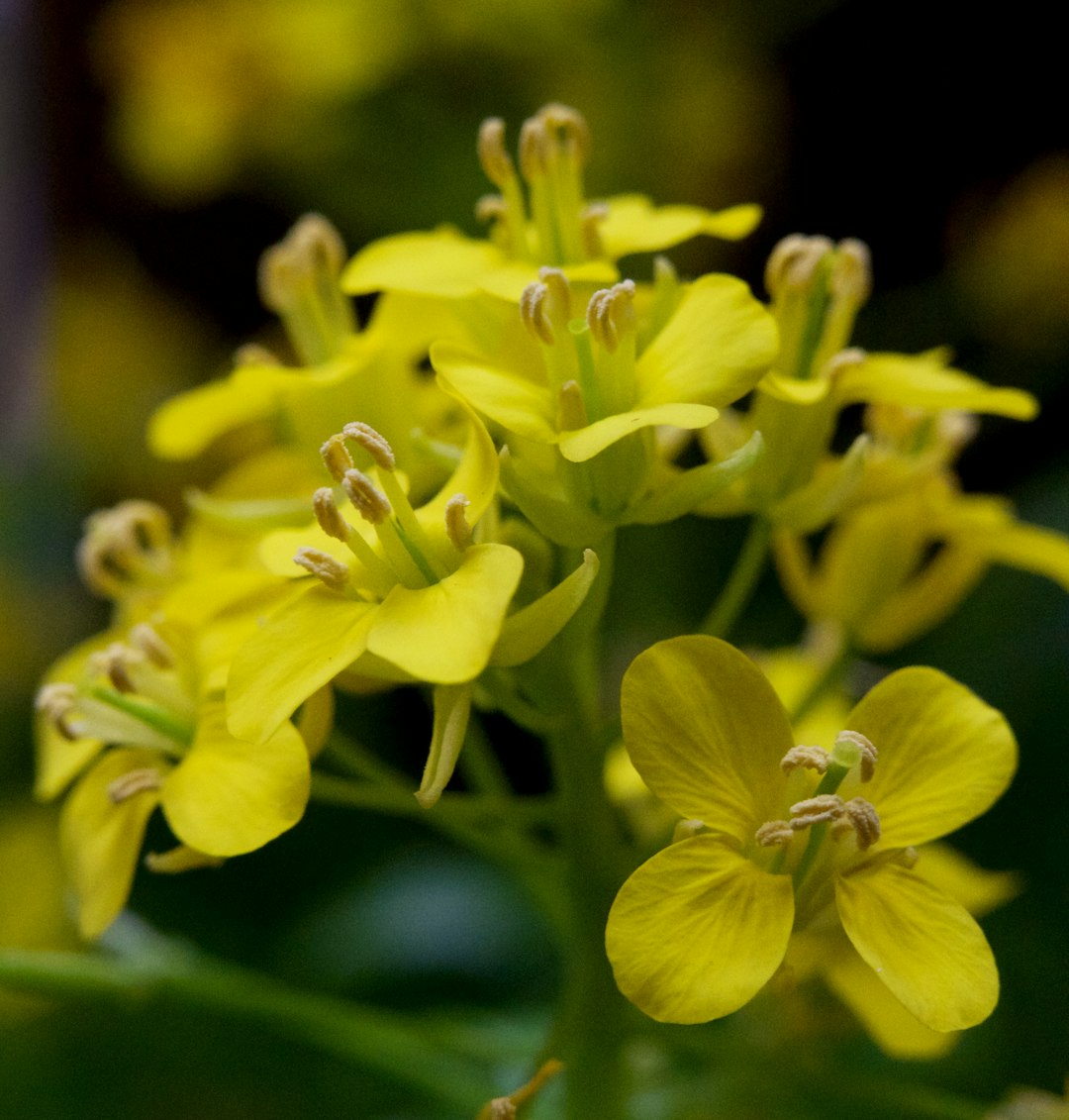
The most versatile broccoli raab variety for growing throughout the season - especially for spring and summer harvest, and overwintering in mild climates. Large plants mature over a 1-2 week period. Large, tender, abundant leaves borne on thin stems with delicate buds.
Synergy
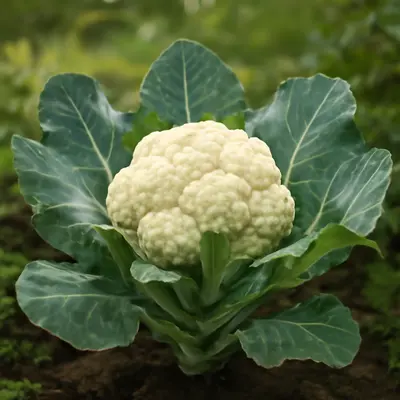
Large, sturdy plants produce big, well-domed heads. Performs exceptionally well in fall trials and is also suitable for spring production.
Tatsoi
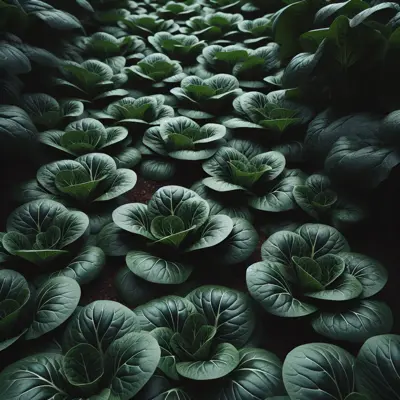
Tatsoi is a compact Asian brassica featuring glossy, dark green spoon-shaped leaves arranged in a dense rosette, typically reaching 4-6 inches tall. Ready to harvest in 40-50 days, this heirloom variety offers a mild mustard flavor balanced with subtle sweetness and tender, succulent texture. Its small, self-contained growth habit makes it ideal for succession planting and container cultivation. Tatsoi works exceptionally well in stir-fries, salads, and Asian cuisine, where its delicate leaves and stems can be used whole.
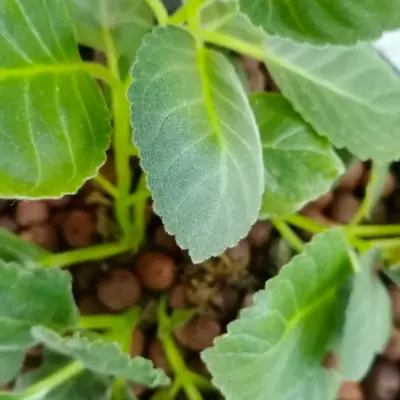
Terek
The best all-around kohlrabi we've found. Remarkable uniformity, texture, and flavor even past typical market size. Exceptionally sweet and mild. Holds a long time in the field without getting woody. Small petiole attachment makes for easier stripping and peeling. Terek's compact plant allows for tighter spacing and produces higher marketable yields. High quality up to 6" in diameter.
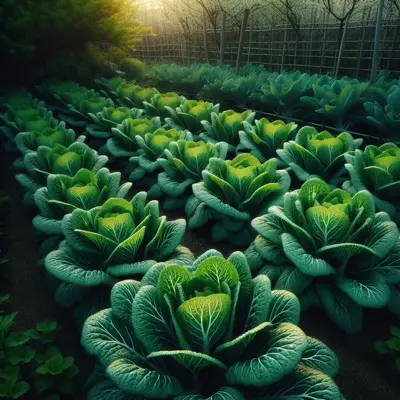
Tokyo Bekana
This one-of-a-kind blonde leaf with ruffled texture adds loft and a pop of color to salad mixes. A non-heading Chinese cabbage that has buttery leaves with a crunchy rib and mild flavor. At full size, softly curled leaves on narrow, white petioles can be sold as bunched greens. Thin to 4-8" for full-size heads for bunching. Also available in organic seed.
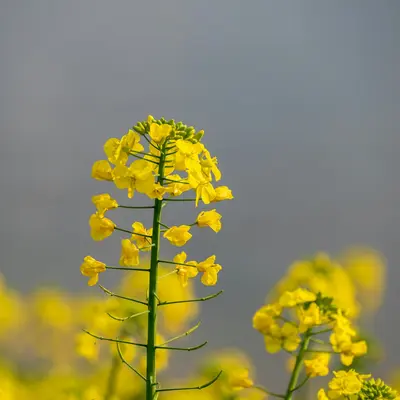
Twister
The big, heavy, well-domed heads have large wrapper leaves that protect them from the sun, resulting in excellent color and head quality. Twister performs well in summer and fall in the Northeast and Midwest, from late June through late October in Coastal California, and in desert areas in the winter. A great complement to Mardi.
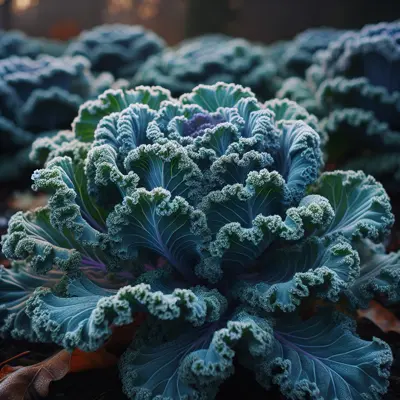
Vates Dwarf Blue Curled Kale
A compact, cold-hardy kale variety that was specifically bred for both home gardens and commercial production, winning an AAS award for its reliability. The tightly curled, blue-green leaves pack incredible nutrition into a space-saving plant that actually improves in flavor after frost touches the leaves.
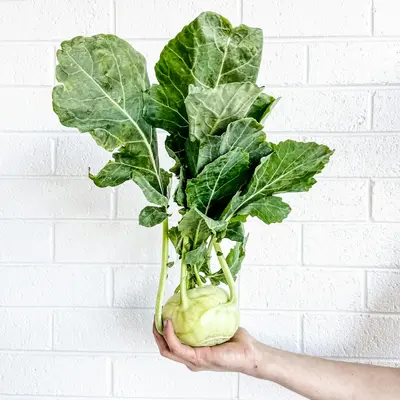
Vitaverde
Big, heavy, green heads mature early on large plants. Can be grown for traditional harvest in fall, but is also suitable for summer production in areas with moderate heat, and winter production in mild areas.
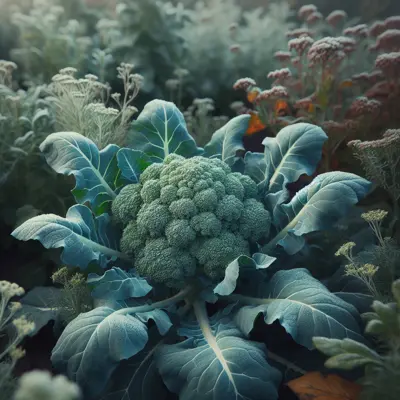
Waltham 29 Broccoli
Developed at the University of Massachusetts, this cold-hardy broccoli variety was specifically bred to extend the growing season well into winter in northern climates. It produces medium-sized, deep blue-green heads followed by an abundance of tender side shoots that can be harvested for weeks. This reliable performer is perfect for gardeners wanting fresh broccoli through the fall and early winter months.
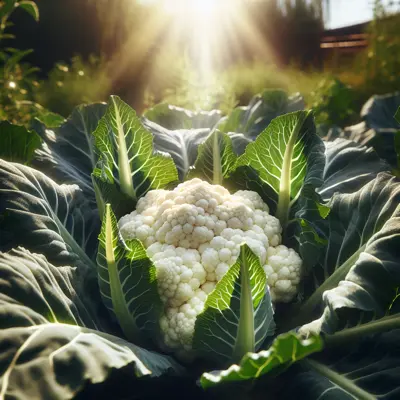
White Hot Cauliflower
A heat-tolerant F1 hybrid that produces pure white, dense heads even in challenging summer conditions where other cauliflowers fail. This variety is perfect for gardeners in warmer climates or those wanting extended harvest seasons. The self-blanching heads stay white without tying, making it both beautiful and low-maintenance.
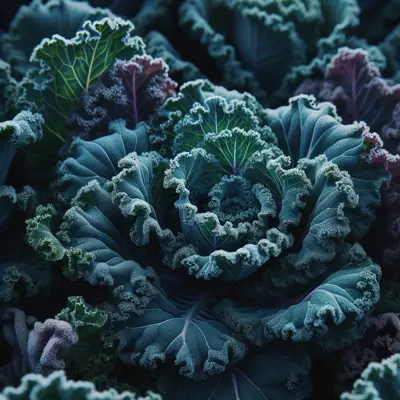
Winterbor Kale
Plants are tall, with excellent yield and good cold hardiness. The ruffled blue-green leaves have an attractive curl. Vigorous, productive plants.
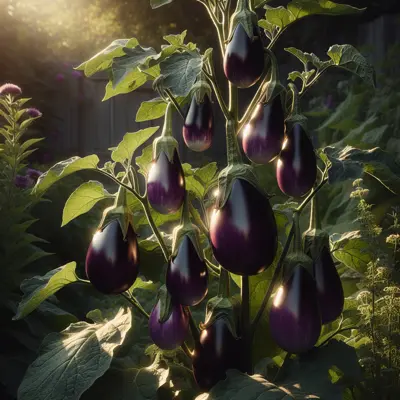
Classic
Classic eggplant is a heirloom variety prized for its glossy, deep purple skin and elegant elongated shape. Reaching maturity in 65-75 days, this dependable cultivar thrives in full sun to partial shade and produces abundantly in well-drained, fertile soil. Its defining characteristic is a mild, creamy flesh with minimal bitterness—a quality that makes it exceptionally versatile in the kitchen. Whether roasted, grilled, or fried, Classic eggplant delivers tender, flavorful results without requiring extensive preparation to remove bitter compounds. An ideal choice for gardeners seeking reliable yields and superior eating quality.
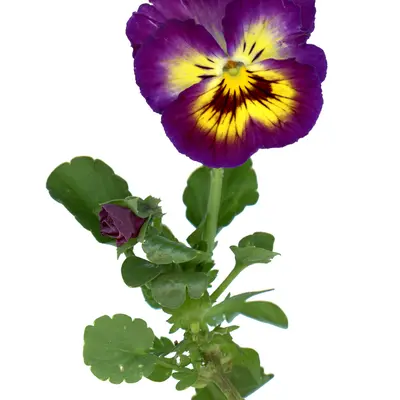
Aalsmeer King Size Mix
Cheerful, 2 1/2-3 1/2" bicolor blooms in shades of gold, purple, plum, lavender, rose, and white. Mildly fragrant blooms. We found Aalsmeer King Size Mix to be one of the fastest varieties to reach a height tall enough for cutting in our overwintered trials. In our unheated tunnel (Zone 5), it yielded 16-22" long stems that are perfect for mixing with tulips and daffodils in early spring bouquets. Also known as pansy, Johnny jump-up, European field pansy, heart's ease, and hybrid violet.Edible Flowers: Decorative and edible garnish for salads and desserts with slight wintergreen flavor. While a popular choice for brightening up salad mix, the flowers are also good for candying.
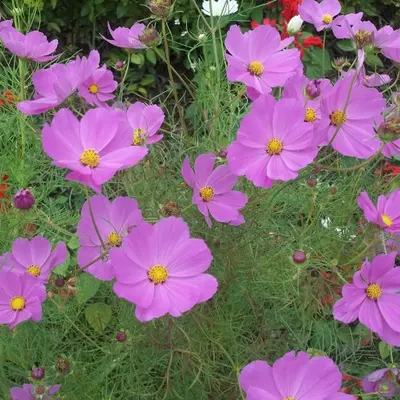
Afternoon White
Afternoon White was bred for cut-flower production. As a tetraploid, it has more substantive flowers and stems. In our trials, it produces strong, straight stems and 2-4" white blooms with bright yellow centers. Early to flower. Blooms are not as profuse as more common cosmos varieties, but the superior stem and flower quality make Afternoon White a good cut-flower choice.
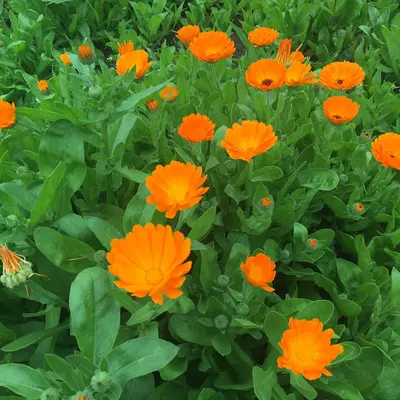
Alpha
High resin content for medicinal use. 2-3 1/2" blooms. Also known as pot marigold, common marigold, and Scotch marigold.Edible Flowers: Petals of the flowers can be used fresh or dried in "flower confetti," soups, soufflés, rice dishes, baked goods, and to garnish desserts. Calendula is a popular choice for brightening up salad mix. Flavor is tangy and slightly bitter. Remove the petals from the flower base before consuming as the base can be quite bitter.
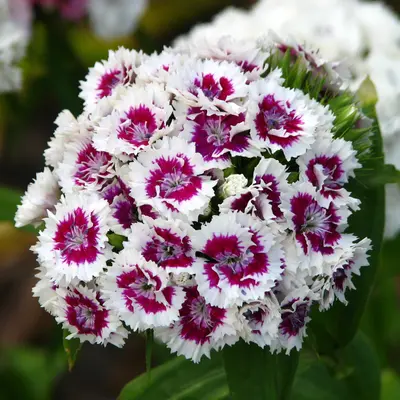
Amazon™ Rose Magic
These brilliantly colored beauties bloom the first year and produce 5-7 stems that can reach 36". The stems are thick, strong and glossy green, supporting huge blooms that start out white, aging to pink and then dark rose. All colors visible on individual flower heads. Long vase life. Tender perennial in Zones 6-8. Best grown as an annual. Raw, uncoated seed. Edible Flowers: Use the flower petals to garnish salads, desserts, soups, icing, and cold drinks. Flavor is of mild clove. Remove the petals from the flower base before consuming as the base can be quite bitter.
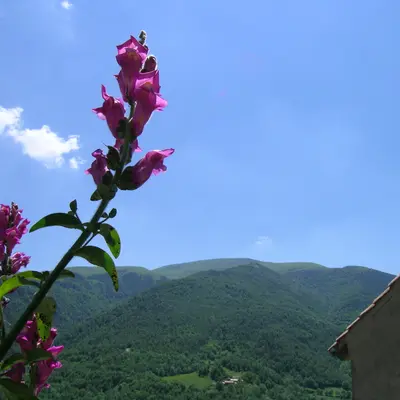
Antibes Apricot I
Group 1 snapdragon best suited for cool-season production. Excellent quality stems and blooms in our early spring trials. Bred for performance under short days and low temperatures. Not recommended for summer-flowering production. Plants produce short thin stems under high-light summer temperatures and long-day conditions. Color is distinct from Avignon Apricot, which presents more yellow and cream in the blooms; whereas Antibes Apricot shows a stronger and more saturated peach color. Edible Flowers: The flowers are a colorful garnish for use in salads, desserts, and drinks. The flavor is floral and slightly bitter, so use sparingly.
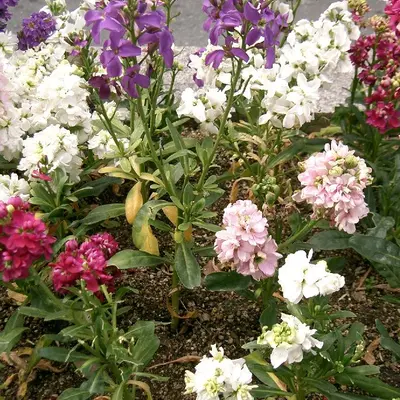
Antique Pink
Tightly spaced florets on thick, strong, straight stems. Single-stem or column type stock for one-cut harvest. Blooms have chartreuse green centers with pale pink edges. Plants produce about 55% double-flowering plants. Overall, very similar to the Iron series in performance. NOTE: This variety produces one flowering stem per plant. Pinching is not advisable as it will terminate flowering. Edible Flowers: The peppery, clove-like flavor of the flowers lends itself well to use as a garnish on salads, desserts, and drinks.
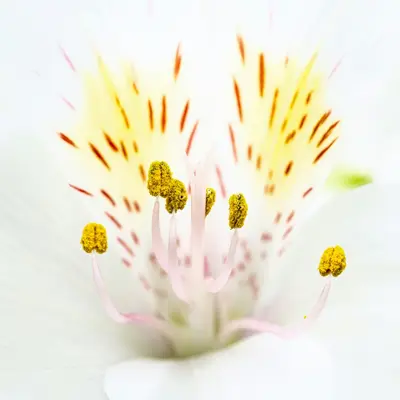
Antirrhinum Majus Rocket Mix
These tall, elegant snapdragons create dramatic vertical spikes of densely packed flowers that children love to squeeze and make 'snap.' The Rocket series offers exceptional heat tolerance and sturdy stems perfect for cutting, with blooms in a rainbow of colors. Their extended bloom period and ability to self-sow make them garden workhorses.
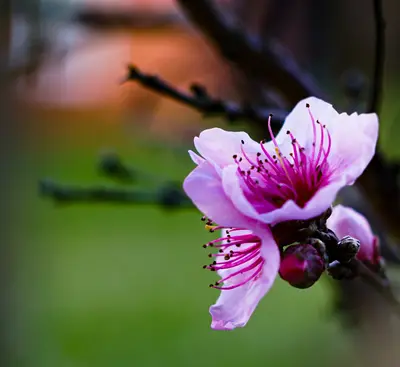
Apricotta
Tall, vigorous, densely branching plants. Delicate single blooms have a slightly ruffled edge and glow in shades of blush, apricot, and rose. We have observed variation in bloom color: some flowers are lighter in color, while some express more rose than apricot. The 2 1/2-3" blooms are not as full or uniform as we would like. Still, we appreciate the variety for its productive plants and its ability to unify warm and cool hues in arrangements.
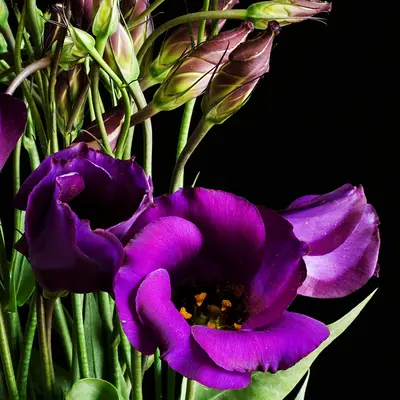
Arena III Apricot
2-3", fully-double flowers are a warm apricot color. We chose the Arena series as a later-flowering group 3 (main season) series that can be planted along with an earlier group 2 series, such as the Mariachi series, for a staggered harvest. When planted at the same time, Arenas start to bloom approximately two weeks after Mariachis. Group 3, for late spring, summer, and fall harvest. Lisianthus is also known as prairie gentian, Texas bluebell, and showy prairie gentian. Pelleted seeds.

Arena III Baby Pink
Light blush pink, 2-3", fully-double flowers. We chose the Arena series as a later-flowering group 3 (main season) series that can be planted along with an earlier group 2 series, such as the Mariachi series, for a staggered harvest. When planted at the same time, Arenas start to bloom approximately two weeks after Mariachis. Group 3, for late spring, summer, and fall harvest. Lisianthus is also known as prairie gentian, Texas bluebell, and showy prairie gentian. Pelleted seeds.
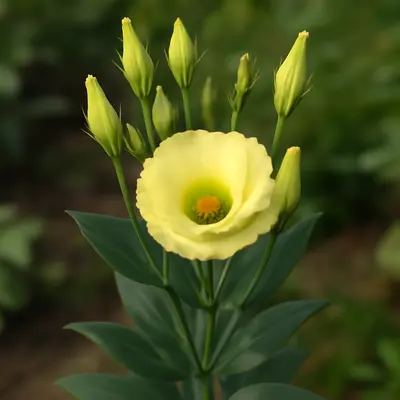
Arena III Gold
Rich buttercream-colored, 2-3," fully double flowers. We chose the Arena series as a later-flowering group 3 (main season) series that can be planted along with an earlier group 2 series, such as the Mariachi series, for a staggered harvest. When planted at the same time, Arenas start to bloom approximately two weeks after Mariachis. Group 3, for late spring, summer, and fall harvest. Lisianthus is also known as prairie gentian, Texas bluebell, and showy prairie gentian. Pelleted seeds.

Arena III Red
Buds are a light green with pink edging. As blooms mature, the light green turns to light pink and the edging deepens into a dark rose color. 2-3" fully-double flowers. We chose the Arena series as a later-flowering group 3 (main season) series that can be planted along with an earlier group 2 series, such as the Mariachi series, for a staggered harvest. When planted at the same time, Arenas start to bloom approximately two weeks after Mariachis. Arenas also offer some outstanding, unique color options such as Apricot, Baby Pink, and Blue Picotee. Group 3, for late spring, summer, and fall harvest. Lisianthus is also known as prairie gentian, Texas bluebell, and showy prairie gentian. Pelleted seeds.
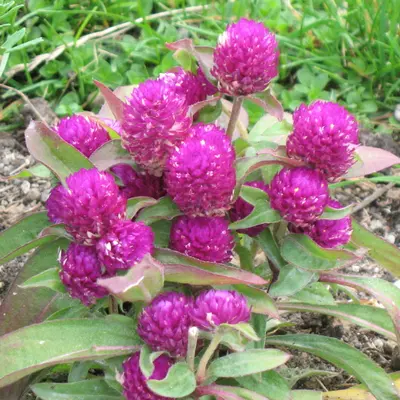
Audray Mix
The Audray series offers highly uniform plants with tall stems for cut flowers. Compared to the QIS series, Audray is taller and more uniform but a bit later to flower, and with a limited color range. Mixture includes: Audray White, Bicolor Rose, Pink, and Purple Red. 1 1/2" blooms. Also known as globe amaranth and common globe amaranth.
Audray Pink
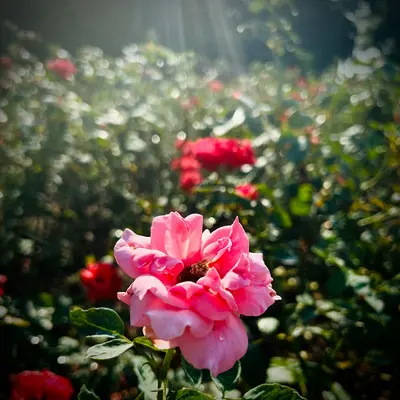
We've found Audray Pink and Audray White to be some of the tallest and most upright varieties in the Gomphrena globosa type, resulting in a higher number of usable stems. Highly uniform plant performance. Despite the name, the bloom color of Audray Pink has more of a lavender or cool pink hue. 1 1/2" blooms. Compared to the QIS series, Audray is taller and more uniform but a bit later to flower, and with a limited color range. Also known as globe amaranth and common globe amaranth.
Audray Purple-Red
Audray Purple-Red is very similar to QIS™ Purple in terms of productivity and the bloom color is identical. Slightly later to flower and taller than QIS Purple.1 1/2" blooms. Also known as globe amaranth and common globe amaranth.
Audray White
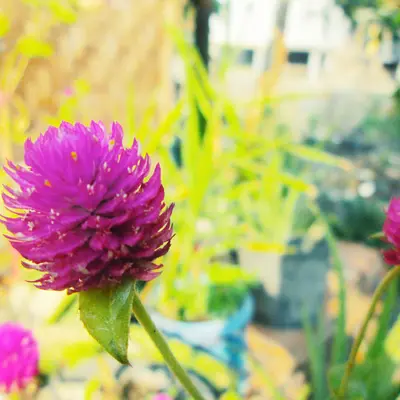
1 1/2" blooms on long stems and uniform plants. Sturdy white blooms are an excellent special detail in wedding design work and boutonnieres, in addition to wholesale and market bouquets. Also known as globe amaranth and common globe amaranth.
Avignon Apricot II
Exceptionally robust stems, high yields, and uniform growth in the field or greenhouse when grown under short days and low temperatures. Group 2 snapdragon. Under high light or very warm temperatures, flowers can become washed out and express more yellow hues. Previously known as Costa Apricot II. Edible Flowers: The flowers are a colorful garnish for use in salads, desserts, and drinks. The flavor is floral and slightly bitter, so use sparingly.

Avignon Deep Orange II
Classic orange snapdragon. Robust stems, high-quality blooms, and uniform growth in the field or greenhouse. Group 2 snapdragon bred for performance under short days and low temperatures. We've found the Avignon series to be more adaptable than most Group 2 snapdragons, in that the plants produce strong stems and high-quality blooms even under slightly warmer and longer days than would be ideal for a Group 2 series. Avignon performs well in our spring and fall trials both in the field and tunnel, and overwintered (fall-planted inside an unheated tunnel for early spring flowering). Flower quality and stem quality are reduced under long days and high temperatures. Edible Flowers: The flowers are a colorful garnish for use in salads, desserts, and drinks. The flavor is floral and slightly bitter, so use sparingly.
Avignon Deep Rose II
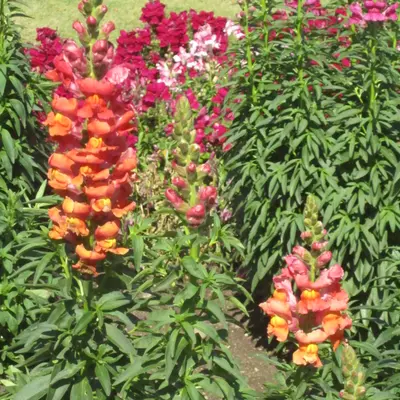
Vibrant cherry-rose color. Robust stems, high-quality blooms, and uniform growth in the field or greenhouse. Group 2 snapdragon bred for performance under short days and low temperatures. We've found the Avignon series to be more adaptable than most Group 2 snapdragons, in that the plants produce strong stems and high-quality blooms even under slightly warmer and longer days than would be ideal for a Group 2 series. Avignon performs well in our spring and fall trials both in the field and tunnel, and overwintered (fall-planted inside an unheated tunnel for early spring flowering). Flower quality and stem quality are reduced under long days and high temperatures. Avignon Deep Rose II is the darkest, most deeply saturated of the rose colors in the Avignon II series. Previously known as Costa Deep Rose II. Edible Flowers: The flowers are a colorful garnish for use in salads, desserts, and drinks. The flavor is floral and slightly bitter, so use sparingly.
Avignon Ivory II
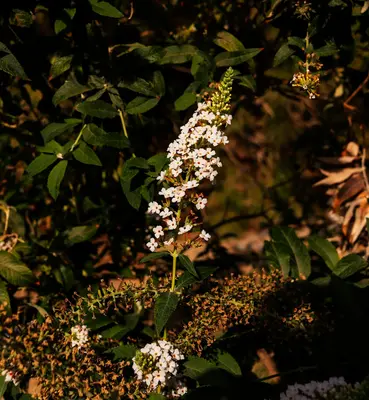
White florets with a subtle touch of yellow. Robust stems, high-quality blooms, and uniform growth in the field or greenhouse. Group 2 snapdragon bred for performance under short days and low temperatures. We've found the Avignon series to be more adaptable than most Group 2 snapdragons, in that the plants produce strong stems and high-quality blooms even under slightly warmer and longer days than would be ideal for a Group 2 series. Avignon performs well in our spring and fall trials both in the field and tunnel, and overwintered (fall-planted inside an unheated tunnel for early spring flowering). Flower quality and stem quality are reduced under long days and high temperatures. Edible Flowers: The flowers are a colorful garnish for use in salads, desserts, and drinks. The flavor is floral and slightly bitter, so use sparingly.
Avignon Lavender II
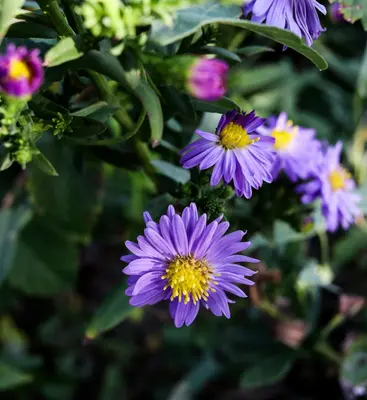
Exceptionally robust stems, high yields, and uniform growth in the field or greenhouse when grown under short days and low temperatures. Group 2 snapdragon. Edible Flowers: The flowers are a colorful garnish for use in salads, desserts, and drinks. The flavor is floral and slightly bitter, so use sparingly.
Avignon Light Rose II
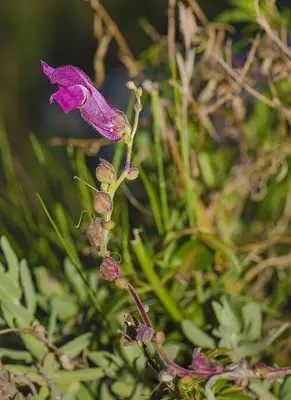
Robust stems, high-quality blooms, and uniform growth in the field or greenhouse. Group 2 snapdragon bred for performance under short days and low temperatures. We've found the Avignon series to be more adaptable than most Group 2 snapdragons, in that the plants produce strong stems and high-quality blooms even under slightly warmer and longer days than would be ideal for a Group 2 series. Avignon performs well in our spring and fall trials both in the field and tunnel, and overwintered (fall-planted inside an unheated tunnel for early spring flowering). Flower quality and stem quality are reduced under long days and high temperatures. Avignon Light Rose II is slightly shorter and more compact compared to other Avignon varieties in this series. Flowering time, bloom quality, and stem quality are consistent with the rest of the Avignon II series. Previously known as Costa Light Rose II. Edible Flowers: The flowers are a colorful garnish for use in salads, desserts, and drinks. The flavor is floral and slightly bitter, so use sparingly.
Avignon Pink II
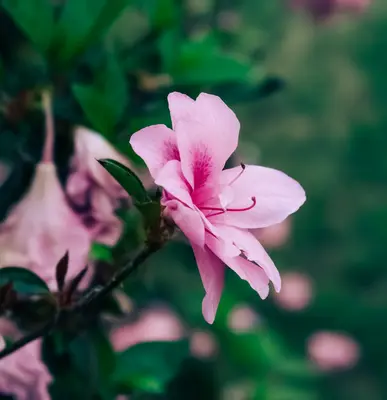
Bloom color is a little richer and deeper (not as pale) as Costa Silver but still lighter than Potomac Pink Improved or Costa Light Rose II. Group 2, cool-season snapdragon, bred for performance under short days, low light, and low-temperature conditions. Not recommended for summer production. Plants produce short, thin stems under high light, summer temperatures, and long-day conditions. Pair with other Group 1 and 2 snapdragons such as the Costa II and Maryland series.Edible Flowers: The flowers are a colorful garnish for use in salads, desserts, and drinks. The flavor is floral and slightly bitter, so use sparingly.
Avignon Silver II
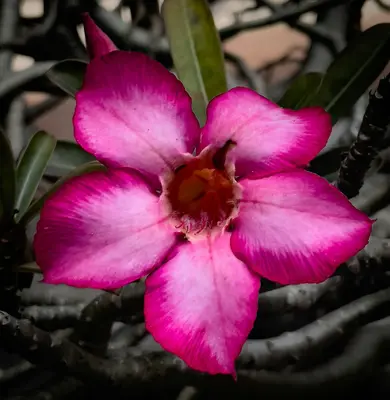
Exceptionally robust stems, high yields, and uniform growth in the field or greenhouse when grown under short days and low temperatures. Group 2 snapdragon. Previously known as Costa Silver II. Edible Flowers: The flowers are a colorful garnish for use in salads, desserts, and drinks. The flavor is floral and slightly bitter, so use sparingly.
Azumi XL Blue
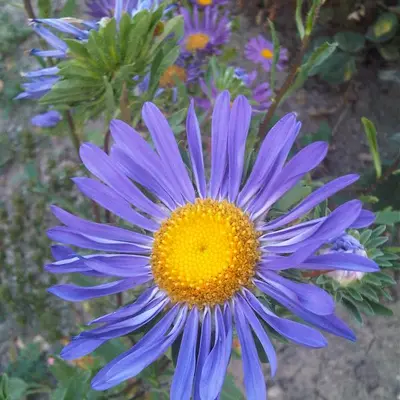
The Azumi series offers 2-3 1/2" pom-pom style blooms in rich jewel tones on sturdy, vigorous plants. Recommended for growing as a spray-type cut flower. Plants yield one cut per plant; each cut is a large spray of stems and flowers. The primary flower will be larger, surrounded by multiple slightly smaller blooms. Alternately, single stems can be harvested, although stem length will be shorter than when harvested as a one-cut spray type. Lavender-blue bloom color. Azumi XL Blue flowers are the earliest of the Azumi series in our trials. Fusarium tolerant.
Azumi XL Red
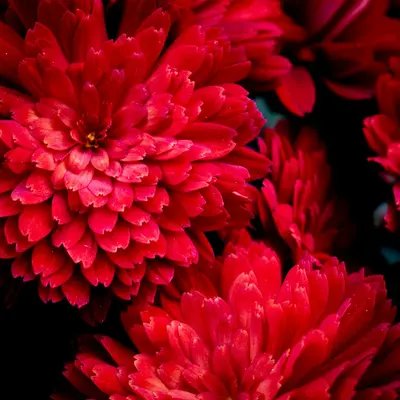
The Azumi series offers 2-3 1/2" pom-pom style blooms in rich jewel tones on sturdy, vigorous plants. Recommended for growing as a spray-type cut flower. Plants yield one cut per plant; each cut is a large spray of stems and flowers. The primary flower will be larger, surrounded by multiple slightly smaller blooms. Alternately, single stems can be harvested, although stem length will be shorter than when harvested as a one-cut spray type. Deep red blooms open with a creamy white center that darkens as blooms mature. Fusarium tolerant.
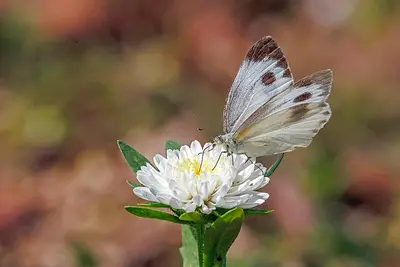
Azumi XL Rose
The Azumi series offers 2-3 1/2" pom-pom style blooms in rich jewel tones on sturdy, vigorous plants. Recommended for growing as a spray-type cut flower. Plants yield one cut per plant; each cut is a large spray of stems and flowers. The primary flower will be larger, surrounded by multiple slightly smaller blooms. Alternately, single stems can be harvested, although stem length will be shorter than when harvested as a one-cut spray type. Flower color is bright rose with a cream center. Fusarium tolerant.
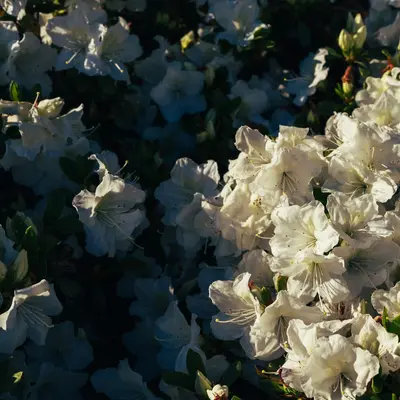
Azumi XL White
The Azumi series offers 2-3 1/2" pom-pom style blooms in rich jewel tones on sturdy, vigorous plants. Recommended for growing as a spray-type cut flower. Plants yield one cut per plant; each cut is a large spray of stems and flowers. The primary flower will be larger, surrounded by multiple slightly smaller blooms. Alternately, single stems can be harvested, although stem length will be shorter than when harvested as a one-cut spray type. White blooms open with a creamy center maturing to bright white. Fusarium tolerant.
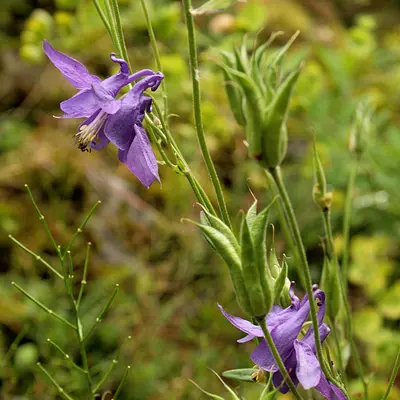
Barlow Mix
Fluffy, star-shaped blooms with pointed, overlapping petals resemble petite clematis flowers. Fully double 1 1/2" upward-facing and nodding, spurless flowers. Blooms late spring of the second year from a spring sowing. An excellent cut flower, it has strong, straight stems and fills the gap between early spring and summer bouquets. Produces multiple blooms per stem. Mix includes Victorian shades in a complementary color palette: Aline Fairweather (rose), Black Barlow (almost black), Blue Barlow (violet), Bordeaux Barlow (deep wine red), Miss M.I. Huish (dark purple), Nora Barlow (rose centers fading to white with green tips), White Barlow (white), and Christa (purple-edged white). Attracts hummingbirds. Perennial in Zones 3-9.
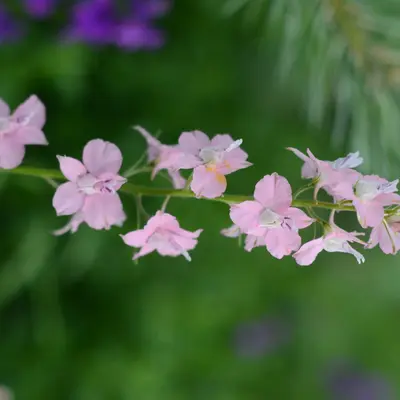
Belladonna Mix
First-year flowering perennial. Well-branched plants produce spikes in dark blue, turquoise, or white. Tall plants may benefit from support - stems can lodge or topple in heavy rain or wind. Attracts bees and butterflies. Often grown as an annual. Perennial in Zones 3-7.
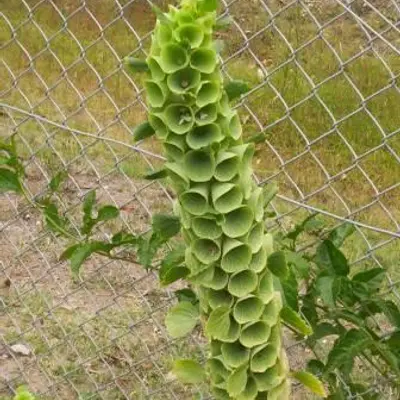
Bells of Ireland
Add fresh, bright-green color and texture to mixed bouquets. Long stems covered with bright apple-green, bell-shaped, 2" calyxes centered with tiny, white blooms. Use as a spike or filler flower. Excellent in dried arrangements too. Blooms have a lovely, sour-apple scent. Also known as bells-of-Ireland and shellflower.
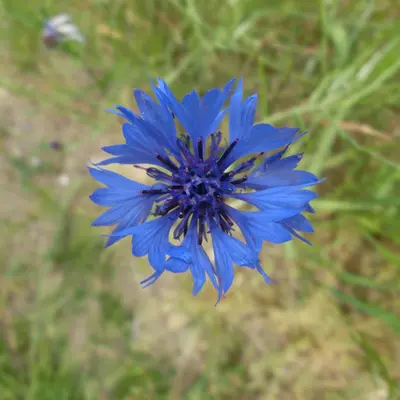
Black Button
Upright plants produce abundant double and semidouble 1-1 1/2" blooms. Prefers cool temperatures. Also known as cornflower, garden cornflower, and bachelor's buttons. Edible Flowers: The petals are used to decorate desserts. Centaurea is also a popular choice for brightening up salad mix. Flavor is bland and mildly floral.

Black-Eyed Susan
Black-Eyed Susan is a vibrant perennial flower featuring bright golden-yellow petals surrounding a distinctive dark brown or black central disk. It reaches maturity in 100-120 days from seed and produces abundant blooms throughout summer and fall. This heirloom variety is exceptionally low-maintenance and thrives in full sun to partial shade (4-6+ hours), adapting well to most soil types. The defining characteristic is its cheerful two-tone appearance and prolific, long-lasting flowers ideal for gardens, borders, and fresh cut arrangements.
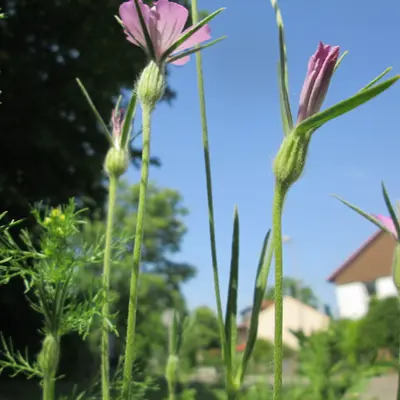
Blossom Pearl
1-2" wide pale pink blooms. Silvery-gray foliage and long stems. Prefers cool growing conditions.
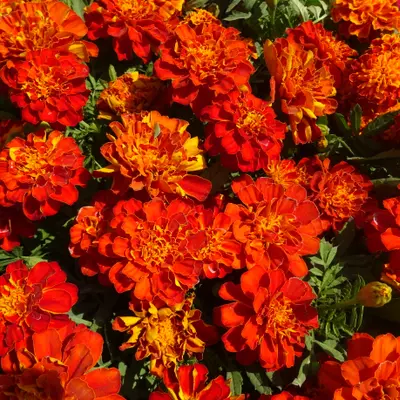
Bonanza™ Bee
1 1/2-2 1/2" refined crested blooms. Highly uniform plants are more compact than the Durango series. An easy-to-grow addition to garden beds, containers, and small spaces. Vibrant red and gold blooms.
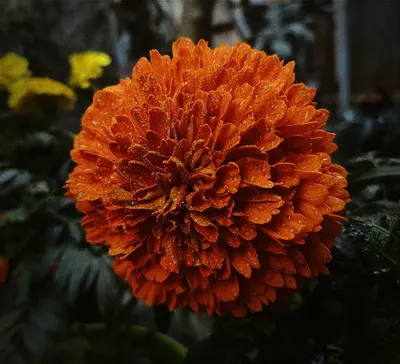
Bonanza™ Deep Orange
1 1/2-2 1/2" refined crested blooms. Highly uniform plants are more compact than the Durango series. An easy-to-grow addition to garden beds, containers, and small spaces. Classic marigold-orange bloom color.
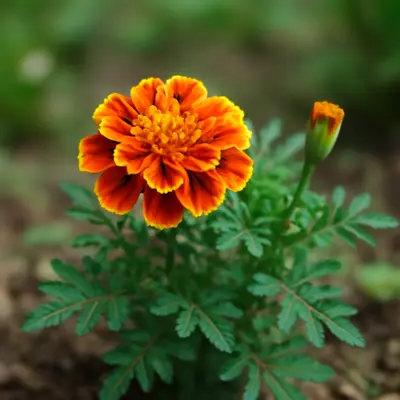
Bonanza™ Harmony
1 1/2-2 1/2" refined crested blooms. Highly uniform plants are more compact than the Durango series. An easy-to-grow addition to garden beds, containers, and small spaces. Vibrant red and orange blooms.
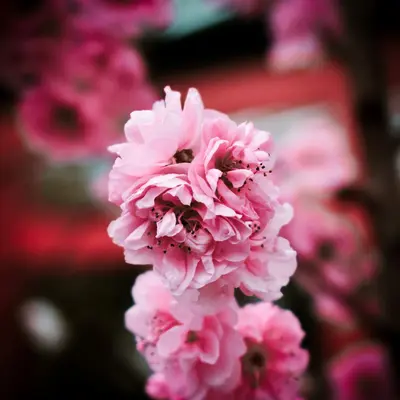
Bridal Pink
More depth and dimension than your average snapdragon. Reminiscent of a watercolor painting, bloom color shifts delicately from the center to the edges of the petal: rose to shell-pink and pale pink. Florets are densely packed on the flower spike, giving the blooms a lovely full appearance. Bred for performance under short days and low temperatures; considered a group 2 snapdragon. Well-suited for an early spring bloom period. Performs well in our overwinter tunnel trials - a great color for early spring bouquets. Edible Flowers: The flowers are a colorful garnish for use in salads, desserts, and drinks. The flavor is floral and slightly bitter, so use sparingly.
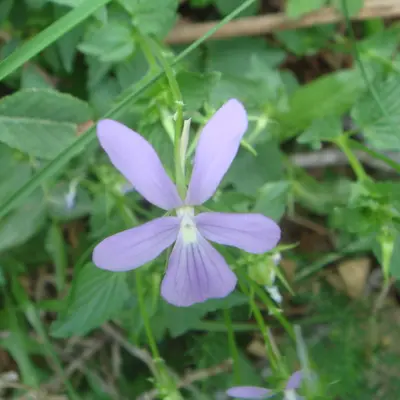
Brush Strokes
Cheerful faces sparkle in shades of apricot, gold, peach, lavender, plum, purple, and cream. You could spend hours gazing at the intricate patterning of the petals and their varied splashes, flecks, and stripes of color. Each plant seems to produce a unique color combination. Not selected for a short, mounding plant habit like most modern cultivars, this mix yields taller, more vigorous plants in a range of heights. Sweetly fragrant. Bloom size: 1 1/2-2 1/2".Overwinters well in our (Zone 5) unheated tunnel, yielding 12-18" stems that are perfect for mixing into early spring bouquets.Also known as pansy, Johnny jump-up, European field pansy, and horned violet. Edible Flowers: Decorative and edible garnish for salads and desserts with slight wintergreen flavor. While a popular choice for brightening up salad mix, the flowers are also good for candying.
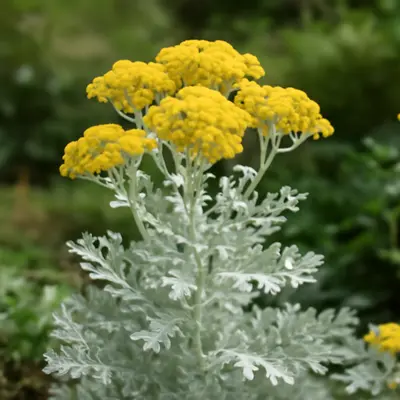
Candicans
Candicans is taller and more productive than other dusty miller varieties in our trials, making it a good choice for cut-flower production. Compared to Silverdust, Candicans is taller, more vigorous, a bit more variable in plant architecture, and its leaves are not as deeply lobed. Otherwise, overall appearance is very similar. Dusty Miller's silvery foliage is a very popular cut-flower foliage for elegant bouquets. 3-7" long, velvety leaves with a snowflake appearance. Plants produce yellow flowers the second year from seeding, primarily in the southern states. Flowers are commonly removed to encourage foliage growth. Tender perennial in Zones 8-10.
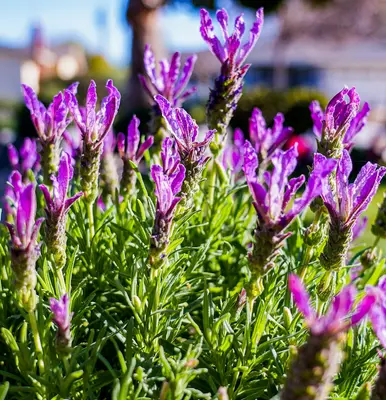
Cannes Lavender II-III
Compared to Potomac Lavender, Cannes Lavender II-III is about 5 days earlier to bloom and produces flowers with a similar, soft lavender color and comparable stem length. Suitable for field or greenhouse. Group 2-3 snapdragons can be grown in the field or indoors and are well-suited for spring, early summer, and fall production. Previously know as Costa Summer Lavender III. Edible Flowers: The flowers are a colorful garnish for use in salads, desserts, and drinks. The flavor is floral and slightly bitter, so use sparingly.
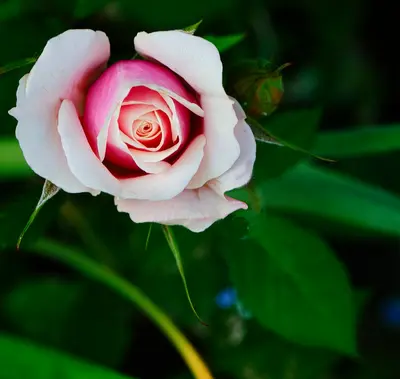
Cannes Light Bronze II-III
Group 2-3 snapdragon, can be grown in the field or indoors and is well-suited for spring, early summer, and fall production. Despite the inclusion of "Bronze" in the name, Cannes Light Bronze II-III is a unique and beautiful cantaloupe color with touches of peach and rose. Uniform, high-quality blooms. Cannes Light Bronze II-III is about 5 days earlier to bloom than Potomac series in our trials. This variety is bred for the seasonal transitions between spring and summer, and summer and fall. Performs well for us in spring plantings for early summer harvests. Also suitable for overwintering. Edible Flowers: The flowers are a colorful garnish for use in salads, desserts, and drinks. The flavor is floral and slightly bitter, so use sparingly.
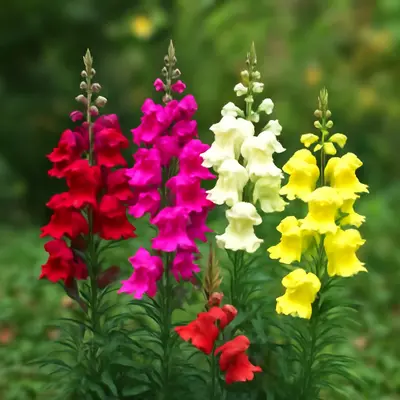
Cannes Mix II-III
This Group 2-3 snapdragon can be grown in the field or indoors and is well-suited for spring, early summer, and fall production. Mix contains a pleasing blend of lavender, orange, red, and rose shades. Uniform, high-quality blooms. The Cannes II-III series is about 5 days earlier to bloom than the Potomac series in our trials. This variety is bred for the seasonal transitions between spring and summer, and summer and fall. Performs best for us in spring plantings for early summer harvests. Also suitable for overwintering. Edible Flowers: The flowers are a colorful garnish for use in salads, desserts, and drinks. The flavor is floral and slightly bitter, so use sparingly.

Cannes Orange II-III
This Group 2-3 snapdragon can be grown in the field or indoors and is well-suited for spring, early summer, and fall production. Uniform, high-quality blooms. The Cannes II-III series is about 5 days earlier to bloom than the Potomac series in our trials. This variety is bred for the seasonal transitions between spring and summer, and summer and fall. Performs best for us in spring plantings for early summer harvests. Also suitable for overwintering. Edible Flowers: The flowers are a colorful garnish for use in salads, desserts, and drinks. The flavor is floral and slightly bitter, so use sparingly.
Cannes Pink II-III
Cannes Pink II-III is a hybrid ornamental flower variety producing delicate pink blooms with distinctive floral character. Reaching maturity in 105-115 days, this easy-to-grow cultivar thrives in full sun to partial shade with moderate fertility soil. The petals offer a distinctly floral flavor profile with subtle lingering bitterness; harvesting early in the bloom cycle minimizes bitter notes, making it ideal for culinary garnishes or edible flower arrangements. Well-suited for container or garden cultivation.
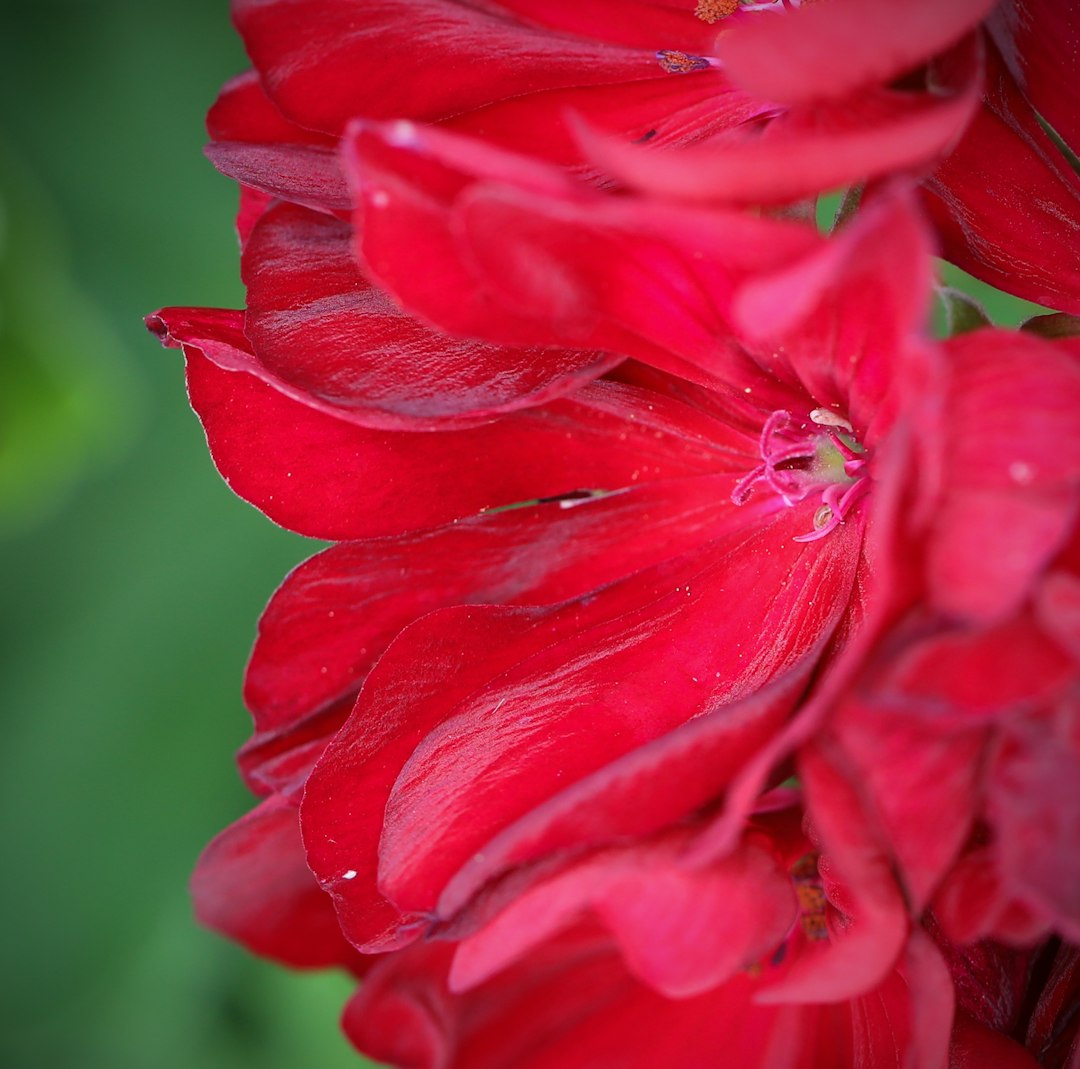
Cannes Red II-III
Cannes Red II-III is a hybrid ornamental flower variety prized for its deep red blooms and elegant appearance. Reaching maturity in 105-115 days, this cultivar thrives in full sun to partial shade with well-drained, fertile soil enriched with organic matter. The flowers feature delicate petals with a distinctive floral character and slightly bitter finish, making them ideal for gourmet garnishing and culinary decoration. Easy to grow and manage, this variety is commonly affected by aphids, spider mites, and whiteflies, requiring routine pest monitoring.
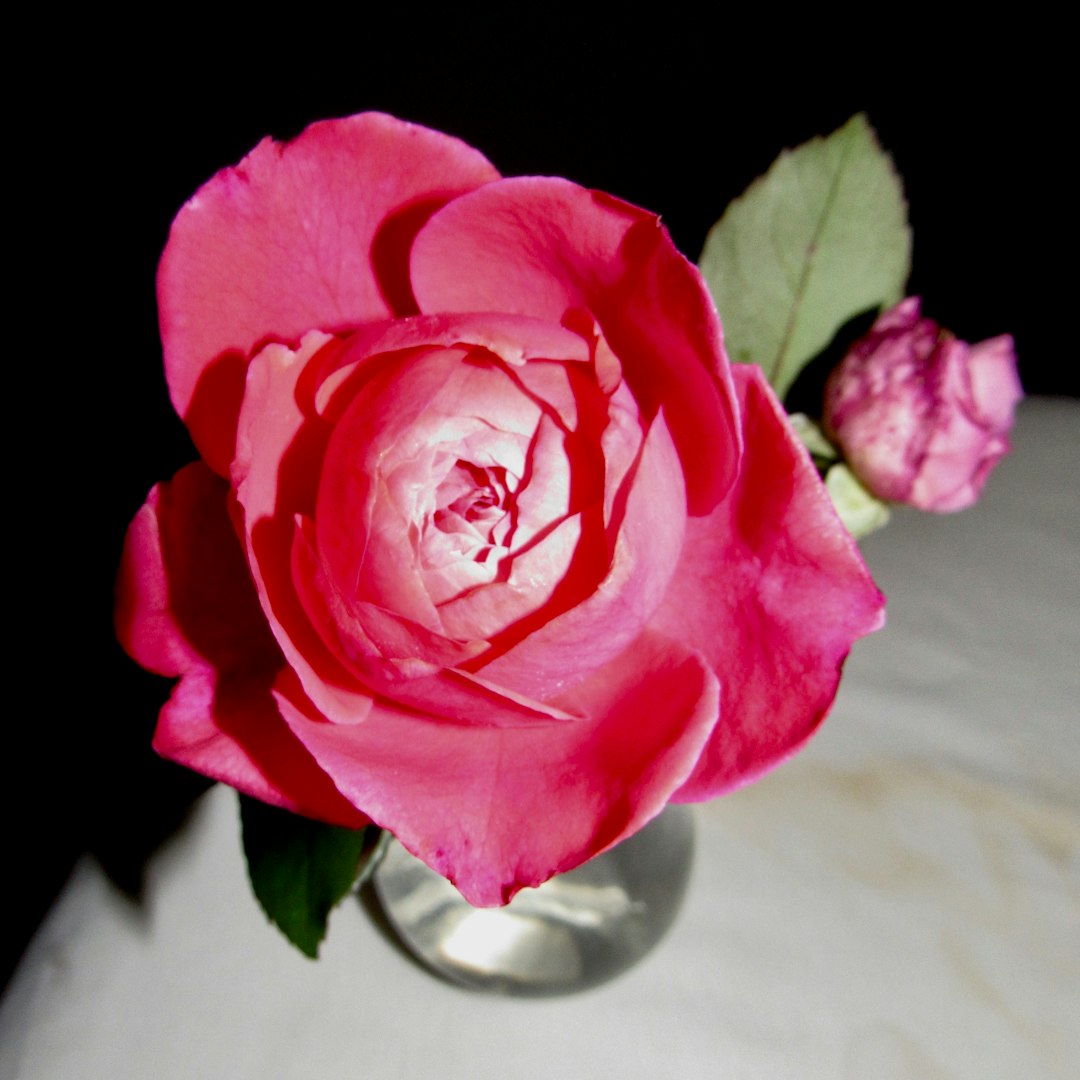
Cannes Rose II-III
Cannes Rose II-III is a hybrid flower variety featuring delicate rose-colored blooms with romantic appeal. Reaching maturity in 105-115 days, this ornamental thrives in full sun to partial shade with well-drained loam soil. Its petals offer a distinctive floral taste with subtle bitterness, making it ideal for garnishing gourmet dishes in minimal quantities. The variety distinguishes itself through reliable performance and ease of cultivation, requiring attention to common flower pests including aphids and spider mites. Perfect for gardeners seeking both visual elegance and culinary utility.
Chabaud Orange Sherbet
Vintage carnations present the sweet and spicy fragrance of clove. Frilly, 1 1/2-2" double blooms with a small percentage of singles. Orange creamsicle-colored petals striped and flaked with tangerine. Grass-like, gray or blue-green foliage. Blooms late July through August in our trials and is best grown as an annual for cut-flower production. Chabaud is an old-fashioned type dating back to as early as 1904. D. caryophyllus is native to the Mediterranean, where emotional attachment to this flower first took root. Also known as annual carnation. Pronounced shab-o, with a long "o." Tender perennial in Zones 6-8. Edible Flowers: Use the flower petals to garnish salads, desserts, soups, icing, and cold drinks. Flavor is of mild clove. Remove the petals from the flower base before consuming as the base can be quite bitter.
Chabaud Picotee Double Mix
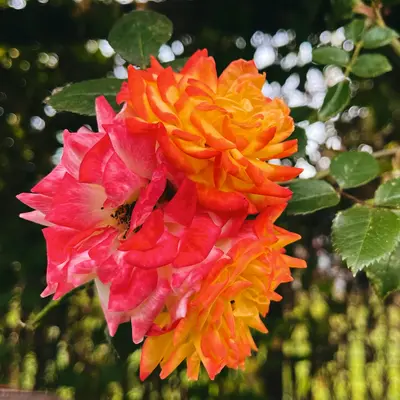
Vintage carnations present the sweet and spicy fragrance of clove. Frilly 1 1/2-2" double blooms with a small percentage of singles. Striped, flaked, and picotee types in shades of rose, pink, wine, salmon, cream, and white. Grass-like, gray or blue-green foliage. Blooms late July through August in our trials and is best grown as an annual for cut-flower production. Chabaud is an old-fashioned type dating back to as early as 1904. D. caryophyllus is native to the Mediterranean, where emotional attachment to this flower first took root. Also known as annual carnation. Pronounced shab-o, with a long "o." Tender perennial in Zones 6-8. Edible Flowers: Use the flower petals to garnish salads, desserts, soups, icing, and cold drinks. Flavor is of mild clove. Remove the petals from the flower base before consuming as the base can be quite bitter.

Champagne Bubbles Mix
Cheerful citrus-colored 3-5" blooms are borne on sturdy, straight, 12-20" stems. Productive plants produce uniform, crinkled, cup-shaped blooms that sparkle and float above clumps of soft, gray-green foliage. Lightly fragrant. Mix includes orange, pink, red, white, and yellow.
Champagne Bubbles Orange
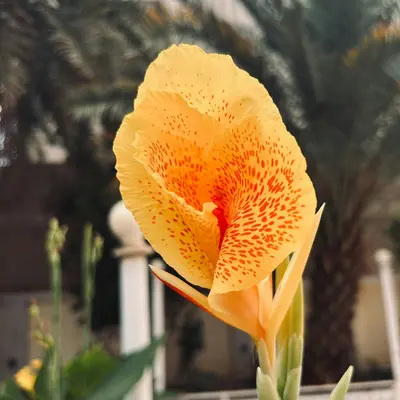
Brilliant orange 3-5" blooms are borne on sturdy, straight, 12-20" stems. Productive plants produce uniform, crinkled, cup-shaped blooms that sparkle and float above clumps of soft, gray-green foliage. Lightly fragrant.
Champagne Bubbles Pink
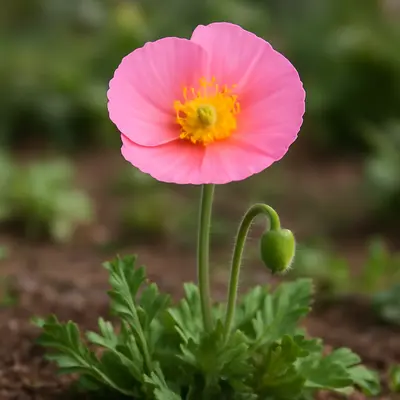
Watermelon-colored 3-5" blooms are borne on sturdy, straight, 12-20" stems. Productive plants produce uniform, crinkled, cup-shaped blooms that sparkle and float above clumps of soft, gray-green foliage. Lightly fragrant.
Champagne Bubbles Scarlet
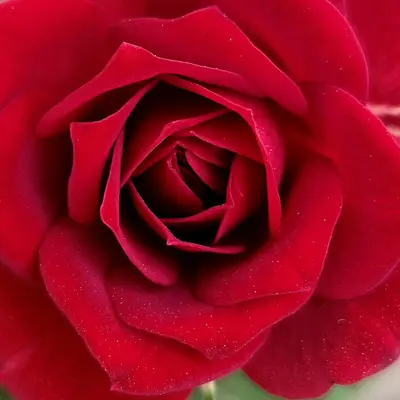
Cheerful scarlet-red 3-5" blooms are borne on sturdy, straight, 12-20" stems. Productive plants produce uniform, crinkled, cup-shaped blooms that sparkle and float above clumps of soft, gray-green foliage. Lightly fragrant.
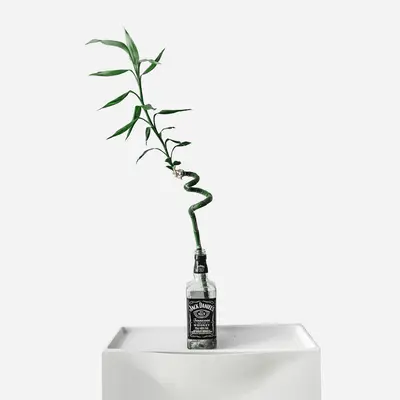
Champagne Bubbles White
Snow-white 3-5" blooms are borne on sturdy, straight, 12-20" stems. Productive plants produce uniform, crinkled, cup-shaped blooms that sparkle and float above clumps of soft, gray-green foliage. Lightly fragrant.
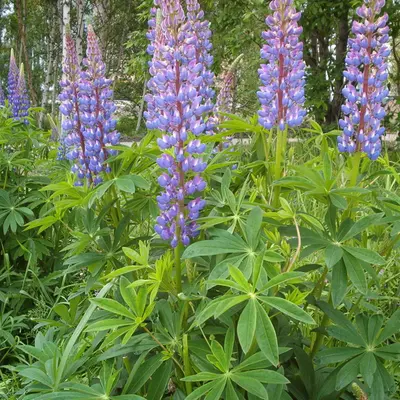
Chandelier
Part of the Russell Hybrids 'Band of Nobles' series. Chandelier has sweetly scented, soft, buttery yellow blooms. Plants produce multiple blooms with stiff, straight stems. In our trials, these first-year flowering plants bloomed in early July in the first year and about a month earlier (early June) from well-established plants in the second season of growing. Bloom quality and productivity were better in the second season, although all plants did produce flowers in the first season. Performs best where summers are cool. Attracts and provides a food source for bees and hummingbirds. 1-2' blooms/spikes are densely covered with ½" pea-like flowers. Lupine is typically resistant to deer and rabbits. Perennial in Zones 4-8.
Chantilly™ Bronze
Group 1-2: Performs best under short days and low temperatures. Because Chantilly snapdragons are bred for short-day production, long-day growing conditions produce stems that are thin and weak. We do not recommend this variety for long-day production. Suitable for greenhouse or in the field. Bloom color is salmon/tangerine. Edible Flowers: The flowers are a colorful garnish for use in salads, desserts, and drinks. The flavor is floral and slightly bitter, so use sparingly.
Chantilly™ Cream Yellow
Group 1-2: Performs best under short days and low temperatures. Because Chantilly snapdragons are bred for short-day production, long-day growing conditions produce stems that are thin and weak. We do not recommend this variety for long-day production. Suitable for greenhouse or in the field. Bloom color is light yellow; despite the name, the color is not really cream but a cheery and bright light yellow. Edible Flowers: The flowers are a colorful garnish for use in salads, desserts, and drinks. The flavor is floral and slightly bitter, so use sparingly.

Chantilly™ Light Pink
Group 1-2: Performs best under short days and low temperatures. Because Chantilly snapdragons are bred for short-day production, long-day growing conditions produce stems that are thin and weak. We do not recommend this variety for long-day production. Suitable for greenhouse or in the field. Bloom color is light pink. Edible Flowers: The flowers are a colorful garnish for use in salads, desserts, and drinks. The flavor is floral and slightly bitter, so use sparingly.
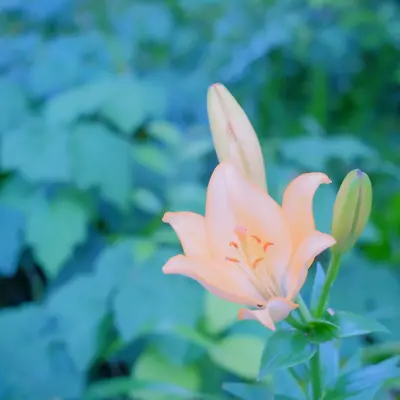
Chantilly™ Light Salmon
Group 1-2: Performs best under short days and low temperatures. Because Chantilly snapdragons are bred for short-day production, long-day growing conditions produce stems that are thin and weak. We do not recommend this variety for long-day production. Suitable for greenhouse or in the field. Bloom color is light salmon-peach. Edible Flowers: The flowers are a colorful garnish for use in salads, desserts, and drinks. The flavor is floral and slightly bitter, so use sparingly.
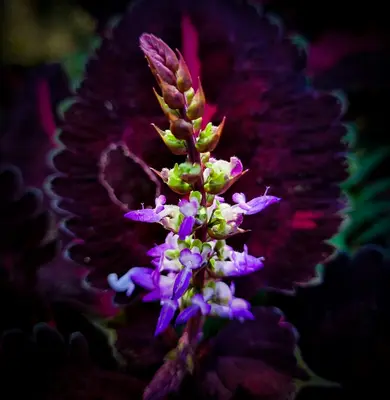
Chantilly™ Purple
Group 1-2: Performs best under short days and low temperatures. Because Chantilly snapdragons are bred for short-day production, long-day growing conditions produce stems that are thin and weak. We do not recommend this variety for long-day production. Suitable for greenhouse or in the field. Bloom color is a vibrant, deep, rosy purple. Edible Flowers: The flowers are a colorful garnish for use in salads, desserts, and drinks. The flavor is floral and slightly bitter, so use sparingly.
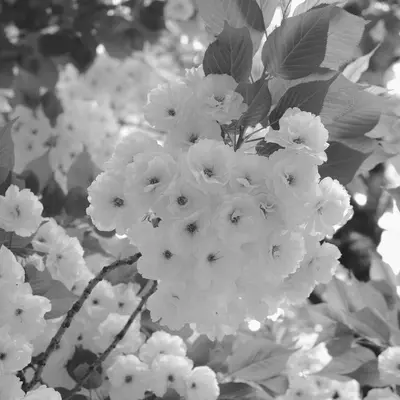
Chantilly™ White
Group 1-2: Performs best under short days and low temperatures. Because Chantilly snapdragons are bred for short-day production, long-day growing conditions produce stems that are thin and weak. We do not recommend this variety for long-day production. Suitable for greenhouse or in the field. Bloom color is bright white. Edible Flowers: The flowers are a colorful garnish for use in salads, desserts, and drinks. The flavor is floral and slightly bitter, so use sparingly.
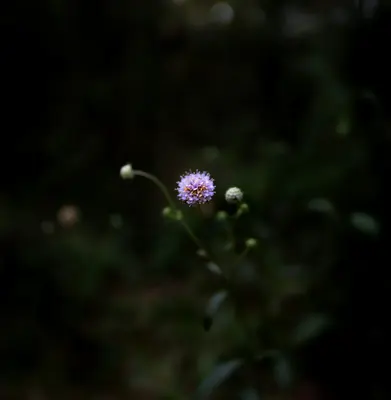
Chatelaine
Part of the Russell Hybrids 'Band of Nobles' series. Chatelaine has sweetly scented bicolor blooms in shades of pink with white. Plants produce multiple blooms with stiff, straight stems. In our trials, these first-year flowering plants bloomed in early July in the first year and about a month earlier (early June) from well-established plants in the second season of growing. Bloom quality and productivity were better in the second season, although all plants did produce flowers in the first season. Performs best where summers are cool. Attracts and provides a food source for bees and hummingbirds. 1-2' blooms/spikes are densely covered with ½" pea-like flowers. Lupine is typically resistant to deer and rabbits. Perennial in Zones 4-8.
Choice Mix
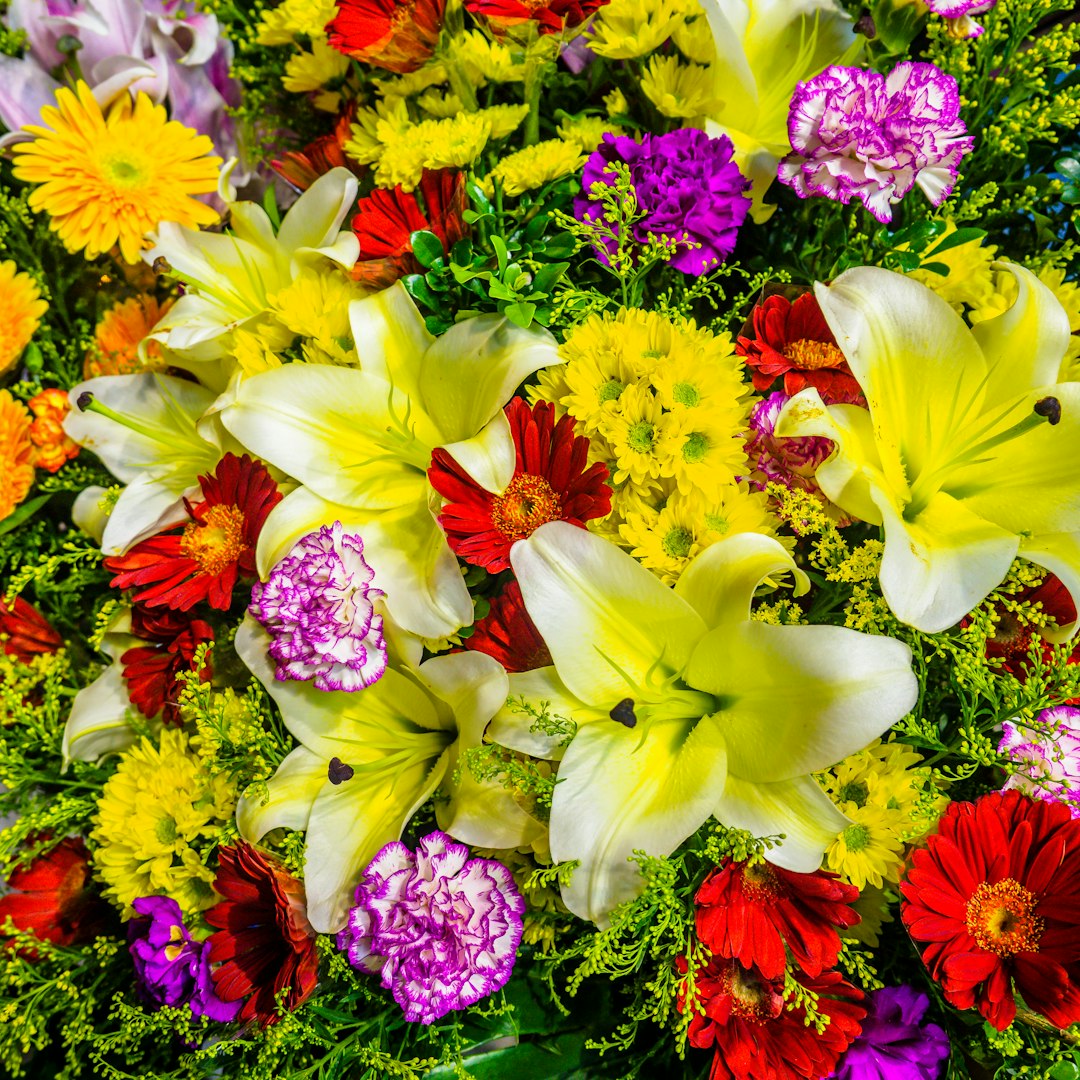
Choice Mix is an easy-to-grow heirloom flower variety ready for harvest in 65-75 days. This blend produces delicate blooms that thrive in full sun to partial shade with well-drained, moderately fertile soil. The flowers offer a subtle, mildly floral taste with delicate, slightly sweet notes, making them ideal for culinary garnishing and edible flower arrangements. Choice Mix flowers are prized by home gardeners for their hardiness and low maintenance requirements. Watch for common pests including aphids, spider mites, and leafhoppers to maintain plant health throughout the growing season.
Classic Magic
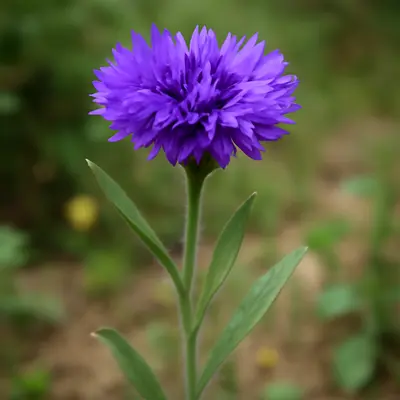
Abundant 1-1 1/2" flowers on upright plants. Double and semidouble bicolor blooms in black & plum, black & white, and purple. Attractive frosty appearance. Elegant addition to salads and desserts.
Classic Romantic
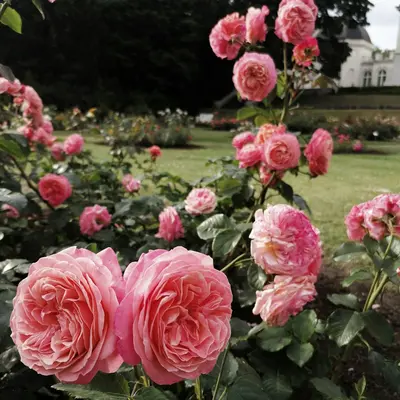
Abundant 1-1 1/2" flowers on upright plants. Double and semidouble, bicolor blooms in pink and white. Attractive, frosted appearance. Elegant addition to salads and desserts. Edible Flowers: Use the petals of this great edible flower for decorating desserts. Centaurea is also a popular choice for brightening up salad mix. Flavor is bland and mildly floral.
Clematis Jackmanii
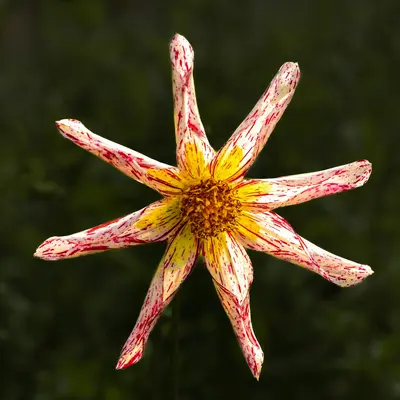
The most popular and reliable clematis variety, famous for its prolific display of rich purple flowers that bloom from mid-summer through early fall. This vigorous climbing vine can transform any vertical space with its abundant 4-6 inch blooms, making it perfect for trellises, arbors, and fences. Jackmanii is incredibly hardy and forgiving, making it the ideal choice for gardeners new to clematis growing.

Cliveden Beauty
First-year flowering perennial. Well-branched plants produce long, slender stems and lacy sky-blue blooms. Popular color and airy, delicate appearance for bouquets and design work. Tall plants may benefit from support, as stems can lodge or topple in heavy rain or wind. Attracts bees and butterflies. Often grown as an annual. Perennial in Zones 3-7.
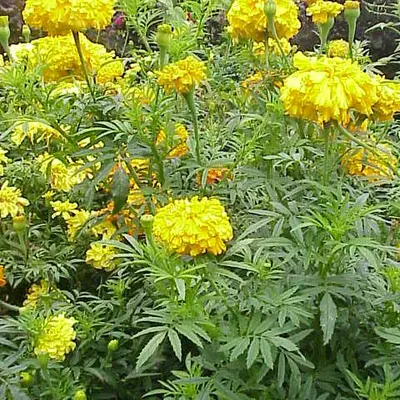
Coco™ Deep Orange
Tall, sturdy plants produce abundant, fully double 2 1/2-3 1/2" dark orange blooms for cut flowers and garden beds. The Coco™ series provides uniform flowering time and plant height across all three colors with excellent productivity for cut flower production. Bold, uniform flowers are also useful for marigold garlands. Also known as African marigold, American marigold, and Aztec marigold. Edible Flowers: Use the flowers to dress up salads and desserts or cooked in egg or rice dishes. Flavor is floral with hints of citrus and spice, and slightly bitter. Remove the petals from the flower base before consuming as the base can be quite bitter.
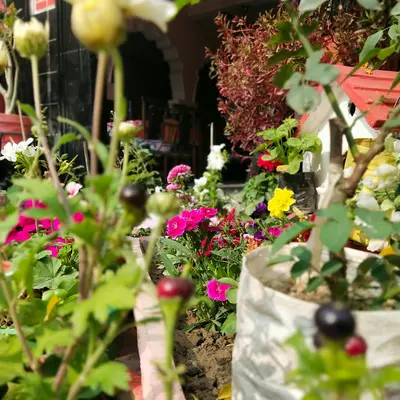
Coco™ Gold
Tall, sturdy plants produce an abundance of 2 1/2-3 1/2" fully double golden blooms for cut flowers and garden beds. The Coco™ series provides uniform flowering time and plant height across all three colors with excellent productivity for cut flower production. Flower color and flower size are comparable to Giant Yellow. Plants are slightly taller and later to bloom than Giant Yellow in our trials. Bold, uniform flowers are also useful for marigold garlands. Also known as African marigold, American marigold, and Aztec marigold. Edible Flowers: Use the flowers to dress up salads and desserts or cooked in egg or rice dishes. Flavor is floral with hints of citrus and spice, and slightly bitter. Remove the petals from the flower base before consuming as the base can be quite bitter.

Coco™ Yellow
Tall, sturdy plants produce abundant, fully double 2 1/2-3 1/2" yellow blooms for cut flowers and garden beds. The Coco™ series provides uniform flowering time and plant height across all three colors with excellent productivity for cut flower production. Flower color and flower size are comparable to Giant Yellow. Plants are slightly taller and later to bloom than Giant Yellow in our trials. Bold, uniform flowers are also useful for marigold garlands. Also known as African marigold, American marigold, and Aztec marigold. Edible Flowers: Use the flowers to dress up salads and desserts or cooked in egg or rice dishes. Flavor is floral with hints of citrus and spice, and slightly bitter. Remove the petals from the flower base before consuming as the base can be quite bitter.
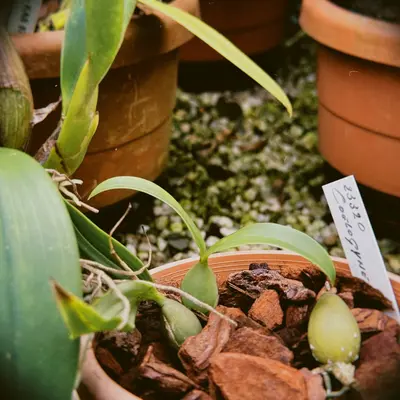
Coneflower Magnus
This Perennial Plant Association award winner showcases the classic purple coneflower at its finest, with rich rosy-purple petals that don't droop and prominent bronze-orange centers. Magnus is beloved by butterflies, bees, and goldfinches while providing excellent cut flowers and winter seed heads for natural garden interest. It's incredibly drought tolerant and reliable, making it a cornerstone plant for prairie-style and pollinator gardens.
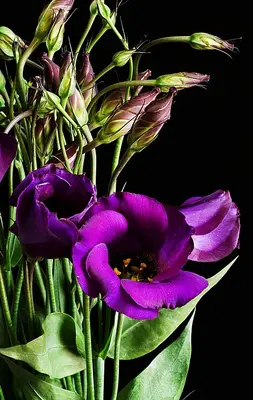
Corelli Sugoi™ III White
2 1/2-4" wide fully double blooms are lush with abundant layering and ruffling. Flower color is pure white with a green center. The Corelli Sugoi series offers the large full blooms typical of the Corelli series, with a more heavily ruffled petal. Group 3 for late spring, summer, and fall harvest. Lisianthus is also known as prairie gentian, Texas bluebell, and showy prairie gentian. Pelleted seeds.
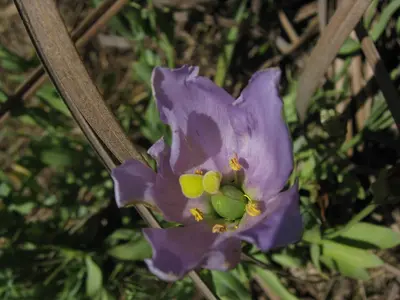
Corelli™ II Pink
2 1/2-4" fully double, lightly ruffled flowers. Soft flowers with green centers provide a softer look than varieties with dark centers. Group 2 for early spring to summer harvest. Color is slightly pinker than Corelli™ III Light Pink which has a very pale petal color and dark center. Lisianthus is also known as prairie gentian, Texas bluebell, and showy prairie gentian. Pelleted seeds.
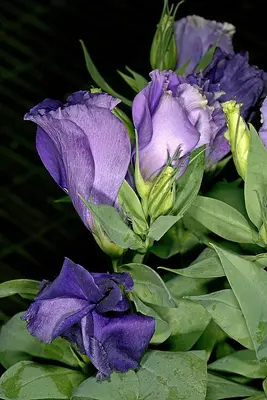
Corelli™ III Light Pink
Pale, blush-pink petals with deep maroon/burgundy centers that draw you in when the porcelain-like blooms are fully open. 2-3 1/2", fully double, lightly ruffled flowers. Awarded Cut Flower of the Year by the Association of Specialty Cut Flower Growers. Group 3 (main season) for late spring, summer, and fall harvest. Color is lighter than Arena III Baby Pink and Voyage 2 Pink Improved. Lisianthus is also known as prairie gentian, Texas bluebell, and showy prairie gentian. Pelleted seeds.

Cosmos Sensation Mix
An old-fashioned favorite that epitomizes cottage garden charm with its delicate, papery petals in soft pastels and feathery foliage. This easy-care annual self-sows readily and blooms continuously until frost, attracting beneficial insects and providing armloads of cut flowers. The tall, graceful stems sway beautifully in the breeze, adding movement and romance to any garden space.
Costa II Mix
Exceptionally robust stems, high yields, and uniform growth in the field or greenhouse when grown under short days and low temperatures. Considered a Group 2 snapdragon. This mix includes Rose, Silver (very light pink), White, Velvet (burgundy), and Apricot. Colors are subject to change depending upon availability.Edible Flowers: The flowers are a colorful garnish for use in salads, desserts, and drinks. The flavor is floral and slightly bitter, so use sparingly.
Costa Rose II
Robust stems, high-quality blooms, and uniform growth in the field or greenhouse. Group 2 snapdragon bred for performance under short days and low temperatures. We've found the Costa series to be more adaptable than most Group 2 snapdragons, in that the plants produce strong stems and high-quality blooms even under slightly warmer and longer days than would be ideal for a Group 2 series. Costa performs well in our spring and fall trials both in the field and tunnel, and overwintered (fall-planted inside an unheated tunnel for early spring flowering). Flower quality and stem quality are reduced under long days and high temperatures. Costa Rose II is medium-dark pink, one shade lighter than Costa Deep Rose II, and one shade darker than Costa Light Rose II. Overall performance is consistent with the rest of the Costa II series.Edible Flowers: The flowers are a colorful garnish for use in salads, desserts, and drinks. The flavor is floral and slightly bitter, so use sparingly.
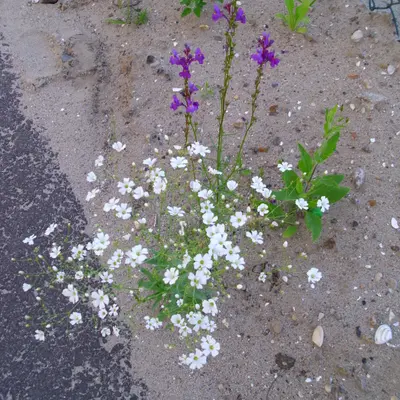
Covent Garden Market
Small, 1/2- 3/4", white flowers make an airy cut-flower filler for bouquets. Multi stems per plant. Succession plant for continuous harvest through the summer. Also known as baby's breath, "gyp," and showy baby's-breath.
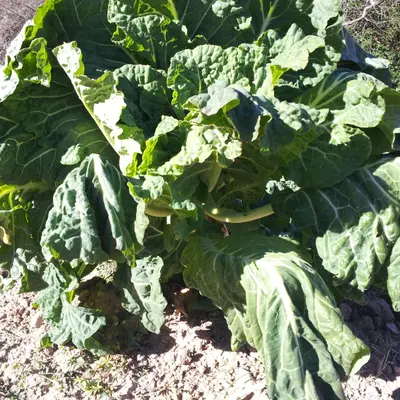
Crane Pink
Extend the flower production season with ornamental kale. The Crane series is consistent, uniform, and provides a range of colors. Crane Pink has bright pink centers surrounded by green outer leaves. Also known as flowering kale and ornamental cabbage.
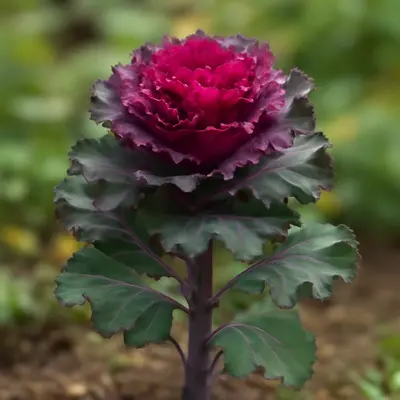
Crane Red
Extend the flower production season with ornamental kale. The Crane series is consistent, uniform, and provides a range of colors. Crane Red has plum centers surrounded by dark green-to-purple outer leaves. Also known as flowering kale and ornamental cabbage.
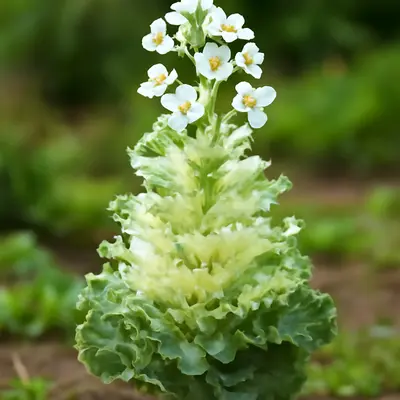
Crane White
Extend the flower production season with ornamental kale. The Crane series is consistent, uniform, and provides a range of colors. Crane White has creamy white centers with a blush of pink surrounded by green outer leaves. Also know as flowering kale and ornamental cabbage.
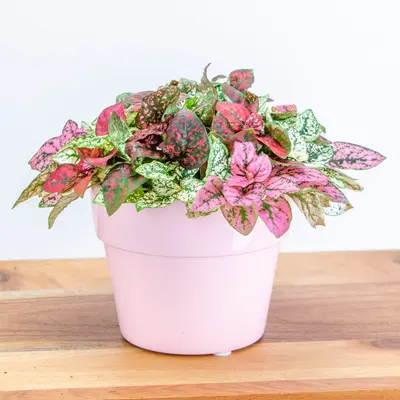
Cupcakes Blush
Cupcakes Blush is as showy as Double Click with lighter-weight blooms held upright on strong stems. The light-colored, finely pleated blooms float above the foliage, reminding us of Degas' paintings of ballerinas. A small percentage of flowers have lovely tufted centers.
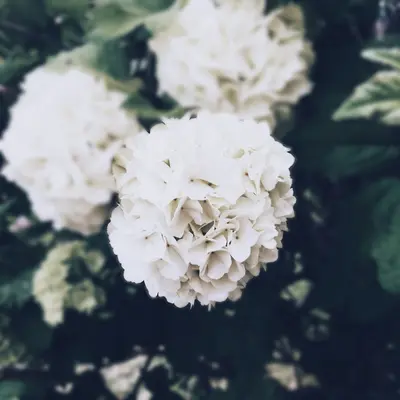
Cupcakes White
Cupcakes White is as showy as Double Click with lighter-weight blooms held upright on strong stems. The finely pleated blooms with scalloped edges float above the foliage. A small percentage of flowers have lovely tufted centers.
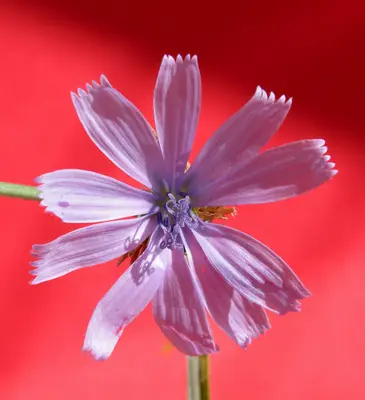
Dahlia Bishop of Llandaff
An award-winning heirloom dahlia that combines stunning scarlet-red single flowers with dramatic dark bronze-purple foliage for an absolutely striking garden presence. This compact variety has been beloved by gardeners since 1924, offering both exceptional flower power for cutting and foliage that rivals the most exotic coleus for dramatic garden impact.
Dahlia Cafe au Lait
The queen of dinner plate dahlias, producing enormous 10-12 inch blooms in soft cream and blush tones that create stunning focal points in any garden. This award-winning variety is prized by florists and gardeners alike for its massive size, elegant color, and strong stems perfect for cutting. A true showstopper that transforms any garden space into a dramatic display.
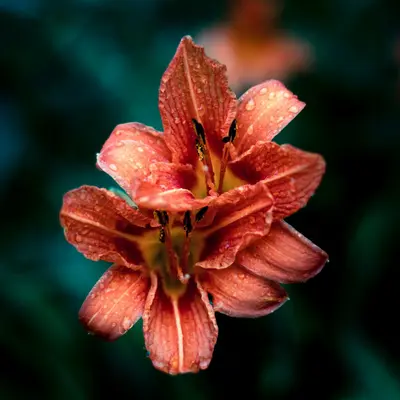
Dianthus Barbatus Sweet William
2-4" clusters of single-petaled, coral-pink blooms on long, strong stems. Compared to the Sweet™ series, blooms are wider, flatter, less globe-shaped, and have more of an umbel form. Plant vernalization is not required to initiate flowering. Fragrant blooms. Plants are high-yielding, producing long-lasting blooms, up to 14 days. Tender perennial in Zones 6-8. Raw, uncoated seed.
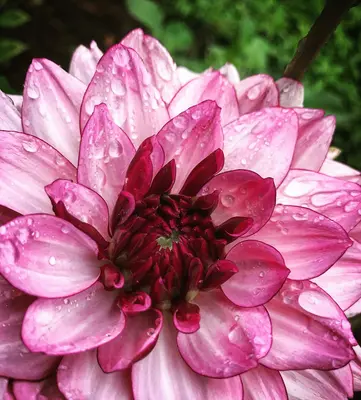
Double Click Bicolor Pink
2-3" fully double and semidouble bicolor flowers on strong stems for cutting. They are highly variable in the proportion of pink to white, creating the pleasant effect of a bicolor mix. Flower colors range from a contrasting, dark pink edge on a bright white flower to soft, creamy white with blush of pink. Cosmos are also known as garden cosmos.
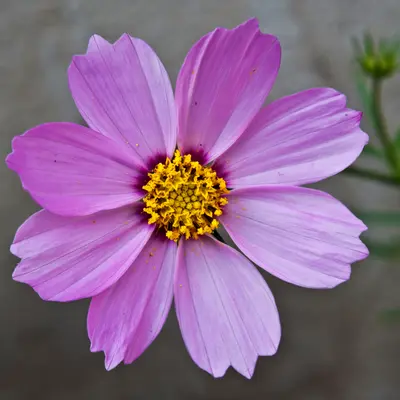
Double Click Bicolor Violet
2-3" fully double and semidouble bicolor flowers on strong stems for cutting. Blooms vary in their proportion of purple to white, creating the pleasant effect of a bicolor mix. Flower colors range from eggplant-purple with a contrasting bright-white background to soft-and-creamy white with a blush of lavender.
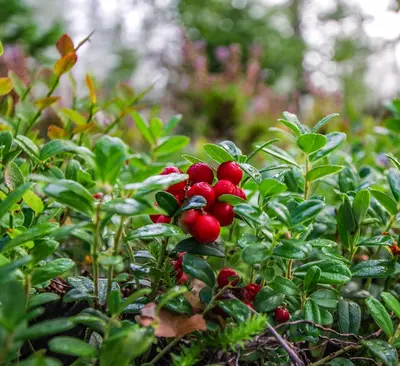
Double Click Cranberries
Tall plants with strong stems support fully double and semidouble blooms 2-3" across. The deep color adds richness to cut-flower arrangements. Cosmos are also known as garden cosmos.
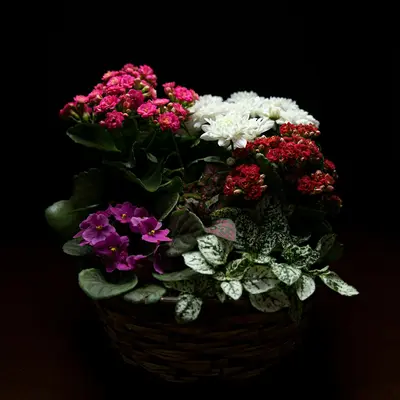
Double Click Mix
Tall plants with large fully double and semidouble blooms. Shades of carmine, pink, and white make this a great cut flower and garden addition. Cosmos are also known as garden cosmos.
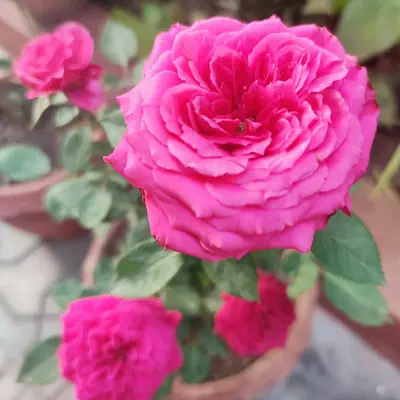
Double Click Rose Bon Bon
Tall plants with large fully double and semidouble, fluffy blooms. Cheerful, 2-3" rose-colored blooms make this a great cut flower and garden addition.
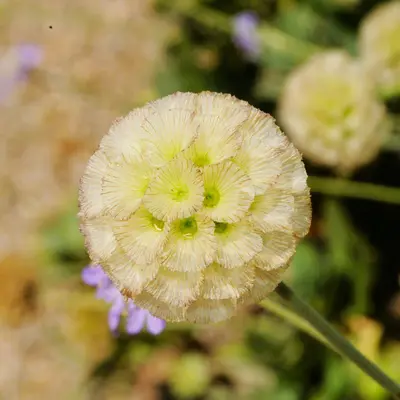
Double Click Snow Puff
Tall plants with large fully double and semidouble blooms. Pure white flowers with a small percentage displaying a soft blush of pink. Cosmos are also known as garden cosmos.
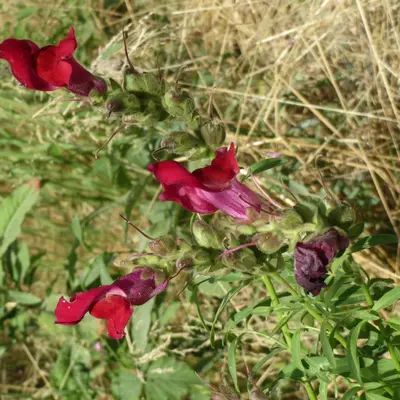
Double Frappe Apricot 2
A very exciting development in snapdragon breeding, pairing the popular double-flower form and apricot color with earliness and a high degree of uniformity. Uniform flowering time and excellent quality blooms. Group 2 snapdragon bred for optimal performance when grown under lower light and cooler temperatures. Recommended for early spring, fall, or winter production indoors or where winter growing is possible.Compared to the Madame Butterfly series, Double Frappe is earlier to flower and more uniform in quality. Its lovely apricot color is unique and absent from the Madame Butterfly series. Double or Azalea type flower. Edible Flowers: The flowers are a colorful garnish for use in salads, desserts, and drinks. The flavor is floral and slightly bitter, so use sparingly.
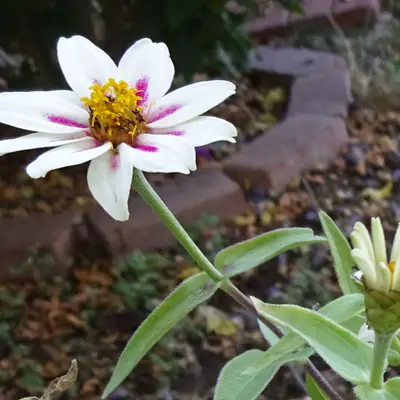
Double Zahara™ Bright Orange
An easy-to-grow choice for cheerful color in the garden or pots. Highly uniform plants with a low-growing, mounding habit that flower continuously, providing weeks of color. Abundant, bright golden-orange, fully double blooms average 1 1/2-2 1/2" wide. Zahara dwarf zinnias were bred for powdery mildew resistance and long-lasting color for landscapes and garden beds.
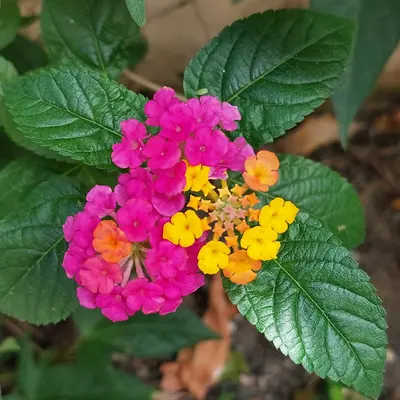
Double Zahara™ Brilliant Mixture
An easy-to-grow choice for cheerful color in the garden or pots. Bright and happy mix of hues in cherry, salmon, yellow, crimson, and white. Highly uniform plants with a low-growing, mounding habit that flower continuously, providing weeks of color. Abundant fully double blooms average 1 1/2-2 1/2" wide. Zahara dwarf zinnias were bred for powdery mildew resistance and long-lasting color for landscapes and garden beds.
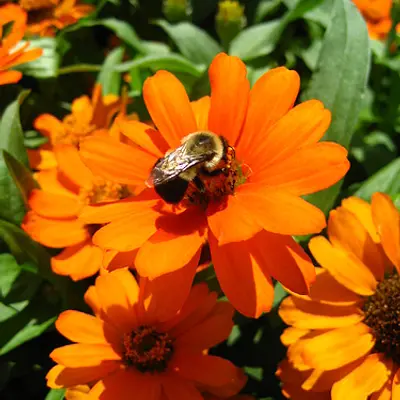
Double Zahara™ Cherry
An easy-to-grow choice for cheerful color in the garden or pots. Highly uniform plants with a low-growing, mounding habit that flower continuously, providing weeks of color. Abundant, cherry-red, fully double blooms average 1 1/2-2 1/2" wide. Zahara dwarf zinnias were bred for powdery mildew resistance and long-lasting color for landscapes and garden beds. AAS Winner.
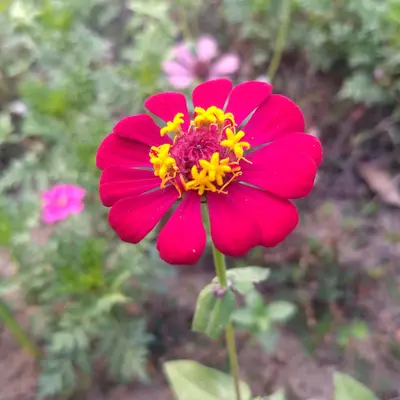
Double Zahara™ Fire
An easy-to-grow choice for cheerful color in the garden or pots. Highly uniform plants with a low-growing, mounding habit that flower continuously, providing weeks of color. Abundant, fiery, deep orange-red, fully double blooms average 1 1/2-2 1/2" wide. Zahara dwarf zinnias were bred for powdery mildew resistance and long-lasting color for landscapes and garden beds. AAS Winner.
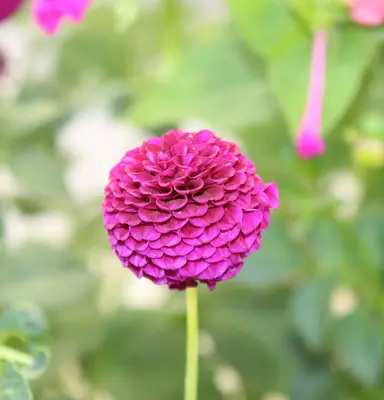
Double Zahara™ Raspberry Ripple
An easy-to-grow choice for cheerful color in the garden or pots. Highly uniform plants with a low-growing, mounding habit that flower continuously, providing weeks of color. Abundant, fully double, bicolor blooms average 1 1/2-2 1/2" wide. Rose shades can vary under different environmental conditions: cooler temperatures accentuate the rose coloration, whereas when flowers age and experience more heat, the white comes out more. Zahara dwarf zinnias were bred for powdery mildew resistance and long-lasting color for landscapes and garden beds.
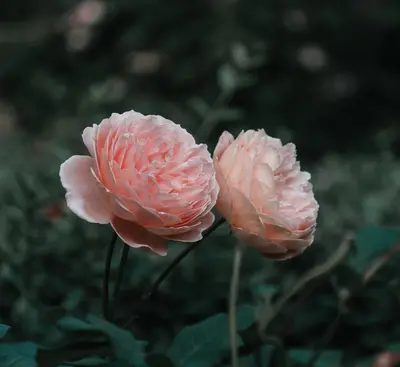
Double Zahara™ Salmon
An easy-to-grow choice for cheerful color in the garden or pots. Highly uniform plants with a low-growing, mounding habit that flower continuously, providing weeks of color. Abundant, salmon-colored, fully double blooms average 1 1/2-2 1/2" wide. Zahara dwarf zinnias were bred for powdery mildew resistance and long-lasting color for landscapes and garden beds.
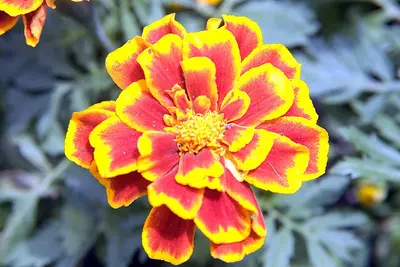
Durango Flame
Highly branching, uniform, robust plants. A great choice for garden beds and pots for its compact habit. Abundant 2-2 1/2" blooms. Bright red and orange bicolor flowers are beautiful in late summer and fall gardens. Attracts beneficial insects such as hoverflies. Also known as French marigold. Edible Flowers: Use the flowers to dress up salads and desserts or cooked in egg or rice dishes. Flavor is floral with hints of citrus and spice, and slightly bitter. Remove the petals from the flower base before consuming as the base can be quite bitter.
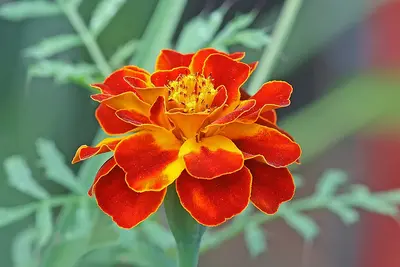
Durango Outback Mix
Highly branching plants. A good choice for packs, pots, and garden planting. Bloom size is 2-2 1/2". Attracts beneficial insects such as hoverflies. Also known as French marigold. Edible Flowers: Use the flowers to dress up salads and desserts or cooked in egg or rice dishes. Flavor is floral with hints of citrus and spice, and slightly bitter. Remove the petals from the flower base before consuming as the base can be quite bitter.
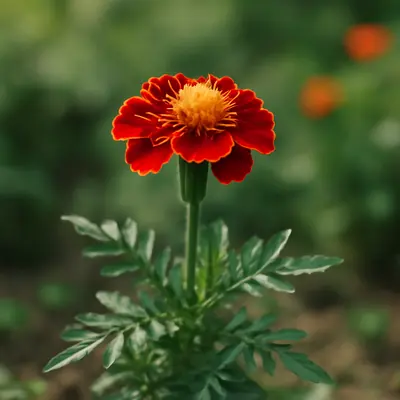
Durango Red
Highly branching, uniform, robust plants. A great choice for garden beds and pots for its compact habit. Abundant 2-2 1/2" blooms. Bright red flowers are beautiful in late summer and fall gardens. Attracts beneficial insects such as hoverflies. Also known as French marigold. Edible Flowers: Use the flowers to dress up salads and desserts or cooked in egg or rice dishes. Flavor is floral with hints of citrus and spice, and slightly bitter. Remove the petals from the flower base before consuming as the base can be quite bitter.
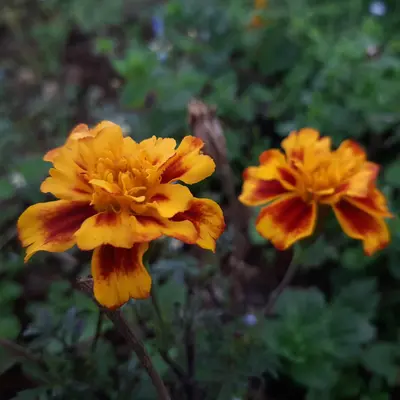
Durango Tangerine
Highly branching, uniform, robust plants. A great choice for garden beds and pots for its compact habit. Abundant 2-2 1/2" bright orange blooms. A classic addition to any garden. Attracts beneficial insects such as hoverflies. Also known as French marigold. Edible Flowers: Use the flowers to dress up salads and desserts or cooked in egg or rice dishes. Flavor is floral with hints of citrus and spice, and slightly bitter. Remove the petals from the flower base before consuming as the base can be quite bitter.
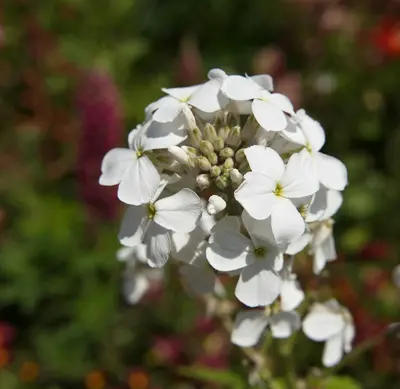
Early Arrow White
"Hi-double" plants produce 90% or more double-flowering plants. From the same breeder as the Iron series, Early Arrow is very similar to Iron in overall performance with very straight, strong stems and highly uniform plants. Long stems with 1 1/2-2", pure white blooms. One-cut series. Performed well in our spring, early summer, and fall trials. Seedling selection for double flowers is not necessary; plants will yield at least 90% double blooms without selection. NOTE: This variety produces one flowering stem per plant. Pinching is not advisable as it will terminate flowering. Edible Flowers: The peppery, clove-like flavor of the flowers lends itself well to use as a garnish on salads, desserts, and drinks.
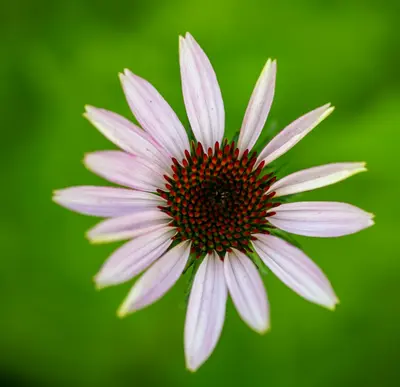
Echinacea Purpurea Magnus
This Perennial Plant of the Year winner showcases massive 7-inch purple flowers with flat, horizontal petals and prominent orange cones that attract goldfinches and butterflies. Unlike many coneflowers with drooping petals, Magnus holds its petals proudly horizontal for maximum impact. A native prairie wildflower that's incredibly drought tolerant and provides four-season interest with its architectural seed heads.
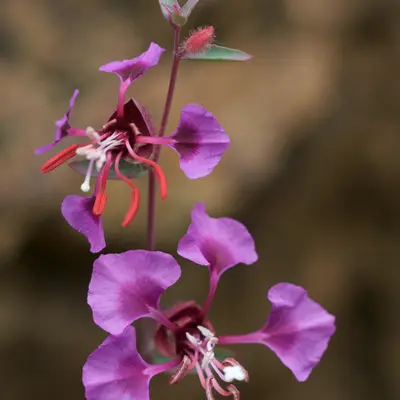
Elegant Salmon
Beautiful salmon blooms strung along purple-red stems. Flowers bloom from the lower portion of the stem and continue to open up the stem. Mostly double, semidouble, and single blooms. Easy to harvest, as the hard (almost woody) stems are nearly free of foliage. Basal-branching plants. Native to the Western US. Also known as elegant clarkia and mountain garland.
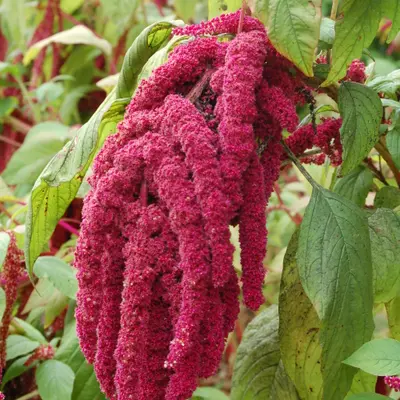
Emerald Tassels
Fantastic color and texture for fresh bouquets or large containers. When dried, the blooms turn from green to a light tan color that works well in fall arrangements. Common names include amaranth and tassel flower.
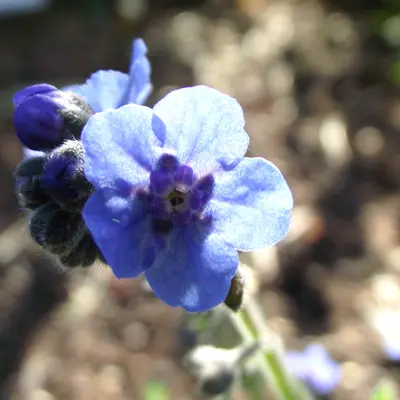
Firmament
Tall, uniform plants produce a strong first cut of long, sturdy stems, followed by an abundance of branching side stems. Attracts bees. Also known as Chinese hound's tongue. AAS Winner 1935.
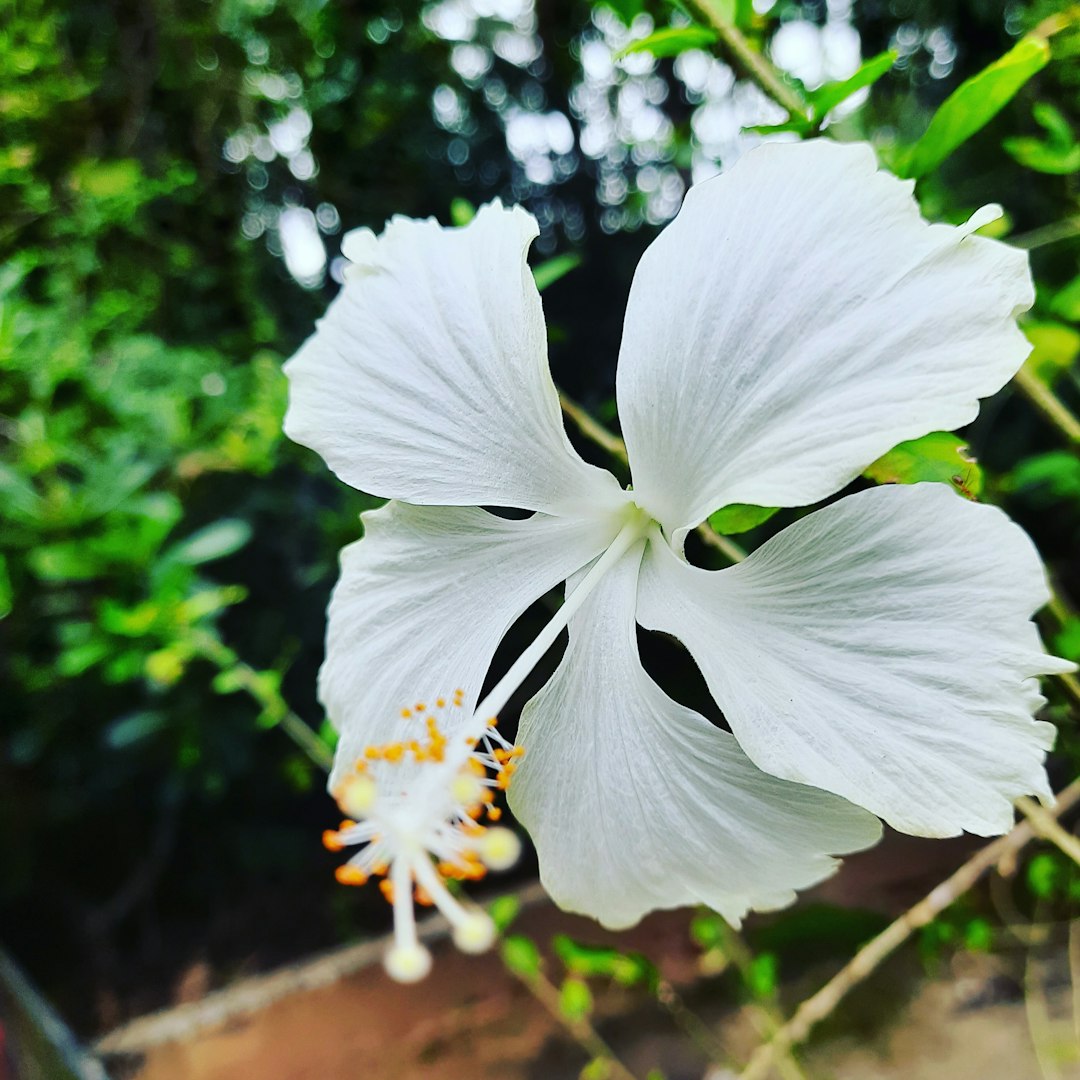
Fizzy White
Large 2 1/2-4" pure white blooms. A semidouble or double flower appearance is achieved by Fizzy White's overlapping petals and tufted centers. The petals have lovely, fine pleats and zigzag edges, reminiscent of crisply pressed and pinked linens.
Flashback Mix
The undersides of the petals are a muted burgundy giving the 1 1/2-3" flowers a unique, flashy appearance. An excellent mix of colors; high percentage of double and semidouble flowers on long, strong stems. Also known as pot marigold, common marigold, and Scotch marigold. Edible Flowers: Petals of the flowers can be used fresh or dried in "flower confetti," soups, soufflés, rice dishes, baked goods, and to garnish desserts. Calendula is a popular choice for brightening up salad mix. Flavor is tangy and slightly bitter. Remove the petals from the flower base before consuming as the base can be quite bitter.
Floral Power Plum Antique
Abundant, lightly fragrant, 1 1/2" blooms are a blend of plum, rose, mauve, and gold. Overwinters well in our unheated tunnel (Zone 5) from a fall planting, yielding 12-20" long stems under those conditions. Plants produce abundant stems that tend to be a little thinner at harvest compared to varieties like the Nature™ series. Also known as pansy, Johnny jump-up, European field pansy, heart's ease, and hybrid violet. Edible Flowers: Decorative and edible garnish for salads and desserts with slight wintergreen flavor. While a popular choice for brightening up salad mix, the flowers are also good for candying.
Florist Blue Boy
Florist Blue Boy is a charming heirloom flower variety prized for its striking deep blue blooms and ornamental appeal. The plants mature in 65-75 days, producing abundant flowers ideal for fresh arrangements and garden display. This easy-to-grow variety thrives in full sun to partial shade with well-drained, adaptable soil. Its defining characteristic is its rich blue coloring, which makes it a standout in bouquets and floral designs. While possessing a bland, mildly floral taste, it is best suited for decorative culinary applications rather than flavor-forward dishes.
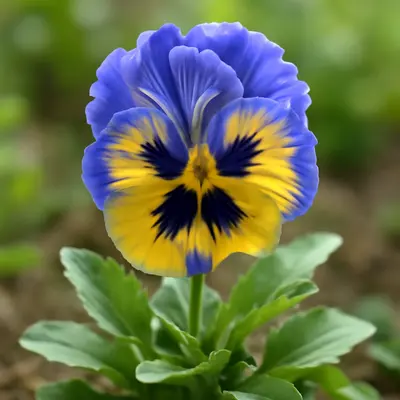
Frizzle Sizzle Yellow-Blue Swirl
Whisker-faced 2-2 1/2" blooms edged in yellow and blue, with deeply ruffled margins. Uniform plants. Mildly fragrant. Overwinters well in our unheated tunnel (Zone 5); plants are generally compact but yield 12-14" stems that are perfect for mixing with tulips and daffodils in early spring bouquets. Also known as pansy, Johnny jump-up, European field pansy, heart's ease, and hybrid violet. Edible Flowers: Decorative and edible garnish for salads and desserts with slight wintergreen flavor. While a popular choice for brightening up salad mix, the flowers are also good for candying.
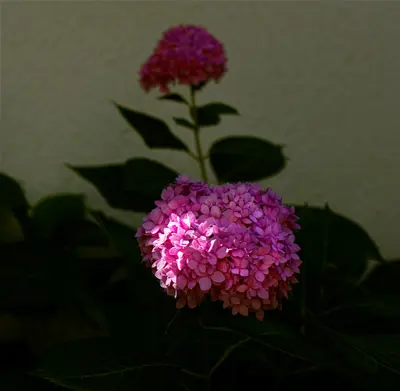
Garden Phlox David
A Perennial Plant Association award winner renowned for its exceptional mildew resistance and pure white fragrant blooms. This robust perennial produces dense clusters of pristine white flowers that attract butterflies and hummingbirds while maintaining clean, healthy foliage throughout the season. David stands as the gold standard for white garden phlox and serves as an excellent backbone plant for cottage gardens.
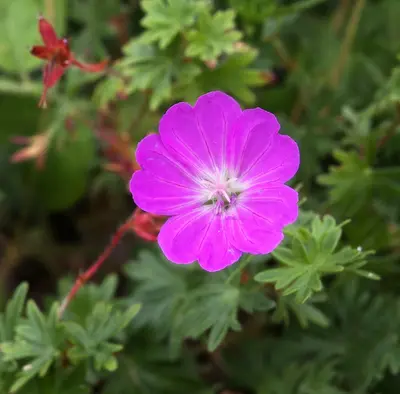
Geranium Rozanne
Winner of multiple international awards, this exceptional hardy geranium produces masses of violet-blue flowers with white centers from late spring through first frost. Unlike annual geraniums, this perennial variety is incredibly long-blooming and requires virtually no deadheading. Its mounding habit and continuous color make it invaluable for borders, containers, and ground cover applications.
Giant Hybrid Mix
Get started with dahlias by growing from seed, an easy and economical alternative to tubers. Under normal to optimal conditions, seeds germinate readily, and plants grow quickly. In our trials, plants bloom mid-July through to the first hard frost. Giant Hybrid Mix produces 3-5" double, semidouble, and single blooms. Mix includes solid and bicolor blooms in shades of salmon, coral, white, light yellow, red, and lavender. NOTE: Double blooms in varieties produced from seed are generally not as fully double as those of named varieties maintained and propagated by tubers, which have been specially selected for numerous and dense petals, among other desirable traits. Edible Flowers: The mild-flavored flowers are a colorful garnish for use in salads, desserts, and drinks. Tubers are also edible.
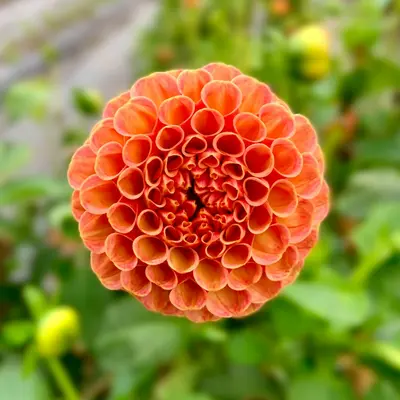
Giant Orange
Large flower heads, avg. 3", sit atop sturdy plants. These giant marigolds are prolific producers for cuts as well as excellent garden performers. Sturdy, uniform flower heads are also useful for marigold garlands. Also known as African marigold, American marigold, and Aztec marigold. Edible Flowers: Use the flowers to dress up salads and desserts or cooked in egg or rice dishes. Flavor is floral with hints of citrus and spice, and slightly bitter. Remove the petals from the flower base before consuming as the base can be quite bitter.
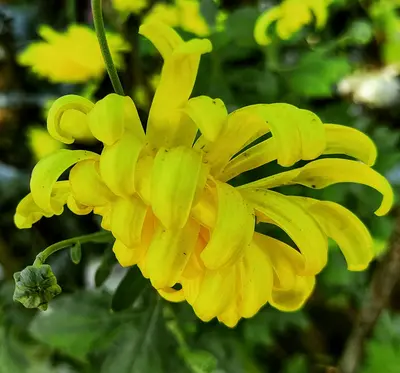
Giant Yellow
Large flower heads, avg. 3", sit atop sturdy plants. These giant marigolds are prolific producers for cuts as well as excellent garden performers. Sturdy, uniform flower heads are also useful for marigold garlands. Giant Yellow tends to be slightly shorter than Giant Orange. Also known as African marigold, American marigold, and Aztec marigold. Edible Flowers: Use the flowers to dress up salads and desserts or cooked in egg or rice dishes. Flavor is floral with hints of citrus and spice, and slightly bitter. Remove the petals from the flower base before consuming as the base can be quite bitter.
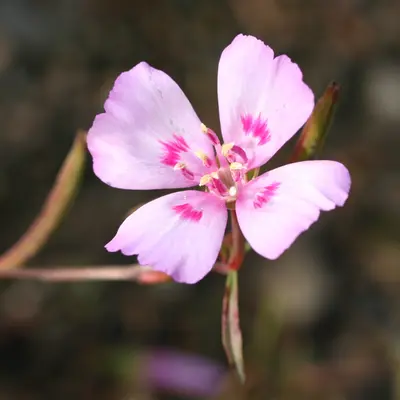
Grace Mix
Each stem produces clusters of cup-shaped blooms in shades of pink, magenta, salmon, and white. Sturdy stems and upward-facing bloom clusters work well as cut flowers. Blooms add a cheerful and almost tropical vibe to mixed bouquets and arrangements. Also known as farewell-to-spring and satin flower.
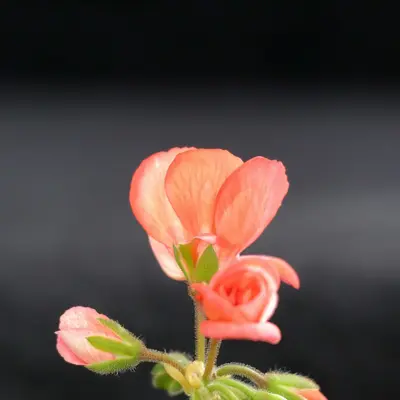
Grace Salmon
Each stem produces clusters of 1 1/2-3" wide, cup-shaped blooms. Sturdy stems and upward-facing bloom clusters work well as cut flowers. Bright, salmon-colored blooms add a cheerful and almost tropical vibe to mixed bouquets and arrangements. Supporting plants for straight stems is recommended. Also known as farewell-to-spring and satin flower.
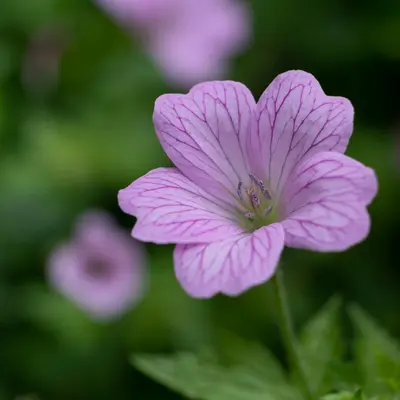
Grace Shell Pink
Each stem produces clusters of 1 1/2-3" wide, cup-shaped blooms. Sturdy stems and upward-facing bloom clusters work well as cut flowers. White with blushy, shell-pink petals. Blooms add a cheerful and almost tropical vibe to mixed bouquets and arrangements. Supporting plants for straight stems is recommended. Also known as farewell-to-spring and satin flower.
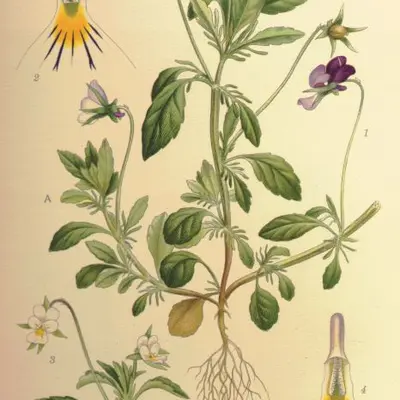
Helen Mount
1-2" tricolor flowers in purple, yellow, and white. May reseed. Also known as pansy, heart's ease, Johnny jump-up, and European field pansy. Perennial in Zones 4-9. Edible Flowers: Abundant blooms make dainty garnishes for salads and desserts with slight wintergreen flavor. While a popular choice for brightening up salad mix, the flowers are also good for candying.
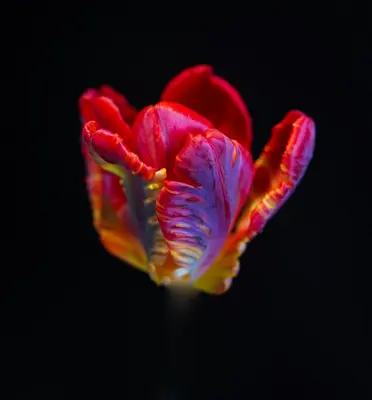
Hibiscus Luna Red
This spectacular hardy hibiscus produces enormous 6-8 inch scarlet-red blooms that command attention from across the garden, yet grows on a compact, manageable plant perfect for smaller spaces. Luna Red delivers the tropical impact of traditional hibiscus while being completely winter hardy in most climates, returning reliably each spring to provide months of show-stopping color.
Hydrangea Endless Summer
A revolutionary reblooming hydrangea that produces stunning blooms on both old and new wood, extending the flowering season from spring through fall. The large, rounded flower heads change color based on soil pH, creating a dynamic display that evolves throughout the growing season. This hardy variety has transformed hydrangea growing by offering continuous blooms and exceptional cold tolerance.
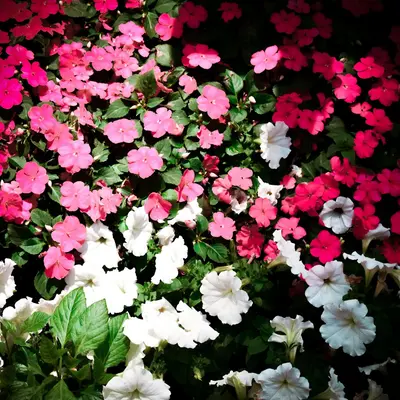
Impatiens New Guinea Divine Mix
These heat-tolerant beauties solved the shade gardener's dilemma with their ability to bloom prolifically in both sun and shade while resisting the downy mildew that devastated traditional impatiens. Their large, vibrant flowers and glossy bronze-green foliage create stunning displays all season long.
Impatiens Walleriana Super Elfin XP White
A disease-resistant improvement on the classic bedding impatiens, featuring pure white blooms that brighten shady garden areas where few other flowers thrive. This compact variety offers superior resistance to downy mildew, the disease that devastated traditional impatiens, while maintaining the continuous blooming habit gardeners love. The neat, mounded plants create perfect carpets of color in shade gardens, containers, and hanging baskets.
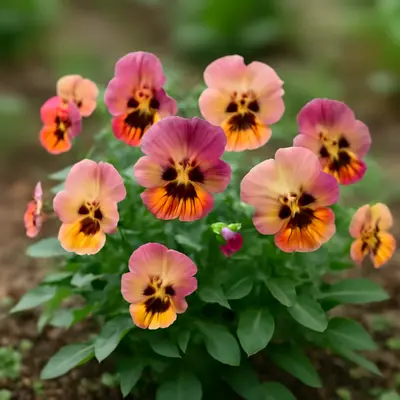
Imperial™ Antique Shades
1 1/2-2 1/2" blooms in shades of cream, peach, rose, burgundy, gold, and white. Vigorous and healthy plants. Mildly fragrant blooms. Overwinters well in our unheated tunnel (Zone 5), yielding 15-20" long stems that are perfect for mixing with tulips and daffodils in early spring bouquets. Also known as pansy, Johnny jump-up, European field pansy, heart's ease, and hybrid violet. Edible Flowers: Decorative and edible garnish for salads and desserts with slight wintergreen flavor. While a popular choice for brightening up salad mix, the flowers are also good for candying.
Iron Apricot
Early single-stem, or column-type stock in a highly uniform series for one-cut harvest. Aptly named for strong, straight, rigid stems. Iron performed well in our spring, early summer, and fall trials. Selectable for doubles and 55% double without selection. Compared to Katz, Iron is slightly later to flower, and has somewhat shorter and thicker stems. Tightly spaced florets on the flower spike make for compact 1 1/2-2", creamy peach-colored blooms with a full appearance. NOTE: This variety produces one flowering stem per plant. Pinching is not advisable as it will terminate flowering. Edible Flowers: The peppery, clove-like flavor of the flowers lends itself well to use as a garnish on salads, desserts, and drinks.
Iron Blue
Early single-stem, or column-type stock in a highly uniform series for one-cut harvest. Aptly named for strong, straight, rigid stems. Iron performed well in our spring, early summer, and fall trials. Selectable for doubles and 55% double without selection. Compared to Katz, Iron is slightly later to flower, and has somewhat shorter and thicker stems. Tightly spaced florets on the flower spike make for compact 1 1/2-2", blue blooms with a full appearance. NOTE: This variety produces one flowering stem per plant. Pinching is not advisable as it will terminate flowering. Edible Flowers: The peppery, clove-like flavor of the flowers lends itself well to use as a garnish on salads, desserts, and drinks.
Iron Cherry
Early single-stem, or column-type stock in a highly uniform series for one-cut harvest. Aptly named for strong, straight, rigid stems. Iron performed well in our spring, early summer, and fall trials. Selectable for doubles and 55% double without selection. Compared to Katz, Iron is slightly later to flower, and has somewhat shorter and thicker stems. Tightly spaced florets on the flower spike make for compact 1 1/2-2", soft blush/rose pink blooms with a full appearance. NOTE: This variety produces one flowering stem per plant. Pinching is not advisable as it will terminate flowering. Edible Flowers: The peppery, clove-like flavor of the flowers lends itself well to use as a garnish on salads, desserts, and drinks.
Iron Marine
Early single-stem, or column-type stock in a highly uniform series for one-cut harvest. Aptly named for strong, straight, rigid stems. Iron performed well in our spring, early summer, and fall trials. Selectable for doubles and 55% double without selection. Compared to Katz, Iron is slightly later to flower, and has somewhat shorter and thicker stems. Tightly spaced florets on the flower spike make for compact 1 1/2-2", pale lavender-blue blooms with a full appearance. NOTE: This variety produces one flowering stem per plant. Pinching is not advisable as it will terminate flowering. Edible Flowers: The peppery, clove-like flavor of the flowers lends itself well to use as a garnish on salads, desserts, and drinks.
Iron Pastel Mix
Our soft pastel blend is reminiscent of pastel-colored candies and marshmallows. Early single-stem, or column-type stock in a highly uniform series for one-cut harvest. Aptly named for strong, straight, rigid stems. Iron performed well in our spring, early summer, and fall trials. Selectable for doubles and 55% double without selection. Compared to Katz, Iron is slightly later to flower, and has somewhat shorter and thicker stems. Tightly spaced florets on the flower spike make for compact 1 1/2-2" blooms. NOTE: This variety produces one flowering stem per plant. Pinching is not advisable as it will terminate flowering. Edible Flowers: The peppery, clove-like flavor of the flowers lends itself well to use as a garnish on salads, desserts, and drinks.
Iron Pink
Early single-stem, or column-type stock in a highly uniform series for one-cut harvest. Aptly named for strong, straight, rigid stems. Iron performed well in our spring, early summer, and fall trials. Selectable for doubles and 55% double without selection. Compared to Katz, Iron is slightly later to flower, and has somewhat shorter and thicker stems. Tightly spaced florets on the flower spike make for compact 1 1/2-2", medium-light pink blooms with a full appearance. Flowers are a lighter shade than those of Iron Rose Pink. NOTE: This variety produces one flowering stem per plant. Pinching is not advisable as it will terminate flowering. Edible Flowers: The peppery, clove-like flavor of the flowers lends itself well to use as a garnish on salads, desserts, and drinks.
Iron Purple
Early single-stem, or column-type stock in a highly uniform series for one-cut harvest. Aptly named for strong, straight, rigid stems. Iron performed well in our spring, early summer, and fall trials. Selectable for doubles and 55% double without selection. Compared to Katz, Iron is slightly later to flower, and has somewhat shorter and thicker stems. Tightly spaced florets on the flower spike make for compact 1 1/2-2", deep plum-colored blooms with a full appearance. NOTE: This variety produces one flowering stem per plant. Pinching is not advisable as it will terminate flowering.Edible Flowers: The peppery, clove-like flavor of the flowers lends itself well to use as a garnish on salads, desserts, and drinks.
Iron Rose
Early single-stem, or column-type stock in a highly uniform series for one-cut harvest. Aptly named for strong, straight, rigid stems. Iron performed well in our spring, early summer, and fall trials. Selectable for doubles and 55% double without selection. Compared to Katz, Iron is slightly later to flower, and has somewhat shorter and thicker stems. Tightly spaced florets on the flower spike make for compact 1 1/2-2", dark rose-red blooms with a full appearance. NOTE: This variety produces one flowering stem per plant. Pinching is not advisable as it will terminate flowering. Edible Flowers: The peppery, clove-like flavor of the flowers lends itself well to use as a garnish on salads, desserts, and drinks.
Iron Rose Pink
Early single-stem, or column-type stock in a highly uniform series for one-cut harvest. Aptly named for strong, straight, rigid stems. Iron performed well in our spring, early summer, and fall trials. Selectable for doubles and 55% double without selection. Compared to Katz, Iron is slightly later to flower, and has somewhat shorter and thicker stems. Tightly spaced florets on the flower spike make for compact 1 1/2-2", deep rose-pink blooms with a full appearance. NOTE: This variety produces one flowering stem per plant. Pinching is not advisable as it will terminate flowering. Edible Flowers: The peppery, clove-like flavor of the flowers lends itself well to use as a garnish on salads, desserts, and drinks.
Iron White
Early single-stem, or column-type stock in a highly uniform series for one-cut harvest. Aptly named for strong, straight, rigid stems. Iron performed well in our spring, early summer, and fall trials. Selectable for doubles and 55% double without selection. Compared to Katz, Iron is slightly later to flower, and has somewhat shorter and thicker stems. Tightly spaced florets on the flower spike make for compact 1 1/2-2", pure white blooms with a full appearance. NOTE: This variety produces one flowering stem per plant. Pinching is not advisable as it will terminate flowering. Edible Flowers: The peppery, clove-like flavor of the flowers lends itself well to use as a garnish on salads, desserts, and drinks.
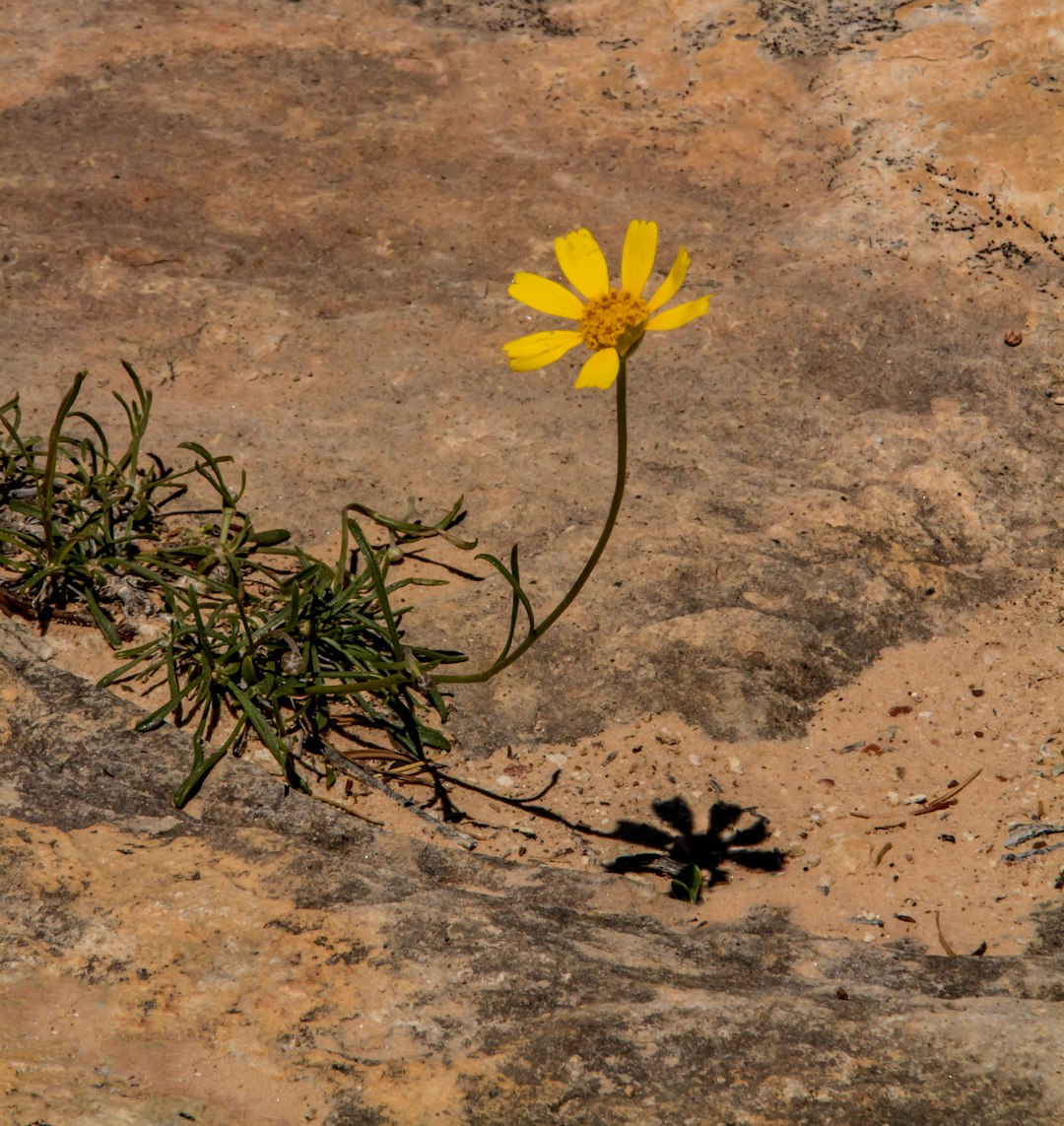
Iron Yellow
Early single-stem, or column-type stock in a highly uniform series for one-cut harvest. Aptly named for strong, straight, rigid stems. Iron performed well in our spring, early summer, and fall trials. Selectable for doubles and 55% double without selection. Compared to Katz, Iron is slightly later to flower, and has somewhat shorter and thicker stems. Tightly spaced florets on the flower spike make for compact 1 1/2-2", buttercream yellow blooms with a full appearance. NOTE: This variety produces one flowering stem per plant. Pinching is not advisable as it will terminate flowering. Edible Flowers: The peppery, clove-like flavor of the flowers lends itself well to use as a garnish on salads, desserts, and drinks.
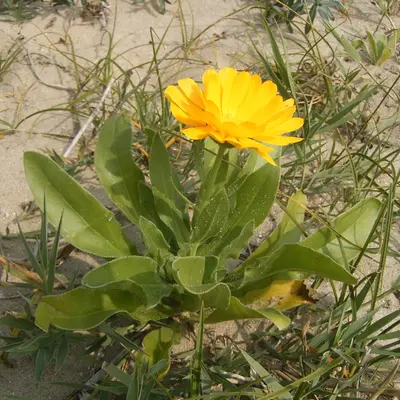
Ivory Princess
2-3" wide double and semidouble blooms. Creamy petals with hints of gold contrast beautifully with a dark center disk. Tall, vigorous, healthy plants yield sturdy stems. Also known as pot marigold, common marigold, and Scotch marigold. Edible Flowers: Petals of the flowers can be used fresh or dried in "flower confetti," soups, soufflés, rice dishes, baked goods, and to garnish desserts. Calendula is a popular choice for brightening up salad mix. Flavor is tangy and slightly bitter. Remove the petals from the flower base before consuming as the base can be quite bitter.
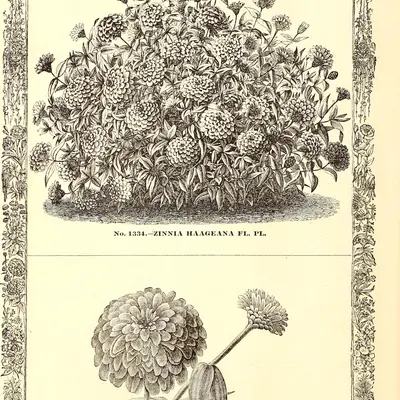
Jazzy Mix
Attractive fully double and semidouble blooms are 1-2" in size. Bright and earthy shades of burgundy red, red, yellow, and orange with cream, red, or yellow tips. Plants are compact but highly productive. Cut-and-come-again flower, yielding multiple cuts over the season.
Johnny's Early Sunrise Mix
We've selected this color blend of warm sunrise shades to create a pleasing mix - suitable for easy market bunches or the home garden. Group 2-3 snapdragons can be grown in the field or indoors and are well-suited for spring, early summer, and fall production. Edible Flowers: The flowers are a colorful garnish for use in salads, desserts, and drinks. The flavor is floral and slightly bitter, so use sparingly.
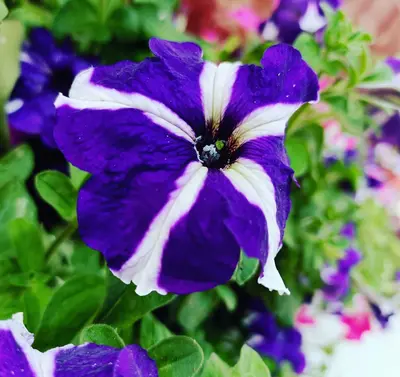
Johnny's Potomac Custom Mix
Selected mix for improved uniformity of bloom time and stem length. Group 3-4: Warm season snapdragons are bred for optimal performance under long days, high light levels, and warm temperatures. Mix contains appleblossom bicolor, cherry rose, royal, yellow, white, red, orange, lavender, and pink. Colors are subject to change depending upon availability.Edible Flowers: The flowers are a colorful garnish for use in salads, desserts, and drinks. The flavor is floral and slightly bitter, so use sparingly.
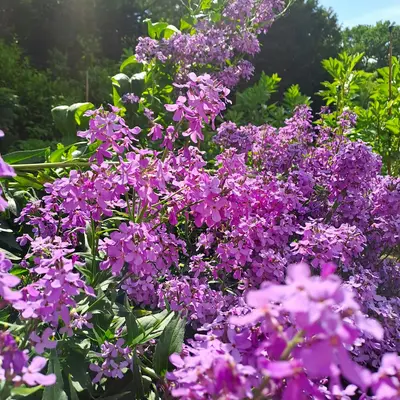
Johnny's Potomac Summer Berry Blend
We've selected this color blend in a beautiful berry shade theme to create a pleasing mix for the garden and easy market bunches. Group 3-4: Warm season snapdragons are bred for optimal performance under long days, high light levels, and warm temperatures. Mix contains shades of red, lavender, and pink. Colors are subject to change depending upon availability. Edible Flowers: The flowers are a colorful garnish for use in salads, desserts, and drinks. The flavor is floral and slightly bitter, so use sparingly.
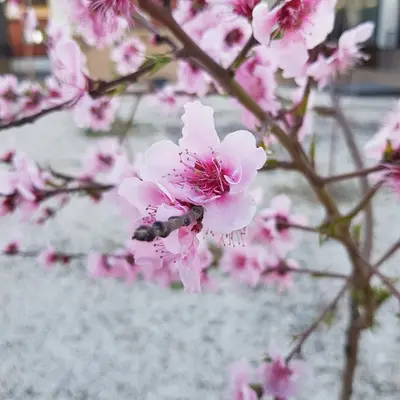
Katz Apricot
Long stems with 1 1/2-2", light peach blooms. Early blooming one-cut series. Performed well in our spring, early summer, and fall trials. Good uniformity in bloom time and stem length. 55-60% double-flowering without selection; some selection possible. NOTE: This variety produces one flowering stem per plant. Pinching is not advisable as it will terminate flowering. Edible Flowers: The peppery, clove-like flavor of the flowers lends itself well to use as a garnish on salads, desserts, and drinks.
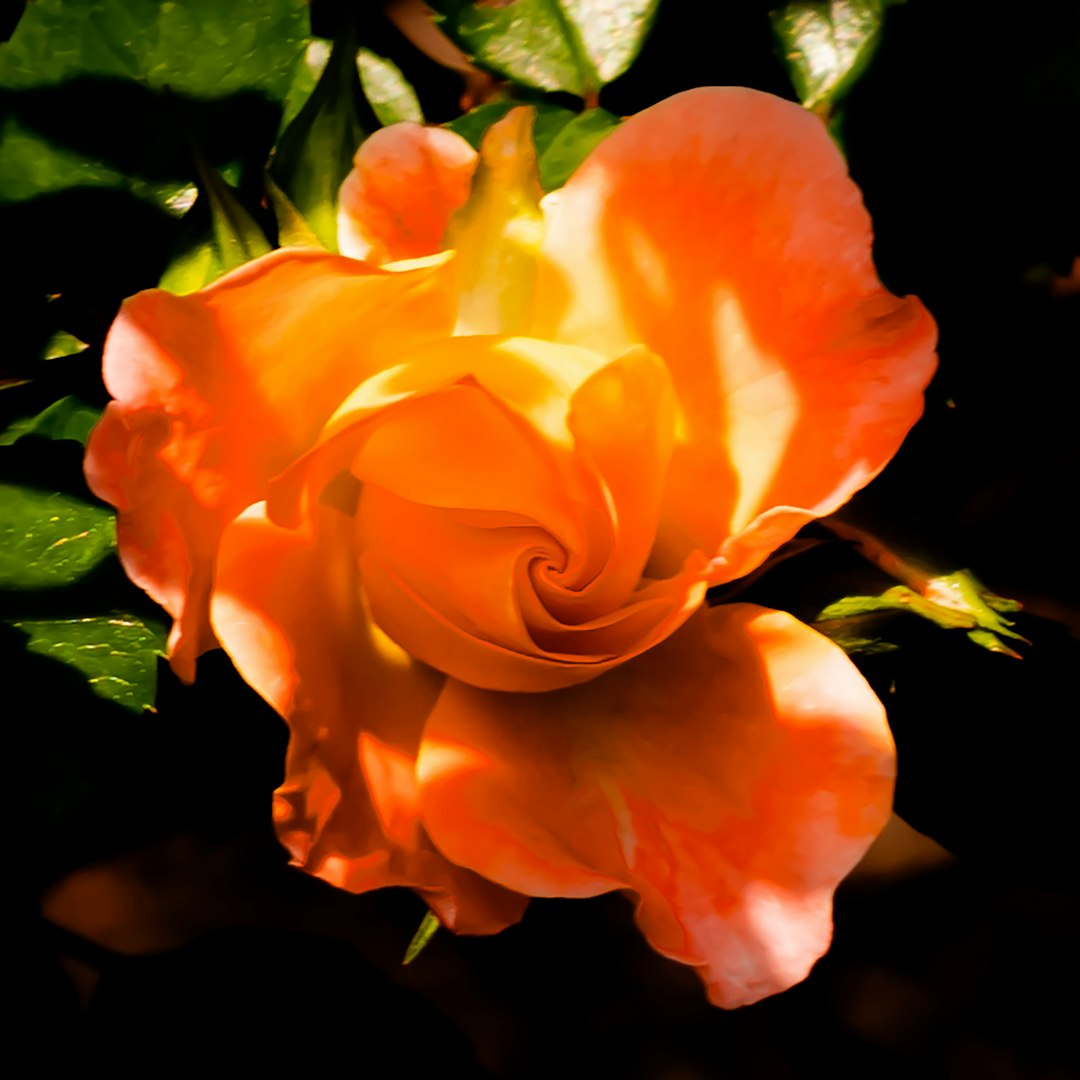
Katz Bright Rose
Long stems with 1 1/2-2", bright pink blooms. Early blooming one-cut series. Performed well in our spring, early summer, and fall trials. Good uniformity in bloom time and stem length. 55-60% double-flowering without selection; some selection possible. NOTE: This variety produces one flowering stem per plant. Pinching is not advisable as it will terminate flowering. Edible Flowers: The peppery, clove-like flavor of the flowers lends itself well to use as a garnish on salads, desserts, and drinks.
Katz Cherry Blossom
Long stems with 1 1/2-2", pale pink blooms. Early blooming one-cut series. Performed well in our spring, early summer, and fall trials. Good uniformity in bloom time and stem length. 55-60% double-flowering without selection; some selection possible. NOTE: This variety produces one flowering stem per plant. Pinching is not advisable as it will terminate flowering. Edible Flowers: The peppery, clove-like flavor of the flowers lends itself well to use as a garnish on salads, desserts, and drinks.
Katz Formula Mix
Long stems with 1 1/2-2" blooms in apricot, bright pink, wine red, pale purple, creamy yellow, dark purple, pale pink, and pure white. Early blooming one-cut series. Performed well in our spring, early summer, and fall trials. Good uniformity in bloom time and stem length. 55-60% double-flowering without selection; some selection possible. NOTE: This variety produces one flowering stem per plant. Pinching is not advisable as it will terminate flowering. Edible Flowers: The peppery, clove-like flavor of the flowers lends itself well to use as a garnish on salads, desserts, and drinks.
Katz Hi Double White
The same overall performance of the standard Katz series varieties, but now selected to produce 90% double-flowering plants. Long stems with 1 1/2-2", pure white blooms. Early blooming one-cut series. Performed well in our spring, early summer, and fall trials. Good uniformity in bloom time and stem length. Seedling selection for double flowers is not necessary; plants will yield 90% double blooms without selection. NOTE: This variety produces one flowering stem per plant. Pinching is not advisable as it will terminate flowering. Edible Flowers: The peppery, clove-like flavor of the flowers lends itself well to use as a garnish on salads, desserts, and drinks.
Katz Lavender Blue
Long stems with 1 1/2-2", pale purple blooms. Early blooming one-cut series. Performed well in our spring, early summer, and fall trials. Good uniformity in bloom time and stem length. 55-60% double-flowering without selection; some selection possible. NOTE: This variety produces one flowering stem per plant. Pinching is not advisable as it will terminate flowering. Edible Flowers: The peppery, clove-like flavor of the flowers lends itself well to use as a garnish on salads, desserts, and drinks.
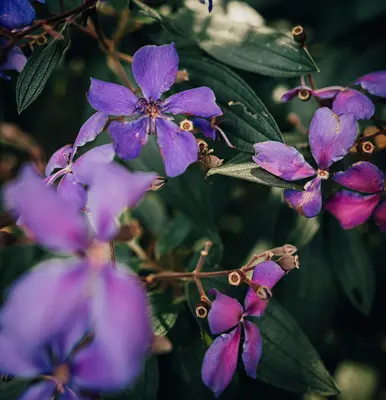
Katz Purple
Long stems with 1 1/2-2", dark purple blooms. Early blooming one-cut series. Performed well in our spring, early summer, and fall trials. Good uniformity in bloom time and stem length. 55-60% double-flowering without selection; some selection possible. NOTE: This variety produces one flowering stem per plant. Pinching is not advisable as it will terminate flowering. Edible Flowers: The peppery, clove-like flavor of the flowers lends itself well to use as a garnish on salads, desserts, and drinks.
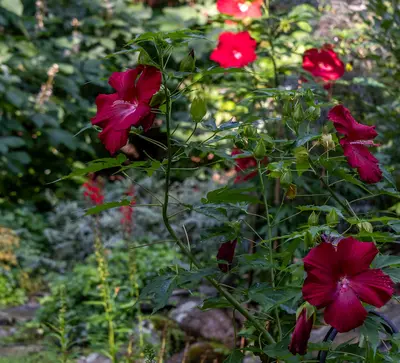
Katz Ruby
Long stems with 1 1/2-2", wine-red colored blooms. Early blooming one-cut series. Performed well in our spring, early summer, and fall trials. Good uniformity in bloom time and stem length. 55-60% double-flowering without selection; some selection possible. Plant Variety Protected. NOTE: This variety produces one flowering stem per plant. Pinching is not advisable as it will terminate flowering. Edible Flowers: The peppery, clove-like flavor of the flowers lends itself well to use as a garnish on salads, desserts, and drinks.

Katz White
Long stems with 1 1/2-2", pure white blooms. Early blooming one-cut series. Performed well in our spring, early summer, and fall trials. Good uniformity in bloom time and stem length. 55-60% double-flowering without selection; some selection possible. NOTE: This variety produces one flowering stem per plant. Pinching is not advisable as it will terminate flowering. Edible Flowers: The peppery, clove-like flavor of the flowers lends itself well to use as a garnish on salads, desserts, and drinks.
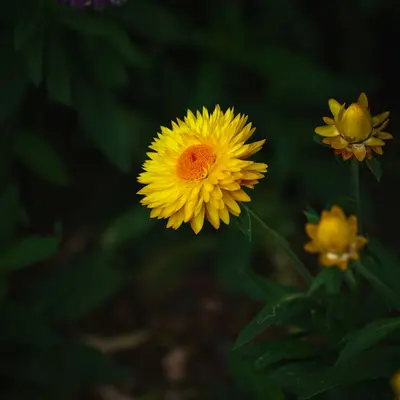
Katz Yellow
Long stems with 1 1/2-2", creamy yellow blooms. Early blooming one-cut series. Performed well in our spring, early summer, and fall trials. Good uniformity in bloom time and stem length. 55-60% double-flowering without selection; some selection possible. NOTE: This variety produces one flowering stem per plant. Pinching is not advisable as it will terminate flowering. Edible Flowers: The peppery, clove-like flavor of the flowers lends itself well to use as a garnish on salads, desserts, and drinks.
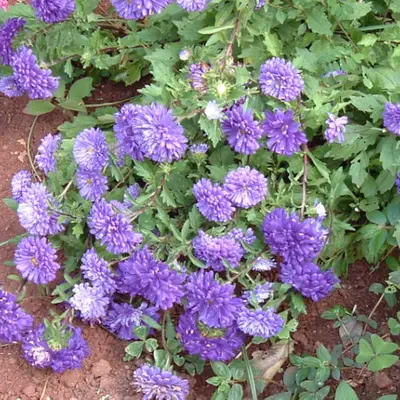
King Size Apricot
2 1/2-3" double and semidouble, light apricot-colored flowers. Compared to Tower Chamois, King Size Apricot plants are taller and equally as productive, blooms are similar in size and a shade lighter with a warmer (creamier yellow) tone, and petals are only slightly curled (whereas Tower Chamois' petals are heavily curled inward toward the center of the bloom).
Lady Coral Lavender
The unique, captivating color of Lady Coral Lavender is simply indescribable - you have to see it to believe it. A favorite in our trials and reminiscent of the silvery full moon, her lilac-taupe petals are tightly packed into 2 1/2-3 1/2" blooms. A bit later to bloom than our other China asters.
Lavender Hidcote
A compact English lavender variety beloved for its intensely fragrant, deep purple flower spikes and silvery-gray foliage that creates perfect low hedges or border plantings. This hardy perennial blooms repeatedly throughout summer, attracting beneficial pollinators while providing endless harvests for culinary and craft uses. Exceptionally drought-tolerant once established, making it perfect for water-wise gardens.
Lily Orienpet Conca d'Or
This magnificent Orienpet hybrid lily combines the best traits of Oriental and Trumpet lilies, producing enormous fragrant yellow blooms that can reach 10 inches across. The towering stems create a dramatic vertical accent in the garden, while the intoxicating fragrance fills the evening air. These long-lived bulbs multiply over time, creating impressive clumps that become more spectacular each year.

Lily Stargazer Oriental
The most famous oriental lily, beloved for its intoxicating fragrance and dramatic upward-facing blooms with deep pink petals, white edges, and burgundy spots. These show-stopping flowers create an unforgettable display in mid to late summer, with each stem producing multiple large blooms that fill the garden with their legendary perfume. A must-have for cutting gardens and cottage-style landscapes.
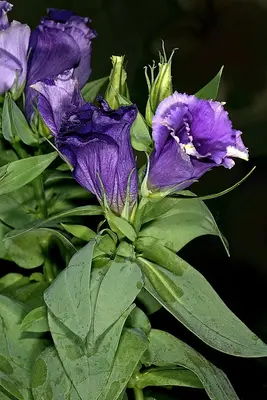
LisAdora® Apricot III
2 1/2-3 1/2" wide medium-sized double blooms are more rose-like than many varieties and almost resemble garden roses. As buds mature, petals curl outward on open blooms, enhancing the rose-like appearance. Flower color is pale apricot with a deep maroon/burgundy center. Group 3 for late spring, summer, and fall harvest. Lisianthus is also known as prairie gentian, Texas bluebell, and showy prairie gentian. Pelleted seeds.
Love-Lies-Bleeding
A reminder of things Victorian and a graceful accent in arrangements. Common names include amaranth and tassel flower.
Macaroon White
In our trials, Macaroon White was 7-10 days earlier to flower than the Bonita series. Appearance and plant architecture are both very comparable to the Bonita series, although plants are earlier to flower and slightly shorter. 1 1/2-2 1/2", bright white, double blooms with creamy yellow centers. Uniform and productive plants.

Madame Butterfly Bronze
Also known as an azalea type, Madame Butterfly's double petals create full, fluffy blooms for a Victorian look. A beautiful flower in a lovely shade of apricot/coral. For outdoor or greenhouse production. Bloom time comparable to group 3-4 "main season" or "all season" varieties. Edible Flowers: The flowers are a colorful garnish for use in salads, desserts, and drinks. The flavor is floral and slightly bitter, so use sparingly.
Madame Butterfly Cherry Bronze
Also known as an azalea type, Madame Butterfly's double petals create full, fluffy blooms for a Victorian look. The rose-coral/apricot color has a bit more of a rose hue compared to Madame Butterfly Bronze. For outdoor or greenhouse production. Bloom time comparable to group 3-4 "main season" or "all season" varieties. Edible Flowers: The flowers are a colorful garnish for use in salads, desserts, and drinks. The flavor is floral and slightly bitter, so use sparingly.
Madame Butterfly Ivory
Madame Butterfly Ivory is a delicate hybrid flower variety prized for its elegant ivory petals and refined ornamental appeal. Reaching maturity in 110-120 days, this cultivar thrives in full sun to partial shade environments with well-draining, organically amended soil. The blooms offer a distinctly delicate floral flavor with subtle bitterness, making them ideal as sophisticated garnish accents in culinary presentations. Its easy growing difficulty and reliable performance make it accessible to gardeners of all experience levels.
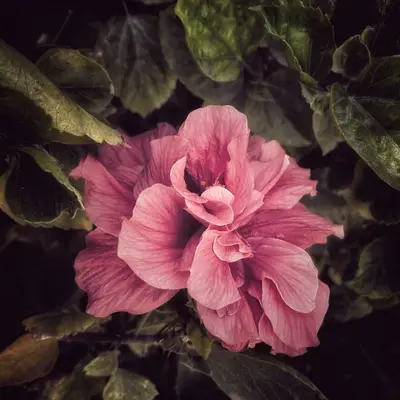
Madame Butterfly Mix
Also known as an azalea type, Madame Butterfly's double petals create full, fluffy blooms with a Victorian look. This mix consists of bronze/white, cherry/bronze, ivory, pink, red, rose, yellow and bronze blooms. For outdoor or greenhouse production. Bloom time comparable to group 3-4 "main season" or "all season" varieties. AAS Winner. Edible Flowers: The flowers are a colorful garnish for use in salads, desserts, and drinks. The flavor is floral and slightly bitter, so use sparingly.
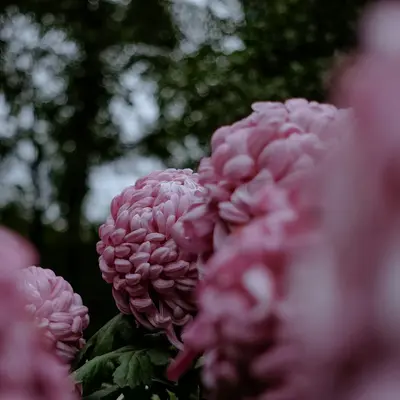
Madame Butterfly Red
Madame Butterfly Red is a hybrid flower variety maturing in 110-120 days. It produces delicate, butterfly-like blooms in deep red tones, ideal for ornamental gardens and fresh arrangements. Featuring a distinctive floral flavor with subtle bitter notes, it's prized as an elegant garnish rather than a primary flavor element. Best grown in full sun to partial shade.
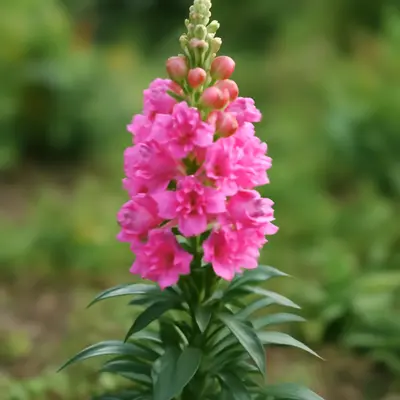
Madame Butterfly Rose
Madame Butterfly Rose is a hybrid flowering rose variety prized for its delicate, fluttering petals that resemble butterfly wings. Reaching maturity in 110-120 days, this easy-to-grow cultivar thrives in full sun to partial shade with well-drained, slightly acidic soil. Its blooms feature a subtle floral fragrance with slight bitterness, making it ideal as a refined garnish used sparingly in culinary applications or as a striking ornamental specimen.
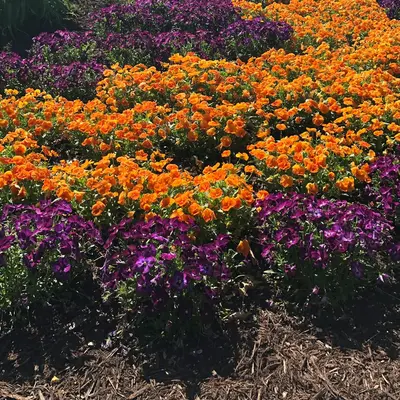
Majestic Giants II Formula Mix
3-4" blooms are more numerous and earlier than other varieties under the low-light and short-day conditions of winter and early spring. Also known as pansy, Johnny jump-up, European field pansy, heart's ease, and hybrid violet. Edible Flowers: Decorative and edible garnish for salads and desserts with slight wintergreen flavor. While a popular choice for brightening up salad mix, the flowers are also good for candying.
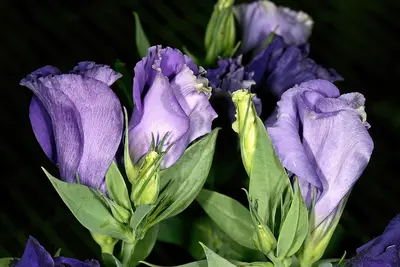
Mariachi Pure White
2 1/2-3", fully double blooms are top flowering, which reduces the risk of botrytis when sleeved and also makes a more eye-catching stem. Thick petals hold up to handling and transport. Group 2, for early spring to summer harvest. Lisianthus is also known as prairie gentian, Texas bluebell, and showy prairie gentian. Pelleted seeds.
Marie Chabaud
Vintage carnations present the sweet and spicy fragrance of clove. Frilly, pale lemon yellow, 1 1/2-2" double blooms with a small percentage of singles. Grass-like, gray or blue-green foliage. Blooms late July through August in our trials and is best grown as an annual for cut-flower production. Chabaud is an old-fashioned type dating back to as early as 1904. D. caryophyllus is native to the Mediterranean, where emotional attachment to this flower first took root. Also known as annual carnation. Pronounced shab-o, with a long "o." Tender perennial in Zones 6-8. Edible Flowers: Use the flower petals to garnish salads, desserts, soups, icing, and cold drinks. Flavor is of mild clove. Remove the petals from the flower base before consuming as the base can be quite bitter.
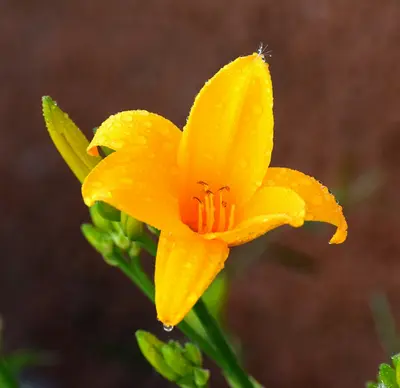
Marigold African Crackerjack Mix
These towering giants produce enormous 4-5 inch pompom blooms in brilliant shades of gold, orange, and yellow that command attention in any garden. Their sturdy stems make them excellent cut flowers, while their natural pest-repelling properties make them beloved companions for vegetable gardens.
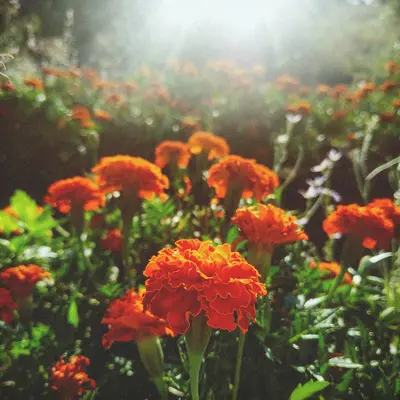
Marigold African Orange Jubilee
These impressive African marigolds produce massive 4-inch fully double orange blooms on sturdy 24-inch plants that stand up to wind and weather. Known for their exceptional heat tolerance and continuous blooming, they're perfect for creating bold color statements in borders and cutting gardens. The vibrant orange flowers also serve as natural pest deterrents in vegetable gardens.
Marigold French Bonita Mix
These compact French marigolds are garden workhorses, producing masses of 2-inch ruffled blooms in warm shades of yellow, orange, and red-bronze throughout the growing season. Beyond their cheerful appearance, they're prized by organic gardeners for their natural pest-repelling properties, helping to deter nematodes, aphids, and other unwanted insects. Their neat 8-10 inch height makes them perfect for borders, containers, and companion planting with vegetables.
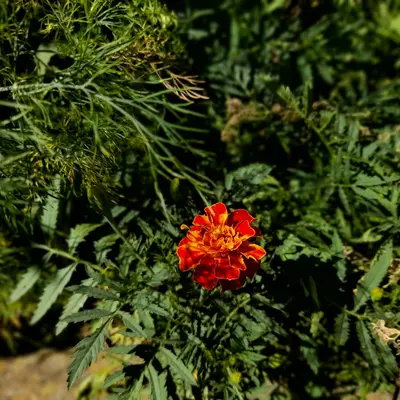
Marigold French Durango Red
A vibrant compact French marigold that produces masses of deep red blooms with golden edges throughout the growing season. This heat-tolerant variety is perfect for beginners and experienced gardeners alike, offering reliable color and natural pest-deterrent properties. The sturdy, well-branched plants create stunning borders and container displays while attracting beneficial insects to the garden.
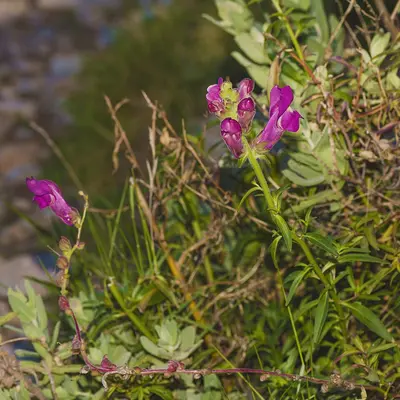
Maryland Flamingo I-II
Group 2 cool-season snapdragon bred for performance under short days, low light, and low-temperature conditions. Not recommended for summer production. Plants produce short, thin stems under high light, summer temperatures, and long-day conditions. Pair with other Group 1 and 2 snapdragons such as the Costa II and Avignon series. Edible Flowers: The flowers are a colorful garnish for use in salads, desserts, and drinks. The flavor is floral and slightly bitter, so use sparingly.

Maryland Lavender I-II
Group 2, cool-season snapdragon, bred for performance under short days, low light, and low-temperature conditions. Not recommended for summer production. Plants produce short, thin stems under high light, summer temperatures, and long-day conditions. Pair with other Group 1 and 2 snapdragons such as the Costa II and Avignon series. Edible Flowers: The flowers are a colorful garnish for use in salads, desserts, and drinks. The flavor is floral and slightly bitter, so use sparingly.
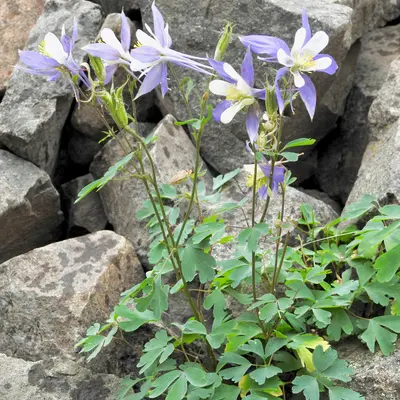
McKana Giants Mix
Well-branched plants produce 3-3 1/2" blooms with long spurs. A great cut to fill the gap between early spring and summer bouquets. Blooms in spring of second year from a spring sowing. Attracts hummingbirds. 1955 All-America Selections Winner and originally introduced by W. Atlee Burpee & Co. Perennial in Zones 3-9.
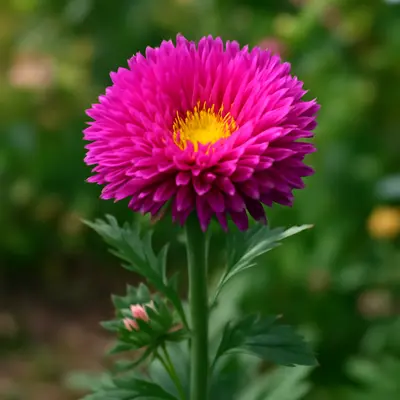
Miss Europe Resist
Start the aster harvest with these ruffled, 2-3" wide light pink double blooms on sturdy stems and vigorous plants. Similar color to Tower Salmon but earlier to mature and plants are more uniform. Miss Europe Resist bloomed 5-7 days earlier than the Tower series in our trials. Bloom form is similar to the Tower series, although blooms are slightly looser and more ruffled. Peony-type blooms looks similar to heirloom garden mums. Also known as summer aster.
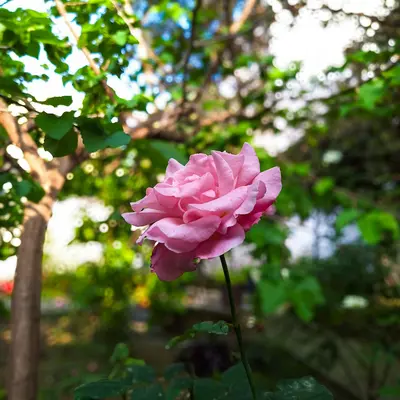
Monaco Orange
Group 3 snapdragon well-suited for production under long days and high light. Unique and deeply pigmented orange color with touches of coral and rose - a standout color in our trials. The coloring is quite a bit darker than our other orange and bronze snapdragon. Excellent performance in the field or greenhouse. Uniform, high-quality blooms. 5-10 days earlier to bloom than Potomac Orange in our trials. This variety performs well for us in spring plantings for early summer harvests. Also suitable for overwintering. Edible Flowers: The flowers are a colorful garnish for use in salads, desserts, and drinks. The flavor is floral and slightly bitter, so use sparingly.
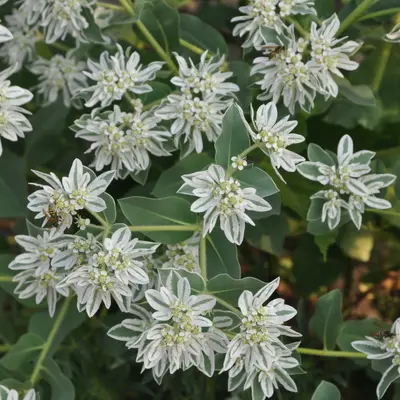
Mountain Snow
Pure white bracts contrast well with green foliage. Foliage variegation occurs when days begin to shorten. Strong stems. Long vase life.

My Castle
Part of the Russell Hybrids 'Band of Nobles' series. My Castle has sweetly scented, rich red blooms that are a standout in bouquets and garden beds. Plants are especially productive for us and produce multiple blooms with stiff, straight stems. In our trials, these first-year flowering plants bloomed in early July in the first year and about a month earlier (early June) from well-established plants in the second season of growing. Bloom quality and productivity were better in the second season, although all plants did produce flowers in the first season. Performs best where summers are cool. Attracts and provides a food source for bees and hummingbirds. 1-2' blooms/spikes are densely covered with ½" pea-like flowers. Lupine is typically resistant to deer and rabbits. Perennial in Zones 4-8.
Nasturtium Alaska Mix
This stunning variety combines the classic peppery-flavored edible flowers of nasturtiums with uniquely variegated cream and green foliage that's as ornamental as the blooms. The compact, bushy plants produce abundant flowers in jewel tones while serving as a living mulch and natural pest deterrent.
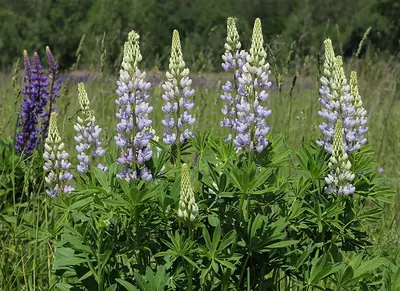
Noble Maiden
Part of the Russell Hybrids 'Band of Nobles' series. Noble Maiden has sweetly scented, bright white blooms. Plants produce multiple blooms with stiff, straight stems. In our trials, these first-year flowering plants bloomed in early July in the first year and about a month earlier (early June) from well-established plants in the second season of growing. Bloom quality and productivity were better in the second season, although all plants did produce flowers in the first season. Performs best where summers are cool. Attracts and provides a food source for bees and hummingbirds. 1-2' blooms/spikes are densely covered with ½" pea-like flowers. Lupine is typically resistant to deer and rabbits. Perennial in Zones 4-8.
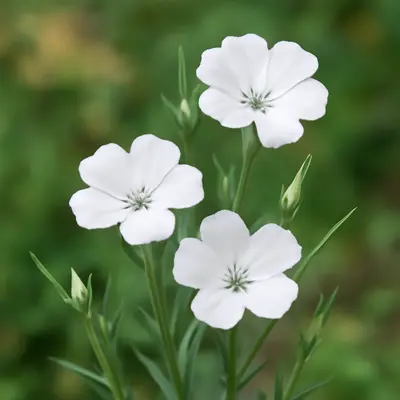
Ocean Pearls
1-2" blooms grow in sprays on willowy gray stems. Prefers cool growing conditions. FleuroSelect Gold Award Winner.
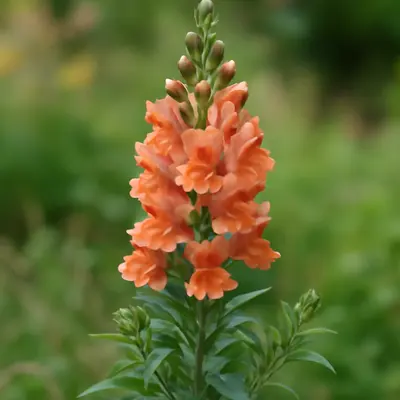
Opus™ III Early Bronze
Produces florets that are slightly fuller and more ruffled than many standard snapdragons, giving it a premium look. Blooms are orange and bronze, with dusty rose coloration on unopened buds. Compared to Potomac Orange, Opus™ III Early Bronze is slightly earlier to flower, has more orange-bronze coloring (less rose), and the florets have a bit more frill and fullness. Excellent performance in the field or greenhouse. Group 3: considered a "main season" or "all season" variety. Edible Flowers: The flowers are a colorful garnish for use in salads, desserts, and drinks. The flavor is floral and slightly bitter, so use sparingly.
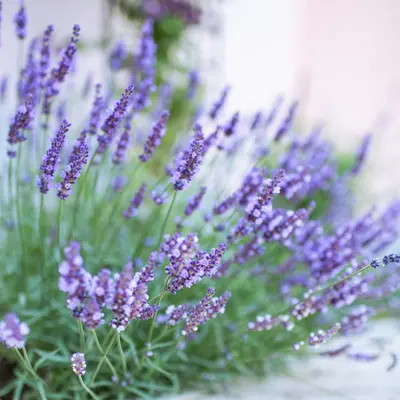
Opus™ III Lavender
Group 3 snapdragon, well-suited for production under long days and high light. Excellent performance in the field or greenhouse. Opus™ Lavender III is very comparable to Costa Summer Lavender III but with slightly larger florets and a gray-lavender bloom color. About 5 days earlier to bloom than Potomac Lavender.Edible Flowers: The flowers are a colorful garnish for use in salads, desserts, and drinks. The flavor is floral and slightly bitter, so use sparingly.
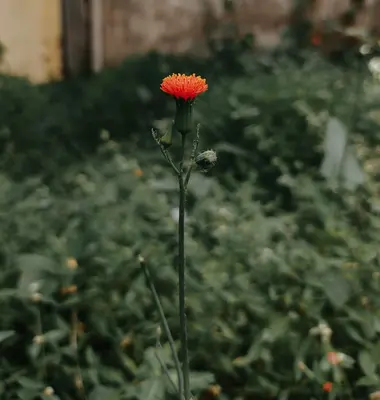
Orange Button
2-2 1/2" double blooms. A favorite in our trials for its vibrant color. Blooms have brilliant, dark orange petals and a contrasting dark, almost purple center. Also known as pot marigold, common marigold, and Scotch marigold. Edible Flowers: Petals of the flowers can be used fresh or dried in "flower confetti," soups, soufflés, rice dishes, baked goods, and to garnish desserts. Calendula is a popular choice for brightening up salad mix. Flavor is tangy and slightly bitter. Remove the petals from the flower base before consuming as the base can be quite bitter.
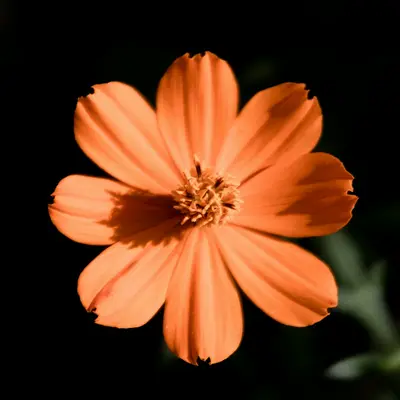
Orange Flash
1 1/2-3" blooms have a bronze center with some hints of peach and cream. Uniform plants. Timing, color, and performance are very comparable to Triangle Flashback. Edible Flowers: Petals of the flowers can be used fresh or dried in "flower confetti," soups, soufflés, rice dishes, baked goods, and to garnish desserts. Calendula is a popular choice for brightening up salad mix. Flavor is tangy and slightly bitter. Remove the petals from the flower base before consuming as the base can be quite bitter.
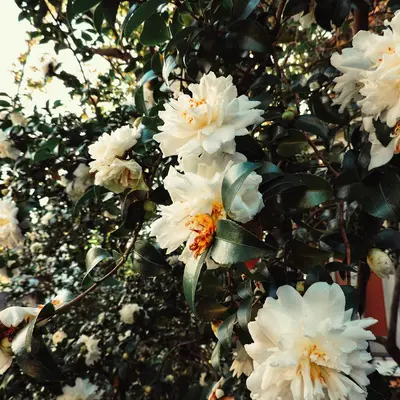
Orleans Early Lemon Yellow
Pale lemon-yellow florets with a touch of gold at the center of the bloom. 5-7 days earlier than the standard Potomac series. Strong stems, uniform plants and blooms. For field or greenhouse. Group 3-4: considered a "main season" or "all season" variety. Edible Flowers: The flowers are a colorful garnish for use in salads, desserts, and drinks. The flavor is floral and slightly bitter, so use sparingly.
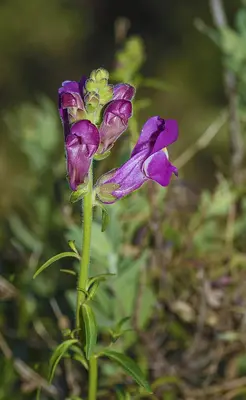
Orleans Red III-IV
Earthy-crimson flowers complement late summer and fall arrangements that call for "burnt sienna" and "rust", which can be difficult colors to find in fresh flowers. Opened florets are dark bronze while unopened buds are a dark berry color. 5-7 days earlier than the standard Potomac series. Strong stems. Uniform plants and blooms. Group 3-4 snapdragons can be grown in the field or indoors and are well-suited for spring and summer production in most areas.
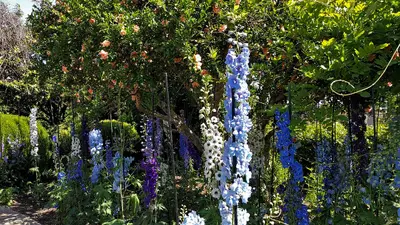
Pacific Apricot Beauty
2-3" wide fully double blooms. Tall, vigorous, healthy plants with sturdy stems. More uniform plant habit and flower size than other calendulas in our trials within this color range. Cream-colored ray petals darken to apricot at the petal edges. Also known as pot marigold, common marigold, and Scotch marigold. Edible Flowers: Petals of the flowers can be used fresh or dried in "flower confetti," soups, soufflés, rice dishes, baked goods, and to garnish desserts. Calendula is a popular choice for brightening up salad mix. Flavor is tangy and slightly bitter. Remove the petals from the flower base before consuming as the base can be quite bitter.

Pansy Cool Wave Mix
These revolutionary spreading pansies combine the beloved pansy face with a vigorous trailing habit that creates cascades of cheerful blooms. Incredibly cold-hardy and heat-tolerant, they provide color through multiple seasons and bounce back from frost damage better than any other pansy. The charming faces in purple, yellow, white, and bicolors make every container and garden bed smile.
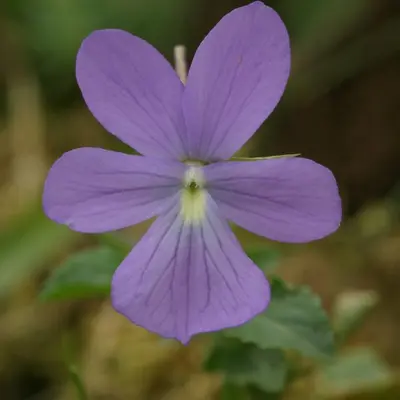
Penny™ All Season Mix
Compact, mounding habit with 1 1/2", uniquely colored blooms. Adaptable to a wide range of growing conditions. Edible Flowers: Decorative and edible garnish for salads and desserts with slight wintergreen flavor. While a popular choice for brightening up salad mix, the flowers are also good for candying.Also known as pansy, Johnny jump-up, European field pansy, and horned violet.

Penny™ Marina
Compact, mounding habit with 1 1/2" blooms. Adaptable to a wide range of growing conditions. Excellent in containers and garden beds. The bloom color is pale blue with a darker blotch at the flower's center. Cut flowers: Overwinters well in our unheated tunnel (Zone 5) from a fall planting, yielding 12-20" long stems under those conditions. Harvestable in mid-to-late spring. Dense plants produce abundant stems and blooms. Edible Flowers: Decorative and edible garnish for salads and desserts with slight wintergreen flavor. While a popular choice for brightening up salad mix, the flowers are also good for candying.Also known as Johnny jump-up, European field pansy, heart's ease, and hybrid violet.

Penny™ Peach Jump-up
Compact, mounding habit with 1 1/2" blooms. Adaptable to a wide range of growing conditions. Excellent in containers and garden beds. Tricolor blooms of lavender, ivory, and peach. Cut flowers: Overwinters well in our unheated tunnel (Zone 5) from a fall planting, yielding 12-20" long stems under those conditions. Harvestable in mid-to-late spring. Dense plants produce abundant stems and blooms. Edible Flowers: Decorative and edible garnish for salads and desserts with slight wintergreen flavor. While a popular choice for brightening up salad mix, the flowers are also good for candying.Also known as Johnny jump-up, European field pansy, heart's ease, and hybrid violet.
Penny™ Rose Blotch
Compact, mounding habit with 1 1/2" rose-colored blooms. Adaptable to a wide range of growing conditions. Excellent in containers and garden beds. Cut flowers: Overwinters well in our unheated tunnel (Zone 5) from a fall planting, yielding 12-20" long stems under those conditions. Harvestable in mid-to-late spring. Dense plants produce abundant stems and blooms. Edible Flowers: Decorative and edible garnish for salads and desserts with slight wintergreen flavor. While a popular choice for brightening up salad mix, the flowers are also good for candying.Also known as Johnny jump-up, European field pansy, heart's ease, and hybrid violet.
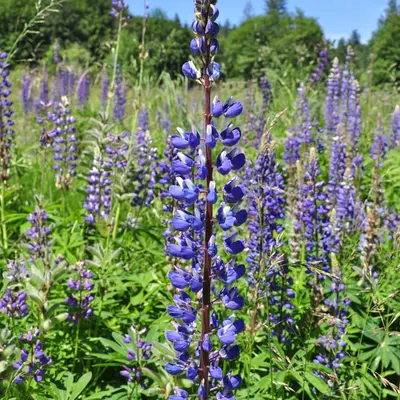
Perennial Lupine
These hardy perennials are long-lived and require very little maintenance. The flowers look great in a meadow or garden, as well as bouquets. Attracts and provides a food source for bees. Stems are stiff, erect 1-2' spikes densely covered with ½" pea-like flowers. Perennial in Zones 4-8.

Persian Carpet
Charming addition to country bouquets and gardens. Fully double and semidouble 2" bicolors in red, orange, pale yellow, gold, chocolate, and cream. Vigorous, healthy, upright plants are slightly taller than Jazzy Mix. AAS Winner. Also known as Mexican zinnia.
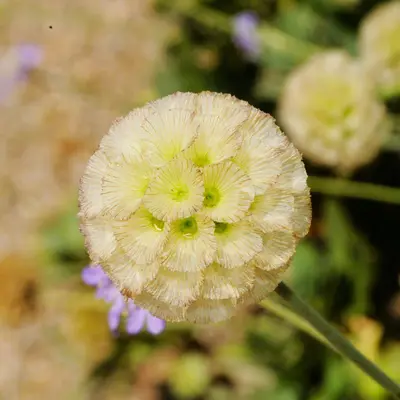
Phlox Drummond Mix
Cherry Caramel's unique color combination makes it popular with designers and gardeners alike. From our trials, we've selected phlox varieties with the tallest stems and most desirable colors. Annual phlox produces charming and abundant blooms on branched stems.
Pink Gin
Second-year flowering. Delicately colored shell-pink bells with lightly freckled throats. Bells form on one side of the stem. In our trials, Pink Gin produced 4-7 tall stems and 2-3 shorter, secondary stems per plant. Can be fall or spring-planted. NOTE: Flowering occurs in late spring in the second season of growth.
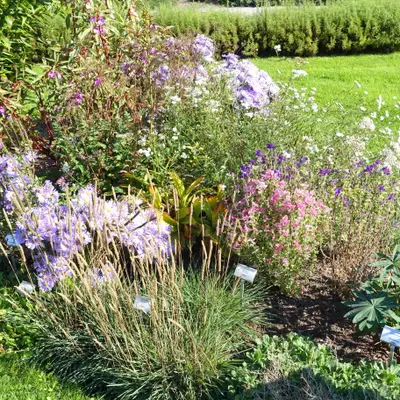
Pink Sundae
Easy-to-grow plants for casual cut flowers, pollinator plantings, and displays of color in the garden. Productive, densely branched plants produce abundant stems and multiple cuts of this versatile crop. Suitable for fresh or dried flowers. Colored bracts of vibrant rose-pink decorate the tops of 30-40" branches. Tolerant of frost. Also commonly known as annual clary sage.
Potomac Appleblossom
White blooms dusted with pink. These bicolor blooms are suitable for field or greenhouse production. Group 3-4: Warm season snapdragons are bred for optimal performance under long days, high light levels, and warm temperatures. Edible Flowers: The flowers are a colorful garnish for use in salads, desserts, and drinks. The flavor is floral and slightly bitter, so use sparingly.
Potomac Cherry Rose
Bright candy-pink blooms for field or greenhouse production. Group 3-4: Warm season snapdragons are bred for optimal performance under long days, high light levels, and warm temperatures. Edible Flowers: The flowers are a colorful garnish for use in salads, desserts, and drinks. The flavor is floral and slightly bitter, so use sparingly.
Potomac Ivory
The white flower color and hint of soft yellow at the mouth of the blooms blend visually to create an overall ivory appearance. Suitable for field or greenhouse production. Group 3-4: Warm season snapdragons are bred for optimal performance under long days, high light levels, and warm temperatures. Edible Flowers: The flowers are a colorful garnish for use in salads, desserts, and drinks. The flavor is floral and slightly bitter, so use sparingly.
Potomac Lavender
Soft lavender blooms for field or greenhouse production. Group 3-4: Warm season snapdragons are bred for optimal performance under long days, high light levels, and warm temperatures. Edible Flowers: The flowers are a colorful garnish for use in salads, desserts, and drinks. The flavor is floral and slightly bitter, so use sparingly.
Potomac Orange
Bright coral, orange blooms for field or greenhouse production. Group 3-4: Warm season snapdragons are bred for optimal performance under long days, high light levels, and warm temperatures. Edible Flowers: The flowers are a colorful garnish for use in salads, desserts, and drinks. The flavor is floral and slightly bitter, so use sparingly.
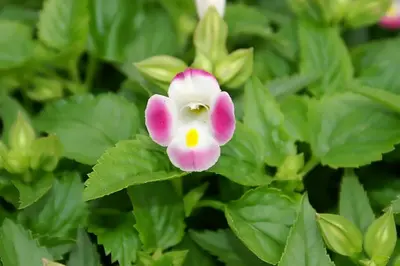
Potomac Pink
Light rose-colored blooms for field or greenhouse production. Group 3-4: Warm season snapdragons are bred for optimal performance under long days, high light levels, and warm temperatures. Edible Flowers: The flowers are a colorful garnish for use in salads, desserts, and drinks. The flavor is floral and slightly bitter, so use sparingly.
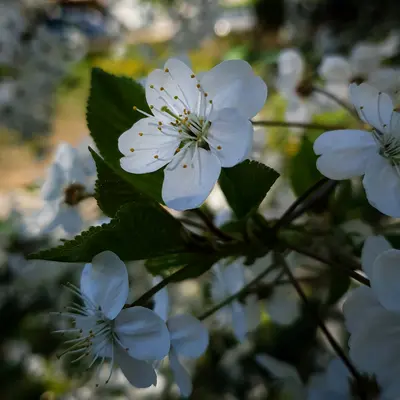
Potomac Plumblossom
White blooms dusted with plum. These bicolor blooms are suitable for field or greenhouse production. Group 3-4: warm season snapdragons bred for optimal performance under long days, high light levels, and warm temperatures. Edible Flowers: The flowers are a colorful garnish for use in salads, desserts, and drinks. The flavor is floral and slightly bitter, so use sparingly.
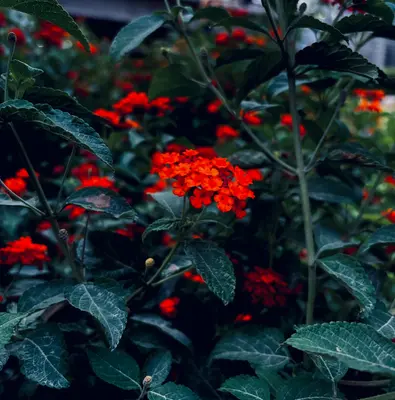
Potomac Red
Deep wine-colored blooms for field or greenhouse production. Group 3-4: Warm season snapdragons are bred for optimal performance under long days, high light levels, and warm temperatures. Edible Flowers: The flowers are a colorful garnish for use in salads, desserts, and drinks. The flavor is floral and slightly bitter, so use sparingly.
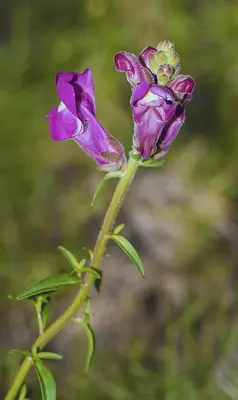
Potomac Royal
Deep rose-colored blooms for field or greenhouse production. Group 3-4: Warm season snapdragons are bred for optimal performance under long days, high light levels, and warm temperatures. Edible Flowers: The flowers are a colorful garnish for use in salads, desserts, and drinks. The flavor is floral and slightly bitter, so use sparingly.
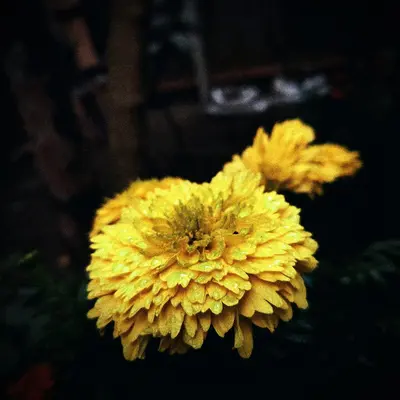
Potomac Yellow
Cheery, lemon-yellow blooms for field or greenhouse production. Group 3-4: Warm season snapdragons are bred for optimal performance under long days, high light levels, and warm temperatures. Edible Flowers: The flowers are a colorful garnish for use in salads, desserts, and drinks. The flavor is floral and slightly bitter, so use sparingly.

Purple Kisses
Purple Kisses is very similar to Dara, with 3-5" lacy umbels atop strong, sturdy, upright stems. Flowers in shades of dark purple, pink, and approximately 15% white. Highly productive with 7-15 stems per plant. Long lasting in bouquets. Also known as Queen Anne's lace, ornamental carrot, and wild carrot.
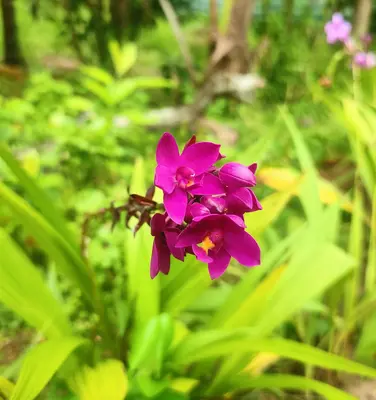
Purple Queen
Silky, speckled, 1-2" blooms grow in sprays on willowy gray stems. Easy-to-grow plants prefer cool growing conditions.
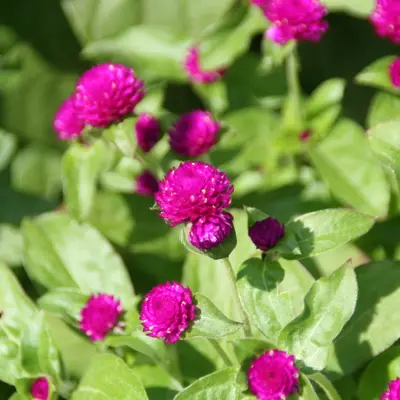
QIS™ Pink
Frosty pink, 1 1/2" blooms on long stems. We have found the QIS™ (Quality in Seed) Series to be a good choice for cut-flower production for its stem quality, length, and uniformity. Also known as globe amaranth and common globe amaranth.

QIS™ Purple
1 1/2" blooms on long stems. We have found the QIS™ (Quality in Seed) Series to be a good choice for cut-flower production for its stem quality, length, and uniformity. Also known as globe amaranth and common globe amaranth.
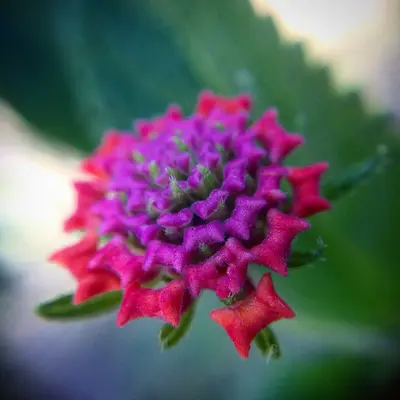
Raspberry Cream
Uniform, productive plants. Very similar to QIS™ Pink but with a darker, richer color. 1 1/2" blooms. Also known as globe amaranth and common globe amaranth.
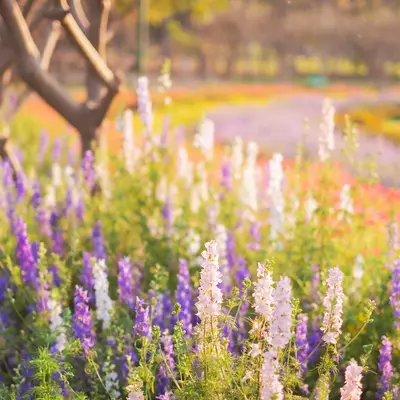
Rocket Mix
Rocket Mix is an easy-to-grow hybrid flower variety that reaches maturity in 120 days. It produces vibrant, mixed-colored blooms with delicate petals ideal for ornamental gardens and cut flower arrangements. Thriving in full sun to partial shade with minimal soil preparation, this variety stands out for its distinctive floral flavor with a subtle bitter undertone, making it a sophisticated choice for upscale culinary garnishes. Best used sparingly to add visual appeal and sophisticated taste notes to gourmet dishes.
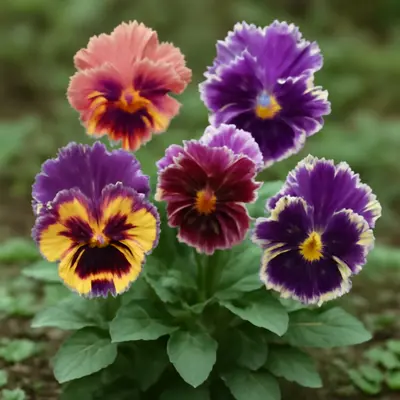
Rococo Frilled Mix
2-3" deeply ruffled flowers in multicolor combinations of purple, burgundy, plum, gold, lavender, mauve, and ivory. Some variability in bloom size, degree of frill, and plant height across the mix. Mildly fragrant blooms. Overwinters well in our unheated tunnel (Zone 5), yielding 12-14" long stems that are perfect for mixing with tulips and daffodils in early spring bouquets. Also known as pansy, Johnny jump-up, European field pansy, heart's ease, and hybrid violet. Edible Flowers: Decorative and edible garnish for salads and desserts with slight wintergreen flavor. While a popular choice for brightening up salad mix, the flowers are also good for candying.
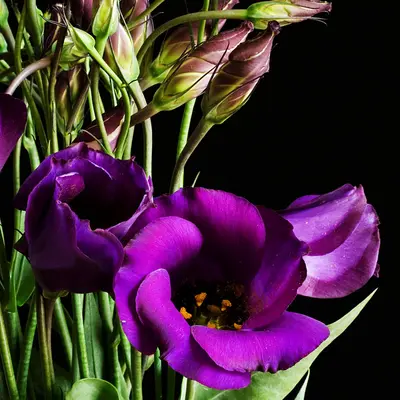
Rosanne 2 Clear Green
Pistachio-green blooms are 2-2 1/2" wide, deeply layered and lightly ruffled. Flowers are a truer green than Rosanne Green, which is closer to a green-gold hue. Group 2, for early spring to summer harvest. Lisianthus is also known as prairie gentian, Texas bluebell, and showy prairie gentian. Pelleted seeds.

Rosanne 2 Terracotta
Ruffled 2-3" blooms in an antique terracotta hue. Group 2, for early spring to summer harvest. Compared to Rosanne 3 Brown, Rosanne 2 Terracotta is slightly earlier to flower and has blooms that are fuller, more heavily ruffled, and warmer in color (Rosanne 3 Brown has a bit more purple in its coloration). Lisianthus is also known as prairie gentian, Texas bluebell, and showy prairie gentian. Pelleted seeds.
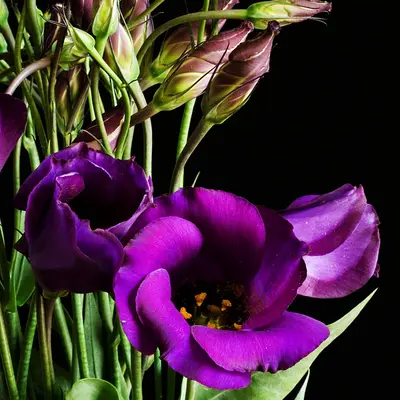
Rosanne 3 Brown
Novel 2-3" blooms with slightly ruffled petals with an antique hue. Group 3, best suited for spring to summer production. In our spring-sown trials, Rosanne 3 Brown blooms slightly later than Rosanne Black Pearl and Rosanne Green both of which are group 1. Lisianthus is also known as prairie gentian, Texas bluebell, and showy prairie gentian. Pelleted seeds.
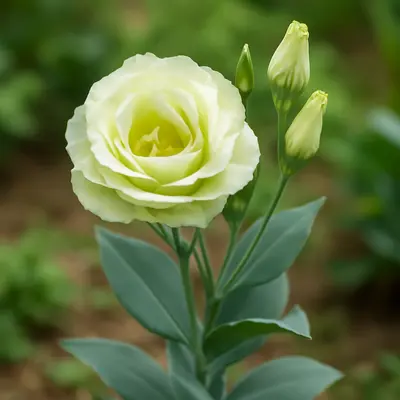
Rosanne Green
Novel, 2-3" blooms with lovely green-gold color and slightly ruffled petals. Group 1, best suited for spring production. Lisianthus is also known as prairie gentian, Texas bluebell, and showy prairie gentian. Pelleted seeds.
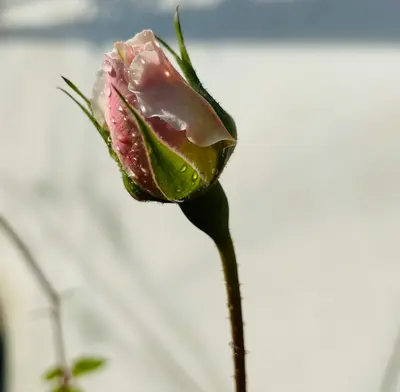
Rose David Austin Lady of Shalott
A stunning English rose that combines the romance of old roses with modern disease resistance and repeat flowering. The warm orange-salmon blooms have a golden reverse and emit a delicious spiced apple and clove fragrance that intensifies in warm weather. This vigorous shrub produces an abundance of rosette-shaped flowers from spring until frost, making it perfect for both formal and cottage gardens.

Rosita® 3 Yellow
Extremely uniform, tall, vigorous plants produce 2-3" wide medium-sized double blooms which have a more rose-like shape than many other varieties, almost resembling garden roses. As buds mature, petals curl outward on open blooms, enhancing the rose-like appearance. Flower color is pale creamy yellow. Group 3 for late spring, summer, and fall harvest. Lisianthus is also known as prairie gentian, Texas bluebell, and showy prairie gentian. Pelleted seeds.
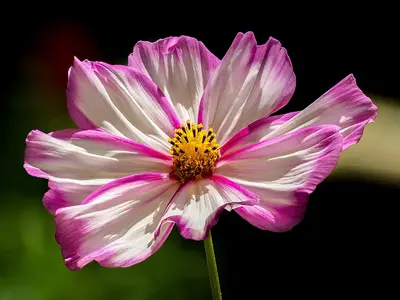
Rubenza
As blooms mature, petals fade from a deep cranberry to an antique rose with hints of amber. The medium-height plants are very productive, flowering early and continuing to bloom for several weeks if cut or deadheaded. 2 1/2-3 1/2" blooms. Fleuroselect Novelty 2008.
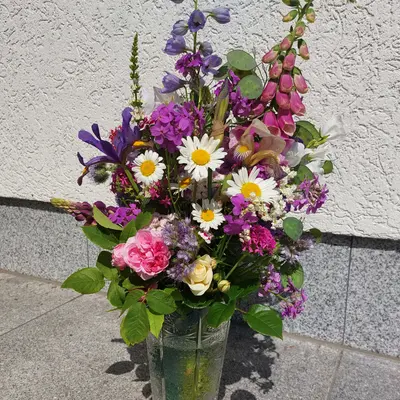
Russell's Formula Mix
Includes white, pink, violet-blue, red, yellow, peach, and bicolors. Sweetly scented blooms. Plants produce multiple blooms with stiff and straight stems. In our trials, these first-year flowering plants bloomed in early July in the first year and about a month earlier, (early June) from well-established plants in the second year. Bloom quality and productivity were better in the second season, although all plants did produce flowers in the first season. Performs best where summers are cool. Attracts and provides a food source for bees and hummingbirds. 1-2' blooms/spikes are densely covered with ½" pea-like flowers. Lupin is typically resistant to deer and rabbits. Perennial in Zones 4-8.

Salvia Splendens Red Hot Sally
A compact, early-flowering scarlet sage that produces brilliant red flower spikes continuously throughout the growing season without the need for deadheading. This improved variety stays neat and bushy while delivering intense color that attracts hummingbirds and butterflies to the garden. Perfect for mass plantings, borders, and containers where consistent, vibrant color is desired from spring until frost.
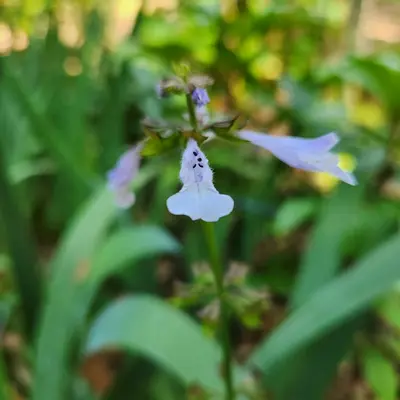
Salvia Victoria Blue
This compact powerhouse produces dense spikes of true blue flowers that are magnets for butterflies and hummingbirds throughout the growing season. Unlike typical red salvias, this variety offers the rare and coveted blue color that gardeners crave for cooler color schemes.
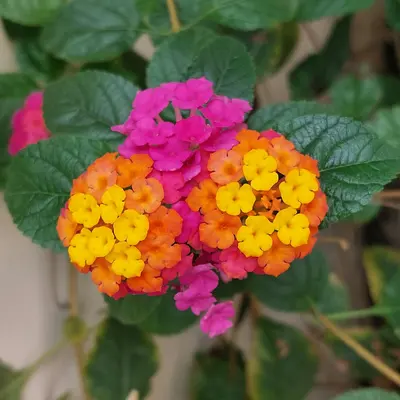
Sensation Mix
Single flowers, 3-4" across, in lavender, pink, magenta, and white. AAS Winner. Cosmos are also known as garden cosmos.
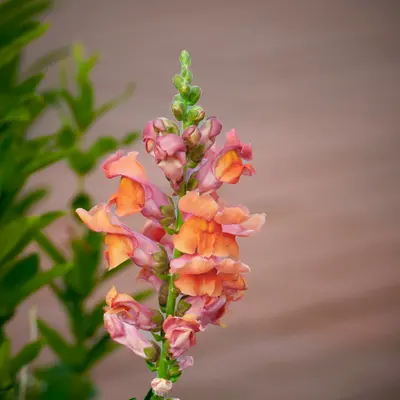
Snapdragon Rocket Mix
These towering snapdragons create dramatic vertical accents with their sturdy 30-inch spikes packed with colorful blooms that children love to 'snap' open and closed. The Rocket series offers exceptional heat tolerance and produces excellent cut flowers in a rainbow of colors including red, pink, yellow, white, and bronze. Perfect for adding cottage garden charm and attracting beneficial pollinators to your garden.
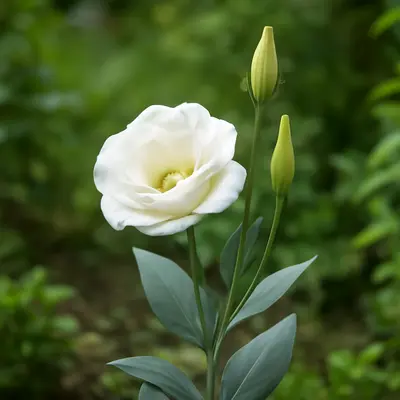
Solo® White
Novel 1-1 1/2" wide pollen-free blooms offer extended vase life. The absence of messy pollen makes Solo® an excellent choice for wedding flowers and wearable flowers such as corsages, boutonnieres, and flower crowns. Single flowers display a slight but distinct flared shape at the petal edge. Multiple pure white flowers are held upright on sturdy stems. Group 2, best suited for spring production. Lisianthus is also known as prairie gentian, Texas bluebell, and showy prairie gentian. Pelleted seeds.
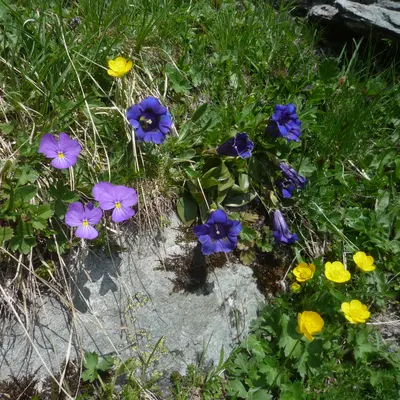
Sorbet Formula Mix
Upright stems with petite, 1-1 1/2" flowers. Tolerates temperature extremes and will bloom through winter in the South when planted in fall. A formula blend of blackberry, blueberry, coconut, French vanilla, lemon chiffon, lavender ice and more. Also known as pansy, Johnny jump-up, European field pansy, and horned violet.Edible Flowers: Decorative and edible garnish for salads and desserts with slight wintergreen flavor. While a popular choice for brightening up salad mix, the flowers are also good for candying.
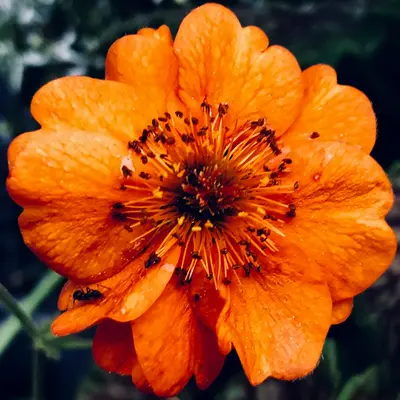
Sorbet® XP Deep Orange
Upright stems with petite 1-1 1/2" flowers. Tolerates temperature extremes and will bloom through winter in the South when planted in fall. Excellent in containers and garden beds. Rounded petal edges give the clear orange blooms a pleasant, full appearance. Cut flowers: Overwinters well in our unheated tunnel (Zone 5) from a fall planting, yielding 12-20" long stems under those conditions. Harvestable in mid-to-late spring. Dense, upright plants produce abundant stems and blooms. Edible Flowers: Decorative and edible garnish for salads and desserts with slight wintergreen flavor. While a popular choice for brightening up salad mix, the flowers are also good for candying.Also known as Johnny jump-up, European field pansy, heart's ease, and hybrid violet.

Sorbet® XP Delft Blue
Upright stems with petite 1-1 1/2" flowers. Tolerates temperature extremes and will bloom through winter in the South when planted in fall. Excellent in containers and garden beds. Rounded petal edges give a pleasant, full appearance. The blue and white bicolor blooms are reminiscent of Dutch Delft blue pottery. A favorite in our spring trials. Cut flowers: Overwinters well in our unheated tunnel (Zone 5) from a fall planting, yielding 12-20" long stems under those conditions. Harvestable in mid-to-late spring. Dense, upright plants produce abundant stems and blooms. Edible Flowers: Decorative and edible garnish for salads and desserts with slight wintergreen flavor. While a popular choice for brightening up salad mix, the flowers are also good for candying.Also known as Johnny jump-up, European field pansy, heart's ease, and hybrid violet.
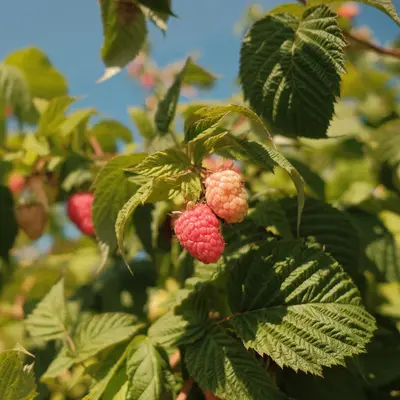
Sorbet® XP Raspberry
Upright stems with petite 1-1 1/2" flowers. Tolerates temperature extremes and will bloom through winter in the South when planted in fall. Excellent in containers and garden beds. A sweet blend of raspberry and plum hues with some blooms also showing ivory and pale pink. Cut flowers: Overwinters well in our unheated tunnel (Zone 5) from a fall planting, yielding 12-20" long stems under those conditions. Harvestable in mid-to-late spring. Dense, upright plants produce abundant stems and blooms. Edible Flowers: Decorative and edible garnish for salads and desserts with slight wintergreen flavor. While a popular choice for brightening up salad mix, the flowers are also good for candying.Also known as Johnny jump-up, European field pansy, heart's ease, and hybrid violet.
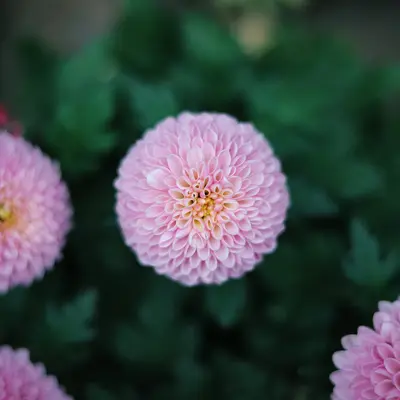
Soufflé Light Pink
2 1/2-3 1/2" double blooms of excellent quality. Plants are highly uniform and have been consistently healthy and sturdy in our trials. Compared to the Tower series, Soufflé Light Pink blooms earlier and has similar peony-style flowers.
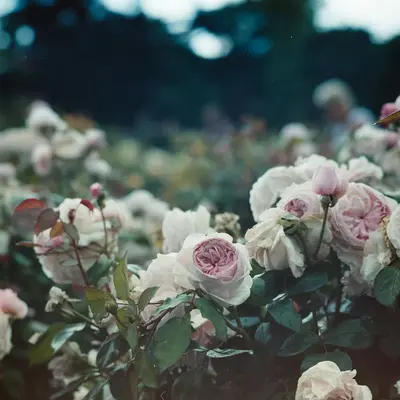
StoX® Antique Rose
Light, dusty-rosy color is similar to Vintage Brown, although a few shades lighter. Single-stem/column-type stock for one-cut harvest. Sturdy, upright stems are comparable to the Iron series. Double-flowering plant selection: Plants are selectable for double-flowering blooms. Without selection your plants will produce approximately 55% double-flowering plants and 45% single-flowering plants. Double-flowering plants will display a lighter leaf color at the seedling stage after a cold treatment. You might notice that some seedlings will present the lighter color leaves, even without a prescribed cold treatment. NOTE: This variety produces one flowering stem per plant. Pinching is not advisable as it will terminate flowering. Edible Flowers: The peppery, clove-like flavor of the flowers lends itself well to use as a garnish on salads, desserts, and drinks.
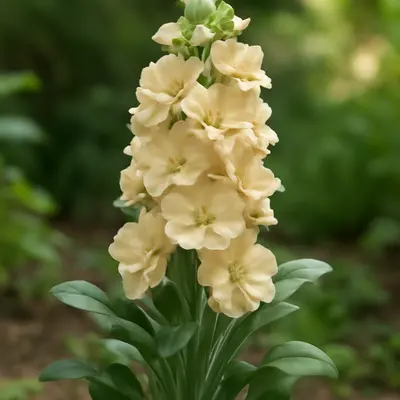
StoX® Champagne
Completely unique, soft peachy-pink color - a standout in our trials. Single-stem/column-type stock for one-cut harvest. Sturdy, upright stems are comparable to the Iron series. Double-flowering plant selection: Plants are selectable for double-flowering blooms. Without selection your plants will produce approximately 55% double-flowering plants and 45% single-flowering plants. Double-flowering plants will display a lighter leaf color at the seedling stage after a cold treatment. You might notice that some seedlings will present the lighter color leaves, even without a prescribed cold treatment. NOTE: This variety produces one flowering stem per plant. Pinching is not advisable as it will terminate flowering. Edible Flowers: The peppery, clove-like flavor of the flowers lends itself well to use as a garnish on salads, desserts, and drinks.

StoX® Deep Rose
Sturdy, upright stems are comparable in quality to the Iron series. The StoX series was bred for easier selection of double-flowering plants. Double-flowering plants will display a lighter leaf color at the seedling stage after exposure to cool temperatures. Without selection your plants will produce approximately 55% double-flowering plants and 45% single-flowering plants. You might notice that some seedlings will present the lighter color leaves, even without a cold treatment. Single-stem/column-type stock for one-cut harvest. NOTE: This variety produces one flowering stem per plant. Pinching is not advisable as it will terminate flowering. Blooms are a brilliant deep rose color. Edible Flowers: The peppery, clove-like flavor of the flowers lends itself well to use as a garnish on salads, desserts, and drinks.
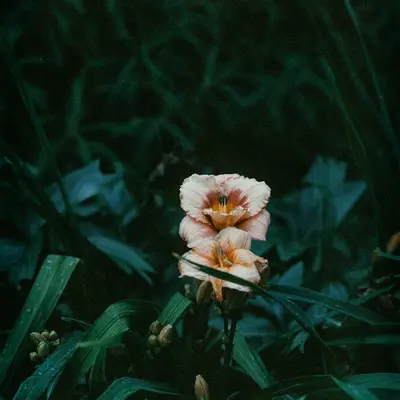
StoX® Rose Pink
Medium-light rose color is more subtle and muted compared to many other rose-colored varieties. Single-stem/column-type stock for one-cut harvest. Sturdy, upright stems are comparable to the Iron series. Double-flowering plant selection: Plants are selectable for double-flowering blooms. Without selection your plants will produce approximately 55% double-flowering plants and 45% single-flowering plants. Double-flowering plants will display a lighter leaf color at the seedling stage after a cold treatment. You might notice that some seedlings will present the lighter color leaves, even without a prescribed cold treatment. NOTE: This variety produces one flowering stem per plant. Pinching is not advisable as it will terminate flowering. Edible Flowers: The peppery, clove-like flavor of the flowers lends itself well to use as a garnish on salads, desserts, and drinks.
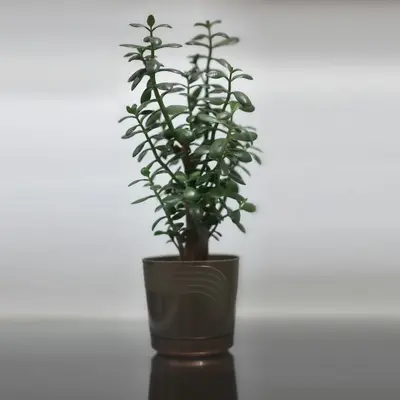
StoX® Silver
Sturdy, upright stems are comparable in quality to the Iron series. The StoX series was bred for easier selection of double-flowering plants. Double-flowering plants will display a lighter leaf color at the seedling stage after exposure to cool temperatures. Without selection your plants will produce approximately 55% double-flowering plants and 45% single-flowering plants. You might notice that some seedlings will present the lighter color leaves, even without a cold treatment. Single-stem/column-type stock for one-cut harvest. NOTE: This variety produces one flowering stem per plant. Pinching is not advisable as it will terminate flowering. Blooms are pale pink in color. Edible Flowers: The peppery, clove-like flavor of the flowers lends itself well to use as a garnish on salads, desserts, and drinks.
StoX® White
Sturdy, upright stems are comparable in quality to the Iron series. The StoX series was bred for easier selection of double-flowering plants. Double-flowering plants will display a lighter leaf color at the seedling stage after exposure to cool temperatures. Without selection your plants will produce approximately 55% double-flowering plants and 45% single-flowering plants. You might notice that some seedlings will present the lighter color leaves, even without a cold treatment. Single-stem/column-type stock for one-cut harvest. NOTE: This variety produces one flowering stem per plant. Pinching is not advisable as it will terminate flowering. Blooms are pure white in color. Edible Flowers: The peppery, clove-like flavor of the flowers lends itself well to use as a garnish on salads, desserts, and drinks.
StoX® Yellow
Sturdy, upright stems are comparable in quality to the Iron series. The StoX series was bred for easier selection of double-flowering plants. Double-flowering plants will display a lighter leaf color at the seedling stage after exposure to cool temperatures. Without selection your plants will produce approximately 55% double-flowering plants and 45% single-flowering plants. You might notice that some seedlings will present the lighter color leaves, even without a cold treatment. Single-stem/column-type stock for one-cut harvest. NOTE: This variety produces one flowering stem per plant. Pinching is not advisable as it will terminate flowering. Creamy yellow blooms are similar in color to Iron Yellow and Katz Yellow. Edible Flowers: The peppery, clove-like flavor of the flowers lends itself well to use as a garnish on salads, desserts, and drinks.
Sweet Alyssum
Sweet Alyssum is a delicate, low-growing flowering plant prized for its tiny, fragrant clustered blooms in white, pink, purple, or bicolor varieties. Reaching maturity in 50-60 days, it produces abundant flowers throughout the season. The defining characteristic is its sweet honey-like fragrance, which makes it exceptional for borders, containers, and pollinator gardens. Easy to grow and tolerant of poor soil, it thrives in full sun to partial shade and becomes a cheerful ground cover or edging plant. Heirloom varieties offer reliable performance and self-seeding capability.
Sweet Alyssum Snow Princess
This award-winning sweet alyssum produces clouds of tiny white flowers with an intoxicating honey-like fragrance that attracts beneficial insects. Exceptionally heat tolerant and long-blooming, it forms a dense carpet perfect for edging, rock gardens, or spilling from containers. Unlike older varieties, Snow Princess continues blooming through summer heat without the need for cutting back.
Tagetes Patula French Marigold Bonita
These compact French marigolds burst with fully double, ruffled blooms in warm sunset colors that bloom continuously until frost. Known for their pest-repelling properties and incredible heat tolerance, they're perfect companions for vegetable gardens and containers. Their bushy, mounded habit and non-stop flowering make them ideal for edging and mass plantings.
Tall Blue Planet
Tight blue flower clusters. Use as a classic filler for mixed bouquets or plant to attract bees and butterflies to your garden. Ageratum is also known as flossflower or blue mink.
Tetra White
Fully double 3/4-1" blooms uniformly fill the top of the plant, making it a very productive cut flower. Blooms are pure white with citrus-yellow to lime-green centers. Tender or short-lived perennial in Zones 5-9. Also known as feverfew.

The Governor
Part of the Russell Hybrids 'Band of Nobles' series. The Governor has sweetly scented bicolor blooms in blue-purple with white. Plants produce multiple blooms with stiff, straight stems. In our trials, these first-year flowering plants bloomed in early July in the first year and about a month earlier (early June) from well-established plants in the second season of growing. Bloom quality and productivity were better in the second season, although all plants did produce flowers in the first season. Performs best where summers are cool. Attracts and provides a food source for bees and hummingbirds. 1-2' blooms/spikes are densely covered with ½" pea-like flowers. Lupine is typically resistant to deer and rabbits. Perennial in Zones 4-8.
Timeless Mix
Long-lasting 1-2" flower clusters add texture and interest to mixed bouquets. Mix includes lovely shades of red, pink, blue, and white, which complement any color scheme. Attracts bees and butterflies to the garden. Ideal for beds, containers, and cutting. For continuous blooms from early summer until frost, make 2-3 successive plantings. Ageratum is also known as flossflower.
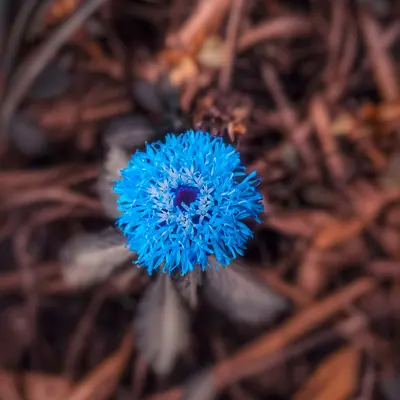
Tower Blue
All the elegance and beauty of peonies and garden mums in an easy-to-grow annual. Deep silvery violet-colored blooms avg. 2-3" with 13-20 stems per plant. Tower features uniform bloom time and plant height across the series and mix. Also known as summer aster.
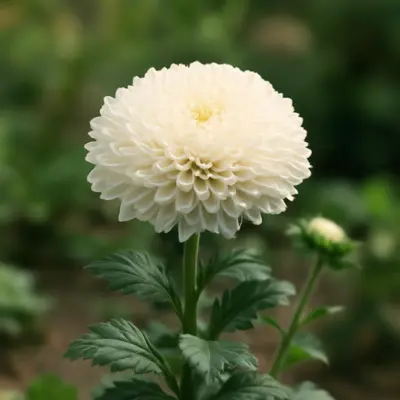
Tower Chamois
All the elegance and beauty of peonies and garden mums in an easy-to-grow annual. Creamy salmon-colored blooms avg. 2-3" with 13-20 stems per plant. Tower features uniform bloom time and plant height across the series and mix. Also known as summer aster.

Tower Custom Mix
All the elegance and beauty of peonies and garden mums in an easy-to-grow annual. Bloom size avg. 2-3" with 13-20 stems per plant. Tower features uniform bloom time and plant height across the series and mix. Colors include yellow, chamois, white, red, violet, silver, blue, cherry rose, dusty pink, light blue, and salmon. Colors are subject to slight variance due to seed availability. Also known as summer aster.
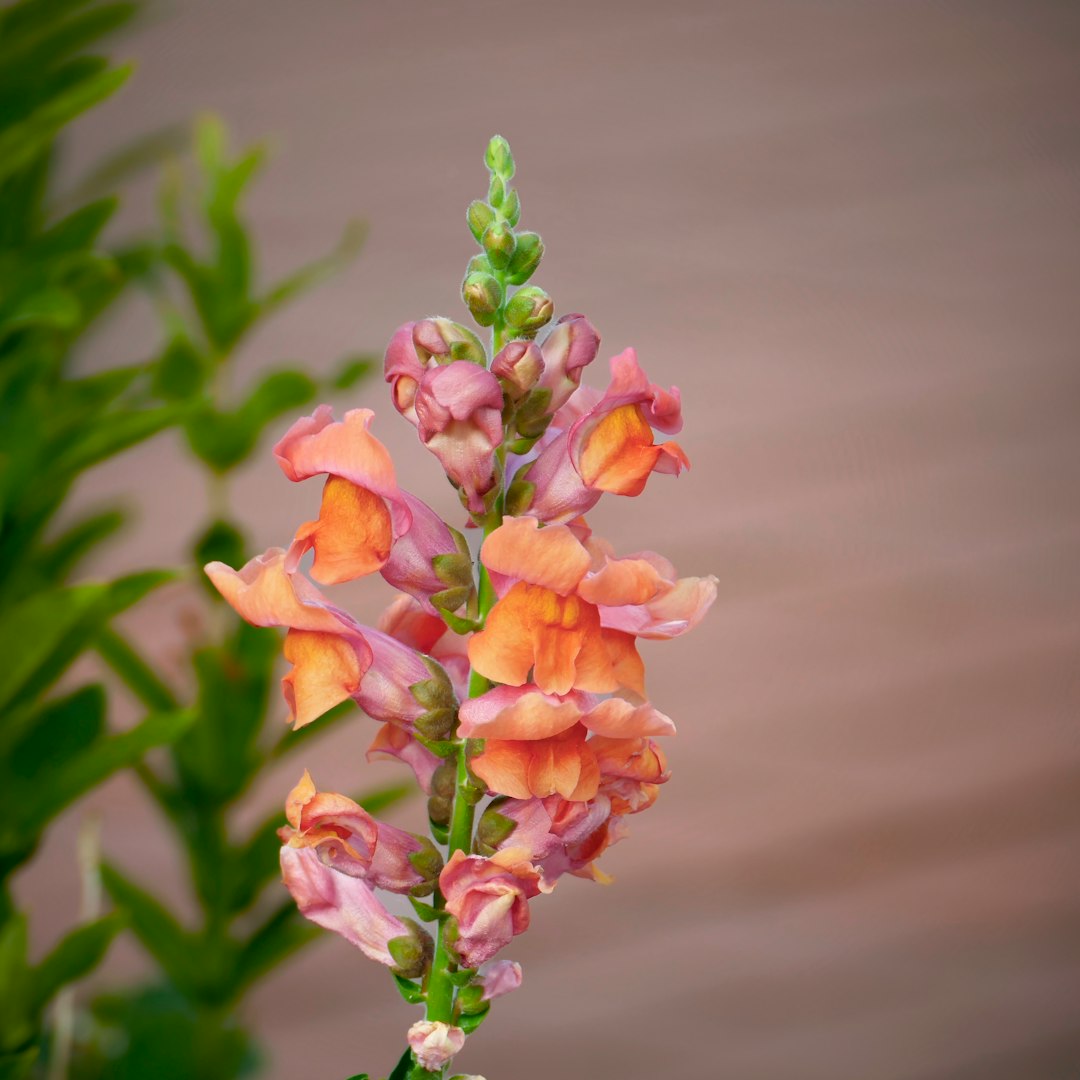
Tower Salmon
All the elegance and beauty of peonies and garden mums in an easy-to-grow annual. Salmon-pink colored blooms avg. 2-3" with 13-20 stems per plant. Tower features uniform bloom time and plant height across the series and mix. Also known as summer aster.
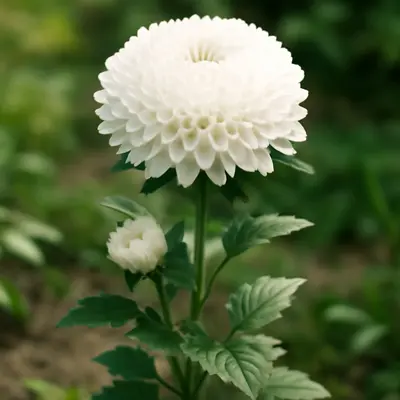
Tower Silver
All the elegance and beauty of peonies and garden mums in an easy-to-grow annual. Bicolor blooms in frosted white with lavender avg. 2-3" with 13-20 stems per plant. Tower features uniform bloom time and plant height across the series and mix. Also known as summer aster.
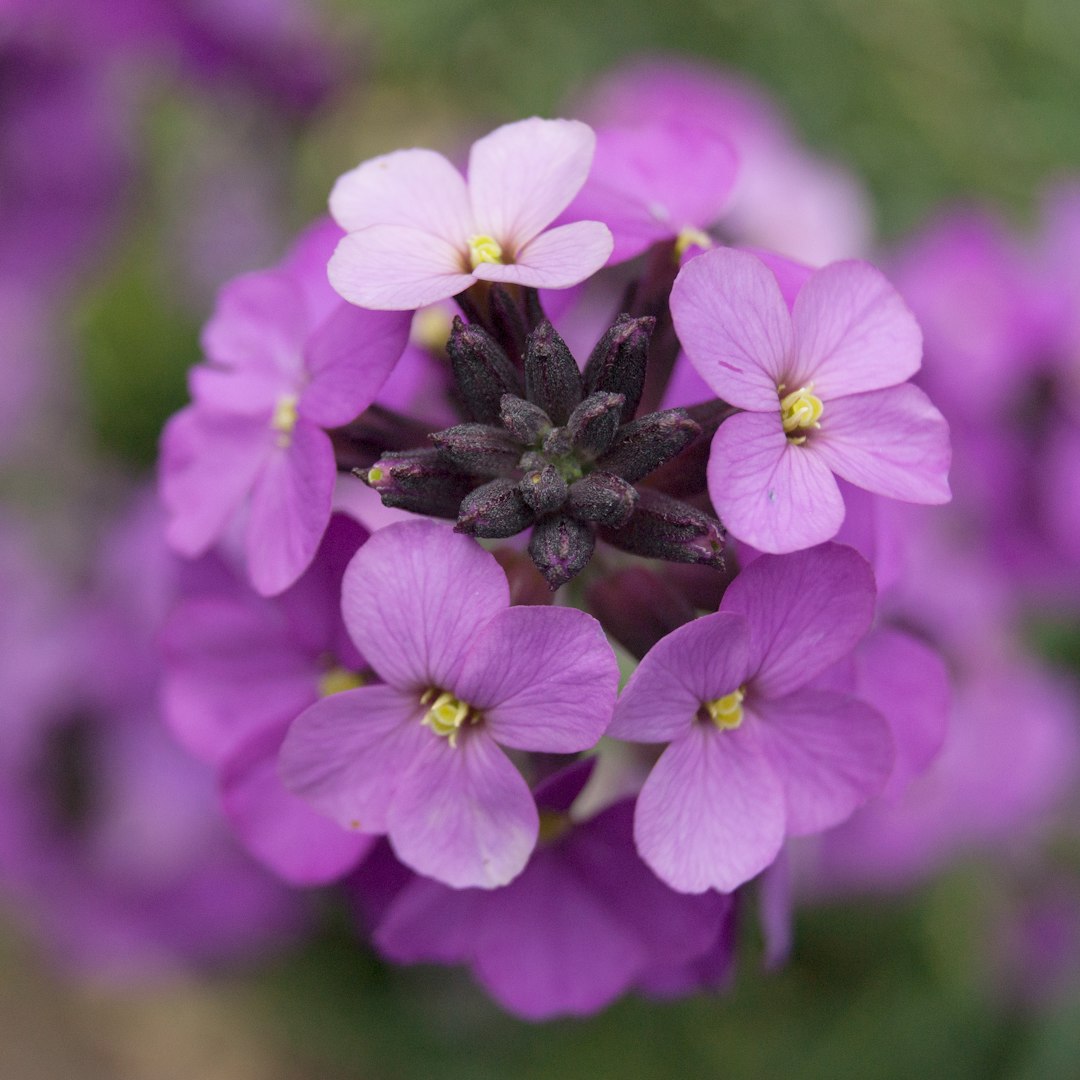
Tower Violet
All the elegance and beauty of peonies and garden mums in an easy-to-grow annual. Rich plum-colored blooms avg. 2-3" with 13-20 stems per plant. Tower features uniform bloom time and plant height across the series and mix. Also known as summer aster.
Tower White
All the elegance and beauty of peonies and garden mums in an easy-to-grow annual. Bright white blooms avg. 2-3" with 13-20 stems per plant. Tower features uniform bloom time and plant height across the series and mix. Also known as summer aster.

Tower Yellow
All the elegance and beauty of peonies and garden mums in an easy-to-grow annual. Buttercream-yellow blooms avg. 2-3" with 13-20 stems per plant. Tower features uniform bloom time and plant height across the series and mix. Also known as summer aster.
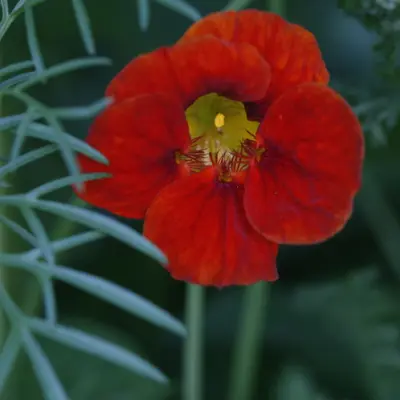
Trailing Nasturtium Mix
Flowers in red, rose, orange, and yellow. Perfect for hanging baskets and containers, or even as a ground cover. Will "climb" if tied to upright supports. Also known as garden nasturtium and Indian cress.Edible Flower: Use the flowers as garnishes, or stuff with soft cheese. The flowers can be minced and added to butters and the immature seed heads can be pickled. Nasturtiums are a popular choice for adding color to salad mix. Peppery-flavored foliage is also edible.
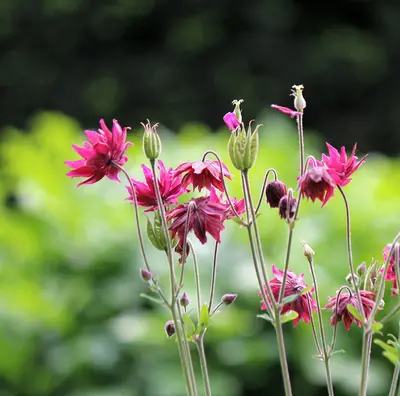
Valkyrie Brunhilde Chamois
Needle- or quilled-type blooms atop long, sturdy stems add a delicate appearance to arrangements. 3 1/2-5 1/2" flowers bloom in pastel apricot - a shade lighter than Tower Chamois. Easy to harvest due to the well-branched plants' open, airy habit. Long vase life. Also known as summer aster.
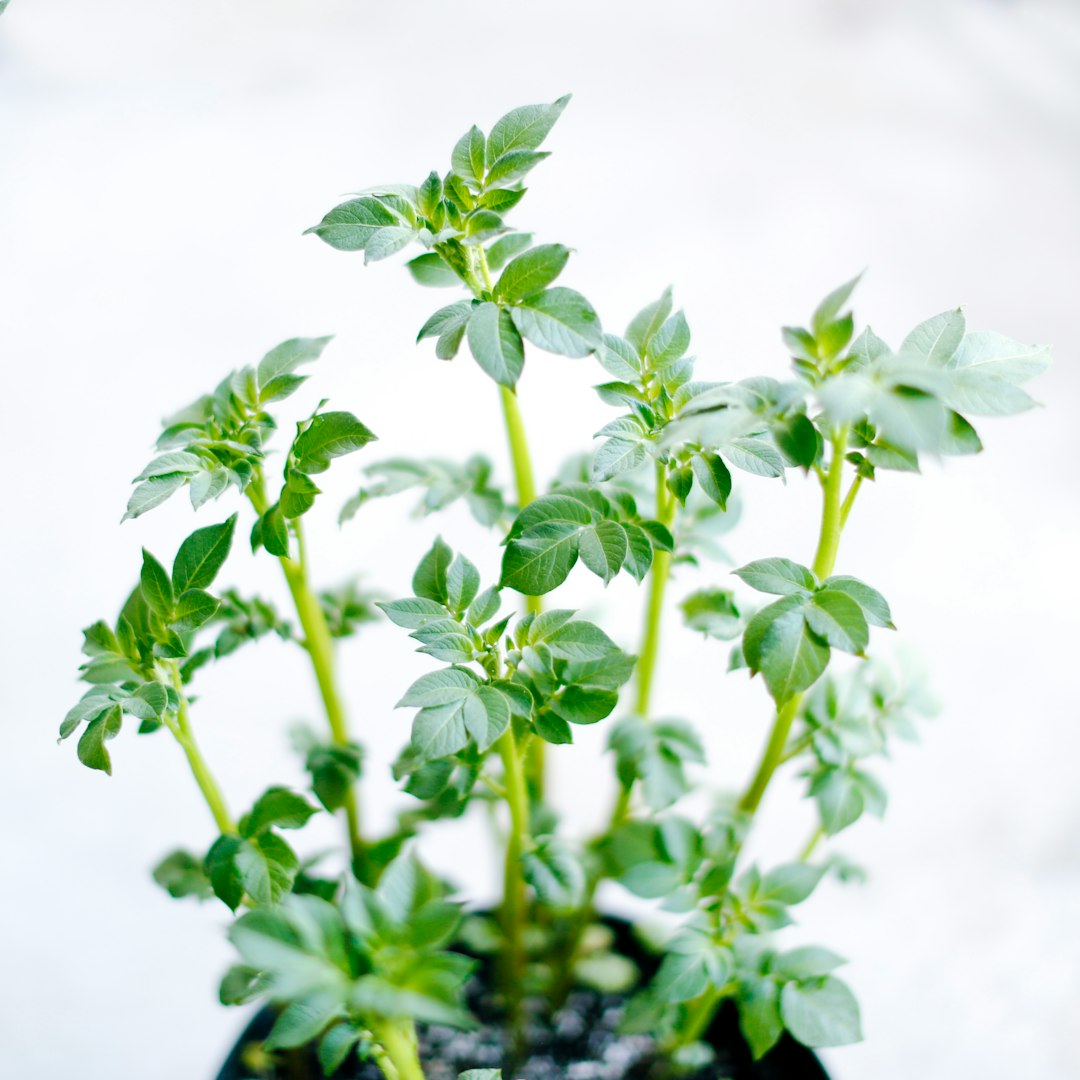
Valkyrie Mix
Needle- or quilled-type blooms atop long sturdy stems. Large, brightly colored, 3½ - 5½" flowers bloom in white, light yellow, pink, crimson, rose, and dark and light purple. Easy to harvest due to the well-branched plant's open airy habit. Long vase life. Also known as summer aster.
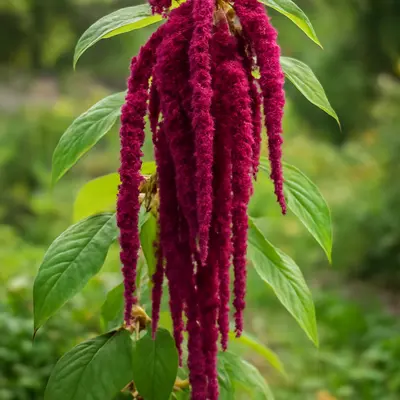
Velvet Curtains
Feathery plumes are slightly lighter in color when compared to Red Spike. Lovely color and form for late summer and fall arrangements. When plants are young and leaves are tender, the foliage makes a nice edible green. Also known simply as amaranth.
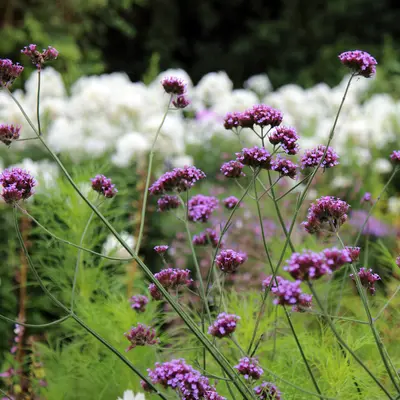
Verbena bonariensis
Multiple long, thin stems topped with clusters of 2" heads packed with tiny flowers. Blooms July to frost. Attracts bees and butterflies. Also known as purple top verbena, tall verbena, South American vervain, and purple-top verbena. Perennial in Zones 7-10 but can be grown as an annual.
Versailles Flush
Blooms are 2 1/2" across and the palest, blush pink. Strong, straight stems can withstand considerable handling. Produces under short days.
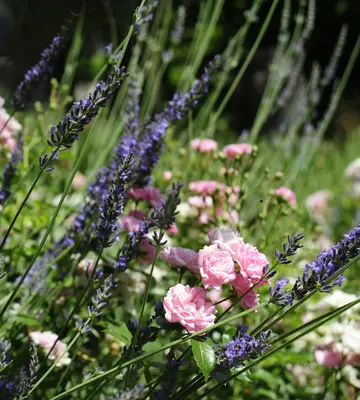
Versailles Mix
Early blooming and vigorous. Produces under short days and is also suitable for greenhouse culture during the winter. Strong stems can withstand considerable handling. Blooms are 2 1/2" across in shades of blush pink, pure white, carmine red, and pink with a deep pink eye. Cosmos are also known as garden cosmos.
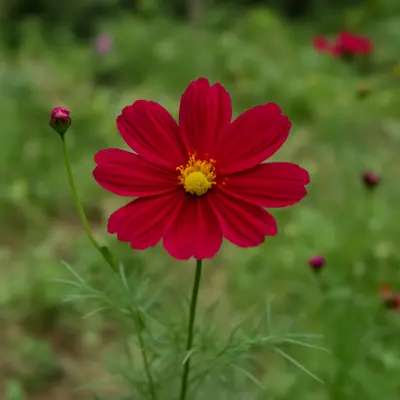
Versailles Red
Blooms are 2 1/2" across and are a beautiful, dark burgundy/magenta red color. Strong, straight stems can withstand considerable handling. Produces under short days.
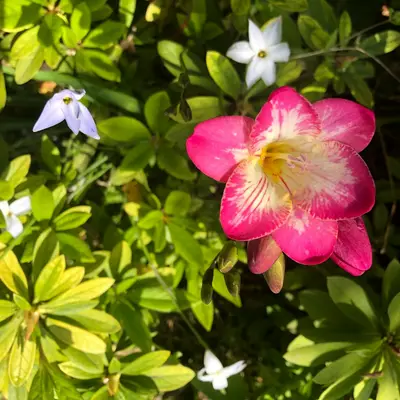
Vinca Madagascar Mix
These heat-loving beauties thrive in scorching summer conditions where other flowers fail, producing a continuous display of five-petaled blooms in pink, white, and rose with contrasting eyes. Also known as Madagascar periwinkle, they're incredibly drought-tolerant once established and maintain their neat, compact habit without deadheading. Perfect for hot, sunny spots and low-maintenance gardens.
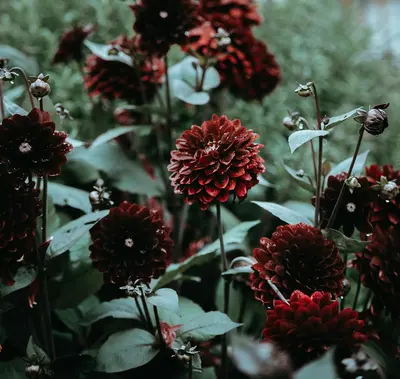
Vintage Brown
Tightly spaced florets on thick, strong, straight stems. Single-stem/column-type stock for one-cut harvest. Vintage Brown is not brown but rose-taupe in color. This variety (updated in 2023) is the newest version of Vintage Brown and has a slightly warmer color palette and a touch of light gold at the flower center, as opposed to the original Vintage Brown, which was fully rose in color.Produces about 55% double-flowering plants. Overall, very similar to the Iron series in performance. NOTE: This variety produces one flowering stem per plant. Pinching is not advisable as it will terminate flowering. Edible Flowers: The peppery, clove-like flavor of the flowers lends itself well to use as a garnish on salads, desserts, and drinks.
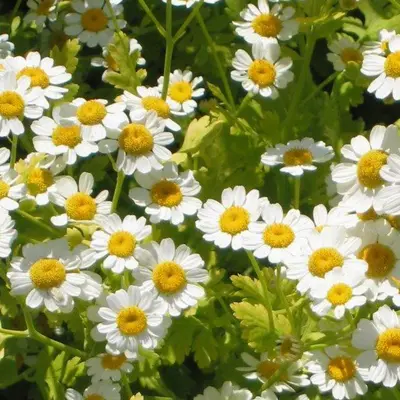
Virgo
Productive, uniform, and upright plants produce 1/2", round flowers. Before fully developed, blooms have ivory centers which turn pure white at maturity.
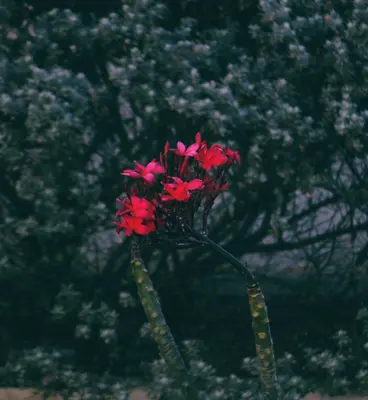
Viviana™ Pink
Light pink 1-1 1/2" wide blooms on densely branching, vigorous plants. Viviana's pollen-free blooms offer extended vase life. The absence of messy pollen makes it an excellent choice for wedding flowers and wearable flowers such as corsages, boutonnieres, and flowers crowns. Compared to the Solo® series, Viviana's plant habit produces cut flower stems that offer more movement and a looser (less formal) wildflower look. Considered a spray-type Lisianthus. Group 1, best suited for spring production. Lisianthus is also known as prairie gentian, Texas bluebell, and showy prairie gentian. Pelleted seeds.
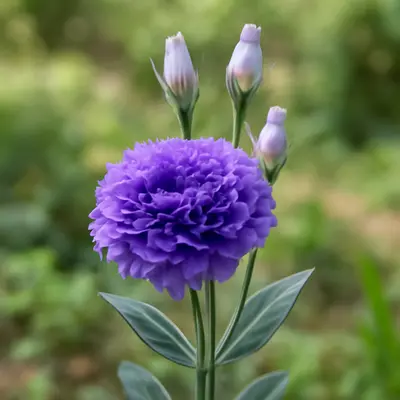
Voyage 2 Blue
3" fully double blooms in a regal shade of rich purple are lush with abundant layering and ruffling. Group 2, for early spring to summer harvest. Lisianthus is also known as prairie gentian, Texas bluebell, and showy prairie gentian. Pelleted seeds.
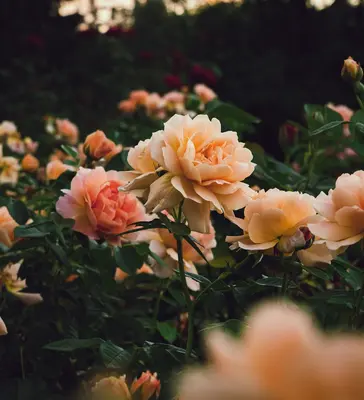
Voyage 2 Champagne
3" fully double blooms in an exquisite shade of ivory to soft apricot are lush with abundant layering and ruffling. Group 2, for early spring to summer harvest. Lisianthus is also known as prairie gentian, Texas bluebell, and showy prairie gentian. Pelleted seeds.

Voyage 2 First Love
First Love is a knockout lisianthus with a soft blush of pink dusted on the edges of ruffled white petals. 2 1/2-4", fully double blooms are lush with abundant layering and ruffling. Group 2, for early spring to summer harvest. Lisianthus is also known as prairie gentian, Texas bluebell, and showy prairie gentian. Pelleted seeds.

Voyage 2 Green II
Pale mint-green 2 1/2-4", fully double blooms are lush with abundant layering and ruffling. Group 2, for early spring to summer harvest. Lisianthus is also known as prairie gentian, Texas bluebell, and showy prairie gentian. Pelleted seeds.
Voyage 2 Lavender
Pale lavender 2 1/2-4", fully double blooms are lush with abundant layering and ruffling. Group 2, for early spring to summer harvest. Lisianthus is also known as prairie gentian, Texas bluebell, and showy prairie gentian. Pelleted seeds.
Voyage 2 Light Apricot
3" fully double blooms in an appealing shade of pale apricot are lush with abundant layering and ruffling. Group 2, for early spring to summer harvest. Lisianthus is also known as prairie gentian, Texas bluebell, and showy prairie gentian. Pelleted seeds.
Voyage 2 Pink Improved
3" fully double blooms in a lovely shade of pale pink are lush with abundant layering and ruffling. Group 2, for early spring to summer harvest. Lisianthus is also known as prairie gentian, Texas bluebell, and showy prairie gentian. Pelleted seeds.
Voyage 2 White Improved
These ivory white flowers remind us of big scoops of vanilla ice cream. 3", fully double blooms are lush with abundant layering and ruffling. Group 2, for early spring to summer harvest. Lisianthus is also known as prairie gentian, Texas bluebell, and showy prairie gentian. Pelleted seeds.
Voyage 2 Yellow II
These creamy yellow blooms remind us of big scoops of French vanilla ice cream. 2 1/2-4", fully double blooms are lush with abundant layering and ruffling. Group 2, for early spring to summer harvest. Lisianthus is also known as prairie gentian, Texas bluebell, and showy prairie gentian. Pelleted seeds.
Wandering Mixture
Highly fragrant mix of soft pastel flowers in shades of white, lavender, purple, and pale yellow. Densely mounding plant habit. Plants are less vigorous, more compact, and have a more contained habit compared to our white Sweet Alyssum (#1932). Sweet alyssum is fast and low growing, trouble free, and low cost, making it a popular choice for use as beneficial insect habitat in vegetable and fruit production. Because of its very manageable plant habit, sweet alyssum is a good choice for beneficial planting in greenhouses and containers, in addition to outdoor production. Field-grown mixture. Tender perennial in Zones 9-11. Attracts and provides a food source for beneficial insects such as lacewings, parasitic wasps, syrphid flies, and tachinid flies.
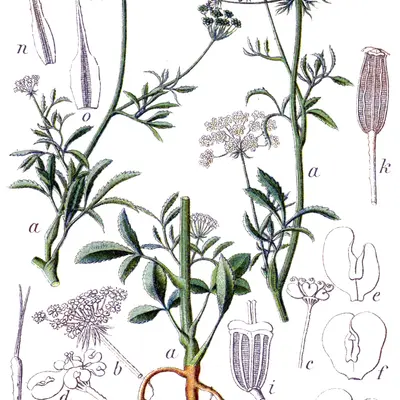
White Dill
Free-flowering plants bear a multitude of lacy flower heads 5-6" across. Flowers can be dyed in an assortment of colors. Also known as false Queen Anne's lace, lace flower, false bishop's weed, large bullwort, and bishop's weed. Attracts and supports beneficial insects such as lacewings, lady beetles, minute pirate bugs, syrphid flies, and parasitic wasps.
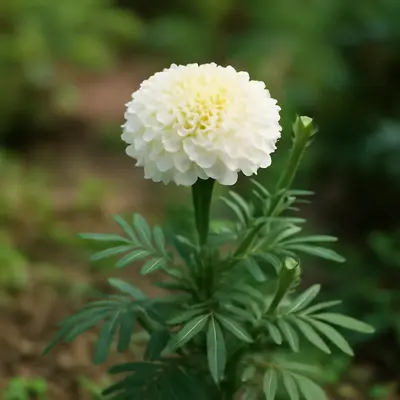
White Swan
2-3" cream to pale yellow-colored, fully double, uniform blooms borne on productive, sturdy, uniform plants. High-quality blooms produce a mild, sweet, marshmallow fragrance, without the typical strong marigold scent. More compact plants than those from the Giant and Coco™ series. White Swan is significantly taller and higher quality than all other cream-colored marigolds in our trials. Also known as African marigold, American marigold, and Aztec marigold. Edible Flowers: Use the flowers to dress up salads and desserts or cooked in egg or rice dishes. Flavor is floral with hints of citrus and spice, and slightly bitter. Remove the petals from the flower base before consuming as the base can be quite bitter.
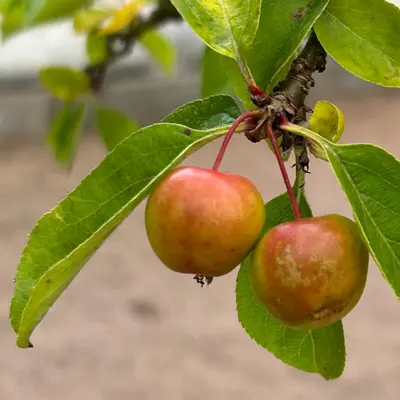
Anna Apple
A remarkable low-chill apple variety that thrives in warm climates where traditional apples fail. Developed in Israel, Anna produces crisp, sweet-tart fruits with beautiful red striping over yellow skin. This early-ripening variety is perfect for southern gardeners who thought they couldn't grow apples in their climate.
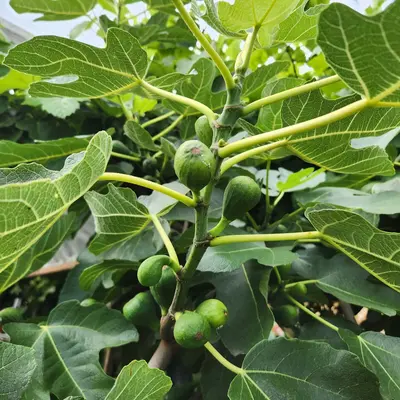
Black Mission Fig
The quintessential California fig that's been beloved for over 200 years, brought by Spanish missionaries. Black Mission produces two crops per year of deep purple, intensely sweet figs with strawberry-red flesh. This vigorous, easy-to-grow variety is incredibly productive and more cold-hardy than most fig varieties.
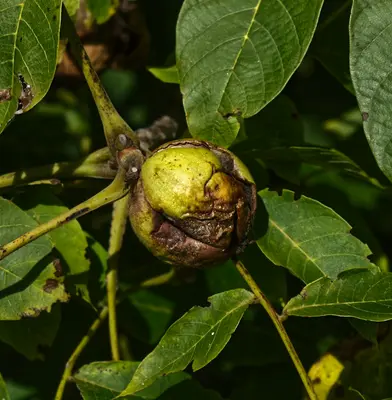
Brown Turkey Fig
A cold-hardy fig variety that brings Mediterranean flavors to temperate gardens with remarkable reliability. This vigorous grower produces two crops per year of medium-sized, brownish-purple figs with sweet pink flesh that tastes like honey and jam combined. Brown Turkey is incredibly productive and one of the most adaptable figs for home gardeners, even surviving winters in zone 7 with protection.
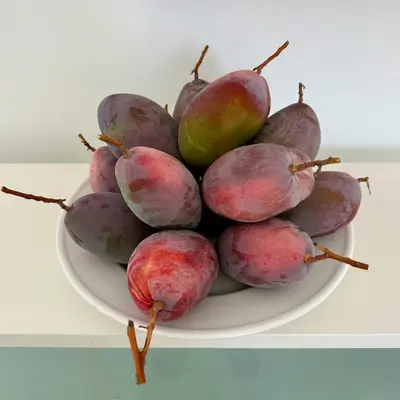
Burgundy Plum
A stunning Japanese plum variety prized for its gorgeous deep red skin and sweet, juicy yellow flesh. Burgundy is self-fertile and incredibly productive, making it ideal for home gardeners who want reliable harvests without needing multiple trees. The fruits are perfect for fresh eating and have excellent storage quality.
Chicago Hardy Fig
A remarkable cold-hardy fig variety that survives harsh winters by dying back to the ground and regenerating each spring, making fresh figs possible even in northern climates. This adaptable variety produces medium-sized, sweet purple-brown figs with rich, jammy flesh that's perfect for fresh eating or preserving. A game-changer for gardeners in colder zones who thought they could never grow their own figs.
Dorsett Golden Apple
A unique apple variety specifically bred for warm climates, thriving where other apples fail in zones 8-10. This low-chill variety produces crisp, sweet apples with beautiful golden-yellow skin and can fruit in areas with mild winters. Originally developed in the Bahamas, it's perfect for southern gardeners who thought they couldn't grow apples.
Dwarf Red Delicious Apple
The classic American apple in a space-saving dwarf form that makes it perfect for small yards and containers. Despite mixed reviews of commercial fruit, home-grown Red Delicious apples offer much better flavor and the iconic deep red color that made this variety famous. This dwarf version produces full-sized apples on a tree that stays manageable for easy harvesting.
Early Harvest Apple
One of the earliest ripening apples, this historic American heirloom delivers crisp, tart apples perfect for cooking and fresh eating when you're craving that first taste of apple season. Dating back to the 1600s, this reliable variety thrives in hot, humid climates where many other apples struggle and doesn't require a pollination partner. Its pale yellow fruits have a distinctly refreshing tartness that makes exceptional pies, sauce, and cider.
Emerald Beaut Plum
A stunning green-skinned plum that stays green even when fully ripe, making it unique among stone fruits. This Japanese variety produces large, incredibly sweet fruit with amber flesh that rivals the best dessert plums. The vigorous tree is self-fertile and produces heavy crops, making it an excellent choice for home orchards seeking something different.

Fuji Apple
A Japanese apple variety beloved for its incredibly sweet, crisp flesh and exceptional storage life that can last months in proper conditions. These large, attractive apples with their red-striped yellow skin are perfect for fresh eating and maintain their crunch better than most varieties. Fuji trees are reliable producers that adapt well to various climates, making them ideal for home orchards.
Gala Apple
New Zealand's gift to the apple world, Gala has become one of the most popular varieties globally thanks to its perfect balance of sweet flavor and crisp texture. These beautiful red and yellow striped apples ripen earlier than most varieties, making them perfect for gardeners wanting fresh apples by late summer. Gala trees are reliable producers and the sweet, mild fruit appeals to both children and adults.
Golden Delicious Apple
One of America's most beloved apple varieties, originating from West Virginia in the early 1900s. This self-pollinating tree produces sweet, crisp apples with distinctive golden-yellow skin that's perfect for fresh eating, baking, and sauce making. Known for its reliable production and excellent storage qualities, making it a top choice for home orchards.
Granny Smith Apple
The iconic tart green apple that's a staple in kitchens worldwide, prized for its crisp texture and bright acidic flavor that holds up beautifully in baking. This Australian heirloom produces heavy crops of large, bright green apples that store exceptionally well for months. A reliable performer that's perfect for gardeners who want a classic apple variety that excels in both fresh eating and culinary applications.
Honeycrisp Apple
The apple that revolutionized the industry with its explosive crunch and perfect sweet-tart balance. Developed at the University of Minnesota, Honeycrisp produces large, juicy apples with cells that burst with flavor when bitten. This cold-hardy variety stores exceptionally well and consistently ranks as America's favorite apple for fresh eating.
Liberty Apple
A disease-resistant apple variety bred specifically for organic and low-spray growing, making it perfect for home gardeners who want beautiful apples without intensive pest management. This medium-sized red apple offers excellent eating quality with crisp, juicy flesh and a well-balanced sweet-tart flavor reminiscent of McIntosh. Liberty trees are vigorous, productive, and their outstanding resistance to major apple diseases makes them one of the best choices for sustainable home orcharding.
Pink Lady Apple
A premium late-season apple with stunning pink blush over yellow-green skin and an exceptional sweet-tart flavor that improves with storage. This Australian-bred variety requires a long, warm growing season to develop its signature taste and beautiful coloring, making it perfect for gardeners in warmer apple-growing regions. Pink Lady apples are prized for their crisp texture, excellent keeping quality, and complex flavor that balances sweetness with refreshing acidity.
Red Delicious Apple
America's classic apple variety, instantly recognizable by its deep red skin and distinctive elongated shape with five prominent bumps at the base. While modern tastes have shifted toward newer varieties, Red Delicious remains popular for its beautiful appearance and mild, sweet flavor. This reliable producer has been a staple in American orchards for over a century.
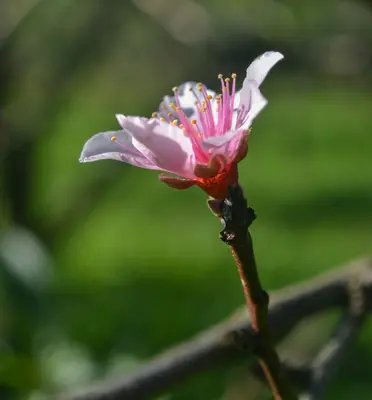
Santa Rosa Plum
Luther Burbank's masterpiece, this Japanese plum variety produces gorgeous deep purple-red fruits with sweet, juicy yellow flesh that epitomizes summer stone fruit perfection. Santa Rosa is one of the most widely planted plum varieties due to its reliable production, excellent flavor, and beautiful appearance that makes it irresistible both in the garden and on the table. This vigorous tree blooms early with showy white flowers and typically produces heavy crops that benefit from thinning.
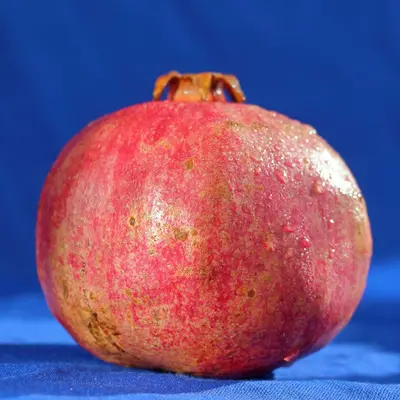
Wonderful Pomegranate
The most popular pomegranate variety in North America, producing large, deep red fruits bursting with ruby-colored arils that offer the perfect balance of sweet and tart flavors. This hardy, drought-tolerant tree rewards gardeners with stunning orange-red fall foliage and beautiful orange-red flowers in spring. It's exceptionally well-suited to hot, dry climates and requires minimal care once established.
Annual Ryegrass
Ryegrass is a great nitrogen scavenger and can assimilate as much as 200 lb./acre/year of nitrogen. Most of that nitrogen then becomes available to subsequent crops, thus saving on fertilizer input. Annual ryegrass is a very competitive winter annual, with good seedling vigor, fast germination (with adequate moisture) and rapid establishment. Annual ryegrass is a bunch grass, yellowish-green at the base, with long glossy green leaves up to 12" each. It will overwinter in certain years. When used as a cover crop, annual ryegrass is killed in the spring before it reaches seed formation stage. Sow from early spring through late summer. As winter cover, ryegrass will winter kill, but still help protect the soil. Sow, then rake to lightly cover.

Blue Fescue
A compact ornamental grass that forms perfect blue-silver tufts, adding cool-toned color and fine texture to rock gardens, borders, and contemporary landscapes. This drought-tolerant Mediterranean native maintains its striking blue color year-round and produces delicate flower spikes that add movement and interest to the garden.
Carpetgrass
A creeping, low-maintenance grass that forms a dense carpet-like lawn in the humid Southeast. Carpetgrass thrives in wet, acidic soils where other grasses fail, making it ideal for low-lying areas and coastal regions. Its aggressive spreading habit quickly fills in bare spots, creating a uniform, soft lawn that's perfect for areas with challenging drainage.
Centipede Grass
Often called the 'lazy man's grass,' this low-maintenance warm-season variety thrives with minimal fertilization and care. Its naturally slow growth means less mowing, while its dense, medium-textured appearance creates an attractive, uniform lawn. Perfect for homeowners who want a beautiful lawn without the high-maintenance requirements of other grass types.

Eco-Lawn Mix
A revolutionary low-maintenance grass blend designed for eco-conscious homeowners who want a beautiful lawn with minimal inputs. This specially selected fine fescue mix requires little to no watering once established, grows slowly to reduce mowing frequency, and naturally resists weeds and diseases. Perfect for sustainable landscaping and areas where traditional lawn care is impractical or undesirable.
Fine Fescue
The shade champion among cool-season grasses, offering delicate, needle-like blades that create an elegant, low-maintenance lawn in challenging conditions where other grasses struggle. This drought-tolerant grass naturally resists most diseases and requires minimal fertilization, making it perfect for naturalized areas and eco-friendly landscapes. Its soft texture and ability to thrive in poor soils make it an excellent choice for low-input, sustainable lawns.
Fountain Grass
A stunning ornamental grass that creates dramatic focal points with its arching foliage and distinctive bottlebrush plumes that dance in the breeze. This low-maintenance perennial grass offers four seasons of interest, turning golden-tan in fall and providing winter structure before fresh green growth emerges in spring.
Japanese Forest Grass
An exquisite shade-loving ornamental grass with cascading golden-yellow leaves striped with green that brings luminous color to dark garden corners. This graceful Japanese native moves beautifully in the slightest breeze and turns bronze-pink in fall, making it one of the most sought-after ornamental grasses for shade gardens.
Japanese Sedge
An elegant evergreen sedge with distinctive cream-edged leaves that brightens shady areas year-round. This low-maintenance groundcover forms neat clumps and tolerates both wet and dry conditions, making it incredibly versatile for problem areas.
Kentucky Bluegrass
The quintessential cool-season lawn grass that creates the classic American lawn with its rich blue-green color and soft, dense texture. Self-repairing through underground rhizomes, it forms a luxurious carpet that feels wonderful underfoot and maintains its beauty through spring and fall. This premium grass is the gold standard for northern lawns where its cold tolerance and lush appearance make it unmatched.
Maiden Grass
An elegant ornamental grass that creates stunning focal points with its graceful, fountain-like form and silvery plumes that catch the light beautifully. This refined cultivar features narrow, arching leaves with a distinctive white midrib that adds year-round interest to the landscape. Maiden grass provides four-season beauty, from fresh spring growth to gorgeous fall color and winter structure.
Monkey Grass
A versatile evergreen perennial that forms neat clumps of arching, grass-like foliage topped with spikes of purple or white flowers. Despite its common name, this isn't a true grass but provides similar landscaping benefits with superior drought tolerance and shade performance. Monkey grass is the go-to choice for low-maintenance borders, groundcover, and problem areas where other plants struggle.

Northern Sea Oats
A graceful native grass prized for its distinctive flat, oat-like seed heads that rustle beautifully in the wind. Excellent for naturalizing and providing movement in the garden, this adaptable grass thrives in both sun and shade with stunning fall color.

Ornamental Blue Oat Grass
A stunning ornamental grass that forms perfect blue-gray clumps with graceful arching foliage. This drought-tolerant perennial produces delicate oat-like seed heads that dance in the breeze, making it a favorite for modern landscape design and xeriscaping.

Pampas Grass
A dramatic ornamental grass that creates stunning focal points with its towering plumes of creamy-white to pink feathery flowers. This fast-growing perennial forms impressive clumps that add movement and texture to landscapes while providing excellent privacy screening. The showy plumes are highly prized for dried flower arrangements and last for months when cut.

Perennial Ryegrass
A fast-establishing, cool-season grass that's perfect for high-traffic areas and quick lawn repairs. Known for its rapid germination and excellent wear tolerance, making it ideal for sports fields and family lawns. Its fine texture and bright green color provide an attractive lawn that can handle kids and pets.
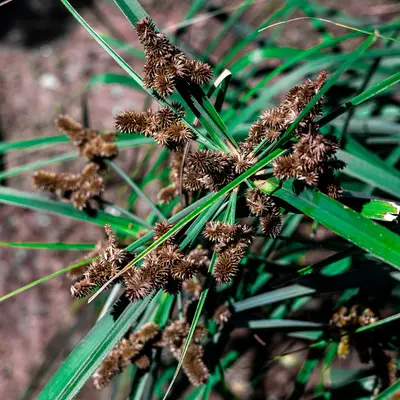
Purple Top Timothy
A premium cool-season grass variety prized for its distinctive purple-tinged seed heads and excellent performance in northern climates. This hardy perennial forms dense, uniform stands that provide excellent ground cover and erosion control. Timothy grass is beloved by wildlife and creates a naturalistic meadow appearance that's perfect for eco-friendly landscaping.

St. Augustine Grass
A thick, luxurious warm-season grass that creates a dense, carpet-like lawn perfect for Southern climates. Known for its excellent shade tolerance and aggressive spreading habit, it quickly fills in bare spots to create a lush green lawn. Its broad, flat blades give it a distinctive coarse texture that many homeowners love for its tropical appearance.
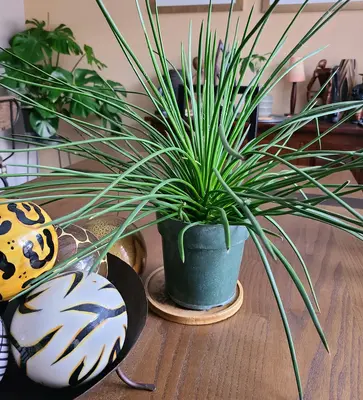
Zebra Grass
A show-stopping ornamental grass famous for its distinctive horizontal yellow bands that create a striking zebra-like pattern across the green foliage. This eye-catching variety forms large, dramatic clumps that serve as living sculptures in the landscape, topped with feathery copper-colored plumes in fall. Zebra grass is perfect for gardeners who want to make a bold statement while enjoying easy-care, drought-tolerant beauty.
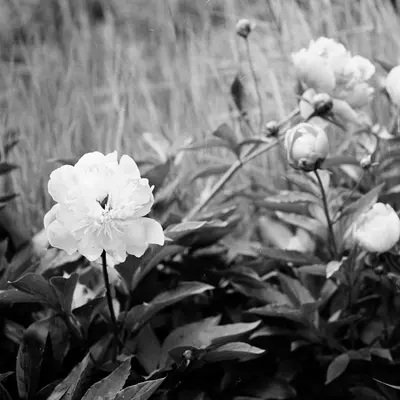
Ajuga
Known as bugleweed, this fast-spreading perennial creates stunning foliage carpets in bronze, purple, or variegated patterns topped with spikes of blue flowers in late spring. This European native thrives in shade and quickly fills in bare spots with its colorful rosettes of leaves. The dramatic flower spikes attract bees and butterflies, making it both beautiful and beneficial for pollinators.

Barrenwort
An elegant woodland ground cover prized for its heart-shaped leaves that emerge bronze, turn green in summer, and develop beautiful fall colors. Delicate sprays of yellow and red flowers dance above the foliage in spring, creating an enchanting display in shade gardens. Extremely long-lived and deer resistant.
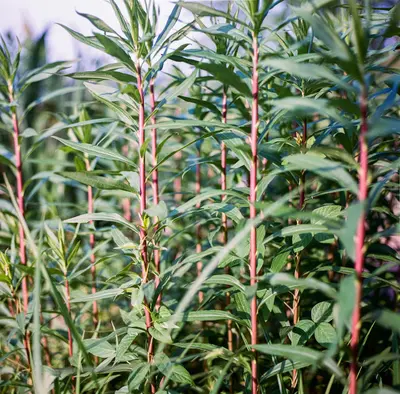
Bugleweed
A fast-spreading evergreen ground cover that forms dense mats of glossy leaves topped with stunning spikes of blue-purple flowers in spring. Perfect for suppressing weeds in shady areas while providing reliable year-round coverage with seasonal color bursts. Extremely hardy and low-maintenance once established.
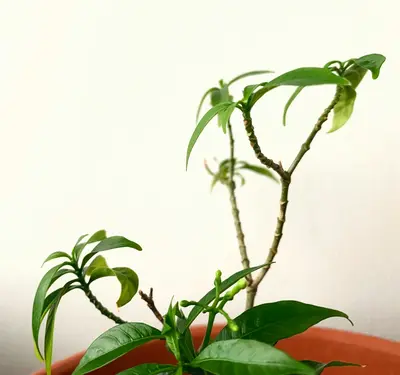
Creeping Jenny
A vigorous, fast-spreading perennial with bright chartreuse round leaves that cascade beautifully over walls and fill in large areas quickly. Golden yellow cup-shaped flowers appear in summer, adding bright color to this already eye-catching foliage plant. Though aggressive, it's perfect for problem areas where other plants struggle and creates stunning contrast in shade gardens.
Creeping Phlox
A spectacular spring bloomer that transforms landscapes into carpets of vibrant color. This hardy perennial forms dense mats of needle-like evergreen foliage topped with masses of five-petaled flowers in pink, purple, white, or red. Perfect for rock gardens, slopes, and anywhere you need reliable, low-maintenance color that returns year after year.
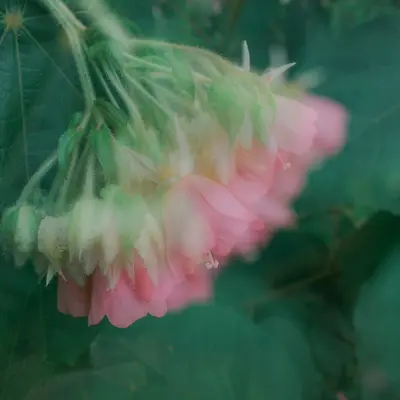
Heuchera (Coral Bells)
Coral bells bring year-round color to the garden with stunning foliage in shades of purple, silver, lime, and coral. These compact perennials produce delicate flower spikes that dance above colorful leaves, creating perfect ground cover for borders and containers. Modern hybrids offer incredible leaf colors that rival any flower for garden impact.
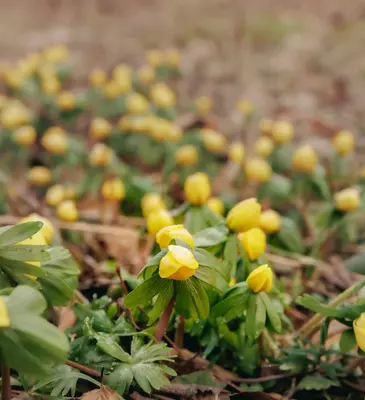
Hosta
The ultimate shade garden workhorse, hostas provide lush foliage in countless colors, sizes, and patterns. From tiny miniatures to massive specimen plants, these perennials create stunning ground cover while producing fragrant spikes of white or purple flowers. Their incredible variety and reliability make them indispensable for transforming difficult shady areas into garden showcases.
Irish Moss
Not actually a moss but a charming perennial that forms dense, carpet-like mats of tiny bright green foliage. Perfect for filling gaps between stepping stones or creating a soft, cushioned groundcover in small spaces. In late spring, it's dotted with tiny white star-shaped flowers that add delicate beauty to this tough little plant.
Ivy (English Ivy)
The classic evergreen vine that doubles as dense ground cover, English ivy creates a lush green carpet that thrives in deep shade where grass won't grow. Its glossy, lobed leaves provide year-round coverage, making it ideal for problem areas like steep slopes and dry shade under mature trees. This vigorous grower quickly establishes to suppress weeds and prevent erosion.
Japanese Painted Fern
A stunning shade perennial that brings luminous color to dark corners with its silvery-gray fronds marked with purple stems and green edges. This elegant fern creates a sophisticated groundcover that brightens shaded areas like no other plant can. Its metallic sheen and architectural form make it a designer favorite for upscale landscape projects.

Japanese Spurge
Native American alternative to traditional pachysandra, featuring attractive mottled foliage and fragrant white flower clusters in early spring. This semi-evergreen spreader thrives in deep shade where grass won't grow, creating elegant natural carpets under mature trees. More heat tolerant than its Asian cousin.

Lamb's Ear
A distinctive perennial ground cover beloved for its incredibly soft, silvery-white fuzzy leaves that children and adults can't resist touching. Dense spikes of small purple flowers rise above the foliage in summer, but many gardeners prefer to remove them to keep the focus on the stunning textural foliage. This drought-tolerant beauty creates beautiful contrast against green plants and glows in moonlight gardens.
Liriope (Lilyturf)
Tough as nails and beautiful year-round, liriope forms dense clumps of grass-like foliage topped with purple or white flower spikes in late summer. This evergreen ground cover thrives in challenging conditions where other plants fail, making it perfect for slopes, under trees, and low-maintenance landscapes. Its neat, fountain-like growth habit provides structure and texture to any garden.
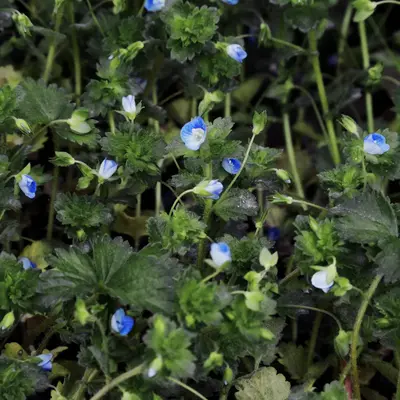
Mondo Grass
This elegant, low-growing evergreen creates perfect edging and ground cover with its fine, dark green grass-like foliage. Mondo grass forms dense, weed-suppressing mats that require virtually no maintenance once established, making it ideal for busy gardeners. Its neat, uniform appearance and ability to thrive in shade make it a designer favorite for contemporary landscapes.
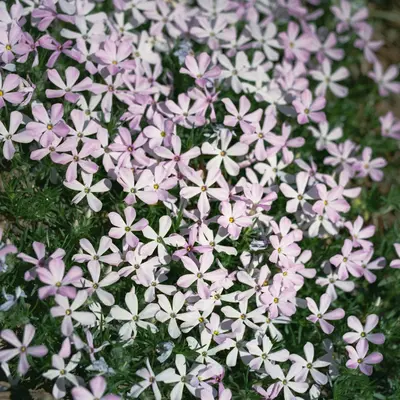
Moss Phlox
A spectacular spring-flowering ground cover that transforms slopes and rock gardens into sheets of vibrant color. This hardy perennial forms dense mats of needle-like evergreen foliage topped with masses of five-petaled flowers in shades of pink, purple, white, or blue. Extremely drought tolerant and deer resistant, making it perfect for low-maintenance landscapes.
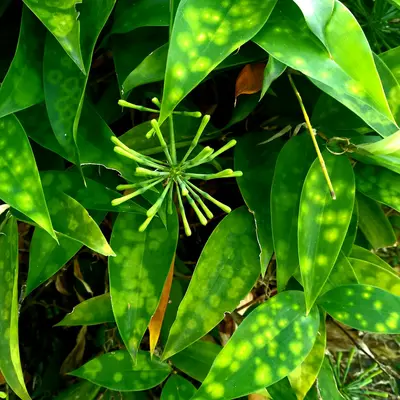
Pachysandra
The gold standard for shade ground cover, beloved by gardeners for its glossy evergreen leaves and ability to thrive where grass won't grow. This Japanese native forms dense, weed-suppressing mats under trees and in deep shade areas. Once established, it requires virtually no maintenance while providing year-round green coverage with delicate white flower spikes in spring.
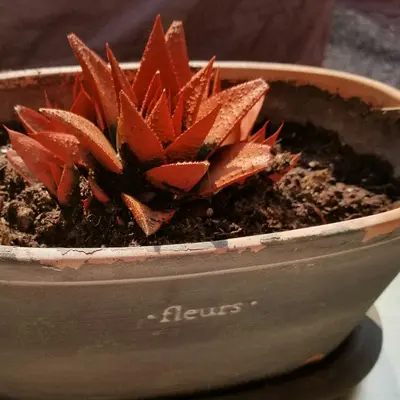
Sedum 'Dragon's Blood'
This stunning succulent ground cover lives up to its dramatic name with deep red foliage that intensifies in cool weather and bright star-shaped pink flowers in summer. Perfect for rock gardens, green roofs, and anywhere you need extremely low-maintenance coverage. This drought-tolerant spreader thrives in poor soils and challenging conditions where other plants fail, making it ideal for xeriscaping and sustainable landscapes.
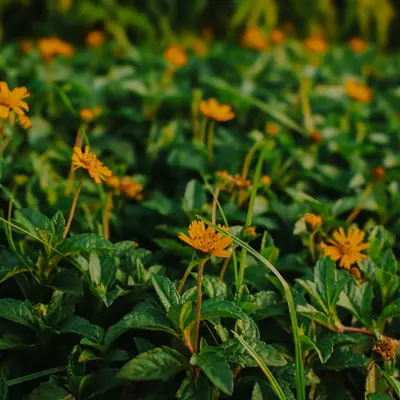
Spotted Deadnettle
An outstanding variegated ground cover with silver-splashed leaves and cheerful pink, purple, or white flowers that bloom from spring through fall. Thrives in challenging shady spots while providing bright foliage contrast and extended flowering period. Non-invasive and easy to control.
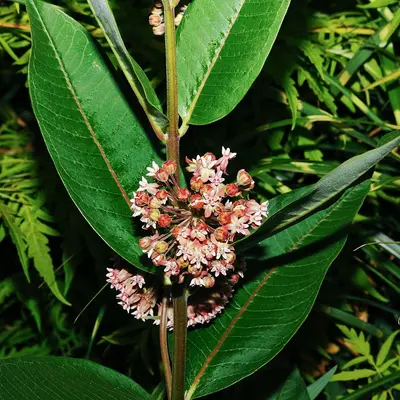
Sweet Woodruff
A charming woodland perennial that forms dense mats of star-shaped whorled leaves topped with delicate white flowers in late spring. When dried, the leaves release a sweet vanilla-hay fragrance that has been treasured for centuries in potpourri and traditional May wine. This well-behaved spreader is perfect for naturalizing in shade gardens and won't overwhelm neighboring plants like some ground covers.
Vinca Minor
Also known as periwinkle, this European native is prized for its glossy dark green leaves and charming blue flowers that appear from spring through fall. This vigorous spreader quickly covers difficult slopes and shaded areas where other plants struggle. The trailing stems root as they grow, creating an impenetrable carpet that effectively suppresses weeds while adding elegant color to the landscape.
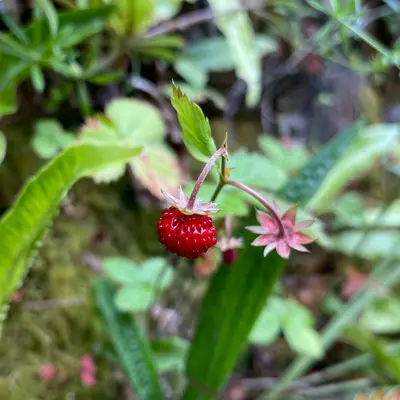
Wild Strawberry
A native groundcover that offers the best of both worlds - attractive foliage, delicate white flowers, and tiny flavorful berries that wildlife and humans alike enjoy. This hardy perennial spreads by runners to form dense mats that suppress weeds while providing food for birds, butterflies, and gardeners. The leaves turn beautiful bronze-red in fall, extending the seasonal interest.
Wintercreeper Euonymus
A versatile evergreen ground cover prized for its glossy, colorful foliage and ability to thrive in challenging conditions. Available in numerous cultivars with variegated green and white or green and yellow leaves that add brightness to shaded areas. This adaptable plant can also climb walls or trees when given support, making it incredibly useful in landscape design.
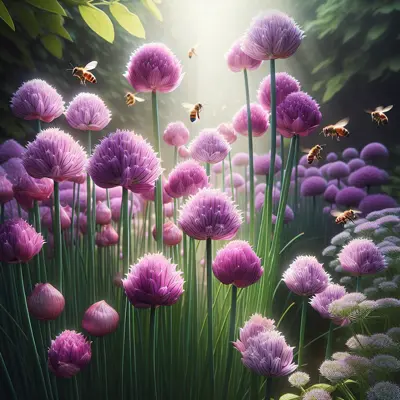
Allium schoenoprasum 'Purly'
A stunning ornamental chive variety that produces vibrant purple-pink flower globes above slender, hollow green stems throughout the growing season. Unlike common chives, Purly offers exceptional flower production and color intensity, making it perfect for edible landscaping, cut flower arrangements, and pollinator gardens. The edible flowers and mild onion-flavored leaves provide both culinary value and garden beauty in one reliable perennial package.
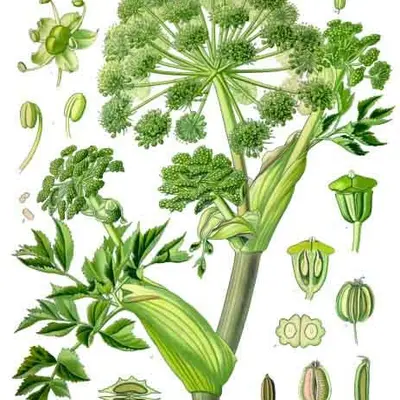
Angelica
Large, lobed leaves and thick, hollow stems. Leaves and stalks have sweet flavor. Because Angelica is a biennial, flowering begins early spring of the second year. Large, numerous blooms. Seeds are cold-stored to ensure viability. Blooms make a lovely addition to fresh or dried bouquets. Attracts and feeds beneficial insects and pollinators, including bees, parasitic wasps, lady beetles, minute pirate bugs, syrphid flies, and tachinid flies.

Anise Hyssop
Very aromatic with a sweet, licorice-mint flavor. Vigorous plants produce abundant blooms, attracting bees and other pollinators. Anise hyssop is also known as giant hyssop, blue giant hyssop, fennel giant hyssop, and fragrant giant hyssop.Edible Flowers: Leaves and flowers can be used fresh or dried to flavor drinks, salads, soups, pasta, and desserts.
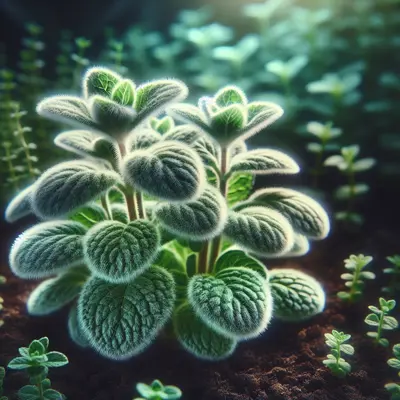
Apple Mint
Apple Mint is a hybrid mint variety prized for its distinctive sweet, mild flavor combined with a crisp apple fragrance and taste. This herbaceous perennial reaches maturity in approximately 120 days and produces tender green leaves ideal for fresh use in beverages, desserts, and culinary applications. Unlike common spearmint or peppermint, Apple Mint's unique apple-forward profile makes it a standout choice for tea blends and fruit-infused dishes. It thrives in rich, moist, well-drained soil under full sun to partial shade, making it relatively easy to cultivate.
Arterner
Easy to grow once established. White umbel flowers form in spring of second year, attracting beneficial insects, such as hover flies. Harvest seed heads when plump and light brown, hang to dry. Thresh to remove seeds. One plant produces approx. 5 Tbs. of seed. Used in breads and savory dishes to lend an earthy, mild anise flavor.
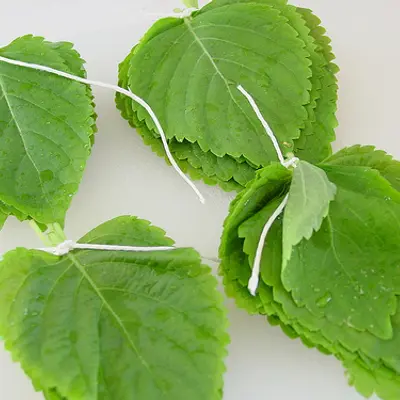
Asia Ip
Leaves are similar to Britton type in shape and size, but are medium green with pink tinge on undersides. Stronger flavor than standard green shiso with uniform, full habit. Edible Flowers: The flowers are a flavorful addition to salads and Asian dishes. Pairs well with fish, rice, noodles, and cucumbers. The minty, basil-like flavor has hints of clove and cumin.
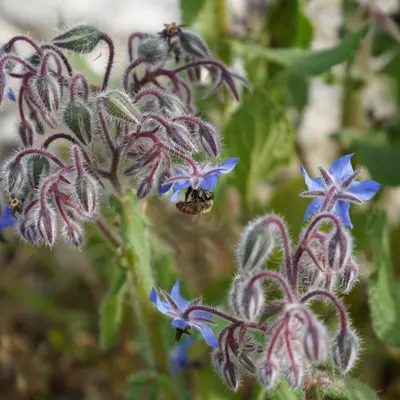
Borage
Large plants bear hundreds of small edible flowers, mostly blue and some pink. Long harvest period. Borage flowers attract bees and butterflies. Also available in organic seed.Edible Flowers: Add the flowers to salads or use to garnish cold drinks and desserts. Freeze as ice cubes. Mild cucumber flavor.
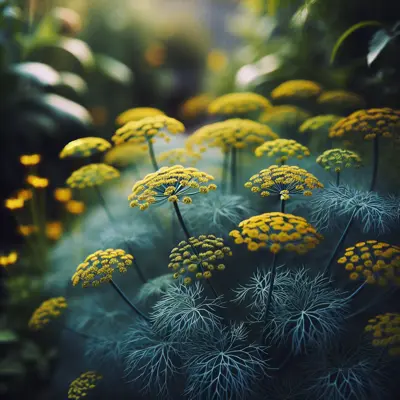
Bouquet Dill
Early flowering plants produce large blooms, seed umbels, and foliage on long stems, making Bouquet the preferred dill for cut-flower use and pickling. Also an economical, fast-growing choice for baby-leaf production. Edible seeds, flowers, and greens flavor many foods. Popular addition to sauces, salads, and soup. Foliage known as dill weed. Edible Flowers: The flowers are used to garnish potato salad, green salads, and pickles. When broken into florets, they can be mixed into a cheese spread or omelet.Also available in organic seed.
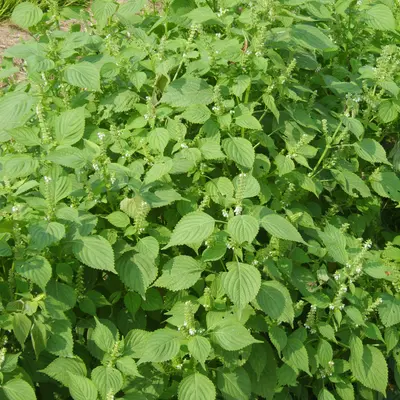
Britton
Good salad mix item, or use larger leaves as sushi wraps or garnishes. Larger leaf and plant than our 'Red' and 'Green' shiso. Mild mint/basil aroma. Also good for ornamental use. Leaves show best color contrast when grown in temperatures below 85°F (29°C). Also known as perilla. Edible Flowers:The flowers are a flavorful addition to salads and Asian dishes. Pairs well with fish, rice, noodles, and cucumbers. The minty, basil-like flavor has hints of clove and cumin.
Cardinal Basil
A spectacular ornamental basil variety that produces vibrant red-purple flower spikes rising above green foliage, creating a stunning display that attracts pollinators while providing excellent basil flavor. This unique variety was bred specifically for its dramatic flowering display and long-lasting blooms, making it perfect for edible landscaping. The flowers are edible with intense basil flavor, while leaves maintain classic sweet basil taste.
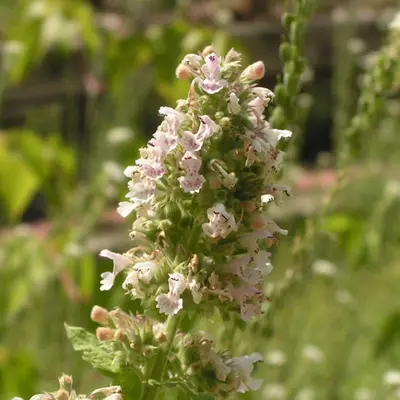
Catnip
Cat-attracting perennial with gray-green leaves and white flowers. Markets for catnip include cat toy crafters, herbal tea companies, and retail plant sales. Flowers are very attractive to bees.
Cilantro
Cilantro is a delicate leafy herb with feathery, triangular green foliage that reaches harvest maturity in 16-25 days. The plant produces thin, lacy stems bearing distinctive serrated leaves with a bright, citrusy flavor profile that carries subtle soapy notes and fresh herbal undertones. Cilantro thrives in full sun to partial shade and prefers well-drained, fertile soil. As a quick-maturing heirloom variety, it's ideal for succession planting throughout the growing season. Widely used in Latin American, Asian, and Mediterranean cuisines as a fresh garnish and flavor component in salsas, curries, and chutneys.
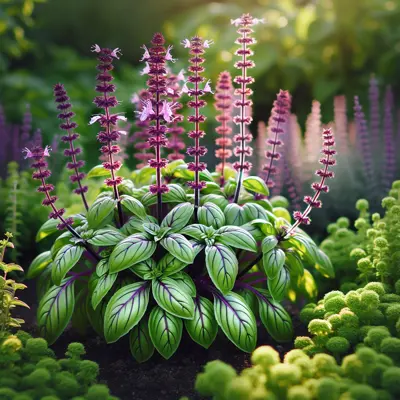
Cinnamon Basil
Tall, fast-growing plants have distinctive violet stems, veining, and flower bracts with lavender blooms and 2" long leaves. Beautiful in casual flower bouquets. Ht. 26-30".Edible Flowers: Use the flowers in any recipe that calls for basil, or to garnish drinks, salads, soups, pasta, and desserts. Flavor is of intense basil with a note of mint, anise, and cinnamon.
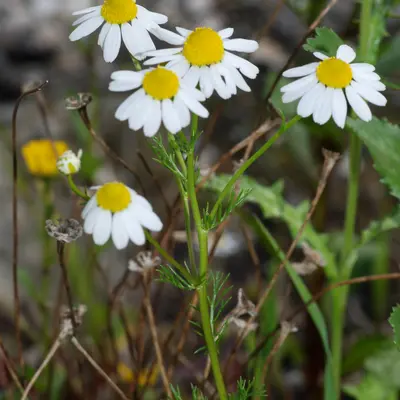
Common Chamomile
Good yields of small, sweet-smelling, daisy-like flowers. Tea made from the flowers aids digestion and acts as a gentle sleep inducer. Harvest using the Chamomile Rake. Also known as German chamomile and Hungarian chamomile.Edible Flowers: The flowers can be used to garnish salads, desserts, and drinks. Flavor is slightly sweet and of chamomile.
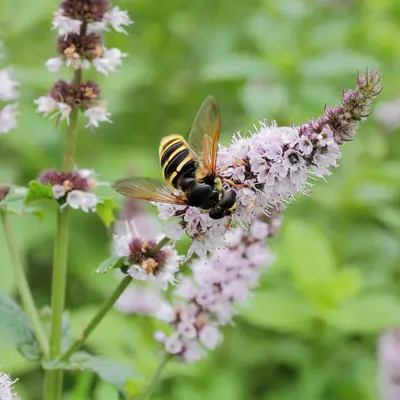
Common Mint
Use to flavor salad mix, main dishes, ice cream, and drinks. Variety not stated since mint does not grow true-to-type from seed. Edible Flowers: The flowers add a minty flavor to salads, soups, desserts, and drinks.
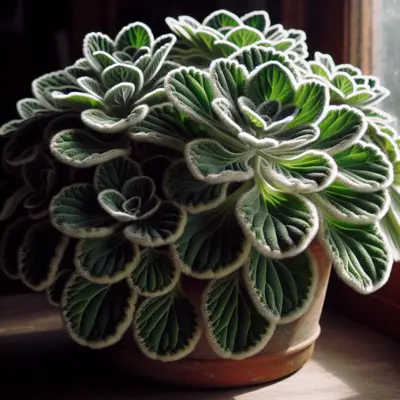
Cuban Oregano
Despite its name, this isn't a true oregano but a succulent herb with thick, fuzzy leaves that pack an intense oregano-thyme flavor punch. Popular in Caribbean, Mexican, and Indian cuisines, this heat-loving perennial is perfect for hot climates where traditional oregano struggles. Its robust flavor means a little goes a long way, and it's incredibly easy to propagate from cuttings.
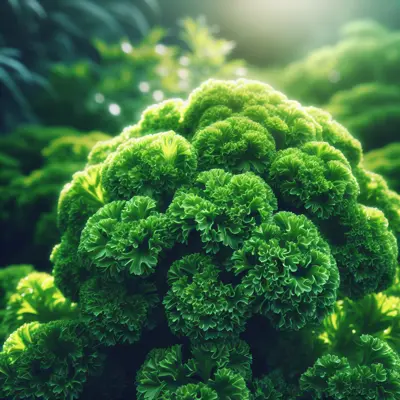
Curly Parsley
The finely curled dark blue-green leaves can be harvested with one cut. The compact plants produce leaves that are very uniform, resist yellowing, and have good flavor. Short internodes allow for high yields despite compact habit. Perfect for harvesting the whole plant at 12-18".
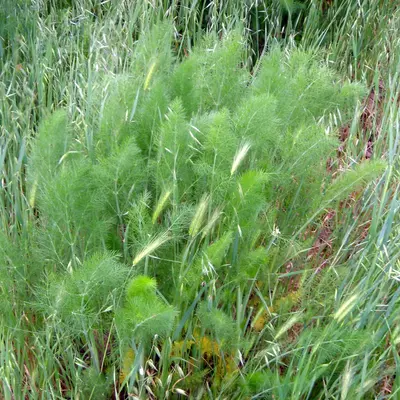
Dragon
Well-known for its beautiful magenta-purple skin and broad, Chantenay-type shoulders. Slicing reveals a surprise of orange or yellow interior, sometimes both. Very thin, smooth skin makes Dragon easier to wash and serve unpeeled than other purples. Roots hold well in the field. Tops are strong and vigorous in early growth to compete with weeds. Internal color will vary. Avg. 5-7" long. Originally bred by the late Dr. John Navazio. Kuroda x Chantenay type. Also available with NOP-compliant pelleting.
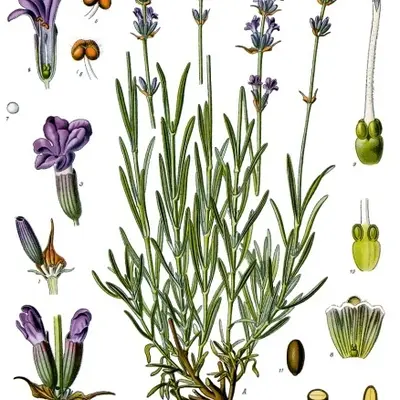
Ellagance Purple
Deep purple flowers bloom the first year on large dense spikes. Plants are bushy, uniform, and well-branched. An alternative to vegetative varieties. Winter hardy in Zones 5-7. FleuroSelect Gold Award Winner. Edible Flowers: The flowers can be used to garnish desserts and as a distinct flavor element in baked goods. Flavor is sweet and floral and pairs well with citrus, berries, nuts, mint, and cinnamon.
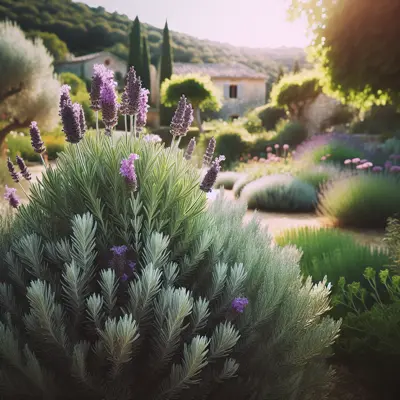
English Lavender
A compact, hardy lavender variety that's perfect for beginners and produces fragrant purple flower spikes beloved by bees and butterflies. This drought-tolerant perennial offers the classic lavender fragrance that's perfect for sachets, cooking, and aromatherapy while forming neat, silvery-green mounds in the garden. Munstead is one of the most cold-hardy lavender varieties, making it suitable for northern climates.
Fernleaf Dill
Abundant dark blue-green foliage. Great in containers or in small spaces. AAS Winner. Ht. 6-8".
French Lavender
Distinguished by its unique serrated leaves and topped flower spikes crowned with purple bracts, French lavender brings year-round beauty to warm climate gardens. This aromatic herb blooms almost continuously in mild climates and offers a slightly camphor-like fragrance that's perfect for crafts and cooking. More heat and humidity tolerant than English lavender, making it ideal for challenging growing conditions.
Garden Sage
High essential oil content of 1.5-2.0%. Robust, uniform plant. Also known as garden sage. Edible flowers: Use as garnish, or as an ingredient in rice, egg, or cheese dishes.
Garland Chrysanthemum
Garland Chrysanthemum is a tender, leafy herb with finely divided, feathery foliage that reaches maturity in 30-50 days. Also known as shungiku or edible chrysanthemum, this heirloom variety produces delicate, deeply lobed leaves with a distinctive mild, slightly bitter flavor. The fresh, herbal notes carry subtle hints of chrysanthemum flowers, making it prized in East Asian cuisines for both raw salads and cooked applications. This versatile herb thrives in cool seasons and is remarkably easy to grow, tolerating partial shade while preferring rich, well-draining soil enriched with organic matter.
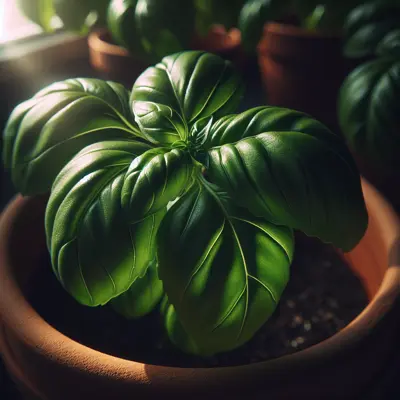
Genovese Basil
Authentic flavor and appearance. Tall and relatively slow to bolt with large dark green leaves about 3" long. This common strain of Genovese basil can present some variability in leaf shape and plant size. While quite suitable for field and garden, we recommend using a more modern and more uniform variety for greenhouse, container, or hydroponic production, such as Genovese Compact Improved, Aroma 2, Nufar, Dolly, or the Prospera® series. Ht. 24-30".Edible Flowers: Use the flowers in any recipe that calls for basil, or to garnish drinks, salads, soups, pasta, and desserts. Flavor is of intense basil.Also available in organic raw and pelleted seed.

German Chamomile
The classic tea herb beloved for its apple-scented flowers and gentle, soothing properties that have been treasured for centuries. This delicate annual produces masses of small, daisy-like flowers with white petals and bright yellow centers that can be harvested continuously throughout the growing season. Easy to grow and self-seeds readily, creating a charming cottage garden atmosphere while providing homegrown herbal tea.
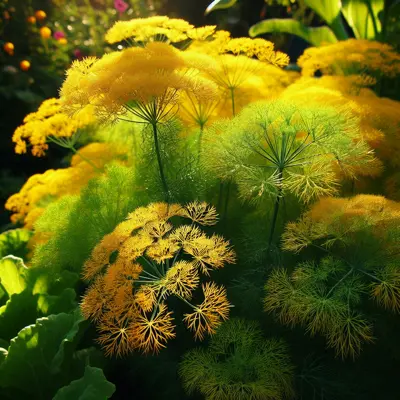
Gourmet Gold Dill
A stunning ornamental dill variety with bright golden-yellow foliage that adds both culinary value and visual drama to herb gardens. The vibrant color intensifies in cool weather while maintaining the classic dill flavor profile. Perfect for gardeners who want their herb garden to double as landscape decoration.
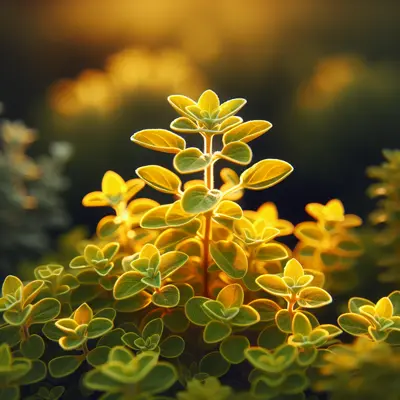
Gourmet Gold Oregano
A beautiful golden-leaved oregano variety that brings both ornamental beauty and culinary excellence to the herb garden. The bright chartreuse foliage provides stunning color contrast while delivering the classic oregano flavor that's essential for Mediterranean cooking, making it both a feast for the eyes and the palate.
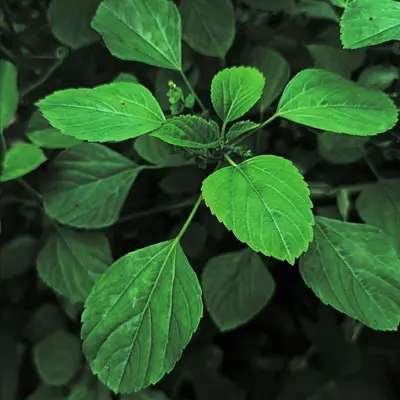
Green Shiso
Distinct cinnamon/clove flavor and aroma with the spiciness of cumin. Used in Asian cooking, sushi, and salad mix. Also known as perilla. Edible Flowers: The flowers are a flavorful addition to salads and Asian dishes. Pairs well with fish, rice, noodles, and cucumbers. The minty, basil-like flavor has hints of clove and cumin.
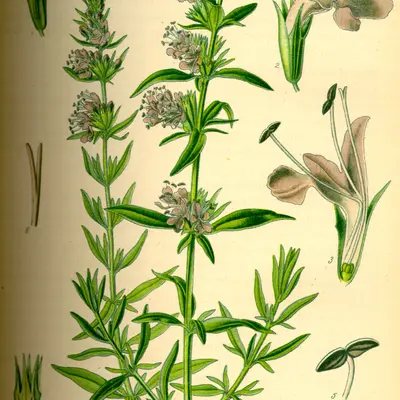
Hyssop
Mint family plant has bright blue-violet flowers. Popular ornamental for the perennial bed. Tea has a soothing quality.
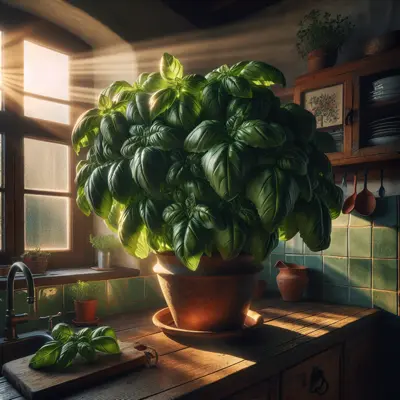
Italian Large Leaf Basil
Italian Large Leaf Basil is a classic heirloom herb prized for its broad, tender leaves and intensely aromatic, sweet basil flavor with subtle hints of anise and pepper. Reaching maturity in approximately 74 days, this variety produces robust plants suited for full sun to partial shade conditions. The large leaves make it exceptionally practical for culinary applications—ideal for fresh use in pesto, Italian dishes, and salads. Unlike compact basil varieties, its generous leaf size reduces preparation time while delivering the authentic, complex flavor profile that defines traditional Italian cooking.

Italian Large Leaf Oregano
Italian Large Leaf Oregano is a heirloom herb prized for its substantial, broad foliage and intense aromatic quality. Reaching harvest maturity in approximately 74 days, this variety thrives in full sun to partial shade with minimal soil requirements. Its defining characteristic is the larger leaf size compared to common oregano varieties, making harvesting easier. The flavor profile is intensely aromatic with warm, slightly bitter notes and distinctive pine undertones, making it ideal for Mediterranean cooking, especially Italian cuisine. Hardy and easy to grow, it's equally suited to herb gardens and containers.
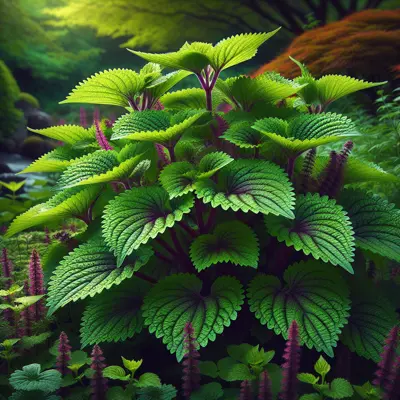
Japanese Shiso Green
An essential Asian herb with distinctive serrated leaves that provide a unique flavor combining mint, basil, and anise notes with a slight cinnamon finish. Widely used in Japanese, Korean, and Vietnamese cuisines, this fast-growing annual is prized for wrapping sushi, pickling, and adding aromatic complexity to Asian dishes. Both the leaves and flower spikes are edible and highly flavorful.

Japanese Shiso Purple
An exotic and stunning herb that's essential in Japanese cuisine, featuring deeply serrated purple leaves with a complex flavor profile. This beautiful annual combines the appearance of an ornamental plant with incredible culinary versatility. Shiso adds both visual drama and unique taste to gardens and dishes alike.
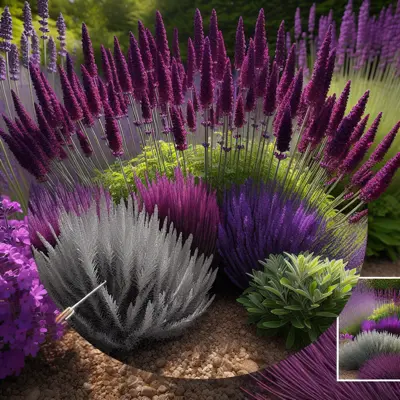
Lavandula angustifolia 'Hidcote'
A compact, award-winning English lavender variety prized for its deep purple flower spikes and intensely fragrant oil content. This hardy perennial forms neat, silvery-green mounds that bloom profusely from early summer through fall, making it perfect for borders, containers, and herb gardens. Hidcote's exceptional fragrance and rich color have made it a favorite among gardeners and commercial growers alike.
Lemon Balm
Lemon Balm is a vigorous perennial herb with soft, crinkled green leaves and small white or pale pink flowers. Reaching full maturity in 70 days, this heirloom variety thrives in full sun to partial shade and adapts well to most soil types. Distinguished by its intensely aromatic foliage releasing a powerful lemon scent when brushed, Lemon Balm delivers a refreshing citrus flavor with subtle minty undertones. Its strong essential oils naturally repel common pests like aphids and spider mites, making it exceptionally pest-resistant. Ideal for teas, cocktails, desserts, and fresh culinary applications.
Lovage
Young leaves taste like celery with a hint of anise, and are used in spring tonic salads and with potato, rice, soups, and poultry dishes. Roots and young stems are also edible. Young stems can be cut, peeled, and used in salads. Stems are smooth, hollow, and thick. Also available in organic seed. Attracts Beneficial Insects: If allowed to flower, provides pollen and nectar for beneficial insects such as bees, hoverflies, lacewing larvae, lady beetles, parasitic wasps, and tachinid flies.
Moroccan Mint
The traditional mint of North African tea culture, prized for its intensely sweet flavor and exceptional fragrance. This spearmint variety produces vibrant green leaves with a refreshing, clean taste that's less aggressive than peppermint. Perfect for the classic Moroccan mint tea and a beautiful, aromatic addition to any herb garden.
Mrs. Burns' Lemon
Very bright green, 2 1/2" long leaves with white blooms make this basil both attractive and intensely flavorful. Ht. 20-24".Edible Flowers: Use the flowers in any recipe that calls for basil, or to garnish drinks, salads, soups, pasta, and desserts. Flavor is of intense basil and citrus.

Munstead-Type
A strain of English lavender with a compact, bushy habit. Nice range of bloom colors, from pale blue to dark violet. Usually begins flowering in the second year. Hardy in Zones 5-8, but can survive Zone 4 winters when mulched or grown in a well-drained, south-facing location. Also available in organic seed. Edible Flowers: The flowers can be used to garnish desserts and as a distinct flavor element in baked goods. Flavor is sweet and floral and pairs well with citrus, berries, nuts, mint, and cinnamon.
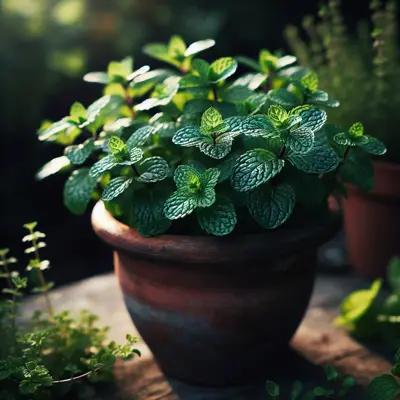
Peppermint
Peppermint is a vigorous herbaceous perennial reaching 24-36 inches tall with dark green, lance-shaped leaves and purple-tinged stems. Mature leaves are ready to harvest at 60-90 days, though plants produce continuously through the growing season. The defining characteristic is its intense, cooling menthol profile with pronounced sweet undertones, making it ideal for tea, culinary applications, and medicinal preparations. More potent than spearmint, peppermint thrives in moist, rich soil and tolerates partial shade, though it prefers 4-6 hours of sun daily. This heirloom variety is notably easy to grow and propagate.
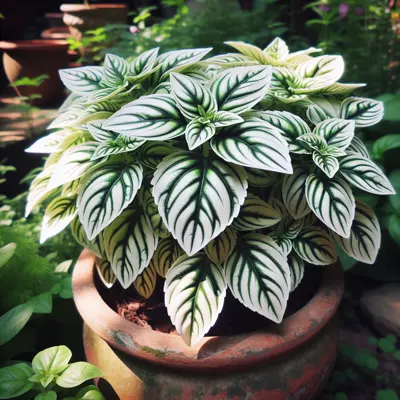
Pesto Perpetuo Basil
A spectacular variegated basil that never flowers, providing continuous harvest of cream and green striped leaves throughout the season. This sterile hybrid focuses all its energy on leaf production, making it the ultimate pesto-making machine. The striking variegation makes it as ornamental as it is functional.
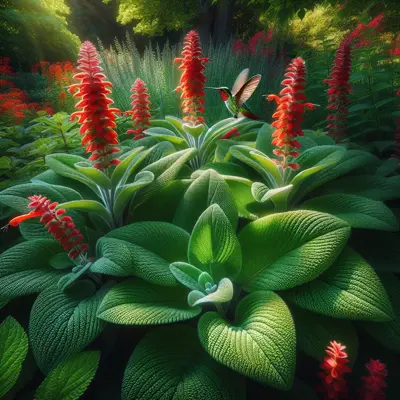
Pineapple Sage
A spectacular perennial herb with heart-shaped leaves that smell exactly like fresh pineapple when crushed, followed by brilliant red tubular flowers that hummingbirds absolutely adore. This fast-growing sage variety brings tropical fragrance to temperate gardens and offers a unique fruity flavor unlike any other herb. The stunning late-season blooms make it a standout in both herb and ornamental gardens.
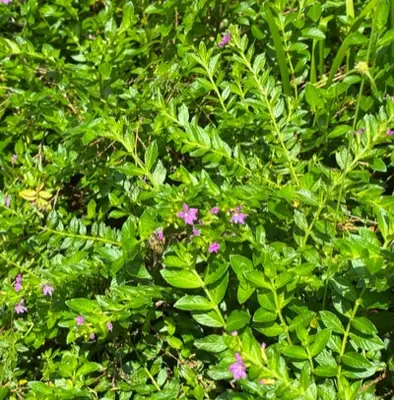
Purple Ruffles Basil
An award-winning ornamental basil that combines stunning deep purple, frilly leaves with the classic sweet basil flavor gardeners love. This All-America Selections winner creates dramatic visual impact in both herb gardens and flower beds while providing excellent culinary value. Purple Ruffles transforms ordinary dishes into restaurant-quality presentations with its striking color and exceptional taste.
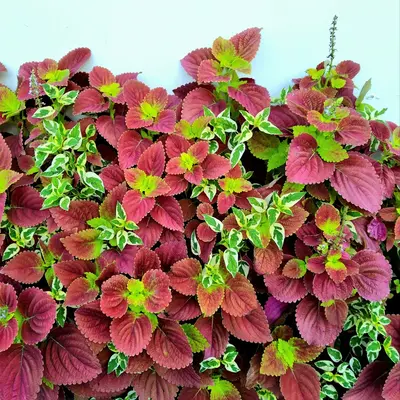
Red Shiso
Distinct cinnamon/clove flavor and aroma with the spiciness of cumin. Used in Asian cooking, sushi, and salad mix. Red shiso adds brilliant color to radish pickles and umeboshi plums. Also known as perilla. Edible Flowers: The flowers are a flavorful addition to salads and Asian dishes. Pairs well with fish, rice, noodles, and cucumbers. The minty, basil-like flavor has hints of clove and cumin.
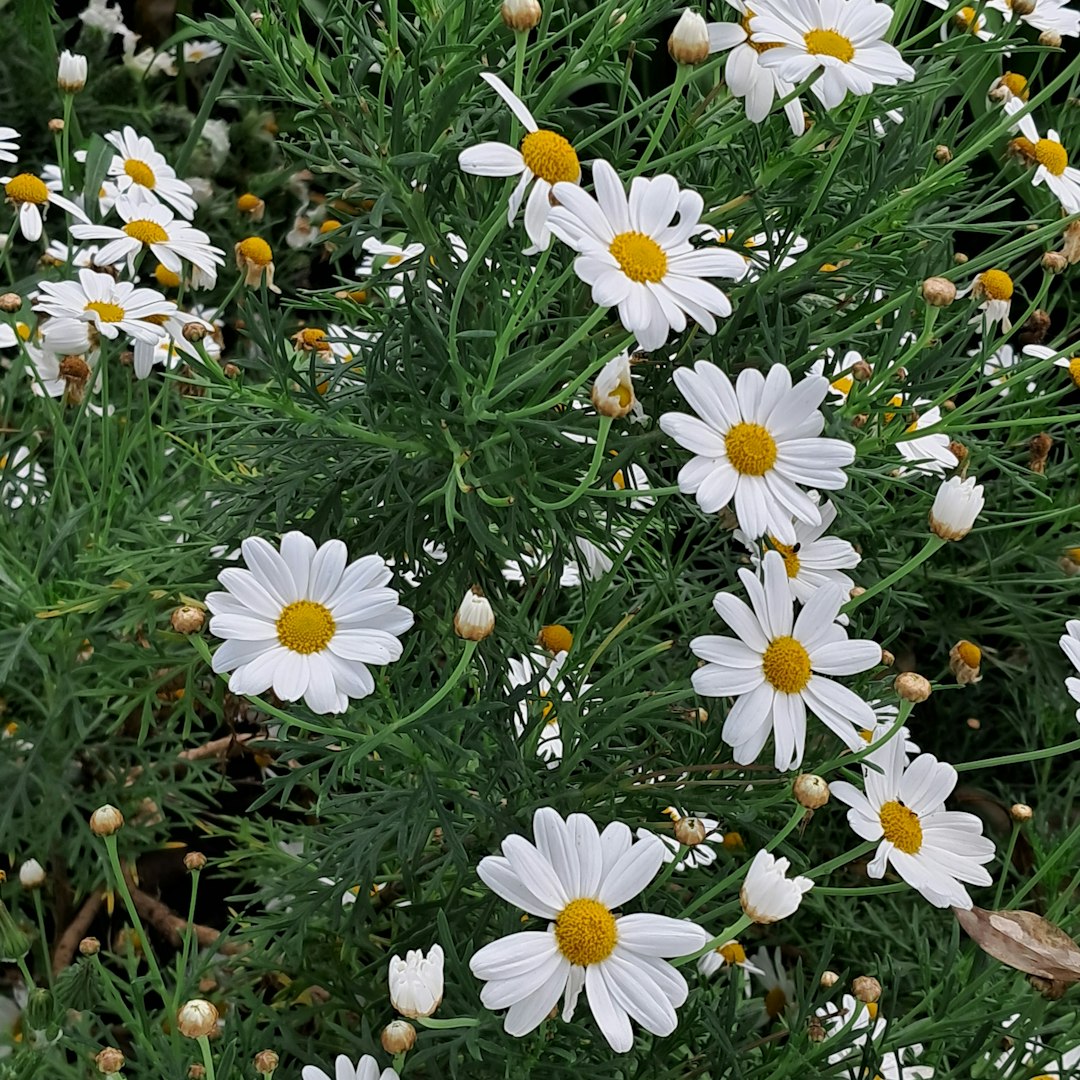
Roman Chamomile
Low-growing, spreading plant with creeping rhizomes. Has similar uses for teas and medicine as annual chamomile varieties, but produces fewer blossoms.
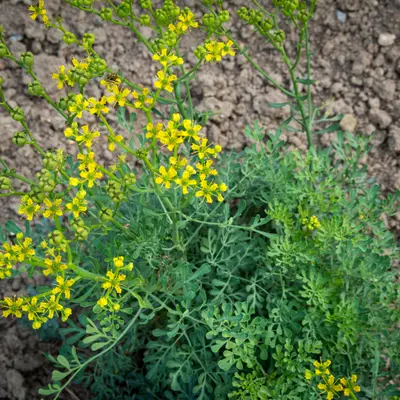
Rue
Bushy habit is ideal for short hedges or borders. Unique and attractive foliage makes a useful cut flower filler, lasting for up to three weeks in a vase. Pungent aroma. Limited culinary use due to strong bitter flavor. Medicinal: Warming herb primarily used as an antispasmodic. Perennial in Zones 4-9.
Russian Tarragon
A hardy perennial herb that thrives in cold climates where French Tarragon struggles, though with a milder anise flavor. Russian Tarragon is incredibly easy to grow from seed and forms robust clumps that return year after year, making it perfect for beginning herb gardeners seeking a reliable tarragon experience.
Spearmint
The classic mint variety beloved for its bright, refreshing flavor and vigorous spreading habit that makes it perfect for beginning gardeners. Unlike peppermint, spearmint has a sweeter, less intense flavor that's perfect for teas, cocktails, and Middle Eastern cuisine. This hardy perennial spreads rapidly through underground runners, making it ideal for contained growing or naturalizing in moist areas.
Spicy Bush
Spicy/sweet basil flavor packed into 1" long leaves. Decorative plants are great for growing in small spaces, pots, or garden beds. Plants are about twice the size of Pluto. Ht. 8-14".
Spicy Globe Basil
A charming miniature basil that forms perfect little mounds of tiny, intensely flavored leaves - ideal for container gardens and small spaces. Despite its diminutive size, this variety packs a powerful basil punch and naturally stays compact without constant pruning. The globe shape and small leaves make it as ornamental as it is useful, perfect for edging herb gardens or windowsill growing.
Stevia
Use fresh, dried, powdered, or as a liquid to sweeten a variety of foods and beverages. Bushy, high-yielding plants. Perennial in Zones 9-11.
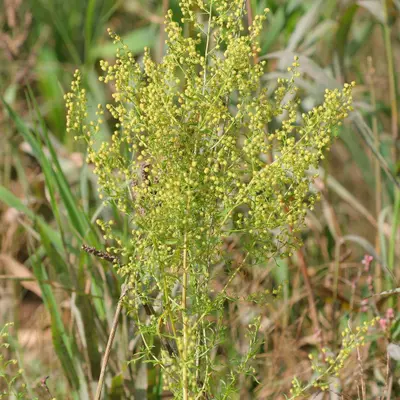
Sweet Annie
Tall plants with fern-like dark green foliage dotted with tiny cream-yellow colored flowers. Use foliage for wreaths and as filler for mixed bouquets. Also known as sweet sagewort, sweet wormwood, and Chinese wormwood.
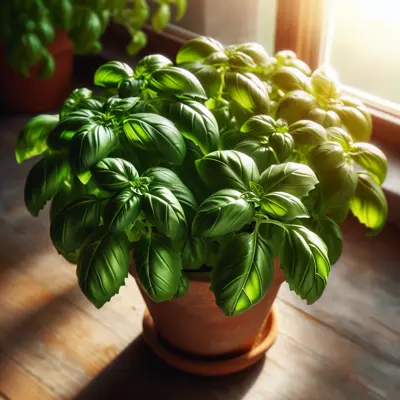
Sweet Basil
Sweet Basil is a tender annual herb prized for its vibrant green leaves and distinctive aromatic flavor. This heirloom variety reaches harvest maturity in approximately 74 days, producing compact, bushy plants ideal for containers or garden beds. Its sweet, clove-forward taste with subtle anise undertones makes it the quintessential choice for Italian cuisine, fresh pestos, and culinary applications. Unlike spicier basil varieties, Sweet Basil's delicate, complex flavor profile and ease of cultivation have made it a kitchen garden staple for centuries.
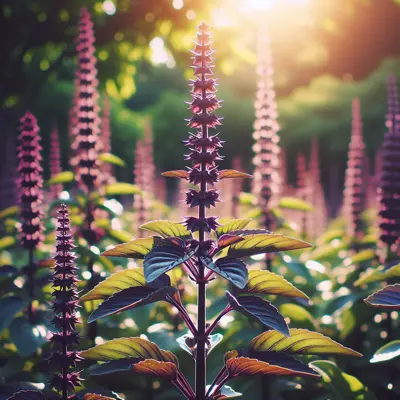
Thai Basil
Thai Basil is a distinctive Southeast Asian herb prized for its striking purple-tinged stems and narrow, dark green leaves. Reaching maturity in approximately 74 days, this heirloom variety delivers an intensely aromatic profile—a bold combination of anise-licorice sweetness with spicy, clove-like undertones that sets it apart from sweet basil. Essential in Thai and Vietnamese cuisines, it adds authentic depth to curries, stir-fries, and aromatic broths. The plant thrives in full sun to partial shade with rich, well-drained soil enriched with organic matter. Easy to moderate difficulty makes it accessible for most gardeners, though watch for common pests like aphids and Japanese beetles.
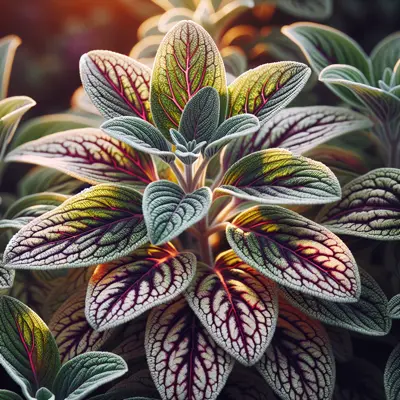
Variegated Sage
A stunning ornamental sage variety featuring leaves splashed with cream, green, and purple-pink variegation that creates a beautiful tapestry effect in the garden. This compact, slower-growing sage maintains all the culinary qualities of common sage while adding exceptional visual appeal to herb gardens and containers. The colorful foliage is especially vibrant in cooler weather.

Vertissimo
Excellent performance in our trials. Slow-bolting, vigorous plants. Mild, sweet, anise flavor. Popular for salads, microgreens, and garnishing. Edible Flowers: Chervil's flowers are edible, and used to garnish salads. Flavor is of mild licorice.
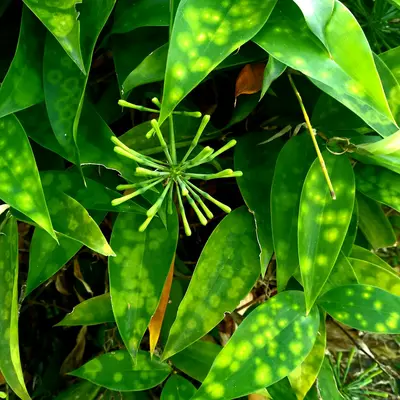
Alocasia Amazonica
A dramatic statement plant featuring glossy, arrow-shaped leaves with striking white veining that creates a bold contrast against the dark green foliage. This hybrid alocasia brings tropical elegance to any space with its architectural form and eye-catching presence that never fails to impress guests.
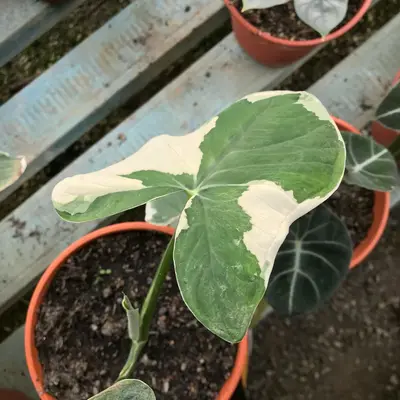
Alocasia Polly
This compact elephant ear variety delivers maximum drama with its striking arrow-shaped leaves featuring bold white veins against deep green, almost black foliage. Often called the African Mask Plant, its sculptural beauty and manageable size make it perfect for adding exotic tropical flair to modern interiors.
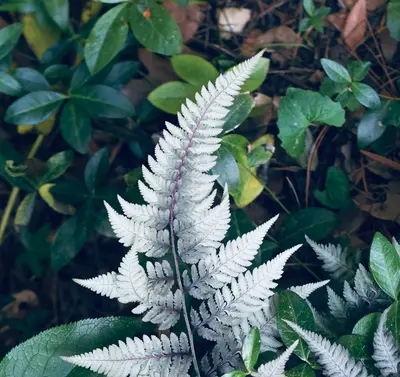
Alocasia Silver Dragon
A compact jewel alocasia with thick, silvery leaves that have an almost metallic sheen and deep green veining creating a dragon scale-like pattern. This Southeast Asian beauty stays relatively small compared to other alocasias, making it perfect for collectors who want maximum visual impact in a manageable size.
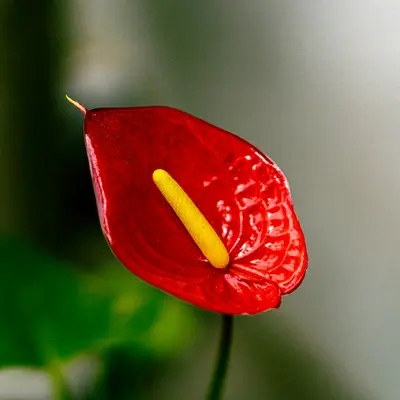
Anthurium Clarinervium
A striking velvet-leaved anthurium featuring heart-shaped leaves with dramatic white veining that creates an almost painted appearance. This Mexican native is prized by collectors for its unique foliage pattern and compact growth habit, making it a stunning centerpiece plant that never fails to draw attention.
Boston Fern
The quintessential Victorian houseplant that brings lush, tropical elegance to any indoor space with its cascading fronds of delicate, feathery foliage. This humidity-loving beauty creates a stunning living curtain when grown in hanging baskets and acts as a natural air purifier, removing formaldehyde and other toxins from your home. With proper care, Boston ferns develop into magnificent specimens with dozens of gracefully arching fronds that can reach several feet in length.
Calathea Rattlesnake
A show-stopping prayer plant with distinctive elongated leaves featuring bold dark green patterns that resemble rattlesnake skin and stunning purple undersides. This Brazilian native performs the fascinating daily ritual of folding its leaves upward at night, creating movement and intrigue in your plant collection. Its dramatic foliage patterns and color-changing leaves make it one of the most striking houseplants available.
Chinese Money Plant
This charming plant won hearts worldwide with its perfectly round, coin-shaped leaves that seem to dance on delicate stems, earning it the endearing nickname 'pancake plant.' Known for generously producing baby plants that can be shared with friends, it's become the ultimate friendship plant in modern homes. Its minimalist beauty and easy-care nature make it perfect for contemporary spaces and novice plant parents alike.
Dracaena Fragrans
The classic corn plant that has graced offices and homes for decades with its bold yellow-striped leaves and tree-like growth habit. This nearly indestructible beauty tolerates low light and neglect while providing tropical drama, making it perfect for beginning plant parents or anyone wanting reliable greenery.
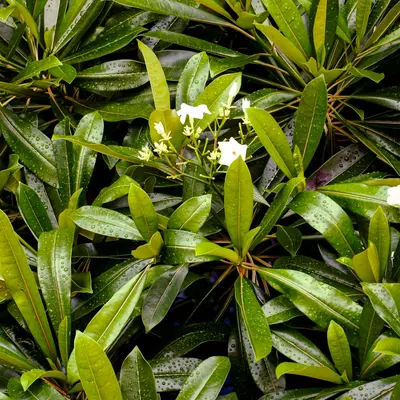
Dracaena Marginata
Also known as the Dragon Tree, this striking Madagascar native features thin, sword-like leaves with red edges that create an architectural statement in any room. Incredibly resilient and tolerant of neglect, it's perfect for beginners who want a tall, dramatic plant that requires minimal fuss. The slender trunk and spiky foliage give it an almost sculptural quality that complements modern decor beautifully.
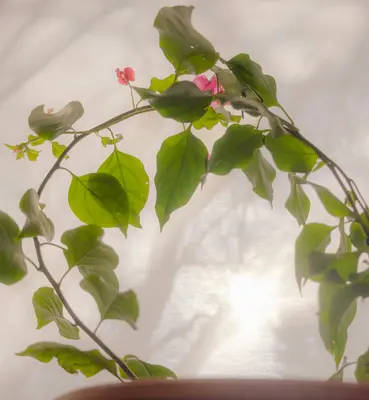
Ficus Benjamina
The classic Weeping Fig is a beloved indoor tree with glossy, oval leaves and gracefully drooping branches that create an elegant canopy effect. Native to Asia and Australia, it's prized for its ability to adapt to indoor conditions while maintaining a tree-like structure that can reach impressive heights. Though it may drop leaves when first brought home, once established it becomes a stunning, long-lived centerpiece that can be pruned and shaped to fit any space.

Ficus Lyrata Bambino
All the beauty of the famous fiddle leaf fig in a compact, tabletop size that's perfect for smaller spaces and easier care. This dwarf variety maintains the iconic large, violin-shaped leaves and elegant structure while staying under 2 feet tall, making it ideal for desks, shelves, or as part of a plant collection.
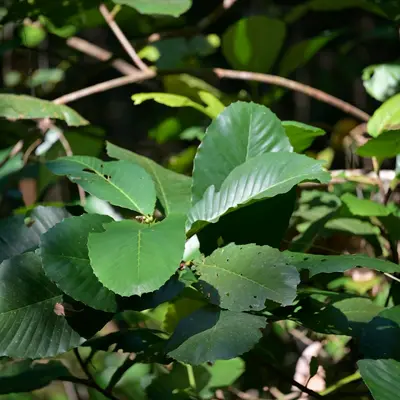
Fiddle Leaf Fig
The Instagram-famous houseplant known for its large, violin-shaped leaves that make a dramatic architectural statement in any room. This West African native has become the holy grail of houseplants, transforming living spaces with its sculptural beauty and glossy, deeply veined foliage.
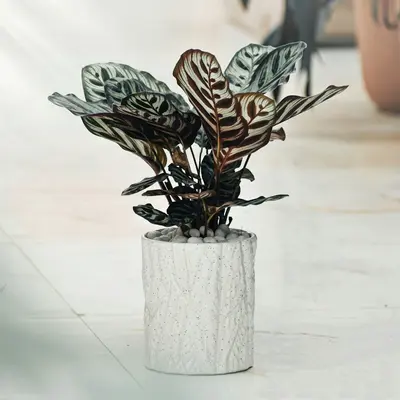
Fiddle Leaf Fig Bambino
The compact cousin of the beloved fiddle leaf fig, perfect for smaller spaces without sacrificing that iconic violin-shaped foliage. This dwarf variety maintains the same stunning architectural leaves but stays manageable at 2-3 feet tall. Ideal for plant lovers who want fiddle leaf fig style in apartments or offices.

Hoya Carnosa
The classic wax plant beloved for its thick, glossy leaves and spectacular clusters of fragrant, star-shaped flowers that look almost too perfect to be real. This low-maintenance trailing beauty can live for decades, producing increasingly impressive blooms as it matures and creating stunning cascades from hanging baskets. Its waxy flowers emit an intoxicating sweet fragrance, especially in the evening.
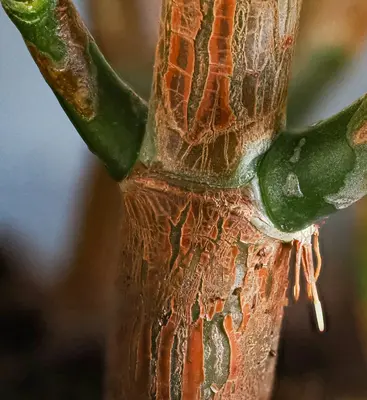
Hoya Pubicalyx
A vigorous climbing hoya known for its silvery speckled foliage and spectacular clusters of star-shaped, fragrant flowers that bloom in shades of pink to deep red. This easy-care succulent vine is perfect for beginners wanting to experience the magic of hoya blooms while enjoying its attractive trailing or climbing habit.
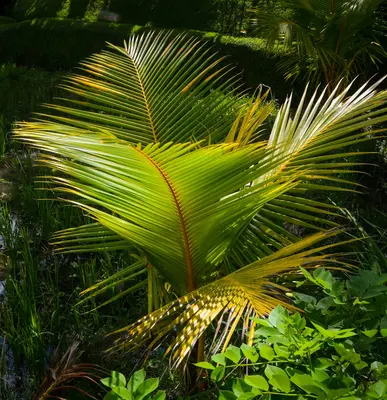
Majesty Palm
An elegant tropical palm that brings instant resort vibes to any living space with its graceful, arching fronds and impressive height potential. Native to Madagascar, this palm creates a stunning focal point and naturally humidifies the air while tolerating lower light conditions better than many palms. Its lush, feathery foliage transforms any room into a tropical paradise.
Monstera Adansonii
Known as the Swiss Cheese Vine, this stunning trailing plant features heart-shaped leaves with natural holes that develop as the plant matures. Unlike its larger cousin, this compact variety is perfect for hanging baskets or training up a moss pole, making it ideal for smaller spaces while still delivering that coveted tropical jungle aesthetic.
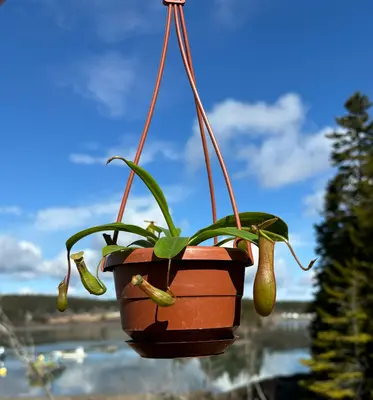
Monstera Albo Borsigiana
The crown jewel of variegated houseplants, featuring dramatic white and green sectoral variegation that creates breathtaking half-moon patterns on fenestrated leaves. Each leaf is completely unique, with some displaying nearly pure white sections alongside deep green areas. This rare beauty represents the pinnacle of plant collecting and commands premium prices for good reason.
Monstera Deliciosa
The iconic 'Swiss cheese plant' that has taken the houseplant world by storm with its dramatic split leaves and natural fenestrations. Native to Central America's rainforests, this climbing aroid develops increasingly impressive holes and splits as it matures, creating living artwork in your home. It's surprisingly easy to care for and grows quickly, making it perfect for plant enthusiasts who love to see rapid progress.
Monstera Deliciosa 'Thai Constellation'
This highly sought-after variegated monstera features stunning cream and white speckled variegation that resembles a starry night sky across its iconic split leaves. Created through tissue culture, it's more stable than other variegated monsteras and maintains its variegation reliably. Though pricey and slower-growing than the standard monstera, its otherworldly beauty makes it a prized centerpiece for serious plant collectors.
Monstera Deliciosa 'Variegata'
The unicorn of houseplants featuring stunning white and green variegated leaves with natural fenestrations that create living windows in each leaf. This rare cultivar commands premium prices among collectors but rewards patient growers with some of the most spectacular foliage in the plant kingdom.
Monstera Siltepecana
A stunning climbing monstera with silvery-blue juvenile leaves that develop fenestrations as they mature. This rare beauty is prized for its distinctive silver variegation and compact growth habit, making it perfect for smaller spaces while still delivering that coveted monstera aesthetic.
Monstera Thai Constellation
The holy grail of variegated monsteras, featuring stunning cream and yellow speckled variegation that resembles a constellation across each fenestrated leaf. This tissue-culture produced variety offers more stable variegation than other variegated monsteras, making it highly sought after by collectors. A true statement plant that commands attention in any plant collection.

Parlor Palm
An elegant and compact palm that brings tropical sophistication to any indoor space without the fuss of larger palm varieties. Native to the rainforests of Mexico and Guatemala, this charming palm has been a beloved houseplant since Victorian times due to its graceful fronds and tolerance for indoor conditions. It's perfect for adding a touch of the tropics to lower-light areas where other palms might struggle.
Peace Lily
An elegant houseplant that combines lush, tropical foliage with stunning white blooms that seem to glow against the dark green leaves. Known for its air-purifying qualities and ability to tell you when it needs water by dramatically drooping, making it perfect for busy plant parents. This graceful beauty thrives in low light conditions where other flowering plants struggle.
Philodendron Brasil
This vibrant trailing philodendron showcases heart-shaped leaves splashed with lime green and yellow variegation that brightens any space. A sport of the classic heartleaf philodendron, it's equally easy to grow but offers much more visual interest with its striking coloration. Perfect for hanging baskets or trailing from shelves, it grows quickly and tolerates lower light while maintaining its beautiful variegation.
Philodendron Heartleaf
The ultimate beginner-friendly houseplant with glossy, heart-shaped leaves that cascade beautifully from hanging baskets or climb up moss poles. This resilient tropical beauty thrives in almost any indoor condition and grows quickly, making it perfect for plant parents who want instant gratification. Its trailing vines can reach impressive lengths, creating stunning green curtains that purify your air while adding life to any room.
Philodendron Micans
A velvety-leafed trailing philodendron with stunning bronze and copper tones that shimmer in the light. This fast-growing beauty is incredibly forgiving and produces cascading vines perfect for hanging baskets or shelves, making it ideal for both beginners and collectors.
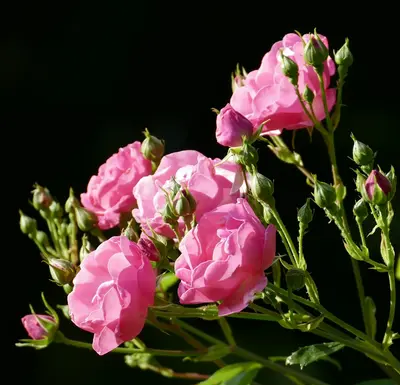
Philodendron Pink Princess
A stunning variegated philodendron that has captured the hearts of plant collectors worldwide with its dramatic pink and green foliage. Each leaf displays unique pink variegation patterns, making every plant a living work of art. This Instagram-famous beauty combines easy philodendron care with show-stopping aesthetics.
Pilea Microphylla
Known as the Artillery Plant for its ability to shoot pollen when disturbed, this charming small-leafed beauty creates dense, moss-like mounds of tiny bright green foliage. Perfect for terrariums or as a delicate groundcover in larger plant arrangements, it brings fine texture and movement to any collection.
Pilea Peperomioides
Affectionately called the Chinese Money Plant or Pancake Plant, this charming specimen produces perfectly round, coin-shaped leaves on delicate stems. It's beloved not just for its unique appearance and easy care, but for its generous nature of producing baby plants that can be shared with friends, earning it the nickname 'Pass-Along Plant.'
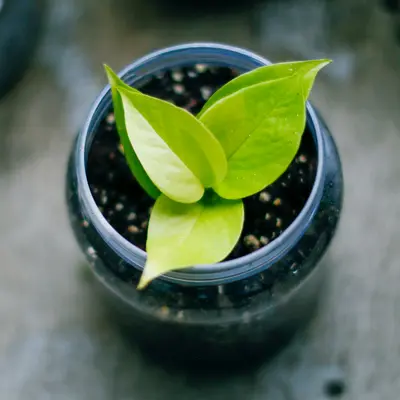
Pothos
The quintessential trailing houseplant beloved for its heart-shaped leaves and incredible adaptability to almost any indoor condition. Often called 'Devil's Ivy' for its nearly indestructible nature, this fast-growing vine looks stunning cascading from shelves or climbing up supports. Its variegated golden and green foliage brightens any corner while being nearly impossible to kill.
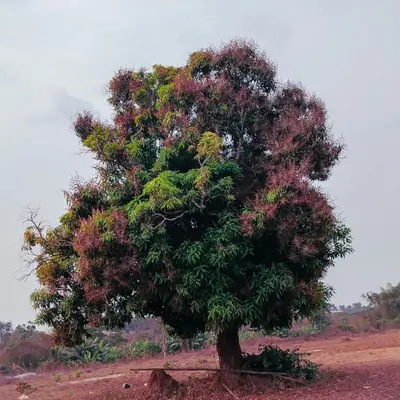
Rubber Tree
A classic houseplant featuring glossy, deep green oval leaves that create an elegant tree-like silhouette indoors. This robust and forgiving plant grows steadily into an impressive floor specimen, making it perfect for filling empty corners with lush tropical vibes. Popular since Victorian times, its thick, leathery leaves are surprisingly low-maintenance and dust-resistant.
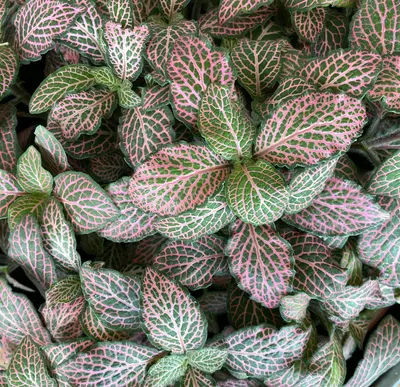
Scindapsus Pictus
Often called 'Satin Pothos,' this trailing vine showcases heart-shaped leaves splashed with silvery variegation that gives them a satin-like sheen. This low-maintenance climber is perfect for beginners seeking an elegant alternative to regular pothos, with its sophisticated coloring and easy-care nature making it a must-have for any plant collection.
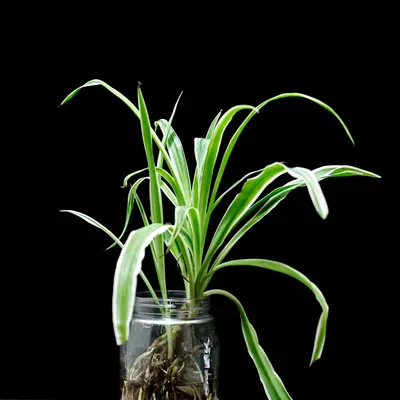
Spider Plant
A cheerful, fast-growing houseplant famous for producing adorable baby plantlets that dangle like spiders from long, arching stems. This virtually indestructible green companion features striking variegated leaves with cream or white stripes and adapts to almost any indoor condition with grace. It's the perfect plant for propagation enthusiasts who love sharing plant babies with friends and family.
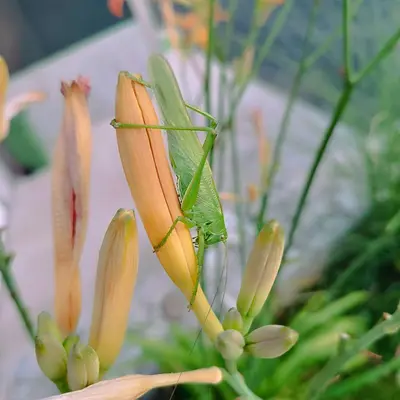
Swiss Cheese Plant
This trendy vining plant captivates with its heart-shaped leaves punctured by natural holes that give it the playful 'Swiss cheese' nickname. More compact than its famous cousin Monstera deliciosa, this Instagram-worthy beauty is perfect for hanging baskets or trained up a moss pole for dramatic effect. The distinctive fenestrations develop as the plant matures, creating living art that's impossible to ignore.
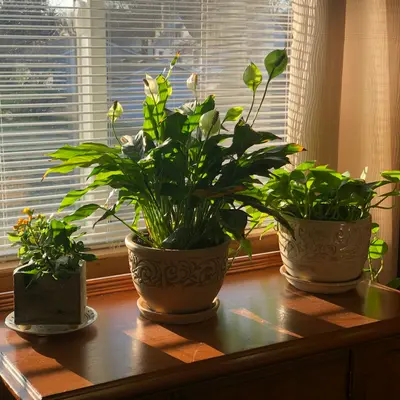
ZZ Plant
The nearly indestructible houseplant that laughs in the face of neglect while maintaining its glossy, architectural beauty. With thick, waxy leaves that store water and elegant upright growth, this African native thrives in low light and forgives forgotten waterings better than any other houseplant. Perfect for dark corners, offices, or anyone who travels frequently but wants lush greenery at home.
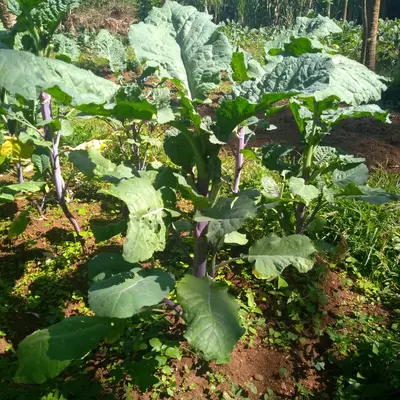
Amara
The attractive dark green leaves are gently savoyed with a scalloped margin; tender and succulent; and have a rich, savory flavor. Good in salads or as a cooked green. While technically a mustard, Amara is known as Ethiopian kale, Highland kale, Abyssinian mustard, and Texsel greens. Plant Variety Protected.
Arugula
Arugula is a fast-growing leafy green with slender, deeply lobed leaves that mature in just 10-15 days. This heirloom variety thrives in cool seasons and prefers full sun to partial shade. The distinctive peppery, nutty flavor with a slight bitterness and pungent kick makes it ideal for fresh salads, garnishes, and cooked dishes. Arugula's rapid maturity and ease of cultivation—combined with its bold, complex taste—distinguish it from milder lettuce varieties. It tolerates cool weather well and can be succession-planted for continuous harvests throughout the growing season.
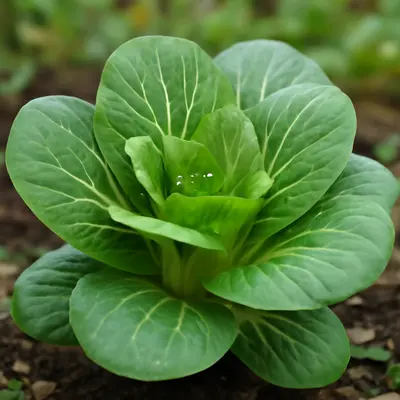
Asian Delight
Nice and dense, fully formed mini heads. Longer harvest window than most white-stem types. Suitable for spring, summer, and fall production. Winter cropping possible in mild areas. AAS Winner.
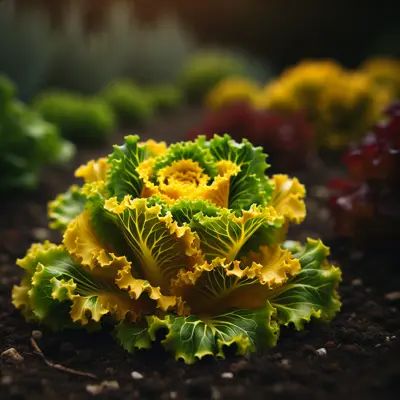
Australian Yellow Leaf
A rare and striking heirloom from Australia featuring unique golden-yellow leaves that create a stunning contrast in the garden and on the plate. This heat-tolerant loose-leaf variety produces tender, mild-flavored leaves that maintain their distinctive color throughout the growing season. The unusual coloration comes from natural breeding, not genetic modification, making this a conversation-starting addition to any heirloom garden.
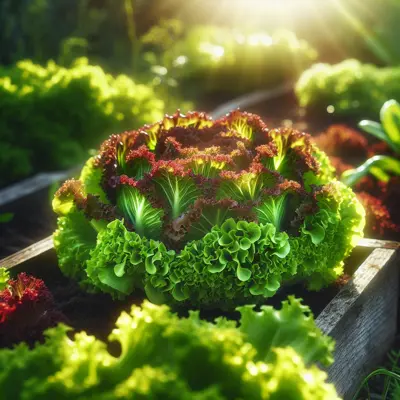
Batavia
Batavia is a crinkled-leaf heirloom lettuce with a distinctive ruffled appearance and tender, frilly foliage that ranges from light to medium green. Maturing in approximately 47 days, this variety bridges butterhead and leaf lettuce characteristics, forming a loose head while maintaining the delicate texture of loose-leaf types. Its crisp, sweet flavor with nutty undertones and subtle mineral complexity makes it ideal for fresh salads and gourmet presentations. The crinkled leaves add visual appeal and pleasant texture contrast. Batavia thrives in cool-season gardens with full sun to partial shade and prefers rich, well-drained loam, making it accessible for both novice and experienced growers.
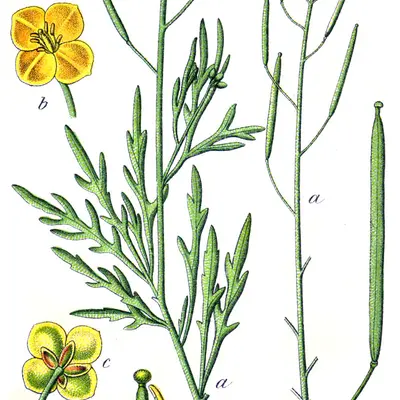
Bellezia
Leaves of Bellezia are darker green and more deeply lobed than Sylvetta, with a similar pungent flavor. In addition, the plant is more upright allowing for easier harvest. Organic seed is also available. Utility Patent granted.Edible Flowers: Harvest the yellow flowers as they appear. Sprinkle them over salads or add to vegetable stir-fries. Flavor is spicy and nutty. Popular choice for brightening up salad mixes.
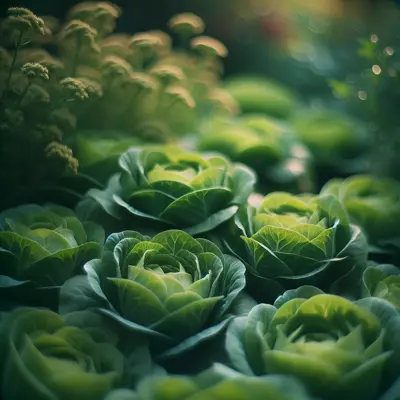
Bibb
A classic American butterhead lettuce developed in Kentucky, prized for its exceptionally tender leaves and sweet, delicate flavor. The small, compact heads form perfect individual serving sizes with butter-soft texture that melts in your mouth. This gourmet variety is favored by chefs and home gardeners who appreciate premium salad quality.
Black Seeded Simpson
An early producer of light green, curled, tender leaves. MT0-30.
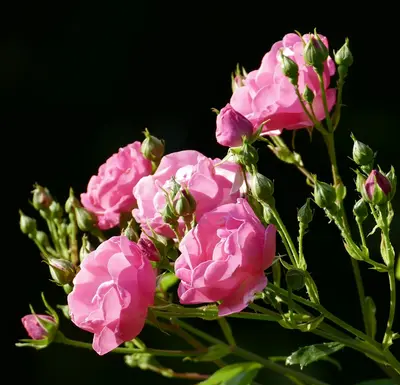
Black Summer
Broad, flat, light green petioles are topped with dark green oval-shaped leaves. Best for full size, but also suitable for mini heads. Slightly smaller in size (10-12") and a complement to the white-stemmed Joi Choi. Very slow-bolting.
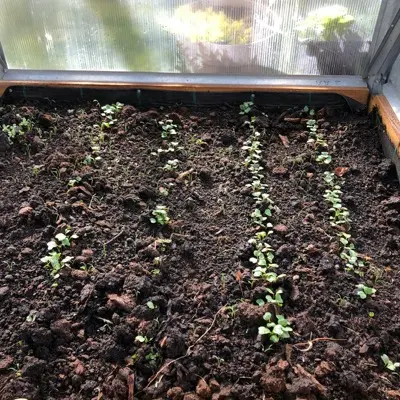
Buttercrunch
Johnny's produces Buttercrunch lettuce using the original stock seed from Cornell University. Forms a small, open but tightly bunched, 6" rosette that is fan-shaped rather than round. Dark green leaves and small compact hearts that blanch to an appetizing yellow color. Crisp and sweet. MT0-30.
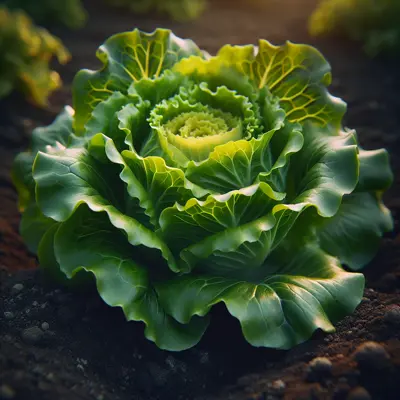
Buttercrunch Bibb
A premium butterhead lettuce that's been delighting gardeners for decades with its exceptional tenderness and sweet, buttery flavor. This variety forms perfect, compact heads with thick, succulent leaves that practically melt in your mouth. Heat-tolerant and bolt-resistant, Buttercrunch is ideal for gardeners who want restaurant-quality lettuce from their own backyard.
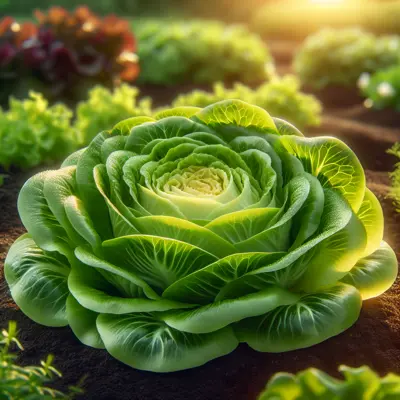
Butterhead Boston
A classic butterhead lettuce prized for its tender, buttery leaves and compact rosette formation. This reliable variety produces beautiful heads with soft, pale green outer leaves and a creamy yellow heart that's perfect for elegant salads. Boston lettuce is incredibly versatile and forgiving, making it an excellent choice for gardeners of all skill levels.
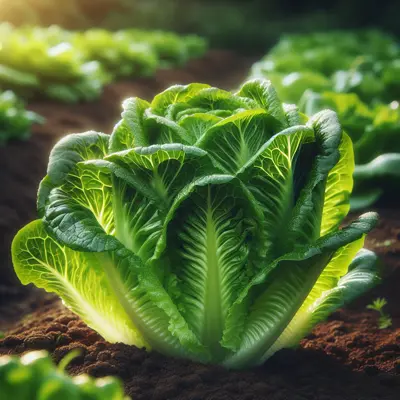
Canasta
A premium romaine lettuce bred for exceptional sweetness and crisp texture, with thick, sturdy leaves perfect for Caesar salads. This variety forms tall, upright heads with excellent heart formation and superior bolt resistance. Professional chefs and home gardeners alike prize Canasta for its consistent quality and outstanding flavor that rivals the best restaurant lettuce.
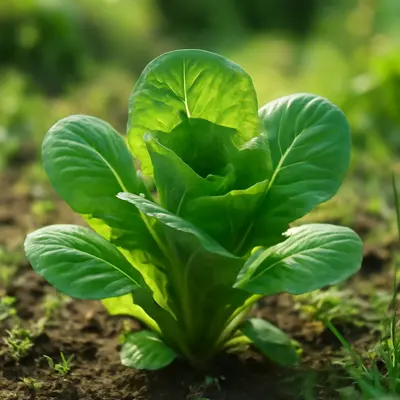
Carlton
Compact plant with good heat and cold tolerance. Better uniformity and yield than open-pollinated varieties. Traditionally used in Japan either steamed and seasoned with soy sauce, or in stir fries and soups. It is also excellent braised or, at the baby leaf stage, used in salads.
Cheap Frills Mix
A colorful kaleidoscope of highly textured leaves that provides visual interest and excellent loft. An exceptional combination of textures, flavors, and colors. Includes red and green mustard, mizuna, and tatsoi. Varieties are subject to change depending upon availability.
Cimmaron Romaine
A striking red romaine lettuce that brings vibrant color and exceptional crunch to any garden or salad bowl. This heat-tolerant variety produces tall, upright heads with deep burgundy-red outer leaves and crisp, sweet hearts that maintain their color even in warm weather. Cimmaron offers both visual appeal and outstanding flavor, making it a favorite among gardeners who want something special.
Claytonia
Quantities of heart-shaped leaf pairs, each "wrapped" around a white-flowered stem. Can tolerate moderate frost and can be grown all winter in mild regions or in cold greenhouses. The taste of the young leaves is wild and fresh. Suitable for multiple cuttings. Also known as miner's lettuce.
Clodia
Plants are upright and leaves stay narrow for a long harvest window. Strap leaves with ruffled margins add loft and mildly bitter flavor to salad mixes. For baby leaf only.
Coastal Star
The large, heavy heads are dark green. Heat tolerant. Suitable for marketing as full heads or romaine hearts. Good, sweet flavor. MT0-30. Also available with NOP-compliant pelleting.
Concept
A premium loose-leaf lettuce that produces an abundance of deeply lobed, oak-shaped leaves with exceptional heat tolerance and slow bolting characteristics. This variety offers continuous harvest potential throughout the growing season, with leaves that maintain their tender texture and mild flavor even in challenging weather. Concept is perfect for gardeners who want a reliable, productive lettuce that keeps giving all season long.
Crisp Mint Romaine
A premium romaine variety bred for exceptional crispness and sweet flavor, living up to its name with refreshingly tender leaves that stay crisp even in summer heat. This modern hybrid combines the best traits of traditional romaine with improved bolt resistance and uniform head formation. The compact size makes it perfect for small gardens while delivering restaurant-quality lettuce for gourmet salads.
Curlesi
Strong tipburn and bolt tolerance with a self-blanching, upright growth habit. Most adaptable to spring/summer planting but suitable year-round. High-yielding and easy to harvest. Also available in organic seed or with NOP-compliant pelleting.
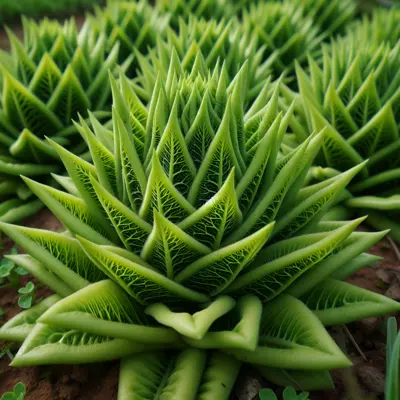
Deer Tongue
An heirloom with unique, narrow, tongue-shaped leaves. Pointed, buttery leaves have a crunchy rib and excellent flavor. Slow to bolt. MT0-30.

Elegance Greens Mix
Colors range from dark- and bronze-red to shades of green. The combination of flavors and textures makes this a beautiful salad. This mix includes pac choi, red mustard, and mizuna. Varieties are subject to change depending upon availability.
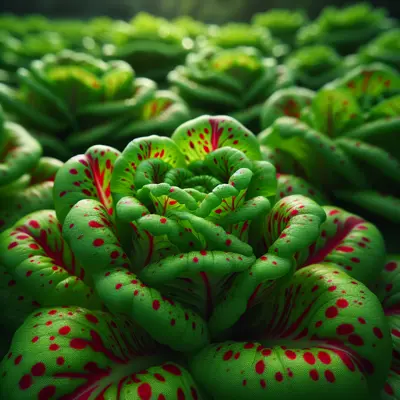
Freckles
An eye-catching Austrian heirloom romaine lettuce adorned with distinctive red speckles scattered across bright green leaves like freckles on skin. This unique variety combines stunning visual appeal with excellent bolt resistance and sweet, tender flavor. A conversation starter that performs beautifully in both spring and fall gardens.
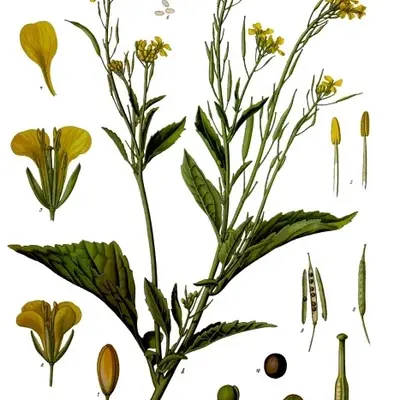
Garnet Giant
Broad purple leaves with gently scalloped margins. Color appears early on young leaves, especially in spring and fall. Mild flavor. Somewhat quick to bolt. Plant densely so leaves remain a proper size for baby leaf and petioles elongate for easy harvest. Also available in organic seed.
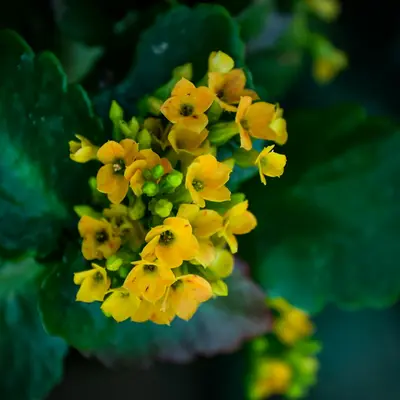
Golden Frills
The finely lobed, ruffled leaves offer a unique look for adding loft and flavor to salads. Delicious, pungently sweet and spicy flavor. Also available in organic seed.
Grand Rapids
A time-tested heirloom loose-leaf lettuce that has been feeding families since 1888 and remains one of the most reliable varieties for beginning gardeners. Its deeply curled, bright green leaves are incredibly easy to grow and harvest, producing continuously when cut properly. This variety thrives in almost any condition and rarely bolts, making it perfect for hot climates and extended harvests.
Great Lakes
A classic crisphead lettuce that delivers the satisfying crunch of iceberg but with better heat tolerance and garden performance. This reliable variety forms dense, well-blanched heads with crisp, sweet leaves that stay fresh longer than most lettuce types. Perfect for gardeners who want that classic lettuce experience without the challenges of growing true iceberg varieties.

Green 70 D Improved
Very similar to Gunsho, just a few days later to mature. Choi sums are among the most popular vegetables in Hong Kong, Taiwan, and China. The stems are a vibrant bright green, very sweet and tender, and are usually harvested just before, or as the first few buds are opening. The stems regrow for cut-and-come-again harvest. Excellent in stir-fries, steamed, or in soups.
Green Giant
Broad, slightly cupped, rounded leaf. Faster growing and less-cupped leaf than Koji. Wider leaf, shorter petiole, and faster than Carlton. Komatsuna is similar to tatsoi, but has a denser, less juicy texture.
Green Leaf
A reliable, fast-growing loose-leaf lettuce that's perfect for beginners and continuous harvesting. The tender, ruffled green leaves provide mild, sweet flavor and can be harvested leaf by leaf for weeks of fresh salads. This heat-tolerant variety is ideal for succession planting throughout the growing season.
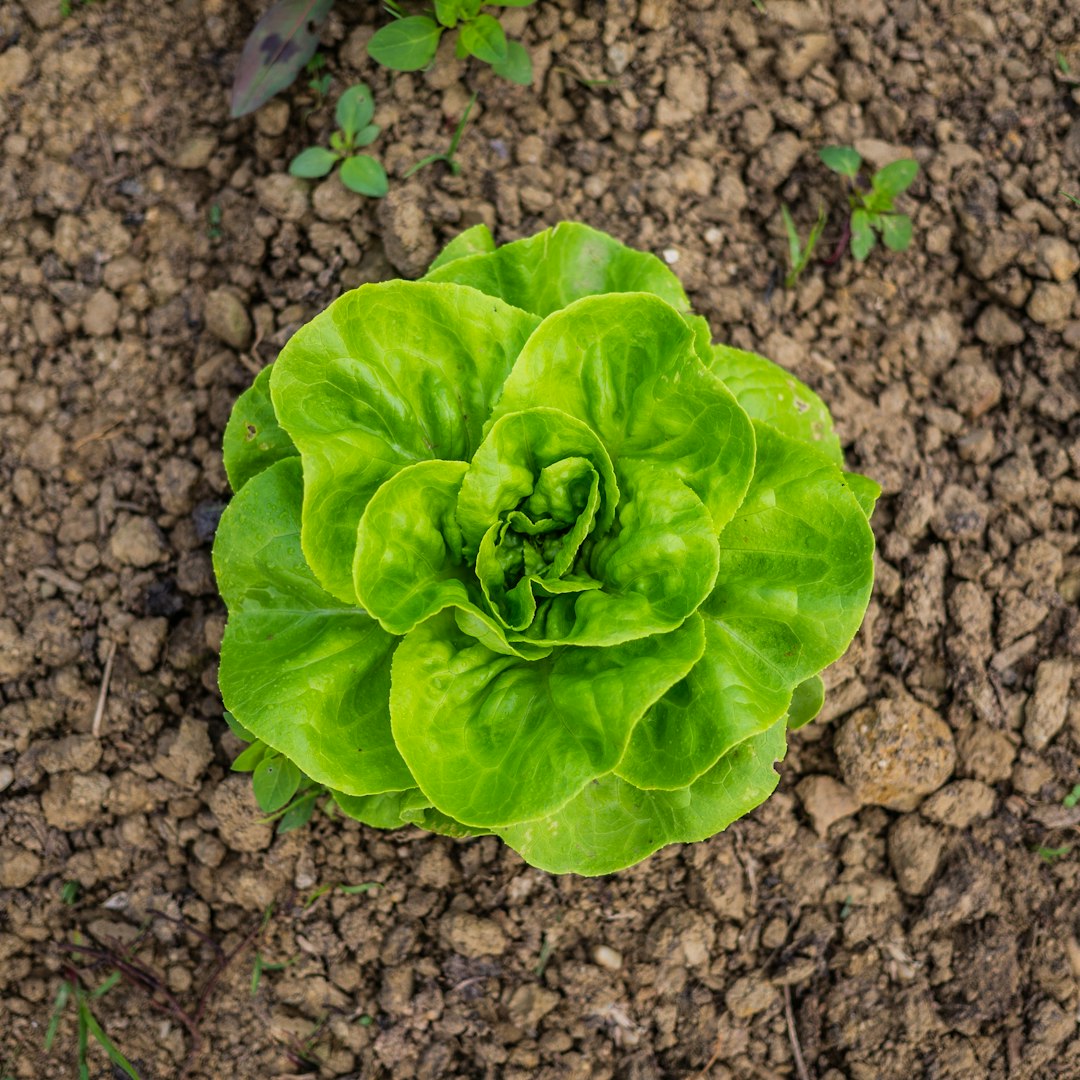
Hon Tsai Tai
Hon Tsai Tai is an heirloom Asian mustard green with tender, dark green leaves and delicate stems that form loose bunches. Ready to harvest in approximately 37 days, this versatile variety thrives in full sun to part shade conditions. Hon Tsai Tai stands out for its mild, pleasant mustard flavor balanced with a surprisingly tender texture, making it equally suitable for raw salads or cooked applications like stir-fries and braising. The thin stems and leaves remain tender even at maturity, distinguishing it from tougher mustard varieties and appealing to growers seeking a more approachable Asian green.
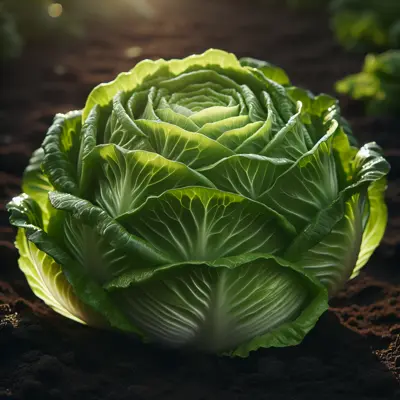
Iceberg
The quintessential American head lettuce that forms tight, dense heads of crisp, pale green leaves with unmatched crunch and refreshing flavor. While challenging to grow perfectly, successful heads reward gardeners with the ultimate salad lettuce that stays fresh for weeks and provides that signature satisfying crunch. This variety requires patience and proper timing but delivers restaurant-quality results when grown correctly.
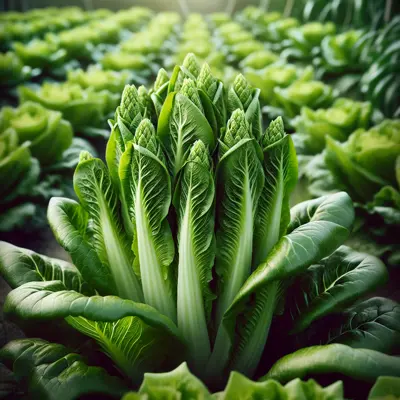
Jericho
Attractive, fast-growing, bright green lettuce for baby leaf. Seed densely for narrower petioles and leaves. Sometimes grown as a full-size head. Tolerant to both heat and tipburn. MT0-30.
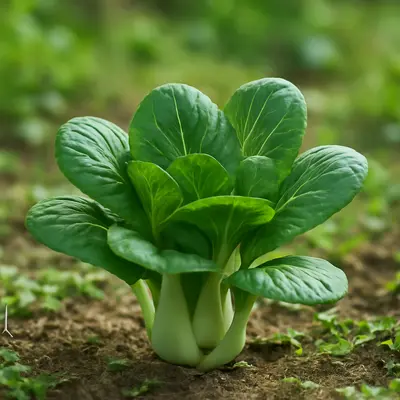
Joi Choi
Joi Choi forms a 12-15" tall, broad, heavy plant with dark green leaves and thick, flattened white petioles. Tolerant to heat and cold. Space 10-12" apart.

Kalebration Kale Mix
A brilliant blend of rich greens and reds that shows deep color contrast in all growing slots. Striking the right balance of colors and textures, this mix can be marketed on its own or added to baby leaf lettuce. Strong regrowth allows for cut-and-come-again harvesting. Selected for baby-leaf production. Varieties are subject to change depending upon availability.
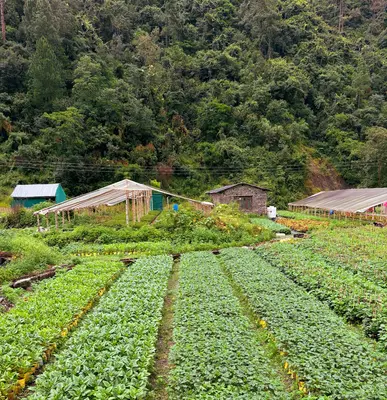
Koji
Cupped, heavy leaves are beautifully savoyed and borne on long, elegant stems. Heat and cold tolerant for all-season production. Mild flavor and crunchy texture. Striking paired with Red Cloud at full size. Space 12" apart for full-size heads.
Li Ren Choi
Unlike most green-stemmed pac chois, heads are proportional and filled out at the true baby size. This smaller size results in quicker kitchen prep - simply cut in halves or quarters and cook. For mini-head production only, as heads will not become large.
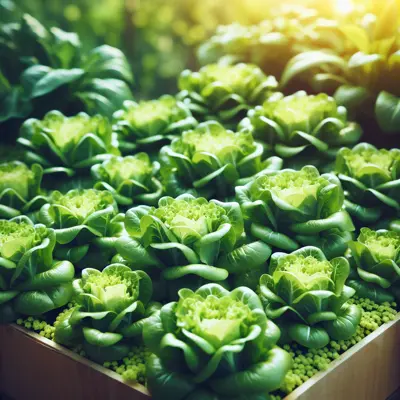
Little Gem
A uniform strain of an old French variety renowned for its buttery texture and sweet flavor. Exceptionally quick to close and blanch internal leaves. Heavily savoyed leaf. Pairs well with Rosaine and Cegolaine. Does not hold in the field as long as Newham. MT0-30. Also available with NOP-compliant pelleting.

Little Shanghai
A baby pac choi that is truly proportional at mini size. Uniform, stout plants with green leaves and petioles. Shorter plant with a wider frame than Li Ren Choi. Good for direct seeding or transplanting. Slow bolting.
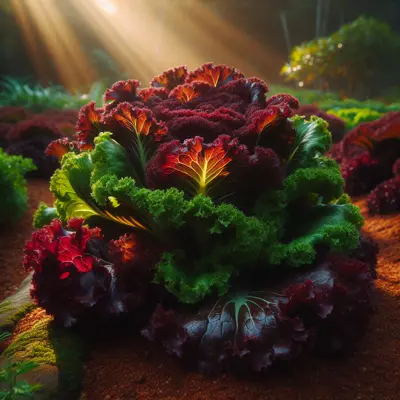
Lolla Rossa
A stunning Italian heirloom loose-leaf lettuce that transforms any garden into a work of art with its deeply frilled, burgundy-red edges fading to bright green centers. This heat-tolerant beauty maintains excellent flavor even in warm weather, making it perfect for extended harvests. The dramatic color and texture make it as valuable for ornamental plantings as it is for the salad bowl.
Lollo Rosso
An Italian heirloom that brings European flair to the home garden with its spectacular burgundy-red frilly leaves and compact growth habit. This loose-leaf variety is prized by chefs worldwide for its beautiful appearance and slightly bitter, sophisticated flavor that adds complexity to salad mixes. The deeply curled leaves create an almost flower-like appearance, making it as ornamental as it is edible.
Loose Leaf Green Grand Rapids
A classic loose-leaf variety that's been a garden favorite since the 1800s, prized for its reliability and heat tolerance. This fast-growing lettuce produces abundant, frilly green leaves with excellent flavor and crisp texture. Perfect for continuous harvest and ideal for beginners who want guaranteed success.

Mâche (Corn Salad)
This versatile, vigorous, mildew-resistant variety is excellent at a time of year when greens become scarce. Long, oval, glossy green leaves form tight rosettes. Mild, slightly nutty flavor also reminiscent of roses. Also known as mâche, lamb's lettuce, and corn salad. Unsized seed.
Mascara
A stunning red oakleaf lettuce with deeply lobed leaves that transition from green to burgundy red at the tips. This European variety brings both beauty and flavor to the garden, with tender leaves that have a subtle nutty taste. The dramatic coloring intensifies in cool weather, making it perfect for fall gardens and adding visual interest to any salad.
Mei Qing Choi
Flat, pale, misty-green stems form a thick, heavy base with broad, oval, rich green leaves. The compact vase-shaped plant at full size is about 8-10" tall, but also well-formed at mini size when young. Good bolt, heat, and cold tolerance.
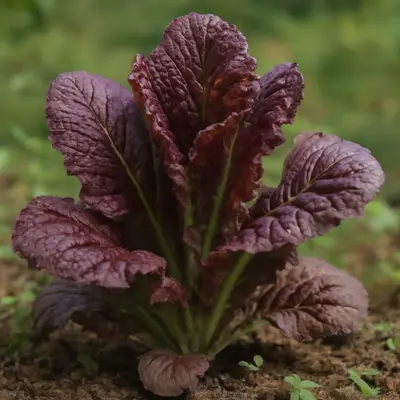
Miz America
Delicate, toothed leaves are dark red on both sides for a striking addition to salad mixes. Uniform leaf size and shape, with a mild flavor.
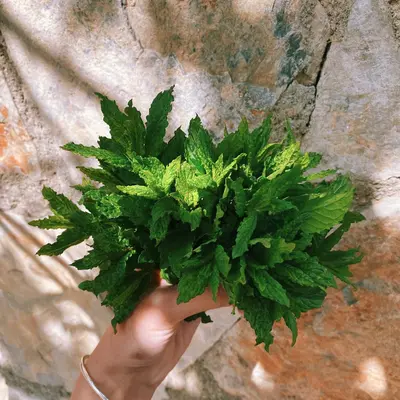
Mizuna
Mizuna is a delicate Japanese mustard green with feathery, finely dissected fronds that create an elegant, frilly appearance. It matures quickly in just 18 days, making it ideal for fast-growing spring and fall crops. Unlike heavier lettuce varieties, mizuna's defining characteristic is its mild, slightly peppery bite paired with a tender, refined texture. The wispy leaves add visual interest and sophisticated flavor complexity to salads, stir-fries, and Asian dishes. Its heirloom status reflects generations of cultivation for its unique aesthetic and palate appeal.
Muir
The slowest to bolt in our summer trials. Technically a Batavian type, the light green extra-wavy leaves form dense heads at a small size and can be harvested as a mini or left to bulk up into large, heavy, full-size heads. The leaves are crisp and have excellent flavor. Suitable for hydroponic systems. Utility Patent granted. MT0-30. Also available with NOP-compliant pelleting.
Nevada
A heat-warrior among lettuces, Nevada batavian was specifically bred to thrive in hot, challenging conditions where other varieties fail. This sturdy variety produces large, thick, savoy-textured leaves that stay sweet and crisp even in summer heat. The ultimate lettuce for gardeners in hot climates who thought they couldn't grow lettuce in summer.
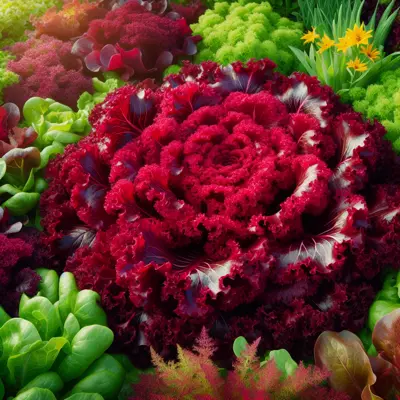
New Red Fire
New Red Fire is relatively slow, but produces uniform, heavy heads of brightly colored, frilly leaves. MT0-30. Also available with NOP-compliant pelleting.
Oak Leaf
An elegant loose-leaf lettuce with distinctive deeply-lobed leaves that resemble oak tree foliage, adding visual interest to both garden and salad bowl. This heat-tolerant variety offers exceptional flavor with tender, buttery leaves that never become bitter, making it perfect for continuous harvest throughout the growing season. The unique leaf shape and reliable performance make it a favorite among both novice and experienced gardeners.
Paris Island Cos
The gold standard for romaine lettuce, this heat-tolerant variety produces tall, upright heads with crisp, dark green outer leaves and sweet, crunchy hearts. Developed for reliability in challenging conditions, Paris Island Cos consistently delivers the classic romaine experience that Caesar salad lovers crave. Its exceptional bolt resistance makes it perfect for extending the growing season into warmer months.
Parris Island Cos
The gold standard romaine lettuce that has been the backbone of American Caesar salads since 1952, developed specifically for hot, humid Southern growing conditions. This heat-tolerant variety produces tall, upright heads with thick, crunchy ribs and dark green outer leaves that blanch to creamy yellow hearts. Known for exceptional bolt resistance and reliable performance, it's the romaine that succeeds where others fail in challenging climates.
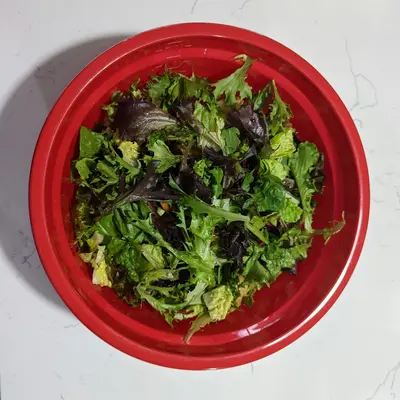
Premium Greens Mix
An amazing palette of greens and reds in an array of leaf shapes and textures. The flavors are equally diverse - spicy to mild to slightly sweet. Includes red mustard, red mizuna, green mustard, Chinese cabbage, and tatsoi. Varieties are subject to change depending upon availability.
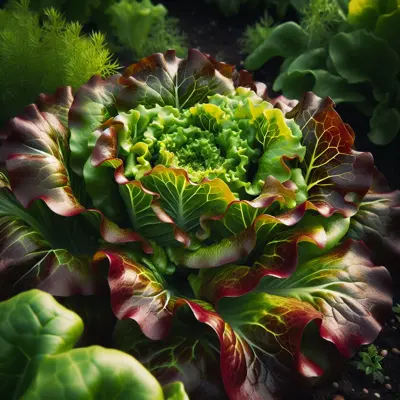
Prizehead
A stunning loose-leaf heirloom that's as beautiful as it is delicious, featuring large bronze-red tinged leaves that create a dramatic display in any garden. Dating back to the 1880s, this heat-tolerant variety produces abundantly in warm weather when other lettuces fail, making it indispensable for summer growing. The tender leaves have a mild flavor with just a hint of sweetness, perfect for adding color and nutrition to salads.
Red Baron Plus
Narrow serrated leaf with red front and green back. Distinctive from similar types: different leaf shape and color than Red Kingdom, our purple mizuna; and faster growing than Miz America, our serrated red mustard.
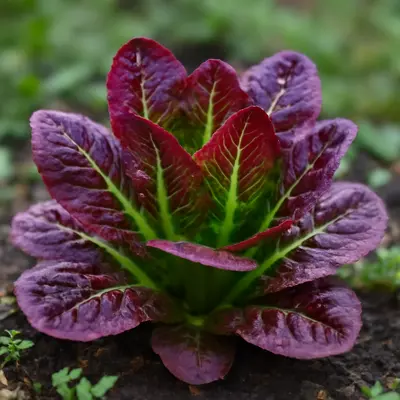
Red Cloud
Very uniform and upright with beautifully cupped and rounded leaves. Mild flavor, deep color, and a juicy, crunchy texture. Maintains baby-leaf size for extended harvest window. Can also be grown to full size where it pairs with Koji for striking bunches. Thin to 8-12" apart for full-size heads.
Red Express Cos
A fast-maturing romaine lettuce with striking red-tinged leaves that intensify in cool weather, creating a beautiful gradient from green to deep red. This variety combines the classic crisp texture and sweet flavor of romaine with ornamental appeal and quick harvest times. Perfect for impatient gardeners who want both beauty and speed in their lettuce patch.
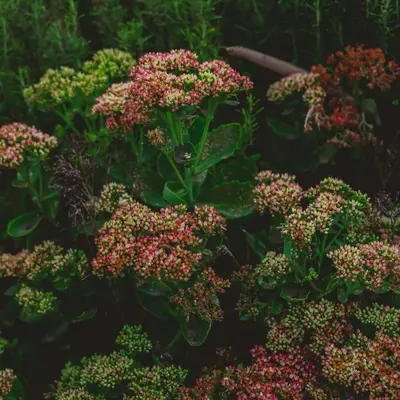
Red Giant
Red Giant is a striking heirloom lettuce variety prized for its deep burgundy leaves with tender texture. Reaching maturity in just 21 days, it thrives in full sun to partial shade and adapts well to various growing conditions. This variety's defining characteristic is its distinctive peppery, mustard-like flavor that sets it apart from conventional lettuces. The tender leaves make it excellent for fresh salads, where the bold color and spicy notes create both visual appeal and complex taste. Red Giant is exceptionally easy to grow, making it ideal for gardeners of all skill levels.
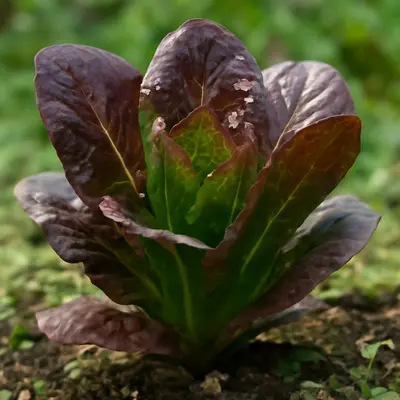
Red Kingdom
Gently scalloped margin on a broad, deeply colored leaf. Mild flavor. Underside of leaf is light green with striking dark purple veining. AAS Winner.
Red Leaf Lettuce
Red Leaf Lettuce is a visually striking heirloom variety with deeply ruffled, burgundy-tinged leaves that add color and texture to salads and plates. Reaching maturity in approximately 50 days, this loose-leaf variety forms open rosettes rather than tight heads, allowing for cut-and-come-again harvesting. Its tender leaves deliver a mild, sweet flavor with no bitterness, making it ideal for fresh eating and culinary applications where delicate texture matters. The distinctive red coloring intensifies in cool weather, and the frilly leaf margins provide appealing visual contrast in mixed greens preparations.
Red Malabar Spinach
Vigorous climbing vines grow through summer into fall. Glossy, thick, savoyed leaves resemble spinach. Dark green leaves and deep red/purple stems. Mild Swiss chard taste. Use leaves and young stems sparingly in salads or stir-fries.
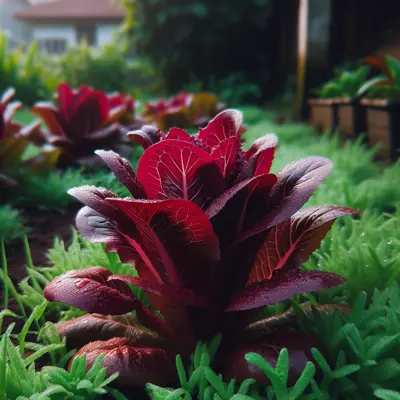
Red Romaine
A stunning twist on classic romaine lettuce with deep burgundy-red leaves and contrasting green hearts. This beautiful variety offers the same crisp texture and sweet flavor as traditional romaine while adding dramatic color to salads and garden beds. Perfect for gardeners who want both visual appeal and exceptional taste.
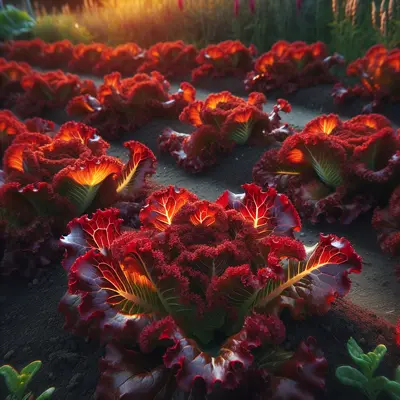
Red Sails
Attractive, ruffled, fringed leaves of deep burgundy red over green. AAS Winner. MT0-30.
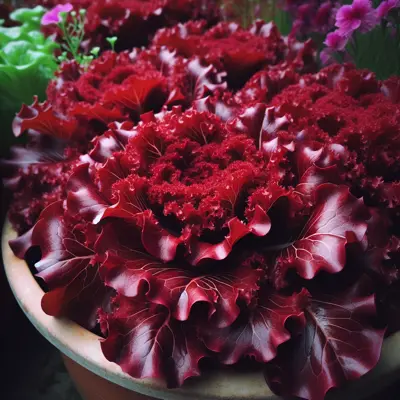
Red Salad Bowl
The stunning burgundy-red counterpart to the famous Green Salad Bowl, featuring the same deeply-lobed oak leaves but with gorgeous wine-red coloration that intensifies in cool weather. This loose-leaf variety provides continuous harvests while adding dramatic color contrast to salads and garden beds. The tender leaves maintain their sweet flavor even as the red pigmentation deepens with maturity.
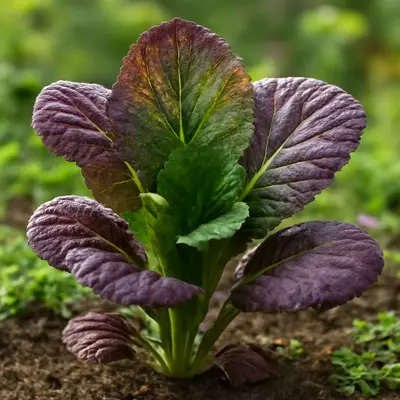
Red Splendor
Very slow-bolting plants hold their color in hot weather, making this variety a good choice for summer production. Hot, mustardy flavor. Plant at high density to keep from becoming oversized.
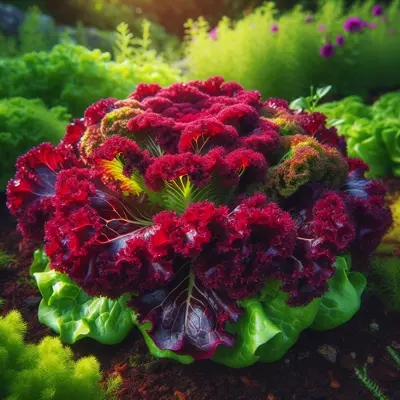
Red Velvet
A stunning loose-leaf variety that brings dramatic burgundy-red color to the garden and gourmet appeal to the table with its deeply ruffled, almost frilly leaves. This heat-tolerant beauty maintains its vibrant coloration even in warm weather while delivering exceptional flavor with tender, sweet leaves that add both visual impact and culinary excellence to any salad mix. The combination of ornamental beauty and outstanding performance makes it a standout choice for edible landscaping.
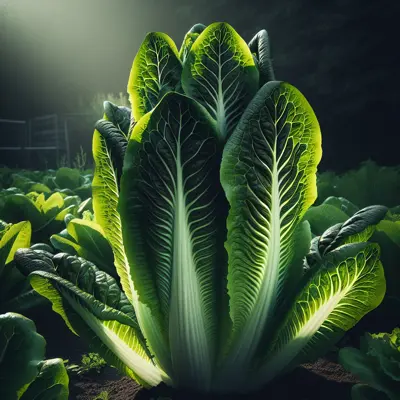
Romaine Cos
The classic upright lettuce that forms tall, sturdy heads of dark green leaves with prominent white ribs and exceptional crunch. This traditional variety has been cultivated for over 2,000 years and remains the gold standard for Caesar salads and Mediterranean cuisine. Its robust structure and intense flavor make it indispensable for gardeners who want restaurant-quality lettuce at home.
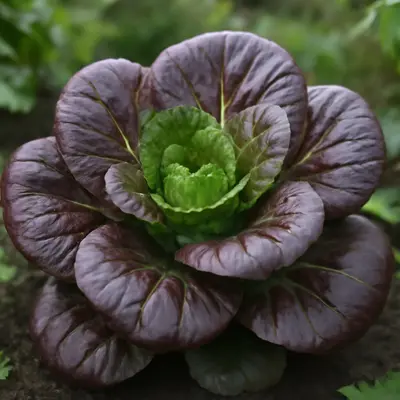
Rosie
12" tall plants are vase-shaped with bright red leaves and greenish-red stems. Good for mixed packs with green- or white-stemmed pac chois. Also excellent as a baby leaf.
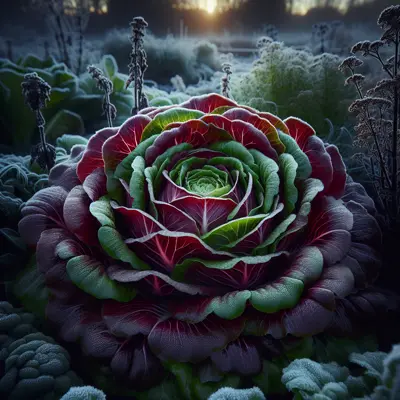
Rouge d'Hiver
An old French romaine variety with medium-red tinted leaves and excellent flavor. Good regrowth. Tolerant to cold, but avoid hot weather. MT0-30.
Ruby Red Orach
Leaves are deep purple and have a spinach-like flavor. NOTE: Expect a small percentage of all-green plants.
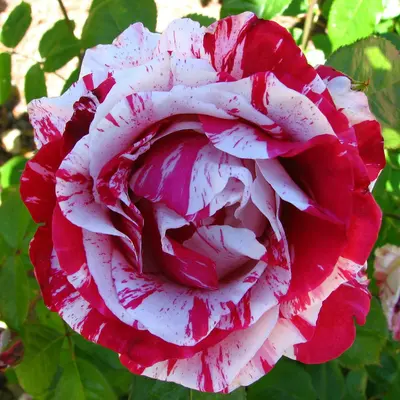
Ruby Streaks
Fine, deeply incised leaves. The color ranges from dark green with red veins to dark maroon, with the maroon color darker when grown without row cover and in cooler weather. The flavor is mild and slightly pungent.
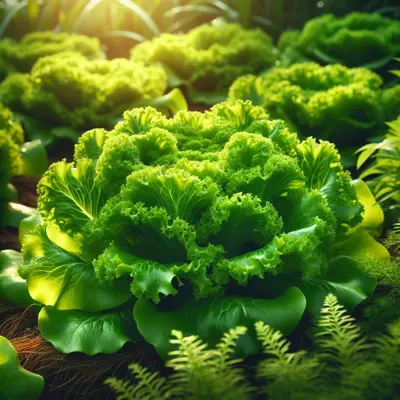
Salad Bowl Green
An exceptional loose-leaf variety that won the All-America Selections award for its outstanding performance and unique deeply-lobed, oak-like leaves. This vigorous grower provides continuous harvests throughout the season and rarely bolts, making it perfect for cut-and-come-again harvesting. The frilly, decorative leaves add both beauty and nutrition to any garden or salad bowl.
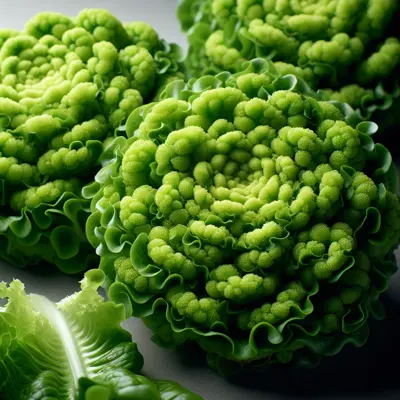
Salanova Green Crispy
A revolutionary modern hybrid that transforms salad preparation with its innovative multi-leaf technology - one cut at the base yields perfectly sized, ready-to-eat leaves without waste. This compact variety produces dense heads packed with crispy, uniform leaves that maintain excellent texture and freshness longer than traditional lettuce types. Perfect for busy gardeners and commercial growers who want maximum efficiency and consistent results.
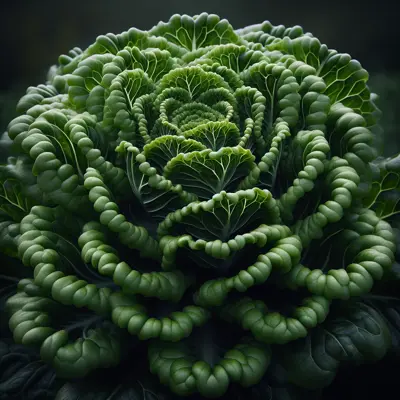
Salanova Green Oakleaf
A revolutionary multi-leaf lettuce that produces dozens of individual leaves from a single cut, eliminating tedious leaf-by-leaf harvesting. This innovative breeding breakthrough combines the classic oakleaf shape and mild flavor with incredible convenience – one head yields enough perfectly sized leaves for an entire salad. The compact, uniform plants are ideal for small gardens and containers while delivering restaurant-quality results.

Salanova Red Butter
A revolutionary multi-leaf lettuce that produces 16-20 individual leaves from a single cut, making harvest incredibly efficient and waste-free. The tender, red-tinged butterhead-type leaves offer premium texture and sweet flavor while the innovative breeding ensures every leaf is perfectly sized for salads. This modern variety combines convenience with gourmet quality.
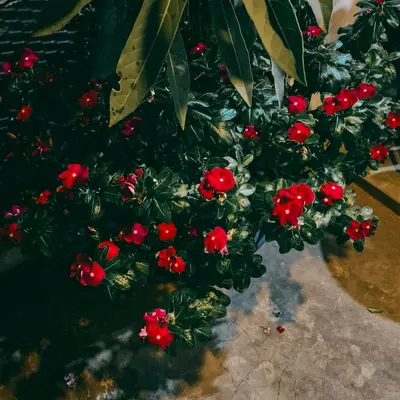
Scarlet Frills
Spicy green and red, intricately lobed and ruffled leaves add flavor and loft to your salad mix. Slow bolting. Darker red in cooler weather.
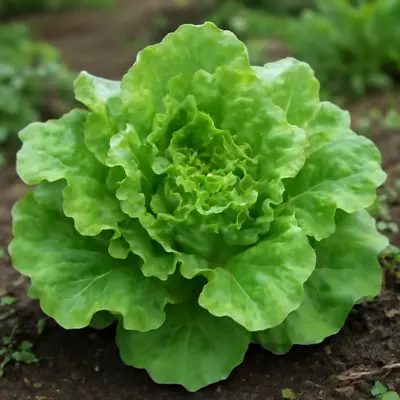
Sempre Bianca
Soft, mildly flavored leaves provide excellent loft and color contrast to mixes. Narrow petioles for a long harvest window. Fast growing and upright.
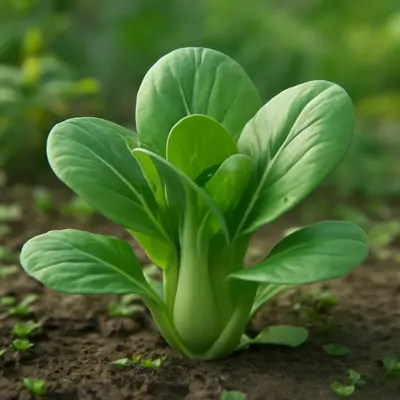
Shikibu
Uniform and upright with long, narrow green petioles. Dark purple leaves with green, purple-veined undersides. Slower to bolt and taller than Rosie, producing 16-18" heads.
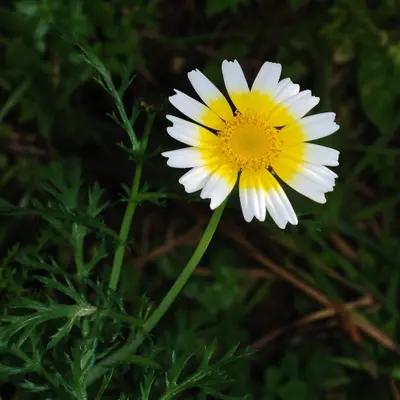
Shungiku
Shungiku, also known as Japanese chrysanthemum greens, is a tender leafy green with delicate, feathery foliage and slender stems. This heirloom variety reaches harvest maturity in approximately 30 days. The leaves are bright green and aromatic, with a distinctive peppery flavor complemented by subtle anise and chrysanthemum floral notes. Shungiku is prized in Japanese and East Asian cuisines for both its unique taste and nutritional value, commonly used in soups, stir-fries, and salads. The tender texture and herb-like character make it a standout addition to fresh dishes.
Simpson Elite
An improved version of the classic Black Seeded Simpson, this loose-leaf lettuce offers exceptional heat tolerance and slower bolting. The bright green, deeply frilled leaves create a beautiful, productive plant that keeps producing tender leaves for weeks. Perfect for cut-and-come-again harvesting in warm weather when other lettuces struggle.

Skyphos
Skyphos is a heirloom romaine lettuce variety prized for its exceptionally sweet, crisp, and tender leaves with the classic satisfying crunch of traditional romaines. This Greek variety matures in approximately 47 days, producing upright heads with a distinctive appearance. The name references the ancient Greek drinking cup, reflecting its heritage. Skyphos thrives in full sun to partial shade and prefers well-drained, fertile soil with consistent moisture. Its superior flavor profile and reliability make it an excellent choice for fresh salads where quality and taste are paramount. Relatively easy to grow despite susceptibility to common lettuce pests.
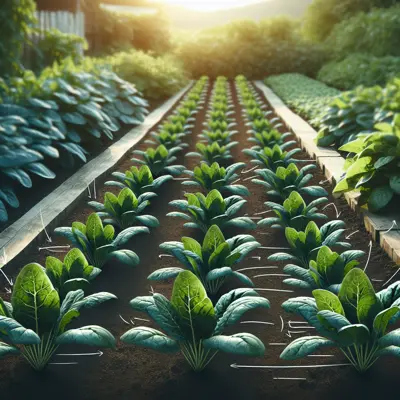
Spinach
Spinach is a nutrient-dense leafy green with tender, deep green leaves that develop characteristic slight crinkles as they mature. Ready to harvest in approximately 25 days, this hybrid variety transitions from a mild, slightly sweet flavor when young to a more complex, mineral-rich taste with age. It thrives in cool seasons and performs well in full sun to partial shade conditions. Spinach is versatile in the kitchen—equally excellent fresh in salads when young or cooked in mature form. Its rapid growth and ease of cultivation make it ideal for beginner gardeners seeking quick, reliable harvests.
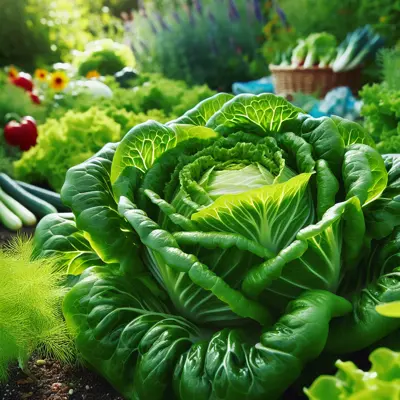
Summertime
The ultimate warm-weather lettuce that thrives when others bolt, producing crisp, sweet heads even in summer heat. This crisphead variety combines the satisfying crunch of iceberg with superior heat tolerance and better flavor. A game-changer for gardeners who want fresh lettuce year-round in warmer climates.
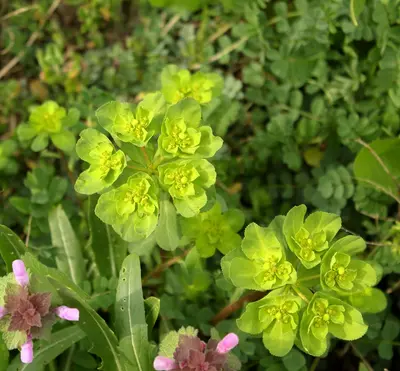
Sylvetta
More compact than Bellezia, with deeply lobed leaves and a pungent flavor. Popular with chefs. Edible Flowers: Harvest the yellow flowers as they appear. Sprinkle them over salads or add to vegetable stir-fries. Flavor is spicy and nutty. Popular choice for brightening up salad mix.
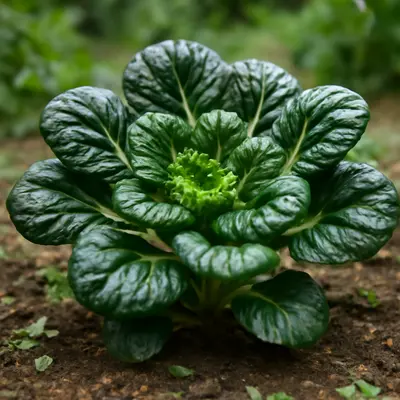
Tatsoi
Tatsoi is a compact, dark green Asian leafy green with distinctive spoon-shaped leaves that form a rosette cluster. This heirloom variety reaches full maturity in just 25 days, making it ideal for quick succession plantings. Its defining characteristic is the tender, crunchy stems with a mild, slightly sweet flavor and juicy texture that adds dimension to salads and stir-fries. The whole plant—leaves and stems—is edible and versatile, offering both nutritional value and culinary appeal for gardeners seeking fast-growing greens.
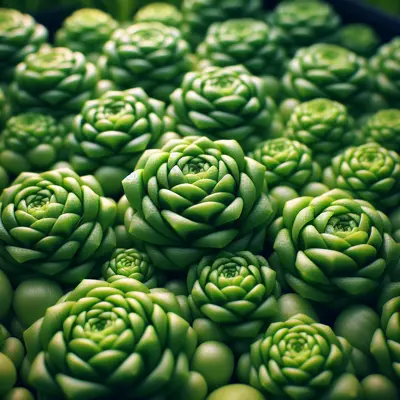
Tom Thumb
This adorable miniature butterhead forms perfect tennis ball-sized heads that are ideal for small spaces and single servings. Despite its tiny stature, Tom Thumb delivers full-sized flavor with tender, sweet leaves and excellent heat tolerance. A charming heirloom that's perfect for container gardens, kids' gardens, and anyone who loves perfectly portioned individual salads.
Tropicana
Plants produce full heads with heavy leaves. Tolerant to tipburn. MT0-30. Also available in organic seed or seed with NOP-compliant pelleting.
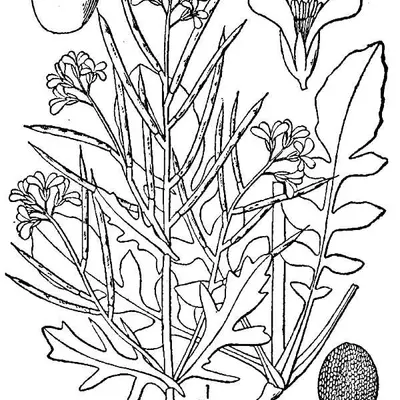
Upland Cress
Slow to start but, once established, easy to grow. Long standing and slow bolting. 6-8" rosettes of dark green, glossy, rounded leaves. Similar to watercress but much easier to grow. Sometimes called "creasy greens" in the South.
Waldmann's Green
A legendary loose-leaf lettuce variety developed specifically for winter greenhouse growing but equally excellent in outdoor gardens. Known for its exceptional cold tolerance and ability to produce tender, dark green leaves even in challenging conditions. This reliable variety has been a favorite among both commercial and home growers for decades.

Wasabina
Broad bright green leaves with deeply scalloped margins are soft and tender with great loft. Slow bolting. Sweet and mildly spicy flavor. Plant densely so leaves remain a proper size for baby leaf and petioles elongate for easy harvest.
Watercress
Watercress is a leafy green vegetable with small, rounded, delicate leaves that grow in dense clusters. This fast-growing heirloom variety matures in 60 days and thrives in cool, moist conditions with partial sun exposure. Its most distinctive feature is its peppery, spicy flavor with a subtle mustard-like bite, delivering a crisp texture that sets it apart from milder lettuce varieties. Watercress is highly nutritious and commonly used fresh in salads, soups, and sandwiches. Its vibrant taste makes it an excellent choice for culinary applications where bold, peppery greens are desired.

Win-Win Choi
This white-stem, vase-shaped pac choi is bulky and uniform. 10-12" tall. Similar to Joi Choi, just a little smaller and more compact.

Amaranth Microgreens
Amaranth microgreens are delicate, tender shoots with small rounded cotyledons and fine stems that reach full harvest in 50 days. They display vibrant green coloring with a slightly purplish tinge. These microgreens are prized for their mild, earthy flavor profile with subtle sweetness and mineral undertones, making them ideal for salads, smoothies, and garnishes. Amaranth microgreens pack a nutritional punch with high levels of protein, vitamins, and minerals. Their defining characteristic is their exceptional tenderness and visual appeal, combined with easy cultivation and minimal pest pressure, making them perfect for both novice and experienced microgreen growers.
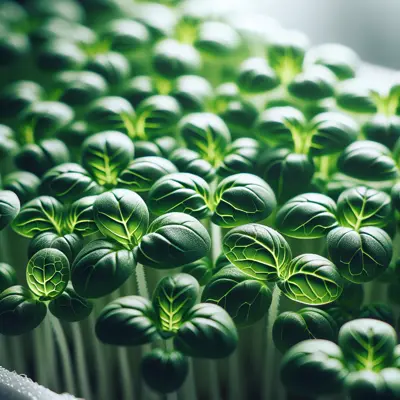
Basil Microgreens
Basil Microgreens are tender young shoots harvested at 10-14 days of growth, featuring delicate green cotyledons and emerging true leaves. These heirloom microgreens mature in 10-14 days under controlled conditions (faster than the listed 74-day timeline for mature plants). Their defining characteristic is the intense basil aroma with complex sweet, peppery notes and subtle anise undertones—delivering concentrated basil flavor in miniature form. Ideal for garnishing salads, soups, pasta, and Mediterranean dishes, they add visual appeal and aromatic depth without the cooking time required for mature basil. Best grown in well-draining potting mix under full sun to partial shade (4-6+ hours daily).
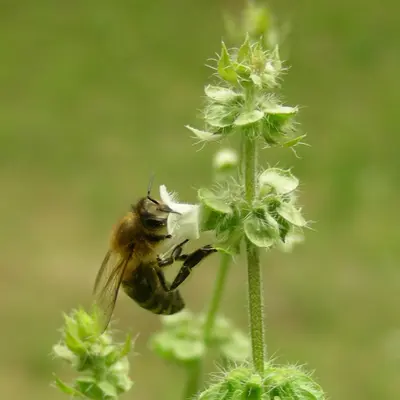
Basil, Lemon
Uniform, medium-green leaves with medium texture. Use lemon basil in dishes that call for both basil flavor and a touch of zest. Also an elegant cocktail and dessert garnish. A critical ingredient in many Asian dishes, including those of Thailand, Laos, Indonesia, and the Philippines. Based on our yield trial, we recommend seeding 6.5 gm per tray at approx. 5 flats per oz of seed. Avg. days to maturity was 19 days when harvested at the first true leaf (as opposed to cotyledon) stage.
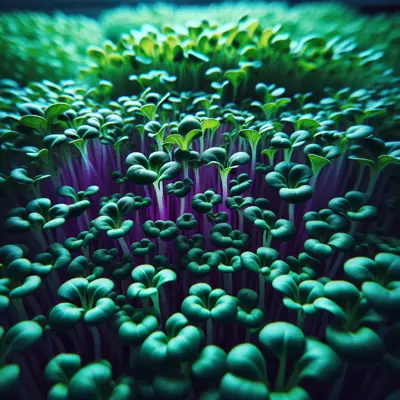
Broccoli Microgreens
Mildly spicy broccoli flavor. One tablespoon of seed yields approx. 1-1 1/2 cups of sprouts. All of Johnny's high-germination sprouting seeds have tested negative for the presence of E. coli 0157 and Salmonella.
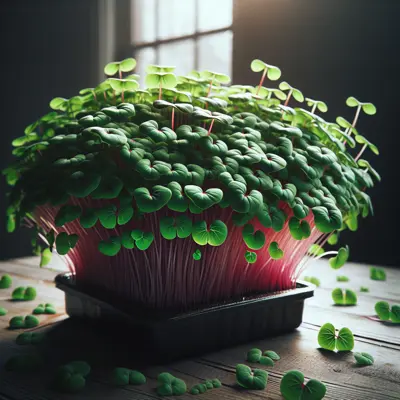
Buckwheat Microgreens
Buckwheat is widely grown as a grain crop, bee pasture, soil improving cover crop and as wildlife cover. It is a warm season grain which grows rapidly during the summer and several crops per year may be had with proper management. This rapid and dense growth chokes out weeds and is used in crop-free fields in rotation with vegetables. Buckwheat is often grown to attract beneficial insects and as pasture for honey bees. Sow in late May through July and till in about a month later, when flowering has begun. For grain harvest, sow 3 months before fall frost. Harvest after killing frost.
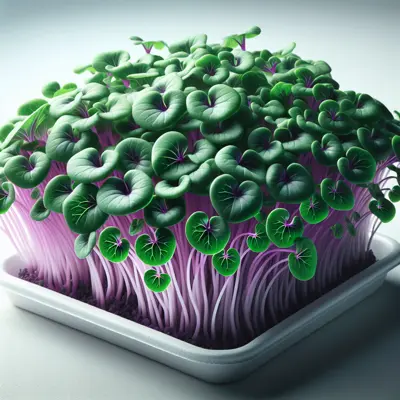
Cabbage Microgreens
Cabbage Microgreens are tender, delicate seedlings harvested at 7-14 days, well before the 68-day full plant maturity. These vibrant green microgreens feature a mild cabbage taste with a fresh, crisp texture and subtle peppery finish. They're prized for their nutrient density and visual appeal in salads, garnishes, and culinary presentations. Easy to grow indoors using fine potting mix or coconut coir, they require 4-6+ hours of light daily. Their key differentiator is rapid harvest time compared to full-sized cabbage, making them ideal for home gardeners and chefs seeking quick, fresh-from-seed produce with concentrated nutritional value.
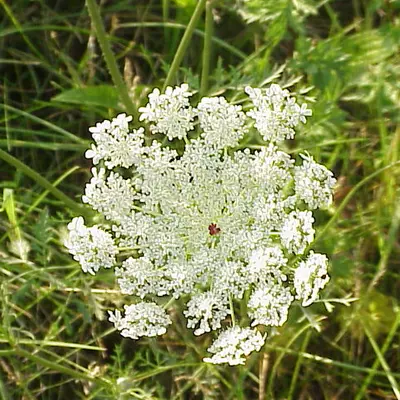
Carrot
Carrot microgreens are delicate, tender shoots harvested at 16-25 days with mild, naturally sweet carrot flavor minus earthiness. These heirloom varieties feature crisp texture and fresh taste in a compact form ideal for garnishes and salads. Fast-growing and easy to cultivate, carrot microgreens offer concentrated nutrition and distinctive flavor in just 2-3 weeks, making them perfect for home growers seeking quick harvests.
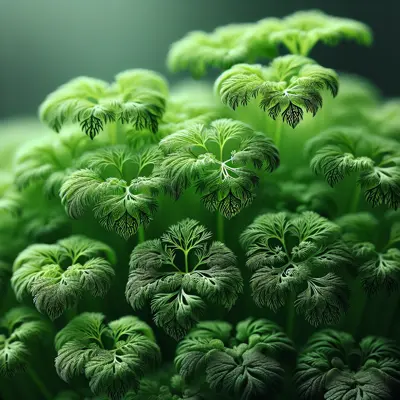
Carrot Microgreens
Carrot Microgreens are delicate, feathery seedlings harvested at 16-25 days, showcasing fine, fern-like green foliage with pale root stems. This heirloom variety offers a distinctive sweet carrot taste balanced by earthy, slightly bitter herbal notes uncommon in typical microgreens. Best grown in fine, well-draining seed starting mix under full sun to partial shade (4-6+ hours), they present a moderate to challenging cultivation difficulty but reward growers with vibrant, nutrient-dense greens perfect for garnishing and flavor complexity in dishes.
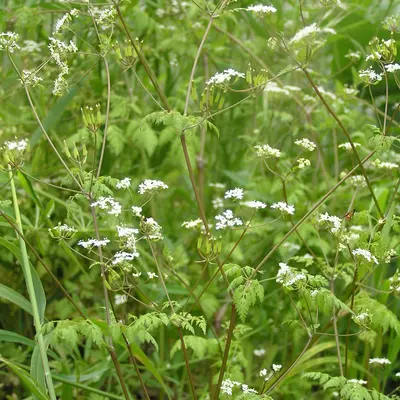
Chervil
Intricate green leaves and stems. A traditional French herb used to flavor egg, potato, fish, and poultry dishes.
Chia Microgreens
These nutrient-dense microgreens offer a unique growing experience as the seeds become gelatinous when wet, creating their own natural growing medium. Chia microgreens have delicate, tender leaves with a mild, slightly tangy flavor that's completely different from the crunchy seeds. They're packed with omega-3 fatty acids and provide a gourmet touch to salads and smoothies.
Chinese Cabbage, Tokyo Bekana
One of our fastest-growing microgreens! Pale green color blends well and beautifully complements dark green and dark red varieties in mixes. Mild and earthy brassica flavor. Based on our yield trial, we recommend seeding 14 gm per tray at approx. 2 flats per oz of seed. Avg. days to maturity was 10 days when harvested at the first true leaf (as opposed to cotyledon) stage.
Chives Microgreens
Chives microgreens are tender, slender green shoots with a mild onion flavor and fresh, aromatic profile. These delicate microgreens mature in 75-85 days and are ideal for culinary applications requiring a subtle allium taste without pungency. They thrive in fine seed starting mix or soilless medium under full sun to partial shade (4-6+ hours daily). The heirloom variety offers a distinctly fresh character perfect for garnishing, salads, and dishes where gentle onion notes enhance rather than dominate. Moderate difficulty indoor growing requires vigilance against fungus gnats and thrips, making proper ventilation essential for success.
Cilantro Microgreens
Cilantro Microgreens are delicate, tender seedlings harvested at 16-25 days, featuring thin stems topped with vibrant green, feathery leaves that resemble mature cilantro foliage. These heirloom microgreens deliver an intensely concentrated cilantro flavor—bright, citrusy, and distinctly herbaceous—making them a potent garnish and flavoring agent. Ideal for fresh applications like salsas, Asian cuisines, and contemporary plating, they add sophisticated herb character to dishes without bulk. Their moderate difficulty and preference for well-draining medium make them suitable for home cultivation under full sun to partial shade conditions.

Clover Microgreens
Once established, white clover can handle foot and tractor traffic better than other clovers. The fibrous root system typically is in the top 8" of soil, although it does have up to a 40" tap root in the first year which dies each fall, leaving a passage for water to percolate through. More heat tolerant than some of the larger clovers, this is a low-growing (to 12") perennial that can be sown into long-season row crops during the season to provide a "living mulch." Sow after first cultivation and rake or cultivate to cover. Also used for green manure, hay, and pasture. Inoculate with Alfalfa/True Clover Inoculant (#7535) for best performance.
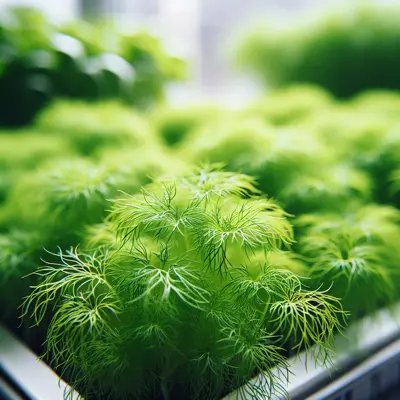
Dill Microgreens
Finely textured, medium-green leaves. Combine micro dill with fish, egg, and potato dishes for delicate, sweet citrusy notes.
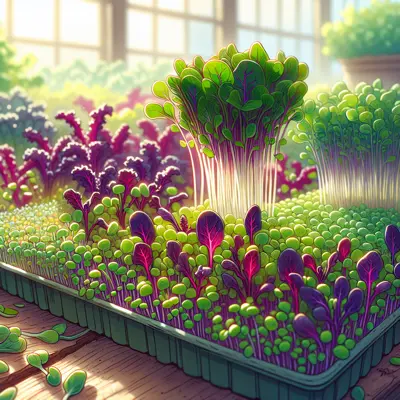
Kale Microgreens
Kale microgreens are delicate, tender seedlings harvested at 10-14 days, featuring small green leaves with a mild, fresh flavor distinctly softer than mature kale. These nutrient-dense microgreens offer a subtle cabbage note with natural sweetness, making them ideal for salads, sandwiches, and smoothie bowls. Easy to grow indoors under lights or in bright windowsills, they mature quickly compared to their full-size counterparts while maintaining the nutritional benefits kale is known for. Perfect for beginners seeking a simple, rewarding crop.
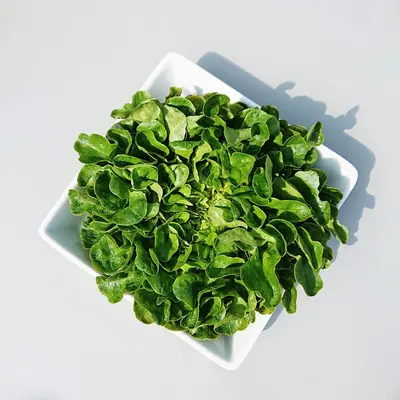
Leek
Green thread-like leaves. Slower to emerge than scallion or onion microgreens, but otherwise very similar.
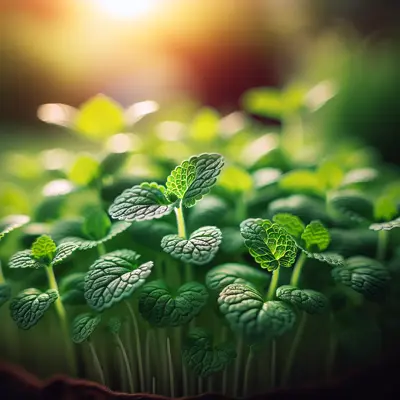
Lemon Balm Microgreens
Lemon Balm Microgreens are delicate, tender shoots harvested at 10-14 days for optimal flavor. These heirloom microgreens feature vibrant green cotyledons with a distinctive intense lemon scent and bright, citrusy flavor with subtle minty undertones. They mature quickly in well-draining growing mediums under 4-6+ hours of light daily. The defining characteristic is their potent lemon aromatics that intensify with age, making them ideal for finishing salads, beverages, and desserts. Moderate to advanced difficulty level due to moisture management requirements and susceptibility to aphids and spider mites in dry conditions.
Lettuce Microgreens
Lettuce microgreens are tender seedlings harvested at 1-2 inches tall, typically ready within 7-10 days of sprouting. These delicate greens feature soft, pale green leaves with a mild, slightly sweet flavor and buttery texture—distinctly different from mature lettuce. Unlike full-sized lettuce, microgreens are consumed whole, including the stem, delivering concentrated nutrients in a compact form. They excel as salad toppings, sandwich garnishes, and plate decorations, adding visual appeal and gentle flavor without bitterness. Their quick growth cycle and minimal space requirements make them ideal for indoor cultivation and home gardening beginners.
Mild Micro Mix
This blend of mildly flavored brassicas contains mizuna, cabbage, kale, and kohlrabi. Mostly green with a touch of purple. Based on our yield trial, we recommend seeding 11 gm per tray at approx. 2.5 flats per oz of seed. Avg. days to maturity was 13.5 days when harvested at the first true leaf (as opposed to cotyledon) stage. Varieties are subject to change depending upon availability.
Mizuna, Red Kingdom
An improvement over Red Rain; darker red true leaves and blushed red cotyledons (first leaves). Based on our yield trial, we recommend seeding 9.5 gm per tray at approx. 3 flats per oz of seed. Avg. days to maturity was 14.5 days when harvested at the first true leaf (as opposed to cotyledon) stage. AAS Winner.
Mustard Microgreens
Mustard Microgreens are tender, 1-2 inch seedlings with cotyledons (seed leaves) ranging from pale to bright green depending on variety, featuring fine, hair-like roots. Ready to harvest in just 6-8 days, they deliver an exceptionally sharp, peppery flavor with intense mustard heat and lingering bitterness. These heirloom microgreens stand out for their concentrated pungency—far bolder than mature mustard greens—making them a potent garnish for salads, sandwiches, Asian dishes, and grain bowls where a small amount adds significant spicy bite. Their quick turnaround and minimal space requirements make them ideal for indoor growing.
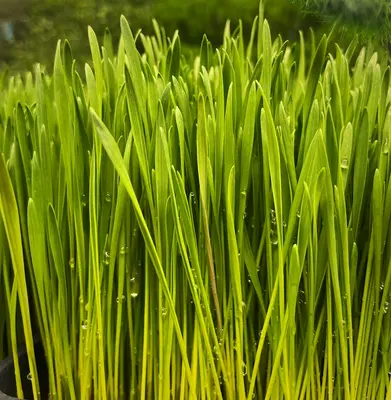
Pac Choi, Red Choi
Leaves are mostly red with some green. Mild pac choi flavor. Based on our yield trial, we recommend seeding 10.5 gm per tray at approx. 3 flats per oz. of seed. Avg. days to maturity was 13 days when harvested at the first true leaf (as opposed to cotyledon) stage.
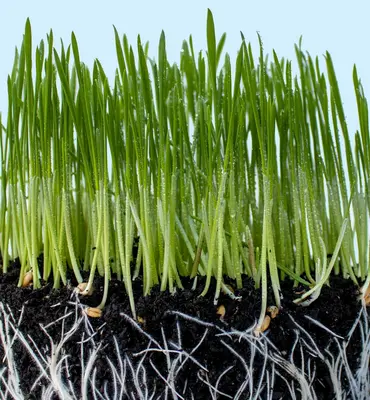
Pac Choi, Red Pac
Mild flavor. Based on our yield trial, we recommend seeding 10.5 gm per tray at approx. 3 flats per oz. of seed. Avg. days to maturity was 13 days when harvested at the first true leaf (as opposed to cotyledon) stage.
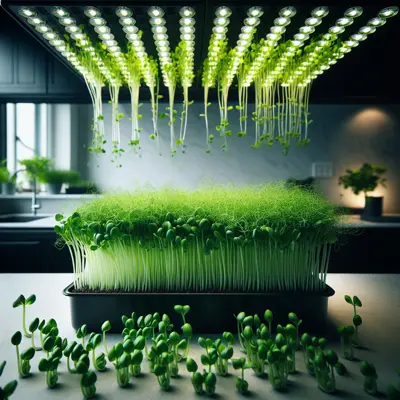
Pea Shoots
Yellow peas are a great non-GMO protein source and are becoming more prevalent in feed rations with protein percentages ranging from 21-25. They contain high levels of carbohydrates, are low in fiber, and contain 86-87% total digestible nutrients, making them an excellent livestock feed. In spring or fall, sow alone or mixed with vetch and/or oats, winter rye, or ryegrass. Harvest for grain at 16-18% moisture or when the seeds are hardened and fully mature. Inoculate with Garden Combination Inoculant (#7531) or Pea, Vetch, and Lentil Inoculant (#7534) for best performance.
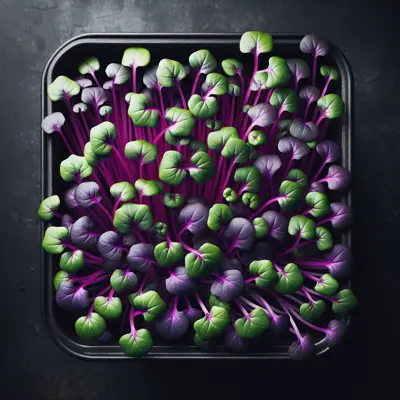
Purple Kohlrabi Microgreens
Purple Kohlrabi Microgreens are vibrant, delicate shoots with deep purple cotyledons and green stems, typically ready to harvest at the 2-3 leaf stage within 10-14 days of germination. These microgreens deliver a mild, cabbage-like flavor with a subtle peppery bite and satisfying crunch. The striking purple coloration makes them an excellent garnish for salads, grain bowls, and plated dishes, while their tender texture works well in smoothies and fresh preparations. Easy to grow in standard seed starting mixes with consistent moisture and indirect light, they're ideal for beginners exploring microgreen cultivation.
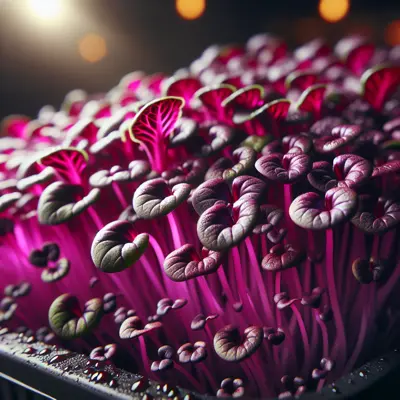
Red Cabbage Microgreens
Red Cabbage Microgreens are vibrant purple-red seedlings harvested at 10-14 days for optimal flavor and texture. These tender microgreens feature a mild cabbage taste with subtle peppery undertones and deliver a delicate crunch. They mature quickly, making them ideal for home growers of all skill levels. With their striking deep color and nutrient density, red cabbage microgreens serve as an excellent raw garnish for salads, grain bowls, and sandwiches, adding visual appeal and fresh, crisp flavor to dishes.
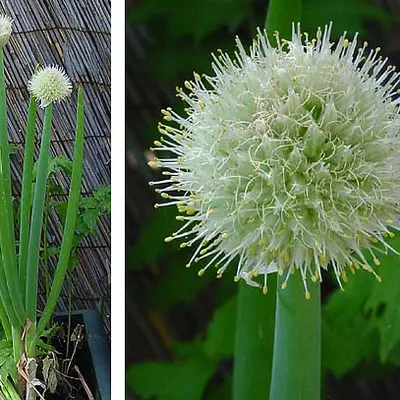
Scallion, Evergreen Hardy White
Green thread-like leaves. Adds delicate pungency where a mild onion flavor is needed.
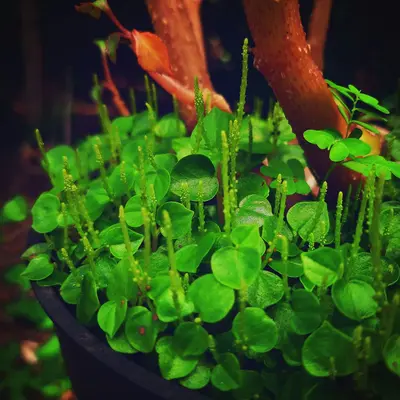
Spicy Micro Mix
A colorful blend of red and green mustards with various textures. Spicy flavor pairs well with the Mild Micro Mix. Based on our yield trial, we recommend seeding 7.5 gm per tray at approx. 3.5 flats per oz of seed. Avg. days to maturity was 13.5 days when harvested at the first true leaf (as opposed to cotyledon) stage. Varieties are subject to change depending upon availability.
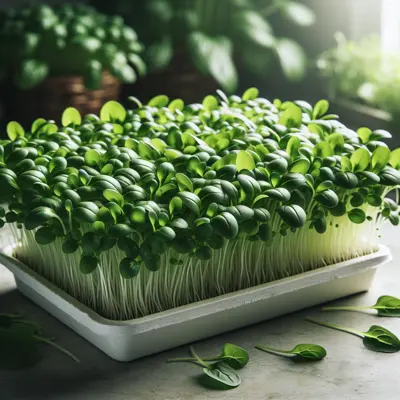
Spinach Microgreens
Spinach microgreens are tender, delicate seedlings with small oval leaves and a vibrant green color. They reach harvest maturity in approximately 25 days, making them a moderately quick crop compared to full-size spinach. The key differentiator is their concentrated nutrient density—microgreens pack significantly more vitamins and minerals per gram than mature leaves. They deliver a mild, clean flavor with subtle sweetness and no bitterness, making them ideal for raw applications like salads, smoothie bowls, and garnishes. Their tender texture and refined taste work well in both culinary and presentation-focused dishes.
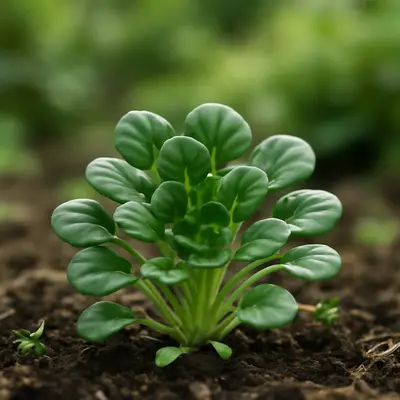
Tatsoi
Tatsoi is a delicate Asian microgreen variety with distinctive spoon-shaped leaves and tender stems. Ready to harvest in just 10 days, it offers a mild, delicate flavor with a satisfying crunch. The juicy stems and elegant appearance make it a versatile garnish for salads, stir-fries, and Asian dishes. Easy to grow, this heirloom variety thrives in full sun to partial shade, making it ideal for both home gardeners and commercial microgreen production.
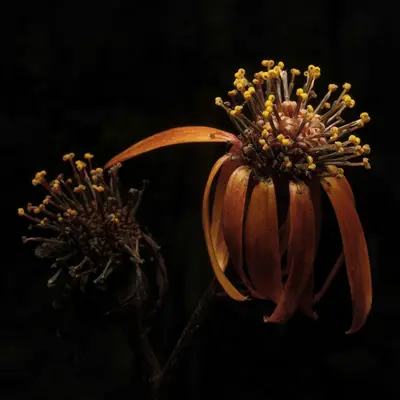
Allegheny Monkey Flower
Allegheny Monkey Flower (Mimulus ringens) is a perennial native wildflower. Hardy in USDA zones 3 to 8. Prefers part shade.
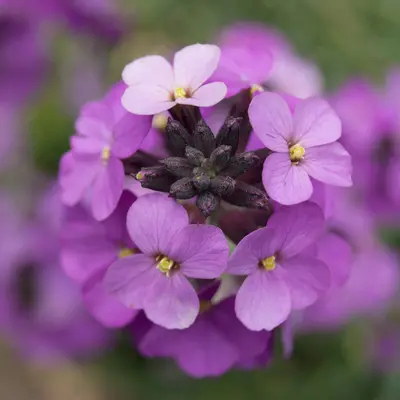
Autumn Phlox
Autumn Phlox (Phlox paniculata) is a perennial native wildflower. Hardy in USDA zones 4 to 8.

Bizzy Lizzy
Bizzy Lizzy (Impatiens walleriana) is a perennial native wildflower. Hardy in USDA zones 10 to 11.
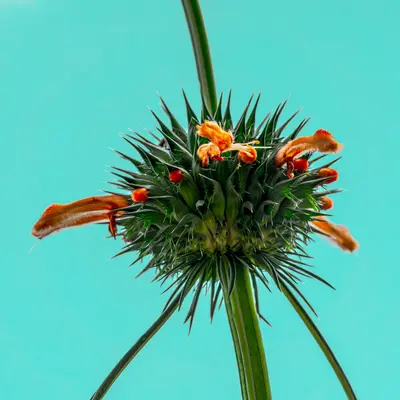
Black-Eyed Susan
Black-Eyed Susan is a cheerful native wildflower featuring bright golden-yellow petals radiating from a dark brown or black central cone. This heirloom variety matures in 100-120 days and thrives in full sun to partial shade with minimal care requirements. Highly adaptable to various soil types, it prefers well-drained conditions and tolerates poor soils where many plants struggle. The flowers bloom prolifically throughout summer and fall, making it excellent for pollinator gardens, naturalized plantings, and cut arrangements. Though occasionally browsed by deer, it resists most pests effectively. Primarily grown for ornamental and ecological value rather than culinary use.
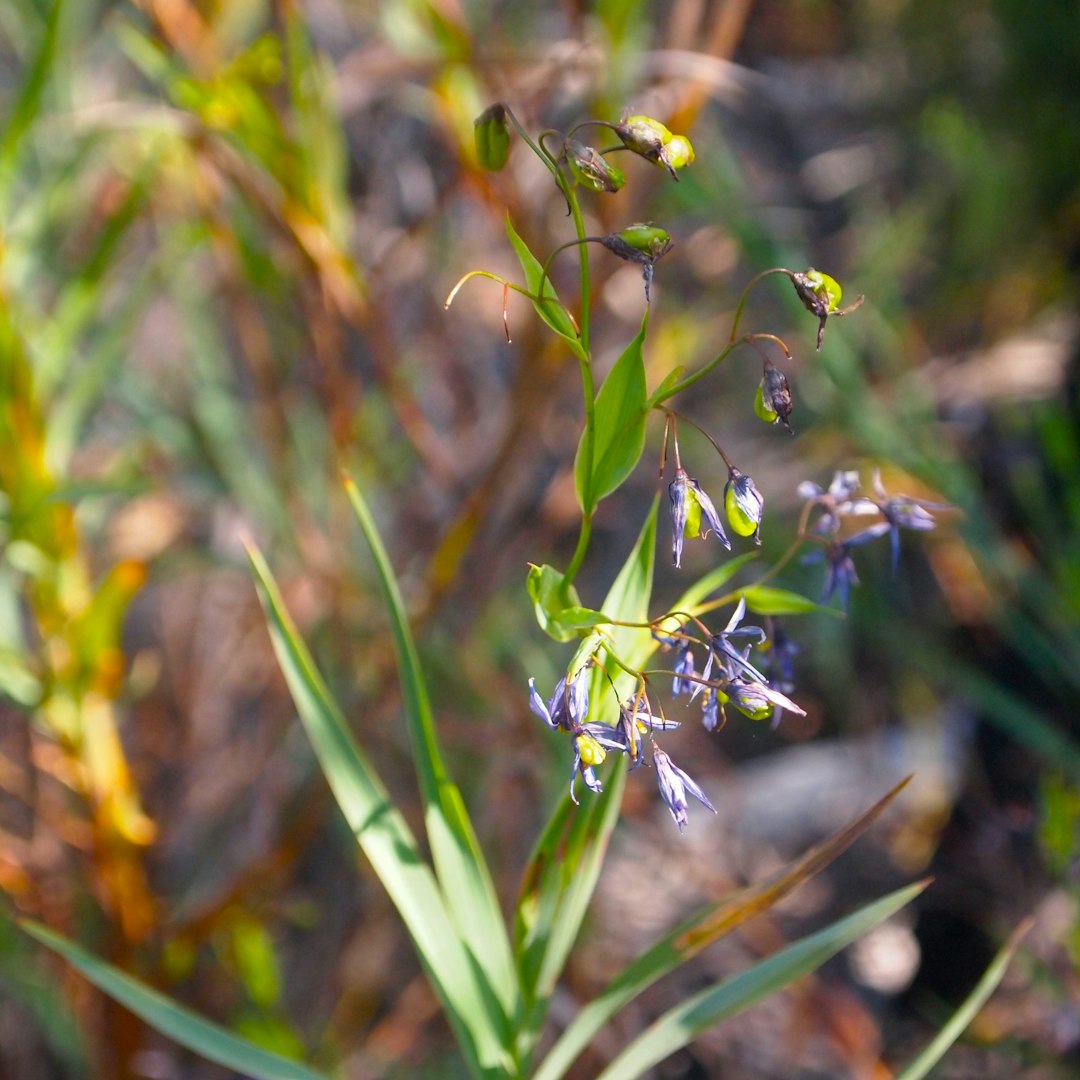
Blue-Eyed Grass
Blue-Eyed Grass (Sisyrinchium angustifolium) is a perennial native wildflower. Hardy in USDA zones 4 to 9.
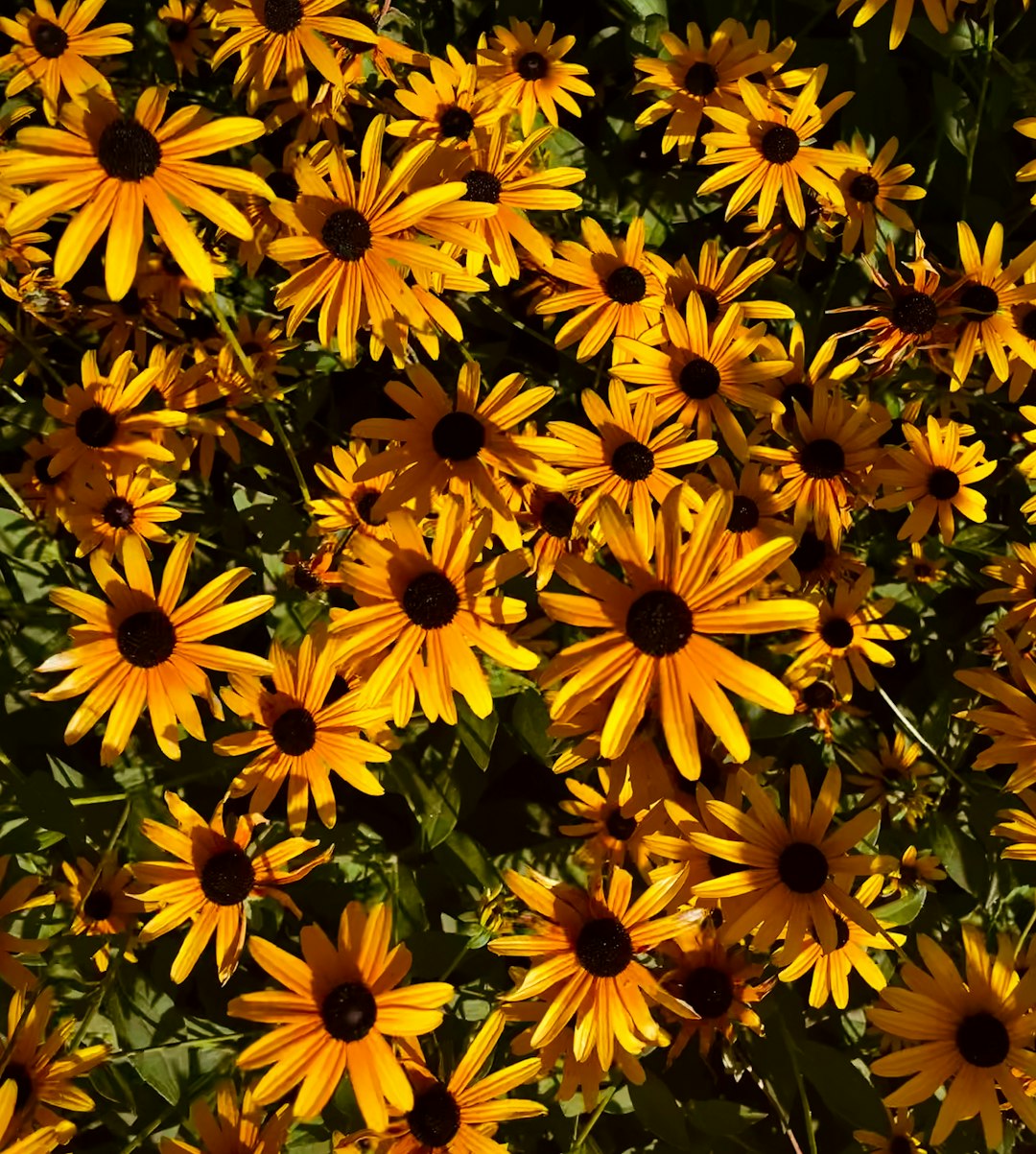
Brown-Eyed Susan
Profuse blooms of adorable, 1 1/2- 2 1/2", bright yellow flowers with small, black/brown centers. Wiry, well-branched stems have few leaves, making this an excellent cut flower. Also serves as a filler or accent flower in bouquets. This native US wildflower tolerates most conditions, including drought, once established. Short-lived perennial in Zones 3-9; typically flowers in the first year but may not bloom until second year if heavily crowded. Stems are reddish in color and have fine hairs. Leaves at the base of the plant are three-lobed, as indicated by the plant's Latin name species: triloba. Also known as brown-eyed Susan and browneyed Susan.
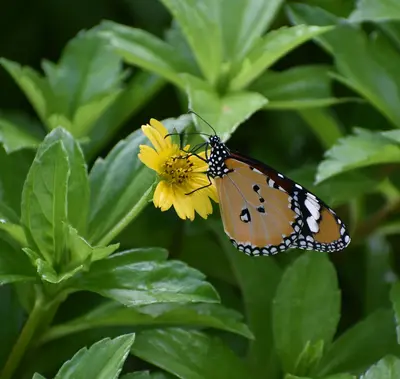
Butterfly Weed
Attracts butterflies and bees. Grows well in arid soils. Also known as milkweed, butterfly weed, butterfly milkweed, and butterfly-weed. Medicinal: Roots are a respiratory expectorant and diaphoretic. Perennial in Zones 4-9.
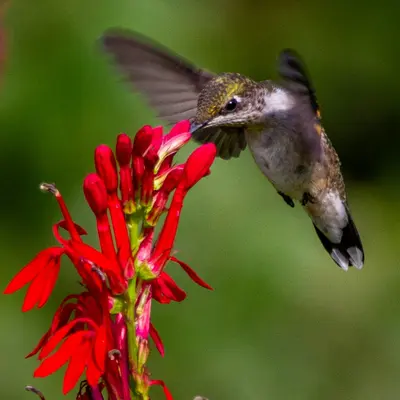
Cardinal Flower
Nature's most brilliant red wildflower creates an unforgettable display with its intense scarlet blooms that seem to glow in shade gardens. This native beauty is a hummingbird magnet, drawing ruby-throated hummingbirds from miles around with its tubular flowers perfectly designed for their long beaks. Thriving in moist soils where many plants struggle, it brings vibrant color to pond edges, rain gardens, and woodland borders.
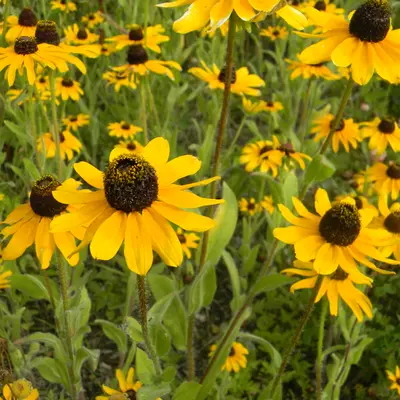
Cheyenne Spirit
Bred for improved branching and a higher percentage of 3-4" flowers per plant. The vivid red, orange, purple, scarlet, cream, yellow, and white blooms can be used as cuts or as high-impact landscaping or container plants. Attracts and is a food source for bees. Perennial in Zones 3-8. FleuroSelect Gold Award Winner. AAS Winner.
Coral Bells
Native coral bells offer delicate clouds of tiny white or pink flowers dancing above beautiful mounds of scalloped leaves that change colors with the seasons. This versatile perennial bridges the gap between wildflower and cultivated garden, equally at home in formal borders or naturalized woodland settings. Its long-lasting foliage provides four-season interest while the airy flower stems attract bees and other beneficial pollinators.
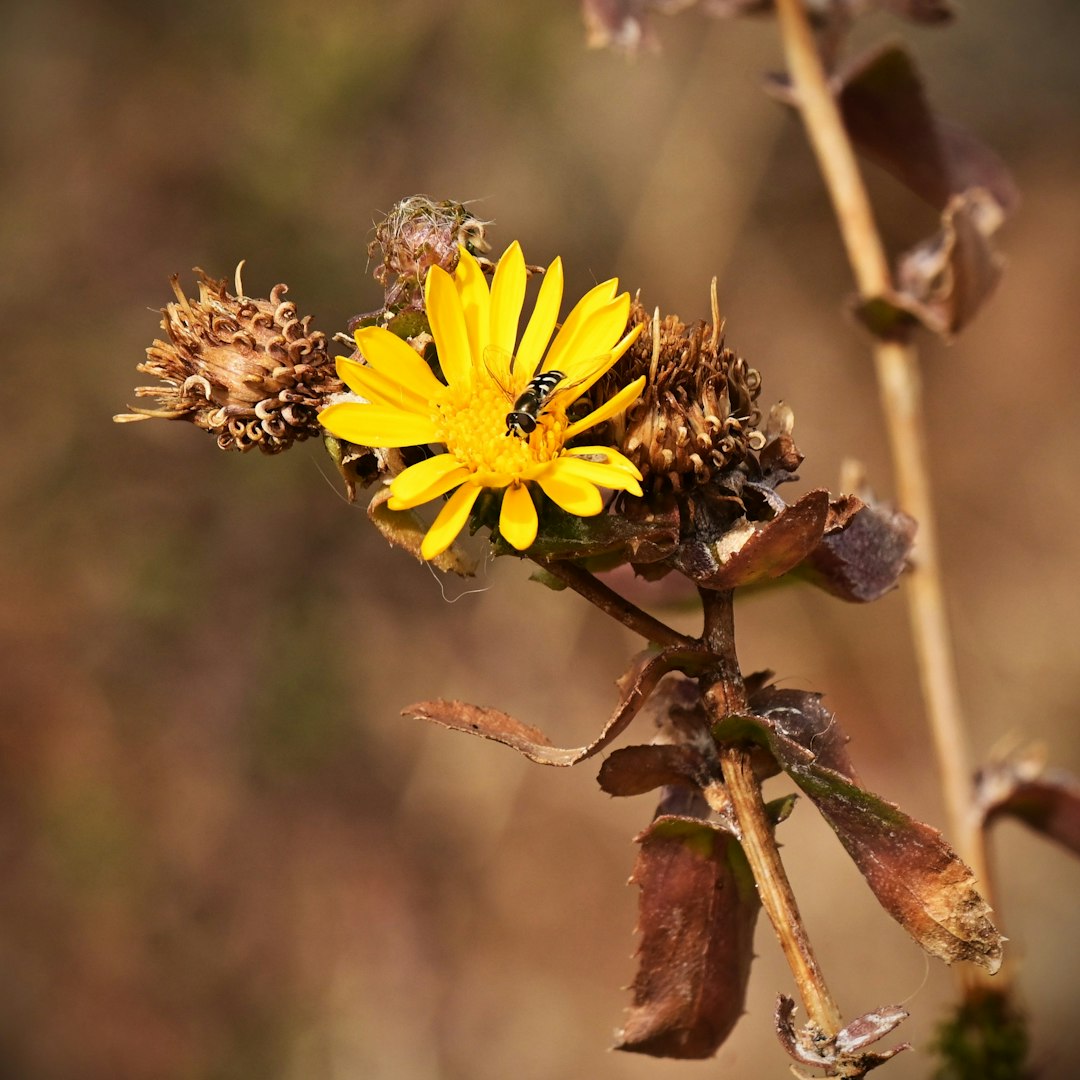
Cup Plant
Cup Plant (Silphium perfoliatum) is a perennial native wildflower. Hardy in USDA zones 3 to 9. Prefers full sun.
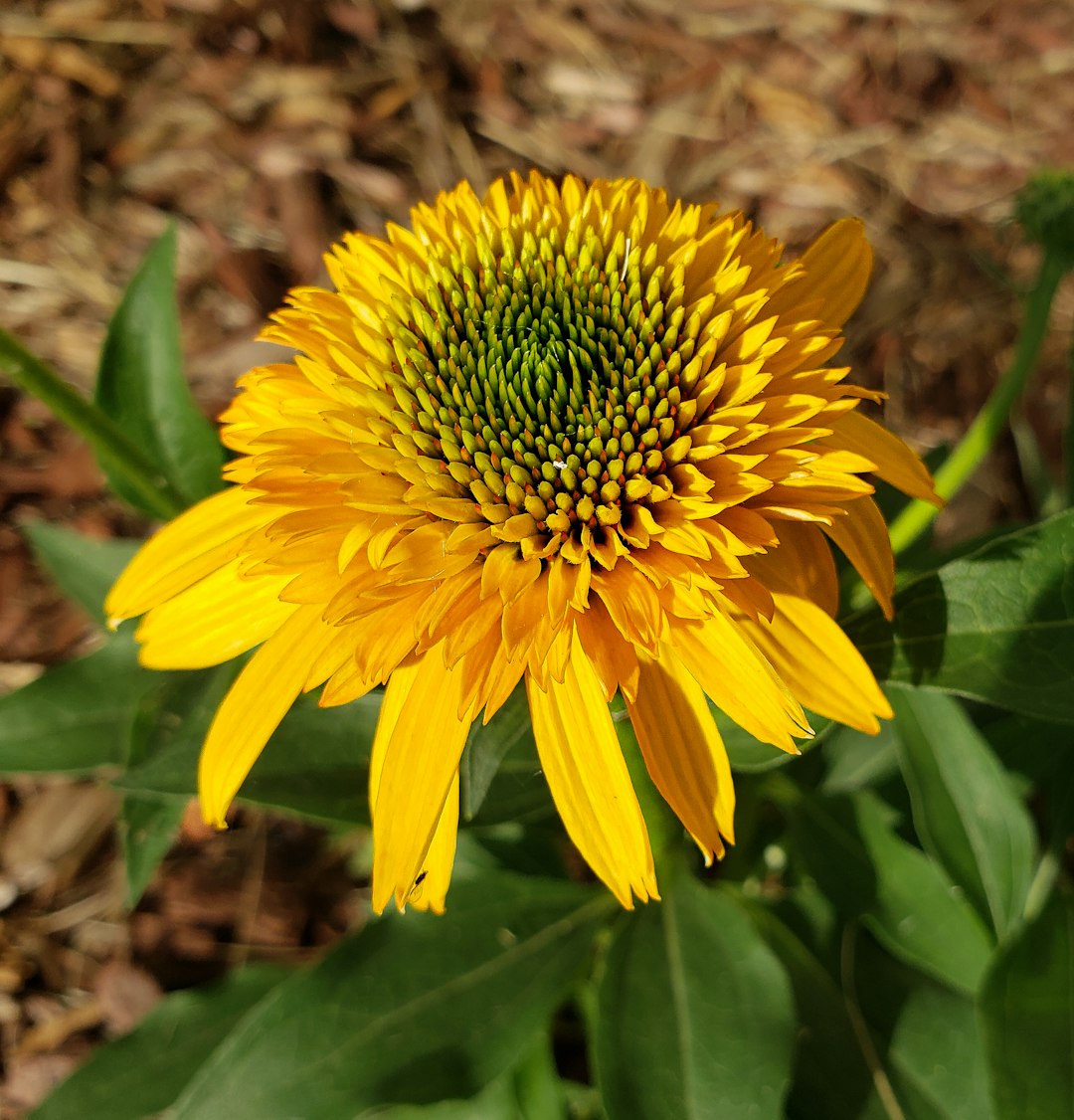
Cutleaf Coneflower
Cutleaf Coneflower (Rudbeckia laciniata) is a perennial native wildflower. Hardy in USDA zones 3 to 9.
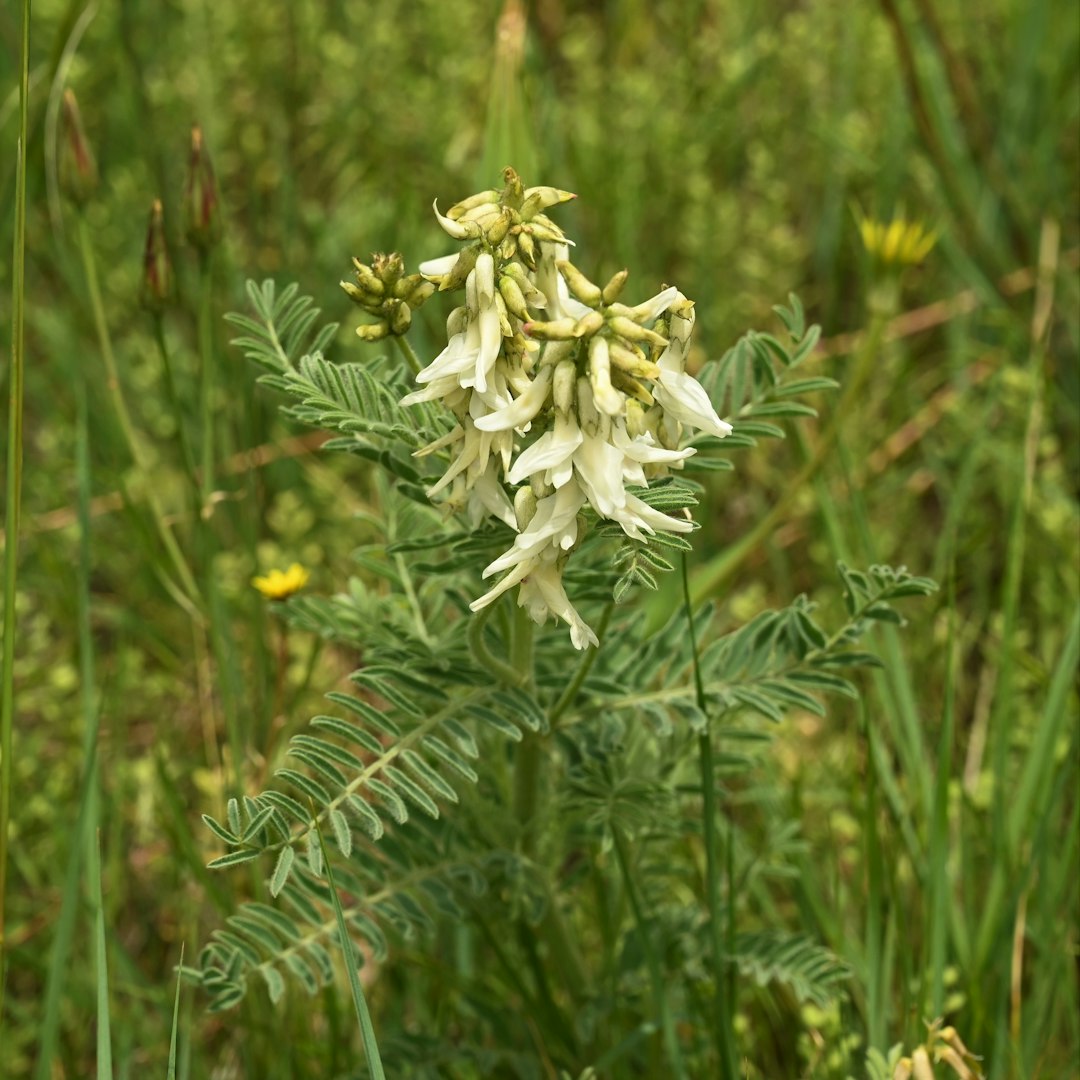
Dutchman's Breeches
Dutchman's Breeches (Dicentra cucullaria) is a perennial native wildflower. Hardy in USDA zones 3 to 7. Prefers part sun.
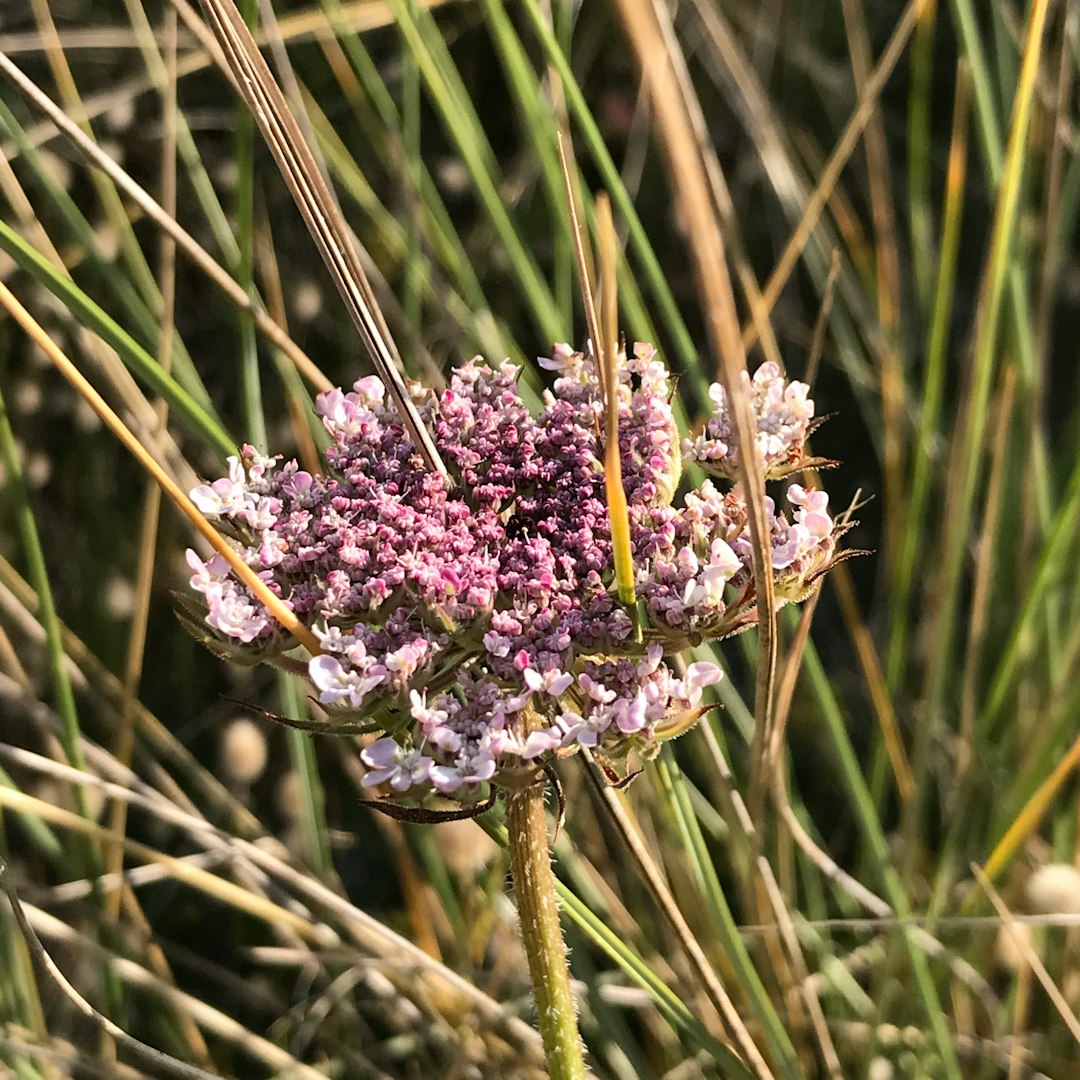
Foamflower
Foamflower (Tiarella cordifolia) is a perennial native wildflower. Hardy in USDA zones 3 to 8.
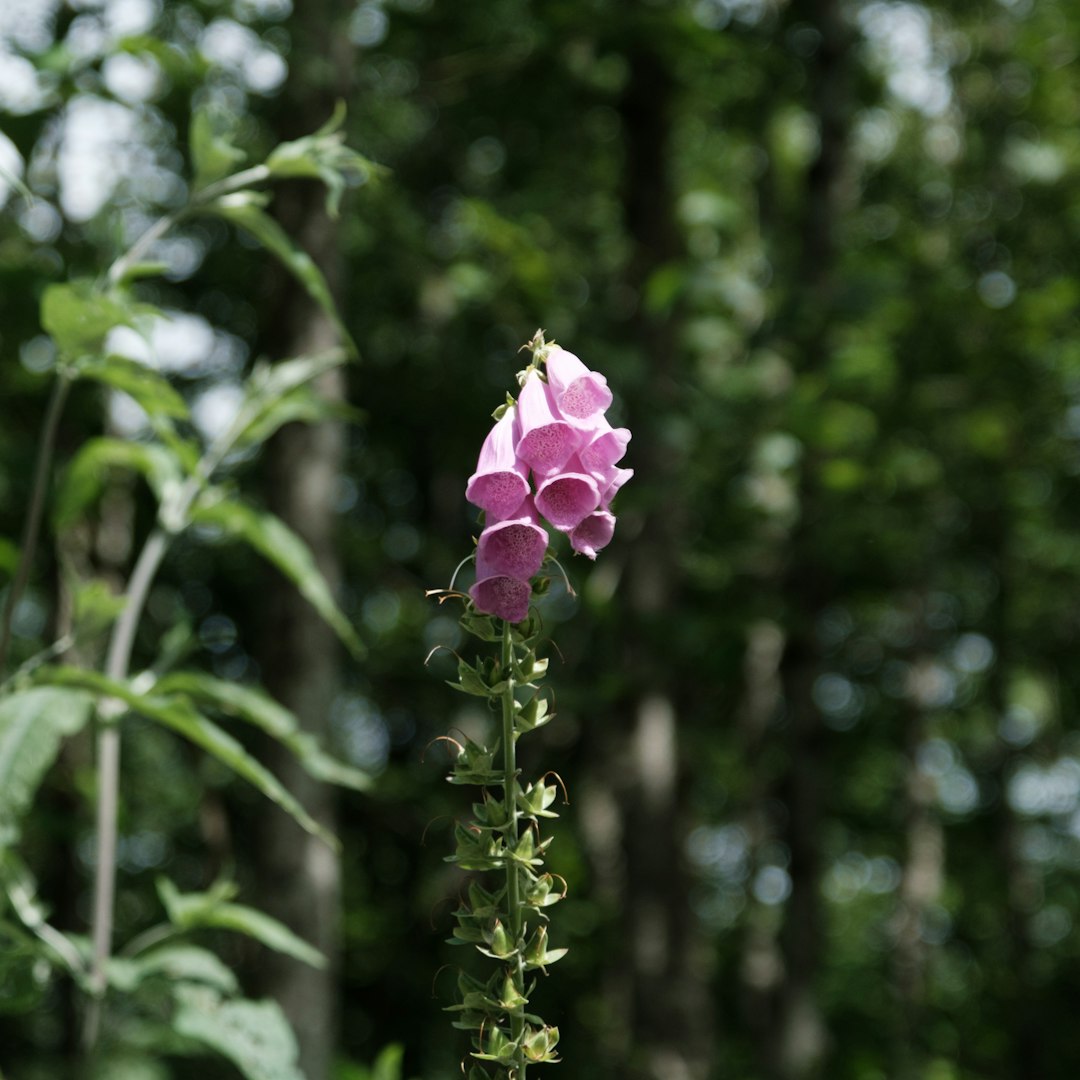
Foxglove Beardtongue
Foxglove Beardtongue (Penstemon digitalis) is a perennial native wildflower. Hardy in USDA zones 3 to 8.
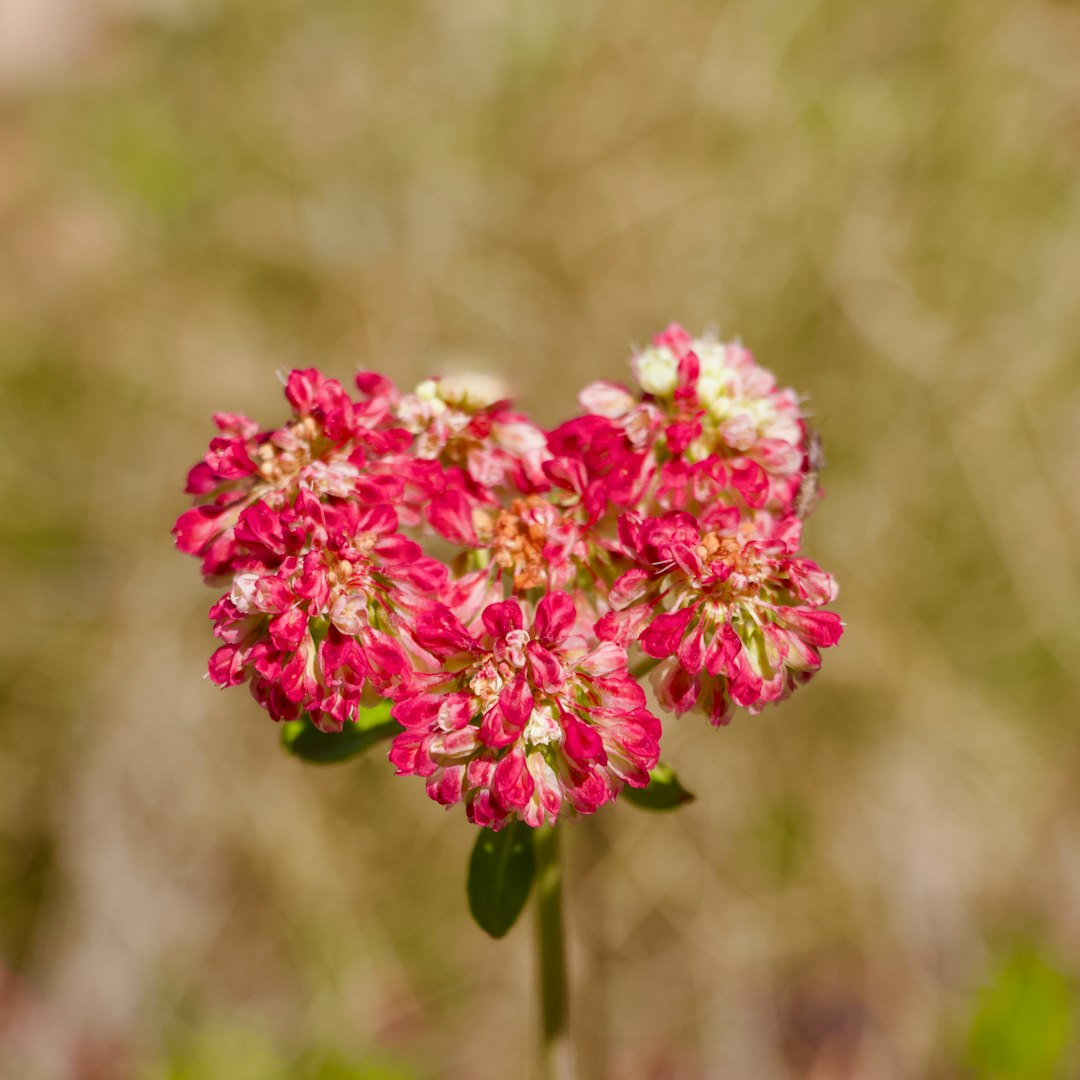
Fringed Bleeding Heart
Fringed Bleeding Heart (Dicentra eximia) is a perennial native wildflower. Hardy in USDA zones 3 to 9. Prefers part sun.
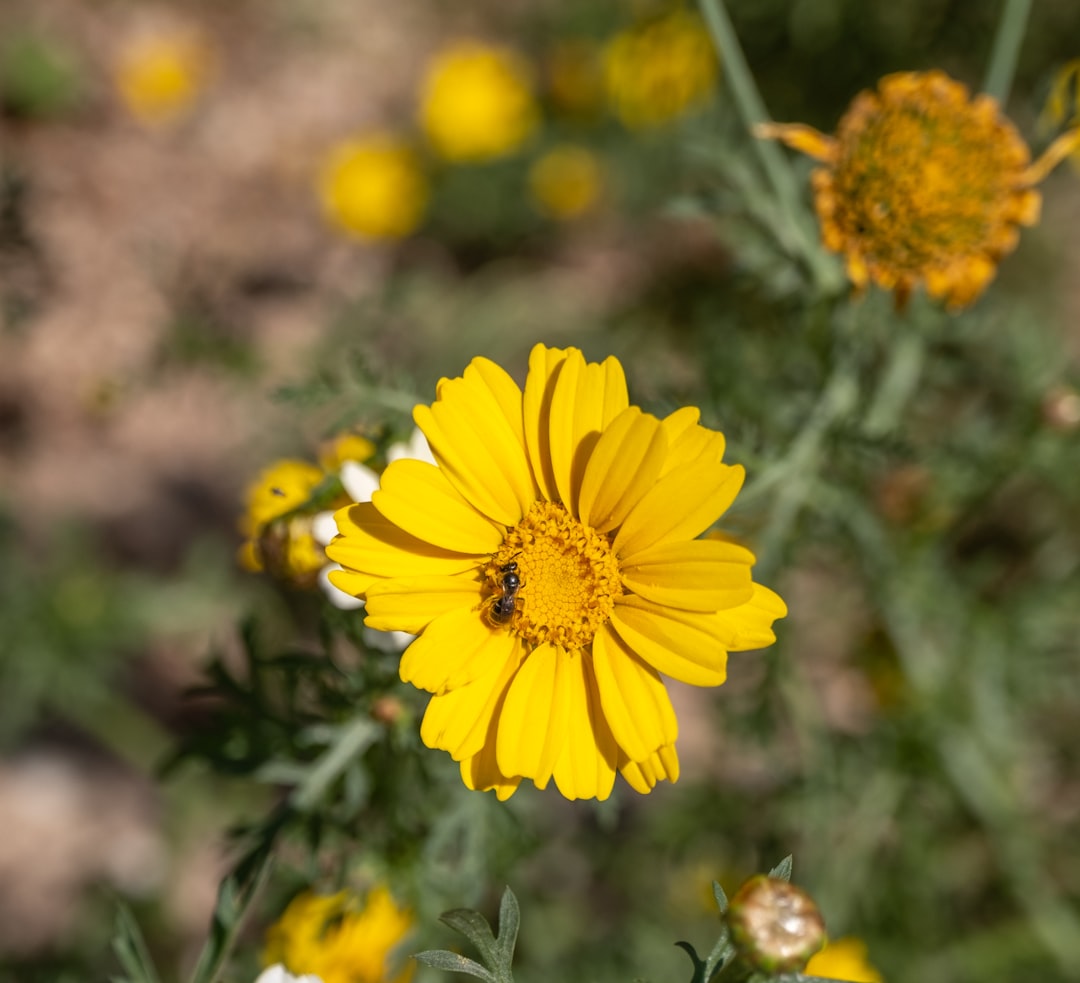
Golden Alexander
Golden Alexander (Zizia aurea) is a perennial native wildflower. Hardy in USDA zones 3 to 8.
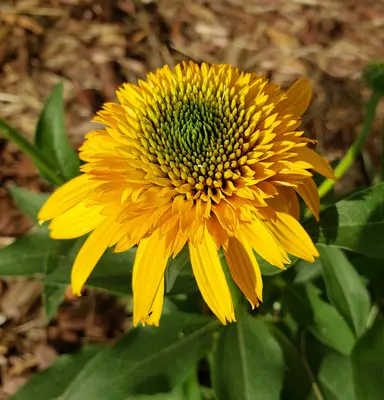
Gray-Headed Coneflower
Gray-Headed Coneflower (Ratibida pinnata) is a perennial native wildflower. Hardy in USDA zones 3 to 8.
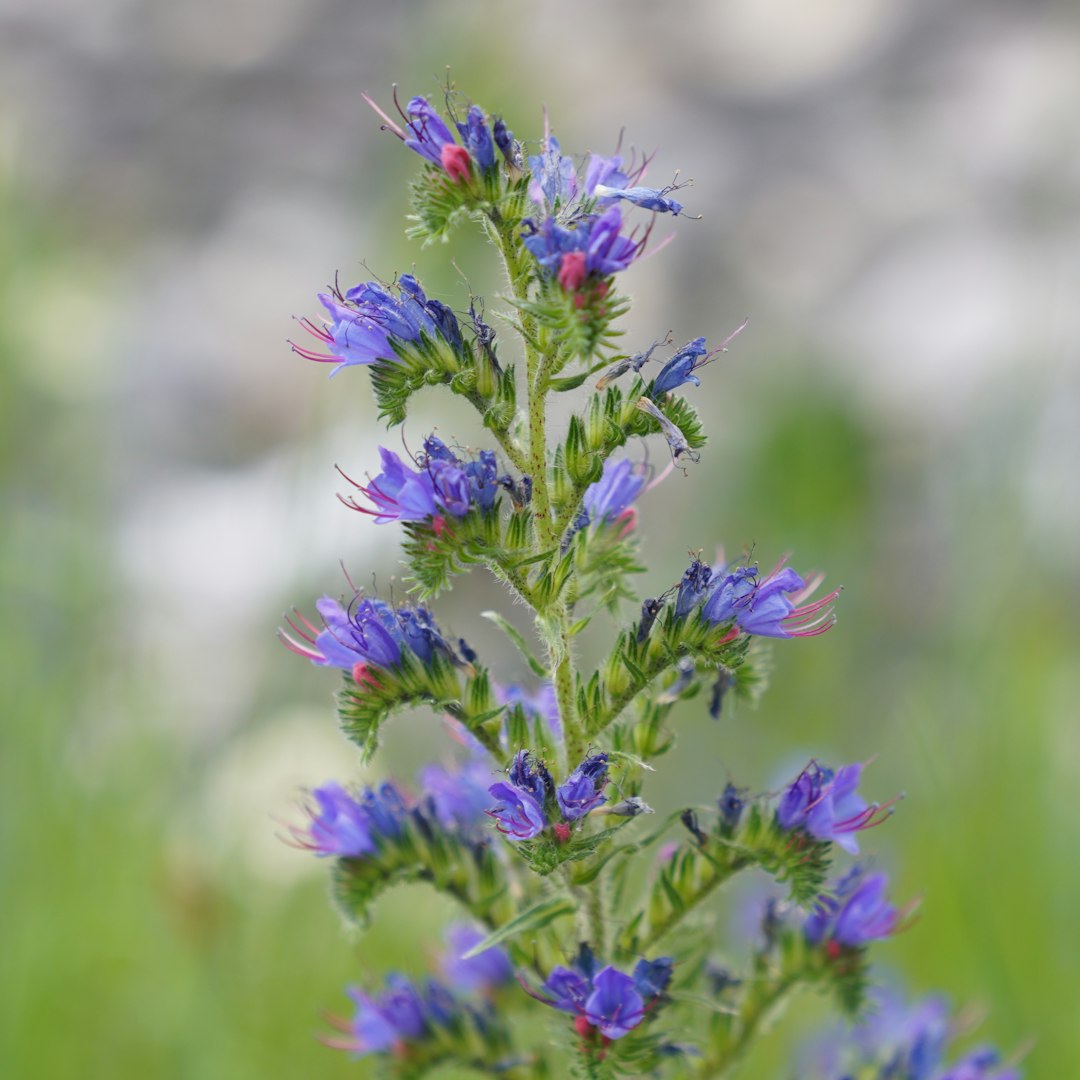
Great Blue Lobelia
Great Blue Lobelia (Lobelia siphilitica) is a perennial native wildflower. Hardy in USDA zones 4 to 9. Prefers full sun.
Hairy Alumroot
Hairy Alumroot (Heuchera villosa) is a perennial native wildflower. Hardy in USDA zones 3 to 8.
Hairy Beardtongue
Hairy Beardtongue (Penstemon hirsutus) is a perennial native wildflower. Hardy in USDA zones 3 to 9. Prefers full sun.
Hollow Joe-Pye Weed
Hollow Joe-Pye Weed (Eutrochium fistulosum) is a perennial native wildflower. Hardy in USDA zones 4 to 8.
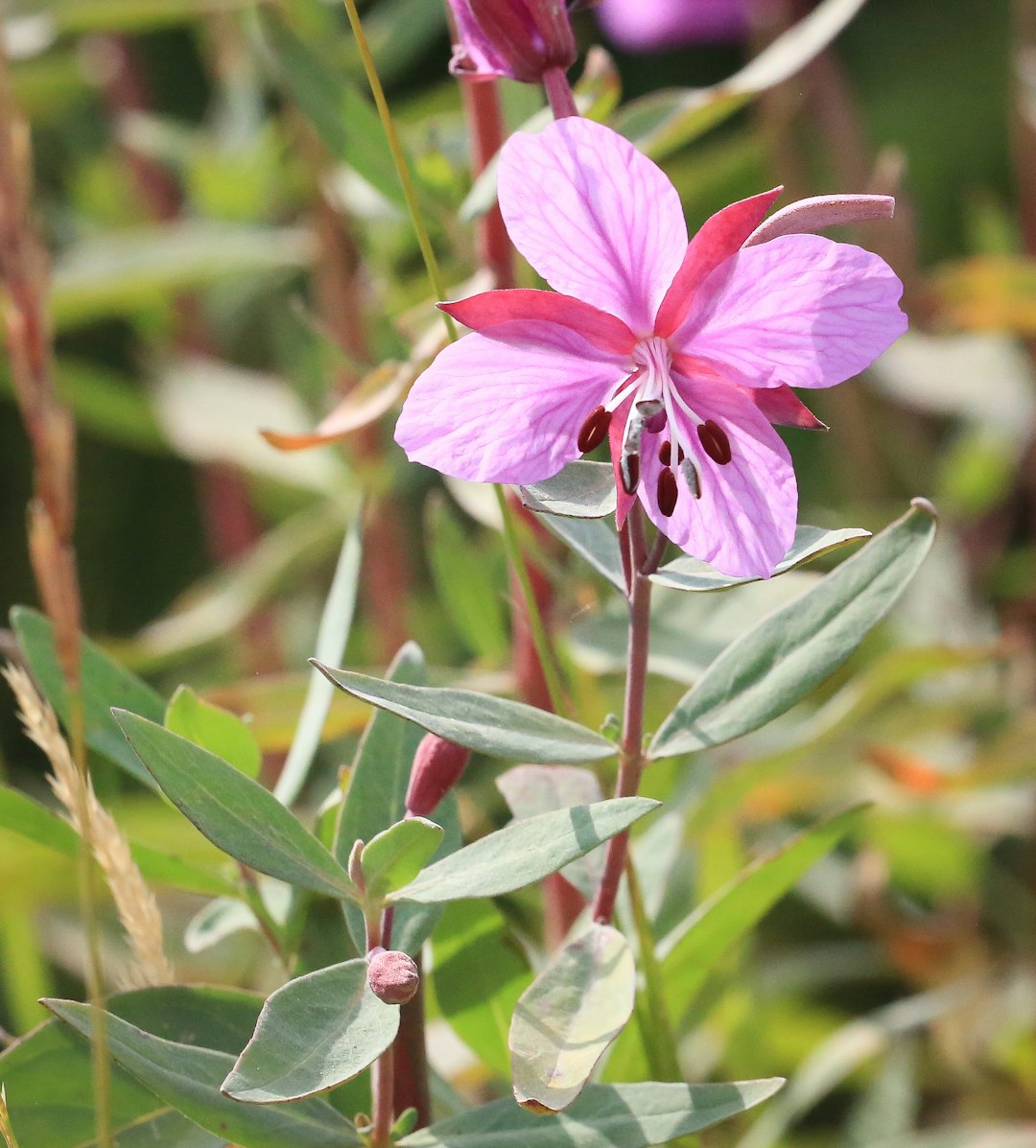
Indian Pink
Indian Pink (Spigelia marilandica) is a perennial native wildflower. Hardy in USDA zones 5 to 9. Prefers part sun.
Jacob's Ladder
Jacob's Ladder (Polemonium reptans) is a perennial native wildflower. Hardy in USDA zones 3 to 8. Prefers full sun.
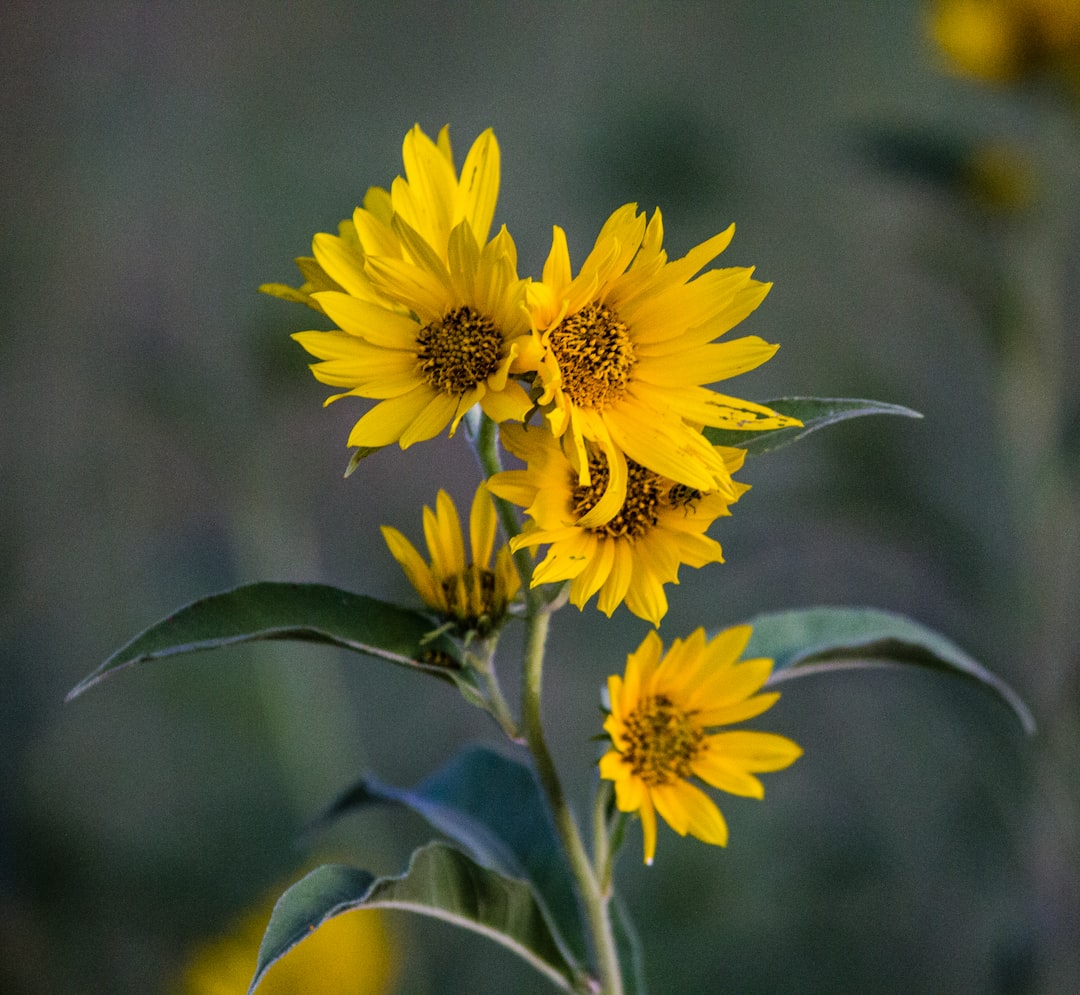
Jerusalem Artichoke
Jerusalem Artichoke (Helianthus tuberosus) is a perennial native wildflower. Hardy in USDA zones 3 to 9.
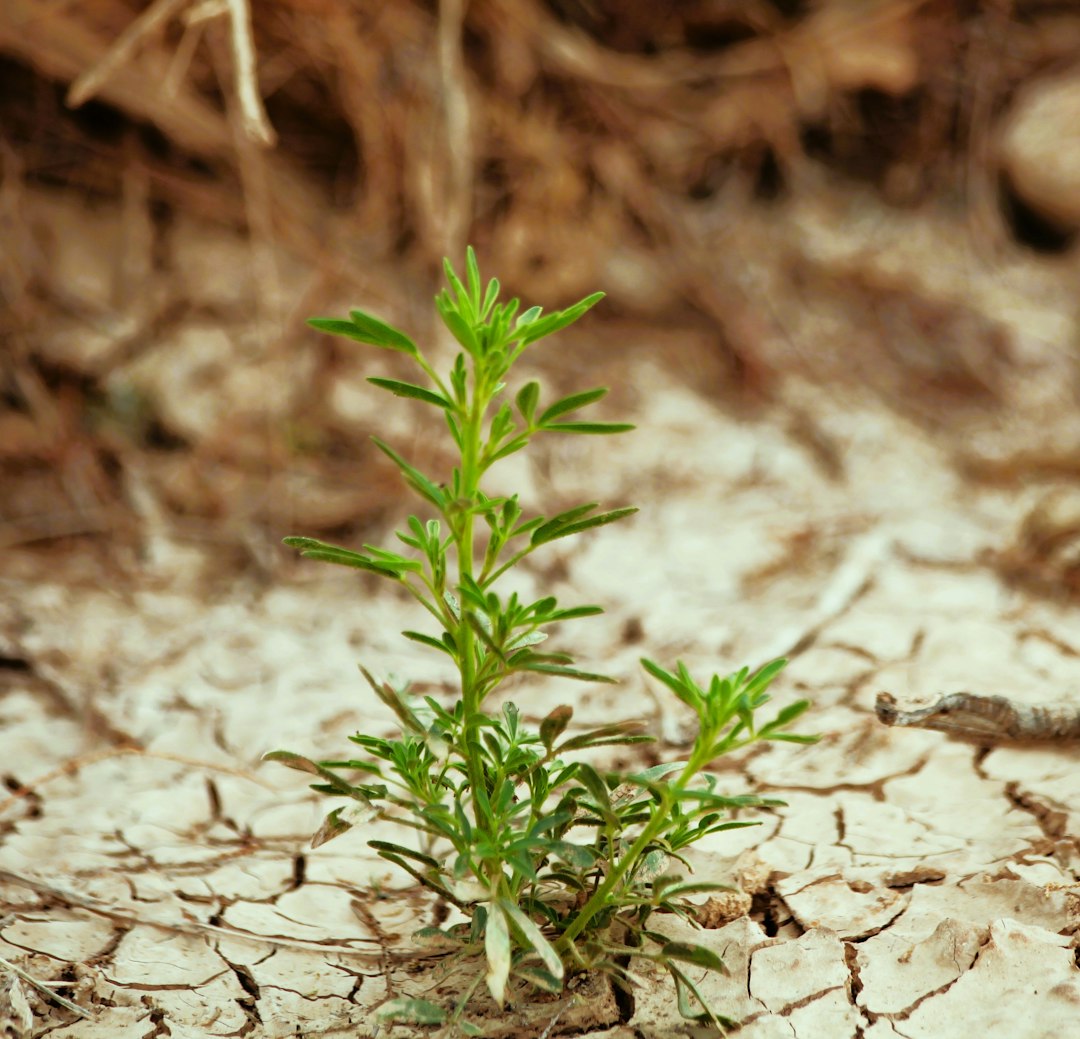
Joe-Pye Weed
Joe-Pye Weed (Eutrochium purpureum) is a perennial native wildflower. Hardy in USDA zones 4 to 9.
Lanceleaf Coreopsis
This cheerful native perennial produces masses of bright yellow daisy-like flowers with distinctive notched petals from spring through fall. Lanceleaf coreopsis is incredibly easy to grow and drought tolerant, making it perfect for beginner gardeners and low-maintenance landscapes. Its long blooming period and excellent cut flower qualities have made it a staple in cottage gardens and prairie restorations.
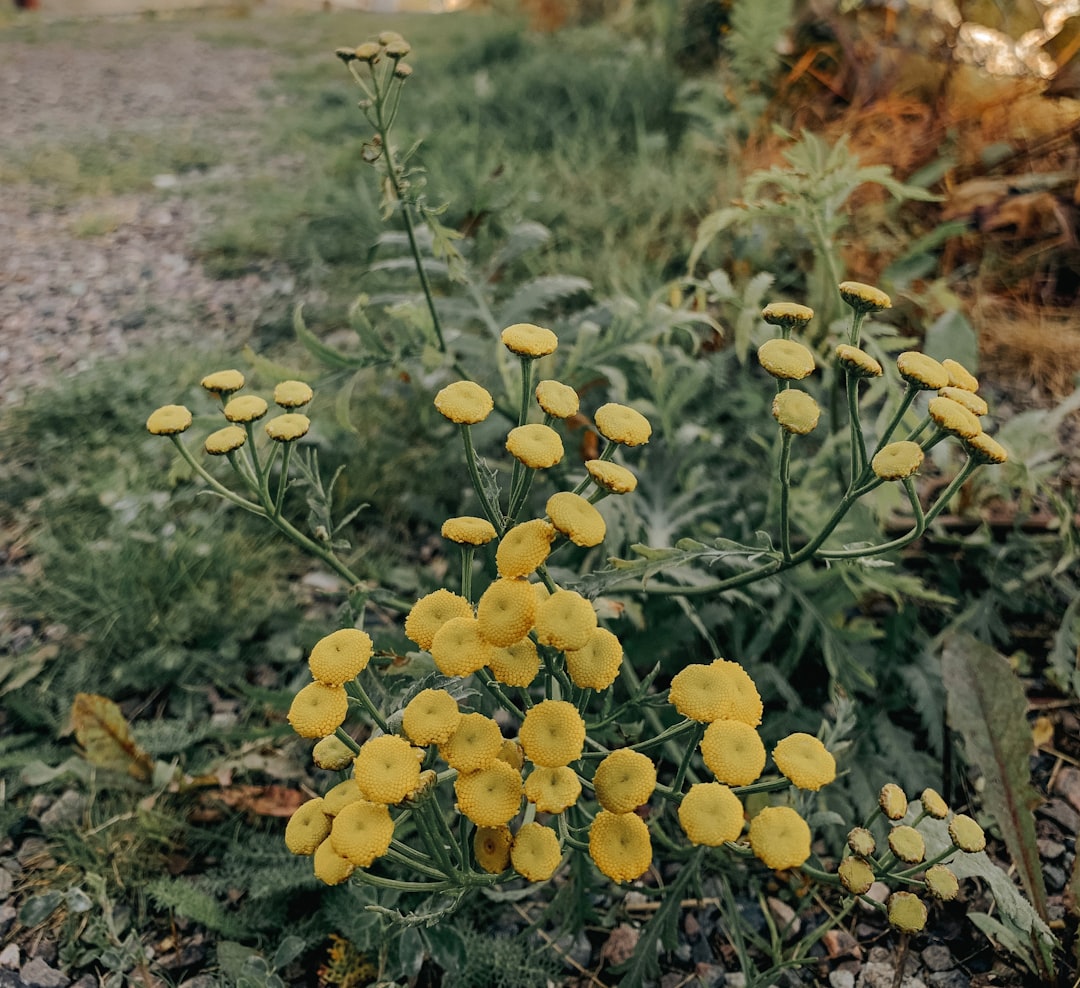
Large-Flowered Tickseed
Large-Flowered Tickseed (Coreopsis grandiflora) is a perennial native wildflower. Hardy in USDA zones 4 to 9.
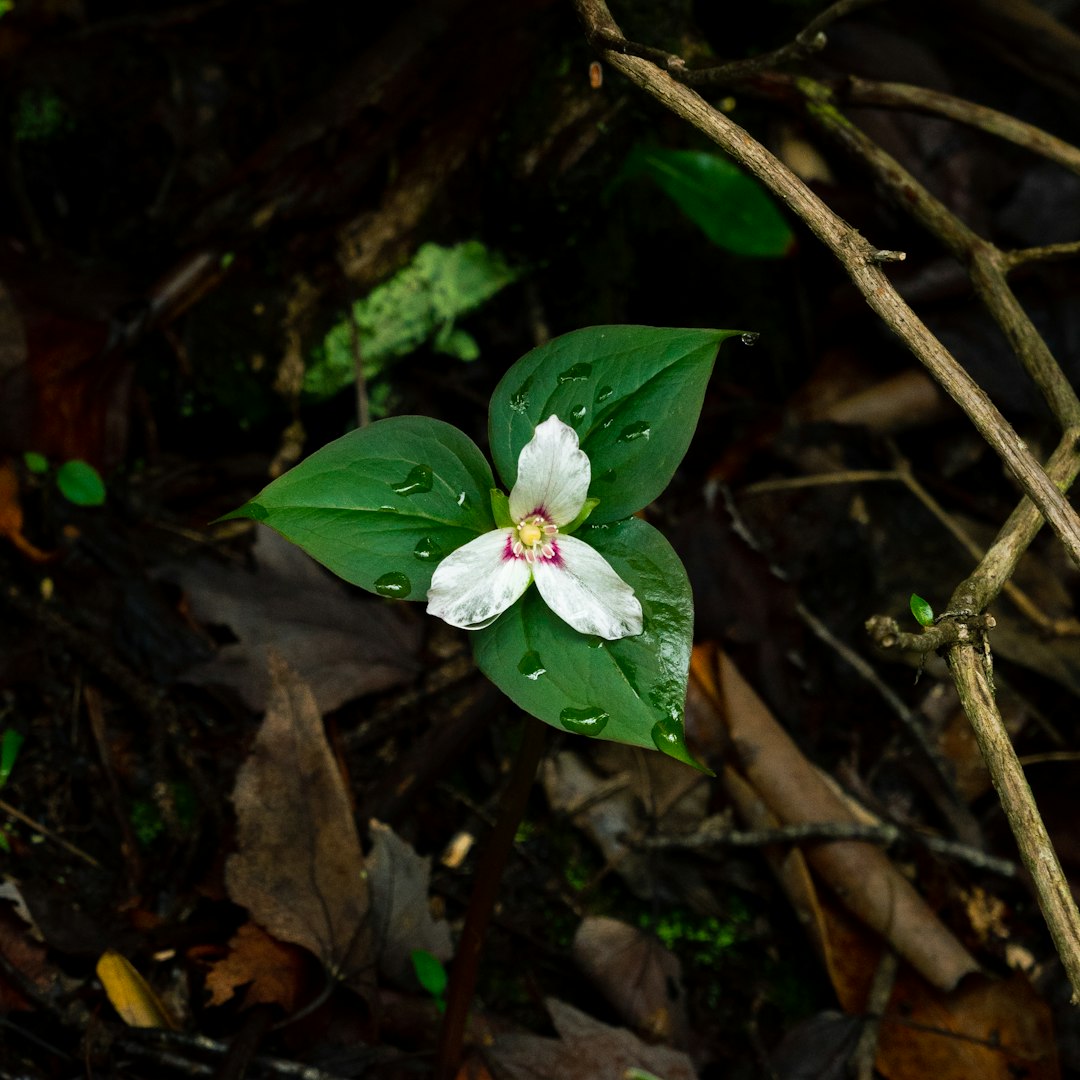
Large-Flowered Trillium
Large-Flowered Trillium (Trillium grandiflorum) is a perennial native wildflower. Hardy in USDA zones 4 to 8. Prefers part sun.
Lemon Mint
Towers of bright lavender 1 1/2-2" blooms on straight and thin, yet sturdy stems. An unusual and easy-to-use cut flower. The blooms and leaves are edible, though the leaves are intensely spicy. Native to the US. Also known as lemon bee balm, purple horsemint, and lemon mint. Edible Flowers: Add petals to salads, sprinkle over mild fish, use in fruit salads, or to garnish desserts and drinks. Flavor is minty and spicy. Leaves are used to flavor salads, cooked foods, and tea. Attracts Beneficial Insects: Nectar plant for bees, butterflies, and hummingbirds.
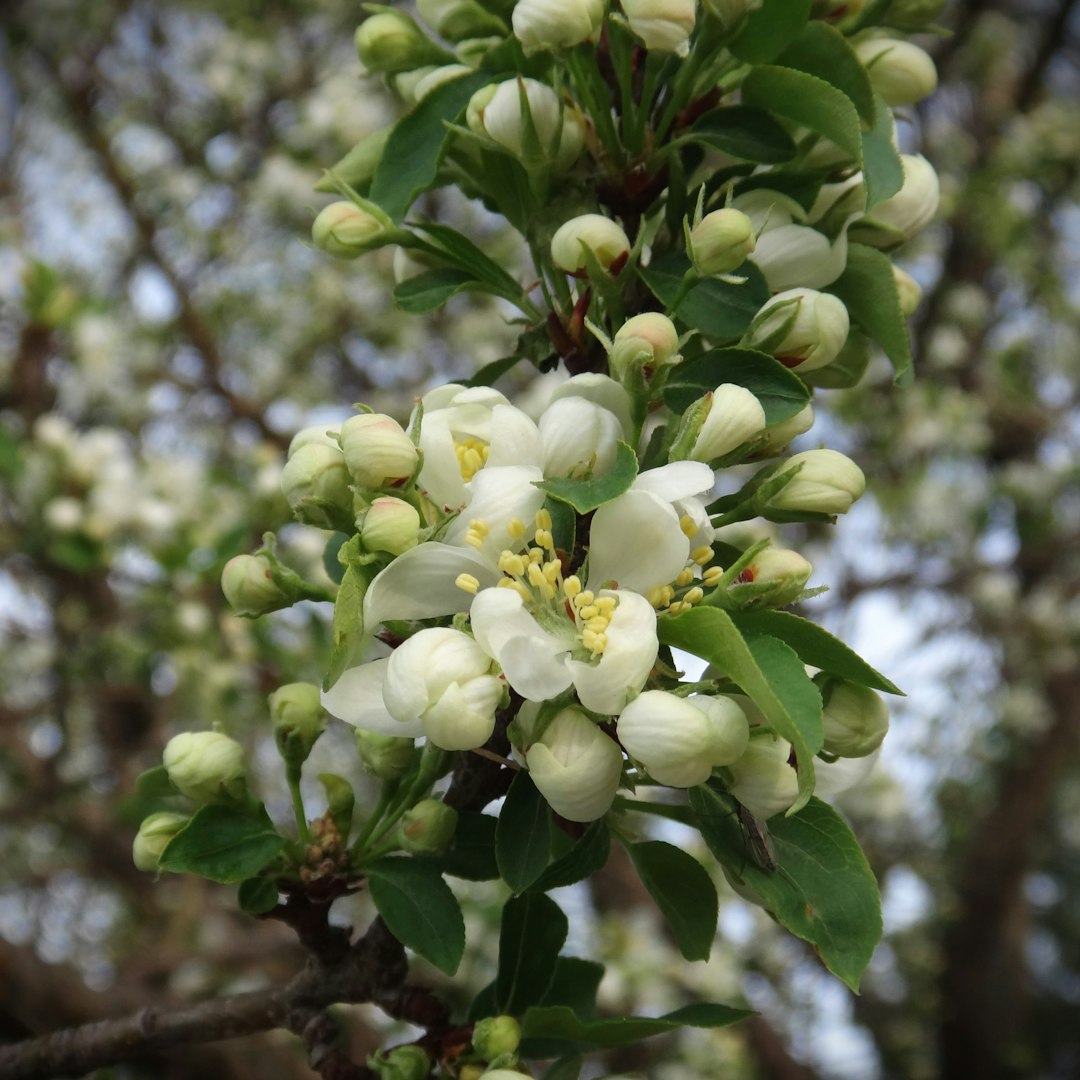
Mayapple
Mayapple (Podophyllum peltatum) is a perennial native wildflower. Hardy in USDA zones 3 to 8. Prefers part sun.
Milkmaid
Clusters of creamy white florets on sturdy stems. Attractive lance-shaped leaves. Use for cut flowers and garden beds. Flowers late in the summer of the first year. Tall plants and sturdy stems are highly uniform. Attracts butterflies and hummingbirds. Larval host for monarch butterflies. Native to North America. Also known as swamp milkweed. Perennial in Zones 3-8.
Narrow-Leaved Mountain Mint
Narrow-Leaved Mountain Mint (Pycnanthemum tenuifolium) is a perennial native wildflower. Hardy in USDA zones 4 to 8. Prefers full sun.
New England Aster
The crown jewel of fall-blooming wildflowers, this spectacular native transforms into clouds of tiny purple flowers just when most gardens are winding down. Essential for monarch butterfly migration and beloved by over 100 native bee species, it provides crucial late-season nectar when little else is blooming. The impressive 3-6 foot tall plants create dramatic backdrops and naturalize beautifully in wildflower meadows.
New Guinea Impatiens
New Guinea Impatiens (Impatiens hawkeri) is a perennial native wildflower. Hardy in USDA zones 10 to 12.
New York Aster
New York Aster (Symphyotrichum novi-belgii) is a perennial native wildflower. Hardy in USDA zones 4 to 8.
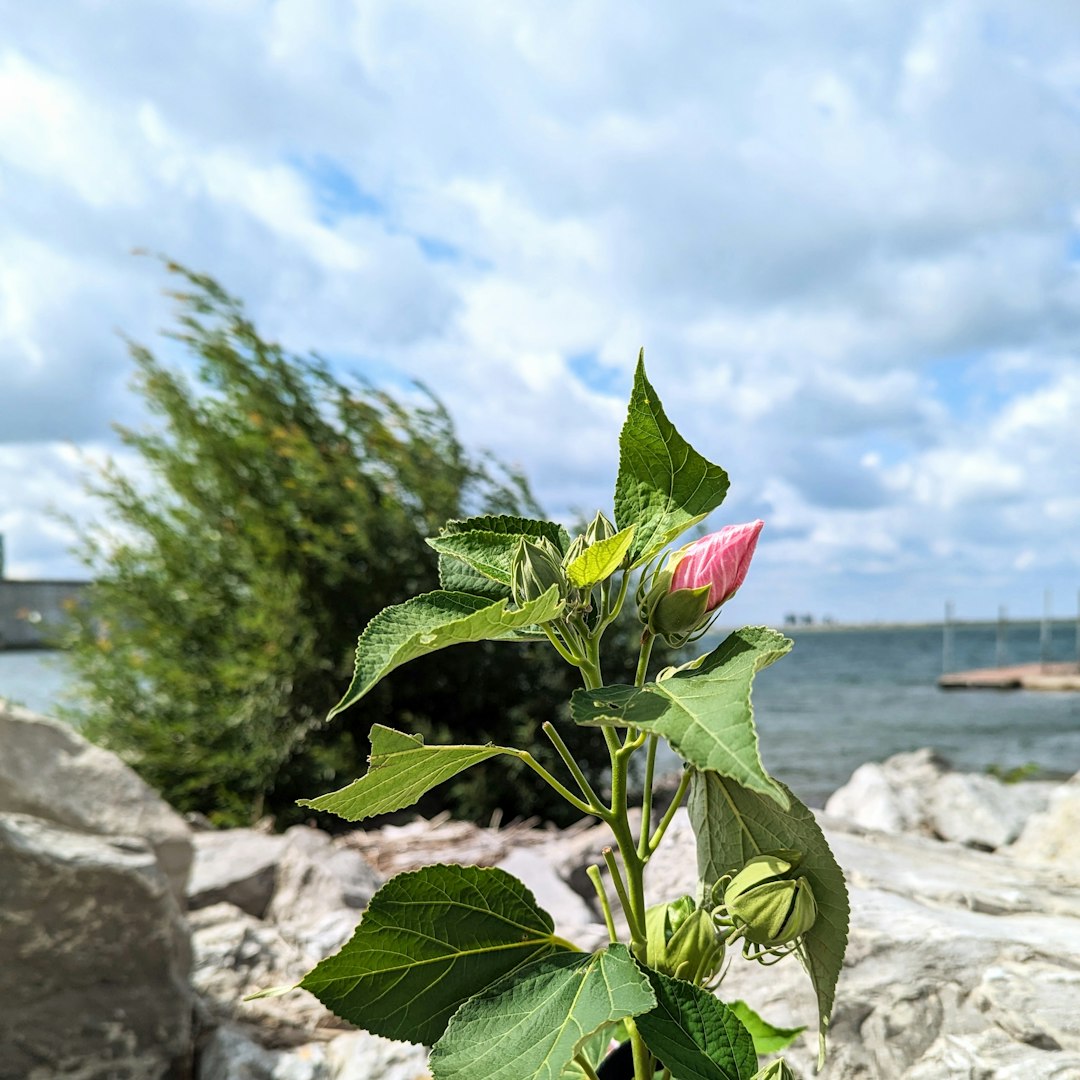
New York Ironweed
New York Ironweed (Vernonia noveboracensis) is a perennial native wildflower. Hardy in USDA zones 5 to 9. Prefers full sun.
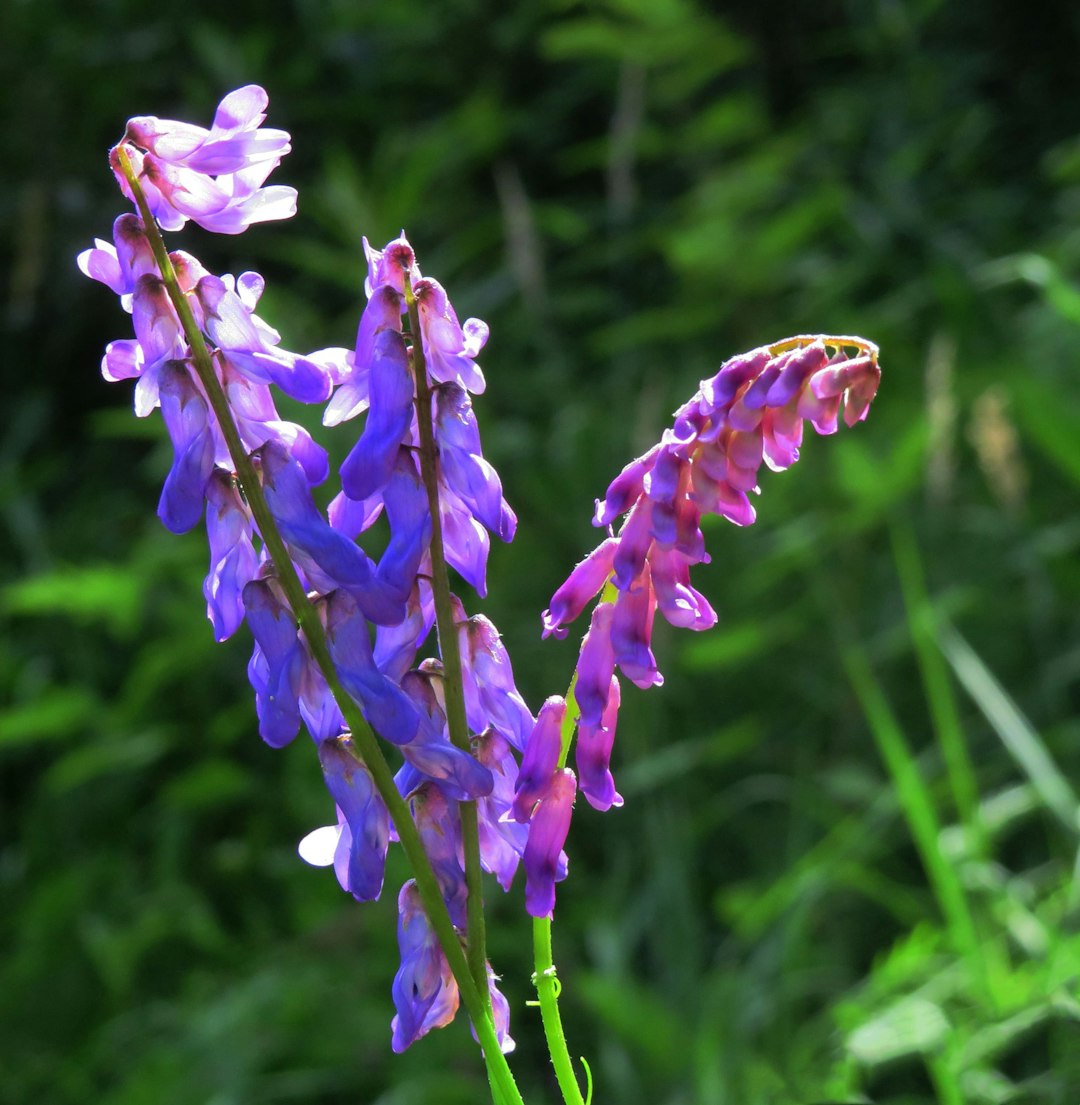
Obedient Plant
Obedient Plant (Physostegia virginiana) is a perennial native wildflower. Hardy in USDA zones 2 to 9. Prefers full sun.
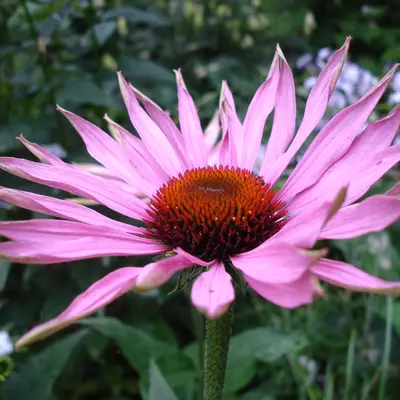
Paradiso Tall Mix
3-4" wide blooms in shades of magenta, cream, yellow, white, and orange can be used as casual cut-flowers, high-impact landscaping, or for perennial beds. Compared to Cheyenne Spirit, Paradiso Tall Mix has taller plants and a wider color range, including some softer hues such as white and cream. Attracts and is a food source for bees and other pollinators. Perennial in Zones 3-8.
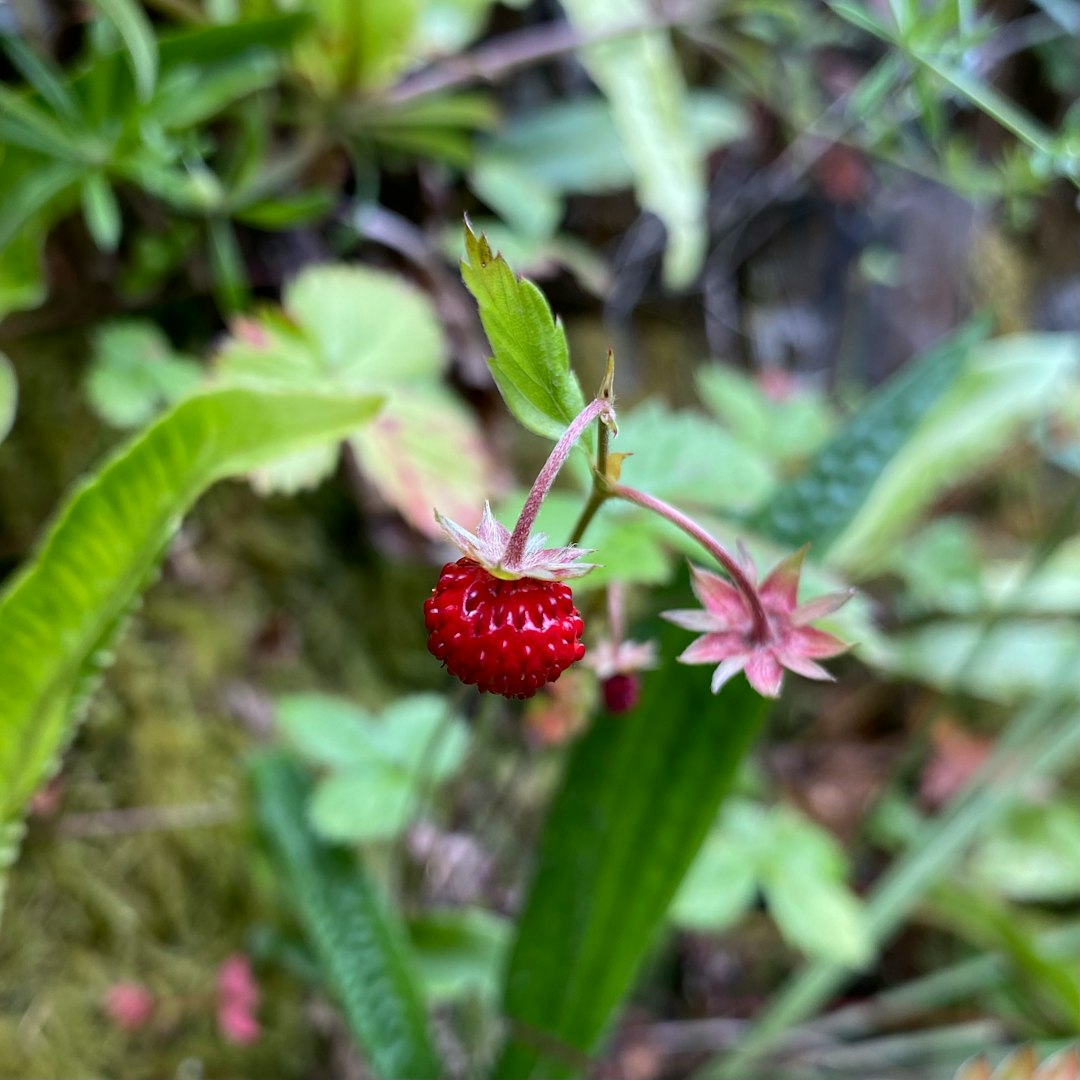
Partridgeberry
Partridgeberry (Mitchella repens) is a perennial native wildflower. Hardy in USDA zones 3 to 8. Prefers full sun.
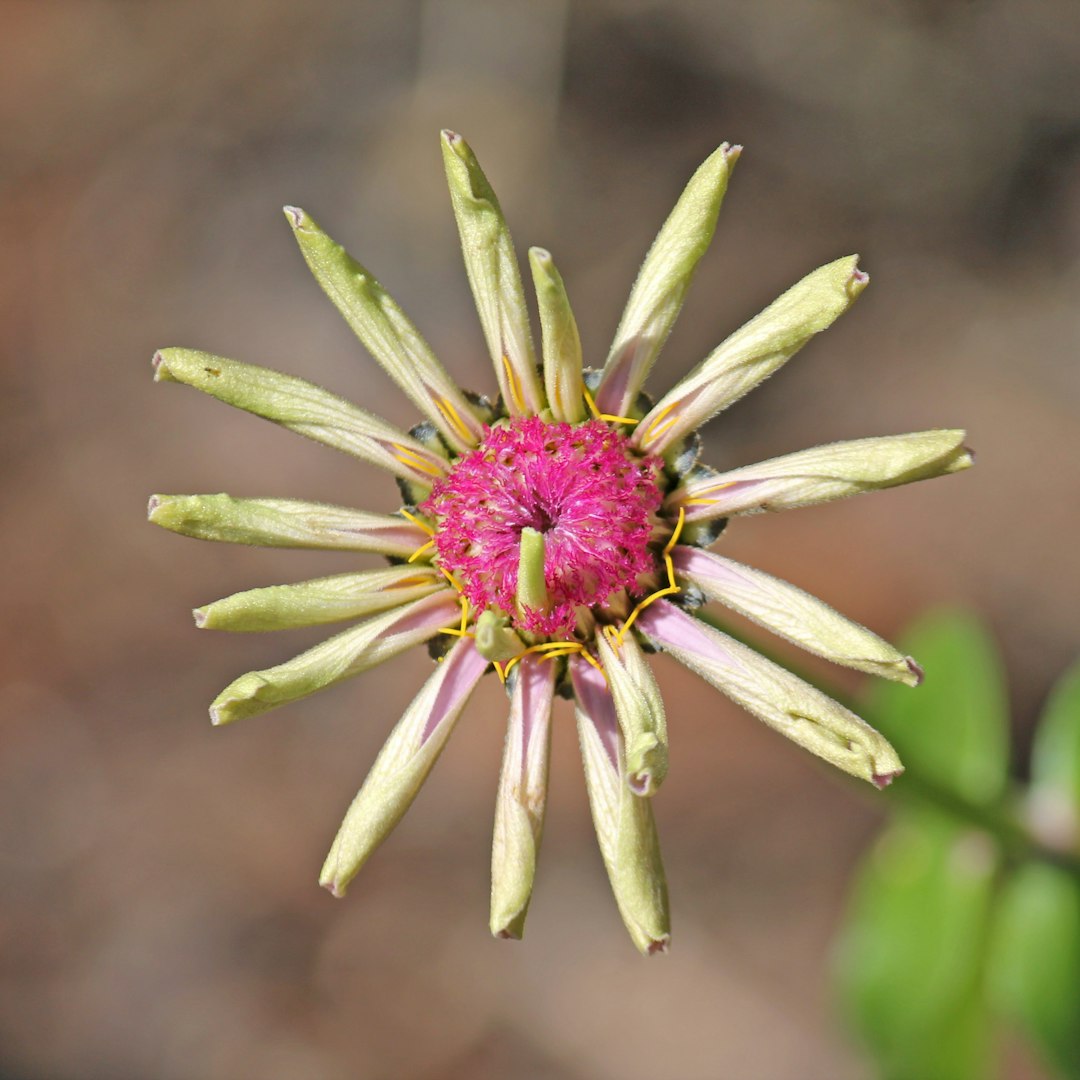
Pink Turtlehead
Pink Turtlehead (Chelone lyonii) is a perennial native wildflower. Hardy in USDA zones 3 to 8. Prefers full sun.
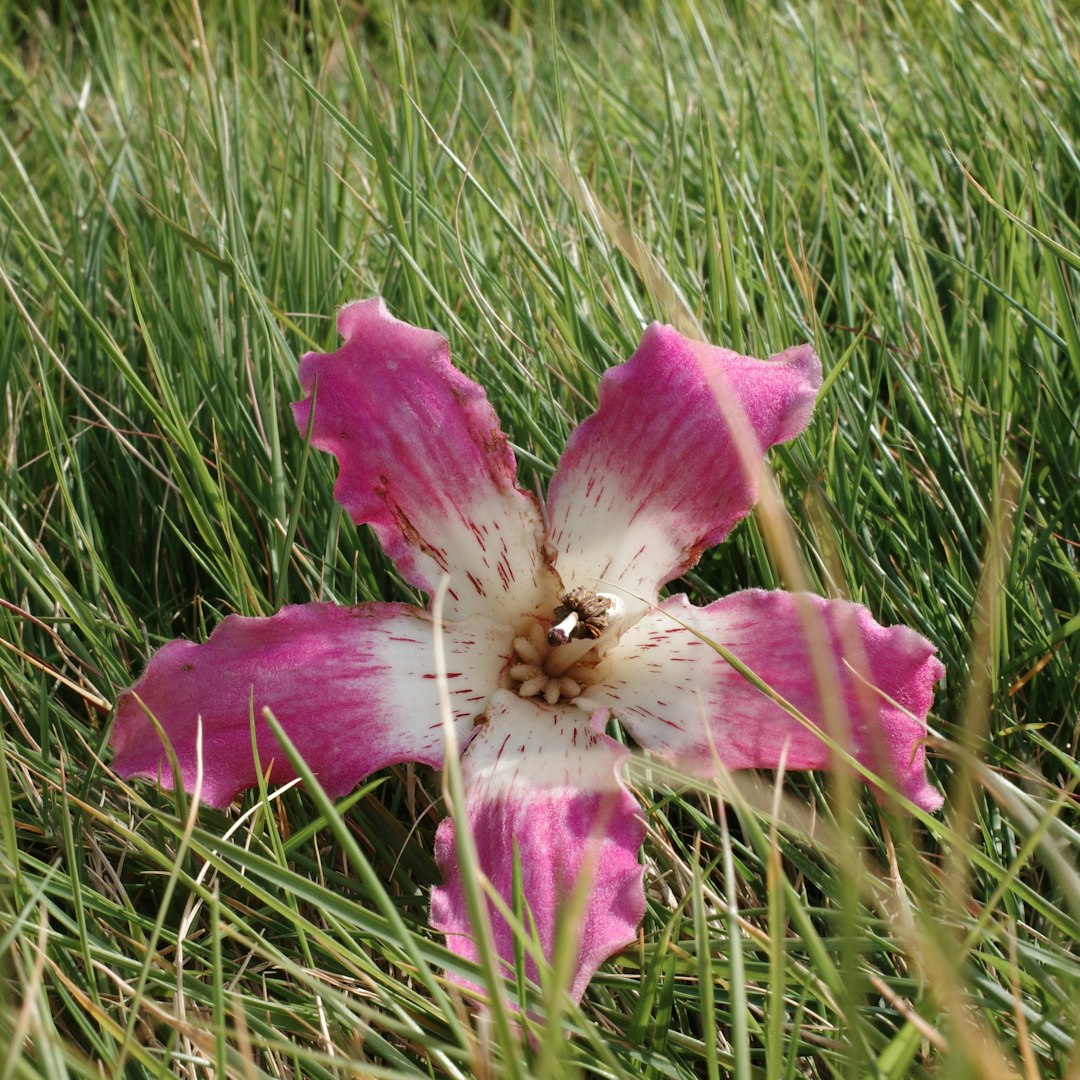
Prairie Trillium
Prairie Trillium (Trillium recurvatum) is a perennial native wildflower. Hardy in USDA zones 4 to 9.
Purple Coneflower
Easy-to-grow echinacea. Vigorous plants with large, purple-petaled flowers. Fibrous roots are easy to harvest (other species have taproots). Attracts and is a food source for bees. Also known as purple coneflower and eastern purple coneflower. Normally grown for 3-4 years for harvest of sizeable roots. Perennial in Zones 3-10.
Purple Milkweed
Purple Milkweed (Asclepias purpurascens) is a perennial native wildflower. Hardy in USDA zones 3 to 8. Prefers full sun.
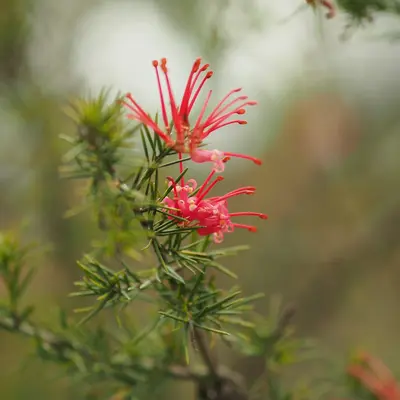
Red Trillium
Red Trillium (Trillium erectum) is a perennial native wildflower. Hardy in USDA zones 4 to 7.
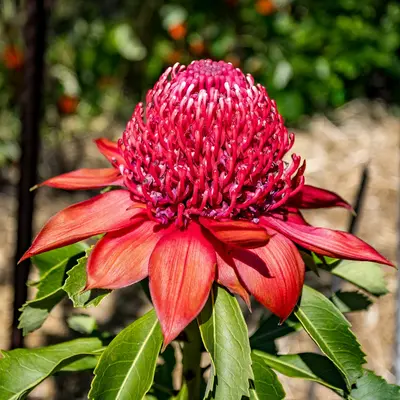
Red Turtlehead
Red Turtlehead (Chelone obliqua) is a perennial native wildflower. Hardy in USDA zones 5 to 9. Prefers full sun.
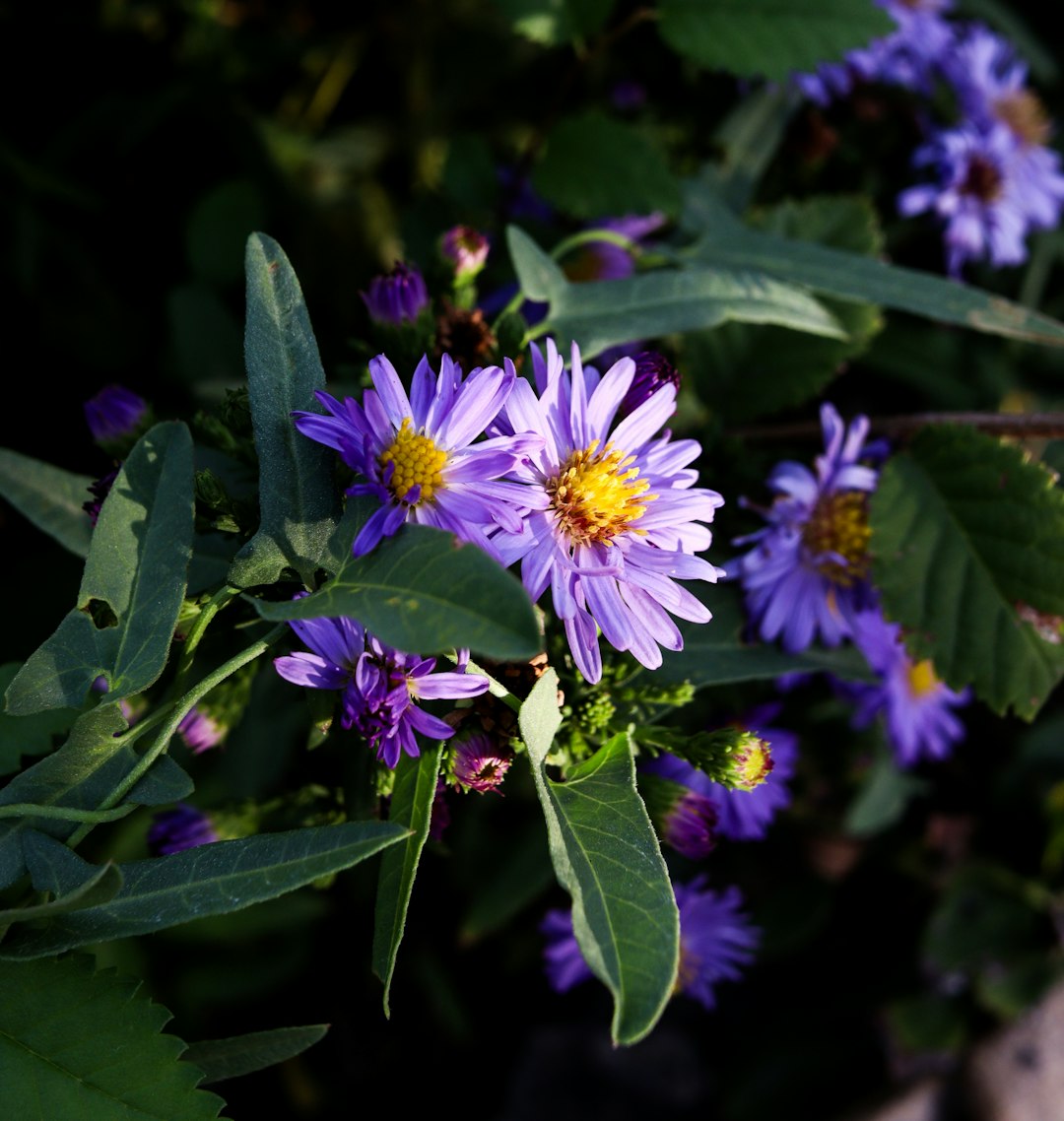
Smooth Blue Aster
Smooth Blue Aster (Symphyotrichum laeve) is a perennial native wildflower. Hardy in USDA zones 4 to 8.
Spiderwort
A resilient native wildflower producing clusters of three-petaled blue to purple flowers that open in the morning and close by afternoon. This easy-to-grow perennial forms attractive clumps of grass-like foliage and self-seeds readily to create natural colonies. The mucilaginous stems and leaves were traditionally used by Native Americans for medicinal purposes.
Spotted Joe-Pye Weed
Spotted Joe-Pye Weed (Eutrochium maculatum) is a perennial native wildflower. Hardy in USDA zones 3 to 8.
Spring Beauty
Spring-beauty is a native perennial in the purslane family found in moist woodland areas in eastern Canada and the U.S.A. It is a low growing plant with groups of light pink or white flowers that sport dark pink stripes. They open on sunny days and close at night and on cloudy days. This plant prefers partial shade in moist rich humusy soils with good drainage. It can be naturalized in meadows, woodlands or even the yard and used in rock gardens and native/wildflower gardens.
Stokes' Aster
Stokes' Aster (Stokesia laevis) is a perennial native wildflower. Hardy in USDA zones 5 to 9. Prefers full sun.
Sundrops
Sundrops (Oenothera fruticosa) is a perennial native wildflower. Hardy in USDA zones 4 to 8. Prefers full sun.
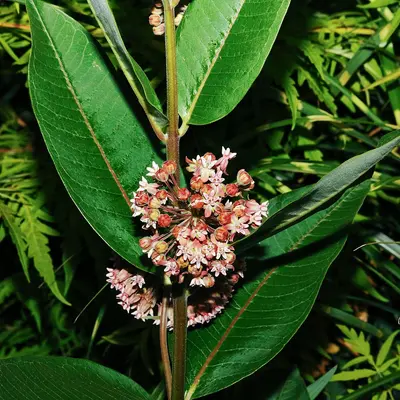
Swamp Milkweed
Blooms summer through frost. Clusters of rose to mauve florets on sturdy stems. In our trials the species is nearly identical to the variety Soulmate. Attractive lance-shaped leaves. Use for cut flowers and garden beds. Attracts butterflies and hummingbirds. Larval host for monarch butterflies. Native to North America. Also known as pink milkweed and rose milkweed. Perennial in Zones 3-8.
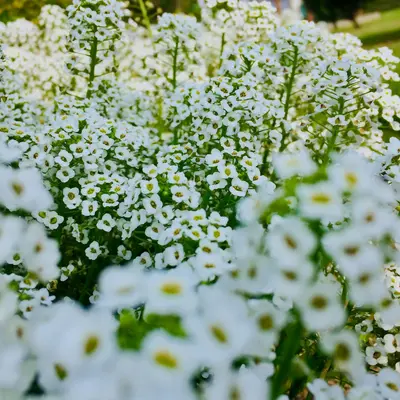
Sweet Alyssum
Sweet Alyssum is a delicate, low-growing annual wildflower featuring clusters of tiny, fragrant flowers in white, pink, or purple. Reaching just 3-9 inches tall, it matures in 50-60 days and spreads gracefully across borders and containers. This heirloom variety thrives in full sun to partial shade and tolerates poor, well-drained soil exceptionally well, making it ideal for challenging garden spots. While not typically eaten, Sweet Alyssum's defining characteristic is its intensely sweet, honey-like fragrance that attracts pollinators and fills gardens with subtle fragrance. Its vigorous self-seeding habit ensures prolific blooms throughout the season.
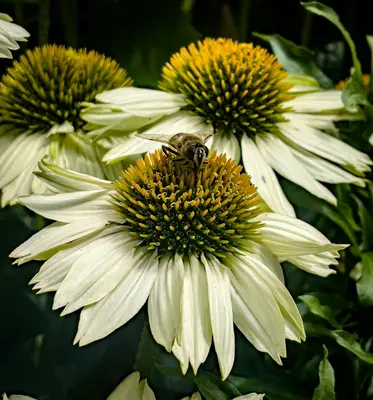
Sweet Coneflower
Sweet Coneflower (Rudbeckia subtomentosa) is a perennial native wildflower. Hardy in USDA zones 4 to 8.
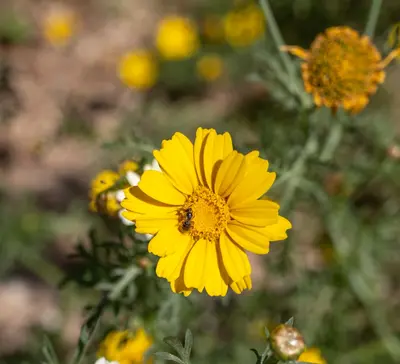
Tall Coreopsis
Tall Coreopsis (Coreopsis tripteris) is a perennial native wildflower. Hardy in USDA zones 3 to 8.
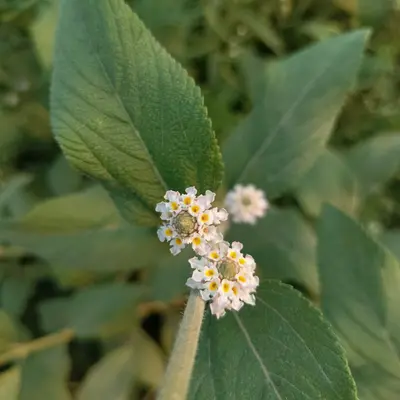
Tall Ironweed
Tall Ironweed (Vernonia gigantea) is a perennial native wildflower. Hardy in USDA zones 5 to 8.
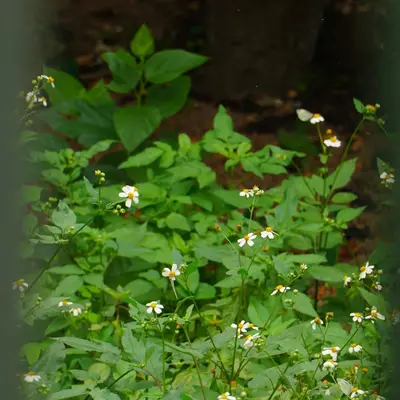
Tall Thimbleweed
Tall Thimbleweed (Anemone virginiana) is a perennial native wildflower. Hardy in USDA zones 2 to 8. Prefers part sun.
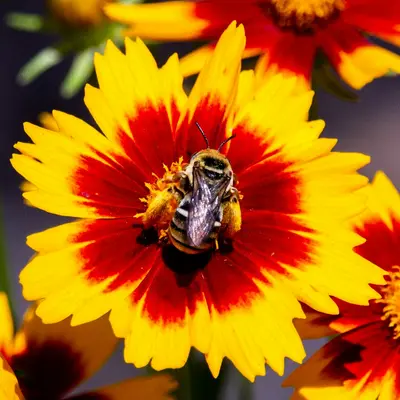
Threadleaf Coreopsis
Threadleaf Coreopsis (Coreopsis verticillata) is a perennial native wildflower. Hardy in USDA zones 3 to 9.
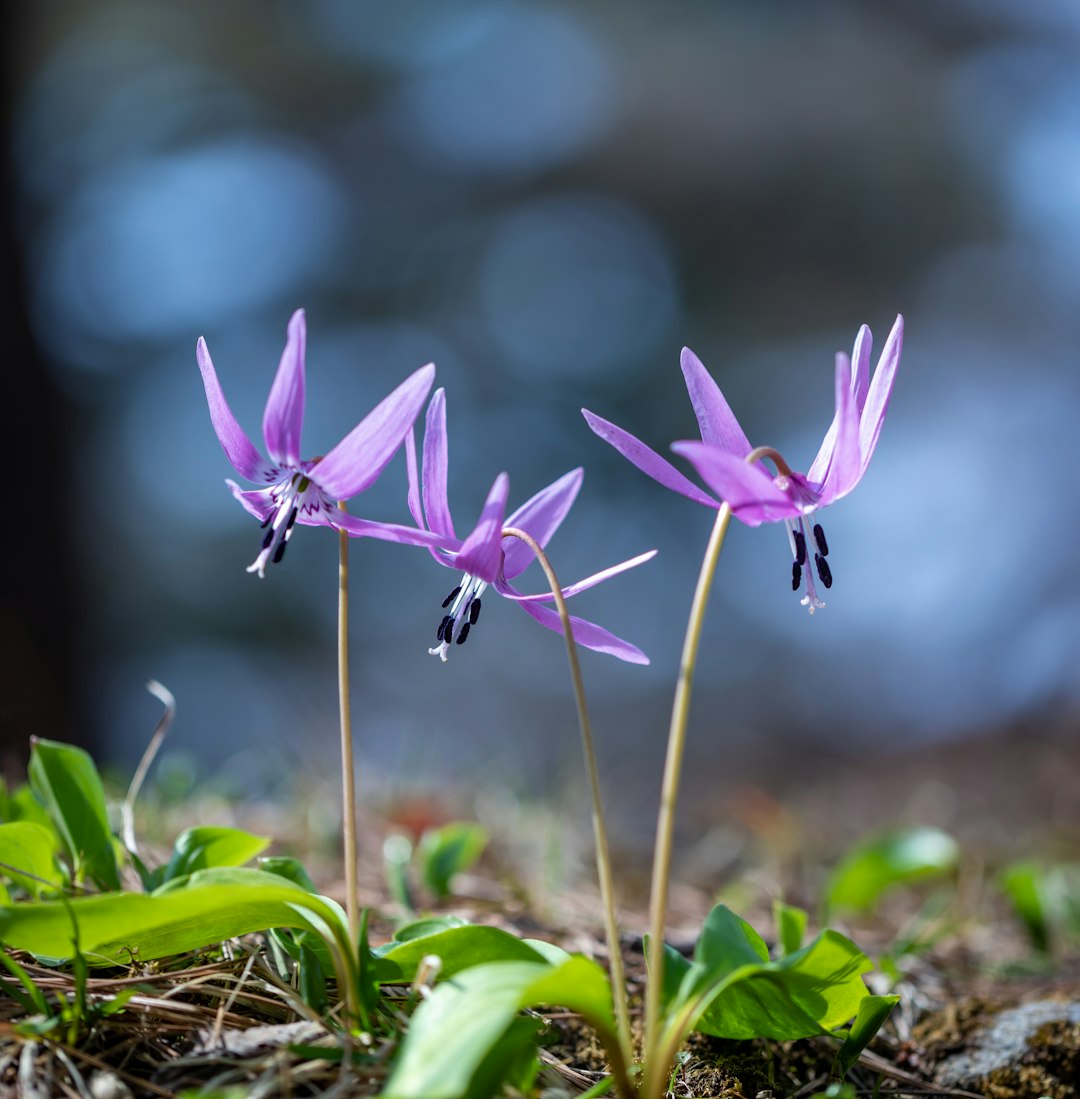
Trout Lily
Trout Lily (Erythronium americanum) is a perennial native wildflower. Hardy in USDA zones 3 to 8. Prefers part sun.
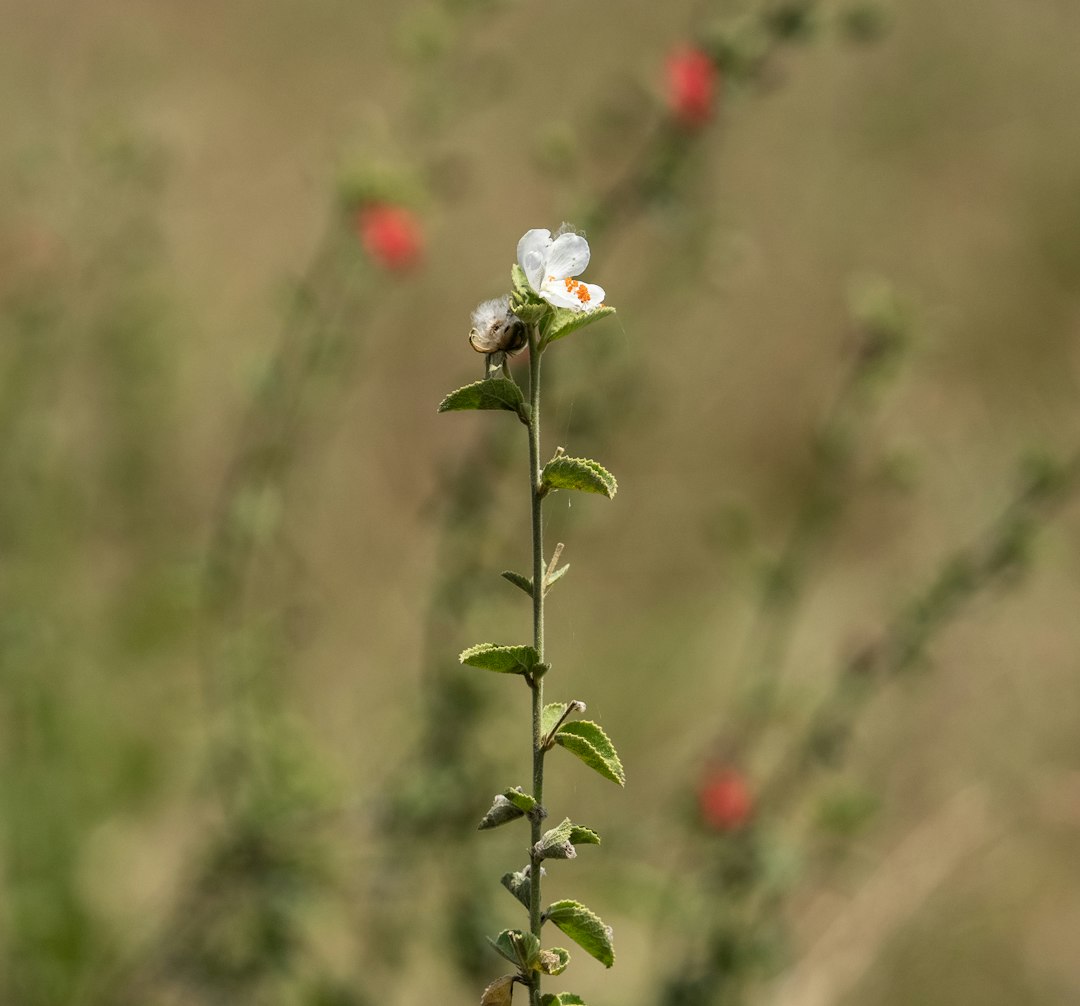
White Turtlehead
White Turtlehead (Chelone glabra) is a perennial native wildflower. Hardy in USDA zones 3 to 8. Prefers full sun.
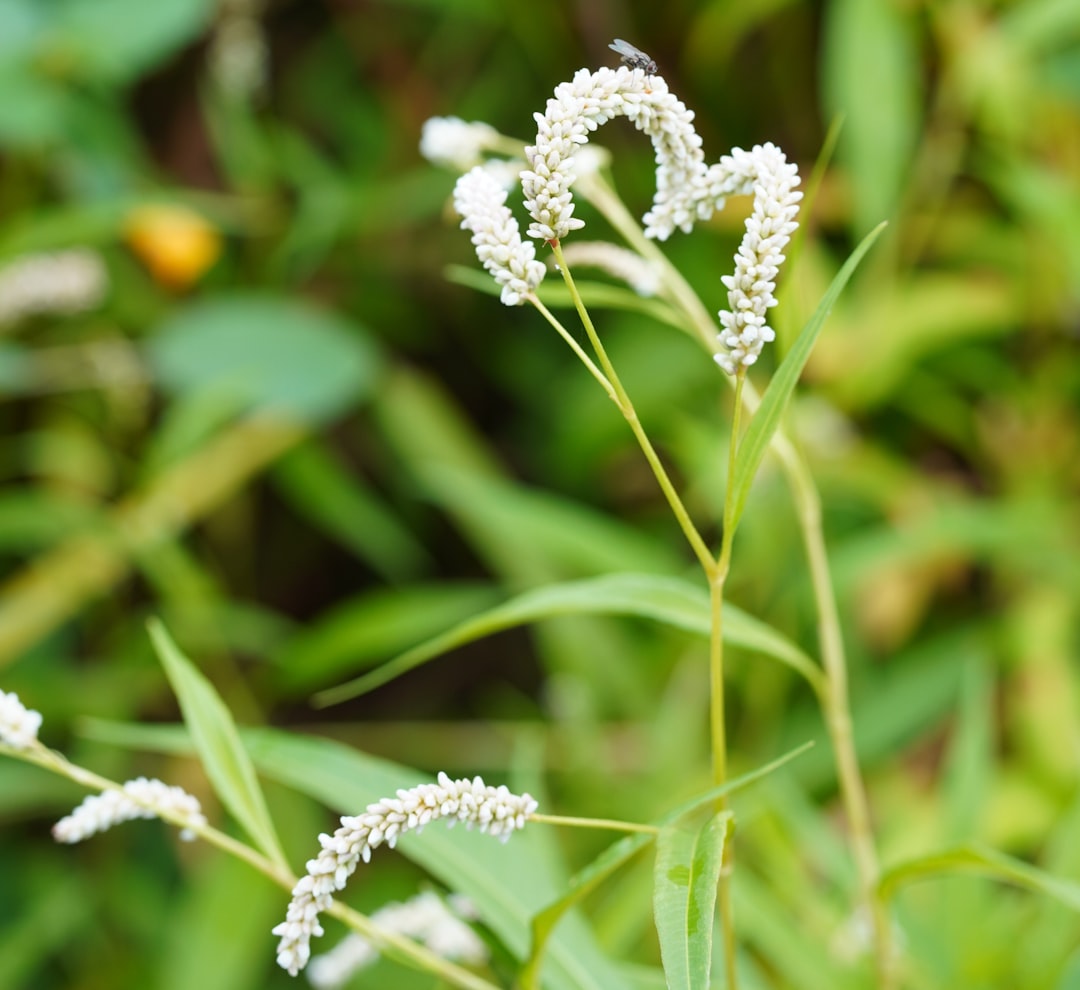
White Wild Indigo
White Wild Indigo (Baptisia alba) is a perennial native wildflower. Hardy in USDA zones 5 to 8.
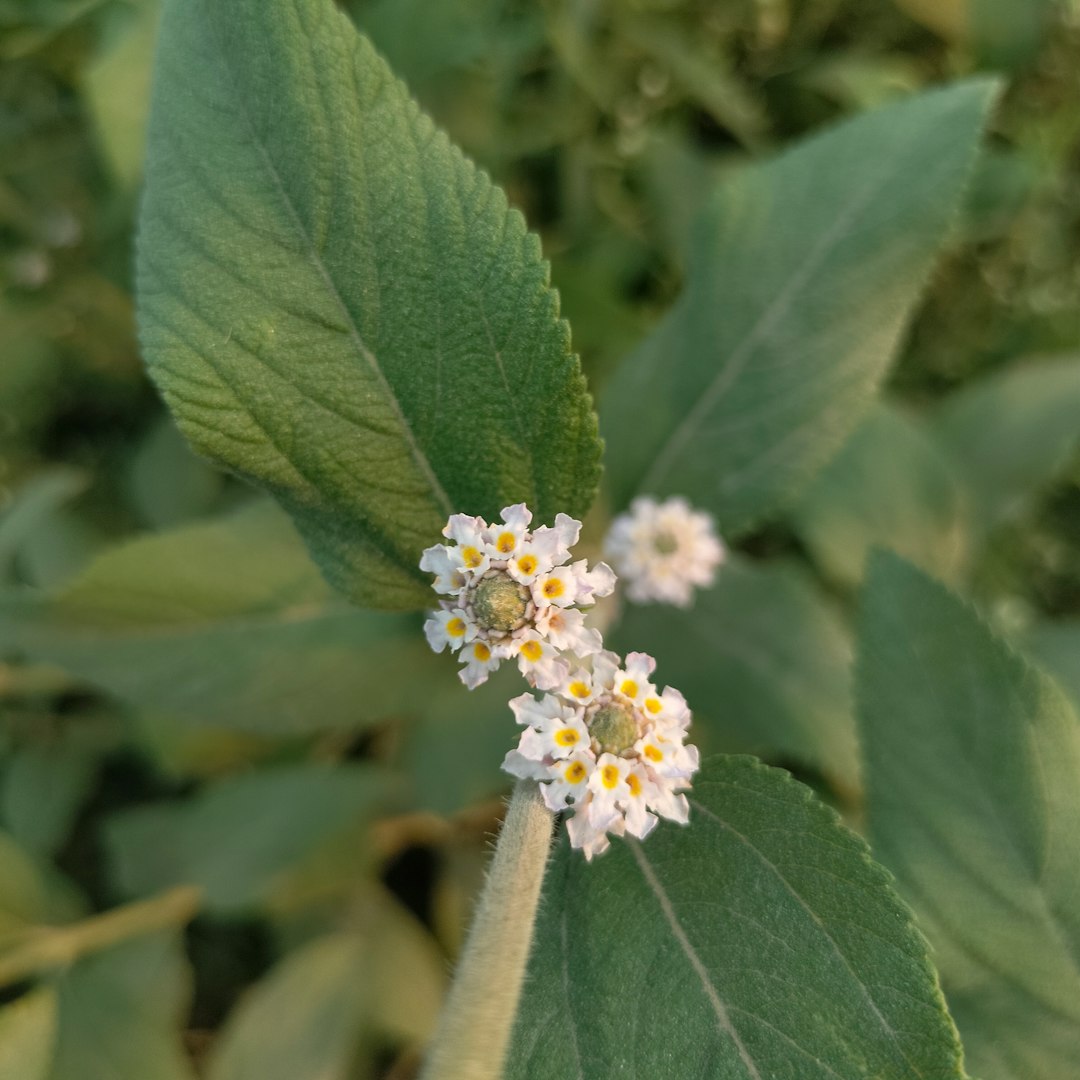
Whorled Milkweed
Whorled Milkweed (Asclepias verticillata) is a perennial native wildflower. Hardy in USDA zones 4 to 9. Prefers full sun.
Wild Bergamot
A fragrant native wildflower that attracts butterflies, bees, and hummingbirds with its clusters of tubular lavender-pink blooms. This hardy perennial spreads naturally to form beautiful colonies and has been used traditionally for tea and medicinal purposes. Its minty fragrance and long blooming period make it a favorite for pollinator gardens and prairie restorations.
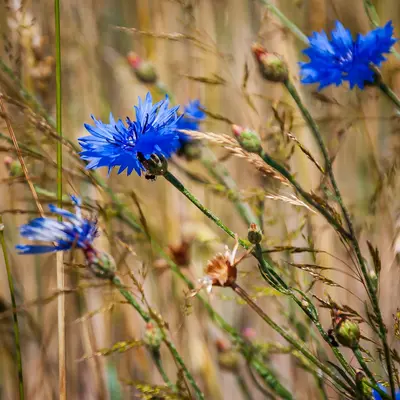
Wild Blue Indigo
A stunning prairie native that produces dramatic spikes of deep blue lupine-like flowers in late spring, followed by attractive seed pods that rattle in the wind. This long-lived perennial forms impressive clumps over time and is virtually maintenance-free once established, making it a cornerstone plant for naturalized gardens.
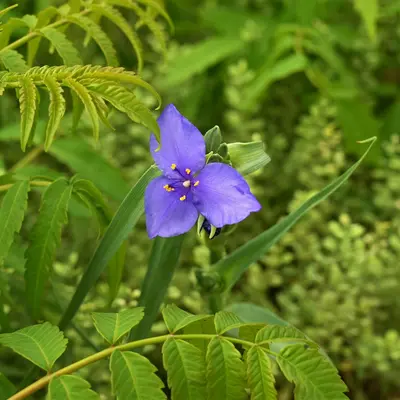
Wild Blue Lupine
A stunning prairie native producing tall spikes of deep blue pea-like flowers that create dramatic vertical accents in wildflower gardens. This nitrogen-fixing legume improves soil while attracting bees and serving as the sole host plant for the endangered Karner Blue butterfly. The distinctive palmate leaves and showy flower spikes make it a standout in naturalized plantings and cottage gardens.
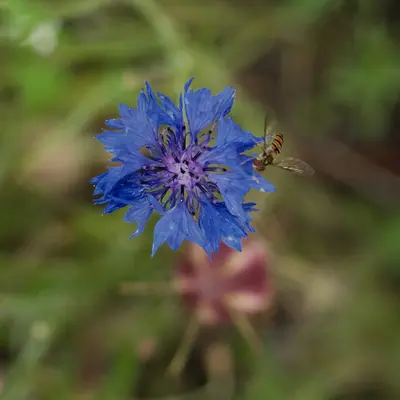
Wild Blue Phlox
A woodland treasure that carpets forest floors with fragrant lavender-blue flowers in early spring. This spreading perennial creates stunning drifts of color before trees leaf out, making it perfect for naturalizing in shade gardens or woodland borders. The sweet-scented blooms attract early butterflies and other pollinators emerging from winter.
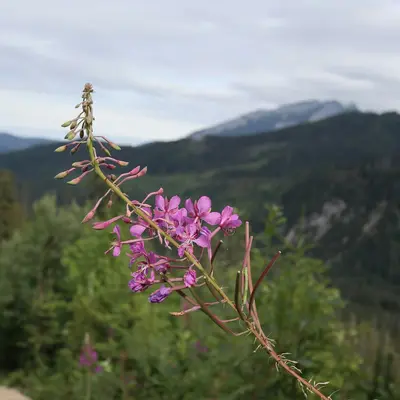
Wild Columbine
This delicate woodland native produces unique red and yellow flowers with distinctive spurs that nod gracefully above blue-green compound foliage. Wild columbine is a hummingbird magnet and thrives in partial shade where many wildflowers struggle. Its ability to self-seed in rocky crevices and woodland edges makes it perfect for naturalizing in shade gardens.
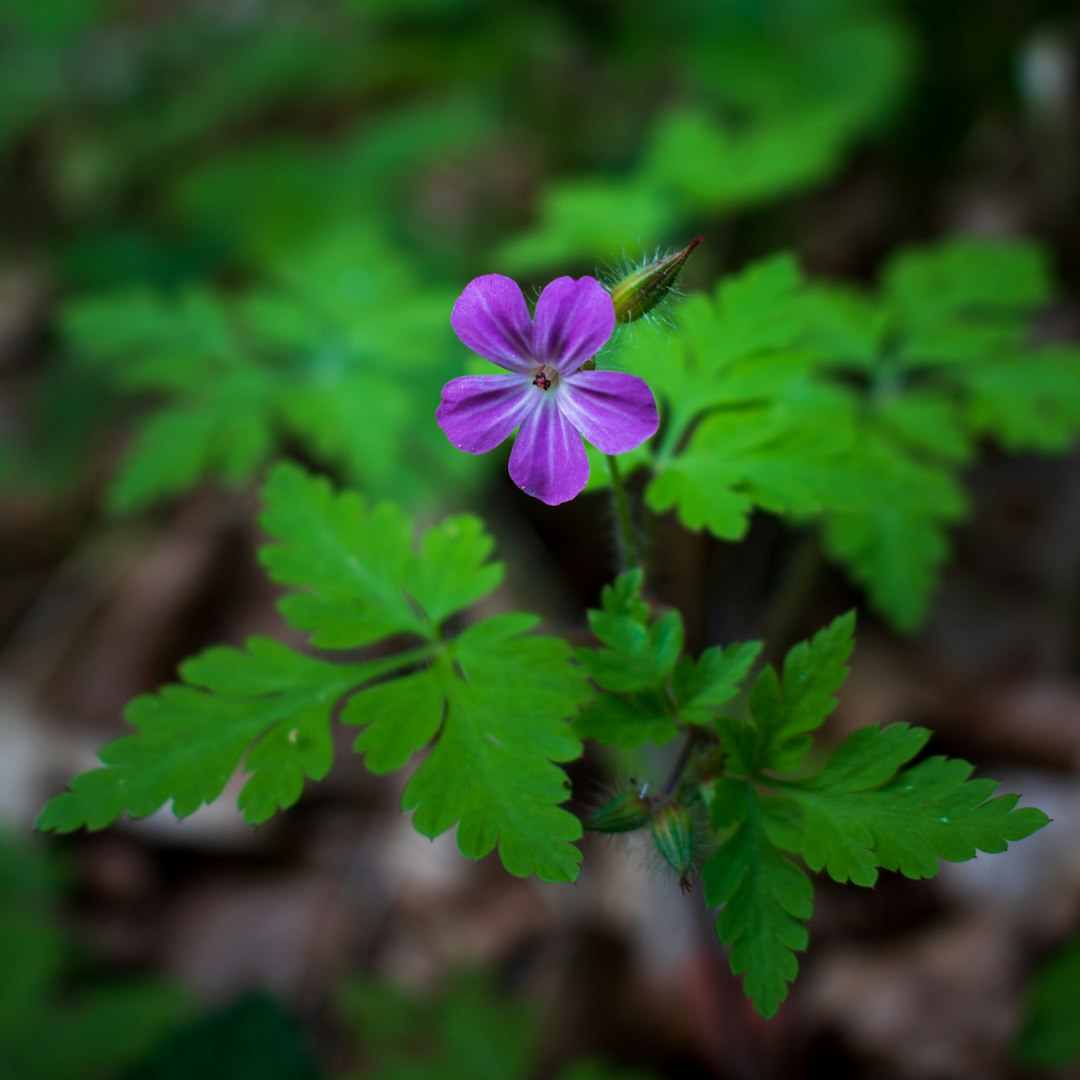
Wild Geranium
Wild Geranium (Geranium maculatum) is a perennial native wildflower. Hardy in USDA zones 3 to 11.
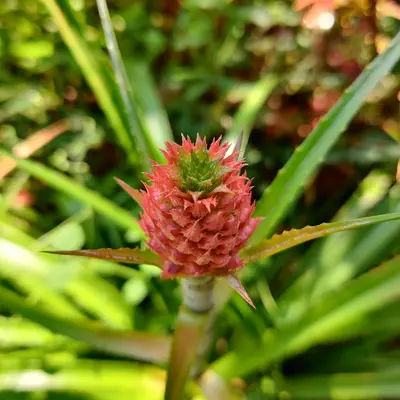
Wild Ginger
A charming woodland groundcover with heart-shaped leaves that forms lush carpets in shaded gardens. This native wildflower produces curious burgundy bell-shaped flowers hidden beneath the foliage in spring, pollinated by ground-dwelling beetles and ants. Its aromatic rhizomes were historically used as a ginger substitute by early settlers.
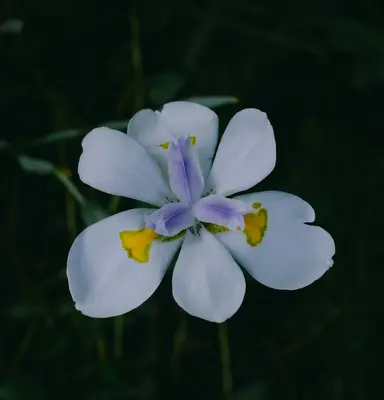
Wild Indigo
A unique prairie native with silvery-gray foliage and distinctive deep purple flower spikes topped with bright orange stamens, creating an unusual and striking garden display. This extremely drought-tolerant legume develops a deep taproot and becomes virtually maintenance-free once established, making it perfect for challenging sites.
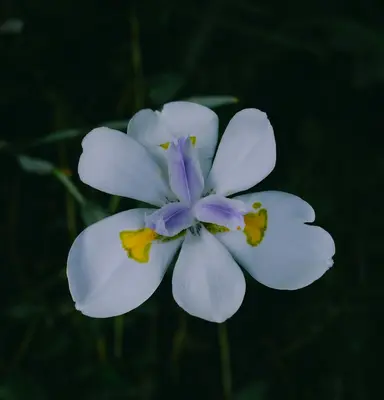
Wild Lupine
This stunning native perennial produces tall spikes of blue-purple pea-like flowers above distinctive palmate leaves. Wild lupine is the sole host plant for the endangered Karner blue butterfly and an important nitrogen-fixer that improves soil health. Its deep taproot makes it extremely drought tolerant once established, perfect for naturalizing in sandy soils.
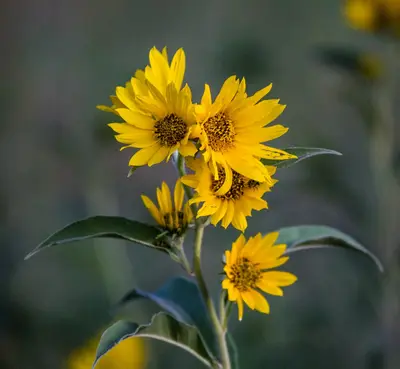
Woodland Sunflower
Woodland Sunflower (Helianthus divaricatus) is a perennial native wildflower. Hardy in USDA zones 3 to 8.
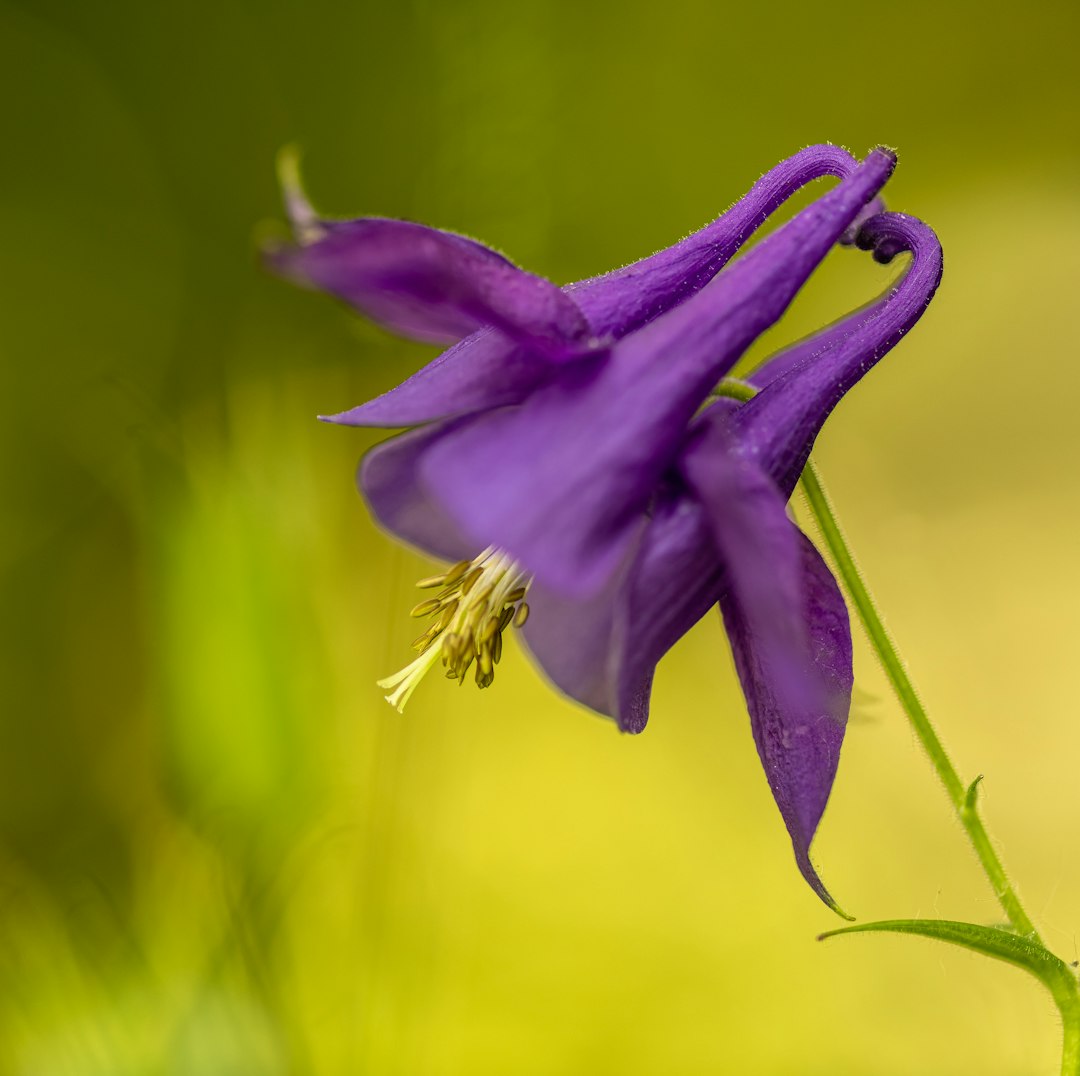
Yellow Columbine
Yellow Columbine (Aquilegia chrysantha) is a perennial native wildflower. Hardy in USDA zones 4 to 9.
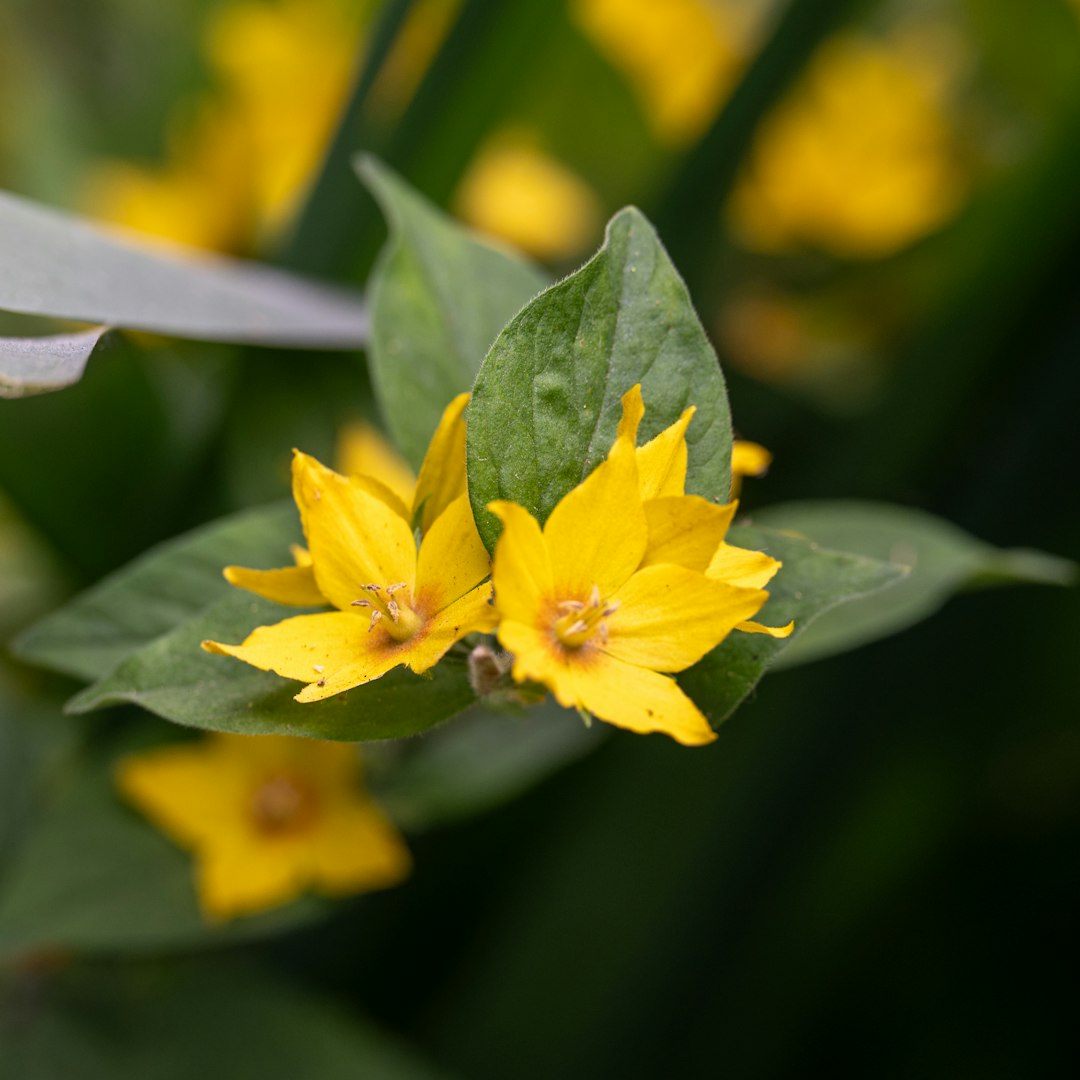
Yellow Trillium
Yellow Trillium (Trillium luteum) is a perennial native wildflower. Hardy in USDA zones 4 to 8. Prefers part sun.
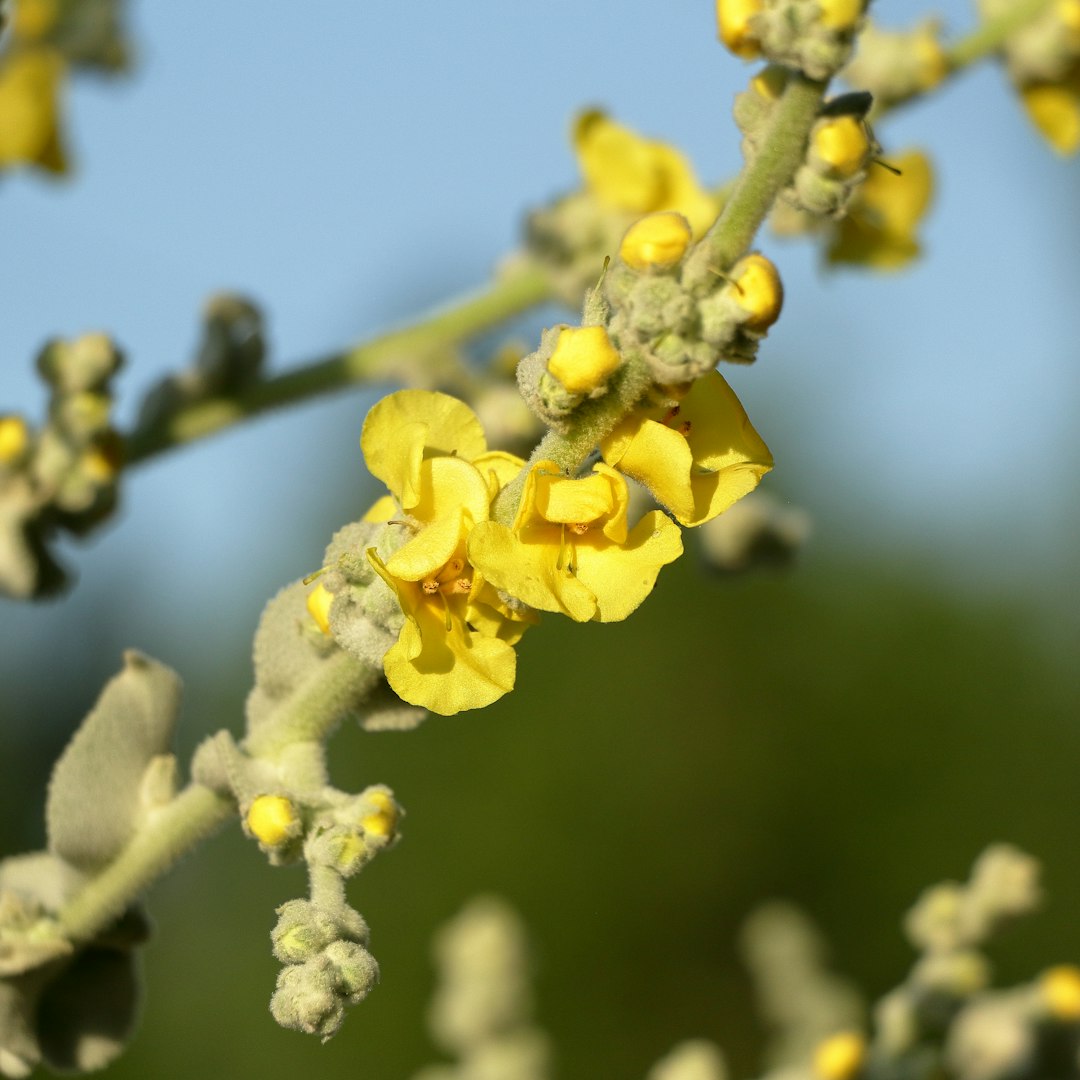
Yellow Wild Indigo
Yellow Wild Indigo (Baptisia tinctoria) is a perennial native wildflower. Hardy in USDA zones 3 to 9.

Black Walnut
America's native nut tree that produces intensely flavored nuts prized by gourmet cooks and wildlife alike. Black walnut combines valuable timber potential with unique culinary nuts that have a bold, distinctive taste unlike any other nut. This impressive native tree creates its own ecosystem space through natural allelopathy while providing generations of harvestable nuts and potential lumber value.
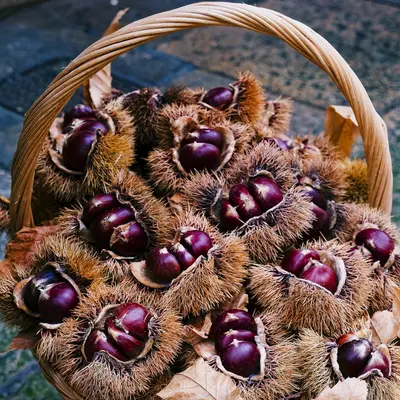
Chestnut (American Revival)
A blight-resistant American chestnut hybrid that brings back the beloved native species through careful breeding with Chinese chestnut resistance. These trees produce sweet, flavorful nuts reminiscent of the original American chestnut while maintaining the disease tolerance needed for modern growing. American Revival represents hope for restoring this iconic tree to home landscapes and forests.
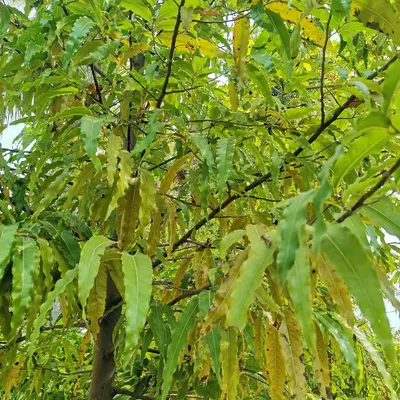
Chestnut (Chinese)
The Chinese chestnut offers hope for restoring chestnut production in North America with its natural resistance to chestnut blight that devastated American chestnuts. These fast-growing trees produce sweet, starchy nuts perfect for roasting and have become increasingly popular among homesteaders and permaculture enthusiasts. The trees are also valued for their beautiful fall color and relatively compact size compared to their American cousins.
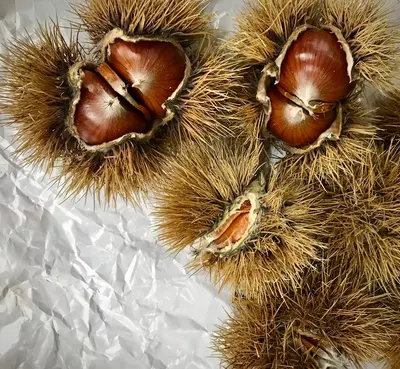
Chestnut (Dunstan)
A remarkable American-Chinese chestnut hybrid that brings back the beloved American chestnut with blight resistance from Chinese genetics. These fast-growing trees produce sweet, large nuts that roast beautifully and offer the authentic chestnut flavor that was nearly lost to disease. Dunstan chestnuts are perfect for wildlife food plots and home orchards, combining nostalgia with modern disease resistance.
Hazel (American)
A native North American shrub that produces clusters of small, sweet nuts beloved by both wildlife and gardeners. This hardy, cold-tolerant species thrives in a wide range of conditions and makes an excellent choice for naturalistic landscapes or permaculture designs. The nuts have a rich, buttery flavor and the plant provides beautiful fall color and early spring catkins.

Hazelnut (Barcelona)
The most widely planted hazelnut variety in North America, Barcelona produces large, flavorful nuts with excellent kernel quality. This reliable producer is known for its consistent heavy yields and good cold hardiness, making it an ideal choice for home orchardists. The nuts have a rich, buttery flavor perfect for eating fresh or using in baking.
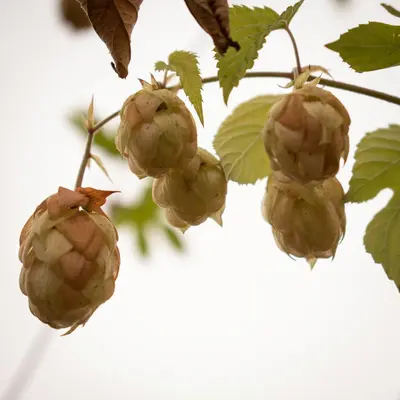
Hazelnut (Ennis)
A late-season European hazelnut variety prized for producing large, round nuts with excellent flavor and easy shell removal. Developed in Oregon, Ennis is one of the most reliable producers for home orchards, consistently delivering heavy crops of premium quality nuts. This variety ripens later than most hazelnuts, extending the harvest season into October.
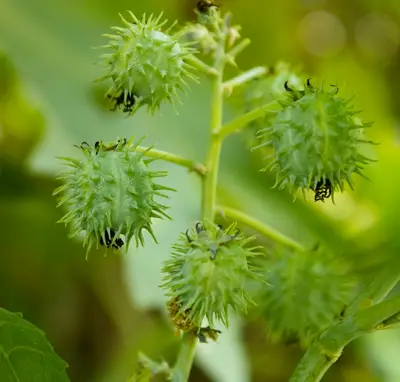
Hazelnut (Jefferson)
A breakthrough hybrid hazelnut developed by Oregon State University that combines excellent nut quality with strong disease resistance. This compact tree produces abundant clusters of medium-sized nuts with exceptional flavor and thin shells that crack easily. Jefferson is perfect for home orchards, offering reliable harvests and manageable size for backyard growing.
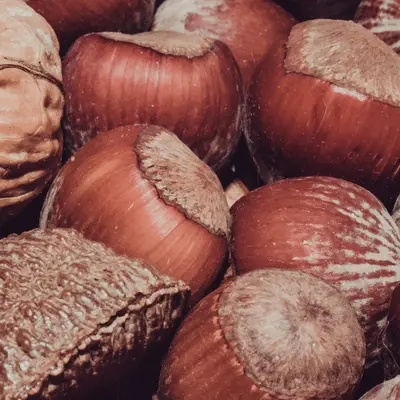
Hazelnut (Lewis)
A premium hazelnut variety developed by Oregon State University, prized for its large, flavorful nuts and excellent cracking quality. Lewis produces consistently heavy crops of nuts that are perfect for fresh eating or culinary use, with a rich, buttery flavor that rivals European varieties. This variety shows good resistance to eastern filbert blight, making it suitable for a wider range of growing regions.
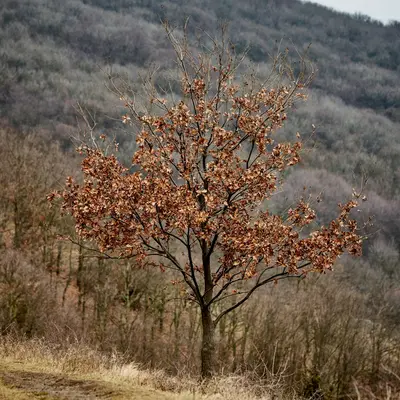
Hazelnut (Theta)
A breakthrough variety bred at Oregon State University, Theta represents the future of hazelnut growing with complete immunity to Eastern Filbert Blight. This disease-resistant variety produces medium-sized nuts with excellent flavor and kernel quality, making it perfect for regions where traditional hazelnuts struggle. Theta opens up hazelnut growing to gardeners in previously unsuitable areas while delivering reliable, heavy crops.

Hickory (Lakota)
A superior shagbark hickory selection known for producing exceptionally large, thin-shelled nuts with outstanding flavor that rivals any native nut tree. Lakota was selected from wild trees for its consistent production, easy cracking, and rich, buttery kernel quality that makes the effort of growing hickories worthwhile. This variety represents the best of America's native nut trees for the patient home orchardist.
Hickory (Shellbark)
The king of hickory nuts, Shellbark hickory produces the largest and sweetest nuts in the hickory family, with meat that rivals pecans in flavor and quality. These impressive native trees are prized by foragers and nut enthusiasts for their thick-shelled nuts that crack open to reveal plump, rich kernels with exceptional flavor. While slow to establish, mature Shellbark hickories become magnificent shade trees that provide decades of premium nut harvests.
Pecan (Caddo)
An early-ripening pecan variety that's perfect for northern pecan growing regions and shorter seasons. Caddo produces medium-sized nuts with excellent kernel quality and good crack-out percentage, making it ideal for home gardeners who want reliable harvests. This variety is known for its consistent production and adaptation to cooler climates where other pecans struggle.
Pecan (Desirable)
One of the most popular pecan varieties for home orchards, living up to its name with exceptional nut quality and reliable production. Desirable produces large, plump pecans with thin shells that crack easily and yield beautiful halves perfect for baking or snacking. This variety is particularly valued for its consistent bearing habits and excellent disease resistance in humid climates.
Pecan (Elliot)
A favorite among Southern gardeners, Elliot produces small to medium-sized pecans with exceptional flavor and excellent cracking quality. This variety is prized for its consistent annual production and resistance to scab disease, making it one of the most reliable pecans for home growers. The nuts have a high kernel percentage and rich, buttery taste that makes them perfect for both fresh eating and baking.

Pecan (Pawnee)
An outstanding early-season pecan variety that produces large, plump nuts with excellent shell-out percentages and sweet, rich flavor. Pawnee is prized for its consistent annual production and relatively compact growth habit, making it one of the best choices for home pecan growers. This variety begins producing nuts at a younger age than most pecans, typically within 4-6 years.

Pecan (Stuart)
One of the most reliable and widely planted pecan varieties, Stuart has been a Southern favorite since the early 1900s. This self-fertile variety produces large, plump nuts with excellent flavor and good cracking quality, making it perfect for both commercial and home orchard use. The tree is known for its consistent annual production and relatively early bearing age.

American Elm Princeton
A majestic shade tree that brings back the classic American elm's iconic vase-shaped silhouette with improved disease resistance to Dutch elm disease. Princeton elm combines the stately presence that once lined America's streets with modern disease tolerance, making it perfect for large properties seeking a timeless, elegant canopy tree.
Bradford Pear
Once America's most popular ornamental tree, known for its spectacular white spring blooms and symmetrical pyramid shape. While beautiful, this tree has significant structural weaknesses and invasive tendencies that have led many states to ban its sale. Many gardeners are now choosing better alternatives like serviceberry or flowering cherry for similar spring impact.
Cleveland Select Pear
A superior ornamental pear with a distinctive narrow, pyramidal shape that fits perfectly in tight spaces and urban environments. Unlike Bradford Pear, this variety has strong branch structure and won't split in storms, while producing masses of white spring flowers and glossy green foliage that turns purple-red in fall. It's an excellent choice for street plantings and formal landscapes.
Eastern Redbud Forest Pansy
This award-winning cultivar transforms the traditional redbud with stunning heart-shaped leaves that emerge deep burgundy-red and mature to rich purple throughout the season. In early spring, magenta-pink flowers bloom directly from the branches and trunk before the leaves appear, creating a magical display that's enhanced by the colorful foliage that follows. Forest Pansy offers the perfect combination of spectacular spring flowers and unique colored foliage that provides interest all season long.
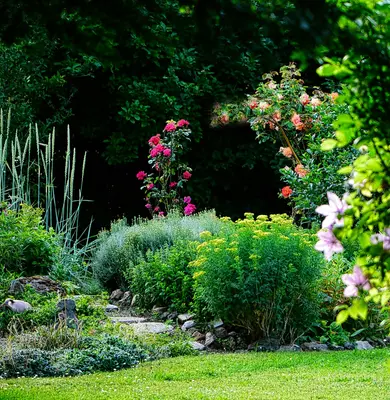
Emerald Green Arborvitae
A stunning evergreen with vibrant emerald-green foliage that maintains its rich color year-round, making it the most popular choice for privacy screens and formal hedging. This narrow, pyramidal beauty grows at a moderate pace and requires minimal pruning to maintain its naturally perfect shape. Its dense branching and exceptional cold hardiness make it ideal for creating living walls that look professionally manicured with little effort.
Fastigiata European Beech
An architectural marvel among ornamental trees, this upright beech forms a distinctive narrow column perfect for formal landscapes and tight spaces. The smooth silvery-gray bark and glossy green leaves that turn golden-bronze in fall create year-round interest, while its unique fastigiate form makes it a stunning focal point. This slow-growing specimen tree becomes more impressive with age.
Flowering Dogwood Cherokee Princess
The most celebrated white-flowering dogwood cultivar, Cherokee Princess produces abundant large, pure white bracts that create a stunning spring display lasting 2-3 weeks. This vigorous native tree offers four-season interest with glossy green summer foliage, brilliant red fall color, and attractive winter bark texture. Its reliable blooming and superior disease resistance make it the gold standard for dogwoods in American landscapes.
Flowering Pear Chanticleer
A superior alternative to Bradford Pear with a naturally pyramidal shape and stronger branching structure that resists storm damage. Covered in white spring blooms followed by glossy foliage that turns brilliant red-purple in fall, making it ideal for street trees and formal landscapes.
Fringe Tree
A native treasure that produces clouds of fragrant white flowers resembling fringe in late spring, earning it the nickname 'Old Man's Beard'. This adaptable small tree or large shrub offers multi-season interest with its showy blooms, bright yellow fall color, and dark blue berries on female plants. An excellent choice for naturalistic gardens and wildlife habitat.
Green Giant Arborvitae
A fast-growing evergreen hybrid that quickly forms dense, pyramidal screens perfect for privacy hedges or windbreaks. With its rapid 3-5 foot annual growth rate and resistance to deer browsing, this low-maintenance conifer is the go-to choice for homeowners seeking quick, year-round screening.
Honey Locust Sunburst
A fast-growing shade tree that emerges each spring with brilliant golden-yellow foliage that gradually transitions to bright green, creating a stunning color display. This thornless and podless variety is perfect for homeowners who want the beauty of honey locust without the cleanup, plus its delicate filtered shade allows grass to grow underneath.
Kousa Dogwood
An Asian beauty that outperforms native dogwoods with superior disease resistance and extended bloom time. The large, pointed white bracts appear after the leaves in early summer, followed by raspberry-like edible fruits and spectacular scarlet fall color. This elegant tree features attractive exfoliating bark that provides winter interest, making it a true four-season showstopper.
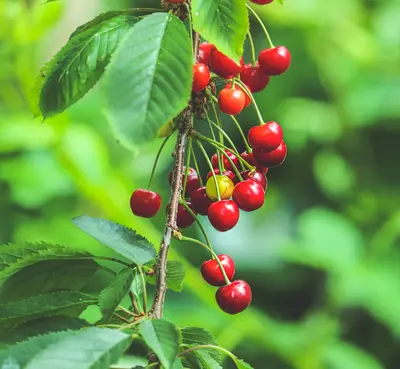
Kwanzan Cherry
The most popular ornamental cherry tree in America, Kwanzan produces an absolutely breathtaking display of double pink flowers that cover every branch in mid-spring. These fluffy, rose-like blossoms are so abundant they often completely obscure the branches, creating a spectacular pink cloud effect that stops traffic. The reliable spring show, combined with attractive bronze-green summer foliage and golden fall color, makes this the ultimate flowering tree for maximum impact.

Lavender Twist Weeping Redbud
A remarkable weeping form of redbud that creates a living sculpture in the landscape with its gracefully cascading branches and stunning spring flower display. The twisted, contorted branches are covered with bright pink-purple flowers before the heart-shaped leaves emerge, creating an unforgettable sight. This award-winning tree brings unique character and four-season interest to any garden.
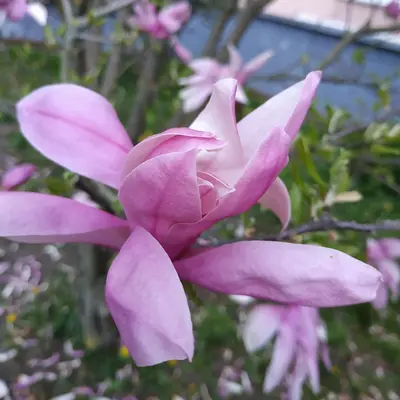
Magnolia Jane
A stunning compact magnolia that produces abundant reddish-purple buds opening to fragrant pink-white flowers in late spring. This Little Girl hybrid blooms later than most magnolias, avoiding frost damage, and often produces a second flush of flowers in summer. Perfect for smaller gardens where you want maximum floral impact without overwhelming size.

October Glory Red Maple
America's most reliable red maple for spectacular fall color, producing brilliant orange-red to crimson foliage that lasts weeks longer than other maples. This fast-growing native adapts to various soil conditions and consistently delivers the stunning autumn display that makes it a landscape favorite. An excellent choice for creating dramatic seasonal interest in large yards.
Paperbark Maple
An exquisite small tree renowned for its stunning cinnamon-colored bark that peels in papery sheets, providing year-round interest even in winter. The trifoliate leaves turn brilliant orange-red in fall, making this one of the most elegant and sought-after specimen trees for small gardens.
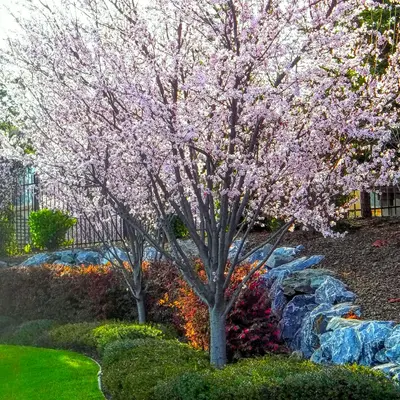
Purple Leaf Plum
A striking small tree that combines beautiful pink spring blossoms with deep purple-red foliage that holds its color all season long. This fast-growing ornamental creates dramatic color contrast in the landscape and works perfectly as a specimen tree or in mixed borders. The early spring flowers appear before the leaves, creating a stunning pink cloud effect.

River Birch Heritage
An award-winning native tree celebrated for its stunning exfoliating bark that peels in papery layers of cream, salmon, and cinnamon brown, creating year-round visual interest. This fast-growing beauty thrives in wet soils where other trees struggle, making it perfect for low-lying areas while also tolerating drought once established. Its graceful, slightly weeping habit and resistance to bronze birch borer make it the most reliable birch for home landscapes.
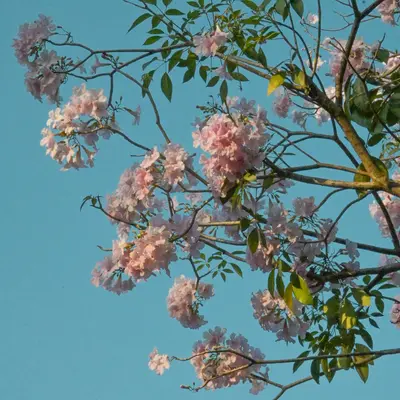
Saucer Magnolia
A breathtaking early spring bloomer that produces large, tulip-shaped flowers in shades of pink, purple, and white before the leaves emerge. This classic magnolia hybrid is perfect for creating a stunning focal point in the landscape and signaling the arrival of spring with its magnificent floral display.
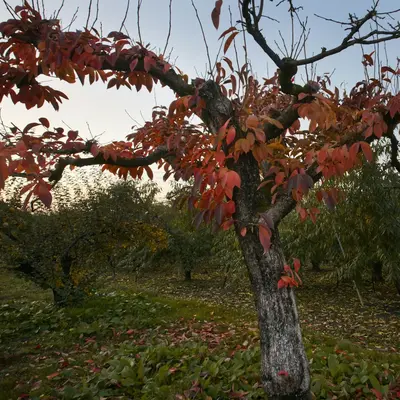
Serviceberry Autumn Brilliance
A superior native tree offering four seasons of beauty with delicate white spring flowers, sweet summer berries loved by birds, and exceptional orange-red fall color. This low-maintenance beauty adapts to various conditions while providing wildlife value and edible fruit for jams and pies. An excellent eco-friendly alternative to invasive ornamental trees.
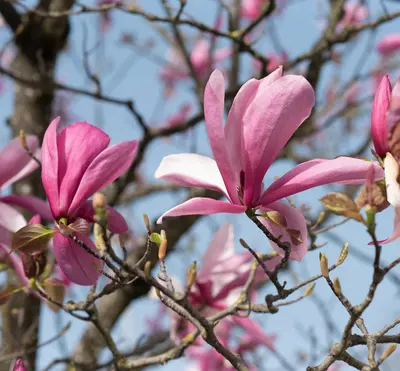
Star Magnolia
An early-blooming magnolia that signals spring's arrival with masses of fragrant, star-shaped white flowers that appear before the leaves emerge. This compact magnolia is perfect for smaller gardens and consistently ranks as one of the most reliable and beautiful spring-flowering trees for home landscapes.
Thornless Cockspur Hawthorn
A superior small ornamental tree that delivers spectacular spring flowers, vibrant orange-red fall color, and persistent red berries without the thorns of typical hawthorns. Its dense, horizontal branching creates an architectural silhouette that looks stunning in winter, making it a four-season performer for smaller landscapes. Wildlife love the berries, and gardeners love the manageable size.
Thornless Honeylocust Skyline
A fast-growing shade tree prized for its graceful, open canopy and delicate compound leaves that cast dappled shade perfect for underplanting. The bright golden-yellow fall color and tolerance to urban conditions make Skyline honeylocust a top choice for street trees and large residential landscapes.
Thundercloud Purple Leaf Plum
A stunning ornamental tree that provides year-round color with deep reddish-purple foliage that darkens throughout the season. In early spring, delicate pink flowers emerge before the leaves, creating a breathtaking display against bare branches. This hardy tree maintains its rich purple color better than most purple-leafed varieties, making it a landscape favorite.
Alderman
Also known as Tall Telephone, this vigorous heirloom climbing pea from 1891 produces some of the largest and most flavorful shelling peas available. The impressive 6-foot vines yield massive pods packed with 8-10 sweet, large peas perfect for fresh eating or preserving. This variety is ideal for gardeners who want maximum production from minimal space.
Blue Podded Blauwschokker
A stunning Dutch heirloom that produces vibrant purple pods and bright magenta flowers, making it as ornamental as it is edible. This unique variety has been treasured since the 1800s for its striking appearance and excellent flavor as both a snow pea and dried pea. The purple pods turn green when cooked, creating a delightful culinary surprise.
Carouby de Maussane
A spectacular French heirloom snow pea that produces enormous purple-flowered vines and the largest edible pods of any pea variety. These impressive 4-5 inch wide, flat pods are incredibly tender and sweet when harvested young, making them a gourmet delight. The vigorous climbing plants create an edible privacy screen while producing abundant harvests throughout the cool season.
Cascadia
Cascadia boasts high yields of 2 1/2-3" pods on 18-20" vines. Similar in maturity to PLS 141, but with slightly smaller pod size. 2 pods per node on upright plants. Remove string from pods before cooking.
Dwarf Grey Sugar
An attractive addition to salad mixes, Dwarf Grey Sugar is the preferred variety for both taste and tenderness. A great choice for restaurant sales. 28" vines. Edible Flowers: The flowers, with their mild and pea-like flavor, are a popular choice for brightening up salad mix. They can also be used in micro mix salads, as a garnish for desserts, or for candying to place on cakes.
Green Arrow
A high-yielding shelling pea that consistently produces heavy crops of long, dark green pods packed with sweet peas. Developed for its exceptional productivity and disease resistance, Green Arrow matures its crop uniformly, making it perfect for preserving or farmers market sales. This reliable variety performs well in various climates and soil conditions, earning its place as a garden staple.
Kelvedon Wonder
A British favorite since 1925 that combines early maturity with exceptional productivity in a compact plant. This reliable variety produces abundant crops of well-filled pods containing 7-9 sweet, tender peas that have made it a mainstay in European gardens for nearly a century. Kelvedon Wonder's dependable performance and superior flavor make it perfect for gardeners seeking a proven, space-efficient shelling pea.
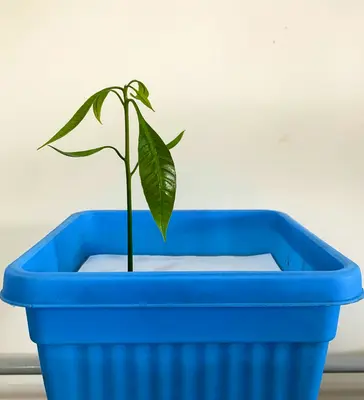
Laxton's Progress No. 1
A classic English heirloom shelling pea dating back to the 1920s, beloved for its exceptional productivity and sweet flavor. This dwarf variety produces plump pods filled with tender, bright green peas that are perfect for fresh eating or freezing. Despite its compact size, it delivers impressive yields and has been a home garden favorite for nearly a century.
Lincoln
A dependable All-America Selections winner from 1908 that remains one of the most popular shelling peas for home gardeners. This variety produces heavy yields of dark green pods filled with exceptionally sweet peas that freeze beautifully. Lincoln's consistent performance and excellent flavor have made it a garden staple for over a century.

Little Marvel
A compact heirloom shelling pea perfect for small gardens and beginning gardeners since 1908. Despite its dwarf stature, Little Marvel produces an abundant harvest of plump, sweet peas that mature all at once for easy picking. This reliable variety consistently delivers exceptional flavor and has been a garden favorite for over a century.
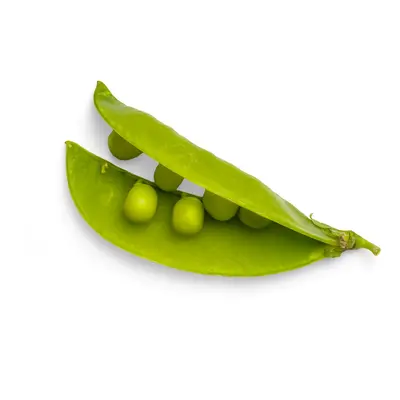
Maestro
A premium shelling pea that produces exceptionally large, sweet peas in abundant clusters. This vigorous variety is prized by gardeners for its outstanding flavor and impressive yields that make all the shelling effort worthwhile. Maestro consistently ranks among the best-tasting garden peas available.
Mammoth Melting Sugar
An impressive heirloom snow pea variety dating back to the 1880s, producing enormous 4-5 inch edible pods on towering vines. The sweet, crisp pods literally melt in your mouth and are perfect for stir-fries and fresh eating. This vigorous climber is a conversation starter in any garden with its exceptional size and productivity.
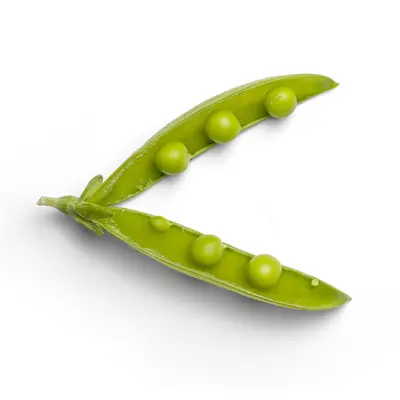
Mr. Big
A dwarf variety that lives up to its name with exceptionally large pods packed with plump, sweet peas despite its compact 18-inch height. This bush-type pea is perfect for small gardens and containers, producing impressive yields without the need for staking or trellising. Mr. Big proves that great things really do come in small packages, delivering full-sized flavor in a space-saving plant.
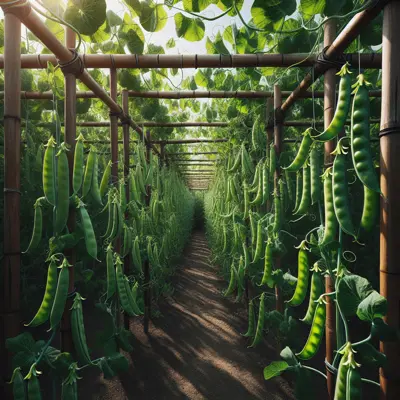
Oregon Giant
Abundant yields of medium-green pods up to 4 1/2" long x 1" wide. The 30" tall, white-flowered vines produce 1 to 2 pods per node. Bred by the late Dr. James Baggett of Oregon State University.
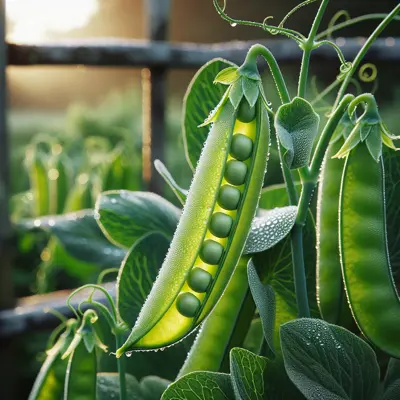
Oregon Sugar Pod II
A great substitute for Oregon Giant, as it is very similar. Excellent emergence. Normal, 38" tall vines produce very high yields of stringless pods. 2 pods per node.
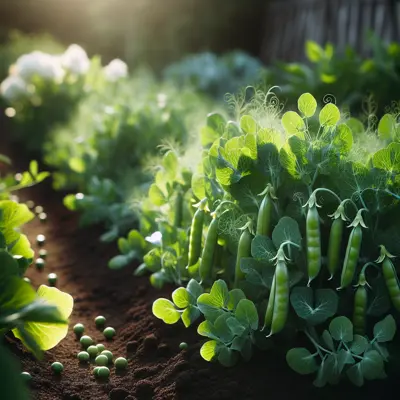
Progress No. 9
A dependable English shelling pea that has been a garden favorite since the 1930s, prized for its consistent production and excellent flavor. This compact, dwarf variety produces plump pods filled with 7-9 large, sweet peas that are perfect for fresh eating or preserving. Its reliable performance and disease resistance make it an ideal choice for beginning gardeners.
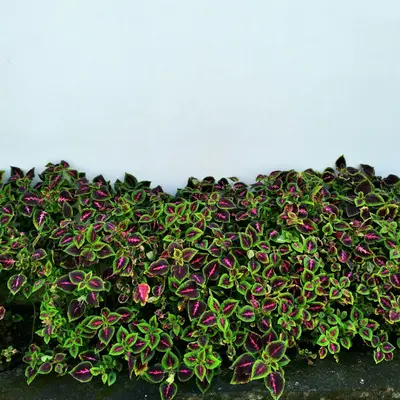
Purple Podded
A stunning ornamental edible that produces beautiful deep purple pods filled with bright green peas, creating a striking contrast in the garden. This heritage variety from the 1800s not only looks amazing but also delivers excellent flavor and productivity. The purple pods make harvesting easy since they stand out dramatically against the green foliage, though they turn green when cooked.
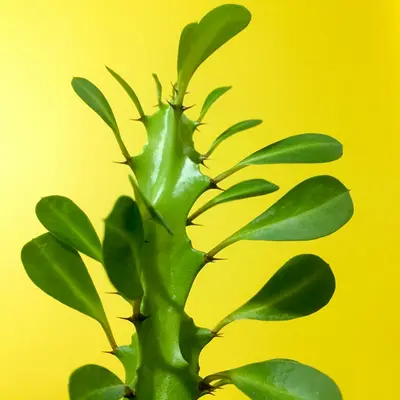
Snap Pea 'Cascadia'
An award-winning snap pea variety that combines exceptional disease resistance with outstanding flavor and productivity. Developed specifically for home gardeners, Cascadia produces crisp, sweet pods that are perfect for fresh eating and maintain their quality longer than most varieties. This reliable performer thrives in Pacific Northwest conditions but adapts well to gardens everywhere.
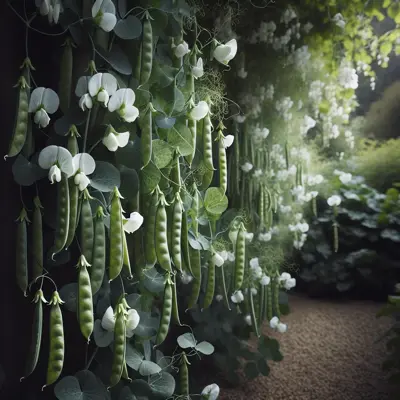
Snowbird
A beautiful snow pea variety with pure white flowers that develop into tender, flat pods perfect for stir-fries and fresh eating. This compact climbing variety is not only productive but also ornamental, making it perfect for edible landscapes or gardeners who want both beauty and bounty. Snowbird's crisp texture and sweet flavor make it a favorite for Asian cuisine and fresh snacking.
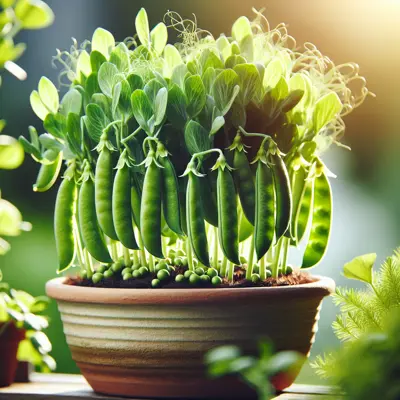
Sugar Ann
Consistently the sweetest bush type in our trials, Sugar Ann produces uniform crops of delicious 2-2 1/2" long peas that hold their flavor well. Matures exceptionally early, with a concentrated set on 20" dwarf vines with 1-2 pods per node. AAS Winner.
Sugar Baron
A premium snap pea variety that produces exceptionally sweet, tender pods with thick, succulent walls. This vigorous climbing variety delivers outstanding yields of perfectly crisp pods that are delicious raw or lightly cooked. Sugar Baron's consistent performance and exceptional flavor make it a top choice for gardeners who want the ultimate snap pea experience.
Sugar Daddy
A stringless snap pea that delivers exceptional sweetness and crunch without the hassle of removing tough strings. This compact variety produces plump, tender pods that are perfect for eating fresh or adding to stir-fries. Sugar Daddy is beloved by gardeners for its reliable production and kid-friendly appeal.
Sugar Snap
Johnny's superior strain. From an ongoing collaboration with the family of the late Dr. Calvin Lamborn, the breeder of Sugar Snap. A household name for its sweet, crisp pods, Sugar Snap germinates well in cold, wet soil, and the vigorous plants quickly produce a thick stand that requires support. Vines avg. 72" with 1 or 2 pods per node. Yields well over a long season in both hot and cold weather. Remove string from pods before cooking. Needs trellising. AAS Winner. Also available in organic seed.
Sugar Sprint
An early-season snap pea that delivers sweet, crunchy pods in record time. This compact variety is perfect for impatient gardeners who want to harvest delicious snap peas within 60 days of planting. The vigorous plants produce abundant 3-inch pods that are excellent for fresh eating, stir-fries, or freezing.
Super Sugar Snap
A disease-resistant version of the beloved Sugar Snap with more manageable 60" vines. Early yields are heavier over a shorter period. Not quite as sweet as the original. Pods avg. 3" long with 1 or 2 per node. Remove string from pods before cooking. Needs trellising.
Survivor
A remarkable heat-tolerant pea variety that extends the growing season well into summer when other peas have long given up. Developed for its ability to withstand challenging conditions, Survivor produces sweet, tender snap peas even in warm weather. This vigorous climber is perfect for gardeners who want fresh peas throughout the summer months.
Tall Telephone
A classic heirloom shelling pea from the 1880s that remains beloved for its exceptional productivity and sweet flavor. This tall-growing variety produces an abundance of large pods filled with 8-10 tender, sweet peas that are perfect for fresh eating or freezing. Tall Telephone is the variety that made generations of gardeners fall in love with homegrown peas.
Telephone
A treasured heirloom from the 1870s that remains one of the finest shelling peas ever developed. This tall, vigorous climber produces enormous pods packed with 8-10 large, exceptionally sweet peas that have satisfied gardeners for over 150 years. The impressive height and prolific production make Telephone a garden showstopper that delivers old-fashioned pea flavor at its absolute best.
Thomas Laxton
A prized English heirloom from 1900 renowned for producing some of the sweetest, most tender peas available to home gardeners. This early-season variety beats many modern peas to harvest while delivering superior flavor that's particularly sweet when picked young. Thomas Laxton has remained popular for over 120 years because it consistently produces restaurant-quality peas that make every gardener feel like a gourmet.
Tom Thumb
The ultimate space-saving pea variety, Tom Thumb grows just 8-10 inches tall yet produces a surprising abundance of sweet, tender peas. This Victorian-era heirloom is perfect for container gardens, small spaces, and children's gardens. Despite its tiny stature, it delivers full-sized flavor and requires no staking or trellising.
Wando
A heat-tolerant shelling pea variety developed for gardeners in warmer climates who thought they couldn't grow peas. This reliable variety produces sweet, tender peas even when temperatures rise, extending the growing season significantly. Perfect for Southern gardens and areas with unpredictable spring weather.
Atomic Red Carrot
A stunning hybrid carrot that delivers both visual impact and exceptional flavor with its brilliant red-orange exterior and bright orange interior. These smooth, cylindrical roots grow uniformly and maintain their vibrant color when cooked, making them perfect for both fresh eating and culinary presentations. Gardeners love this variety for its reliable performance and the wow factor it brings to harvest baskets.
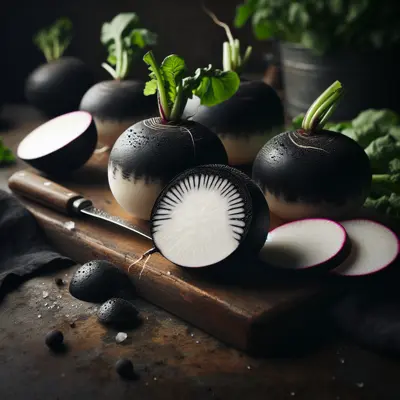
Black Spanish Round Radish
An ancient heirloom winter radish prized for its striking black skin and crisp white flesh that delivers a bold, peppery punch perfect for adding excitement to winter meals. This hardy storage radish can be kept for months in proper conditions, making it invaluable for extending the harvest season. With its unique appearance and intense flavor, it's a conversation starter that brings old-world character to modern gardens.
Bolero Carrot
Medium-long 7-8" roots are uniform, thick, slightly tapered, and blunt. Excellent eating quality both fresh and after long-term storage, with juicy texture and sweet, complex flavor. A great choice for fall and winter harvest. Tops are vigorous, fast, and healthy which makes for better field-holding ability and easier mechanical harvesting. Heavy Nantes type. Also available with NOP-compliant pelleting.
Chantenay Red Core Carrot
A robust French heirloom carrot perfect for heavy or shallow soils where longer varieties struggle. These broad-shouldered, conical carrots develop exceptional sweetness and a distinctive deep orange color throughout, making them ideal for fresh eating and storage. Their sturdy 5-6 inch length and excellent keeping quality have made them a favorite since the 1920s.
Cherry Belle Radish
America's most popular radish variety and an All-America Selections winner, Cherry Belle delivers reliable results for gardeners of all skill levels. These perfectly round, cherry-red radishes mature in just 22-30 days, making them ideal for quick satisfaction and succession planting throughout the growing season. Their mild, crisp bite and uniform shape make them a favorite for fresh eating and beautiful garnishes.
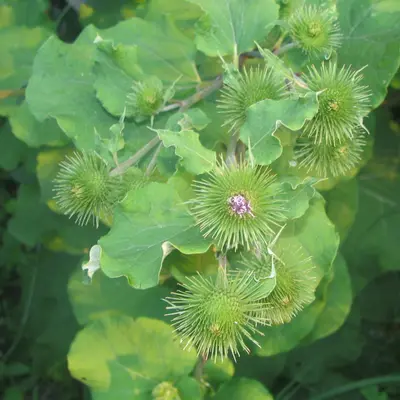
Chiko
A great season-extension offering. For fall, winter, and spring harvest and storage. Can be overwintered in soil, much the same as parsnips. Cook like carrots. Easier to grow than both carrots and parsnips, with faster germination and good weed competition. Delicious in hearty soups and bean stews. Uniform variety. Roots are long, slender, and light brown. Avg. 1-2' long x 1" thick.
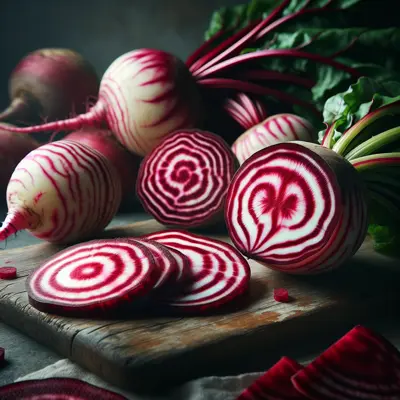
Chioggia Beet
Chioggia Beet is an Italian heirloom variety prized for its striking candy-striped interior of alternating red and white rings, revealed only when sliced. Maturing in approximately 55 days, these medium-sized round roots offer a distinctly sweeter, milder flavor profile with considerably less earthiness than standard beet varieties, making them excellent for both raw preparations and cooking. The vibrant, visually dramatic presentation makes Chioggia particularly popular in upscale culinary applications and farmers' markets. Plants thrive in full sun to partial shade with well-drained, organic-rich soil.
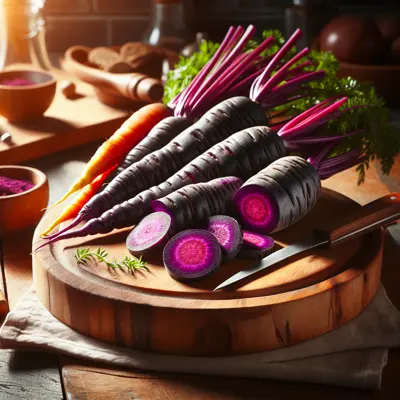
Cosmic Purple Carrot
A stunning hybrid carrot that produces 7-inch roots with deep purple skin and bright orange cores that create beautiful rings when sliced. This All-America Selections winner combines exceptional sweetness with eye-catching color, making it perfect for both fresh eating and adding visual drama to dishes. The unique bicolor appearance and crisp texture make it a favorite among gardeners looking to grow something truly special.
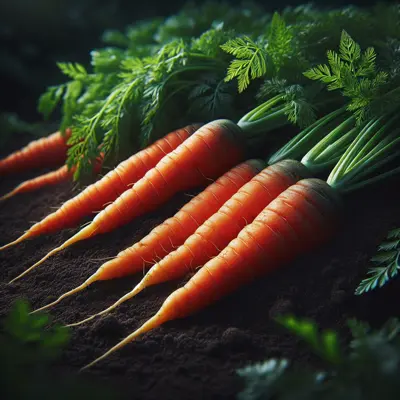
Danvers Half Long Carrot
A classic American heirloom carrot that has been a garden favorite since the 1870s. This reliable variety produces deep orange, broad-shouldered roots that taper to a blunt point, making them perfect for heavy or clay soils where longer carrots struggle. Known for exceptional sweetness and crisp texture that improves with cool weather.
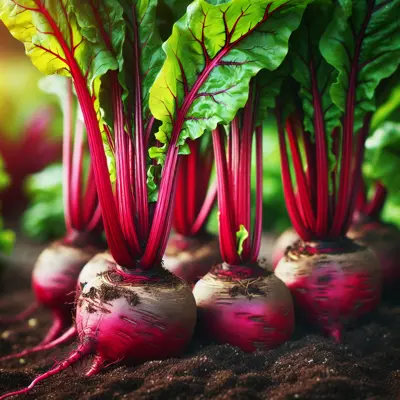
Early Wonder Tall Top Beet
Early Wonder is harvested in bunches with large, vigorous tops attached to the young beets. Tall, bright, glossy green, red-veined tops and slightly flattened red roots. Excellent foliar disease resistance for reliably clean bunches.
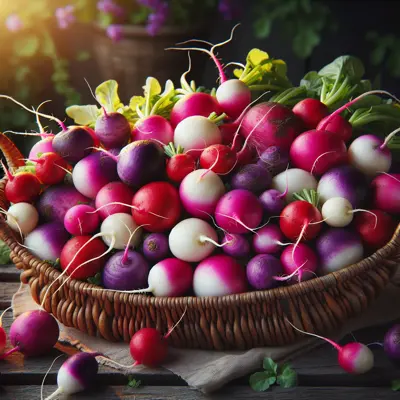
Easter Egg Radish
Easter Egg Radish is a vibrant heirloom variety producing multicolored roots with a stunning mix of white, pink, purple, and red striping. These small, round radishes mature in approximately 30 days, making them ideal for quick succession planting. Their defining characteristic is their mild, crisp, and exceptionally sweet flavor with significantly less peppery bite than traditional radishes, making them particularly appealing to those who prefer gentler radish varieties. The colorful appearance and pleasant taste make them both visually striking in gardens and excellent for fresh eating, salads, and garnishes.
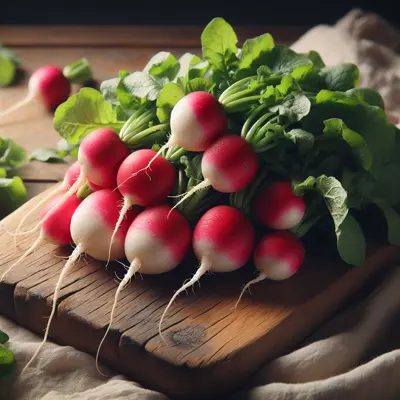
French Breakfast Radish
A well-maintained strain of this market staple. Longer than Nelson, with more white on the tip. Large healthy tops. After trying many strains we found this to be the best. NOTE: For longer, straighter roots, sow 15-20% more seeds per row 1/2 to 1 cm deeper, and do not irrigate unless absolutely necessary.
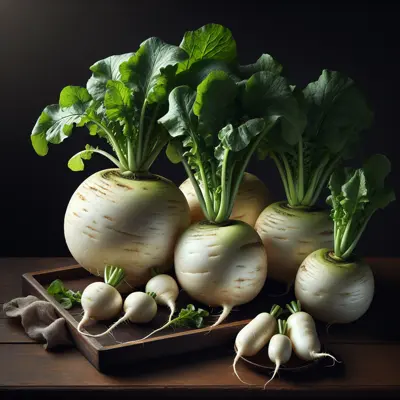
German Giant Radish
A massive white radish that can grow to impressive sizes while maintaining surprisingly mild flavor and crisp texture. Unlike typical small radishes, German Giant becomes milder and sweeter as it grows larger, making it perfect for cooking applications. This unique variety bridges the gap between European radishes and Asian daikon types.
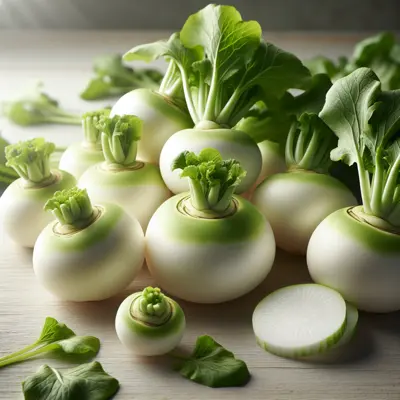
Hakurei Turnip
The smooth, flat-round, white roots mature early (just after radishes) and are best harvested young, up to 2" diameter. Eaten raw, the flavor is sweet and fruity and the texture is juicy and tender. The tops may be eaten raw or lightly cooked. Hakurei stays smooth as it sizes.
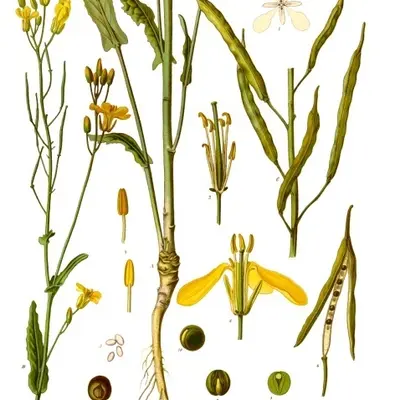
Helenor
Helenor is a heirloom root vegetable that matures in 90 days, featuring light orange flesh with a distinctive sweet flavor and mild taste profile. This variety thrives in full sun to partial shade conditions and prefers well-drained loam soil with neutral pH, making it ideal for gardeners of all skill levels. The defining characteristic of Helenor is its exceptional versatility—equally suited for fresh eating straight from the garden or for cooking applications. With an easy difficulty rating and reliable performance, Helenor represents a dependable choice for both novice and experienced growers seeking a flavorful, heirloom root vegetable.
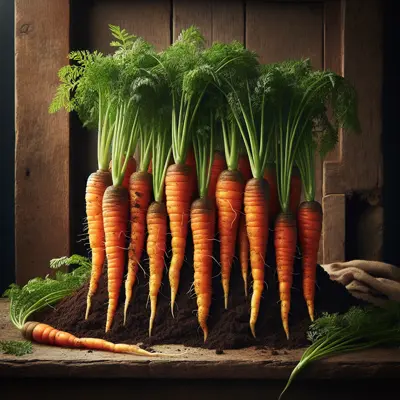
Imperator 58 Carrot
The classic grocery store carrot that defined what most people expect from this beloved vegetable. These long, tapered carrots offer exceptional sweetness and crisp texture, making them perfect for both fresh eating and cooking. A reliable performer that produces uniform, beautiful roots even in challenging conditions.
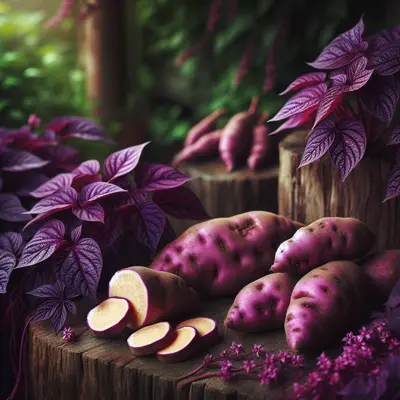
Kolibri Purple Sweet Potato
A stunning ornamental sweet potato that doubles as an edible variety, featuring deep purple foliage that creates dramatic contrast in gardens. The compact tubers have purple skin and cream flesh with a mildly sweet flavor. This dual-purpose variety is perfect for gardeners who want both beautiful landscaping and a unique harvest.
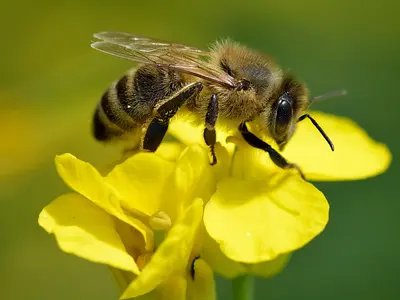
Laurentian
Round, uniform roots with excellent taste and texture. Purple tops with pale yellow flesh.
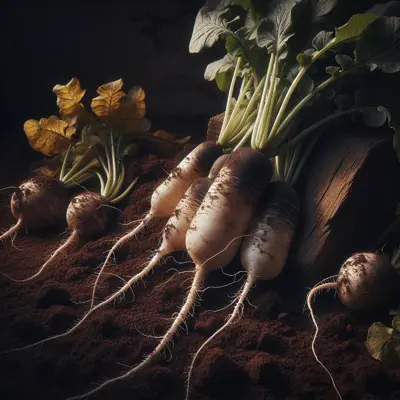
Long Black Spanish Radish
This impressive heirloom winter radish dates back to the 1600s and offers a completely different experience from common spring radishes. Growing 8-10 inches long with distinctive black skin and pure white interior flesh, these storage radishes develop complex, pungent flavors that mellow beautifully when cooked. Perfect for gardeners seeking unusual varieties that provide fresh eating well into winter months.
Mokum Carrot
Top-rated for flavor among our early varieties. Attractive slender roots are great for early bunches. A bit earlier than Yaya, more slender, the same length (5 1/2-6 1/2") and color, and with similar high sugar and brittle tenderness. Holds sweet taste even in warm weather. Short tops. Widely adapted. Amsterdam type. Also available with NOP-compliant pelleting.
Nelson Carrot
Straight candy-red roots resist pithiness better than other long French types. Compared to French Breakfast, roots are shorter, wider, and show less white on the tips. Responds better to tight spacing. Improved top strength. NOTE: For longer, straighter roots, sow 15-20% more seeds per row 1/2 to 1 cm deeper, and do not irrigate unless absolutely necessary.
Nero Tondo Black Spanish Round Radish
An eye-catching heirloom winter radish from Spain that produces striking black-skinned roots with pure white flesh and a surprisingly mild flavor. This unique variety stores exceptionally well and actually improves in flavor after a few frosts, making it perfect for extending the harvest season into winter. The dramatic color contrast when sliced creates stunning visual appeal in dishes while delivering the crisp, clean taste that makes winter radishes so prized.
Paris Market Carrot
A charming French heirloom perfect for containers and heavy soils where longer carrots struggle. These golf ball-sized roots are incredibly sweet and tender, making them ideal for gourmet cooking and an excellent choice for children's gardens due to their unique round shape.
Purple Carrot Cosmic Purple
A stunning heirloom carrot that brings vibrant color to your garden and plate with its deep purple exterior and bright orange core. This eye-catching variety delivers excellent sweet flavor while providing powerful antioxidants from its rich purple pigmentation. Perfect for gardeners who want to grow something truly unique that will amaze friends and family.
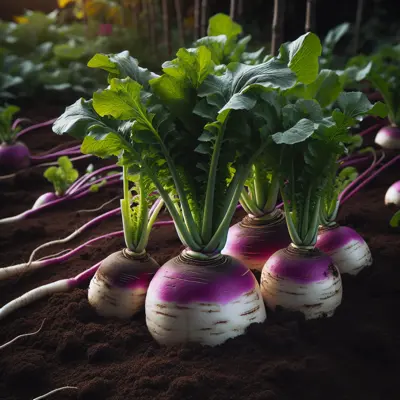
Purple Daikon Radish
A stunning Asian variety that combines the mild, sweet flavor of traditional daikon with eye-catching purple and white coloring. These large radishes are perfect for both raw applications and cooking, offering gardeners something truly unique for their fall harvest.
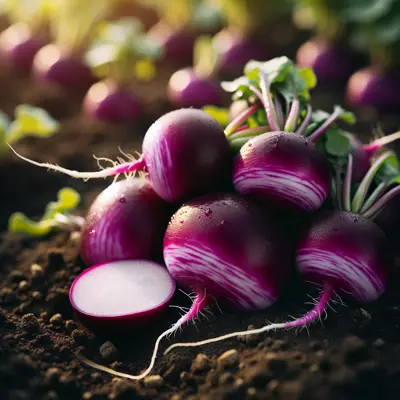
Purple Plum Radish
An eye-catching round radish with stunning deep purple skin and crisp white flesh that adds vibrant color to any garden or plate. This fast-growing variety maintains its mild, sweet flavor even as it reaches full size, making it perfect for gardeners who want beauty and taste. The golf ball-sized roots are as decorative as they are delicious.
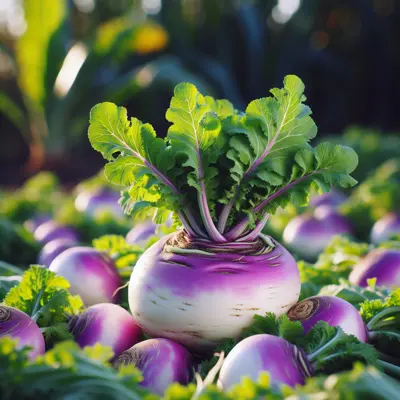
Purple Top White Globe Turnip
Selected strain of this popular Southern US variety. Smooth, round roots average 3-4" in diameter and are white below the soil line and bright purple above. Large lobed greens are suitable for cooking.
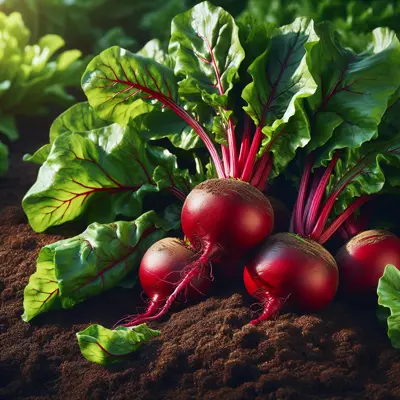
Red Ace Beet
A reliable and adaptable standard red beet. Medium-tall, red-veined greens for bunching. Less uniform and not as attractive as our other red hybrids. Also available with NOP-compliant pelleting.
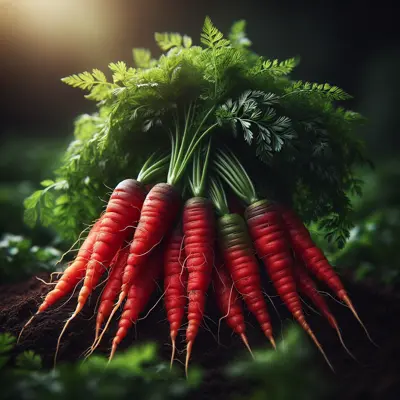
Scarlet Nantes Carrot
A classic French heirloom carrot prized for its sweet flavor and crisp texture. These cylindrical orange roots grow 6-7 inches long with smooth skin and virtually no core, making them perfect for fresh eating and cooking. Their exceptional sweetness and tender flesh have made them the gold standard for home garden carrots worldwide.
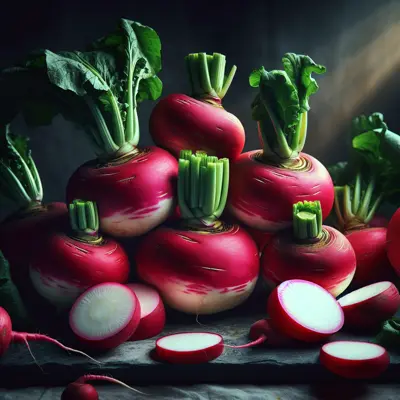
Scarlet Queen Turnip
Scarlet Queen is a heirloom turnip variety prized for its stunning deep red to crimson skin that stands out in the garden and kitchen. Maturing in just 37 days, this quick-growing root vegetable produces tender, globe-shaped roots with crisp white flesh. Unlike many turnips, Scarlet Queen delivers a distinctly sweet, mild flavor without bitter notes, making it excellent for both raw consumption in salads and cooked preparations. The vibrant skin color provides visual appeal while the tender texture remains consistent even when harvested at larger sizes. An easy-to-grow heirloom suitable for gardeners of all skill levels.

Tendersweet Orange Carrot
This Burpee-developed variety has earned its place as one of the most dependable and flavorful carrots for home gardens, winning recognition for both its exceptional sweetness and reliable growing characteristics. The 7-8 inch roots develop beautiful orange color throughout and maintain their tender texture even when fully mature. Garden families especially appreciate this variety's consistent performance and kid-friendly sweet flavor that makes fresh vegetables irresistible.
Thumbelina Carrot
An adorable golf ball-sized carrot that's perfect for container gardens and shallow soils where longer varieties struggle. Despite their tiny size, these round carrots pack full-sized flavor and sweetness. Winner of the All-America Selections award for its exceptional performance and unique appeal to gardeners with space constraints.
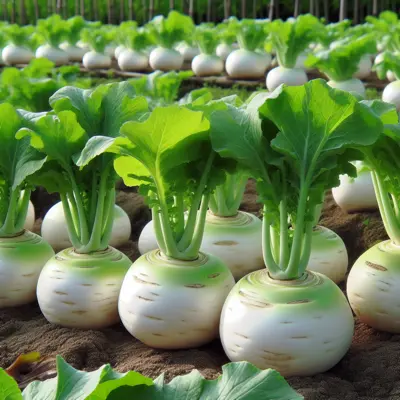
Tokyo Cross Turnip
An award-winning Japanese hybrid turnip that revolutionized home turnip growing with its incredible speed and sweet, mild flavor. This All-America Selections winner produces perfectly white, smooth roots in just over a month, with crisp texture that never gets woody or strong-tasting. The compact size and quick maturity make it perfect for succession planting and small gardens.
Touchon Carrot
A beloved French heirloom carrot renowned for its exceptional sweetness and crisp texture, often considered one of the best-tasting carrots available to home gardeners. This variety produces perfectly straight, smooth roots with little to no core, making every bite tender and flavorful. Touchon's reliable performance and gourmet quality have made it a favorite among gardeners who prioritize flavor over size.
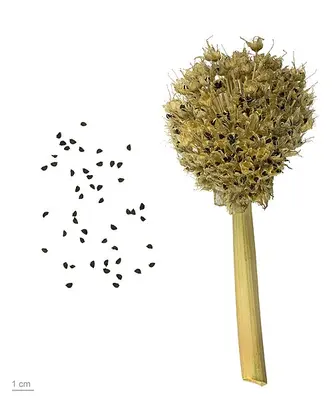
White Spear
White Spear is an heirloom leek variety prized for its tender, elongated white shanks and mild, slightly sweet flavor. Maturing in approximately 65 days, this easy-to-grow cultivar thrives in full sun to partial shade with well-drained, fertile loam. The defining characteristic is its pure white, slender stem that remains exceptionally tender and delicate, making it ideal for cooking whole or in refined culinary applications. Unlike coarser leek varieties, White Spear delivers a gentle onion-like sweetness without harshness, earning its place in both home and market gardens.
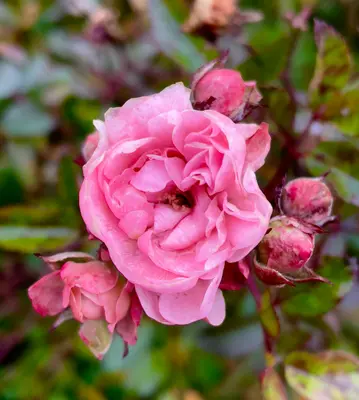
Sally Holmes Shrub Rose
This exceptional shrub rose creates a spectacular display with enormous clusters of single, creamy white flowers that can contain 50 or more blooms per spray, resembling a massive hydrangea. The vigorous, arching growth habit and non-stop blooming from spring to frost make it perfect for creating dramatic focal points or informal hedges. Sally Holmes thrives with minimal care while providing maximum impact in the landscape.

Tropicana
Tropicana is a vibrant heirloom rose variety featuring warm orange-red blooms with a delicate, sweet fragrance. Reaching full maturity in approximately 52 days, this rose produces medium-sized flowers ideal for cutting and arrangement. Its defining characteristic is the perfect balance of moderate, sweet rose scent combined with exceptional vase life, making it a favorite among florists and home gardeners seeking reliable color and fragrance in one plant.
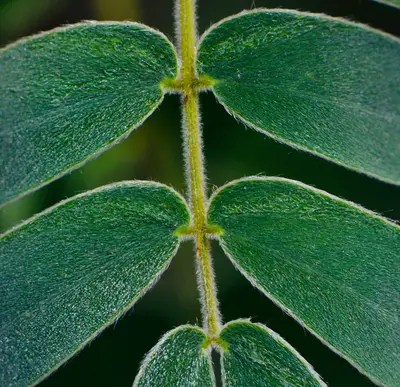
Zephirine Drouhin
Known as the 'thornless rose,' this beloved climbing Bourbon rose from 1868 produces masses of fragrant, cerise-pink blooms repeatedly throughout the season. Its smooth, thornless canes make it perfect for walkways and areas where people might brush against it, while its incredible fragrance fills the garden with old rose perfume.
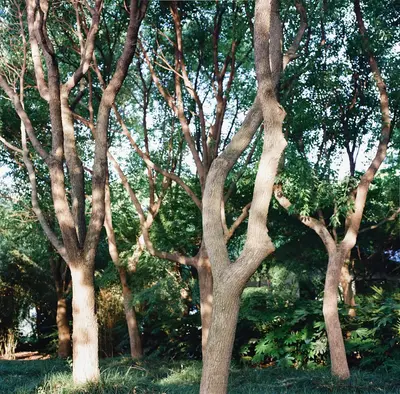
American Elm
The classic American street tree famous for its graceful vase-shaped canopy that once lined countless city streets. Modern disease-resistant cultivars have brought this beloved native back from near extinction caused by Dutch elm disease. Fast-growing and adaptable, American elms create cathedral-like canopies perfect for large properties and urban settings.
American Hornbeam
A native understory tree prized for its smooth, muscular gray bark and exceptional four-season interest. This shade-tolerant beauty produces brilliant orange-red fall foliage and adapts well to urban conditions while providing excellent wildlife habitat. Perfect for smaller yards where a graceful, low-maintenance shade tree is desired.
American Linden
A fast-growing native shade tree beloved for its heart-shaped leaves and incredibly fragrant summer flowers that attract bees from miles around. Also known as Basswood, this stately tree creates dense, cooling shade and produces clusters of small, sweet-scented yellow flowers in late June. The smooth bark and uniform growth habit make it an excellent choice for street plantings and large yards.
American Sweetgum
This magnificent native shade tree is famous for its spectacular fall display of yellow, orange, red, and purple leaves all on the same tree. The distinctive star-shaped leaves and interesting spiky seed balls make it a conversation starter, while its fast growth and dense shade make it highly practical for large landscapes.
Bald Cypress
This ancient native conifer defies expectations by dropping its needles each fall after turning a beautiful russet-orange color. Extremely adaptable and long-lived, it thrives in both wet and dry conditions while developing distinctive fluted bark and impressive size, making it a unique choice for homeowners wanting something truly special.
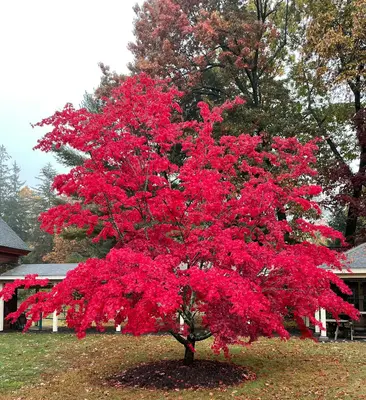
Brandywine Red Maple
A superior red maple cultivar selected for its outstanding fall color that develops earlier and lasts longer than typical red maples. This fast-growing native produces brilliant orange-red to deep red autumn foliage that's among the most reliable and intense of any maple variety. Its adaptability to various soil conditions and consistent performance make it an excellent choice for homeowners wanting guaranteed fall color.

Catalpa
A distinctive shade tree with huge heart-shaped leaves and showy clusters of white orchid-like flowers in late spring. Fast-growing and hardy, it produces long bean-like seed pods that hang from branches all winter, creating unique architectural interest. Perfect for homeowners wanting quick shade with tropical flair.
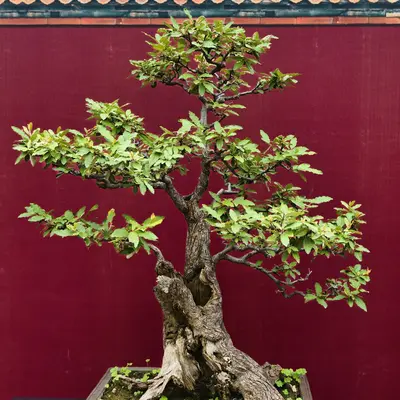
Chinese Elm
A fast-growing, disease-resistant alternative to American Elm that combines rapid growth with exceptional durability and grace. This adaptable tree features small, glossy leaves that create dense shade in summer and often persist late into fall with attractive yellow color. Its distinctive mottled bark adds year-round visual interest, while its proven resistance to Dutch elm disease makes it a reliable choice for elm lovers.
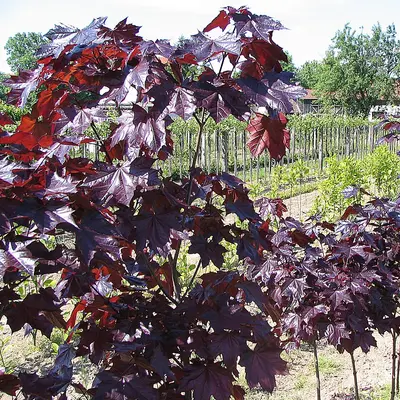
Crimson King Maple
A stunning cultivar of Norway Maple that maintains deep burgundy-red foliage throughout the entire growing season. This fast-growing shade tree creates a dramatic focal point in any landscape with its rich purple-red leaves that seem to glow when backlit by sunlight. Perfect for homeowners wanting bold color without sacrificing the classic maple tree shape.
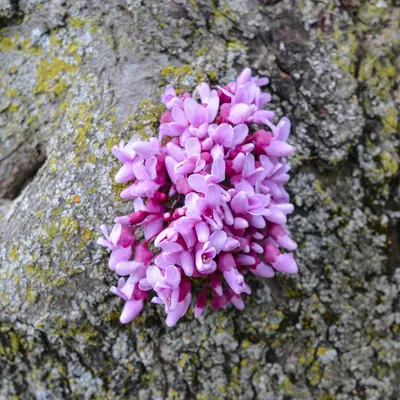
Eastern Redbud
A stunning native shade tree that announces spring with masses of bright pink-purple flowers blooming directly from its branches and trunk. The distinctive heart-shaped leaves provide beautiful yellow fall color, and its moderate size makes it perfect for residential landscapes where you want maximum impact without overwhelming the space.
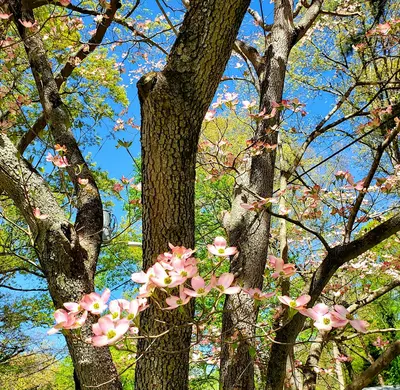
Flowering Dogwood
America's beloved native flowering tree that announces spring with spectacular white or pink bracts followed by brilliant red fall color. This iconic shade tree provides year-round beauty with attractive layered branching and bright red berries that wildlife adore. A must-have for creating that classic American garden aesthetic.
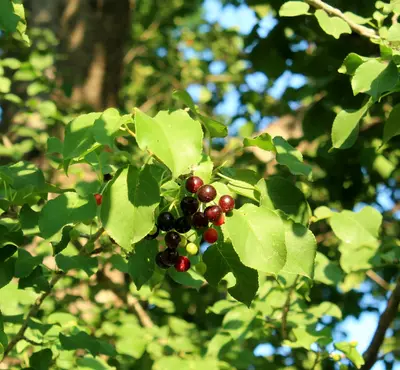
Hackberry
A tough, adaptable native tree that thrives where other shade trees struggle, making it perfect for challenging sites and urban environments. This undemanding tree grows quickly into a graceful, vase-shaped canopy that provides excellent filtered shade through its small, elm-like leaves. Wildlife enthusiasts love hackberry for its small berries that feed over 40 bird species throughout fall and winter.
Honey Locust
This fast-growing native shade tree is beloved by homeowners for its delicate, fern-like foliage that creates dappled shade perfect for growing grass underneath. The thornless variety produces minimal seed pods and offers brilliant golden-yellow fall color, making it one of the most practical and beautiful choices for suburban landscapes.
Littleleaf Linden
A refined European shade tree beloved for its perfectly heart-shaped leaves and sweetly fragrant summer flowers that attract beneficial pollinators. This well-mannered tree maintains a neat, pyramidal shape without aggressive pruning and tolerates urban conditions exceptionally well. Its dense foliage provides excellent shade while the fragrant blooms create a delightful sensory experience in the garden.
Live Oak
The legendary evergreen oak of the American South, famous for its massive spreading branches draped in Spanish moss and centuries-long lifespan. Live oaks develop incredibly wide, horizontal canopies that can span over 100 feet, creating natural pavilions of dense shade. Their sculptural beauty and extreme longevity make them the ultimate legacy tree for large properties.
Northern Red Oak
A fast-growing native oak prized for its brilliant red fall color and adaptability to various growing conditions. This stately tree develops a broad, rounded crown with distinctive lobed leaves that turn fiery scarlet in autumn. Northern Red Oak is excellent for large properties where you want the majesty of an oak but don't want to wait decades for substantial size.

Norway Maple
A dense, hardy shade tree that creates excellent cooling canopy with its broad, dark green leaves and symmetrical growth habit. Known for thriving in urban environments where other trees struggle, it tolerates pollution, compacted soil, and challenging growing conditions. The Norway Maple's reliable performance and stunning yellow fall display have made it a go-to choice for street plantings and residential landscapes seeking dependable shade.

Pin Oak
A magnificent native oak prized for its distinctive pyramidal shape and reliable, brilliant red-orange fall color that lasts for weeks. The Pin Oak's unique branching pattern—upward angled upper branches, horizontal middle branches, and downward lower branches—creates an instantly recognizable silhouette. Fast-growing for an oak and extremely tolerant of urban conditions, it provides excellent shade while supporting wildlife with its abundant acorn production.
Red Oak
Red Oak is a large, deciduous shade tree valued for its rapid growth and stunning foliage. Mature trees reach 60-80 feet tall with a broad, rounded crown featuring deeply lobed leaves that turn vibrant red and crimson in fall. This hardy native species thrives in well-drained, acidic to neutral soil and adapts well to various growing conditions, making it an excellent choice for landscapes. Red Oak provides excellent shade within 4-6+ hours of sunlight. Its dense canopy and striking seasonal colors make it a preferred ornamental shade tree, though it requires monitoring for common pests like gypsy moths and oak borers.

River Birch
A fast-growing native shade tree renowned for its stunning exfoliating bark that peels in papery sheets of cream, salmon, and cinnamon colors. Exceptionally adaptable to wet or dry conditions, this heat-tolerant birch thrives where other birches fail. Perfect for adding textural interest and quick shade to any landscape.
Scarlet Oak
A stunning native oak prized for its brilliant scarlet fall foliage that rivals any maple for autumn color. This medium-sized oak grows faster than most oak species while maintaining the classic oak strength and longevity. Its deeply lobed leaves create beautiful filtered shade in summer before transforming into a spectacular red display that lasts for weeks.
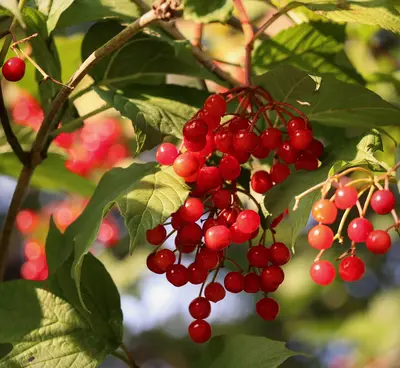
Serviceberry
A multi-season native treasure that offers delicate white spring flowers, sweet edible berries in summer, and spectacular orange-red fall foliage. This smaller shade tree is perfect for compact yards and provides food for both wildlife and humans, making it an excellent choice for eco-conscious gardeners.
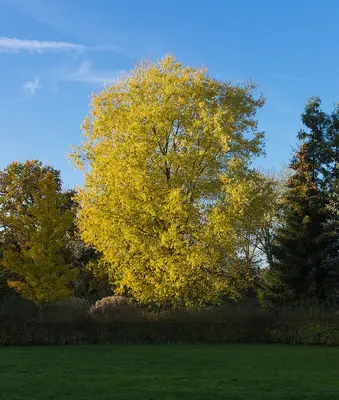
Silver Maple
A fast-growing native shade tree prized for its rapid establishment and graceful, drooping branches. The silvery undersides of its deeply lobed leaves create a shimmering effect in the breeze, while its adaptability to various soil conditions makes it a reliable choice for quick shade. Though fast-growing trees often sacrifice longevity, the Silver Maple's impressive size and beautiful fall color make it a popular landscape staple.
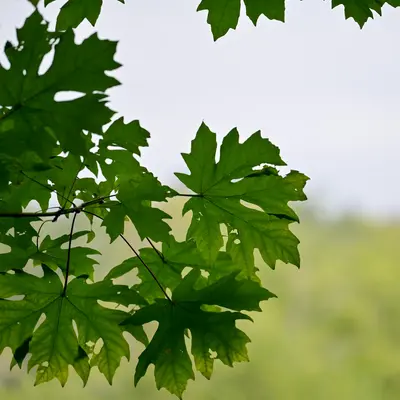
Sugar Maple
The iconic maple tree that defines autumn in North America with its spectacular yellow, orange, and red fall display. Known for producing the finest maple syrup, sugar maples are slow-growing but long-lived trees that create dense, cooling shade. Their symmetrical oval shape and reliable fall color make them one of the most sought-after landscape trees.
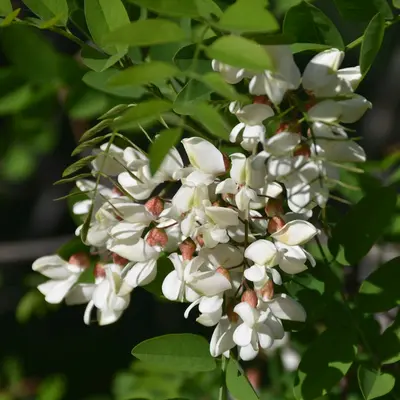
Thornless Honeylocust
A refined version of the native honeylocust that eliminates the troublesome thorns while keeping all the best qualities of this adaptable shade tree. Its delicate, compound leaves create dappled shade perfect for growing grass underneath, while the small leaflets practically disappear into the lawn come fall. Extremely tough and drought-tolerant once established, making it ideal for challenging urban environments.
Weeping Willow
An iconic landscape tree beloved for its graceful, drooping branches that sway gently in the breeze and create a natural living curtain. The fast-growing Weeping Willow quickly establishes itself near water features or low-lying areas, providing dramatic shade and unmatched visual appeal. Its romantic, flowing form and bright green foliage make it a stunning focal point that transforms any landscape into a serene retreat.

White Oak
A majestic native American shade tree prized for its broad, rounded canopy and outstanding fall color. This long-lived oak produces sweet acorns that attract wildlife and develops distinctive light gray bark with shallow furrows. White Oak is considered one of the finest shade trees for large properties, combining exceptional beauty with incredible durability.
Annabelle Hydrangea
A spectacular native hydrangea that produces enormous white flower heads up to 12 inches across from summer through fall, creating a stunning display in shade gardens. This hardy shrub blooms reliably every year on new wood and naturalizes beautifully in woodland settings while tolerating a wide range of conditions. The massive snowball-like blooms age to pale green and dry beautifully for winter interest.
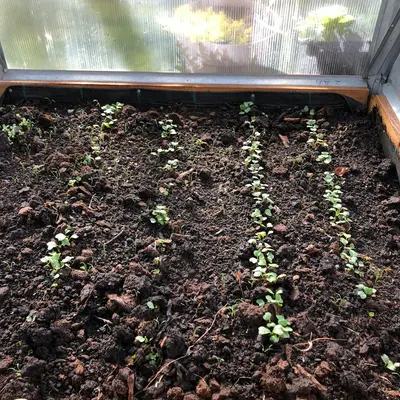
Azalea Encore
Revolutionary reblooming azaleas that flower in spring, summer, and fall, extending the traditional azalea season from weeks to months. These compact evergreen shrubs offer the classic azalea beauty with improved heat tolerance and disease resistance. Available in a wide range of colors, they're perfect for adding consistent color to foundation plantings and woodland gardens.
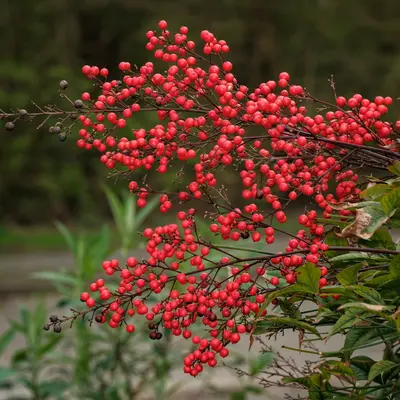
Barberry Red Rocket
This columnar barberry brings intense red foliage and a unique upright form to landscapes where space is at a premium. Unlike spreading barberry varieties, Red Rocket grows tall and narrow, making it perfect for tight spaces, foundation plantings, or creating living pillars in the garden. The thorny branches provide excellent security while the fiery red leaves hold their color all season long.
Beautybush
An underutilized gem that creates a spectacular spring display with cascading branches covered in pink bell-shaped flowers. This graceful, fountain-like shrub earned its common name honestly - few plants can match its breathtaking beauty when in full bloom, attracting bees and butterflies by the dozens. The exfoliating bark provides winter interest, making this a true four-season plant.
Blue Muffin Viburnum
A compact native viburnum that delivers four seasons of beauty with spring's creamy white flower clusters, summer's glossy green foliage, and fall's brilliant red-orange color display. The metallic blue berries are a magnet for birds while the dense branching provides excellent structure for landscape borders. This adaptable shrub thrives in various conditions while supporting local wildlife.
Boxwood Common
The classic evergreen shrub prized for its dense, fine-textured foliage and exceptional tolerance to pruning and shaping. Perfect for formal hedges, topiaries, and foundation plantings, boxwood provides year-round structure to the garden. This slow-growing shrub can be maintained at any desired height and is a cornerstone of traditional landscape design.
Bridal Wreath Spirea
A classic spring-blooming shrub that creates a stunning cascade of pure white double flowers along arching branches, resembling a bride's veil. This graceful, old-fashioned favorite provides reliable spring color and attractive orange-red fall foliage. Its elegant form and profuse blooms make it a timeless choice for foundation plantings and mixed borders.

Burning Bush
A deciduous shrub famous for its spectacular fall color transformation from green to brilliant crimson-red. This low-maintenance shrub creates stunning autumn displays and serves as an excellent foundation planting or hedge. Despite its invasive status in some regions, it remains one of the most sought-after shrubs for reliable fall color.
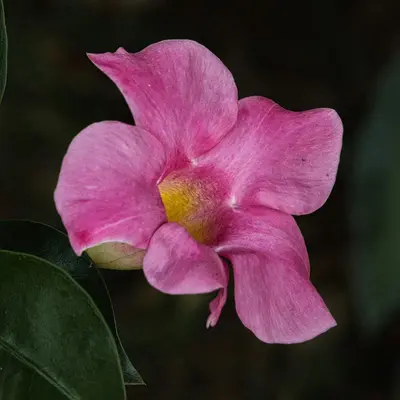
Camellia Japonica
An elegant evergreen that brings sophisticated beauty to winter gardens with its glossy dark green foliage and spectacular blooms. Flowers appear from late fall through early spring in shades of pink, red, or white, providing color when most other shrubs are dormant. This aristocratic shrub creates stunning focal points and works beautifully as a specimen plant or informal hedge.
Coral Honeysuckle
America's native honeysuckle vine that hummingbirds absolutely adore, featuring tubular coral-red flowers from spring through fall. Unlike its invasive cousins, this well-behaved climber stays put while providing months of nectar for hummingbirds and butterflies. The blue-green foliage and bright red berries add year-round interest to any garden structure.

Dwarf Burning Bush
A compact deciduous shrub that delivers spectacular scarlet-red fall color in a manageable size perfect for smaller landscapes. This dwarf variety maintains the stunning autumn display of its larger cousin while staying neatly proportioned, making it ideal for foundation plantings and mixed borders. The dense, rounded form requires minimal pruning and provides excellent structure year-round.
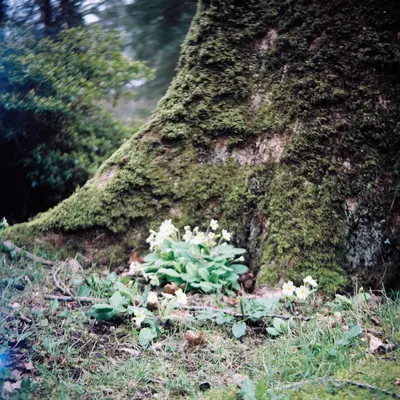
Dwarf English Boxwood
The ultimate evergreen hedge plant prized for its dense, small leaves and ability to hold precise shapes through pruning. This slow-growing classic creates formal garden structure and year-round green interest, perfect for borders, topiaries, and parterre gardens. Its compact nature makes it ideal for small spaces and container growing.
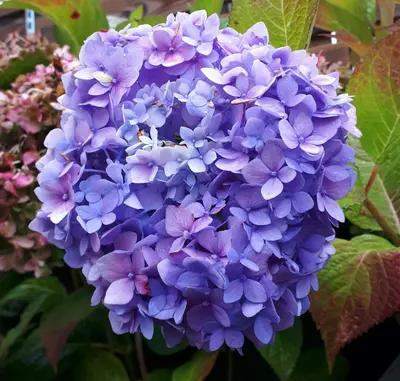
Endless Summer Hydrangea
The breakthrough hydrangea that blooms on both old and new wood, ensuring spectacular flower displays even after harsh winters. This reblooming marvel produces large mophead flowers that can be blue, pink, or purple depending on soil pH, creating a stunning focal point from early summer through fall. Perfect for gardeners who thought hydrangeas were too finicky for their climate.
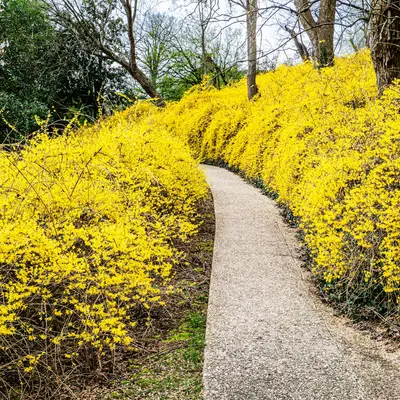
Forsythia
One of the earliest spring bloomers, forsythia creates a spectacular display of bright yellow flowers before the leaves emerge, signaling winter's end. This fast-growing, arching shrub is virtually maintenance-free and provides excellent screening when not in bloom. The profuse golden flowers can be forced indoors in late winter for early spring color.
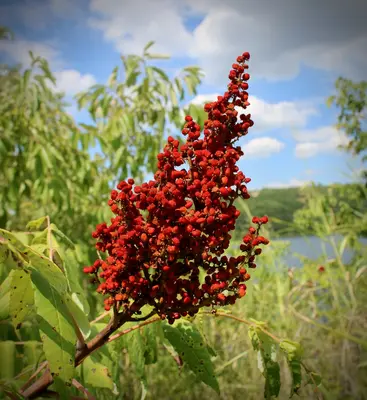
Fragrant Sumac
A tough, native shrub prized for its exceptional drought tolerance and brilliant orange-red fall color that rivals any maple. Small yellow flowers appear before the leaves in early spring, followed by red berries that attract birds. This adaptable groundcover shrub thrives in difficult sites where other plants struggle, making it perfect for slopes and naturalized areas.
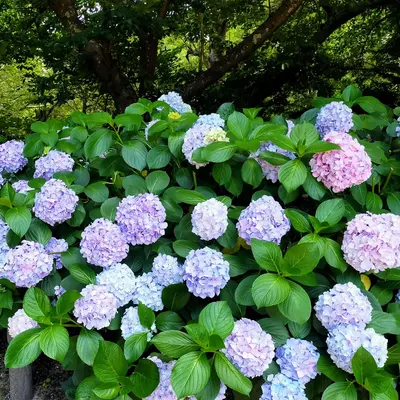
French Hydrangea
The classic mophead hydrangea that transforms any garden into a cottage paradise with its massive, globe-shaped flower clusters. These stunning shrubs are famous for their color-changing ability - producing blue blooms in acidic soil and pink in alkaline conditions. A timeless favorite that delivers months of spectacular color and makes excellent cut flowers.
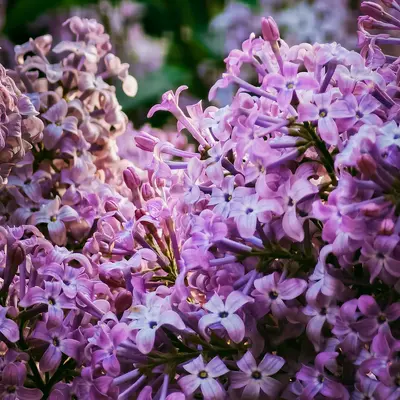
French Lilac
The classic fragrant lilac that defines spring with its intoxicating perfume and abundant blooms. These old-fashioned shrubs produce dense clusters of tubular flowers in shades of purple, pink, white, or lavender that attract butterflies and hummingbirds. A must-have for creating nostalgic cottage gardens and cutting gardens.
Goldmound Spirea
A compact deciduous shrub that brings year-round color with bright golden-yellow foliage that transitions through orange and red in fall. Pink flower clusters appear in late spring, creating a stunning contrast against the golden leaves. This low-maintenance beauty is perfect for mass plantings, borders, and foundation plantings.
Japanese Kerria
A charming spring bloomer that produces abundant golden-yellow pompom flowers on bright green arching stems that remain attractive even in winter. This easy-care shrub tolerates shade better than most flowering shrubs and provides months of cheerful color in woodland gardens. The double-flowered variety creates an impressive display that rivals forsythia but with a more refined appearance.
Japanese Pieris
An elegant broadleaf evergreen that produces cascading clusters of bell-shaped flowers in early spring, often appearing before most other shrubs break dormancy. The glossy evergreen foliage provides year-round interest, and many varieties offer stunning bronze or red new growth that rivals any flower display. This sophisticated shrub brings four-season beauty and a refined presence to shade gardens.
Japanese Spirea
A compact, colorful shrub that brings non-stop pink blooms and vibrant foliage to small gardens and landscapes. This hardy little powerhouse produces flat-topped clusters of rosy-pink flowers from late spring through summer, while new growth emerges in shades of red and orange. Perfect for low hedges, foundation plantings, or adding reliable color to perennial borders.
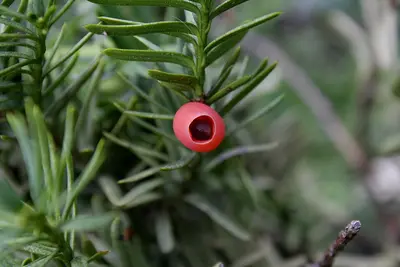
Japanese Yew
The ultimate low-maintenance evergreen that thrives in challenging conditions where other shrubs fail. This adaptable workhorse tolerates deep shade, urban pollution, and heavy pruning, making it ideal for foundation plantings and formal hedges. Its dense, dark green needle foliage provides year-round structure and serves as the perfect backdrop for flowering plants.
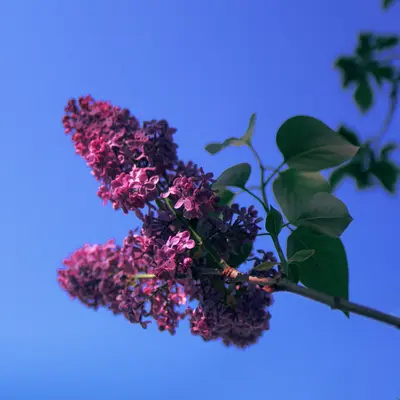
Lilac Common
A beloved deciduous shrub that heralds spring with its intensely fragrant flower clusters in shades of purple, pink, or white. This old-fashioned favorite can live for decades and becomes more beautiful with age, producing abundant blooms that are perfect for cutting. Few shrubs can match the nostalgic appeal and intoxicating fragrance of a mature lilac in full bloom.
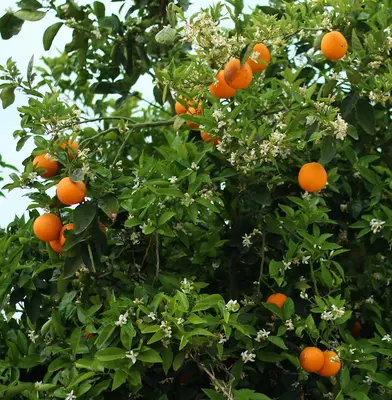
Mock Orange
An old-fashioned favorite that perfumes the entire garden with intensely fragrant white flowers in late spring. This hardy, low-maintenance shrub produces masses of orange-blossom scented blooms that attract pollinators from far and wide. Perfect for creating a romantic, cottage garden atmosphere while requiring minimal care once established.
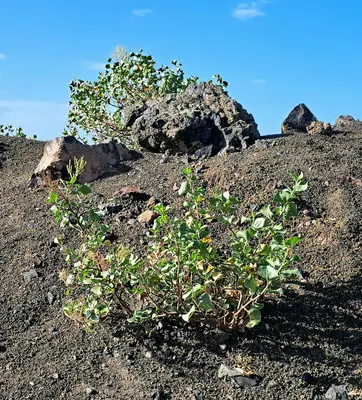
Mountain Laurel
A spectacular native evergreen shrub that produces clusters of cup-shaped flowers in late spring, resembling delicate porcelain with intricate pink and white patterns. The glossy dark green leaves provide year-round structure while the stunning blooms make this a showstopper in woodland gardens. This tough native thrives in acidic soil where many other shrubs struggle.
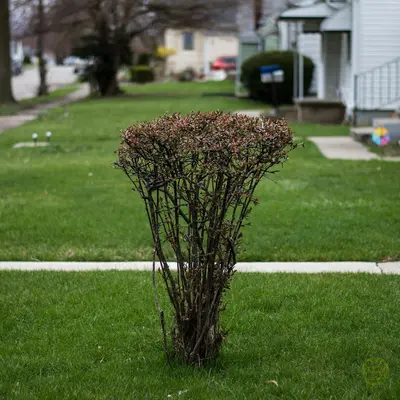
Ninebark Diablo
This native North American shrub offers three seasons of interest with its deep purple foliage, clusters of white flowers in spring, and colorful seed pods in fall. Diablo ninebark is incredibly tough and adaptable, thriving in conditions where other shrubs struggle while providing habitat for beneficial insects and birds. The dramatic dark foliage creates stunning contrast with lighter plants and the peeling bark adds winter interest.
Oakleaf Hydrangea
A stunning native hydrangea that offers true four-season interest with its distinctive oak-shaped leaves, elegant white flower clusters, and spectacular fall foliage in shades of orange, red, and burgundy. This shade-tolerant beauty produces cone-shaped flowers that age gracefully from white to pink to brown, providing months of interest. The exfoliating bark adds winter appeal, making this one of the most ornamentally valuable shrubs for American gardens.
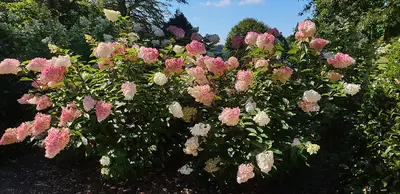
PeeGee Hydrangea
A classic Victorian-era hydrangea that produces enormous cone-shaped flower clusters that age from white to pink to bronze throughout the season. This reliable shrub is exceptionally cold hardy and blooms on new wood, ensuring flowers every year regardless of winter damage. The dramatic flower heads can reach 12 inches long and make stunning cut flowers for both fresh and dried arrangements.
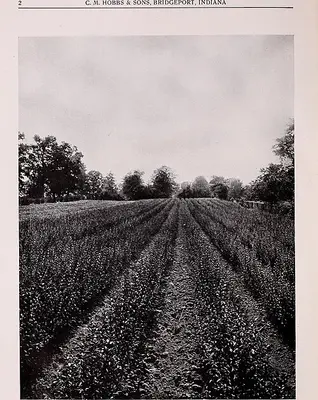
Privet Hedge
The gold standard for formal hedging that creates perfect living walls with minimal fuss. This fast-growing shrub responds beautifully to pruning and can be shaped into precise geometric forms or maintained as informal screening. Small white flowers appear in summer followed by dark berries, but the real appeal lies in its reliability and classic hedge appearance.
Red Twig Dogwood
A native multi-season shrub prized for its brilliant red winter stems that provide stunning color when most plants are dormant. This adaptable shrub produces clusters of white flowers in spring, followed by white berries that attract birds, while the bright red bark creates dramatic winter interest against snow. Thriving in wet soils where other shrubs fail, it's perfect for rain gardens and naturalizing.
Rhododendron Catawbiense
A magnificent native evergreen rhododendron that produces spectacular clusters of lilac-purple blooms in late spring. This hardy mountain native is prized for its cold tolerance and reliability, making it one of the most dependable rhododendrons for northern gardens. The glossy dark green foliage provides year-round structure while the showy flower trusses create a breathtaking display.
Rose of Sharon
A stunning late-summer bloomer that produces tropical-looking hibiscus flowers when most other shrubs have finished flowering. This hardy deciduous shrub is incredibly low-maintenance and drought-tolerant once established, making it perfect for busy gardeners. The abundant blooms attract butterflies and hummingbirds while providing beautiful privacy screening.
Snowball Viburnum
A spectacular spring showstopper that produces large, perfectly round clusters of pristine white flowers that truly resemble snowballs. This old-fashioned favorite creates dramatic focal points in the landscape and the flowers are excellent for cutting arrangements. The maple-like leaves provide attractive summer foliage and often develop good fall color in cooler climates.
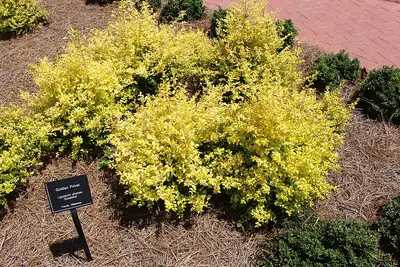
Sunshine Ligustrum
A golden-leafed evergreen shrub that brightens any landscape with its brilliant yellow-green foliage that holds its color year-round. This compact, low-maintenance plant produces small white flowers followed by dark berries, but it's grown primarily for its stunning golden color. Perfect for adding bright contrast to mixed borders and foundation plantings.
Weigela Wine and Roses
This award-winning shrub combines striking burgundy foliage with masses of rosy-pink trumpet flowers in late spring. The dramatic dark leaves provide season-long color interest, making this compact weigela perfect for adding bold contrast to mixed borders. It's remarkably easy to grow and attracts hummingbirds while deer tend to avoid it.
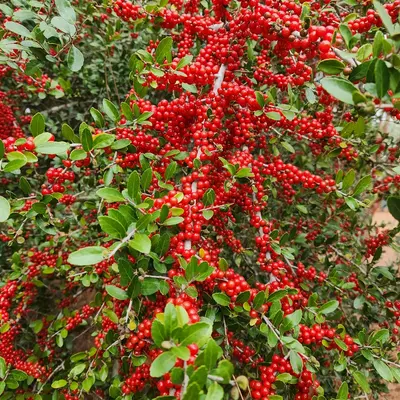
Winterberry Holly
A native deciduous holly that transforms the winter landscape with brilliant red berries persisting on bare branches long after leaves have dropped. This adaptable shrub thrives in wet soils where other plants struggle, making it perfect for rain gardens or low-lying areas. The spectacular winter berry display attracts birds while providing crucial cold-season interest when most shrubs are dormant.
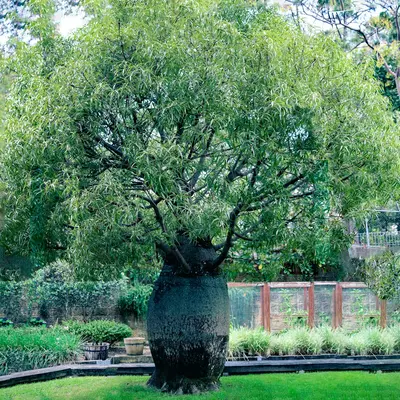
Witch Hazel
Nature's grand finale that saves its spectacular show for when all other shrubs have gone dormant. This native treasure produces clusters of fragrant, spidery yellow flowers in late fall and early winter, often while snow is on the ground. Beyond its unique blooming time, witch hazel offers excellent yellow fall color and interesting architectural branching that adds winter interest to the garden.
Aeonium 'Sunburst'
A show-stopping tree succulent with dramatic yellow-edged leaves that form large, flat rosettes on branching stems. Also known as the Copper Pinwheel, this architectural beauty can grow several feet tall and creates an instant focal point in any garden. The variegated foliage intensifies to brilliant cream and pink edges in cooler weather, making it a year-round stunner.
Aeonium arboreum 'Schwarzkopf'
A dramatic showstopper succulent featuring large rosettes of glossy, deep burgundy-black leaves that appear almost black in bright light. This tree-like aeonium develops a distinctive branching structure as it matures, creating a striking architectural presence that commands attention in any garden or collection. The contrast between its dark foliage and bright yellow flowers makes it one of the most sought-after succulents.
Aloe Vera
The ultimate multi-purpose succulent that serves as both a beautiful houseplant and a natural medicine cabinet. Its thick, gel-filled leaves provide soothing relief for burns and skin irritations while requiring minimal care. This ancient healing plant thrives indoors and produces stunning orange flower spikes when mature.
Barrel Cactus
A classic desert icon with a distinctive barrel shape covered in formidable hooked spines that create stunning geometric patterns. This slow-growing southwestern native can live for decades and produces beautiful yellow or red tubular flowers when mature. Perfect for xeriscaping and adds dramatic desert character to any succulent garden.

Burro's Tail
This sculptural trailing succulent creates thick, rope-like stems densely packed with plump, blue-green leaves that resemble a donkey's tail. The stems can cascade up to 4 feet long, making it perfect for hanging baskets, and the leaves have a delicate powdery coating that gives them an ethereal, silvery appearance in bright light.
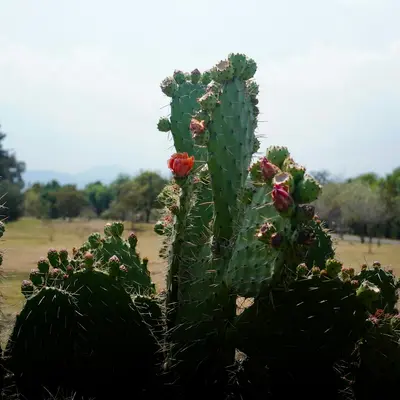
Christmas Cactus
This Brazilian epiphytic cactus transforms from an attractive houseplant into a spectacular flowering display, producing cascades of vibrant tubular blooms during the holiday season. Unlike desert cacti, it prefers consistent moisture and indirect light, making it an ideal long-lived indoor companion that can bloom for decades.
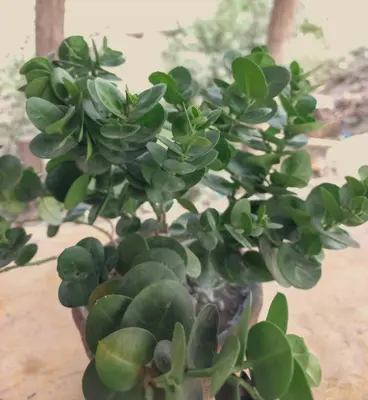
Crassula ovata 'Gollum'
A whimsical mutation of the classic jade plant featuring tubular, finger-like leaves with red-tinged tips that look like tiny trumpets. This Dr. Seuss-worthy succulent brings playful character to any collection while maintaining the easy-care nature of its parent plant. The unique foliage creates interesting shadows and textures, making it a favorite for both beginners and experienced growers seeking something different.
Crassula perforata 'String of Buttons'
A fascinating architectural succulent where triangular leaves are perfectly stacked and threaded along sturdy stems, creating the illusion of buttons on a string. The blue-green leaves develop striking red edges in bright light, and the plant forms dense, sculptural clusters that add incredible texture to any collection. Its geometric form and reliable growth make it a conversation starter that's surprisingly easy to care for.
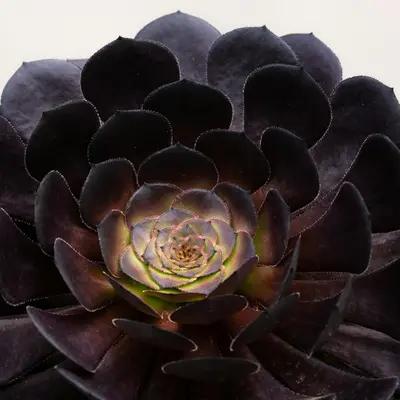
Echeveria 'Black Prince'
A stunning hybrid echeveria prized for its dramatic deep burgundy to nearly black foliage that intensifies in bright light and cool temperatures. This compact rosette-forming succulent creates striking contrast in arrangements and is surprisingly easy to care for despite its exotic appearance. Its dark coloration and perfect symmetrical form make it one of the most sought-after echeverias for collectors and beginners alike.
Echeveria 'Blue Atoll'
A stunning rosette succulent with powdery blue-gray leaves that form perfect geometric patterns. This compact beauty develops gorgeous pink and coral edges when stressed by bright light or cool temperatures, making it a favorite for Instagram-worthy arrangements and modern succulent gardens.
Echeveria 'Lola'
A stunning hybrid echeveria prized for its perfectly symmetrical rosettes of powdery blue-green leaves with delicate pink edges. This compact beauty develops more intense coloration in bright light and cooler temperatures, making it a favorite for both indoor collections and outdoor arrangements. Its reliable growth habit and gorgeous pastel hues make it irresistible to succulent enthusiasts.
Echeveria 'Perle von Nurnberg'
A stunning rosette succulent prized for its pastel purple-pink leaves with a powdery blue coating that creates an almost ethereal appearance. This popular hybrid develops the most intense coloration in bright light and produces tall spikes of coral-pink flowers in summer. Its perfect symmetrical form makes it a favorite for succulent arrangements and Instagram photos.
Echeveria Elegans
Known as the 'Mexican Snowball' for its perfect pale blue-green rosettes covered in a powdery bloom that gives them an ethereal, frosted appearance. This stunning succulent produces tall spikes of coral-pink bell-shaped flowers that create a beautiful contrast against the silvery foliage. It's one of the most photogenic succulents and forms attractive clusters over time, making it perfect for containers and rock gardens.
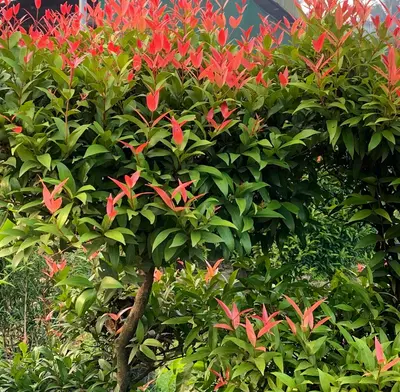
Flaming Katy
A cheerful flowering succulent that produces dense clusters of small, vibrant flowers in shades of red, pink, orange, yellow, or white above thick, glossy green leaves. This Madagascar native blooms for weeks at a time and is often sold as a gift plant during holidays due to its long-lasting, colorful display. With proper care, it can be encouraged to rebloom year after year, making it a rewarding houseplant for bright indoor locations.
Ghost Plant
A stunning rosette-forming succulent with thick, powdery blue-gray leaves that take on pink and purple hues in bright sunlight. This easy-care beauty produces cascading stems perfect for hanging baskets and readily forms new plants from dropped leaves. Its ethereal coloring and prolific growth habit make it a favorite among both beginner and experienced succulent collectors.
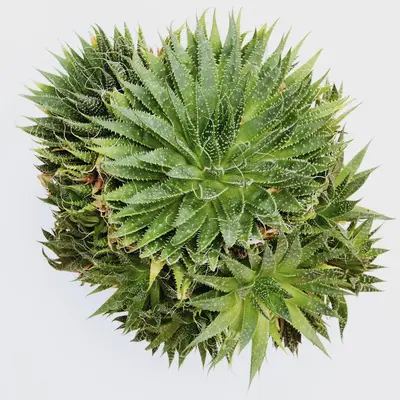
Haworthia cooperi
An extraordinary small succulent known for its translucent, bubble-like leaves that seem to glow when backlit. These fascinating 'windows' at the leaf tips allow light to penetrate deep into the plant, creating an almost magical appearance that captivates anyone who sees it. Compact and easy to grow, it's perfect for beginners wanting something truly unique in their collection.
Haworthia fasciata 'Zebra Haworthia'
This architectural small succulent captivates with its distinctive white horizontal stripes across dark green triangular leaves arranged in perfect rosettes. Often confused with its cousin H. attenuata, this compact beauty is ideal for desk gardens, terrariums, and small spaces where its geometric pattern can be appreciated up close. Its tolerance for lower light conditions makes it one of the best succulents for indoor growing.
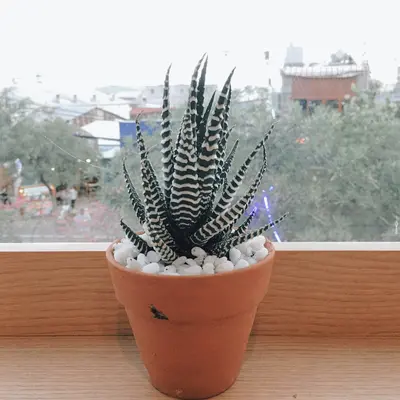
Haworthia Zebra Plant
This charming miniature succulent features distinctive white horizontal stripes across its dark green pointed leaves, creating a stunning zebra-like pattern that makes it instantly recognizable. Perfect for beginners and small spaces, it stays compact and produces small white tubular flowers on thin stalks. Its unique geometric appearance and easy care requirements have made it one of the most popular houseplant succulents worldwide.

Hen and Chicks
The ultimate beginner succulent, beloved for its ability to form charming colonies of rosettes that spread naturally through offsets or 'chicks'. This hardy European native produces stunning star-shaped pink flowers on tall stalks and can survive freezing temperatures, making it perfect for both indoor and outdoor gardens.
Hens and Chicks
This charming succulent lives up to its name by producing dozens of baby rosettes ('chicks') around the mother plant ('hen'), creating natural colonies that spread beautifully across rock gardens and containers. Incredibly cold-hardy and virtually indestructible, it's perfect for beginners and produces stunning pink or red flower spikes before the mother plant completes its lifecycle.
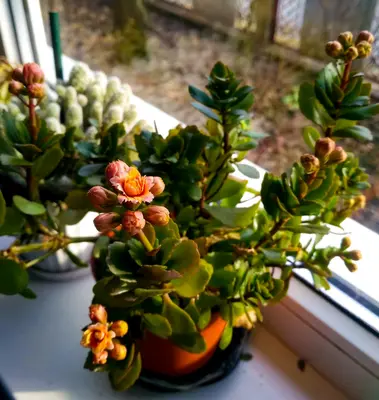
Jade Plant
Often called the 'money tree' or 'friendship plant,' this classic succulent features thick, glossy oval leaves and a tree-like growth habit that makes it a perfect houseplant. Known for bringing good luck and fortune according to feng shui traditions, it's incredibly easy to grow and can live for decades with minimal care. Its small white or pink star-shaped flowers appear in winter, adding unexpected beauty to this already charming plant.
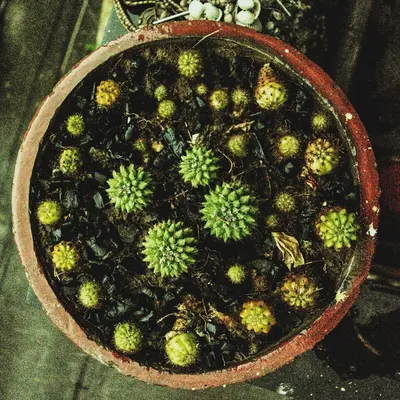
Lithops 'Living Stones'
Nature's ultimate camouflage artists, these fascinating succulents perfectly mimic stones and pebbles in their native African habitat. Each plant consists of just two thick, fused leaves with a slit down the middle, and they produce surprising daisy-like flowers in fall. These conversation-starter plants are perfect for collectors who love unique, low-maintenance specimens that challenge everything you know about plants.
Paddle Plant
A stunning architectural succulent with large, flat, paddle-shaped leaves that stack in perfect rosettes and develop gorgeous red edges in bright light. This South African beauty is prized for its dramatic foliage and impressive size, making it a perfect statement plant for modern gardens. The thick, waxy leaves have a powdery coating that adds to its sculptural appeal.
Panda Plant
An adorable fuzzy succulent that feels like velvet to the touch, featuring silvery-green oval leaves edged with chocolate brown spots that resemble a panda's markings. This charming plant develops a tree-like structure over time and its soft, tactile leaves make it irresistible to touch. Perfect for adding texture and whimsy to any succulent collection, it's especially popular with children and beginners.
Rosette Succulent
A dramatic black rose succulent that forms stunning dark purple-black rosettes on branching stems. This architectural beauty creates incredible contrast in succulent arrangements and turns nearly black in bright light. The rosettes can reach impressive sizes and occasionally produce tall spikes of bright yellow flowers.
Roseum
A hardy groundcover sedum that transforms from green to brilliant rosy-pink in cool weather and full sun exposure. This vigorous spreader produces clusters of bright pink star-shaped flowers in summer, creating a stunning carpet effect. Perfect for rock gardens, borders, or anywhere you need reliable color and texture.
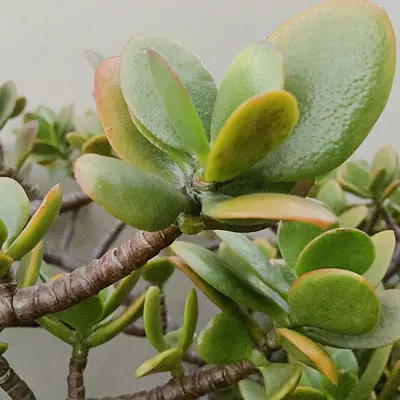
Rubber Plant
A stunning indoor tree with glossy, dark green leaves that can grow impressively tall indoors. This low-maintenance beauty is perfect for beginners and adds dramatic architectural presence to any room. Its thick, waxy leaves are incredibly forgiving and the plant thrives with minimal care.
Sedum Autumn Joy
A hardy perennial succulent that transforms through the seasons, starting with pale green flower buds in summer that gradually deepen to rich pink, then bronze-red in fall, finally turning russet-brown for winter interest. This reliable garden workhorse forms sturdy clumps of thick, blue-green leaves and is beloved by butterflies and bees when in bloom. Its architectural form and seasonal color changes make it a cornerstone plant in both succulent gardens and traditional perennial borders.
Sedum morganianum 'Donkey's Tail'
A charming trailing succulent featuring long, cascading stems densely packed with plump, blue-green leaves that overlap like braided rope. Perfect for hanging baskets or tall containers where its dramatic 2-3 foot trailing habit can be showcased. The thick, fleshy leaves store water efficiently, making this an exceptionally drought-tolerant and low-maintenance houseplant.
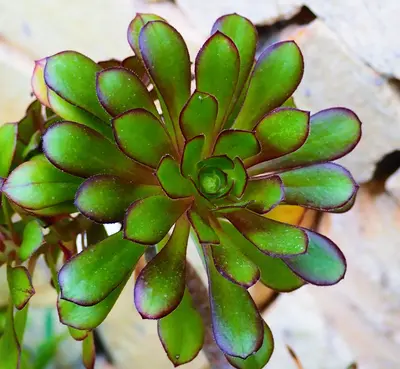
Sedum rubrotinctum 'Jelly Bean Plant'
Beloved for its plump, bean-shaped leaves that blush from green to brilliant red in bright light, this cheerful succulent is virtually indestructible and perfect for beginners. The trailing stems create cascading displays in hanging baskets while the colorful foliage provides year-round interest both indoors and out. Its rapid growth and easy propagation from dropped leaves make it a favorite for sharing with friends.
Sedum Spurium
Known as 'Dragon's Blood' or 'Two-Row Stonecrop,' this vigorous groundcover succulent forms dense mats of small rounded leaves that turn brilliant red in cool weather and stress conditions. Its clusters of bright pink to red star-shaped flowers create a stunning carpet of color in summer, while the plant's ability to spread and fill in spaces makes it perfect for rock gardens and green roofs. This hardy sedum thrives on neglect and provides year-round interest with its changing colors.
Snake Plant
The nearly indestructible snake plant is famous for its striking upright sword-like leaves with distinctive yellow margins and dark green cross-banding. This West African native thrives on neglect and low light, making it the perfect choice for busy gardeners or those with challenging indoor growing conditions.
String of Bananas
A delightful trailing succulent with banana-shaped leaves that cascade beautifully from hanging baskets or shelves. This charming plant grows quickly and produces tiny white cinnamon-scented flowers that add unexpected fragrance. Perfect for creating living curtains of green in bright windows.

String of Dolphins
A whimsical trailing succulent that produces leaves shaped exactly like tiny leaping dolphins. This rare hybrid between String of Pearls and Candle Plant creates an enchanting cascading display that's become the holy grail for succulent collectors. Its unique dolphin-shaped foliage makes it an instant conversation starter and Instagram favorite.
String of Pearls
An enchanting trailing succulent with unique pea-shaped leaves that cascade like a string of green beads from hanging baskets or shelves. This conversation-starter produces tiny white cinnamon-scented flowers and can trail several feet long, making it perfect for adding vertical interest to any succulent collection. Its unusual appearance and easy care make it a social media darling.

Tiger Tooth Aloe
A compact clustering aloe with distinctive triangular leaves edged in bright orange-red teeth that intensify in bright light. This fast-growing species quickly forms attractive colonies of small rosettes, making it perfect for filling containers or creating dramatic landscape displays. Its orange tubular flowers attract hummingbirds and add seasonal interest.
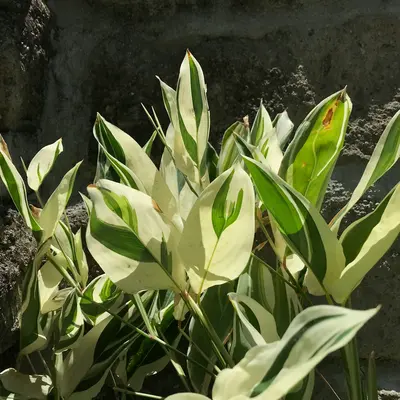
Torch Plant
A magnificent clustering aloe that produces brilliant orange-red flower spikes in winter, creating a stunning display when most plants are dormant. This fast-growing succulent forms impressive colonies and is incredibly hardy, surviving both drought and light frosts. The architectural rosettes and winter blooms make it a showstopper in succulent gardens.
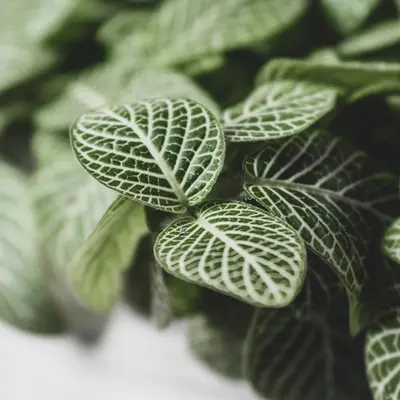
Zebra Plant
A compact architectural succulent featuring dark green triangular leaves adorned with distinctive white horizontal stripes that give it a zebra-like appearance. This small but striking plant forms tight rosettes and is perfect for beginners, tolerating lower light conditions better than most succulents. Its geometric beauty and manageable size make it ideal for desk gardens and small spaces.
Roma
Roma is a classic heirloom paste tomato prized for its dense, meaty flesh and concentrated flavor. The plant produces elongated, plum-shaped fruits that mature in 60-65 days with minimal seeds and low acidity. Known for its mild, sweet taste, Roma excels in fresh sauces, pastes, and cooking applications where robust texture matters. This reliable, easy-to-grow variety tolerates less fertile soil and requires minimal maintenance. Its naturally rich flavor develops without excessive acidity, making it ideal for traditional Italian tomato preparations.
Bird of Paradise
An iconic tropical plant that produces some of nature's most spectacular flowers resembling exotic orange and blue birds in flight, earning it the nickname 'crane flower.' This striking plant combines architectural paddle-shaped leaves with stunning blooms that make extraordinary cut flowers and serve as the floral emblem of Los Angeles. While it requires patience to reach blooming maturity, the dramatic results make it a coveted centerpiece in any tropical garden.
Breadfruit Ma'afala
A premium Polynesian breadfruit variety that produces enormous, starchy fruits perfect for roasting, baking, or frying as a potato substitute with incredible nutritional value. This seedless variety is prized for its smooth texture and mild, slightly sweet flavor that takes on the taste of whatever seasonings you use. A single mature tree can feed a family year-round with its prolific fruiting habit.
Dwarf Cavendish Banana
The most popular dwarf banana variety for home growers, producing full-sized sweet bananas on a compact 4-6 foot plant. This remarkable variety can fruit indoors in containers or outdoors in warm climates, making homegrown bananas accessible to gardeners everywhere. The same delicious variety found in grocery stores, but incredibly fresh and flavorful when tree-ripened.

Dwarf Nam Wah Banana
A compact Thai banana variety perfect for container growing and small spaces, producing sweet, creamy fruits that are excellent both fresh and cooked. This cold-hardy dwarf cultivar is incredibly productive and can fruit in as little as 9 months, making it ideal for impatient home gardeners.

Ginger Hawaiian
A superior ginger variety known for its exceptional flavor intensity and beautiful pink-tinged shoots that make it as ornamental as it is culinary. This variety produces thick, juicy rhizomes with less fiber than common ginger, making it perfect for fresh use in cooking and the spicy bite that ginger lovers crave. Easy to grow indoors or out, and you can harvest baby ginger in just 4 months.
Gros Michel Banana
The legendary banana that dominated world markets until the 1950s, known for its incredibly sweet flavor and the classic 'banana' taste that inspired artificial banana flavoring. This historic variety is making a comeback among home growers who want to experience the banana that previous generations considered the gold standard. Perfect for container growing and produces impressive hands of large, flavorful fruit.
Hawaiian Pink Banana
A stunning ornamental banana that produces vibrant pink bracts and edible sweet fruits. This compact variety is perfect for tropical gardens and brings an exotic Hawaiian paradise feel to any landscape. The dramatic pink flowering display makes it as much a conversation piece as it is a fruit producer.
Pineapple Smooth Cayenne
The classic pineapple variety that delivers that perfect balance of sweetness and acidity we all crave, and surprisingly easy to grow at home from a grocery store top. This commercial variety produces large, juicy fruits with minimal seeds and the iconic pineapple flavor that makes the 18-24 month wait absolutely worth it. Nothing beats the satisfaction of harvesting your own homegrown pineapple.
Pink Guava
This tropical fruit tree produces incredibly fragrant, sweet fruits with beautiful pink flesh that's rich in vitamin C and antioxidants. The smooth-skinned fruits have an intoxicating aroma that fills the air when ripe, with creamy texture and tropical flavor perfect for eating fresh or making into preserves. Fast-growing and prolific, a single tree can produce hundreds of fruits per season once established.
Sugar Apple Gefner
A superior Israeli-bred sugar apple variety that produces large, consistently sweet fruit with minimal seeds and exceptional creamy texture. The heart-shaped, scaly green fruits reveal snow-white, custard-like flesh that tastes like a blend of vanilla, coconut, and tropical sweetness. This compact tree is perfect for containers and produces fruit much faster than seedling varieties, often fruiting within 2-3 years.

Boston Ivy
A vigorous deciduous climbing vine famous for creating those classic ivy-covered brick buildings on college campuses. This fast-growing vine produces stunning fall color, transforming from green to brilliant shades of orange, red, and purple that make it a showstopper in autumn landscapes.
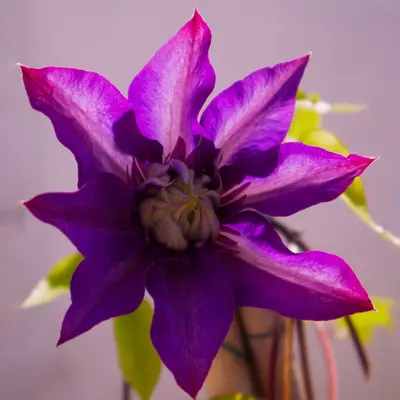
Clematis 'Jackmanii'
The most popular and reliable clematis variety, beloved for its profuse display of large, velvety purple flowers that bloom from midsummer through fall. This vigorous climber is perfect for covering arbors, fences, or trellises with its stunning 4-6 inch violet-purple blooms that have made it a garden classic for over 150 years.
English Ivy
The classic evergreen climbing vine that transforms any surface into a lush green wall year-round. English Ivy's distinctive lobed leaves and vigorous climbing habit make it perfect for covering unsightly fences, walls, or creating dramatic ground cover. Its adaptability to both sun and shade conditions makes it one of the most versatile vines for home landscapes.
Ruby Moon
Purple stems, lilac-rose blossoms, and shiny 2-3" magenta pods. While all parts of the plant are edible, we recommend boiling the mature seeds twice before eating. Used in Asian, Thai, and Indian cuisine. Blooms and pods are useful as cut flowers; pods may be dried. Also known as bonavist-bean, and lablab-bean. Tender perennial in Zones 9-10. Best grown as an annual elsewhere.Edible Flowers: Flowers can be eaten raw or steamed, and can be used as a garnish for salads and desserts. Flavor is mild, bean-like, and sweet. A favorite in our taste tests.

Virginia Creeper
A stunning native North American vine that provides spectacular fall color with its five-fingered leaves turning brilliant scarlet and orange. Virginia Creeper climbs effortlessly using adhesive tendrils, making it perfect for covering walls, fences, or arbors without damaging surfaces like some other climbing vines. This fast-growing perennial vine also provides excellent wildlife habitat and food for birds.
Wisteria
The queen of flowering vines, Chinese Wisteria creates breathtaking displays of fragrant purple flower clusters that cascade like living waterfalls in spring. These vigorous woody vines can transform pergolas, arbors, and sturdy structures into romantic garden focal points that bloom for decades. While requiring patience and annual pruning, the spectacular spring show makes Wisteria one of the most coveted ornamental vines.