Torch Plant
Aloe arborescens
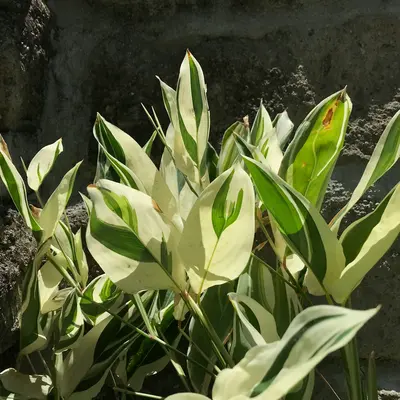
A magnificent clustering aloe that produces brilliant orange-red flower spikes in winter, creating a stunning display when most plants are dormant. This fast-growing succulent forms impressive colonies and is incredibly hardy, surviving both drought and light frosts. The architectural rosettes and winter blooms make it a showstopper in succulent gardens.
Sun
Full sun to partial shade
Zones
8–11
USDA hardiness
Height
1 ft. 0 in. - 2 ft. 0 in.
Complete Growing Guide
Aloe arborescens thrives in full sun and well-draining soil but differs from typical succulents by demanding consistent moisture during its active growing season in spring and summer—withholding water entirely can stunt growth and delay the prized winter flowers. Unlike many aloes, this variety flowers reliably in winter (November–February in Northern Hemisphere), so avoid fertilizing after August, which triggers tender new growth vulnerable to frost. The plant's clustering habit means it spreads readily and may become leggy if light is insufficient; provide at least six hours of direct daily sun to maintain compact rosettes and vibrant orange-red spikes. Watch for root rot in poorly draining soil and spider mites during dry indoor winters. One essential tip: pinch back tall stems in early autumn to encourage branching and fuller winter color before flowering begins.
Light: Full sun (6 or more hours of direct sunlight a day), Partial Shade (Direct sunlight only part of the day, 2-6 hours). Soil: Loam (Silt), Sand. Drainage: Good Drainage, Occasionally Dry. Growth rate: Slow. Maintenance: Low. Propagation: Division.
Harvesting
For medicinal harvesting, Torch Plant leaves reach peak potency when they display deep green coloration with reddish-bronze tinges along the margins, typically in fall through early winter. Gently flex a mature leaf—it should feel firm yet slightly succulent, never papery or withered. Harvest outer rosette leaves by gently twisting them away from the base rather than cutting, which encourages continuous production throughout the growing season instead of depleting the plant with a single heavy harvest. Timing your main harvest just before the brilliant orange-red flower spikes emerge in winter ensures you're gathering leaves at their most nutrient-dense while the plant directs energy toward blooms, maximizing both medicinal benefit and aesthetic display.
Edibility: A Juice is made after the aloin has been removed.
Storage & Preservation
Torch Plant offsets for propagation should be stored in a dry location before planting. After cutting, place them in a cool (65-75°F), shady, well-ventilated area for 3-5 days until the cut ends callus over completely. Do not store in humidity or wrapped conditions—exposure to moisture during this period causes rot. Once callused, offsets can be kept in dry storage for several weeks if necessary, though planting immediately after drying yields best results.
For cut flower displays (the winter spikes), trim the stems and place in a dry vase without water—Torch Plant flowers last longer when kept completely dry. They'll persist for 2-3 weeks as cut flowers, gradually drying and turning deeper brown. Avoid water or floral foam, which promotes rapid decay.
If you're propagating many offsets and need to store them temporarily, keep them in a breathable paper or cardboard container in a cool, dry indoor space (50-70°F) away from direct light. They'll remain viable for 4-6 weeks this way, though viability decreases after 2-3 weeks. Never store in sealed plastic bags, which create humidity and guarantee fungal rot.
History & Origin
Aloe arborescens, commonly known as Torch Plant, originates from South Africa and southern Mozambique, where it grows naturally in rocky woodlands and grasslands. This species has been cultivated for centuries in its native regions for both ornamental and traditional medicinal purposes. Unlike many modern ornamentals with documented breeding programs, the Torch Plant represents a wild-collected species that became popular through horticultural trade rather than deliberate hybridization. Its introduction to global cultivation followed the Victorian era's enthusiasm for succulents, though specific breeder attribution and commercialization dates remain largely undocumented. The plant's hardy nature and reliable winter flowering ensured its widespread adoption in Mediterranean and drought-tolerant garden designs throughout the twentieth century.
Origin: Africa
Advantages
- +Stunning orange-red winter flowers bloom when most plants are dormant
- +Extremely hardy and tolerant of drought, frost, and neglect
- +Fast-growing and forms impressive clustering colonies quickly
- +Easy to propagate from offsets for expanding your collection
- +Architectural rosettes add year-round structural interest to gardens
Considerations
- -Susceptible to root rot if soil stays wet or drainage is poor
- -Aloe mites and mealybugs frequently infest this variety indoors
- -Requires very well-draining soil and pot conditions to thrive
- -Can become leggy and ungainly without occasional pruning maintenance
Companion Plants
Aloe arborescens does best alongside plants that share its indifference to drought and its preference for lean, fast-draining soil. Lavender and Rosemary are natural fits — both want the same 6.0–8.0 pH range, the same 4–6 hours of full sun, and will go weeks between waterings without complaint. Grouping them together means you're not accidentally overwatering the aloe while trying to keep a thirstier neighbor alive. Sedum, Stonecrop, Echeveria, and Agave work for the same reasons: similar water budgets and root depths that don't compete aggressively. Mediterranean Spurge (Euphorbia characias) adds visual contrast and tolerates the same dry conditions without crowding the aloe's shallow root zone. Ornamental grasses can work as a backdrop, but give them 4–5 feet of clearance — some grasses get thick enough to shade the lower aloe leaves and trap humidity around the base.
The harmful companions — Impatiens, Hostas, Ferns, Begonias — aren't a problem because of any chemical antagonism. They just want entirely different conditions. Those plants need consistent moisture and shade to stay presentable. Put them in the same bed and you'll either drown the aloe trying to keep the fern green, or watch the impatiens crisp by noon. Here in the southeast, where July and August routinely hit 95°F and the humidity is already punishing, that mismatch gets expensive fast. Stick the aloe with the dry-side crowd and you won't be making hard choices about who gets sacrificed when it hasn't rained in two weeks.
Plant Together
Lavender
Similar water and sun requirements, repels pests, and creates attractive contrast
Rosemary
Drought-tolerant with similar care needs, deters insects and small pests
Sedum
Compatible water and light requirements, creates textural diversity in succulent gardens
Agave
Similar drought tolerance and sun exposure needs, complementary architectural forms
Echeveria
Matching water requirements and sun preferences, creates layered succulent display
Mediterranean Spurge
Thrives in same dry conditions, provides structural contrast and pest deterrence
Ornamental Grasses
Excellent drainage needs align, adds movement and texture without competing for resources
Stonecrop
Identical drought and sun requirements, forms complementary ground cover
Keep Apart
Impatiens
Requires frequent watering and humid conditions that can cause root rot in succulents
Hostas
Needs shade and consistent moisture, creating incompatible growing conditions
Ferns
Requires high humidity and regular watering that promotes fungal diseases in succulents
Begonias
High water and humidity needs conflict with succulent's drought tolerance requirements
Pests & Disease Resistance
Resistance
Excellent disease resistance, very hardy plant
Common Pests
Aloe mites, mealybugs, scale insects
Diseases
Root rot from overwatering, rare fungal issues
Troubleshooting Torch Plant
What you'll see, why it happens, and what to do about it.
Leaves turning brown and mushy at the base, plant wobbles loose in the soil
Likely Causes
- Root rot from overwatering or poorly draining soil — the single most common way to kill an Aloe arborescens
- Pot or ground planting with no drainage layer, trapping moisture against the crown
What to Do
- 1.Unpot or dig the plant, cut away any black or soft roots with clean shears, and let the root ball air-dry for 24–48 hours before replanting
- 2.Replant in a mix of at least 50% coarse perlite or decomposed granite — standard potting soil alone holds too much moisture
- 3.Water no more than once every 10–14 days in summer, once a month or less in winter
White cottony clusters in the leaf axils or along the stem, leaves look slightly sticky
Likely Causes
- Mealybugs (Pseudococcidae family) — they congregate in tight joints where you can't easily reach them
- Brought in on a new plant that wasn't quarantined before placing near others
What to Do
- 1.Dab individual clusters with a cotton swab soaked in 70% isopropyl alcohol — this kills on contact
- 2.Follow up with a diluted neem oil spray (2 tsp neem per quart of water with a few drops of dish soap) every 7 days for 3 weeks
- 3.Isolate any new succulents for 2 weeks before placing them near existing plants
Raised, waxy or crusty brown bumps fixed to the stems or leaf undersides that don't wipe off easily
Likely Causes
- Scale insects (armored or soft scale) — the bumps are the insect's shell, not a disease lesion
- Aloe mites (Aceria aloinis), which cause lumpy distortion and galling, especially on new growth
What to Do
- 1.Scrape off scale manually with an old toothbrush, then wipe the area with a cloth dampened with isopropyl alcohol
- 2.For a heavy infestation, apply horticultural oil (1% dilution) to all surfaces, coating the leaf joints especially — repeat every 10 days for a month
- 3.If distortion is concentrated on new growth tips, suspect aloe mites specifically; cut those tips off and bag them in the trash, not the compost pile
Frequently Asked Questions
How long does Torch Plant take to bloom from propagation?▼
Is Torch Plant good for beginners?▼
Can you grow Torch Plant indoors or in containers?▼
What's the difference between Torch Plant and other aloes like Aloe vera or Lace Aloe?▼
How do you prevent root rot in Torch Plant?▼
When should you plant or propagate Torch Plant?▼
Growing Guides from Wind River Greens
Sources & References
External authority sources used in compiling this guide.
- ExtensionNC State Extension
See the Methodology page for how this data is sourced, what's AI-assisted, and known limitations.