White Wild Indigo
Baptisia alba
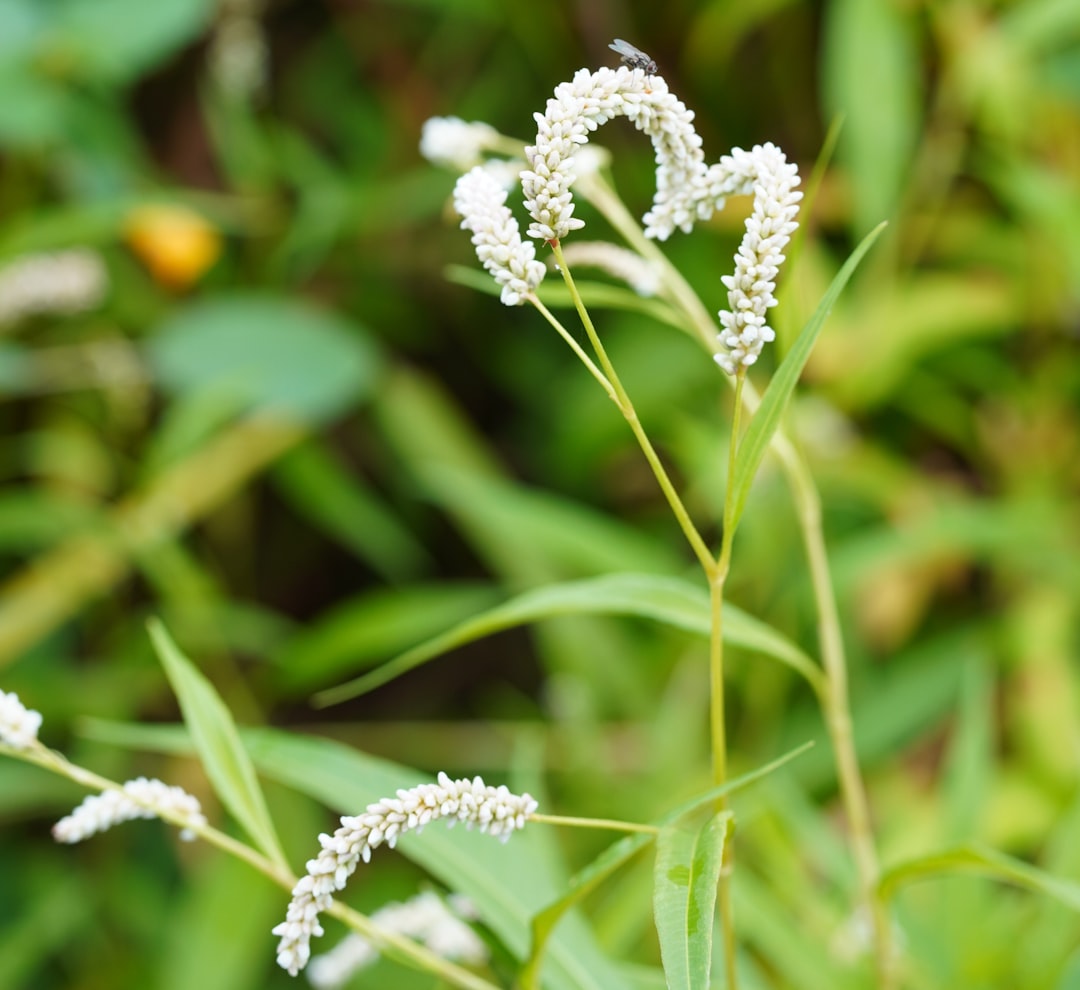
White Wild Indigo (Baptisia alba) is a perennial native wildflower. Hardy in USDA zones 5 to 8.
Sun
Full sun to partial shade
Zones
5–8
USDA hardiness
Height
2-6 feet
Planting Timeline
Showing dates for White Wild Indigo in USDA Zone 7
All Zone 7 native-wildflower →Zone Map
Click a state to update dates
White Wild Indigo · Zones 5–8
Growing Details
Complete Growing Guide
Light: Full sun (6 or more hours of direct sunlight a day), Partial Shade (Direct sunlight only part of the day, 2-6 hours). Soil: Clay, Loam (Silt), Sand, Shallow Rocky. Soil pH: Acid (<6.0). Drainage: Good Drainage, Moist, Occasionally Dry. Height: 2 ft. 0 in. - 6 ft. 0 in.. Spread: 2 ft. 0 in. - 4 ft. 0 in.. Spacing: 12 inches-3 feet. Growth rate: Medium. Maintenance: Low. Propagation: Root Cutting, Seed, Stem Cutting. Regions: Coastal, Mountains, Piedmont.
Harvesting
The pod is 1.75-inch long and is green maturing to black. They contain many seeds.
Color: Black, Brown/Copper, Green. Type: Legume. Length: 1-3 inches.
Garden value: Showy
Harvest time: Fall, Summer
Storage & Preservation
White Wild Indigo is not a food plant, so traditional preservation methods don't apply. For ornamental use, fresh-cut stems last 7–10 days in a clean vase filled with cool water; change water every 2–3 days and trim stems ½ inch at a 45-degree angle every few days to maximize vase life.
To dry flowers for crafts or arrangements, cut stems when flowers are fully open, gather in small bundles, and hang upside-down in a warm, dark, well-ventilated space (ideal temperature 65–75°F, humidity below 60%) for 2–3 weeks. Once crisp, store in acid-free boxes away from light and moisture.
For seed saving, harvest mature pods, allow to dry completely at room temperature for 1–2 weeks, then crack open and extract seeds. Store seeds in a cool, dry location (35–40°F, below 40% humidity) in a sealed container with desiccant for up to 3 years. Sow fresh seeds in fall for spring germination, or stratify stored seeds in moist sand at 40°F for 30 days before spring sowing.
History & Origin
Baptisia alba, commonly known as White Wild Indigo, is native to the southeastern United States, where it grows naturally in open woodlands and prairies from North Carolina to Florida and westward to Texas. As a species that occurs naturally across this broad native range rather than a deliberately bred cultivar, White Wild Indigo has no documented breeder or introduction date in the conventional sense. Instead, its history is rooted in the plant's long-standing presence in North American ecosystems and its subsequent recognition and propagation by native plant enthusiasts and horticulturists who appreciated its ornamental qualities and ecological value. The species represents a direct lineage from wild populations rather than emerging from formal breeding programs or seed company development initiatives.
Origin: South Eastern U.S.A
Advantages
- +Attracts: Bees, Butterflies, Pollinators
- +Low maintenance
Considerations
- -Toxic (Bark, Flowers, Fruits, Leaves, Roots, Sap/Juice, Seeds, Stems): Low severity
Companion Plants
The prairie natives pair naturally with Baptisia alba because they share the same unglamorous requirements: acid soil around 6.0, good drainage, and minimal fertility. Little Bluestem and Switchgrass bloom on a different schedule and fill in around Baptisia's coarse stems without crowding the root zone. Purple Coneflower (Echinacea purpurea) and Black-eyed Susan pick up where Baptisia's white flower spikes leave off in late summer, keeping the same bee guilds moving through the bed continuously. In a zone 7 Georgia garden, that relay from April through October is worth more than any single showy plant.
The harmful companions on this list are all aggressive invasives — Tree of Heaven (Ailanthus altissima), Crown Vetch, Autumn Olive, and Reed Canary Grass. The issue isn't chemical so much as timing: all four colonize open ground faster than Baptisia's slow-establishing taproot system can compete. A two-year-old Baptisia won't win that fight. Pull any of those on sight before they get within several feet of a young planting.
Plant Together
Purple Prairie Clover
Both are nitrogen-fixing legumes that support similar soil conditions and attract beneficial pollinators
Little Bluestem Grass
Provides structural support and creates beneficial microclimate while sharing similar prairie habitat requirements
Purple Coneflower
Attracts beneficial insects and pollinators that also visit Wild Indigo, extending bloom season
Wild Bergamot
Attracts beneficial insects including native bees that pollinate both plants effectively
Black-eyed Susan
Complements bloom timing and attracts diverse pollinators while tolerating similar soil conditions
Nodding Onion
Natural pest deterrent that helps protect Wild Indigo from aphids and other soft-bodied insects
Wild Lupine
Another nitrogen-fixing legume that shares similar soil preferences and supports specialized butterfly larvae
Switchgrass
Provides wind protection and structural diversity while sharing native prairie ecosystem requirements
Keep Apart
Tree of Heaven
Aggressive allelopathic tree that releases chemicals inhibiting growth of native plants including Wild Indigo
Crown Vetch
Invasive nitrogen-fixing legume that outcompetes native Wild Indigo for resources and habitat
Autumn Olive
Invasive nitrogen-fixing shrub that creates dense shade and outcompetes native prairie plants
Reed Canary Grass
Aggressive invasive grass that forms dense monocultures and crowds out native wildflowers
Troubleshooting White Wild Indigo
What you'll see, why it happens, and what to do about it.
Seedlings or young plants fail to establish — sitting there looking stunned for a full season, no new growth
Likely Causes
- Baptisia alba forms a deep taproot early and resents disturbance; transplant shock is common if roots were disturbed at potting or planting
- Soil pH too high — Baptisia wants acid soil around 6.0 or below; alkaline conditions lock out the nutrients it needs to get started
What to Do
- 1.Leave it alone for the rest of the season — Baptisia is notorious for spending year one building roots underground rather than putting on visible growth; mark the spot so you don't accidentally dig it up
- 2.Test your soil pH and amend with elemental sulfur if you're above 6.5; give it a full season to adjust before writing the plant off
- 3.Next time, direct sow in place in March through May rather than transplanting — Baptisia establishes far better when the taproot has never been disturbed
Stems flopping over by midsummer, plant leaning badly despite healthy-looking foliage
Likely Causes
- Too much shade — fewer than 4 hours of direct sun produces weak, elongated stems that can't hold the plant upright
- Overly rich or nitrogen-heavy soil causing lush but structurally weak growth
What to Do
- 1.Stake loosely with bamboo and twine for this season, then plan to relocate or thin surrounding plants to open up more light
- 2.Skip any nitrogen fertilizer — Baptisia is a legume and fixes its own nitrogen through rhizobial root bacteria; added nitrogen just produces soft, heavy stems
- 3.Plant Little Bluestem or Switchgrass nearby next season; the grasses provide some physical buffering without competing hard for the same root zone
Swollen, distorted seed pods with small holes or larvae visible inside
Likely Causes
- Baptisia seed weevil (Apion rostrum) — a specialist weevil that lays eggs directly in developing pods; common across the native range
- Wild Indigo Duskywing caterpillars (Erynnis baptisiae) feeding on foliage or pods — a native butterfly larva, not a pathogen
What to Do
- 1.If you're growing for seed collection, harvest pods as soon as they shift from green to gray-green and finish drying them indoors before the weevils complete their cycle
- 2.For Duskywing caterpillars, do nothing — they're a host-specific native and Baptisia handles moderate defoliation without lasting damage; the plant is supposed to support them
- 3.Avoid broad-spectrum insecticides on Baptisia entirely; you'll wipe out the specialist insects this plant is specifically suited to feed
Frequently Asked Questions
How long does White Wild Indigo take to flower from seed?▼
Is White Wild Indigo good for beginner gardeners?▼
Can you grow White Wild Indigo in containers?▼
When should I plant White Wild Indigo seeds?▼
White Wild Indigo vs. Blue Wild Indigo—what's the difference?▼
Why is my White Wild Indigo blooming very little in year one or two?▼
Zone-by-Zone Planting Calendar
Growing Guides from Wind River Greens
Sources & References
External authority sources used in compiling this guide.
- ExtensionNC State Extension
See the Methodology page for how this data is sourced, what's AI-assisted, and known limitations.