Sorbet® XP Deep Orange
Viola cornuta
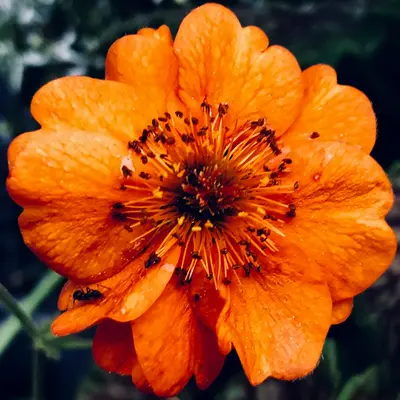
Upright stems with petite 1-1 1/2" flowers. Tolerates temperature extremes and will bloom through winter in the South when planted in fall. Excellent in containers and garden beds. Rounded petal edges give the clear orange blooms a pleasant, full appearance. Cut flowers: Overwinters well in our unheated tunnel (Zone 5) from a fall planting, yielding 12-20" long stems under those conditions. Harvestable in mid-to-late spring. Dense, upright plants produce abundant stems and blooms. Edible Flowers: Decorative and edible garnish for salads and desserts with slight wintergreen flavor. While a popular choice for brightening up salad mix, the flowers are also good for candying.Also known as Johnny jump-up, European field pansy, heart's ease, and hybrid violet.
Harvest
60-70d
Days to harvest
Sun
Full sun to partial shade
Zones
6–11
USDA hardiness
Height
6-9 inches
Planting Timeline
Showing dates for Sorbet® XP Deep Orange in USDA Zone 7
All Zone 7 flower →Zone Map
Click a state to update dates
Sorbet® XP Deep Orange · Zones 6–11
Growing Details
Succession Planting
In zone 7, start seeds indoors under lights in late February or early March, aiming for transplants in the ground by mid-April after your last frost date (typically April 7–15 in north-central Georgia). Sow a second small batch 3 weeks after the first if you want to stagger your bloom window slightly. Don't bother succession-sowing past late April — once daytime highs are consistently above 80°F, these violas stretch, stop blooming well, and aren't worth the bed space. Pull them by early June and follow with a warm-season annual like zinnias or celosias that can take the summer.
Complete Growing Guide
Upright stems with petite 1-1 1/2" flowers. Tolerates temperature extremes and will bloom through winter in the South when planted in fall. Excellent in containers and garden beds. Rounded petal edges give the clear orange blooms a pleasant, full appearance. Cut flowers: Overwinters well in our unheated tunnel (Zone 5) from a fall planting, yielding 12-20" long stems under those conditions. Harvestable in mid-to-late spring. Dense, upright plants produce abundant stems and blooms. Edible Flowers: Decorative and edible garnish for salads and desserts with slight wintergreen flavor. While a popular choice for brightening up salad mix, the flowers are also good for candying.Also known as Johnny jump-up, European field pansy, heart's ease, and hybrid violet. According to Johnny's Selected Seeds, Sorbet® XP Deep Orange is 60 - 70 days to maturity, annual, hybrid (f1). Notable features: Grows Well in Containers, Edible Flowers.
Light: Full sun (6 or more hours of direct sunlight a day), Partial Shade (Direct sunlight only part of the day, 2-6 hours). Soil: Clay, Loam (Silt), Sand. Soil pH: Acid (<6.0), Neutral (6.0-8.0). Drainage: Good Drainage, Moist. Height: 0 ft. 6 in. - 0 ft. 9 in.. Spread: 0 ft. 6 in. - 1 ft. 0 in.. Spacing: Less than 12 inches. Growth rate: Rapid. Maintenance: Low, Medium. Propagation: Division, Seed. Regions: Coastal, Mountains, Piedmont.
Harvesting
Sorbet® XP Deep Orange reaches harvest at 60 - 70 days from sowing per Johnny's Selected Seeds. Expect 1-1 1/2" at peak. As an annual, harvest continues until frost ends the season.
The fruit is a three valves capsule. The seeds have an oily feel and are freely dispersed by ants.
Edibility: Flowers and leaves are edible.
Storage & Preservation
Fresh flowers should be stored in a cool location, ideally a refrigerator at 35-40°F with moderate humidity. Use a shallow container lined with damp paper towels and change water daily if in a vase. Shelf life is typically 5-7 days when refrigerated. For preservation, dry flowers by hanging in bundles in a warm, dark, well-ventilated area for 2-3 weeks. Alternatively, press flowers between parchment paper under heavy books for 2-3 weeks for decorative use. Candying is also suitable—coat petals with egg white and superfine sugar, then dry at room temperature for 24-48 hours.
History & Origin
Sorbet® XP Deep Orange is an F1 hybrid developed through controlled cross-pollination. Listed in the Johnny's Selected Seeds catalog.
Origin: France and Spain
Advantages
- +Blooms reliably through winter in southern climates when fall-planted
- +Produces abundant 12-20" harvestable stems ideal for cut flower arrangements
- +Compact 1-1.5" flowers have attractive rounded petals and vibrant orange color
- +Thrives in containers and garden beds with minimal care requirements
- +Edible flowers offer culinary versatility for garnishes and candying projects
Considerations
- -Petite flower size may appear less dramatic in large landscape plantings
- -Requires fall planting in cold zones to achieve winter blooming performance
- -Edible flowers have mild wintergreen flavor that not all palates prefer
Companion Plants
Marigolds are the most practical neighbor for Sorbet XP Deep Orange — they deter aphids and whiteflies through root secretions and scent, and at 6–9 inches tall they sit at roughly the same height without shading the violas out. Sweet Alyssum is worth tucking into the gaps between plants; it attracts parasitic wasps (Braconidae and Chalcidoidea) that knock back aphid populations, and it won't compete hard for root space at the 6-inch spacing these violas prefer. Nasturtiums pull double duty as a trap crop for aphids, drawing them away from your violas — in our zone 7 Georgia springs, both bloom together before the heat shuts them down, so the timing lines up naturally.
Black Walnut is the one to avoid most seriously: it produces juglone through root exudate and decomposing leaf litter, and bedding plants like violas are sensitive enough that planting within the drip line is a reliable way to lose them. Fennel is broadly allelopathic and suppresses nearby plants even at low density — it's a bad neighbor for almost everything, and these violas are no exception. Eucalyptus releases volatile terpenes from its leaf litter that inhibit germination and root development in shallow-rooted annuals planted close by.
Plant Together
Marigolds
Repel nematodes and aphids while attracting beneficial insects
Sweet Alyssum
Attracts beneficial predatory insects and provides ground cover
Nasturtiums
Act as trap crop for aphids and cucumber beetles
Zinnias
Attract pollinators and beneficial predatory insects like ladybugs
Petunias
Repel aphids, tomato hornworms, and other garden pests
Cosmos
Attract beneficial insects and provide complementary colors
Lavender
Repels moths, fleas, and flies while attracting pollinators
Sage
Repels cabbage moths, carrot flies, and other harmful insects
Keep Apart
Black Walnut
Produces juglone which is toxic to many flowering plants
Fennel
Inhibits growth through allelopathic compounds that stunt nearby plants
Eucalyptus
Releases allelopathic chemicals that inhibit seed germination and growth
Troubleshooting Sorbet® XP Deep Orange
What you'll see, why it happens, and what to do about it.
Gray fuzzy coating on leaves and stems, especially during cool, damp stretches
Likely Causes
- Botrytis blight (Botrytis cinerea) — thrives when temperatures sit between 55–75°F with poor airflow
- Overcrowded planting at less than 6 inches apart trapping moisture
What to Do
- 1.Remove and trash (don't compost) any affected plant tissue immediately
- 2.Thin plants to at least 6 inches apart and clear debris from the soil surface
- 3.If it keeps spreading, apply a copper-based fungicide per label directions
Tiny, irregular holes chewed through petals and leaves, often overnight
Likely Causes
- Slugs — common in Georgia's humid springs, especially after rain when soil stays wet
- Earwigs (Forficula auricularia), which feed at night and hide in mulch during the day
What to Do
- 1.Set out iron phosphate bait (Sluggo or equivalent) around the base of plants at dusk
- 2.Pull mulch back 2–3 inches from stems to reduce hiding spots
- 3.Check under leaves and along the soil line with a flashlight after dark to confirm which pest you're actually dealing with
Leaves developing white powdery patches, usually starting on older foliage in late spring
Likely Causes
- Powdery mildew (Erysiphe cichoracearum) — picks up as temperatures rise above 80°F and plants are stressed
- Overhead watering that leaves foliage wet through the evening
What to Do
- 1.Switch to drip irrigation or water at the base early in the morning
- 2.Spray affected foliage with a diluted neem oil solution (2 tbsp per gallon of water) weekly until symptoms stop spreading
- 3.Accept that this variety is running out of steam by June in zone 7 anyway — pulling it early and replanting with a heat-tolerant annual is often the right call
Frequently Asked Questions
Can Sorbet XP Deep Orange flowers be grown in containers?▼
What do Sorbet XP Deep Orange flowers taste like?▼
How long do these flowers bloom?▼
Is Sorbet XP Deep Orange good for beginners?▼
When should I plant Sorbet XP Deep Orange for cut flowers?▼
Can I candy the flowers?▼
Zone-by-Zone Planting Calendar
| Zone | Indoor Start | Transplant | Direct Sow | Harvest |
|---|---|---|---|---|
| Zone 1 | May – June | July – August | July – September | — |
| Zone 2 | April – May | June – July | June – August | — |
| Zone 11 | January – January | January – February | January – March | — |
| Zone 12 | January – January | January – February | January – March | — |
| Zone 13 | January – January | January – February | January – March | — |
| Zone 3 | April – May | June – July | June – August | — |
| Zone 4 | March – April | June – June | June – July | — |
| Zone 5 | March – April | May – June | May – July | — |
| Zone 6 | March – April | May – June | May – July | — |
| Zone 7 | February – March | April – May | April – June | — |
| Zone 8 | February – March | April – May | April – June | — |
| Zone 9 | January – February | March – April | March – May | — |
| Zone 10 | January – January | February – March | February – April | — |
Growing Guides from Wind River Greens
Sources & References
External authority sources used in compiling this guide.
- BreederJohnny's Selected Seeds
See the Methodology page for how this data is sourced, what's AI-assisted, and known limitations.