Potomac Plumblossom
Antirrhinum majus
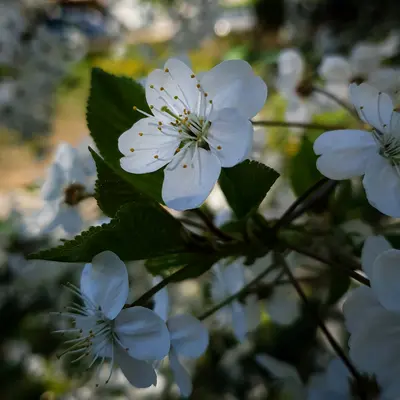
White blooms dusted with plum. These bicolor blooms are suitable for field or greenhouse production. Group 3-4: warm season snapdragons bred for optimal performance under long days, high light levels, and warm temperatures. Edible Flowers: The flowers are a colorful garnish for use in salads, desserts, and drinks. The flavor is floral and slightly bitter, so use sparingly.
Harvest
110-120d
Days to harvest
Sun
Full sun to partial shade
Zones
7–10
USDA hardiness
Height
0-3 feet
Planting Timeline
Showing dates for Potomac Plumblossom in USDA Zone 7
All Zone 7 flower →Zone Map
Click a state to update dates
Potomac Plumblossom · Zones 7–10
Growing Details
Succession Planting
Potomac Plumblossom doesn't produce all season from a single sowing — you need staggered starts to keep cut-flower stems coming. Start seeds indoors under lights in February, then sow a second round in early March. Transplant the first batch out in April once nighttime temps hold above 40°F, then follow with the March-started seedlings 3-4 weeks later. That gap spreads your bloom window from roughly late June through early fall instead of one compressed flush that's finished by August.
Stop new succession plantings by early June in most zones. Snapdragons drop off sharply once daytime highs are consistently above 85°F — they'll survive, but stem quality goes downhill fast. In zones 9-10, flip the approach entirely: start seeds in September and run Potomac Plumblossom as a cool-season crop for winter and early spring cut flowers.
Complete Growing Guide
White blooms dusted with plum. These bicolor blooms are suitable for field or greenhouse production. Group 3-4: warm season snapdragons bred for optimal performance under long days, high light levels, and warm temperatures. Edible Flowers: The flowers are a colorful garnish for use in salads, desserts, and drinks. The flavor is floral and slightly bitter, so use sparingly. According to Johnny's Selected Seeds, Potomac Plumblossom is 110 - 120 days to maturity, annual, hybrid (f1). Notable features: Easy Choice, Use for Cut Flowers and Bouquets, Greenhouse Performer, Fragrant, Edible Flowers.
Light: Full sun (6 or more hours of direct sunlight a day), Partial Shade (Direct sunlight only part of the day, 2-6 hours). Soil: High Organic Matter. Drainage: Good Drainage. Height: 0 ft. 6 in. - 3 ft. 0 in.. Spread: 0 ft. 6 in. - 0 ft. 10 in.. Spacing: Less than 12 inches. Growth rate: Medium. Maintenance: Medium.
Harvesting
Potomac Plumblossom reaches harvest at 110 - 120 days from sowing per Johnny's Selected Seeds. As an annual, harvest continues until frost ends the season.
A capsule, half hidden by calyx lobes, short-beaked.
Type: Capsule. Length: 1-3 inches.
Storage & Preservation
For fresh storage, keep harvested Potomac Plumblossom blooms in a vase with cool water at 65-72°F in a cool location away from direct sunlight and ethylene-producing fruits. They'll last 5-7 days. For preservation, air-dry blooms by hanging upside-down in a dark, well-ventilated space (10-14 days) for long-term decorative use. Alternatively, press flowers between parchment paper under heavy books for 2-3 weeks to create flat, dried specimens. For edible use, crystallize petals by brushing lightly with egg white and sprinkling superfine sugar, then drying at room temperature for decorative garnishes lasting several weeks when stored in airtight containers.
History & Origin
Potomac Plumblossom is an F1 hybrid developed through controlled cross-pollination. Listed in the Johnny's Selected Seeds catalog.
Origin: Southwestern Europe
Advantages
- +Striking white and plum bicolor blooms provide unique visual appeal in arrangements
- +Suitable for both field and greenhouse production offers flexible growing options
- +Edible flowers add decorative flair to salads, desserts, and cocktails
- +Easy difficulty rating makes it accessible for beginner and experienced growers
- +Performs well under long days and high light conditions during warm seasons
Considerations
- -110-120 day maturity is relatively long compared to other snapdragon varieties
- -Floral bitter flavor requires cautious use as edible garnish to avoid overwhelming dishes
- -Bicolor pattern may fade or become less distinct in extreme heat stress
Companion Plants
Lavender, catmint, and rosemary are the most practical neighbors for Potomac Plumblossom. All three are low-water plants that won't fight snapdragons for moisture, and their volatile oils — linalool in lavender, nepetalactone in catmint, camphor and borneol in rosemary — genuinely disorient aphids and thrips that zero in on soft-stemmed annuals. Yarrow adds another layer by pulling in predatory wasps and hoverflies that feed on those same pests. That's a real functional combination, not just a pretty one.
Marigolds (particularly Tagetes patula) produce alpha-terthienyl in their roots, which suppresses certain soil nematodes, and their scent helps mask snapdragons from whiteflies. Sweet alyssum planted along the front edge of a bed draws in Aphidius wasps, which parasitize aphids directly. Nasturtium earns its spot differently: it acts as a trap crop, pulling aphids away from your snapdragons. Once a nasturtium plant gets heavily colonized, you can just pull and bag it — you're removing an entire aphid generation in one move.
Black walnut is the companion to take most seriously on the harmful side. Juglone — the compound it releases through roots, leaf litter, and decomposing hulls — stunts or kills many annuals, and its reach through the soil can extend well past the tree's visible canopy. Eucalyptus creates a similar problem through allelopathic compounds in its leaf litter, which acidify and suppress surrounding soil. Don't underestimate either one just because the damage looks like a watering problem at first.
Plant Together
Lavender
Attracts beneficial pollinators and repels pests with aromatic oils
Marigold
Natural pest deterrent, repels nematodes and aphids
Sweet Alyssum
Ground cover that attracts beneficial insects and conserves soil moisture
Catmint
Repels ants, mice, and mosquitoes while attracting pollinators
Chives
Deters aphids and other soft-bodied insects with sulfur compounds
Nasturtium
Acts as trap crop for aphids and adds nitrogen to soil
Rosemary
Repels cabbage moths, carrot flies, and other garden pests
Yarrow
Attracts predatory insects and improves soil health
Keep Apart
Black Walnut
Produces juglone toxin that inhibits growth of sensitive plants
Eucalyptus
Releases allelopathic compounds that suppress nearby plant growth
Sunflower
Allelopathic effects inhibit germination and growth of smaller plants
Troubleshooting Potomac Plumblossom
What you'll see, why it happens, and what to do about it.
Gray, fuzzy coating on buds, stems, or spent flowers — especially after cool, wet weather
Likely Causes
- Botrytis cinerea (gray mold) — thrives in humid, stagnant air and colonizes dead or dying tissue first
- Spent blooms left on the plant, giving the fungus an entry point
What to Do
- 1.Deadhead aggressively — don't let spent flowers sit on the plant or pile up at the base
- 2.Thin any crowded stems to open up airflow; Potomac Plumblossom can get dense by midsummer
- 3.If it's already spreading, remove affected stems back to clean tissue and dispose in the trash
White powdery coating on upper leaf surfaces, starting mid-to-late season
Likely Causes
- Powdery mildew (Erysiphe cichoracearum) — common on snapdragons, especially when nights cool below 60°F while days stay warm
- Overhead watering that keeps foliage wet overnight
What to Do
- 1.Switch to drip irrigation or water at the base in the morning only
- 2.Apply a diluted neem oil spray (2 tsp per gallon) every 7 days once you spot early signs — it won't cure badly infected leaves, but it slows spread
- 3.Pull heavily infected plants at end of season and don't compost them
Rust-colored pustules on the undersides of leaves, with yellow halos visible from the top
Likely Causes
- Antirrhinum rust (Puccinia antirrhini) — a snapdragon-specific rust fungus, more common in warm, humid climates
- Infected transplants or nearby infected ornamentals introduced the spores
What to Do
- 1.Remove and bag any infected leaves immediately — rust spreads fast via airborne spores
- 2.Avoid wetting foliage; rust spores need surface moisture to germinate
- 3.Clear out all plant debris at season's end; Puccinia antirrhini overwinters in dead stem and leaf material
Distorted new growth, sticky residue on leaves, or tiny green or black insects clustered on stem tips
Likely Causes
- Aphids (commonly Myzus persicae or Aphis gossypii) — they target soft new growth and reproduce fast in warm weather
- Ant activity nearby, which often signals an aphid colony the ants are actively protecting
What to Do
- 1.Knock them off with a firm stream of water from a hose — do this 2-3 days in a row for small infestations
- 2.Avoid broad-spectrum insecticides that kill lady beetles and parasitic wasps, which are your best long-term control
- 3.For heavy infestations, insecticidal soap (1 tbsp per quart of water) applied directly to colonies every 5-7 days works without leaving significant residue
Frequently Asked Questions
How long do Potomac Plumblossom flowers last after cutting?▼
Can I grow Potomac Plumblossom snapdragons in containers?▼
Are Potomac Plumblossom flowers edible and safe to eat?▼
When should I plant Potomac Plumblossom seeds?▼
Is Potomac Plumblossom good for beginners?▼
What's the difference between Potomac Plumblossom and other snapdragon varieties?▼
Zone-by-Zone Planting Calendar
| Zone | Indoor Start | Transplant | Direct Sow | Harvest |
|---|---|---|---|---|
| Zone 3 | April – May | June – July | June – August | — |
| Zone 4 | March – April | June – June | June – July | — |
| Zone 5 | March – April | May – June | May – July | — |
| Zone 6 | March – April | May – June | May – July | — |
| Zone 7 | February – March | April – May | April – June | — |
| Zone 8 | February – March | April – May | April – June | — |
| Zone 9 | January – February | March – April | March – May | — |
| Zone 10 | January – January | February – March | February – April | — |
| Zone 1 | May – June | July – August | July – September | — |
| Zone 2 | April – May | June – July | June – August | — |
| Zone 11 | January – January | January – February | January – March | — |
| Zone 12 | January – January | January – February | January – March | — |
| Zone 13 | January – January | January – February | January – March | — |
Growing Guides from Wind River Greens
Sources & References
External authority sources used in compiling this guide.
- BreederJohnny's Selected Seeds
See the Methodology page for how this data is sourced, what's AI-assisted, and known limitations.