Bibb
Lactuca sativa 'Bibb'
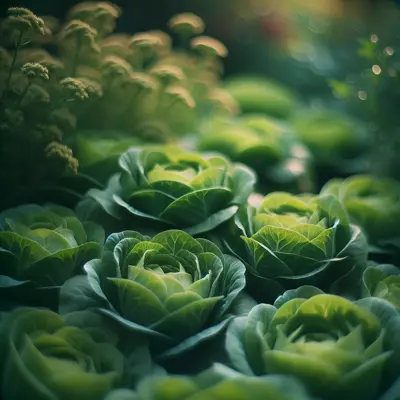
A classic American butterhead lettuce developed in Kentucky, prized for its exceptionally tender leaves and sweet, delicate flavor. The small, compact heads form perfect individual serving sizes with butter-soft texture that melts in your mouth. This gourmet variety is favored by chefs and home gardeners who appreciate premium salad quality.
Harvest
55-60d
Days to harvest
Sun
Full sun to partial shade
Zones
2–11
USDA hardiness
Height
6-12 inches
Planting Timeline
Showing dates for Bibb in USDA Zone 7
All Zone 7 lettuce →Zone Map
Click a state to update dates
Bibb · Zones 2–11
Growing Details
Succession Planting
Direct sow Bibb every 14 days starting around March 1 and run through late April. Once daytime highs are regularly cracking 75°F, stop — Bibb bolts fast in heat and the heads turn bitter before they fill out. Pick back up in late August, sowing every 14 days through mid-September for a fall run that can stretch into November in zone 7.
The fall window tends to be cleaner. Soil temperatures dropping back below 70°F in late summer improve germination rates, and the lengthening cool nights slow the bolt enough that heads actually develop. If you can only do one season, do fall.
Complete Growing Guide
Bibb lettuce thrives when started indoors four to six weeks before your last spring frost, though direct sowing is equally effective for gardeners who prefer to sow seeds directly into garden beds two to three weeks before the frost date. Indoor-started seedlings develop more robust root systems and allow you to transplant uniform, vigorous plants that will produce those signature tender heads more reliably. If direct sowing, scatter seeds thinly across prepared beds since Bibb's compact growth habit means you'll need less space than you might expect for other lettuce varieties.
Space plants eight to ten inches apart, which accommodates Bibb's naturally small, dense heads that reach only six to twelve inches tall. Sow seeds at a depth of quarter-inch in rich, well-draining soil amended with compost or aged manure before planting. Bibb prefers slightly acidic soil with a pH between 6.0 and 7.0, and consistent organic matter helps retain the moisture this variety needs without becoming waterlogged.
Water consistently and deeply, providing one to one-and-a-half inches per week through rainfall or irrigation. Bibb is particularly sensitive to inconsistent moisture, which causes the tender inner leaves to develop tipburn—a browning condition that ruins the quality of this premium lettuce. Morning watering is essential to keep foliage dry and reduce fungal disease pressure. Feed with a balanced, nitrogen-rich fertilizer every two weeks once plants are established, as Bibb's delicate sweetness depends on steady nutrient availability without stress.
Slugs pose the most serious threat to Bibb lettuce, as they're drawn to the soft, tender leaves that make this variety prized. Hand-pick slugs in early morning hours, use copper tape barriers around beds, or apply iron phosphate-based baits. Aphids colonize the dense leaf clusters, so inspect the interior of forming heads weekly and spray with insecticidal soap if populations appear. Flea beetles create small shot-holes in young seedlings; use row covers until plants are four weeks old to prevent significant damage.
Downy mildew flourishes in the cool, moist conditions Bibb prefers, so ensure excellent air circulation by avoiding overcrowding despite the variety's compact size. Bottom rot and lettuce drop, both soil-borne diseases, develop in poorly drained or overly wet conditions. Never overhead water in afternoon hours, and consider drip irrigation to keep foliage completely dry.
Succession planting every two weeks from early spring through early summer ensures continuous harvests of young, tender heads at their prime. Bibb reaches maturity in fifty-five to sixty days, making frequent sowings practical for steady supply.
The most common mistake gardeners make with Bibb is harvesting too late. These heads are best harvested when loosely formed but still tender, rather than waiting for completely solid hearts. Harvest in early morning when leaves are crisp, cutting at soil level to preserve the delicate texture that defines this exceptional variety.
Harvesting
Bibb lettuce reaches peak harvest when the head feels firm yet yields gently to palm pressure, typically at 6–8 inches in diameter with leaves displaying a rich, pale green center surrounded by darker outer leaves. The butter-soft texture becomes most pronounced just as the head begins to compact fully, before any flowering signals begin. For continuous harvests, remove outer leaves individually starting two weeks after transplanting, allowing the center to develop further, or cut entire heads at soil level for a single heavy yield. Harvest in early morning when leaves are crisp and hydrated, as Bibb's delicate foliage wilts quickly in heat; timing your cutting before temperatures exceed 70°F preserves maximum tenderness and sweet flavor.
Tiny seeds with a dandelion-like tuft (pappus) to aid in wind dispersal.
Color: Brown/Copper. Type: Achene. Length: < 1 inch. Width: < 1 inch.
Harvest time: Summer
Edibility: Leaves can be used raw or cooked in salads, sandwiches, and other dishes. Head lettuce can be stored for 2-3 weeks while leaf and butterhead store for 1-2 weeks.
Storage & Preservation
Fresh Bibb lettuce stays crisp for 5-7 days when stored properly in your refrigerator's crisper drawer. Wrap unwashed heads loosely in damp paper towels, then place in perforated plastic bags to maintain humidity while allowing air circulation. Never store at temperatures below 32°F, which causes leaf damage and bitter flavors.
Bibb's delicate leaves don't freeze, can, or dry well due to their high water content and tender structure. Instead, preserve your harvest by making lettuce soup—sauté chopped leaves with onions and broth, then freeze the cooked soup for up to 6 months. For immediate use, Bibb leaves work excellently in fresh spring rolls that keep refrigerated for 2-3 days, or blend into green smoothies and freeze in ice cube trays for quick additions to drinks.
History & Origin
Developed in Kentucky during the 1950s, Bibb lettuce emerged from selective breeding efforts focused on refining butterhead types for home gardeners and commercial growers. While detailed records of its original breeder remain somewhat obscured by time, the variety represents the culmination of American horticultural work on European butterhead genetics, particularly building upon earlier French Butter and similar cultivars. The name "Bibb" likely references its developer or a prominent Kentucky seed operation of that era, though definitive documentation of the exact source is limited. Regardless, Bibb quickly established itself as a premium American butterhead, becoming a standard in seed catalogs and establishing the template for the tender, compact heads that define modern gourmet lettuce selections.
Origin: Mediterranean to Siberia
Advantages
- +Exceptionally tender, buttery leaves that melt in your mouth with delicate sweetness
- +Perfect individual serving size heads ideal for plating and gourmet presentations
- +Moderate 55-60 day maturity allows multiple successive plantings throughout growing season
- +Premium salad quality favored by professional chefs and discerning home gardeners
- +Compact growth habit requires minimal garden space for impressive culinary results
Considerations
- -Highly susceptible to tipburn and bottom rot in inconsistent moisture conditions
- -Dense heads prone to lettuce drop fungus and downy mildew in humid climates
- -Tender leaves attract multiple pests including aphids, slugs, and flea beetles
- -Small head size limits total yield compared to larger butterhead or iceberg varieties
Companion Plants
Radishes and chives pull their weight here. Radishes act as a trap crop for flea beetles, drawing them away from the lettuce before they chew the leaves to lace. Chives release sulfur compounds that deter aphids — one of the pests NC State Extension flags most often on lettuce — and they fit in tight spaces without competing for Bibb's shallow, consistent moisture. Marigolds (Tagetes spp.) planted at the bed edge add another layer of confusion for aphids. Keep broccoli out: it's a heavy nitrogen feeder, its canopy can shadow a low Bibb planting faster than expected, and those two crops in the same 8-10 inch window just don't share space gracefully.
Plant Together
Chives
Repels aphids and improves lettuce flavor
Radishes
Acts as trap crop for flea beetles and loosens soil
Carrots
Different root depths allow efficient space use without competition
Marigolds
Deters aphids, whiteflies, and nematodes
Garlic
Repels aphids and slugs that commonly damage lettuce
Nasturtiums
Acts as trap crop for aphids and cucumber beetles
Spinach
Similar growing conditions and harvest times
Dill
Attracts beneficial insects that prey on lettuce pests
Keep Apart
Broccoli
Heavy feeder that competes for nutrients and can shade lettuce
Sunflowers
Allelopathic compounds inhibit lettuce germination and growth
Parsley
Competes for similar nutrients and can harbor carrot fly larvae
Nutrition Facts
Per 100g serving. % Daily Value based on 2,000 calorie diet. Source: USDA FoodData Central (FDC #2346388)
Pests & Disease Resistance
Resistance
Moderate disease resistance. Sensitive to heat stress and tipburn.
Common Pests
Aphids, slugs, cutworms, flea beetles
Diseases
Tipburn, downy mildew, lettuce drop, bottom rot
Troubleshooting Bibb
What you'll see, why it happens, and what to do about it.
Seedlings collapsing at soil level within 7-10 days of being put in the ground — stems look pinched or water-soaked at the base
Likely Causes
- Damping off (Pythium spp. or Rhizoctonia solani) — soil-borne fungi that thrive in cold, wet, poorly-drained beds
- Replanting lettuce in the same raised bed for 3+ consecutive years without rotation, allowing pathogen load to build
What to Do
- 1.Pull and trash affected seedlings — don't compost them
- 2.Let the bed surface dry slightly between waterings; these fungi spread fast in saturated soil
- 3.Rotate lettuce out of that bed for at least one full season and amend with finished compost to improve drainage before replanting
Brown, papery burn along the inner leaf margins, most visible on the tightly cupped inner leaves at harvest around day 55
Likely Causes
- Tipburn — calcium delivery failure at the leaf margins caused by low transpiration inside the dense head, not a shortage of calcium in your soil
- Rapid temperature swings or uneven watering that disrupts calcium uptake through the plant
What to Do
- 1.Keep soil moisture consistent at roughly 1 inch per week — a dry week followed by heavy irrigation is the main trigger
- 2.Harvest on the earlier end (day 55) once daytime temps climb past 75°F; heads left to sit in heat develop tipburn quickly
- 3.Shift transplants to a spot with afternoon shade in warm spells — even 2-3 hours less direct sun cuts tipburn noticeably
White to gray-purple fuzzy coating on the undersides of outer leaves, with yellow patches showing on the upper surface
Likely Causes
- Downy mildew (Bremia lactucae) — spreads in cool, humid conditions, especially when leaves stay wet overnight
- Spacing tighter than 8 inches that chokes airflow through the planting
What to Do
- 1.Space plants at the full 8-10 inches and switch to drip irrigation or morning-only watering so foliage dries before nightfall
- 2.Strip affected outer leaves and put them in the trash, not the compost pile
- 3.Avoid planting Bibb in the same bed the following cool season — Bremia lactucae oospores carry over in soil
Frequently Asked Questions
How long does Bibb lettuce take to grow from seed?▼
Can you grow Bibb lettuce in containers?▼
Is Bibb lettuce good for beginners?▼
What does Bibb lettuce taste like compared to other lettuces?▼
When should I plant Bibb lettuce for fall harvest?▼
Why are my Bibb lettuce leaves getting brown edges?▼
Zone-by-Zone Planting Calendar
| Zone | Indoor Start | Transplant | Direct Sow | Harvest |
|---|---|---|---|---|
| Zone 3 | — | — | May – June | June – October |
| Zone 4 | — | — | April – June | June – October |
| Zone 5 | — | — | April – May | June – November |
| Zone 6 | — | — | April – May | May – November |
| Zone 7 | — | — | March – May | May – November |
| Zone 8 | — | — | March – April | April – December |
| Zone 9 | — | — | February – March | March – December |
| Zone 10 | — | — | January – March | March – December |
| Zone 1 | — | — | June – July | July – September |
| Zone 2 | — | — | May – July | July – September |
| Zone 11 | — | — | January – February | February – December |
| Zone 12 | — | — | January – February | February – December |
| Zone 13 | — | — | January – February | February – December |
Growing Guides from Wind River Greens
Sources & References
External authority sources used in compiling this guide.
See the Methodology page for how this data is sourced, what's AI-assisted, and known limitations.