Black-Eyed Susan
Rudbeckia hirta
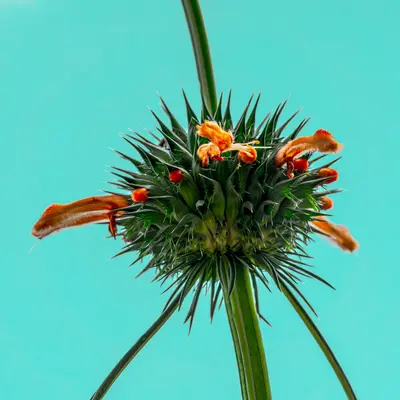
Black-Eyed Susan is a cheerful native wildflower featuring bright golden-yellow petals radiating from a dark brown or black central cone. This heirloom variety matures in 100-120 days and thrives in full sun to partial shade with minimal care requirements. Highly adaptable to various soil types, it prefers well-drained conditions and tolerates poor soils where many plants struggle. The flowers bloom prolifically throughout summer and fall, making it excellent for pollinator gardens, naturalized plantings, and cut arrangements. Though occasionally browsed by deer, it resists most pests effectively. Primarily grown for ornamental and ecological value rather than culinary use.
Harvest
100-120d
Days to harvest
Sun
Full sun to partial shade
Zones
3–8
USDA hardiness
Height
2-4 feet
Planting Timeline
Showing dates for Black-Eyed Susan in USDA Zone 7
All Zone 7 native-wildflower →Zone Map
Click a state to update dates
Black-Eyed Susan · Zones 3–8
Growing Details
Complete Growing Guide
Cherry Brandy Black-Eyed Susans require full sun and well-draining soil to prevent root rot, which this cultivar is particularly prone to in humid climates. Start seeds indoors 6-8 weeks before your last frost, as the 100-120 day maturation demands an early start for summer blooms. Unlike hardier native rudbeckia, Cherry Brandy's deep red flowers fade if temperatures exceed 90°F consistently, so afternoon shade helps in hot regions. This cultivar tends to stretch leggy in inadequate light, so ensure minimum six hours of direct sun daily. Deadhead spent flowers religiously—this variety sets seed prolifically and will stop blooming if allowed to mature seed heads. Spider mites favor dry conditions around these plants, so monitor undersides of leaves during heat waves and increase humidity if necessary. Pinch back plants at six inches tall to encourage bushier, more compact growth and fuller flowering.
Light: Full sun (6 or more hours of direct sunlight a day), Partial Shade (Direct sunlight only part of the day, 2-6 hours). Soil: Clay, Loam (Silt), Sand. Soil pH: Acid (<6.0), Alkaline (>8.0), Neutral (6.0-8.0). Drainage: Good Drainage, Moist, Occasionally Dry. Height: 2 ft. 0 in. - 4 ft. 0 in.. Spread: 1 ft. 0 in. - 2 ft. 0 in.. Spacing: Less than 12 inches, 12 inches-3 feet. Growth rate: Rapid. Maintenance: Low. Propagation: Seed. Regions: Coastal, Mountains, Piedmont.
Harvesting
For continuous blooms throughout the season, deadhead spent flowers as soon as the petals begin to fade and the dark center cone turns papery and dry to the touch. Cherry Brandy reaches peak harvest readiness when flowers have fully opened to their 3-4 inch diameter and the burgundy-red petals display rich, vibrant color without any browning at the edges. Rather than waiting for a single massive harvest, removing individual flowers regularly encourages the plant to produce more blooms over 100-120 days, extending your display considerably. Pinch back flowers in the early morning when stems are firm and turgid for the longest vase life, and always cut just above a leaf node to promote branching and fuller plant structure.
Small brown seeds late summer. Displays from July to October.
Color: Brown/Copper. Type: Capsule.
Harvest time: Fall, Summer
Storage & Preservation
Black-Eyed Susan flowers are best enjoyed fresh and should be displayed in cool water immediately after cutting. Keep arrangements at room temperature (65-70°F) away from direct sunlight and ripening fruits. Change water every 2-3 days; flowers typically last 7-10 days in a vase. For preservation, air-dry blooms by hanging bundles upside-down in a warm, dark, well-ventilated space for 2-3 weeks, creating long-lasting dried arrangements. Alternatively, press individual flowers between paper in a heavy book for 2-4 weeks for crafts and botanical keepsakes. Seed heads can be dried and saved for replanting the following season.
History & Origin
Rudbeckia hirta, commonly known as Black-Eyed Susan, is a native North American wildflower with deep historical roots in American gardens and landscapes. The species occurs naturally from Canada through the central and eastern United States, where it has thrived for centuries in prairies and meadows. While the exact origins of the "Cherry Brandy" cultivar are not extensively documented in readily available sources, modern ornamental selections like this derive from selective breeding programs that began in the mid-twentieth century, building upon the species' natural genetics. Seed companies and horticultural breeders have developed numerous cultivars emphasizing compact growth, larger flowers, and extended blooming periods, making Black-Eyed Susan one of America's most celebrated native wildflowers in contemporary horticulture.
Origin: Eastern United States, NC
Advantages
- +Produces abundant 3-4 inch flowers continuously throughout summer months
- +Thrives in containers and garden beds with minimal care required
- +Very easy to grow, making it perfect for beginner gardeners
- +Stunning when mass-planted for dramatic displays of red blooms
- +Compact growth habit fits well in smaller garden spaces
Considerations
- -Susceptible to powdery mildew in hot, humid growing conditions
- -Prone to root rot if soil remains waterlogged or poorly drained
- -Vulnerable to aphids and spider mites requiring periodic pest management
- -Only hardy as tender perennial in Zones 9-10, dies in cold climates
Companion Plants
Purple Coneflower (Echinacea purpurea), Asters, and Goldenrod are the strongest pairings here — all three bloom on a staggered schedule that keeps pollinators, parasitic wasps, and beneficial beetles cycling through the bed from early summer into fall. Native Grasses planted at 18-24 inches spacing fill the structural gaps without crowding; their fine, shallow root systems don't compete at the same 6-10 inch depth where Rudbeckia does most of its feeding. Bee Balm and Wild Bergamot pull double duty — they draw predatory insects that suppress the aphid pressure Rudbeckia picks up in June, and the visual combination of yellow daisy-form flowers against red or purple spikes is genuinely hard to beat.
Black Walnut is the one to site carefully around — its roots release juglone into the soil and Rudbeckia is sensitive enough that you'll see stunted growth and yellowing within a season of exposure. Dense shade trees are a simpler problem: no chemical antagonism, just a sun requirement of 4-6 hours that shade simply can't meet. Mint is less a threat than a nuisance — it spreads by underground runners and will physically crowd out a stand of Rudbeckia within two seasons if you let it go unchecked.
Plant Together
Purple Coneflower
Shares similar growing conditions and attracts beneficial pollinators while extending bloom season
Bee Balm
Attracts pollinators and beneficial insects while providing complementary colors and textures
Native Grasses
Provides structural support and creates natural prairie-like conditions that both plants thrive in
Asters
Extends pollinator season into fall and shares similar soil and moisture requirements
Goldenrod
Creates natural prairie partnerships and attracts diverse beneficial insects and pollinators
Wild Bergamot
Attracts butterflies and native bees while thriving in similar prairie conditions
Blazing Star
Provides vertical accent and attracts butterflies and hummingbirds to the garden
Sedum
Attracts beneficial insects and provides late-season nectar while requiring similar low-maintenance care
Keep Apart
Black Walnut
Produces juglone toxin that inhibits growth and can kill Black-Eyed Susan plants
Dense Shade Trees
Blocks essential sunlight needed for healthy growth and flowering
Mint
Aggressive spreading habit can quickly overtake and crowd out Black-Eyed Susan plants
Pests & Disease Resistance
Resistance
Excellent disease resistance, very hardy
Common Pests
Aphids, spider mites, occasionally deer browse
Diseases
Powdery mildew in humid conditions, root rot in waterlogged soils
Troubleshooting Black-Eyed Susan
What you'll see, why it happens, and what to do about it.
White powdery coating on leaves and stems, usually appearing mid-summer when nights cool down
Likely Causes
- Powdery mildew (Erysiphe cichoracearum) — fungal spores spread by wind, thrives with warm days and cool humid nights
- Crowded planting with less than 12 inches between plants, restricting airflow
What to Do
- 1.Cut back heavily affected stems to healthy tissue and dispose in the trash, not the compost pile
- 2.Thin plants to at least 12-18 inches apart if you haven't already — airflow matters more than anything here
- 3.Apply a diluted neem oil spray (2 tablespoons per gallon of water) every 7 days until symptoms stop spreading
Stems collapsing at the base, roots turning brown and mushy, plant wilts even after watering
Likely Causes
- Root rot caused by Phytophthora or Pythium spp. — nearly always triggered by waterlogged or poorly drained soil
- Planting in a low spot that holds standing water after rain
What to Do
- 1.Pull the affected plant — there's no saving it once the crown is gone
- 2.Amend the bed with 2-3 inches of coarse grit or compost worked in 8-10 inches deep before replanting
- 3.Relocate to a raised area or raised bed; Rudbeckia hirta tolerates dry spells far better than wet feet
Clusters of small soft-bodied insects on new growth and flower buds, stems sometimes sticky or curled
Likely Causes
- Aphids (commonly Aphis spp.) — they colonize fast in spring and early summer, especially on lush new growth
- Absence of natural predators like ladybugs (Coccinellidae) or parasitic wasps, often because the garden lacks diverse flowering plants nearby
What to Do
- 1.Knock aphids off with a firm blast from a hose — do this in the morning so foliage dries before evening
- 2.If colonies persist after 3-4 days, spray with insecticidal soap (1 tablespoon per quart of water), hitting the undersides of leaves
- 3.Goldenrod or Asters planted nearby draw predatory insects that keep aphid pressure manageable through the season
Fine webbing on leaf undersides, leaves looking stippled or bronze-colored, especially during hot dry stretches
Likely Causes
- Two-spotted spider mite (Tetranychus urticae) — populations explode in hot, dry conditions above 85°F
- Plants under drought stress are significantly more vulnerable and recover more slowly once mites take hold
What to Do
- 1.Spray leaves — top and underside — with a strong stream of water every 2-3 days to disrupt mite colonies
- 2.Apply neem oil or insecticidal soap in the evening to avoid leaf scorch; repeat every 5-7 days for 2-3 applications
- 3.Water deeply at least twice a week during heat events so the top 6 inches of soil stay consistently damp — mites zero in on stressed plants first
Frequently Asked Questions
How long do Black-Eyed Susan flowers last in a vase?▼
Is Black-Eyed Susan a good choice for beginner gardeners?▼
Can you grow Black-Eyed Susan in containers?▼
When should I plant Black-Eyed Susan seeds?▼
How do you dry Black-Eyed Susan flowers for long-term storage?▼
What makes Black-Eyed Susan different from other rudbeckia varieties?▼
Zone-by-Zone Planting Calendar
Growing Guides from Wind River Greens
Sources & References
External authority sources used in compiling this guide.
- ExtensionNC State Extension
See the Methodology page for how this data is sourced, what's AI-assisted, and known limitations.