Philodendron Pink Princess
Philodendron erubescens 'Pink Princess'
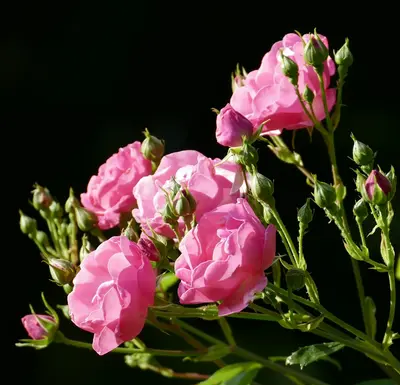
A stunning variegated philodendron that has captured the hearts of plant collectors worldwide with its dramatic pink and green foliage. Each leaf displays unique pink variegation patterns, making every plant a living work of art. This Instagram-famous beauty combines easy philodendron care with show-stopping aesthetics.
Sun
Partial shade
Zones
10–12
USDA hardiness
Height
2-60 feet
Complete Growing Guide
Light: Dappled Sunlight (Shade through upper canopy all day), Partial Shade (Direct sunlight only part of the day, 2-6 hours). Soil: High Organic Matter, Loam (Silt). Soil pH: Acid (<6.0), Neutral (6.0-8.0). Drainage: Good Drainage, Moist. Height: 2 ft. 0 in. - 60 ft. 0 in.. Spread: 1 ft. 0 in. - 2 ft. 0 in.. Spacing: 12 inches-3 feet. Maintenance: Low. Propagation: Stem Cutting.
Harvesting
Harvesting Philodendron Pink Princess means monitoring foliage for peak visual impact rather than fruit or flowers, as this cultivar is grown for its ornamental leaves. Pinch or trim stems when new growth emerges with vibrant pink variegation and reaches 6-12 inches in length, signaling maturity and vigor. The leaves should feel firm and waxy to the touch, indicating they've fully developed their distinctive coloration. This plant supports continuous harvesting throughout the growing season—remove stems regularly to encourage bushier growth and more pink-variegated foliage production rather than relying on a single harvest period. Timing pruning in spring or early summer maximizes the plant's ability to generate new variegated growth before dormancy sets in.
Bloom time: Spring, Summer
Storage & Preservation
Store your Philodendron Pink Princess in a bright indoor location away from direct sunlight, maintaining temperatures between 65-80°F with 60-75% humidity. This is a living houseplant, not a perishable item—no "shelf life" in traditional terms as it can thrive for years with proper care. To preserve its vibrant variegation: (1) Provide consistent indirect light to maintain pink coloration; inadequate light causes variegation to fade. (2) Maintain stable humidity levels using a pebble tray or humidifier to prevent leaf browning and promote healthy growth. (3) Use humidity-control techniques like misting or grouping plants together to create a favorable microclimate.
History & Origin
Origin: Colombia
Advantages
- +Low maintenance
Considerations
- -Toxic (Flowers, Fruits, Leaves, Roots, Sap/Juice, Seeds, Stems): Low severity
- -Causes contact dermatitis
Companion Plants
Pink Princess does well grouped with other aroids and tropical foliage — Monstera deliciosa and Pothos are practical shelf-mates because they share the same indirect-light and 60%-plus humidity preferences, which means one humidifier covers the whole setup. Snake Plant and Spider Plant can fill out a display, but they tolerate drier air than this plant actually wants, so give them a foot or two of separation rather than putting them right alongside. Rosemary and Eucalyptus don't belong on the same surface: both release volatile oils and need near-opposite watering conditions — Rosemary wants to dry out hard between drinks, and that conflict alone is reason enough to keep them in a different room.
Plant Together
Pothos
Similar humidity and light requirements, complementary growth patterns
Monstera Deliciosa
Compatible watering schedule and shared preference for bright, indirect light
Peace Lily
Both thrive in similar humidity levels and help maintain ambient moisture
Fiddle Leaf Fig
Creates natural humidity microclimate and shares similar lighting preferences
Snake Plant
Tolerates same indoor conditions while requiring less water, creating balanced care routine
Boston Fern
Increases humidity levels naturally and thrives in similar indirect light conditions
Rubber Plant
Compatible light and temperature requirements with similar tropical origins
Spider Plant
Helps maintain humidity and both prefer consistent indoor temperatures
Keep Apart
Eucalyptus
Produces allelopathic compounds that can inhibit growth of other plants
Geranium
Requires significantly different watering schedule and may compete for nutrients
Rosemary
Prefers dry conditions and well-draining soil, opposite to Pink Princess humidity needs
Pests & Disease Resistance
Resistance
Generally healthy with proper care
Common Pests
Spider mites, aphids, mealybugs, thrips
Diseases
Root rot from overwatering, bacterial leaf spot
Troubleshooting Philodendron Pink Princess
What you'll see, why it happens, and what to do about it.
Leaves developing small bronze or silver streaking, with tiny webbing visible on undersides — usually first noticed on newer growth
Likely Causes
- Spider mite (Tetranychus urticae) infestation — thrives in low humidity, dry indoor air
- Thrips (Frankliniella occidentalis) feeding — harder to spot, check with a white paper shake test
What to Do
- 1.Wipe both leaf surfaces with a damp cloth, then apply neem oil solution (2 tsp neem per quart of water) weekly for 3 weeks
- 2.Boost humidity to 60% or above — a pebble tray with water or a small humidifier does more lasting work than misting
- 3.Isolate the plant from other houseplants immediately; spider mites move between pots fast
Stems soft and brown at the base, lower leaves yellowing and wilting despite soil that still feels wet
Likely Causes
- Root rot from Pythium or Phytophthora — almost always triggered by overwatering or a pot without drainage holes
- Dense, water-retentive potting mix that stays saturated between waterings
What to Do
- 1.Unpot the plant, cut off any black or mushy roots with clean scissors, and let the root ball air-dry for 30 minutes before repotting
- 2.Repot into a chunky aroid mix — roughly equal thirds perlite, orchid bark, and standard potting soil — which drains far better than straight bagged mix
- 3.Hold off watering until the top 1–2 inches are completely dry; in a 6-inch pot indoors, that's typically 7–10 days
Frequently Asked Questions
Is Philodendron Pink Princess good for beginners?▼
How long does Philodendron Pink Princess take to grow?▼
Can you grow Philodendron Pink Princess in containers?▼
Why is my Pink Princess losing its pink variegation?▼
How often should I water Philodendron Pink Princess?▼
What pests affect Philodendron Pink Princess?▼
Growing Guides from Wind River Greens
Sources & References
External authority sources used in compiling this guide.
- ExtensionNC State Extension
See the Methodology page for how this data is sourced, what's AI-assisted, and known limitations.