Johnny's Early Sunrise Mix
Antirrhinum majus
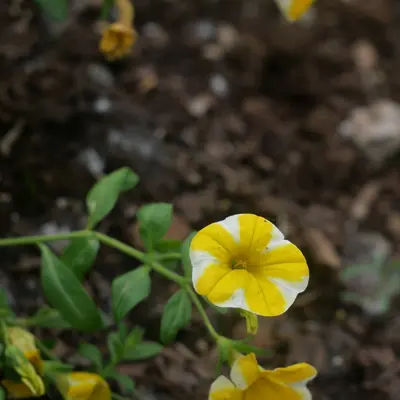
We've selected this color blend of warm sunrise shades to create a pleasing mix - suitable for easy market bunches or the home garden. Group 2-3 snapdragons can be grown in the field or indoors and are well-suited for spring, early summer, and fall production. Edible Flowers: The flowers are a colorful garnish for use in salads, desserts, and drinks. The flavor is floral and slightly bitter, so use sparingly.
Harvest
110-115d
Days to harvest
Sun
Full sun to partial shade
Zones
7–10
USDA hardiness
Height
0-3 feet
Planting Timeline
Showing dates for Johnny's Early Sunrise Mix in USDA Zone 7
All Zone 7 flower →Zone Map
Click a state to update dates
Johnny's Early Sunrise Mix · Zones 7–10
Growing Details
Succession Planting
Early Sunrise Mix takes 110-115 days from seed, so timing matters more than with faster annuals. In zone 7, start seeds indoors under lights around February 15 to March 1, transplant out in mid-April once nights stay reliably above 40°F, and you'll hit peak bloom in July. Snapdragons slow down and stop setting new buds once daytime temperatures push past 85-90°F, so a second sowing isn't worth attempting in warmer zones — you'd be transplanting straight into heat stress. In zones 9-10, the better move is a fall planting: start seeds in late August, transplant in October, and let them bloom through the mild winter months instead.
Complete Growing Guide
We've selected this color blend of warm sunrise shades to create a pleasing mix - suitable for easy market bunches or the home garden. Group 2-3 snapdragons can be grown in the field or indoors and are well-suited for spring, early summer, and fall production. Edible Flowers: The flowers are a colorful garnish for use in salads, desserts, and drinks. The flavor is floral and slightly bitter, so use sparingly. According to Johnny's Selected Seeds, Johnny's Early Sunrise Mix is 110 - 115 days to maturity, annual, hybrid (f1).
Light: Full sun (6 or more hours of direct sunlight a day), Partial Shade (Direct sunlight only part of the day, 2-6 hours). Soil: High Organic Matter. Drainage: Good Drainage. Height: 0 ft. 6 in. - 3 ft. 0 in.. Spread: 0 ft. 6 in. - 0 ft. 10 in.. Spacing: Less than 12 inches. Growth rate: Medium. Maintenance: Medium.
Harvesting
Johnny's Early Sunrise Mix reaches harvest at 110 - 115 days from sowing per Johnny's Selected Seeds. As an annual, harvest continues until frost ends the season.
A capsule, half hidden by calyx lobes, short-beaked.
Type: Capsule. Length: 1-3 inches.
Storage & Preservation
Fresh-cut snapdragon stems last 10-14 days in a clean vase with fresh water changed every 2-3 days. Add flower food to water, or use a homemade solution of 1 tablespoon sugar and a few drops of bleach per quart. Store cut arrangements in a cool location (65-70°F) away from direct sun and ripening fruit (which produces ethylene gas that shortens vase life).
For edible flowers, harvest in the morning and use the same day for peak freshness and flavor. Store fresh florets in a shallow container lined with damp paper towels in the refrigerator; they'll keep 2-3 days.
To preserve snapdragon flowers for longer-term use: dry them by hanging flower spikes upside-down in a warm, dark, well-ventilated space (ideal for tea blending or dried arrangements); crystallize florets by painting with egg white and dipping in superfine sugar, then air-drying on parchment paper (decorative for desserts); or freeze florets in ice cubes with water for colorful drinks.
History & Origin
Johnny's Early Sunrise Mix is an F1 hybrid developed through controlled cross-pollination. Listed in the Johnny's Selected Seeds catalog.
Origin: Southwestern Europe
Advantages
- +Beautiful warm sunrise color blend creates visually striking market bunches
- +Versatile growing options work well in field or indoor production
- +Edible flowers add unique culinary value to salads and desserts
- +Easy difficulty level makes it suitable for beginner gardeners
- +Reliable production across spring, early summer, and fall seasons
Considerations
- -Floral flavor is bitter requiring cautious spartan use in food
- -110-115 day maturity requires longer season planning than quick crops
- -Snapdragons susceptible to rust and powdery mildew in humid conditions
- -Slightly bitter taste limits appeal for those preferring mild flavors
Companion Plants
Marigolds (especially Tagetes patula) are the most useful neighbor here — their root secretions deter soil nematodes, and their scent interferes with the host-finding behavior of aphids and whiteflies that would otherwise zero in on your snapdragons. Sweet alyssum planted at the border draws parasitic wasps and hoverflies within a single season, both of which predate on those same aphid colonies. Black walnut trees are a hard no within about 50 feet: juglone, the allelopathic compound concentrated in walnut roots and decomposing leaf litter, is documented by NC State Extension as toxic to a wide range of annuals, Antirrhinum included. Skip large sunflowers too — at 6-10 feet they'll put your snapdragons in shade for a good chunk of the day, and Early Sunrise needs 4-6 hours of direct sun to keep setting buds.
Plant Together
Marigolds
Repel nematodes, aphids, and other harmful insects while attracting beneficial predators
Nasturtiums
Act as trap crops for aphids and cucumber beetles, while attracting pollinators
Sweet Alyssum
Attracts beneficial insects like lacewings and parasitic wasps that control pests
Lavender
Repels moths, fleas, and mosquitoes while attracting bees and butterflies
Zinnias
Attract butterflies and beneficial insects while providing continuous bloom support
Cosmos
Attract beneficial insects and provide habitat for predatory insects
Chives
Repel aphids and other soft-bodied insects with their sulfur compounds
Calendula
Attract beneficial insects and may help repel certain garden pests
Keep Apart
Black Walnut Trees
Release juglone toxin that inhibits growth and can kill sensitive flowers
Eucalyptus
Produces allelopathic compounds that suppress growth of nearby plants
Large Sunflowers
Create excessive shade and compete aggressively for water and nutrients
Pests & Disease Resistance
Common Pests
Aphids, spider mites, whiteflies (under low-pressure conditions)
Diseases
Rust (fungal), powdery mildew, root rot if overwatered
Troubleshooting Johnny's Early Sunrise Mix
What you'll see, why it happens, and what to do about it.
Orange powdery pustules on the undersides of leaves, with corresponding yellow spots on top — usually showing up in cool, humid weather
Likely Causes
- Snapdragon rust (Puccinia antirrhini) — a host-specific fungal pathogen that spreads on wind and splashing water
- Overhead irrigation or dense planting that keeps foliage wet for extended periods
What to Do
- 1.Pull and bag infected leaves immediately — don't compost them
- 2.Switch to drip or base watering and space plants no closer than 12 inches apart
- 3.Apply a sulfur-based fungicide on a 7-10 day cycle if the outbreak is spreading; stop once temps consistently exceed 90°F
White, talcum-powder-like coating on upper leaf surfaces, especially on older growth in mid to late season
Likely Causes
- Powdery mildew (Erysiphe sp.) — thrives in warm days and cool nights, not wet conditions as many people assume
- Poor air circulation from crowded beds
What to Do
- 1.Thin plants to restore airflow — 15-18 inches between plants is better than 12 once mildew appears
- 2.Spray affected foliage with a diluted neem oil solution (2 tsp per quart of water) every 7 days
- 3.Cut back and discard heavily affected stems; the plant will often push clean new growth
Sticky residue on stems and leaves, distorted new growth, and clusters of small soft-bodied insects at shoot tips
Likely Causes
- Aphid infestation (commonly Myzus persicae or Aphis gossypii on ornamentals)
- Over-fertilization with high-nitrogen inputs, which produces the soft new growth aphids prefer
What to Do
- 1.Knock aphids off with a firm spray of water from a hose — effective and costs nothing
- 2.If populations are heavy, apply insecticidal soap directly to the colonies; reapply after rain
- 3.Pull back on any nitrogen-heavy fertilizer for the rest of the season
Wilting that doesn't recover after watering, yellowing lower leaves, and stems that look dark or mushy at the soil line
Likely Causes
- Root rot from Pythium or Phytophthora species — both triggered by waterlogged, poorly draining soil
- Planting in a bed that stays wet for more than 24 hours after rain
What to Do
- 1.Dig one plant up and check the roots — brown and mushy confirms rot; white and firm means look elsewhere for the problem
- 2.Work 2-3 inches of coarse perlite or compost into the bed before replanting and raise the grade if drainage is chronically bad
- 3.There's no saving a plant with advanced root rot; pull it, let the bed dry out, and replant after amending
Frequently Asked Questions
How long does Johnny's Early Sunrise Mix snapdragon take to grow from seed to flower?▼
Can you grow Johnny's Early Sunrise Mix snapdragons in containers?▼
Are Johnny's Early Sunrise Mix snapdragons good for beginners?▼
What do Johnny's Early Sunrise Mix snapdragon flowers taste like?▼
When should I plant Johnny's Early Sunrise Mix snapdragons?▼
Do Johnny's Early Sunrise Mix snapdragons need staking?▼
Zone-by-Zone Planting Calendar
| Zone | Indoor Start | Transplant | Direct Sow | Harvest |
|---|---|---|---|---|
| Zone 1 | May – June | July – August | July – September | — |
| Zone 2 | April – May | June – July | June – August | — |
| Zone 11 | January – January | January – February | January – March | — |
| Zone 12 | January – January | January – February | January – March | — |
| Zone 13 | January – January | January – February | January – March | — |
| Zone 3 | April – May | June – July | June – August | — |
| Zone 4 | March – April | June – June | June – July | — |
| Zone 5 | March – April | May – June | May – July | — |
| Zone 6 | March – April | May – June | May – July | — |
| Zone 7 | February – March | April – May | April – June | — |
| Zone 8 | February – March | April – May | April – June | — |
| Zone 9 | January – February | March – April | March – May | — |
| Zone 10 | January – January | February – March | February – April | — |
Growing Guides from Wind River Greens
Sources & References
External authority sources used in compiling this guide.
- BreederJohnny's Selected Seeds
See the Methodology page for how this data is sourced, what's AI-assisted, and known limitations.