Mondo Grass
Ophiopogon japonicus
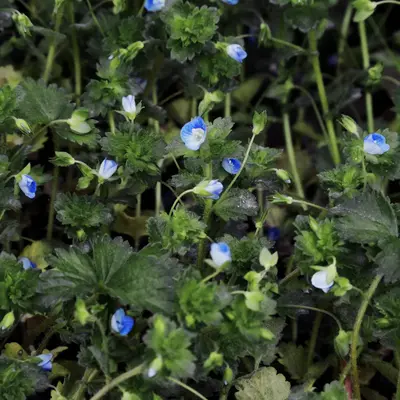
This elegant, low-growing evergreen creates perfect edging and ground cover with its fine, dark green grass-like foliage. Mondo grass forms dense, weed-suppressing mats that require virtually no maintenance once established, making it ideal for busy gardeners. Its neat, uniform appearance and ability to thrive in shade make it a designer favorite for contemporary landscapes.
Sun
Full sun to partial shade
Zones
6–10
USDA hardiness
Height
6-12 inches
Planting Timeline
Showing dates for Mondo Grass in USDA Zone 7
All Zone 7 ground-cover →Zone Map
Click a state to update dates
Mondo Grass · Zones 6–10
Growing Details
Complete Growing Guide
Light: Dappled Sunlight (Shade through upper canopy all day), Full sun (6 or more hours of direct sunlight a day), Partial Shade (Direct sunlight only part of the day, 2-6 hours). Soil: Clay, Loam (Silt), Sand. Drainage: Good Drainage, Moist. Height: 0 ft. 6 in. - 1 ft. 0 in.. Spread: 0 ft. 6 in. - 1 ft. 0 in.. Spacing: Less than 12 inches. Growth rate: Medium. Maintenance: Low. Propagation: Division. Regions: Coastal, Mountains, Piedmont.
Harvesting
Fruit is a globose berry, opalescent or metallic blue in color, less than an inch in diameter, and are hidden in the foliage.
Color: Blue. Type: Berry. Length: < 1 inch. Width: < 1 inch.
Garden value: Showy
Harvest time: Fall
Storage & Preservation
Mondo grass is an ornamental ground cover plant, not a harvested crop, so traditional storage and preservation methods don't apply. Once established in the landscape, it requires minimal maintenance. For potted specimens, store in a cool location (50-70°F) with moderate humidity during dormant periods. Preserve plant health through division every 3-4 years to rejuvenate dense patches. Propagate by separating rooted clumps in spring and replanting immediately. Mulching around plants during winter protects rhizomes in colder climates and extends longevity.
History & Origin
Origin: China, Korea, Japan
Advantages
- +Dense, evergreen foliage suppresses weeds effectively without chemicals
- +Thrives in shade where most ground covers struggle
- +Minimal maintenance required once established in proper conditions
- +Fine, dark green texture creates elegant contemporary landscape design
- +Low-growing habit eliminates frequent mowing or trimming needs
Considerations
- -Requires well-draining soil; prone to root rot in wet conditions
- -Slow to establish and fill in compared to faster spreaders
- -Scale insects and mealybugs can infest plants in stressed environments
- -Sensitive to heavy foot traffic; not suitable for active pathways
Companion Plants
Mondo Grass pairs well with plants that share its preference for slightly acidic soil (pH 5.5–6.5) and partial shade without competing aggressively for the same space. Hostas and Japanese Painted Fern are the strongest pairings — their broad, upright leaves contrast the fine texture of Mondo, and all three slow down gracefully in summer heat without one shouldering out the other. Heuchera and Astilbe work for similar reasons: shallow, clumping root systems that stay out of the Mondo's own modest root zone. Azaleas make a practical overhead layer — their needle-like leaf litter breaks down acidic, nudging soil pH toward the 5.5–6.0 range that Mondo prefers anyway.
Black Walnut produces juglone, a root-zone toxin that affects a long list of ornamentals, and planting Ophiopogon japonicus within the drip line of a mature tree is a gamble the plant usually loses over time. Mint is a different problem entirely — it spreads by underground stolons and will physically displace a Mondo ground cover planting within a season or two. In zone 7 Georgia gardens, where both plants grow aggressively through spring, keep mint in a buried container or a bed with hard edging if it's anywhere nearby.
Plant Together
Hostas
Similar shade tolerance and moisture requirements, complementary textures
Japanese Painted Fern
Both thrive in shade with consistent moisture, attractive foliage contrast
Heuchera
Compatible growing conditions and adds colorful foliage above mondo grass
Astilbe
Shares preference for partial shade and moist soil, provides height variation
Caladium
Similar shade requirements, colorful leaves complement mondo grass texture
Azaleas
Both prefer acidic soil and partial shade, mondo grass works well as underplanting
Liriope
Very similar growing requirements and appearance, can be mixed for textural variety
Japanese Maple
Mondo grass makes excellent groundcover under these shade-providing trees
Keep Apart
Black Walnut
Produces juglone toxin that inhibits growth of many plants including mondo grass
Eucalyptus
Allelopathic compounds in leaves and roots suppress nearby plant growth
Mint
Aggressive spreading nature can overwhelm and crowd out mondo grass
Pests & Disease Resistance
Resistance
Excellent disease resistance, very few problems
Common Pests
Scale insects, mealybugs (rare)
Diseases
Root rot in waterlogged soils (uncommon)
Troubleshooting Mondo Grass
What you'll see, why it happens, and what to do about it.
Leaf tips browning and scorching, especially on plants in open areas
Likely Causes
- Excessive direct sun — Ophiopogon japonicus tolerates full sun but burns in reflected heat off pavement or walls
- Drought stress in newly planted divisions before roots are established
What to Do
- 1.Relocate or shade plants receiving more than 6 hours of harsh afternoon sun
- 2.Water newly transplanted divisions every 3-4 days for the first 4-6 weeks until established
- 3.Mulch 2 inches deep around plants to hold soil moisture and buffer soil temperature
Clumps yellowing and collapsing at the crown, with soft or mushy roots
Likely Causes
- Root rot — most commonly Pythium or Phytophthora species — triggered by waterlogged soil
- Planting in low spots or heavy clay that holds standing water after rain
What to Do
- 1.Dig and discard affected clumps — there's no saving rotted crowns
- 2.Amend the bed with coarse sand or pine bark fines before replanting to improve drainage
- 3.Raise the bed 4-6 inches if standing water is the underlying problem; Mondo Grass won't tolerate wet feet regardless of variety
White cottony masses at the base of leaves or along stems, sometimes with sticky residue on foliage
Likely Causes
- Mealybugs (Pseudococcidae) — more common on stressed or containerized plants than in-ground plantings
- Soft scale insects, which excrete honeydew that encourages sooty mold on the foliage below
What to Do
- 1.Dab affected areas with 70% isopropyl alcohol on a cotton swab, or spray directly for broader coverage, to kill mealybugs on contact
- 2.Apply insecticidal soap at label rates to the base of the plant for heavier infestations; repeat every 7 days for 3 applications
- 3.Check neighboring ornamentals — scale and mealybugs spread easily to Liriope and Heuchera planted within a few feet
Frequently Asked Questions
How long does mondo grass take to establish as ground cover?▼
Is mondo grass good for beginners?▼
Can you grow mondo grass in containers?▼
What's the difference between mondo grass and liriope?▼
When should I plant mondo grass?▼
How often should mondo grass be watered?▼
Zone-by-Zone Planting Calendar
Growing Guides from Wind River Greens
Sources & References
External authority sources used in compiling this guide.
- ExtensionNC State Extension
See the Methodology page for how this data is sourced, what's AI-assisted, and known limitations.