Arugula
Eruca sativa
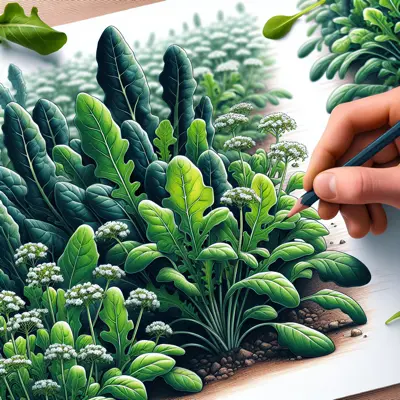
Arugula is a fast-growing leafy green with slender, deeply lobed leaves that mature in just 10-15 days. This heirloom variety thrives in cool seasons and prefers full sun to partial shade. The distinctive peppery, nutty flavor with a slight bitterness and pungent kick makes it ideal for fresh salads, garnishes, and cooked dishes. Arugula's rapid maturity and ease of cultivation—combined with its bold, complex taste—distinguish it from milder lettuce varieties. It tolerates cool weather well and can be succession-planted for continuous harvests throughout the growing season.
Harvest
10-15d
Days to harvest
Sun
Full sun to partial shade
Zones
2–11
USDA hardiness
Height
0-3 feet
Planting Timeline
Showing dates for Arugula in USDA Zone 7
All Zone 7 lettuce →Zone Map
Click a state to update dates
Arugula · Zones 2–11
Growing Details
Succession Planting
Arugula bolts fast once daytime highs push past 75–80°F, so a single sowing won't carry you far. In zone 7, direct sow every 14 days starting around March 1 and keep going through late April — that gets you three or four cuts before summer shuts it down. Resume in late August or early September for a fall run that can stretch to November or beyond; fall arugula is slower to flower and the leaves stay milder once temps drop back into the 60s.
Skip the window between late May and mid-August entirely. The seed germinates fine, but plants sprint to flower in under two weeks and the leaves turn sharp enough to be unpleasant. Two well-timed planting windows will outproduce fighting the heat all summer.
Complete Growing Guide
Start by preparing your soil with a pH between 6.0-7.0, working in 2-3 inches of compost to improve drainage while maintaining fertility. Arugula despises waterlogged conditions but needs consistent moisture, so test your soil's drainage by digging a hole and filling it with water—it should drain within 6-8 hours.
Skip starting seeds indoors unless you're in zones 9-10 where direct sowing timing is tricky. Arugula transplants poorly due to its taproot, and direct sowing gives you stronger, more productive plants. In zones 3-8, direct sow seeds ¼ inch deep as soon as soil can be worked in spring, typically 2-4 weeks before your last frost. For fall crops, plant 8-10 weeks before your first hard freeze.
Space seeds ½ inch apart in rows 6 inches apart—closer spacing actually improves flavor by encouraging competition. Thin to 2-3 inches apart once seedlings reach 1 inch tall, but eat those thinnings rather than composting them. Water immediately after sowing with a fine spray to prevent seed displacement.
Fertilize lightly with a balanced organic fertilizer at planting, then side-dress with compost tea every 2 weeks. Over-fertilizing, especially with nitrogen, produces large but bitter leaves and encourages rapid bolting. In hot climates, provide afternoon shade using row covers or companion plant with taller crops like kale.
The biggest mistake gardeners make is planting too late in spring or too early in fall. Arugula bolts quickly when temperatures exceed 75°F for consecutive days. In zones 7-9, focus on fall and winter growing rather than fighting summer heat. Succession plant every 10 days during optimal weather windows to maintain continuous harvests.
Maximize yields by harvesting outer leaves when they're 2-3 inches long, leaving the growing point intact. This cut-and-come-again method extends harvests for 6-8 weeks per planting. If you notice flower buds forming, harvest immediately—the leaves become intensely peppery and tough once flowering begins.
Harvesting
Begin harvesting arugula when leaves reach 2-3 inches long, typically 21-25 days after sowing. Baby leaves offer the mildest flavor, while mature 4-5 inch leaves deliver maximum peppery intensity. Look for bright green color and crisp texture—yellowing or wilted edges indicate over-maturity.
Harvest in early morning when leaves are fully hydrated and crisp. Use clean scissors to cut outer leaves ½ inch above the soil line, leaving the central growing point and smaller inner leaves intact. This allows the plant to continue producing for weeks. Alternatively, harvest entire young plants by cutting at soil level for tender baby greens.
Test leaf maturity by gently bending a leaf—properly mature leaves will snap cleanly rather than bend. Avoid harvesting wet leaves as they'll deteriorate quickly in storage. Once flower stalks appear, harvest immediately as leaves become increasingly bitter and tough. You can still eat flowering arugula, but expect an intensely peppery, almost radish-like bite that some find overwhelming in fresh applications.
Storage & Preservation
Fresh arugula keeps best when stored unwashed in the refrigerator. Wrap loosely in paper towels, then place in a perforated plastic bag in the crisper drawer. Properly stored arugula maintains quality for 7-10 days, though baby leaves deteriorate faster than mature ones.
Wash arugula just before use in cold water, spin dry gently, and use immediately for best flavor and texture. Unlike heartier greens, arugula doesn't freeze well fresh due to its delicate structure.
For preservation, try making arugula pesto—the oil protects the leaves' flavor and texture better than other methods. Blanch mature leaves for 30 seconds, then freeze in ice cube trays with olive oil for cooking applications. Dehydrating works for mature leaves; dry at 95°F until crisp, then crush for a peppery seasoning salt. Fermented arugula adds complex spicy notes to kimchi-style preparations when mixed with heartier vegetables.
History & Origin
Arugula (Eruca vesicaria sativa) traces its roots to the Mediterranean basin, where it has grown wild for millennia. Ancient Romans prized it as both food and medicine, believing it possessed aphrodisiac properties—they scattered the peppery leaves on floors during wedding ceremonies and cultivated it in monastery gardens alongside other medicinal herbs.
The variety we grow today represents centuries of selection by Italian farmers, particularly in regions like Lazio and Veneto, who developed the deeply lobed leaf forms and intense peppery flavor profiles. Italian immigrants brought seeds to America in the late 1800s, but arugula remained largely within ethnic communities until the 1990s gourmet food movement.
As an heirloom variety, arugula maintains its original wild characteristics—rapid growth, self-seeding ability, and that distinctive sharp bite that distinguishes it from milder salad greens. Its resurgence in American gardens coincides with the farm-to-table movement and increased appreciation for bold, distinctive flavors in simple preparations. Today's gardeners grow essentially the same variety Roman soldiers carried as trail rations two thousand years ago.
Advantages
- +Exceptional cold tolerance—survives temperatures down to 25°F with minimal protection
- +Self-seeds reliably, creating sustainable garden patches with minimal intervention
- +Naturally pest-resistant due to peppery compounds that deter most insects
- +Harvests in just 3 weeks from seed, providing quick satisfaction for new gardeners
- +Cut-and-come-again harvesting extends productivity for 6-8 weeks per planting
- +Thrives in partial shade where lettuce and spinach struggle
- +Requires minimal fertilization compared to other leafy greens
Considerations
- -Bolts rapidly in temperatures above 75°F, limiting summer growing windows
- -Becomes intensely bitter and tough once flowering begins
- -Self-seeding can become weedy if not managed properly
- -Flea beetles can riddle young leaves with holes during peak pest seasons
- -Short storage life compared to hardier greens like kale or collards
Companion Plants
Radishes are the most practical companion for arugula in our zone 7 Georgia garden — they're up in 5–7 days and mark your rows while arugula is still establishing. More usefully, flea beetles (Phyllotreta spp.) strongly prefer radish foliage over arugula, so a sacrificial row of radishes pulls the pressure away. Pull the chewed-up radish plants every few days before the beetles move on. Carrots slot in well nearby too — shallow root zone, no shading, no chemical interference.
Lettuce and spinach make decent neighbors because they share the same cool-season window and similar water needs, and neither one suppresses arugula germination. Chives and marigolds show up on every companion list; the evidence for pest deterrence is thin, but they don't compete aggressively and they fill gaps without causing problems.
The plants to avoid matter more than the beneficial list. Arugula is in the Brassicaceae family, so planting it next to kale, cabbage, or broccoli stacks flea beetle pressure in one spot and makes disease rotation pointless — you'd be putting the same pathogen hosts back in the same ground. Fennel is genuinely allelopathic and suppresses germination of neighboring crops; keep it on the far end of the garden, away from anything you're direct-seeding. Strawberries crowd arugula's moisture supply and the dense mat of leaves between them tends to trap humidity and invite slug damage.
Plant Together
Basil
Repels aphids and flea beetles while improving arugula's flavor
Chives
Deters aphids and other soft-bodied insects that damage arugula
Lettuce
Similar growing requirements and compatible root systems
Spinach
Same watering needs and harvest timing, efficient space usage
Carrots
Deep roots don't compete with shallow arugula roots
Radishes
Quick harvest allows succession planting and breaks up soil
Marigolds
Repels flea beetles and aphids that commonly attack arugula
Nasturtiums
Acts as trap crop for flea beetles and aphids
Keep Apart
Brassicas
Attracts same pests like flea beetles and cabbage worms
Fennel
Releases allelopathic compounds that inhibit arugula growth
Strawberries
Different watering needs and may harbor slugs that eat arugula
Nutrition Facts
Per 100g serving. % Daily Value based on 2,000 calorie diet. Source: USDA FoodData Central (FDC #2346388)
Pests & Disease Resistance
Resistance
Excellent disease resistance. Very hardy and pest-resistant compared to other greens.
Common Pests
Flea beetles, aphids, caterpillars
Diseases
Downy mildew, white rust (rarely problematic)
Troubleshooting Arugula
What you'll see, why it happens, and what to do about it.
Seedlings collapse at soil level within the first 7–10 days after direct sowing — stems look pinched or water-soaked at the base
Likely Causes
- Damping off — a fungal complex (commonly Pythium or Rhizoctonia solani) that thrives in cool, wet, poorly-drained soil
- Overwatering or compacted seedbed that holds moisture too long
What to Do
- 1.Pull the dead seedlings and check for fuzzy mold at soil level — if it's there, let the bed dry out before reseeding
- 2.Reseed into a fresh, well-draining spot; work in a couple inches of finished compost to loosen the structure
- 3.Thin to 4–6 inches once germination happens — crowded seedlings stay wet longer and damp off faster
Tiny, irregular holes punched through leaves, especially on young plants — looks like someone took a hole punch to the foliage
Likely Causes
- Flea beetles (Phyllotreta spp.) — small, jumping black beetles that feed heavily on brassica-family crops including arugula
- Pressure is worst on seedlings during warm, dry spells
What to Do
- 1.Cover the bed with row cover (Agribon-15 or similar) at sowing — flea beetles locate the crop by smell and sight, so physical exclusion beats any spray
- 2.If plants are already up and getting chewed, apply kaolin clay (Surround WP) to coat the leaves and deter feeding
- 3.Radishes planted in an adjacent row act as a trap crop — pull and discard infested radish foliage every few days before the beetles migrate back
White to pale gray mealy coating on the undersides of leaves, sometimes with yellowing on the upper surface
Likely Causes
- Downy mildew (Peronospora parasitica) — triggered by cool nights below 60°F combined with high humidity or overhead irrigation
- Dense planting that cuts off airflow between plants
What to Do
- 1.Strip affected leaves and trash them — not the compost pile
- 2.Switch to drip irrigation or water at the base of plants in the morning so foliage dries before nightfall
- 3.For fall plantings where mildew keeps coming back, space rows at least 6 inches apart and apply a copper-based fungicide as a preventive after rain events
Frequently Asked Questions
How long does arugula take to grow from seed?▼
Can you grow arugula in containers?▼
Is arugula good for beginner gardeners?▼
What does arugula taste like compared to lettuce?▼
When should I plant arugula for best results?▼
Why does my arugula keep bolting and turning bitter?▼
Zone-by-Zone Planting Calendar
| Zone | Indoor Start | Transplant | Direct Sow | Harvest |
|---|---|---|---|---|
| Zone 3 | — | — | May – June | May – October |
| Zone 4 | — | — | April – June | May – October |
| Zone 5 | — | — | April – May | April – November |
| Zone 6 | — | — | April – May | April – November |
| Zone 7 | — | — | March – May | March – November |
| Zone 8 | — | — | March – April | March – December |
| Zone 9 | — | — | February – March | February – December |
| Zone 10 | — | — | January – March | January – December |
| Zone 1 | — | — | June – July | June – September |
| Zone 2 | — | — | May – July | May – September |
| Zone 11 | — | — | January – February | January – December |
| Zone 12 | — | — | January – February | January – December |
| Zone 13 | — | — | January – February | January – December |
Growing Guides from Wind River Greens
Sources & References
External authority sources used in compiling this guide.
- BreederJohnny's Selected Seeds
- USDAUSDA FoodData Central
See the Methodology page for how this data is sourced, what's AI-assisted, and known limitations.