Brown-Eyed Susan
Rudbeckia triloba
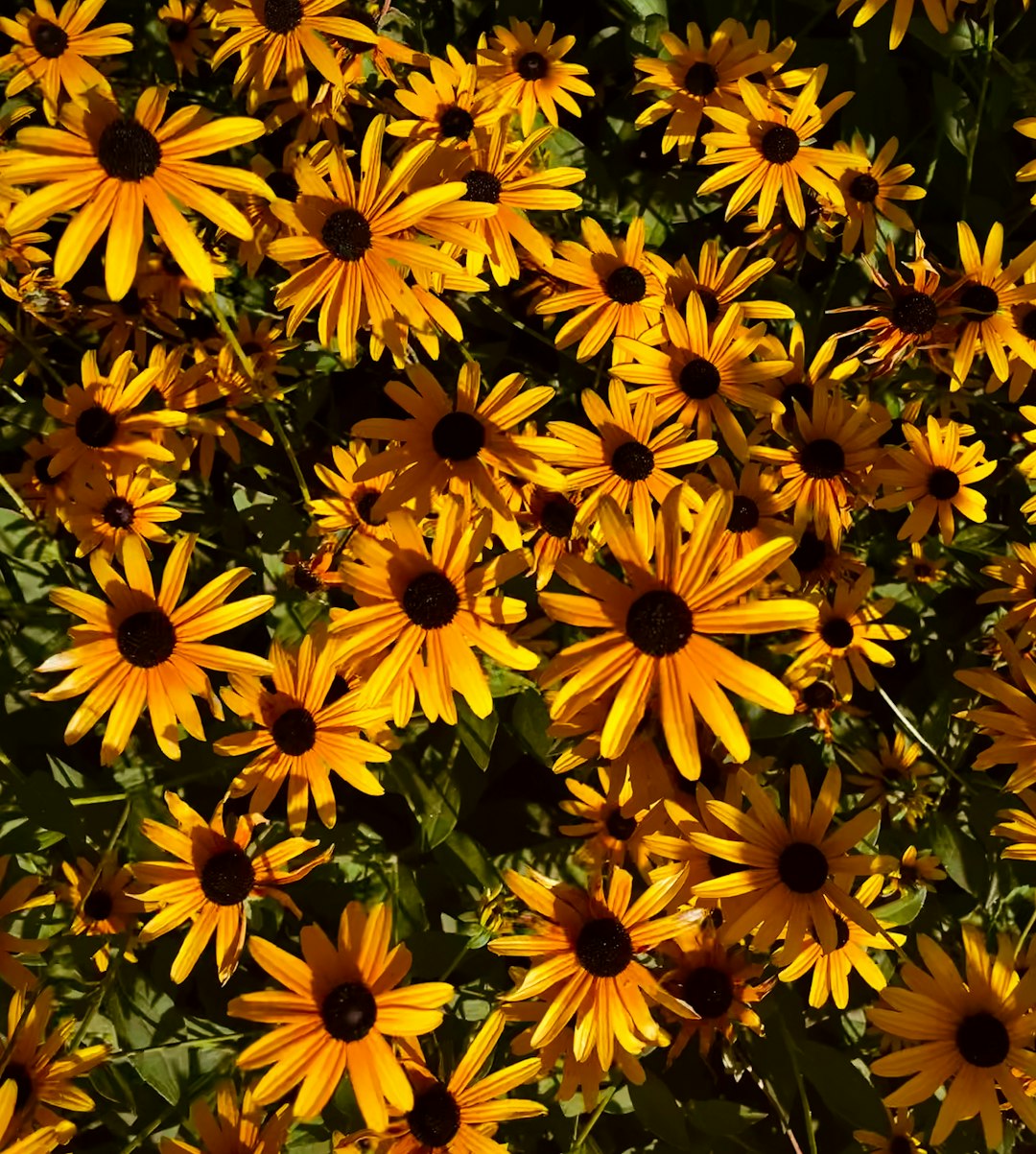
Profuse blooms of adorable, 1 1/2- 2 1/2", bright yellow flowers with small, black/brown centers. Wiry, well-branched stems have few leaves, making this an excellent cut flower. Also serves as a filler or accent flower in bouquets. This native US wildflower tolerates most conditions, including drought, once established. Short-lived perennial in Zones 3-9; typically flowers in the first year but may not bloom until second year if heavily crowded. Stems are reddish in color and have fine hairs. Leaves at the base of the plant are three-lobed, as indicated by the plant's Latin name species: triloba. Also known as brown-eyed Susan and browneyed Susan.
Harvest
90-100d
Days to harvest
Sun
Full sun to partial shade
Zones
4–8
USDA hardiness
Height
3-5 feet
Planting Timeline
Showing dates for Brown-Eyed Susan in USDA Zone 7
All Zone 7 native-wildflower →Zone Map
Click a state to update dates
Brown-Eyed Susan · Zones 4–8
Growing Details
Complete Growing Guide
Light: Full sun (6 or more hours of direct sunlight a day), Partial Shade (Direct sunlight only part of the day, 2-6 hours). Soil: Clay, High Organic Matter, Loam (Silt). Drainage: Good Drainage, Moist, Occasionally Dry. Height: 3 ft. 0 in. - 5 ft. 0 in.. Spread: 1 ft. 0 in. - 1 ft. 6 in.. Spacing: 3 feet-6 feet. Maintenance: Low. Propagation: Seed. Regions: Mountains.
Harvesting
Harvest brown-eyed Susan flowers when the bright yellow petals have fully opened and feel slightly firm to the touch, typically 90-100 days from planting. The small black-brown centers should be fully visible and darkened, indicating peak maturity. These prolific bloomers respond exceptionally well to continuous harvesting—removing spent flowers and cutting stems regularly encourages more blooms throughout the season rather than a single flush. For best results, cut stems in the early morning after dew has dried, selecting those with firm, reddish stems and at least two to three leaves remaining on the plant to support continued growth and flowering.
Displays from August to November
Harvest time: Fall
Storage & Preservation
Fresh cut Brown-Eyed Susan stems last longest in a cool room (65–68°F) with filtered light, away from ripening fruit or direct sun. Change water every 2–3 days and recut stems at a 45-degree angle. In these conditions, expect 7–10 days of display quality.
For preservation, air-drying is ideal for this variety's stiff stems and papery flower texture. Bundle 5–8 stems loosely, hang upside down in a dark, warm, dry location (attic, closet) for 2–3 weeks until completely dry and brittle. Dried flowers retain color and structure for 6–12 months in a dry environment. Alternatively, press individual flowers between parchment paper weighted with heavy books for 2–3 weeks to create botanical art or crafting materials. Freezing is not recommended—the delicate petals will lose texture upon thawing. As a native wildflower, Brown-Eyed Susan is rarely preserved for culinary purposes and has no commercial preservation standards.
History & Origin
Origin: Central and Eastern United States
Advantages
- +Profuse bright yellow blooms with distinctive dark centers attract pollinators reliably
- +Wiry stems with few leaves make excellent cut flowers for arrangements
- +Tolerates drought and poor soil conditions once established in garden
- +Flowers prolifically in first year from seed with minimal care required
- +Native wildflower supports local ecosystems while requiring easy, organic cultivation
Considerations
- -Short-lived perennial often fails to return after first season reliably
- -May not flower until second year if seedlings become overcrowded initially
- -Reddish hairy stems can appear somewhat weedy or unkempt in borders
- -Modest flower size limits dramatic garden impact compared to larger rudbeckia varieties
Companion Plants
Purple Coneflower (Echinacea purpurea), Black-Eyed Susan (Rudbeckia hirta), and Little Bluestem Grass work alongside Rudbeckia triloba because they share the same lean-soil preference and bloom window without competing for root space at the same depth — bluestem stays fibrous and shallow while the forbs go deeper. Goldenrod and Joe Pye Weed extend the pollinator sequence 4–6 weeks into fall, keeping beneficial insects on-site after triloba finishes. The harmful companions — Crown Vetch, Tree of Heaven, and Autumn Olive — are all invasive species listed by USDA PLANTS as problematic across most of zones 4–8; they spread by root or seed faster than any native planting can absorb, and will overtake a triloba patch inside 2–3 seasons.
Plant Together
Purple Coneflower
Similar growing conditions, attracts beneficial pollinators, extends bloom season
Black-Eyed Susan
Complementary bloom times, similar soil and water needs, creates natural wildflower meadow
Wild Bergamot
Attracts butterflies and bees, repels pests, thrives in similar prairie conditions
New England Aster
Provides late season blooms, supports monarch butterflies, similar drought tolerance
Little Bluestem Grass
Natural prairie companion, provides structural support, enhances wildlife habitat
Goldenrod
Blooms complement each other, attracts beneficial insects, both native prairie plants
Joe Pye Weed
Attracts butterflies and native bees, provides height variation, thrives in similar conditions
Yarrow
Attracts beneficial predatory insects, improves soil health, complementary bloom structure
Keep Apart
Crown Vetch
Aggressive spreader that can outcompete and smother native wildflowers
Tree of Heaven
Releases allelopathic chemicals that inhibit growth of native plants
Autumn Olive
Creates dense shade that blocks sunlight needed by sun-loving Brown-Eyed Susan
Troubleshooting Brown-Eyed Susan
What you'll see, why it happens, and what to do about it.
Powdery white coating on leaves, usually appearing mid-summer on lower or inner foliage first
Likely Causes
- Powdery mildew (Erysiphe cichoracearum) — fungal, favored by warm days, cool nights, and poor airflow
- Crowded planting at less than 12 inches apart trapping humidity
What to Do
- 1.Thin plants to at least 12–18 inches apart so air moves through freely
- 2.Cut affected stems back hard — Rudbeckia triloba rebounds fast and will rebranch
- 3.Apply a diluted neem oil spray (2 tsp per gallon) every 7 days until symptoms stop spreading
Stunted new growth and distorted, curled leaves on stem tips, sometimes with sticky residue
Likely Causes
- Aphid colonies (commonly Aphis helianthi, the sunflower aphid) feeding on soft tissue
- Absence of predatory insects — often worse in isolated beds with no nearby flowering plants
What to Do
- 1.Knock aphids off with a firm spray from a garden hose — do this three mornings in a row
- 2.If colonies persist after a week, spray insecticidal soap directly on the clusters; coat the undersides of leaves
- 3.Yarrow planted within 10 feet brings in parasitic wasps that suppress aphid pressure over the rest of the season
Seedlings germinate but growth stalls for weeks; plants stay short and pale into early summer
Likely Causes
- Cold soil — seeds direct-sown before soil reaches 60°F will sprout but then sit
- Heavy clay compacted at the surface, blocking root development in young transplants
What to Do
- 1.Check soil temperature before direct sowing in March — wait until it reads a consistent 60–65°F at 2 inches deep
- 2.Scratch 1–2 inches of compost into the top 4 inches of the bed to loosen surface compaction before planting
- 3.Skip the fertilizer push; excess nitrogen produces floppy 5-foot stems that flop by August, and stalled seedlings move on their own once the soil warms
Frequently Asked Questions
How long does Brown-Eyed Susan take to grow from seed to flower?▼
Can you grow Brown-Eyed Susan in containers?▼
Is Brown-Eyed Susan good for beginners?▼
When should I plant Brown-Eyed Susan?▼
How do you use Brown-Eyed Susan as a cut flower?▼
What's the difference between Brown-Eyed Susan and Black-Eyed Susan?▼
Zone-by-Zone Planting Calendar
Growing Guides from Wind River Greens
Sources & References
External authority sources used in compiling this guide.
- ExtensionNC State Extension
See the Methodology page for how this data is sourced, what's AI-assisted, and known limitations.