Wandering Mixture
Lobularia maritima
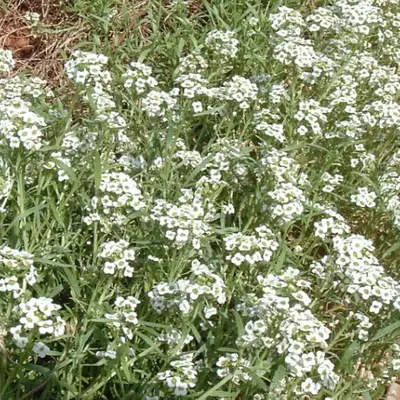
Highly fragrant mix of soft pastel flowers in shades of white, lavender, purple, and pale yellow. Densely mounding plant habit. Plants are less vigorous, more compact, and have a more contained habit compared to our white Sweet Alyssum (#1932). Sweet alyssum is fast and low growing, trouble free, and low cost, making it a popular choice for use as beneficial insect habitat in vegetable and fruit production. Because of its very manageable plant habit, sweet alyssum is a good choice for beneficial planting in greenhouses and containers, in addition to outdoor production. Field-grown mixture. Tender perennial in Zones 9-11. Attracts and provides a food source for beneficial insects such as lacewings, parasitic wasps, syrphid flies, and tachinid flies.
Harvest
50-60d
Days to harvest
Sun
Full sun to partial shade
Zones
5–9
USDA hardiness
Height
3-10 inches
Planting Timeline
Showing dates for Wandering Mixture in USDA Zone 7
All Zone 7 flower →Zone Map
Click a state to update dates
Wandering Mixture · Zones 5–9
Growing Details
Succession Planting
Lobularia maritima is a tender perennial grown as an annual in most zones, but it self-sows freely and blooms for months without replanting — so traditional succession sowing isn't really necessary. One sowing in early spring (direct sow from April in zone 7, or start indoors in February–March) will carry you through until hard frost.
The one exception: plants often go semi-dormant and drop off in bloom production when daytime highs stay above 85–90°F for more than a week or two. If that happens, shear the whole planting back by about half. They'll push fresh growth and a second flush of flowers once temperatures settle back into the 70s in late summer.
Complete Growing Guide
Highly fragrant mix of soft pastel flowers in shades of white, lavender, purple, and pale yellow. Densely mounding plant habit. Plants are less vigorous, more compact, and have a more contained habit compared to our white Sweet Alyssum (#1932). Sweet alyssum is fast and low growing, trouble free, and low cost, making it a popular choice for use as beneficial insect habitat in vegetable and fruit production. Because of its very manageable plant habit, sweet alyssum is a good choice for beneficial planting in greenhouses and containers, in addition to outdoor production. Field-grown mixture. Tender perennial in Zones 9-11. Attracts and provides a food source for beneficial insects such as lacewings, parasitic wasps, syrphid flies, and tachinid flies. According to Johnny's Selected Seeds, Wandering Mixture is 50 - 60 days to maturity, tender perennial, open pollinated. Notable features: Grows Well in Containers, Edible Flowers, Fragrant, Attracts Beneficial Insects.
Light: Full sun (6 or more hours of direct sunlight a day), Partial Shade (Direct sunlight only part of the day, 2-6 hours). Soil: Clay, Loam (Silt), Sand. Soil pH: Acid (<6.0), Alkaline (>8.0), Neutral (6.0-8.0). Drainage: Good Drainage, Moist, Occasionally Dry. Height: 0 ft. 3 in. - 0 ft. 10 in.. Spread: 0 ft. 6 in. - 1 ft. 0 in.. Spacing: 12 inches-3 feet. Growth rate: Medium. Maintenance: Medium. Propagation: Seed. Regions: Coastal, Mountains, Piedmont.
Harvesting
Wandering Mixture reaches harvest at 50 - 60 days from sowing per Johnny's Selected Seeds.
Cream-colored oval seed pods with 1 yellowish seed each. The fruits are numerous, rather hairy, oval to rounded.
Color: Cream/Tan, Gold/Yellow. Type: Capsule.
Storage & Preservation
For cut flowers, place stems in cool water immediately after harvesting and store in a cool location (65-70°F) away from direct sunlight and ethylene-producing fruits. Flowers last 7-10 days in a vase with fresh water changed every 2-3 days. For seed preservation, allow flowers to dry on the plant, collect seed pods when brown and papery, and store seeds in a cool, dry place (below 40°F, 30-40% humidity) in airtight containers for up to 2 years. Dry flowers by hanging bunches upside down in a warm, well-ventilated area for 2-3 weeks, then store in airtight containers with silica gel for decorative use lasting several months.
History & Origin
Wandering Mixture is open-pollinated, meaning seed saved from healthy plants will produce true-to-type offspring. Listed in the Johnny's Selected Seeds catalog.
Origin: Southern Europe, west and central Mediterranean.
Advantages
- +Highly fragrant pastel blooms attract lacewings, parasitic wasps, and beneficial syrphid flies
- +Compact, manageable mounding habit ideal for containers and greenhouse production
- +Fast-growing with reliable performance in 50-60 days from seed
- +Low maintenance and trouble-free cultivation makes it accessible for beginners
- +Soft color mix provides aesthetic appeal while supporting integrated pest management
Considerations
- -Only hardy as perennial in Zones 9-11, requiring replanting in colder climates
- -Less vigorous growth means slower coverage compared to standard white sweet alyssum varieties
- -Tender annual status limits year-round outdoor cultivation in most regions
Companion Plants
Marigolds (Tagetes spp.) are the most practical companion here — their root secretions deter soil nematodes, and their scent genuinely disrupts whiteflies, which show up on Lobularia maritima often enough to be a real annoyance. Planting a row of marigolds 6–8 inches out from an alyssum border gives you a working pest buffer. Cosmos and zinnias pull their weight too: they share similar water needs, don't compete hard at root depth, and draw in the same predatory wasps and hoverflies that keep aphid populations from getting out of hand.
Black walnut is the one to avoid entirely. Juglone — the allelopathic compound walnut trees push through their roots and dropped leaf litter — can suppress germination and stunt growth across a wide area. Dense shade trees are a problem for a different reason: Lobularia maritima needs at least 4 hours of direct sun to bloom consistently. Shove it into full shade and you'll get a tidy green mat with almost nothing flowering on it.
Plant Together
Marigolds
Repel nematodes and aphids while attracting beneficial insects
Sweet Alyssum
Attracts beneficial insects and provides ground cover to retain soil moisture
Nasturtiums
Act as trap crops for aphids and cucumber beetles while adding nitrogen to soil
Zinnias
Attract pollinators and beneficial predatory insects like ladybugs
Cosmos
Attract beneficial insects and provide structural support in mixed plantings
Lavender
Repels moths, fleas, and mosquitoes while attracting bees and butterflies
Sunflowers
Provide natural support structure and attract beneficial birds and pollinators
Petunias
Repel aphids, tomato worms, and squash bugs while attracting hummingbirds
Keep Apart
Black Walnut
Produces juglone toxin that inhibits growth and can kill sensitive flowering plants
Eucalyptus
Releases allelopathic compounds that suppress growth of nearby plants
Dense Shade Trees
Create heavy shade that reduces flowering and weakens plant growth
Pests & Disease Resistance
Common Pests
Flea beetles, spider mites, whiteflies
Diseases
Root rot in waterlogged soil, powdery mildew in humid conditions
Troubleshooting Wandering Mixture
What you'll see, why it happens, and what to do about it.
Tiny ragged holes punched through leaves on young transplants or seedlings, especially in cool spring weather
Likely Causes
- Flea beetles (Phyllotreta spp.) — they overwinter in soil and leaf litter and hit young plants hard before the crop establishes
What to Do
- 1.Cover transplants with row cover immediately after planting and leave it on for 2–3 weeks until plants toughen up
- 2.Sprinkle diatomaceous earth around the base of plants — reapply after rain
- 3.If the planting is already infested, a spinosad-based spray applied in the early morning will knock populations back
White powdery coating on leaves and stems, usually appearing mid-summer when plants have been in the ground 6+ weeks
Likely Causes
- Powdery mildew (Erysiphe spp.) — kicks in when nights cool down but humidity stays high, or when plants are crowded below the 6-inch spacing minimum
- Poor airflow from dense planting or nearby tall crops blocking circulation
What to Do
- 1.Thin or cut back crowded sections so air can move through — this alone slows spread significantly
- 2.Spray affected foliage with a diluted solution of 1 tablespoon baking soda per gallon of water, or a potassium bicarbonate product; repeat every 7 days
- 3.Water at the base only, never overhead, and do it in the morning so the soil surface dries before nightfall
Frequently Asked Questions
How long do Wandering Mixture sweet alyssum flowers last in a vase?▼
Is sweet alyssum Wandering Mixture good for beginners?▼
Can you grow Wandering Mixture sweet alyssum in containers?▼
When should I plant Wandering Mixture sweet alyssum?▼
What are the benefits of Wandering Mixture for vegetable gardens?▼
How often does Wandering Mixture sweet alyssum need water?▼
Zone-by-Zone Planting Calendar
| Zone | Indoor Start | Transplant | Direct Sow | Harvest |
|---|---|---|---|---|
| Zone 1 | May – June | July – August | July – September | — |
| Zone 2 | April – May | June – July | June – August | — |
| Zone 11 | January – January | January – February | January – March | — |
| Zone 12 | January – January | January – February | January – March | — |
| Zone 13 | January – January | January – February | January – March | — |
| Zone 3 | April – May | June – July | June – August | — |
| Zone 4 | March – April | June – June | June – July | — |
| Zone 5 | March – April | May – June | May – July | — |
| Zone 6 | March – April | May – June | May – July | — |
| Zone 7 | February – March | April – May | April – June | — |
| Zone 8 | February – March | April – May | April – June | — |
| Zone 9 | January – February | March – April | March – May | — |
| Zone 10 | January – January | February – March | February – April | — |
Growing Guides from Wind River Greens
Sources & References
External authority sources used in compiling this guide.
- BreederJohnny's Selected Seeds
See the Methodology page for how this data is sourced, what's AI-assisted, and known limitations.