Potomac Cherry Rose
Antirrhinum majus
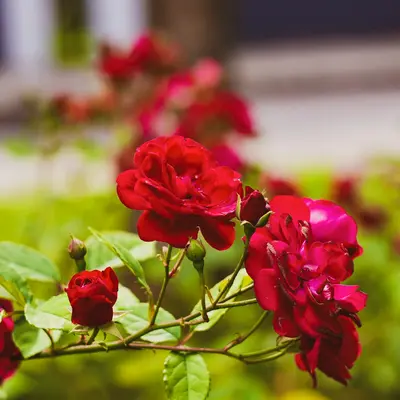
Bright candy-pink blooms for field or greenhouse production. Group 3-4: Warm season snapdragons are bred for optimal performance under long days, high light levels, and warm temperatures. Edible Flowers: The flowers are a colorful garnish for use in salads, desserts, and drinks. The flavor is floral and slightly bitter, so use sparingly.
Harvest
110-120d
Days to harvest
Sun
Full sun to partial shade
Zones
7–10
USDA hardiness
Height
0-3 feet
Planting Timeline
Showing dates for Potomac Cherry Rose in USDA Zone 7
All Zone 7 flower →Zone Map
Click a state to update dates
Potomac Cherry Rose · Zones 7–10
Growing Details
Succession Planting
Snapdragons tolerate light frost but stop setting new flower spikes once daytime highs push consistently past 80–85°F — at that point they look ragged and production stalls. In zone 7, start seeds indoors in February or March (they need 10–14 weeks before transplant), get them in the ground by late April, and plan on the spring flush wrapping up by late June or early July. For fall bloom, sow a second batch indoors in late July and transplant in early September; they'll carry through until a hard freeze finishes them.
Don't try to stagger weekly sowings the way you would with lettuce. The midsummer heat gap makes continuous succession pointless — plants started in June will just sit and sulk until temperatures drop. Two distinct rounds, spring and fall, is the practical cadence.
Complete Growing Guide
Bright candy-pink blooms for field or greenhouse production. Group 3-4: Warm season snapdragons are bred for optimal performance under long days, high light levels, and warm temperatures. Edible Flowers: The flowers are a colorful garnish for use in salads, desserts, and drinks. The flavor is floral and slightly bitter, so use sparingly. According to Johnny's Selected Seeds, Potomac Cherry Rose is 110 - 120 days to maturity, annual, hybrid (f1). Notable features: Easy Choice, Greenhouse Performer, Use for Cut Flowers and Bouquets, Edible Flowers, Fragrant.
Light: Full sun (6 or more hours of direct sunlight a day), Partial Shade (Direct sunlight only part of the day, 2-6 hours). Soil: High Organic Matter. Drainage: Good Drainage. Height: 0 ft. 6 in. - 3 ft. 0 in.. Spread: 0 ft. 6 in. - 0 ft. 10 in.. Spacing: Less than 12 inches. Growth rate: Medium. Maintenance: Medium.
Harvesting
Potomac Cherry Rose reaches harvest at 110 - 120 days from sowing per Johnny's Selected Seeds. As an annual, harvest continues until frost ends the season.
A capsule, half hidden by calyx lobes, short-beaked.
Type: Capsule. Length: 1-3 inches.
Storage & Preservation
Fresh-cut Potomac Cherry Rose flowers keep best in a clean vase with cool water, kept out of direct sunlight and away from ripening fruit (which emits ethylene gas). Store in a cool room (50-60°F) to extend vase life to 10-12 days; room temperature reduces longevity to 5-7 days. For preservation, freeze individual petals on a baking sheet, then transfer to freezer bags for up to 3 months—ideal for decorative use in frozen desserts. Alternatively, dry flowers by hanging upside-down in a dark, well-ventilated space for 2-3 weeks; dried flowers retain color beautifully and last indefinitely in airtight containers. Crystallizing petals with egg white and fine sugar creates an elegant edible decoration that stores for several weeks in a cool, dry place.
History & Origin
Potomac Cherry Rose is an F1 hybrid developed through controlled cross-pollination. Listed in the Johnny's Selected Seeds catalog.
Origin: Southwestern Europe
Advantages
- +Bright candy-pink blooms provide striking visual appeal for commercial field production.
- +Group 3-4 breeding ensures excellent performance under warm season greenhouse conditions.
- +Edible flowers offer premium market value as colorful garnish for fine dining.
- +Easy difficulty rating makes Potomac Cherry Rose suitable for beginner growers.
- +110-120 day maturity allows reasonable timeframe for both field and greenhouse crops.
Considerations
- -Floral bitter flavor limits culinary appeal and requires careful portion control usage.
- -Warm season requirement restricts growing windows in cooler climate regions.
- -Snapdragons susceptible to rust and powdery mildew under high humidity conditions.
- -Requires consistent deadheading to maintain continuous blooming and prevent early decline.
Companion Plants
Marigolds are the most practical companion here. French marigolds (Tagetes patula) release thiophenes from their roots that suppress soil nematodes, and their scent disrupts aphids scouting for a landing spot — which matters because Myzus persicae hits snapdragons hard once a colony establishes. Plant them 12 inches out from the snapdragon row, not so close they shade the base. Lavender and catmint pull in pollinators and beneficial predatory wasps without competing much for water or root space; both run deep, drought-tolerant roots that don't poach moisture from the shallower snapdragon zone. Chives and garlic work a similar deterrent angle — their sulfur compounds throw off aphids and thrips — and they stay low enough that shading isn't a concern.
Black walnut is the one companion to take seriously on the harmful side. The roots and decomposing leaf litter release juglone, a compound that interferes with cellular respiration in sensitive plants, and snapdragons fall squarely in that sensitive category. Don't plant Potomac Cherry Rose within 50 feet of a mature specimen. Large trees more broadly cause trouble through canopy shade rather than chemistry — this hybrid wants 4 to 6 hours of direct sun, and a dense overhead canopy will cut that faster than you'd expect. Brassicas compete aggressively for nitrogen in the top 12 inches of soil, right where snapdragon roots are active, so keep them in a separate bed.
Plant Together
Lavender
Repels aphids, spider mites, and other rose pests while attracting beneficial pollinators
Marigolds
Deters nematodes and aphids, helps protect rose roots from soil pests
Garlic
Natural fungicide properties help prevent black spot and powdery mildew on roses
Chives
Repels aphids and Japanese beetles while improving soil health around roses
Catmint
Deters ants, aphids, and rodents while attracting beneficial insects
Alliums
Strong scent repels aphids, thrips, and other soft-bodied insects
Clematis
Compatible root systems and provides vertical interest without competing for nutrients
Parsley
Attracts beneficial insects like hoverflies that prey on rose aphids
Keep Apart
Black Walnut
Produces juglone toxin that inhibits rose growth and can cause wilting
Large Trees
Compete for water and nutrients while creating excessive shade that promotes fungal diseases
Brassicas
Heavy feeders that compete for nutrients and may attract pests harmful to roses
Pests & Disease Resistance
Common Pests
Aphids, spider mites, thrips
Diseases
Powdery mildew, rust, root rot in poorly drained soil
Troubleshooting Potomac Cherry Rose
What you'll see, why it happens, and what to do about it.
White powdery coating on upper leaf surfaces, usually appearing mid-season when nights cool down
Likely Causes
- Powdery mildew (Erysiphe cichoracearum) — a fungal pathogen that thrives in warm days and cool, dry nights with poor airflow
- Plants spaced too close together, trapping humidity around the foliage
What to Do
- 1.Remove and trash (not compost) the worst-affected leaves immediately
- 2.Spray foliage with a diluted potassium bicarbonate solution or neem oil — do it early morning so leaves dry before evening
- 3.Next planting, space at the full 18 inches and don't overhead-water in the afternoon
Stunted, puckered growing tips with tiny insects visible on new growth or the undersides of leaves
Likely Causes
- Aphid colonies (commonly green peach aphid, Myzus persicae) feeding on soft new tissue
- Thrips (Frankliniella occidentalis) — harder to spot, but they rasp the leaf surface and leave silver streaking alongside the distortion
What to Do
- 1.Knock aphids off with a firm spray of water from the hose — do this 3 days in a row to break the cycle
- 2.For thrips, apply spinosad-based spray in the early morning when thrips are most active on the plant surface
- 3.Plant chives or garlic nearby as a deterrent for next season
Frequently Asked Questions
How long does Potomac Cherry Rose take to flower from seed?▼
Is Potomac Cherry Rose good for beginners?▼
Can you grow Potomac Cherry Rose in containers?▼
What do Potomac Cherry Rose flowers taste like?▼
When should I plant Potomac Cherry Rose seeds?▼
How often should I harvest or deadhead Potomac Cherry Rose?▼
Zone-by-Zone Planting Calendar
| Zone | Indoor Start | Transplant | Direct Sow | Harvest |
|---|---|---|---|---|
| Zone 3 | April – May | June – July | June – August | — |
| Zone 4 | March – April | June – June | June – July | — |
| Zone 5 | March – April | May – June | May – July | — |
| Zone 6 | March – April | May – June | May – July | — |
| Zone 7 | February – March | April – May | April – June | — |
| Zone 8 | February – March | April – May | April – June | — |
| Zone 9 | January – February | March – April | March – May | — |
| Zone 10 | January – January | February – March | February – April | — |
| Zone 1 | May – June | July – August | July – September | — |
| Zone 2 | April – May | June – July | June – August | — |
| Zone 11 | January – January | January – February | January – March | — |
| Zone 12 | January – January | January – February | January – March | — |
| Zone 13 | January – January | January – February | January – March | — |
Growing Guides from Wind River Greens
Sources & References
External authority sources used in compiling this guide.
- BreederJohnny's Selected Seeds
See the Methodology page for how this data is sourced, what's AI-assisted, and known limitations.