New England Aster
Symphyotrichum novae-angliae
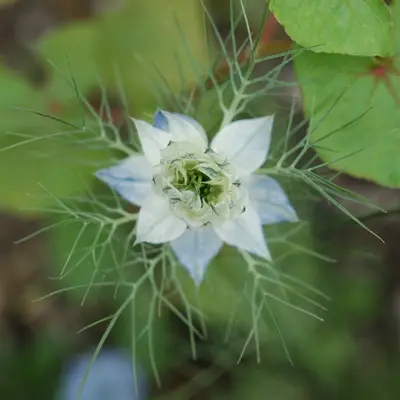
The crown jewel of fall-blooming wildflowers, this spectacular native transforms into clouds of tiny purple flowers just when most gardens are winding down. Essential for monarch butterfly migration and beloved by over 100 native bee species, it provides crucial late-season nectar when little else is blooming. The impressive 3-6 foot tall plants create dramatic backdrops and naturalize beautifully in wildflower meadows.
Harvest
365-450d
Days to harvest
Sun
Full sun to partial shade
Zones
4–8
USDA hardiness
Height
3-7 feet
Planting Timeline
Showing dates for New England Aster in USDA Zone 7
All Zone 7 native-wildflower →Zone Map
Click a state to update dates
New England Aster · Zones 4–8
Growing Details
Complete Growing Guide
Light: Full sun (6 or more hours of direct sunlight a day), Partial Shade (Direct sunlight only part of the day, 2-6 hours). Soil: Clay, High Organic Matter. Drainage: Good Drainage, Moist, Occasionally Dry. Height: 3 ft. 0 in. - 7 ft. 0 in.. Spread: 2 ft. 0 in. - 3 ft. 0 in.. Spacing: 12 inches-3 feet. Maintenance: Medium. Propagation: Seed. Regions: Mountains, Piedmont.
Harvesting
The herb produces a dry seed (achene) that displays from October to November.
Type: Achene.
Harvest time: Fall
Storage & Preservation
New England Aster is primarily grown as a living ornamental plant rather than harvested for storage. For cut flowers, place stems in cool water immediately after cutting and refrigerate at 35-40°F with high humidity (80-90%) to extend vase life to 7-10 days. Preserve dried flowers by hanging bundles upside-down in a cool, dark, well-ventilated space for 2-3 weeks. For seed saving, allow flowers to dry on the plant, collect seed heads in fall, and store seeds in a cool, dry location at 40°F or below in sealed containers for spring planting.
History & Origin
Native to northeastern North America, this aster species has been valued for generations as a wildflower staple rather than a deliberate breeding creation. Symphyotrichum novae-angliae evolved naturally throughout New England and the eastern United States, earning its common name from this region of origin. Unlike many ornamental varieties developed through formal breeding programs, the New England Aster represents a heritage tradition of native plant appreciation, with gardeners and naturalists simply collecting and propagating seeds from wild populations for centuries. Its prominence in fall gardens reflects recognition of its ecological importance rather than recent horticultural innovation.
Origin: Eastern North America
Advantages
- +Attracts: Butterflies, Pollinators, Predatory Insects, Small Mammals, Songbirds, Specialized Bees
Companion Plants
The native meadow companions — Purple Coneflower (Echinacea purpurea), Black-eyed Susan (Rudbeckia hirta), Goldenrod (Solidago spp.), and Little Bluestem Grass (Schizachyrium scoparium) — pair well with New England Aster because they share the same basic requirements: full sun, lean-to-average soil, and good drainage. They also bloom in sequence, keeping the planting active for pollinators from June through hard frost. In our zone 7 Georgia garden, Goldenrod and Aster overlapping in October draws more native bees than almost anything else we grow. Little Bluestem is worth calling out specifically — at 18-24 inches, its clumps fill the base of the taller asters without competing hard for water or light, and the winter seed heads have their own value for birds.
Keep New England Aster away from Black Walnut (Juglans nigra). The roots and decomposing leaf litter release juglone, a compound toxic to a wide range of plants, and asters are sensitive to it. Dense stands of Tall Fescue (Festuca arundinacea) cause a subtler problem — the grass puts out allelopathic compounds and its thick root mat crowds out the aster's fibrous roots, especially during the first season of establishment. Autumn Olive (Elaeagnus umbellata) is a different category of problem: it's a state-listed invasive shrub in Georgia and will overtop and shade out everything nearby within a few years.
Plant Together
Purple Coneflower
Shares similar growing conditions and attracts beneficial pollinators while extending bloom season
Black-eyed Susan
Complementary bloom times and both support native butterfly and bee populations
Wild Bergamot
Natural pest deterrent that repels ants and rodents while attracting beneficial insects
Goldenrod
Blooms simultaneously providing abundant nectar for migrating monarchs and other pollinators
Little Bluestem Grass
Provides structural support and creates natural prairie ecosystem while improving soil drainage
Joe Pye Weed
Attracts butterflies and beneficial insects while providing wind protection for shorter asters
Wild Ginger
Acts as living mulch suppressing weeds and retaining soil moisture around aster roots
Yarrow
Improves soil health and attracts predatory insects that control aphids and other aster pests
Keep Apart
Black Walnut
Produces juglone toxin that inhibits growth and can kill asters and most other plants
Dense Plantings of Tall Fescue
Aggressive grass that outcompetes asters for nutrients and releases allelopathic compounds
Autumn Olive
Invasive shrub that creates dense shade and outcompetes native asters for resources
Pests & Disease Resistance
Resistance
Good disease resistance, may get powdery mildew on lower leaves
Common Pests
Aphids, lace bugs, generally pest-resistant
Diseases
Powdery mildew, rust, white smut (rarely serious)
Troubleshooting New England Aster
What you'll see, why it happens, and what to do about it.
White powdery coating on leaves and stems, usually appearing mid-summer on lower foliage first
Likely Causes
- Powdery mildew (Golovinomyces cichoracearum) — worsened by poor airflow and warm, humid days with cool nights
- Plants spaced too close together, under 24 inches apart
What to Do
- 1.Cut affected stems back by one-third in late June or early July — this also encourages bushier growth and more blooms
- 2.Space plants at least 24-36 inches apart and thin any crowded clumps in spring
- 3.If it's severe, apply a dilute neem oil spray (2 tbsp per gallon) every 7-10 days until symptoms stop spreading
Orange or rust-colored pustules on the undersides of leaves, with yellow spotting on top
Likely Causes
- Aster rust (Coleosporium asterum) — a fungal pathogen that spreads by spores in wet conditions
- Overhead watering or prolonged leaf wetness
What to Do
- 1.Remove and bag affected leaves — don't compost them
- 2.Switch to drip irrigation or water at the base to keep foliage dry
- 3.Apply a sulfur-based fungicide if infection is widespread; follow label intervals, typically every 7-14 days
Stippled, bronzed, or bleached-looking foliage, sometimes with tiny dark specks on leaf undersides
Likely Causes
- Lace bugs (Corythucha marmorata) — common aster pest; they feed on cell contents from the underside of leaves
- Drought stress, which makes plants more susceptible to lace bug feeding damage
What to Do
- 1.Flip leaves and look for the flat, lacy-winged adults and dark excrement spots — confirm the pest before treating
- 2.Knock them off with a strong spray of water from a hose; repeat every 3-4 days for two weeks
- 3.Keep plants watered to 1-1.5 inches per week during dry spells — stressed plants take more damage
Soft, curled new growth; sticky residue on stems and leaves; ants moving up and down the plant
Likely Causes
- Aphid colonies (commonly Uroleucon or Macrosiphum species) congregating on tender shoot tips
- Ants farming the aphids for honeydew, which discourages natural predator activity
What to Do
- 1.Blast colonies off with a firm stream of water — do this in the morning so foliage dries quickly
- 2.If colonies persist after 5-7 days, apply insecticidal soap directly to affected stems; avoid spraying open flowers where pollinators are foraging
- 3.Plant yarrow or wild bergamot within a few feet to draw in parasitic wasps that will knock back aphid populations on their own
Frequently Asked Questions
When should I plant New England Aster?▼
Is New England Aster good for beginner gardeners?▼
Can you grow New England Aster in containers?▼
How tall does New England Aster grow?▼
Why is New England Aster important for pollinators?▼
What light conditions does New England Aster need?▼
Zone-by-Zone Planting Calendar
Growing Guides from Wind River Greens
Sources & References
External authority sources used in compiling this guide.
- ExtensionNC State Extension
See the Methodology page for how this data is sourced, what's AI-assisted, and known limitations.