Northland Blueberry
Vaccinium corymbosum 'Northland'
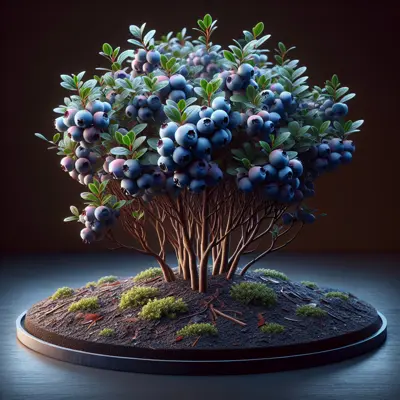
A cold-hardy, half-high blueberry bush that's perfect for northern gardeners and smaller spaces. This reliable variety produces abundant crops of medium-sized, sweet berries and offers beautiful fall color, making it both productive and ornamental in the landscape.
Sun
Full sun to partial shade
Zones
3–8
USDA hardiness
Height
6-12 feet
Planting Timeline
Showing dates for Northland Blueberry in USDA Zone 7
All Zone 7 berry →Zone Map
Click a state to update dates
Northland Blueberry · Zones 3–8
Growing Details
Complete Growing Guide
This cold-hardy half-high cultivar thrives in USDA zones 3–7 and actually requires winter chill hours (800–900) to set fruit properly, making it ideal for northern regions where other blueberries struggle. Plant in early spring or fall in acidic soil (pH 4.5–5.5) with full sun and excellent drainage to prevent root rot, a common issue in poorly draining sites. Northland produces fruit on second-year wood, so avoid heavy pruning in the first two seasons to maximize yields. The variety is relatively pest-resistant but watch for spider mites during hot, dry spells and blueberry maggot flies in mid-summer—timely netting or monitoring prevents crop loss. Unlike taller highbush varieties, Northland's compact, spreading habit (6–12 feet) makes it manageable without constant pruning, though a practical tip is to plant at least one compatible pollinator nearby, such as Duke or Patriot, to ensure consistent berry set and larger fruit size.
Light: Full sun (6 or more hours of direct sunlight a day), Partial Shade (Direct sunlight only part of the day, 2-6 hours). Soil: Clay, Loam (Silt), Sand. Soil pH: Acid (<6.0). Drainage: Good Drainage, Moist, Occasionally Dry. Height: 6 ft. 0 in. - 12 ft. 0 in.. Spread: 6 ft. 0 in. - 10 ft. 0 in.. Spacing: 6-feet-12 feet. Growth rate: Medium. Maintenance: Medium. Propagation: Seed, Stem Cutting. Regions: Mountains, Piedmont.
Harvesting
Northland blueberries are ready for harvest when they transition from blue to a deep, dark navy color with a silvery bloom coating, typically reaching three-quarter to full inch in diameter. Gently squeeze to confirm they yield slightly under pressure without mushiness, indicating peak ripeness. Rather than harvesting all berries at once, pick continuously over two to three weeks as berries mature progressively throughout the season, which encourages ongoing production and ensures optimal flavor development. A valuable timing tip specific to Northland is to harvest in early morning after dew dries but before heat stresses the fruit, as this cultivar's medium-sized berries are particularly susceptible to shriveling in afternoon heat.
Blue to purple small round fruits that show up in August, ripening from a green to pink color to full ripeness. Females cannot produce fruit on their own. Fruit is edible.
Color: Blue, Green, Pink, Purple/Lavender. Type: Berry. Length: < 1 inch. Width: < 1 inch.
Garden value: Edible
Harvest time: Summer
Edibility: The berries are edible and have been used raw, sun-dried. smoke-dried, and baked. They have high iron content.
Storage & Preservation
Fresh Northland blueberries keep best when stored unwashed in the refrigerator in their original container or a breathable container lined with paper towels. They'll maintain quality for 7-10 days at 32-35°F with high humidity. Don't wash until ready to use, as moisture promotes decay.
For freezing, spread unwashed berries on baking sheets in a single layer and freeze solid before transferring to freezer bags – this prevents clumping. Frozen berries maintain quality for up to one year. Northland's firm texture makes it excellent for dehydrating into dried blueberries using a dehydrator or low oven. The variety's balanced sweet-tart flavor also makes exceptional jams and preserves that capture the classic blueberry taste. Their medium size and firm flesh hold up well in baked goods even after freezing.
History & Origin
Northland Blueberry was developed in the 1950s through the University of Minnesota's breeding program, which sought to create cold-hardy blueberry cultivars suitable for northern climates where traditional highbush varieties struggled. As a half-high blueberry, Northland represents a cross between highbush and lowbush genetics, combining the productive capacity of cultivated varieties with the winter hardiness of wild blueberry ancestry. The variety emerged from systematic selection efforts aimed at expanding blueberry cultivation into colder regions, becoming one of the program's most successful releases. While specific parentage details remain somewhat limited in readily available documentation, Northland's development reflects mid-twentieth-century horticultural innovation focused on adapting premium fruit crops to challenging northern growing conditions.
Origin: Eastern North America
Advantages
- +Excellent cold hardiness makes Northland ideal for northern climate gardens
- +Half-high growth fits small spaces and containers better than tall varieties
- +Produces abundant medium-sized sweet berries with reliable annual crops
- +Attractive fall foliage adds ornamental value beyond fruit production
- +Easy to moderate care requirements suit beginner to intermediate gardeners
Considerations
- -Susceptible to mummy berry and anthracnose in humid growing conditions
- -Requires acidic soil pH between 4.5-5.5, limiting planting flexibility
- -Birds heavily target ripe berries, necessitating netting for protection
- -Medium berry size produces less fruit per harvest than larger cultivars
Companion Plants
Azaleas, rhododendrons, and heather aren't just visually compatible with Northland — they're acid-lovers that thrive in the same pH 4.5–5.5 soil, so you're not fighting competing soil chemistry. Pine trees do double duty: their dropped needles slowly acidify the soil over multiple seasons, and their roots run deep enough that they don't compete with blueberry's shallow feeding zone (mostly the top 12–18 inches). Strawberries and cranberries fill in ground-level space without crowding the canopy, and both handle the consistent moisture and low pH that blueberries demand. Thyme at the edges can confuse some flying insects and gets by on less water than the interior planting.
Black walnut produces juglone, a compound that leaches from roots and hulls and that Vaccinium species don't tolerate — keep at least 50 feet of distance. Brassicas and fennel are a subtler problem: both prefer neutral to slightly alkaline soil, so planting them close enough to share your amended ground pulls you into a constant pH tug-of-war that works against every adjustment you make for the blueberries.
Plant Together
Azalea
Both thrive in acidic soil conditions and have similar water requirements
Rhododendron
Shares acidic soil preference and provides wind protection for shallow blueberry roots
Pine Trees
Needle drop naturally acidifies soil and provides partial shade
Strawberries
Similar soil pH needs and act as living mulch to retain moisture
Cranberries
Both require acidic, well-draining soil and benefit from similar growing conditions
Ferns
Thrive in acidic conditions and provide ground cover to retain soil moisture
Heather
Prefers acidic soil and creates beneficial microclimate while attracting pollinators
Thyme
Tolerates acidic soil and acts as ground cover while repelling harmful insects
Keep Apart
Black Walnut
Produces juglone which is toxic to blueberries and inhibits their growth
Brassicas
Prefer alkaline soil conditions opposite to blueberry's acidic needs
Fennel
Allelopathic properties inhibit growth of nearby plants including berry bushes
Nutrition Facts
Per 100g serving. % Daily Value based on 2,000 calorie diet. Source: USDA FoodData Central (FDC #2346411)
Pests & Disease Resistance
Resistance
Good resistance to blueberry diseases, very cold hardy
Common Pests
Blueberry maggot, aphids, scale insects, birds
Diseases
Mummy berry, anthracnose, powdery mildew
Troubleshooting Northland Blueberry
What you'll see, why it happens, and what to do about it.
Shriveled, mummified berries hanging on the bush or dropping early, often with a gray-tan cast
Likely Causes
- Mummy berry (Monilinia vaccinii-corymbosi) — a fungal disease that overwinters in infected fruit on the ground and shoots spores up onto new blossoms in spring
- Poor air circulation around the canopy
What to Do
- 1.Rake up and dispose of all dropped berries and leaf litter in fall — don't compost them, bag them
- 2.Apply a 3-4 inch layer of fresh wood chip mulch in early spring to physically block spore release from the soil
- 3.If you've had mummy berry before, apply a copper-based fungicide at bud swell, before blossoms open
Leaves stippled or curled, with sticky residue on stems and leaves, sometimes with a black sooty coating
Likely Causes
- Blueberry aphid (Illinoia pepperi) — clusters on new growth and undersides of leaves
- Sooty mold fungus growing on aphid honeydew as a secondary problem
What to Do
- 1.Knock aphids off with a firm spray of water from the hose — do this in the morning so the foliage dries before evening
- 2.If populations are heavy, spray with insecticidal soap, making sure to hit the undersides of leaves
- 3.Sooty mold clears on its own once the aphid infestation is gone; no separate treatment needed
Ripe or near-ripe berries disappearing overnight or found half-eaten on the ground
Likely Causes
- Birds — robins, starlings, and cedar waxwings in particular will strip a bush in a day or two
- Chipmunks or squirrels, especially for fruit on branches below 3 feet
What to Do
- 1.Net the bushes with 3/4-inch bird netting before berries start to color up — waiting until they're ripe is too late
- 2.Anchor the netting at the base so birds don't walk underneath it
- 3.For squirrels, a hardware cloth cage around individual bushes is the only thing that's reliably effective
Frequently Asked Questions
How long does Northland blueberry take to produce fruit?▼
Can you grow Northland blueberries in containers?▼
What does Northland blueberry taste like?▼
When should I plant Northland blueberry bushes?▼
Is Northland blueberry good for beginners?▼
Do Northland blueberries need a pollinator?▼
Zone-by-Zone Planting Calendar
Growing Guides from Wind River Greens
Sources & References
External authority sources used in compiling this guide.
See the Methodology page for how this data is sourced, what's AI-assisted, and known limitations.