Hawaiian Pink Banana
Musa acuminata 'Hawaiian Pink'
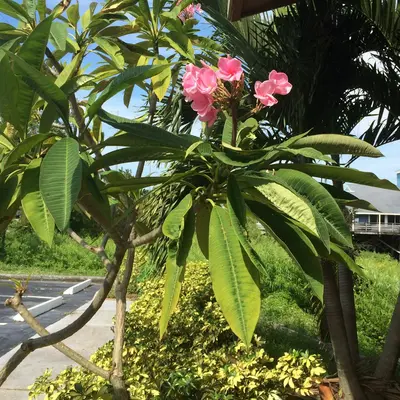
A stunning ornamental banana that produces vibrant pink bracts and edible sweet fruits. This compact variety is perfect for tropical gardens and brings an exotic Hawaiian paradise feel to any landscape. The dramatic pink flowering display makes it as much a conversation piece as it is a fruit producer.
Harvest
12-18d
Days to harvest
Sun
Full sun to partial shade
Zones
10–11
USDA hardiness
Height
12-20 feet
Planting Timeline
Showing dates for Hawaiian Pink Banana in USDA Zone 10
All Zone 10 tropical →Zone Map
Click a state to update dates
Hawaiian Pink Banana · Zones 10–11
Growing Details
Complete Growing Guide
Light: Full sun (6 or more hours of direct sunlight a day), Partial Shade (Direct sunlight only part of the day, 2-6 hours). Soil: Clay, High Organic Matter, Loam (Silt), Sand. Drainage: Good Drainage, Moist. Height: 12 ft. 0 in. - 20 ft. 0 in.. Spread: 6 ft. 0 in. - 10 ft. 0 in.. Growth rate: Rapid. Maintenance: Medium. Propagation: Seed.
Harvesting
An elongated, peelable fruit with creamy flesh. Many commercial cultivars are often bred to be seedless.
Color: Black, Brown/Copper, Gold/Yellow, Green, Red/Burgundy. Type: Berry. Length: > 3 inches. Width: 1-3 inches.
Garden value: Edible, Showy
Storage & Preservation
Store freshly harvested Hawaiian Pink bananas at room temperature (68–72°F) away from direct sunlight until they reach your preferred ripeness, typically 3–5 days. Once ripe, move them to the refrigerator at 50–55°F with moderate humidity to extend shelf life to 7–10 days; the peel may darken, but the flesh remains excellent. Keep them in a breathable container or mesh bag to prevent moisture buildup.
For preservation, freezing works exceptionally well for smoothies—peel, slice, and freeze on a tray before bagging. Dried slices retain their sweet, creamy character and make convenient snacks; use a dehydrator at 135°F for 8–12 hours. The thin, delicate skin of this variety browns quickly once cut, so prepare and preserve within a few hours of opening for best results and minimal oxidation.
History & Origin
Origin: Southeast Asia, India, Indonesia
Advantages
- +Vibrant pink bracts create stunning ornamental display in tropical gardens
- +Produces sweet, creamy edible fruits with less starch than cooking varieties
- +Compact growth habit suits smaller tropical landscapes and container gardening
- +Dual-purpose plant offering both visual interest and fruit production
- +Exotic Hawaiian aesthetic appeals to collectors and landscape designers
Considerations
- -Highly susceptible to Panama disease and black sigatoka fungus
- -Vulnerable to multiple pests including banana weevil and nematodes
- -Moderate difficulty level requires experienced tropical gardeners for success
- -Relatively short fruiting window of 12-18 days limits harvest period
Companion Plants
Lemongrass planted around the base does double duty — its dense root mat suppresses weeds and its volatile oils interfere with banana weevils (Cosmopolites sordidus) locating the corm. Ginger, turmeric, and taro share the same preference for moist, slightly acidic soil in the 5.5–7.0 pH range, so they fill the understory without drawing down the same water column the banana needs. Comfrey earns a spot on the edge of the planting: chop the leaves and drop them as mulch every 4–6 weeks and you're feeding potassium directly to the feeder roots. Black walnut is the one to plant nowhere near here — in the Southeast, plenty of gardeners inherit old walnut trees on their property, and juglone toxicity in the top 12 inches of soil is enough to collapse a young banana planting before you figure out what went wrong.
Plant Together
Lemongrass
Repels mosquitoes and other pests while providing wind protection
Ginger
Similar growing conditions, helps deter root nematodes and soil pests
Turmeric
Compatible root systems, natural fungicide properties protect against soil diseases
Taro
Complementary water needs and provides living mulch ground cover
Sweet Potato
Ground cover that suppresses weeds and doesn't compete for nutrients
Papaya
Similar tropical requirements, provides partial shade and wind protection
Comfrey
Deep roots bring nutrients to surface, excellent living mulch and fertilizer
Marigold
Repels nematodes and aphids, attracts beneficial insects
Keep Apart
Black Walnut
Releases juglone toxin that inhibits banana growth and fruit development
Eucalyptus
Allelopathic compounds suppress banana growth and compete aggressively for water
Pine Trees
Acidify soil beyond banana tolerance and create excessive shade
Nutrition Facts
Per 100g serving. % Daily Value based on 2,000 calorie diet. Source: USDA FoodData Central (FDC #173944)
Pests & Disease Resistance
Resistance
Moderate resistance to banana streak virus, susceptible to Panama disease
Common Pests
Aphids, nematodes, banana weevil, scale insects
Diseases
Black sigatoka, Panama disease, banana bunchy top virus
Troubleshooting Hawaiian Pink Banana
What you'll see, why it happens, and what to do about it.
Leaves showing dark brown or black streaks with yellow halos, spreading fast across the canopy
Likely Causes
- Black sigatoka (Mycosphaerella fijiensis) — a fungal disease that spreads rapidly in humid, wet conditions
- Poor airflow from tight spacing under 6 feet between plants
What to Do
- 1.Remove and bag heavily infected leaves immediately — don't compost them
- 2.Space plants at least 6-8 feet apart and clear surrounding vegetation to improve airflow
- 3.Apply a copper-based fungicide on a 10-14 day schedule during wet seasons, following label rates
Plant wilting and yellowing from the ground up, with reddish-brown discoloration visible when you cut the pseudostem crosswise
Likely Causes
- Panama disease (Fusarium oxysporum f. sp. cubense) — a soil-borne fungal pathogen with no chemical cure once established
- Infected planting material or tools brought in from another site
What to Do
- 1.Pull and destroy the entire plant, including as much of the root mass as you can dig — do not replant bananas in that spot for at least 5 years
- 2.Sterilize shovels and cutting tools with a 10% bleach solution between plants
- 3.Source only certified disease-free suckers or tissue-culture starts for future plantings
Frequently Asked Questions
How long does it take for Hawaiian Pink Banana to produce fruit?▼
Can you grow Hawaiian Pink Banana in containers?▼
Is Hawaiian Pink Banana good for beginners?▼
What does Hawaiian Pink Banana taste like?▼
How much sun does Hawaiian Pink Banana need?▼
What pests should I watch for on Hawaiian Pink Banana?▼
Zone-by-Zone Planting Calendar
Growing Guides from Wind River Greens
Sources & References
External authority sources used in compiling this guide.
- ExtensionNC State Extension
- USDAUSDA FoodData Central
See the Methodology page for how this data is sourced, what's AI-assisted, and known limitations.