Cutleaf Coneflower
Rudbeckia laciniata
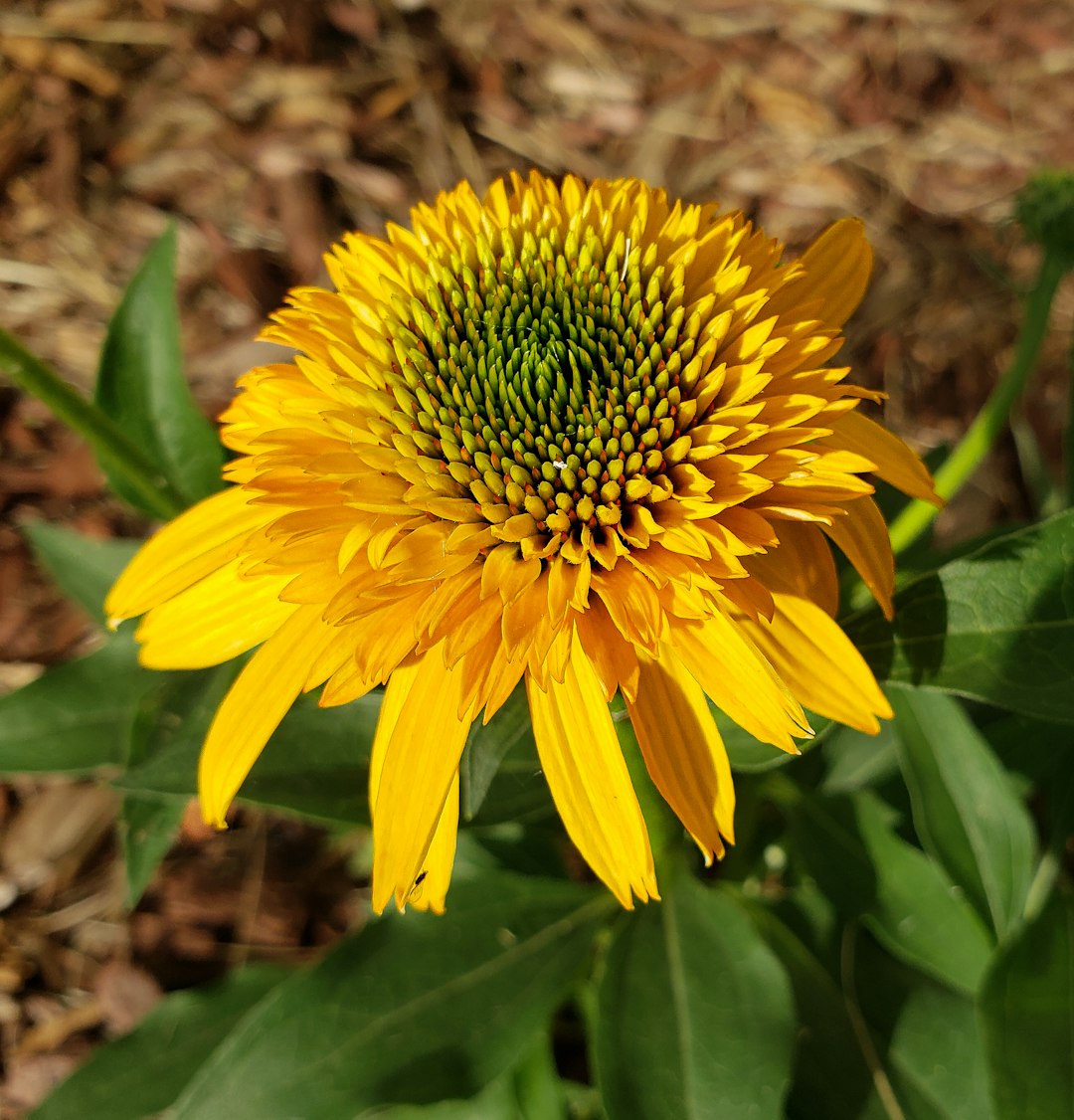
Cutleaf Coneflower (Rudbeckia laciniata) is a perennial native wildflower. Hardy in USDA zones 3 to 9.
Sun
Full sun to partial shade
Zones
3–9
USDA hardiness
Height
3-10 feet
Planting Timeline
Showing dates for Cutleaf Coneflower in USDA Zone 7
All Zone 7 native-wildflower →Zone Map
Click a state to update dates
Cutleaf Coneflower · Zones 3–9
Growing Details
Complete Growing Guide
Light: Full sun (6 or more hours of direct sunlight a day), Partial Shade (Direct sunlight only part of the day, 2-6 hours). Soil: Clay, High Organic Matter, Loam (Silt), Sand. Soil pH: Acid (<6.0), Alkaline (>8.0), Neutral (6.0-8.0). Drainage: Good Drainage, Moist. Height: 3 ft. 0 in. - 10 ft. 0 in.. Spread: 1 ft. 6 in. - 3 ft. 0 in.. Growth rate: Rapid. Maintenance: High, Medium. Propagation: Division. Regions: Coastal, Mountains, Piedmont.
Harvesting
Displays from August to November
Type: Achene.
Harvest time: Fall
Storage & Preservation
Cut flower arrangements last 7–10 days in a vase with fresh water changed every 2–3 days; add flower food if available. For seed preservation, the most practical method is dry storage: collect fully ripened seed heads as described above, store them whole in paper envelopes in a cool, dry location (50–60°F, low humidity), and keep for up to 2 years with minimal viability loss. Alternatively, clean seeds can be stored in airtight containers with silica gel packets in a cool basement or refrigerator for 2–3 years. For winter interest, allow mature seed heads to remain on plants outdoors; they persist through winter and provide food for finches and other wildlife, then naturally scatter seeds the following spring.
History & Origin
Rudbeckia laciniata is native to eastern and central North America, where it has grown wild for centuries across meadows, woodlands, and wetland margins. The species name "laciniata" refers to the deeply cut or lacerated leaves that distinguish it from related Rudbeckia species. Unlike many ornamental plants, Cutleaf Coneflower was not developed through deliberate breeding programs but rather appreciated and cultivated from wild populations by gardeners and horticulturists who recognized its ornamental and ecological value. Its introduction to gardens occurred gradually through the nineteenth century as native plant appreciation grew, though specific documentation of early cultivators or institutional introductions remains limited in available horticultural records.
Origin: Eastern North America
Advantages
- +Attracts: Butterflies, Pollinators, Small Mammals, Songbirds
- +Fast-growing
Considerations
- -High maintenance
Companion Plants
Purple Coneflower (Echinacea purpurea), Black-eyed Susan (Rudbeckia hirta), and New England Aster bloom on a staggered schedule alongside Rudbeckia laciniata, so pollinators have something to visit from June through October without a gap. Pairing it with Little Bluestem or Switchgrass adds structural contrast and fills in at the root zone without much competition — grasses and forbs tend to draw from different soil depths. Wild Bergamot pulls in parasitic wasps that knock back aphid populations, which makes it genuinely useful in a mixed native planting rather than just decorative.
Crown Vetch (Coronilla varia), Purple Loosestrife (Lythrum salicaria), and Tree of Heaven (Ailanthus altissima) are all invasives, and invasives don't just compete — they rewrite the site. Crown Vetch and Loosestrife can crowd a native planting into nothing within 2-3 seasons. Tree of Heaven produces allelopathic root compounds that chemically suppress neighboring plants. If any of these are already on your property, deal with them before you put natives in the ground, not after.
Plant Together
Purple Coneflower
Similar growing conditions and bloom times, attracts beneficial pollinators together
Black-eyed Susan
Complementary bloom periods, shared native habitat requirements and pollinator attraction
Wild Bergamot
Attracts beneficial insects and provides natural pest control through aromatic compounds
Little Bluestem Grass
Provides structural support and creates natural prairie ecosystem partnership
New England Aster
Extends pollinator season with late summer blooms, shares similar soil preferences
Prairie Dropseed
Native grass companion that improves soil structure and provides winter interest
Yarrow
Attracts beneficial predatory insects and improves soil through deep taproot
Switchgrass
Creates natural windbreak and habitat diversity in prairie plantings
Keep Apart
Crown Vetch
Aggressive spreader that can outcompete and smother native wildflowers
Tree of Heaven
Releases allelopathic chemicals that inhibit growth of native plants
Purple Loosestrife
Invasive species that monopolizes water and nutrients, crowding out natives
Pests & Disease Resistance
Common Pests
Japanese beetles, leaf beetles, aphids (occasionally)
Diseases
Powdery mildew, rust
Troubleshooting Cutleaf Coneflower
What you'll see, why it happens, and what to do about it.
White powdery coating on leaves and stems, usually showing up mid-to-late summer
Likely Causes
- Powdery mildew (Erysiphe cichoracearum or related species) — common in humid conditions with poor airflow
- Plants spaced too close together, or sited in heavy shade where foliage stays damp
What to Do
- 1.Cut affected stems back hard — Rudbeckia laciniata is tough and will push new growth
- 2.Thin the clump if it's crowded; 18-24 inch spacing exists for a reason
- 3.Apply a diluted neem oil spray (2 tbsp per gallon) weekly until new growth looks clean
Orange or rust-colored pustules on leaf undersides, sometimes with yellow patches showing on top
Likely Causes
- Rudbeckia rust (Puccinia rudbeckiae) — a fungal pathogen that overwinters in plant debris
- Wet spring weather combined with poor air circulation around dense clumps
What to Do
- 1.Remove and bag infected leaves immediately — don't compost them
- 2.Cut the whole plant to the ground in fall and dispose of the debris to break the disease cycle
- 3.Switch to drip irrigation or soaker hoses; keeping foliage dry stops spore dispersal
Ragged holes chewed through leaves, or leaf surfaces skeletonized, appearing June through August
Likely Causes
- Japanese beetles (Popillia japonica) — they feed in groups and can strip sections fast
- Leaf beetles (family Chrysomelidae), which chew similar but less clustered damage
What to Do
- 1.Hand-pick Japanese beetles in the early morning when they're sluggish and drop them into soapy water
- 2.Skip the Japanese beetle traps — University of Kentucky research shows they pull in more beetles from the surrounding area than they actually catch
- 3.Tolerate moderate damage; at 3-10 feet tall, Rudbeckia laciniata carries enough leaf area that light infestations won't set it back
Frequently Asked Questions
How tall does Cutleaf Coneflower grow?▼
Can Cutleaf Coneflower be grown in containers?▼
When does Cutleaf Coneflower bloom?▼
Is Cutleaf Coneflower low-maintenance?▼
Does Cutleaf Coneflower need deadheading?▼
What is the difference between Cutleaf Coneflower and Black-eyed Susan?▼
Zone-by-Zone Planting Calendar
Growing Guides from Wind River Greens
Sources & References
External authority sources used in compiling this guide.
- ExtensionNC State Extension
See the Methodology page for how this data is sourced, what's AI-assisted, and known limitations.