Wild Blue Phlox
Phlox divaricata
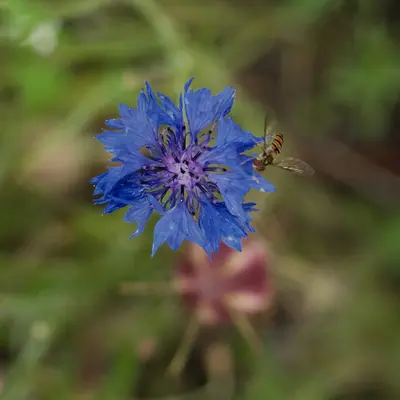
A woodland treasure that carpets forest floors with fragrant lavender-blue flowers in early spring. This spreading perennial creates stunning drifts of color before trees leaf out, making it perfect for naturalizing in shade gardens or woodland borders. The sweet-scented blooms attract early butterflies and other pollinators emerging from winter.
Sun
Partial shade
Zones
3–8
USDA hardiness
Height
6-12 inches
Planting Timeline
Showing dates for Wild Blue Phlox in USDA Zone 7
All Zone 7 native-wildflower →Zone Map
Click a state to update dates
Wild Blue Phlox · Zones 3–8
Growing Details
Complete Growing Guide
Light: Dappled Sunlight (Shade through upper canopy all day), Deep shade (Less than 2 hours to no direct sunlight), Partial Shade (Direct sunlight only part of the day, 2-6 hours). Soil: Clay, High Organic Matter, Loam (Silt), Sand. Soil pH: Acid (<6.0), Neutral (6.0-8.0). Drainage: Good Drainage, Moist. Height: 0 ft. 6 in. - 1 ft. 0 in.. Spread: 0 ft. 10 in. - 1 ft. 8 in.. Spacing: Less than 12 inches, 12 inches-3 feet. Maintenance: Medium. Propagation: Division, Layering, Seed, Stem Cutting. Regions: Coastal, Mountains, Piedmont.
Harvesting
Fruit displays from March to July.
Type: Capsule.
Harvest time: Spring, Summer
Storage & Preservation
Wild Blue Phlox flowers are primarily used fresh for spring arrangements and last 7-10 days in a clean vase with floral preservative or fresh water changed every 2-3 days. Keep arrangements in cool conditions (below 70°F) away from ripening fruit and direct sunlight to extend vase life.
For drying, cut flower clusters just as they reach full bloom and hang upside-down in small bundles in a warm, dark, well-ventilated space. Drying takes 2-3 weeks. Once completely dry and papery, store in an airtight container with silica gel packets away from humidity. Properly dried phlox flowers retain color and shape for months and are excellent for dried arrangements.
You can also press individual florets between newspaper under heavy weight for 2-3 weeks to create botanical specimens for crafts or herbals. Pressed flowers store indefinitely in dry conditions between paper or in airtight containers.
History & Origin
Phlox divaricata is a native species to eastern North America with roots in the Appalachian woodlands and beyond, rather than a deliberately bred cultivar with a specific breeder or introduction date. This species has existed in wild populations for centuries, spreading naturally across forest understories from the eastern United States. The plant entered cultivation through the traditional heritage gardening practice of dividing and transplanting wild specimens, a common method for preserving native plants before modern plant breeding programs emerged. No single breeder can be credited with its development, as Wild Blue Phlox represents a natural species that gardeners have long appreciated and shared among themselves, making it a product of folk horticulture rather than formal breeding lines.
Origin: Eastern North America
Advantages
- +Attracts: Bees, Butterflies, Hummingbirds, Small Mammals
Companion Plants
Wild Ginger and Ferns are the most practical companions here — they share the same partial-shade, consistent-moisture niche and fill in at different heights without competing for root space. Virginia Bluebells bloom on a similar spring schedule and go dormant by summer, so the phlox picks up visual coverage right as the bluebells die back. Black Walnut is a hard no; its root exudate juglone damages cell membranes in sensitive plants, and Phlox divaricata shows enough susceptibility that anything inside the drip line of a mature tree is a gamble not worth taking. Mint spreads by rhizome — not by seed — and will physically displace phlox from a bed faster than most people expect, often within one growing season.
Plant Together
Wild Ginger
Provides complementary ground cover and thrives in similar partial shade conditions
Trillium
Shares similar woodland habitat preferences and blooming periods complement each other
Virginia Bluebells
Both prefer moist, rich soil and create beautiful spring color combinations
Wild Columbine
Attracts beneficial pollinators and thrives in similar light conditions
Coral Bells
Provides contrasting foliage texture and helps retain soil moisture
Ferns
Create natural woodland partnerships and help maintain consistent soil moisture
Wild Bergamot
Attracts butterflies and beneficial insects while deterring harmful pests
Astilbe
Shares preference for partial shade and moist soil conditions
Keep Apart
Black Walnut
Produces juglone which is toxic to phlox and inhibits root development
Mint
Aggressive spreading nature can overwhelm and outcompete wild phlox
Eucalyptus
Allelopathic compounds suppress growth of native wildflowers including phlox
Pests & Disease Resistance
Resistance
Generally disease resistant, may develop powdery mildew in humid conditions
Common Pests
Spider mites, phlox plant bug
Diseases
Powdery mildew, leaf spot
Troubleshooting Wild Blue Phlox
What you'll see, why it happens, and what to do about it.
White powdery coating on leaves and stems, usually showing up mid-summer when nights get humid
Likely Causes
- Powdery mildew (Erysiphe spp.) — a fungal disease that thrives in warm days and cool, humid nights
- Poor airflow from crowded planting at less than 8-inch spacing
What to Do
- 1.Thin out any stems crowding the center of the clump to open up airflow
- 2.Apply a dilute baking soda spray (1 tablespoon per gallon of water) at first sign; it won't cure established mildew but slows spread
- 3.Cut the whole plant back hard after bloom — it often pushes clean new growth
Small tan or brown spots with darker borders scattered across the leaves, sometimes causing early leaf drop
Likely Causes
- Leaf spot (Cercospora or Septoria spp.) — fungal, spreads by water splash from the soil surface
- Overhead watering that keeps foliage wet for extended periods
What to Do
- 1.Water at the base, not overhead — a soaker hose works well for groundcover-style plantings
- 2.Remove and bag (don't compost) the most affected leaves to reduce spore load
- 3.Mulch the soil surface with 2-3 inches of shredded leaves to cut down on splash
Stippled, bronzed, or silvery leaf surface — leaves may feel dry and look washed out, sometimes with fine webbing on undersides
Likely Causes
- Spider mites (Tetranychus urticae) — population explosions happen fast in hot, dry spells
- Water stress making the plant more susceptible
What to Do
- 1.Blast the undersides of leaves hard with a hose — spider mites hate water and this knocks a lot of them off
- 2.Keep soil consistently moist; a stressed, dry plant is far more vulnerable
- 3.If infestation is heavy, apply insecticidal soap (2 teaspoons per quart of water) every 5-7 days for 3 applications
Frequently Asked Questions
How long does Wild Blue Phlox take to flower from seed?▼
Can you grow Wild Blue Phlox in containers?▼
Is Wild Blue Phlox good for beginners?▼
What's the difference between Wild Blue Phlox and Garden Phlox?▼
When should I sow Wild Blue Phlox seeds?▼
How do I prevent powdery mildew on Wild Blue Phlox?▼
Zone-by-Zone Planting Calendar
Growing Guides from Wind River Greens
Sources & References
External authority sources used in compiling this guide.
- ExtensionNC State Extension
See the Methodology page for how this data is sourced, what's AI-assisted, and known limitations.