Sedum Autumn Joy
Hylotelephium spectabile 'Autumn Joy'
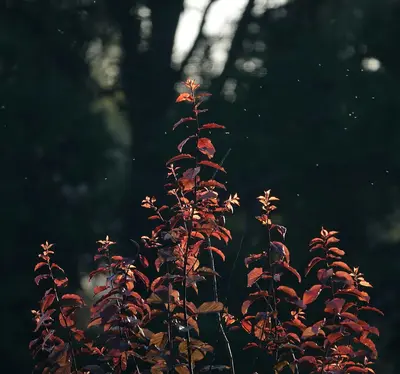
A hardy perennial succulent that transforms through the seasons, starting with pale green flower buds in summer that gradually deepen to rich pink, then bronze-red in fall, finally turning russet-brown for winter interest. This reliable garden workhorse forms sturdy clumps of thick, blue-green leaves and is beloved by butterflies and bees when in bloom. Its architectural form and seasonal color changes make it a cornerstone plant in both succulent gardens and traditional perennial borders.
Sun
Full sun to partial shade
Zones
4–9
USDA hardiness
Height
12-24 inches
Complete Growing Guide
Light: Full sun (6 or more hours of direct sunlight a day), Partial Shade (Direct sunlight only part of the day, 2-6 hours). Soil: Clay, Loam (Silt), Sand, Shallow Rocky. Soil pH: Acid (<6.0), Alkaline (>8.0), Neutral (6.0-8.0). Drainage: Good Drainage, Occasionally Dry. Height: 1 ft. 0 in. - 2 ft. 0 in.. Spread: 1 ft. 0 in. - 2 ft. 0 in.. Spacing: 12 inches-3 feet. Growth rate: Medium. Maintenance: Low. Propagation: Stem Cutting. Regions: Coastal, Mountains, Piedmont.
Harvesting
Seed heads can be left on for winter interest.
Type: Capsule. Length: < 1 inch. Width: < 1 inch.
Harvest time: Fall, Winter
Edibility: Stems and leaves, when very young and tender, may be eaten raw. Later, until they flower, they may be briefly cooked. Flavor is bland.
Storage & Preservation
Sedum Autumn Joy is an ornamental plant, not edible, so traditional food storage doesn't apply. However, if harvesting flower heads for fresh cut arrangements, place cut stems in a vase with clean water at room temperature. Change water every 2-3 days; flowers last approximately 2-3 weeks. For extended display, avoid direct sunlight and warm temperatures, which accelerate fading.
If you're propagating from cuttings, the preservation method involves drying rather than storing: allow harvested stem cuttings to air-dry in a warm, shaded location for 3-5 days until the cut end hardens and calluses over. This step prevents rot when inserting cuttings into soil. Store dried cuttings in a cool, dry place (50-60°F) for several weeks before planting if necessary, though immediate planting yields best results. Seed heads can be collected in late fall after flowers fully brown and flowers can be dried for winter arrangements by hanging bundles upside-down in a warm, dark location for 2-3 weeks.
History & Origin
Origin: China and Korea
Advantages
- +Attracts: Butterflies, Pollinators, Songbirds
- +Edible: Stems and leaves, when very young and tender, may be eaten raw. Later, until they flower, they may be briefly cooked. Flavor is bland.
- +Low maintenance
Considerations
- -Toxic (Flowers, Leaves, Stems): Low severity
Companion Plants
Lavender, Russian sage, and catmint all belong next to Autumn Joy for the same basic reason: they share nearly identical needs. All three want full sun, lean soil, and minimal water once established. That means no one plant gets over-watered to suit a fussier neighbor — which is the most reliable way to accidentally rot a sedum crown. Ornamental grasses and black-eyed Susan (Rudbeckia hirta) extend the dry-meadow palette well into fall; their deeper or more fibrous root systems don't compete directly with sedum's shallow, spreading roots, and the difference in texture holds the planting together from July through frost.
Echinacea and ornamental alliums bring something beyond good looks. Both attract parasitic wasps and predatory beetles that keep aphid pressure down across the whole bed. Yarrow does something similar, and its flat-topped flower heads give pollinators an easy landing pad right alongside the sedum's late-season nectar. NC State Extension notes Autumn Joy is a particularly strong late-season pollinator source — pairing it with these other long-bloomers stretches that window considerably.
Hostas, astilbe, and impatiens fail here for a straightforward reason: they're woodland or shade plants that need consistent moisture and rich, amended soil. Planting them alongside Autumn Joy means one of them loses badly. Either the sedum sits in soil that's too wet (crown rot risk climbs fast in anything below a 6.0 pH with poor drainage), or the shade lovers get cooked in full sun with intermittent watering. They're not bad plants — they just belong in a different bed.
Plant Together
Lavender
Similar drought tolerance and well-draining soil needs, repels pests
Echinacea
Similar sun and drainage requirements, attracts beneficial pollinators
Ornamental Grasses
Complementary textures, similar water requirements, provides winter interest
Russian Sage
Drought tolerant, similar soil preferences, extends bloom season
Black-eyed Susan
Compatible water needs, attracts pollinators that benefit sedum
Catmint
Repels aphids and ants, similar low-water requirements
Ornamental Alliums
Repels slugs and aphids, complementary bloom times and textures
Yarrow
Drought tolerant, attracts beneficial insects, similar soil preferences
Keep Apart
Hostas
Requires moist, rich soil and shade - opposite growing conditions
Impatiens
High water needs and shade preference conflict with sedum requirements
Astilbe
Needs consistently moist soil and partial shade, incompatible conditions
Pests & Disease Resistance
Resistance
Excellent disease resistance
Common Pests
Aphids, scale insects, slugs (occasionally)
Diseases
Crown rot in poorly draining soils, rarely affected by diseases
Troubleshooting Sedum Autumn Joy
What you'll see, why it happens, and what to do about it.
Stems collapsing at the base, crown mushy or blackened, often after a wet spring or heavy clay soil
Likely Causes
- Crown rot — most commonly Phytophthora or Pythium species thriving in waterlogged soil
- Planting too deep, burying the crown where moisture collects
What to Do
- 1.Dig the plant up and cut away any soft, rotted tissue with a clean knife; dust the cut surfaces with powdered sulfur before replanting
- 2.Amend the bed with coarse grit or pea gravel — 1 part grit to 2 parts existing soil — to open up drainage
- 3.Replant at or slightly above the surrounding soil level so the crown sits proud, not in a depression
Sticky residue on stems and flower heads, clusters of small soft-bodied insects visible, usually late spring through early summer
Likely Causes
- Aphids (most often green peach aphid, Myzus persicae) congregating on new growth and buds
- Absence of natural predators — ladybugs and lacewings — often due to broad-spectrum insecticide use nearby
What to Do
- 1.Knock aphids off with a firm stream of water from a hose; repeat every 2–3 days for a week
- 2.If infestation persists, apply insecticidal soap directly to the colonies — coat the undersides of leaves, not just the tops
- 3.Stop any broad-spectrum spraying in surrounding beds to let parasitic wasps and ladybugs reestablish
Frequently Asked Questions
How tall does Sedum Autumn Joy grow?▼
When do the flowers bloom on Sedum Autumn Joy?▼
Is Sedum Autumn Joy good for beginners?▼
Can you grow Sedum Autumn Joy in containers?▼
How do you propagate Sedum Autumn Joy?▼
Why is my Sedum Autumn Joy turning brown or mushy?▼
Growing Guides from Wind River Greens
Sources & References
External authority sources used in compiling this guide.
- ExtensionNC State Extension
See the Methodology page for how this data is sourced, what's AI-assisted, and known limitations.