Pink Turtlehead
Chelone lyonii
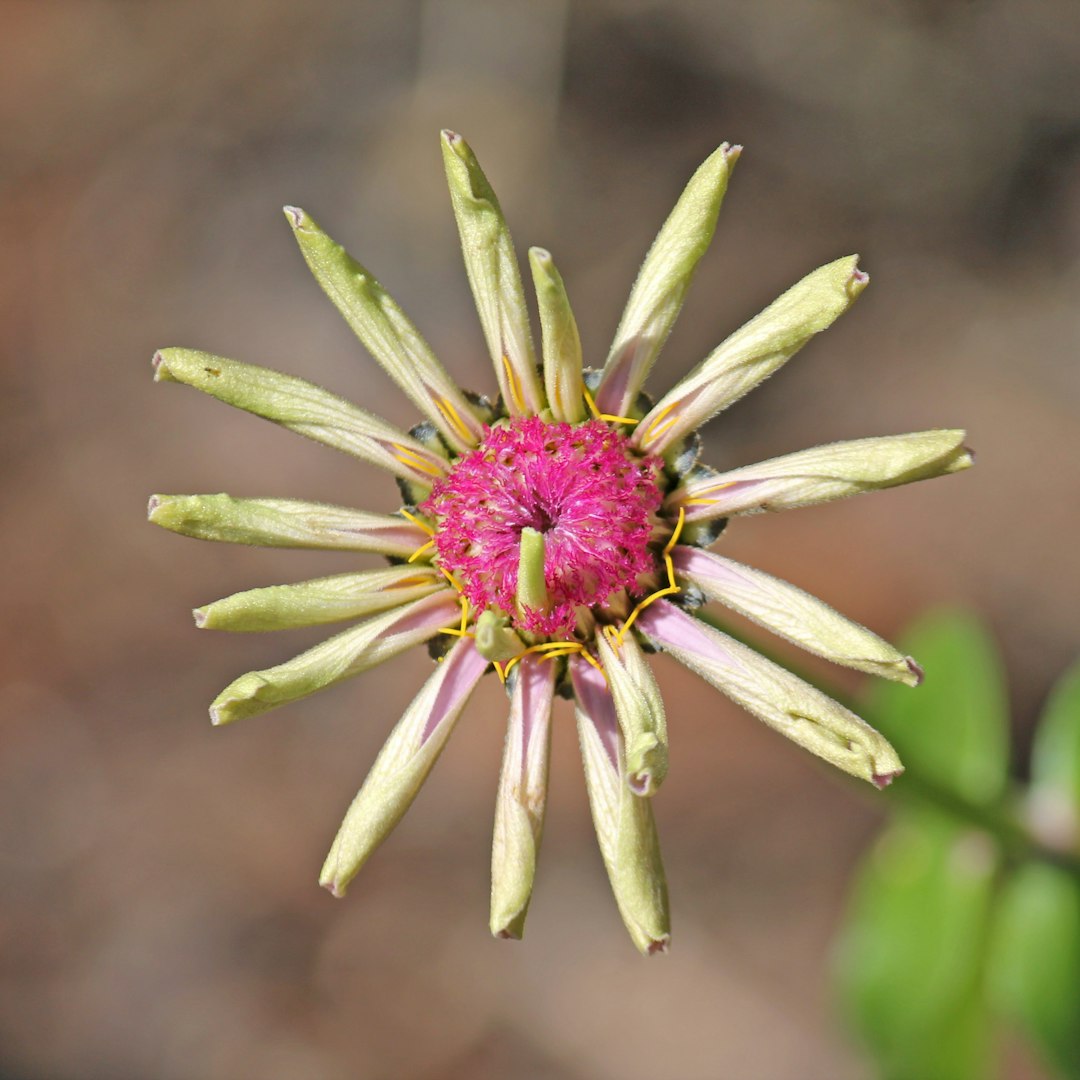
Pink Turtlehead (Chelone lyonii) is a perennial native wildflower. Hardy in USDA zones 3 to 8. Prefers full sun.
Sun
Full sun to partial shade
Zones
3–8
USDA hardiness
Height
2-4 feet
Planting Timeline
Showing dates for Pink Turtlehead in USDA Zone 7
All Zone 7 native-wildflower →Zone Map
Click a state to update dates
Pink Turtlehead · Zones 3–8
Growing Details
Complete Growing Guide
Light: Dappled Sunlight (Shade through upper canopy all day), Full sun (6 or more hours of direct sunlight a day), Partial Shade (Direct sunlight only part of the day, 2-6 hours). Soil: Clay, High Organic Matter, Loam (Silt). Soil pH: Neutral (6.0-8.0). Drainage: Moist, Occasionally Wet. Height: 2 ft. 0 in. - 4 ft. 0 in.. Spread: 1 ft. 6 in. - 2 ft. 6 in.. Spacing: 12 inches-3 feet. Growth rate: Medium. Maintenance: Low. Regions: Mountains, Piedmont.
Harvesting
1/2 inch long oval seed capsules are initial green and turn darker shades of brown when the seeds approach maturity. It splits to release seeds. Fruit displays in October.
Color: Brown/Copper, Green. Type: Capsule. Length: < 1 inch. Width: < 1 inch.
Harvest time: Fall
Storage & Preservation
As an ornamental perennial, Pink Turtlehead does not require post-harvest storage like edible crops. Fresh-cut flowers last 5–7 days in a vase with clean water changed every 2–3 days and stems re-cut at a 45-degree angle. For seed preservation, dry collected seed pods completely indoors on a screen or paper for 2–3 weeks, then store seeds in an airtight container in a cool, dry location (32–50°F ideally) for up to 2 years. Dried seed maintains viability best when stored in the refrigerator. If you wish to preserve the plant year-round in your garden, simply mulch the roots heavily (3–4 inches) in fall in zones 3–5 to protect crowns from winter frost, though the plant is extremely cold-hardy and rarely requires this in most of its range.
History & Origin
Origin: South Eastern U.S.A
Advantages
- +Unique tubular pink flowers attract hummingbirds and pollinators reliably
- +Hardy across wide climate range from zones 3 to 8
- +Low maintenance perennial requiring minimal fertilizer or pest management
- +Blooms late summer through fall when many gardens fade
Considerations
- -Requires consistently moist soil and struggles in dry conditions
- -Susceptible to powdery mildew in humid environments without air circulation
- -Slow to establish and spread compared to other native perennials
Companion Plants
Cardinal Flower, Swamp Milkweed, and Joe Pye Weed are the most practical neighbors for Pink Turtlehead. All three want consistently wet to moist soil and tolerate partial shade, so you're not forcing plants with incompatible needs into the same bed. Wild Bergamot adds height variation and extends the pollinator bloom window — the late-season bumblebees that work Chelone's narrow tubular flowers (built so tightly that only larger bees can pry them open) also visit both, so you're building a sequence rather than a single-moment display.
Black Walnut is the one to take seriously. Juglone — the allelopathic compound Juglans nigra produces in its roots and leaf litter — will run down a Turtlehead planting within a season or two; the effective zone extends well past the drip line, often 50-60 feet out. Crown Vetch and Purple Loosestrife are harmful for a different reason: both spread aggressively enough to swamp a clump-forming perennial like Chelone before you notice what's happening.
Plant Together
Cardinal Flower
Shares similar moist soil requirements and attracts complementary pollinators like hummingbirds
Astilbe
Thrives in same partial shade and moist conditions, provides contrasting foliage texture
Hosta
Compatible shade tolerance and moisture needs, offers broad leaves that complement turtlehead's narrow foliage
Wild Bergamot
Attracts beneficial insects that help with pest control and shares similar native habitat preferences
Joe Pye Weed
Both prefer wet meadow conditions and bloom in late summer, creating extended pollinator habitat
Ferns
Complement the woodland edge habitat and help retain soil moisture through their canopy
Wild Ginger
Serves as living ground cover, retaining moisture and suppressing weeds in shared shade conditions
Swamp Milkweed
Tolerates similar wet soil conditions and attracts butterflies that also visit turtlehead
Keep Apart
Black Walnut
Produces juglone toxin that inhibits growth of many native plants including turtlehead
Crown Vetch
Aggressive spreader that can outcompete and smother native wildflowers
Purple Loosestrife
Invasive wetland plant that dominates moisture-rich areas and crowds out native species
Troubleshooting Pink Turtlehead
What you'll see, why it happens, and what to do about it.
White powdery coating on leaves mid-summer, starting on upper leaf surfaces
Likely Causes
- Powdery mildew (Erysiphe or Golovinomyces spp.) — common on Chelone in humid conditions with poor airflow
- Overcrowded planting at less than 18-inch spacing trapping moisture around foliage
What to Do
- 1.Cut the worst-affected stems back to the base — the plant will push new growth
- 2.Thin any surrounding plants to open up airflow; 18-24 inches between crowns is the minimum
- 3.Apply a diluted neem oil spray (2 tsp per quart of water) every 7-10 days while symptoms persist
Stems collapsing or rotting at the soil line, especially after a wet spring
Likely Causes
- Crown rot from Phytophthora or Pythium spp. — both thrive when water sits around the crown in poorly drained soil
- Planting too deep, burying the crown below grade
What to Do
- 1.Dig the crown, trim away any soft brown tissue with a clean knife, and replant in a spot with better drainage
- 2.Amend heavy clay with compost before replanting — aim for soil that drains within an hour of heavy rain
- 3.Set the crown at or just above grade, not sunken into a low spot
Frequently Asked Questions
How tall does Pink Turtlehead grow, and how much space does it need?▼
Can you grow Pink Turtlehead in containers or pots?▼
When should I plant Pink Turtlehead, and how long does it take to flower?▼
Is Pink Turtlehead good for beginner gardeners?▼
Does Pink Turtlehead attract pollinators and wildlife?▼
Can I propagate Pink Turtlehead from cuttings or division?▼
Zone-by-Zone Planting Calendar
Growing Guides from Wind River Greens
Sources & References
External authority sources used in compiling this guide.
- ExtensionNC State Extension
See the Methodology page for how this data is sourced, what's AI-assisted, and known limitations.