Durango Red
Tagetes patula
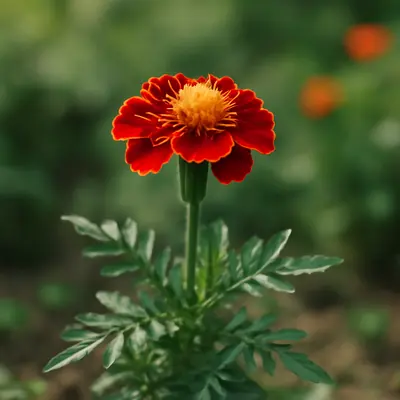
Highly branching, uniform, robust plants. A great choice for garden beds and pots for its compact habit. Abundant 2-2 1/2" blooms. Bright red flowers are beautiful in late summer and fall gardens. Attracts beneficial insects such as hoverflies. Also known as French marigold. Edible Flowers: Use the flowers to dress up salads and desserts or cooked in egg or rice dishes. Flavor is floral with hints of citrus and spice, and slightly bitter. Remove the petals from the flower base before consuming as the base can be quite bitter.
Harvest
50d
Days to harvest
Sun
Full sun to partial shade
Zones
1–11
USDA hardiness
Height
6-12 inches
Planting Timeline
Showing dates for Durango Red in USDA Zone 7
All Zone 7 flower →Zone Map
Click a state to update dates
Durango Red · Zones 1–11
Growing Details
Succession Planting
Durango Red germinates in 7-10 days and hits bloom around day 50 from seed, so two well-timed rounds will keep flowers going from late spring through hard frost. Start the first batch indoors in late February or early March, transplant after last frost in April or May, then direct-sow a second round in May or early June for late-summer color. In zone 7, stop sowing by late June — plants started after that won't reach full bloom before first frost cuts them down.
Spider mites tend to flare on heat-stressed plants above 90°F, so the midsummer gap between sowings actually helps break the mite cycle a bit. Don't push a third sowing into July hoping for a fall flush; the plants will struggle and the bed space is better spent on something that can actually finish.
Complete Growing Guide
Highly branching, uniform, robust plants. A great choice for garden beds and pots for its compact habit. Abundant 2-2 1/2" blooms. Bright red flowers are beautiful in late summer and fall gardens. Attracts beneficial insects such as hoverflies. Also known as French marigold. Edible Flowers: Use the flowers to dress up salads and desserts or cooked in egg or rice dishes. Flavor is floral with hints of citrus and spice, and slightly bitter. Remove the petals from the flower base before consuming as the base can be quite bitter. According to Johnny's Selected Seeds, Durango Red is 50 days to maturity, annual, open pollinated. Notable features: Grows Well in Containers, Edible Flowers.
Light: Full sun (6 or more hours of direct sunlight a day), Partial Shade (Direct sunlight only part of the day, 2-6 hours). Soil: Clay, Loam (Silt), Sand. Soil pH: Acid (<6.0), Neutral (6.0-8.0). Drainage: Good Drainage, Occasionally Dry. Height: 0 ft. 6 in. - 1 ft. 0 in.. Spread: 0 ft. 6 in. - 1 ft. 6 in.. Spacing: Less than 12 inches. Growth rate: Medium. Maintenance: Low. Regions: Coastal, Mountains, Piedmont.
Harvesting
Durango Red reaches harvest at 50 days from sowing per Johnny's Selected Seeds. Expect 2-2 1/2" at peak. As an annual, harvest continues until frost ends the season.
Edibility: Flowers are used to make refreshing drinks and the leaves are used for flavoring.
Storage & Preservation
Fresh flowers should be stored in a cool location away from direct sunlight and ripening fruits, which emit ethylene gas. Keep stems in water at 65–70°F for 1–2 weeks. For longer preservation, dry petals on a screen in a warm, well-ventilated area away from direct sunlight for 1–2 weeks until papery, then store in airtight containers away from light. Alternatively, freeze petals in ice cube trays with water for culinary use, or preserve in sugar syrup for decorative applications on cakes and desserts.
History & Origin
Durango Red is open-pollinated, meaning seed saved from healthy plants will produce true-to-type offspring. Listed in the Johnny's Selected Seeds catalog.
Origin: Mexico, Guatamala
Advantages
- +Compact, highly branching growth habit makes it ideal for containers and beds
- +Abundant 2-2.5 inch bright red flowers provide stunning late summer and fall color
- +Attracts beneficial insects like hoverflies, supporting a healthier garden ecosystem
- +Edible flowers with floral, citrus, and spice notes work well in culinary dishes
- +Easy to grow variety requiring minimal care and expertise
Considerations
- -Petals must be separated from bitter flower base before eating them
- -French marigolds are susceptible to spider mites and powdery mildew in humid conditions
- -Requires deadheading regularly to maintain continuous blooming throughout the season
Companion Plants
Durango Red pairs well with warm-season annuals that don't compete aggressively for root space. Alyssum and Lobelia stay under 6 inches tall and fill gaps without shading the marigold's base. Cosmos and Zinnias draw in parasitic wasps and hoverflies — which matters because aphids hit Tagetes patula pretty reliably by midsummer and those beneficials do real work against them. Nasturtiums are worth planting nearby as a trap crop: aphids tend to hit them first, giving you an early sign to act before pressure builds on the marigolds.
Keep Fennel (Foeniculum vulgare) well away — it's allelopathic to a wide range of annuals and suppresses neighbors within 18-24 inches. Black Walnut (Juglans nigra) is a harder constraint: it releases juglone through its roots and leaf litter, and soil under an established walnut can stay phytotoxic for years after the tree is gone. Eucalyptus has similar allelopathic chemistry in its leaf debris. All three are beds to avoid, not just plants to space away from.
Plant Together
Alyssum
Attracts beneficial insects like hoverflies and parasitic wasps that control aphids
Marigolds
Repel nematodes, aphids, and whiteflies while attracting pollinators
Petunias
Repel aphids, tomato hornworms, and other garden pests
Nasturtiums
Act as trap crops for aphids and cucumber beetles, attracting them away from marigolds
Zinnias
Attract beneficial predatory insects and provide complementary colors in garden design
Cosmos
Attract beneficial insects like lacewings and provide vertical structure without competition
Lobelia
Provides ground cover and attracts pollinators while tolerating similar growing conditions
Salvia
Repels harmful insects and attracts beneficial pollinators like bees and butterflies
Keep Apart
Fennel
Produces allelopathic compounds that inhibit growth of nearby flowering plants
Black Walnut
Releases juglone toxin that causes stunted growth and yellowing in sensitive plants
Eucalyptus
Produces allelopathic oils that suppress germination and growth of nearby plants
Pests & Disease Resistance
Common Pests
Aphids, spider mites, whiteflies
Diseases
Powdery mildew, root rot in poorly drained soil
Troubleshooting Durango Red
What you'll see, why it happens, and what to do about it.
Tiny clusters of soft-bodied insects on new growth and flower buds, stems sometimes sticky or curled
Likely Causes
- Aphid infestation (commonly Myzus persicae or Aphis gossypii) — populations explode fast in warm, dry spells
- Excess nitrogen from over-fertilizing, which produces the soft new growth aphids prefer
What to Do
- 1.Knock them off with a firm stream of water from a hose — do this three mornings in a row
- 2.Spray insecticidal soap directly on the colonies, making sure to hit the undersides of leaves
- 3.Lay off high-nitrogen fertilizer for the rest of the season; Durango Red doesn't need much anyway
White powdery coating on upper leaf surfaces, usually appearing after day 40 in humid or crowded conditions
Likely Causes
- Powdery mildew (Erysiphe cichoracearum) — thrives when nights are cool and days are warm, especially with poor airflow
- Plants spaced closer than 12 inches, which traps moisture around foliage
What to Do
- 1.Strip and bin the worst-affected leaves — don't compost them
- 2.Thin or relocate any plants crowded tighter than 12 inches apart
- 3.Apply a baking soda spray (1 tablespoon baking soda + 1 teaspoon dish soap per gallon of water) weekly until new growth comes in clean
Plant wilting despite adequate watering, yellowing at the base, roots brown and mushy when you pull it
Likely Causes
- Root rot from Pythium or Phytophthora species — almost always triggered by poorly drained soil or containers without drainage holes
- Overwatering in heavy clay where water sits more than a few hours after rain
What to Do
- 1.Pull the affected plant — it won't recover once roots are gone, and leaving it spreads the pathogen
- 2.Before replanting, work 2-3 inches of coarse compost or perlite into the bed 8-10 inches deep to open up drainage
- 3.In containers, switch to pots with at least one drainage hole per 6 inches of diameter and don't water again until the top inch of mix is dry
Frequently Asked Questions
How long do Durango Red marigold flowers last in a vase?▼
Can you grow Durango Red marigolds in containers?▼
What do Durango Red marigold flowers taste like?▼
When should I plant Durango Red marigold seeds?▼
Are Durango Red marigolds good for beginners?▼
Do Durango Red marigolds attract pollinators?▼
Zone-by-Zone Planting Calendar
| Zone | Indoor Start | Transplant | Direct Sow | Harvest |
|---|---|---|---|---|
| Zone 1 | May – June | July – August | July – September | — |
| Zone 2 | April – May | June – July | June – August | — |
| Zone 11 | January – January | January – February | January – March | — |
| Zone 12 | January – January | January – February | January – March | — |
| Zone 13 | January – January | January – February | January – March | — |
| Zone 3 | April – May | June – July | June – August | — |
| Zone 4 | March – April | June – June | June – July | — |
| Zone 5 | March – April | May – June | May – July | — |
| Zone 6 | March – April | May – June | May – July | — |
| Zone 7 | February – March | April – May | April – June | — |
| Zone 8 | February – March | April – May | April – June | — |
| Zone 9 | January – February | March – April | March – May | — |
| Zone 10 | January – January | February – March | February – April | — |
Growing Guides from Wind River Greens
Sources & References
External authority sources used in compiling this guide.
- BreederJohnny's Selected Seeds
See the Methodology page for how this data is sourced, what's AI-assisted, and known limitations.