Spring Raab
Brassica rapa var. ruvo
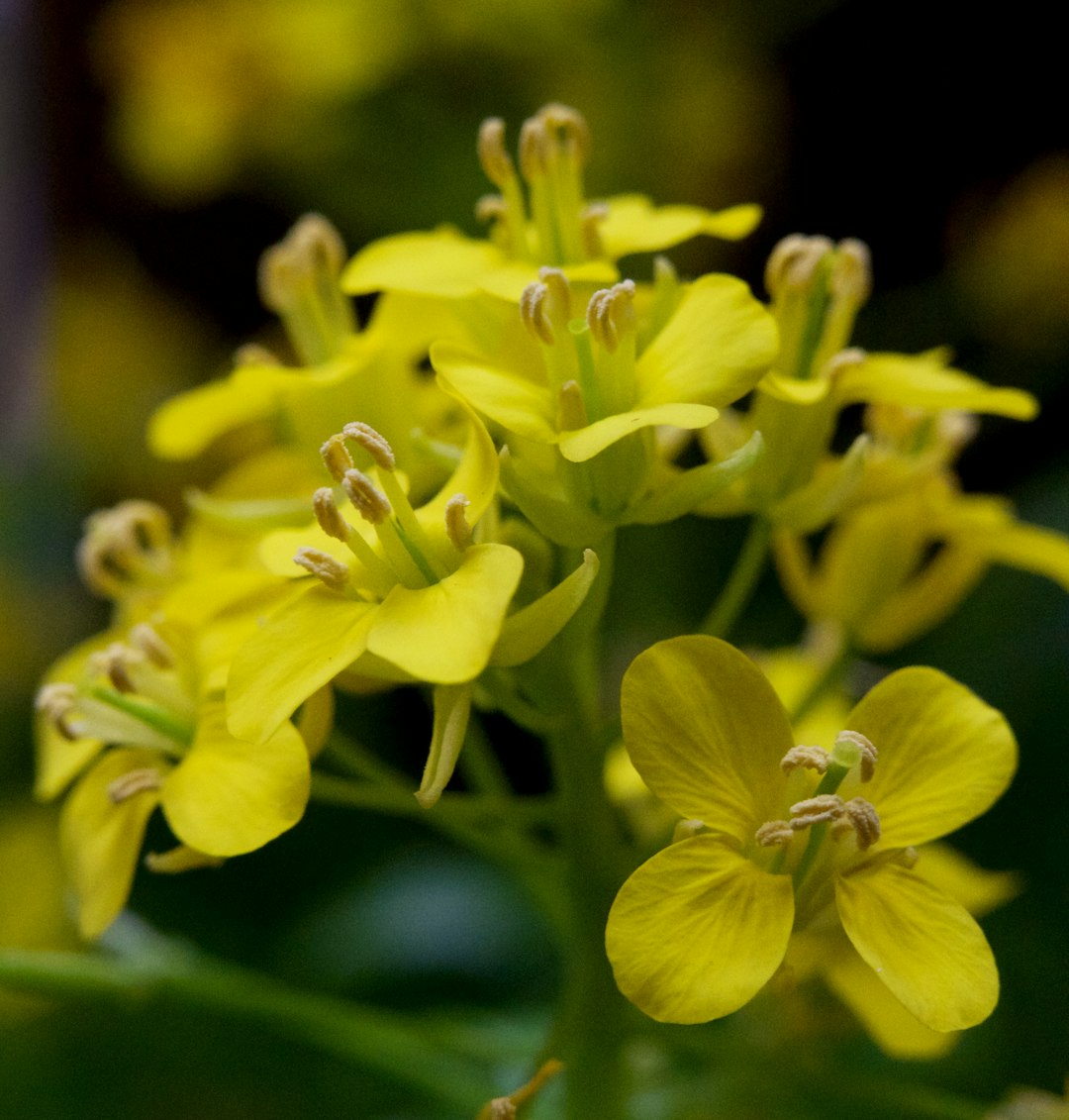
The most versatile broccoli raab variety for growing throughout the season - especially for spring and summer harvest, and overwintering in mild climates. Large plants mature over a 1-2 week period. Large, tender, abundant leaves borne on thin stems with delicate buds.
Harvest
42d
Days to harvest
Sun
Full sun to part shade
Zones
5–9
USDA hardiness
Height
3 feet
Planting Timeline
Showing dates for Spring Raab in USDA Zone 7
All Zone 7 brassica →Zone Map
Click a state to update dates
Spring Raab · Zones 5–9
Growing Details
Succession Planting
Spring Raab bolts fast — that's actually the point, since you're harvesting the flower shoots, but it means any single sowing gives you a narrow window. In zone 7, direct sow every 14 days starting March 1 through mid-April for a spring run. Once daytime highs are consistently hitting 75–80°F, plants race to bolt before the shoots are thick enough to cut, so stop the spring succession around late April.
Pick back up with a fall run starting in late August, sowing again every 14 days through early October. Fall sowings tend to be slower and more productive — cooling temperatures hold plants in the harvestable stage longer, sometimes stretching the usable window to 3 weeks per sowing instead of 10 days. That fall succession can carry into November in zone 7 before hard frost shuts it down.
Complete Growing Guide
The most versatile broccoli raab variety for growing throughout the season - especially for spring and summer harvest, and overwintering in mild climates. Large plants mature over a 1-2 week period. Large, tender, abundant leaves borne on thin stems with delicate buds. According to Johnny's Selected Seeds, Spring Raab is 42 days to maturity, annual, open pollinated.
Light: Full sun (6 or more hours of direct sunlight a day), Partial Shade (Direct sunlight only part of the day, 2-6 hours). Soil: Clay, Loam (Silt), Sand. Soil pH: Acid (<6.0), Neutral (6.0-8.0). Drainage: Good Drainage, Moist. Height: 0 ft. 10 in. - 2 ft. 0 in.. Spread: 1 ft. 0 in. - 2 ft. 0 in.. Spacing: 12 inches-3 feet. Growth rate: Medium. Maintenance: Medium. Propagation: Seed, Stem Cutting. Regions: Coastal, Mountains, Piedmont.
Harvesting
The fruits dry and split when ripe.
Color: Brown/Copper, Green. Type: Siliqua. Length: > 3 inches.
Garden value: Edible
Harvest time: Fall, Summer
Bloom time: Spring, Summer
Edibility: The foliage is edible raw or cooked but when cooked can emit an unpleasant odor.
Storage & Preservation
Spring Raab stores best at 32–40°F with 90–95% humidity in perforated plastic bags or breathable containers; use within 7–10 days for peak quality. The tender florets and stems deteriorate quickly at room temperature, so refrigerate immediately after harvest.
Freezing is the most practical preservation method: blanch for 3–4 minutes, ice-bath immediately, drain thoroughly, then freeze in airtight containers for up to eight months. The mild, slightly sweet flavor holds reasonably well. Fermentation also works excellently—quarter the heads, pack tightly with 2–3% salt brine, and ferment at cool room temperature for 2–3 weeks for a tangy condiment. Drying is possible but produces tough, intensely flavored pieces better suited to soups than standalone use.
Spring Raab's brief 42-day window and tender texture mean successive plantings work better than heavy preservation—plant every two weeks for continuous harvest rather than storing large quantities.
History & Origin
Brassica is a genus of plants in the cabbage and mustard family (Brassicaceae). The members of the genus are informally known as cruciferous vegetables, cabbages, mustard plants, or simply brassicas. Crops from this genus are sometimes called cole crops—derived from the Latin caulis, denoting the stem or stalk of a plant.
Advantages
- +Attracts: The foliage is edible raw or cooked but when cooked can emit an unpleasant odor.
- +Wildlife value: It serves as a host plant for butterflies, moths, flies, sawflies and beetles.
- +Edible: The foliage is edible raw or cooked but when cooked can emit an unpleasant odor.
Companion Plants
Radishes are probably the most useful thing you can tuck in alongside Spring Raab. They germinate in 5–7 days and their roots break up the top few inches of soil before the Raab plants size up, which helps with the consistent moisture this crop needs. They're also out of the ground before the two compete for space. Lettuce and spinach fit the same logic — shallow-rooted, low canopy, done early — so you're not stacking two crops that pull hard from the same soil depth at the same time.
The alliums — onions, garlic, chives — pull their weight by interfering with how Brassica-hunting insects locate their host. The volatile sulfur compounds confuse aphids and cabbage moths at close range. It's not a force field, but running a row of chives every 18–24 inches through a Raab bed does seem to reduce aphid colonies compared to a solid block of Raab alone. Nasturtiums add a different layer: they draw harlequin bugs and aphids off the crop (classic trap-cropping), and since the flowers are edible you're not surrendering bed space for pure pest management.
Tomatoes and pole beans are worth keeping at least a full bed-width away. Tomatoes are allelopathic toward several brassicas and share some overlapping fungal pressure. Pole beans fix nitrogen aggressively, which sounds like a bonus — but brassicas sitting beside them tend to push hard into leafy growth at the expense of the thick flower shoots you're actually trying to harvest. Add in the fact that pole beans and 3-foot Raab plants will be fighting for the same vertical air by midseason, and it's just not a combination worth trying.
Plant Together
Lettuce
Provides ground cover and helps retain soil moisture while not competing for nutrients
Spinach
Similar growing requirements and harvest timing, efficient use of garden space
Radishes
Help break up soil and can be harvested before raab needs full space
Onions
Repel cabbage worms, aphids, and other brassica pests with their strong scent
Garlic
Natural pest deterrent against flea beetles and aphids that commonly attack brassicas
Chives
Repel aphids and may improve flavor while taking up minimal space
Dill
Attracts beneficial insects like parasitic wasps that control cabbage worms
Nasturtiums
Act as trap crop for aphids and flea beetles, drawing pests away from raab
Keep Apart
Strawberries
Compete for similar nutrients and may inhibit brassica growth through root competition
Tomatoes
May stunt growth of brassicas through allelopathic compounds and compete for nutrients
Pole beans
Can shade out the spring raab and compete for nitrogen during critical growth period
Nutrition Facts
Per 100g serving. % Daily Value based on 2,000 calorie diet. Source: USDA FoodData Central (FDC #747447)
Pests & Disease Resistance
Common Pests
Cabbage moths, flea beetles, aphids, harlequin bugs
Diseases
Clubroot, black rot, powdery mildew
Troubleshooting Spring Raab
What you'll see, why it happens, and what to do about it.
Small ragged holes scattered across leaves, especially on young seedlings in the first 2–3 weeks after germination
Likely Causes
- Flea beetles (Phyllotreta spp.) — tiny, jumping beetles that pepper leaves with shot-hole damage, worst in warm, dry spells
- Seedlings under heat or drought stress are hit harder
What to Do
- 1.Cover rows with floating row cover immediately after direct sowing — flea beetles can devastate a stand before it gets going
- 2.Keep soil consistently moist; stressed seedlings attract more feeding pressure
- 3.If pressure is heavy, spinosad-based spray (applied in the evening to protect pollinators) knocks populations back fast
Stunted plants with yellowing leaves, swollen and distorted roots when pulled — sometimes mistaken for poor fertility
Likely Causes
- Clubroot (Plasmodiophora brassicae) — a soil-borne pathogen that persists for 20+ years in acidic soils
- Low soil pH below 6.5, which favors spore germination
What to Do
- 1.Lime the bed to raise pH to at least 7.0 — clubroot spores are far less active above that threshold
- 2.Pull and bag infected plants immediately; do not compost them
- 3.Rotate out of all brassicas (broccoli, kale, turnips, radishes) for at least 4 years in that bed
V-shaped yellow lesions on leaf edges that turn brown and papery, sometimes with black veining inside the stem when cut
Likely Causes
- Black rot (Xanthomonas campestris pv. campestris) — a bacterial disease that enters through leaf margins and moves into the vascular system
- Overhead watering or prolonged wet weather that splashes soil onto foliage
What to Do
- 1.Switch to drip irrigation or water at the base — black rot spreads readily through water splash
- 2.Remove and trash affected leaves as soon as you spot the lesions; don't let them sit on the soil
- 3.Start with certified disease-free seed and avoid working in the bed when foliage is wet
Frequently Asked Questions
How long does Spring Raab take to mature?▼
Is Spring Raab good for beginners?▼
Can you grow Spring Raab in containers?▼
What does Spring Raab taste like?▼
When should I plant Spring Raab?▼
What are the main differences between Spring Raab and other broccoli raab varieties?▼
Zone-by-Zone Planting Calendar
| Zone | Indoor Start | Transplant | Direct Sow | Harvest |
|---|---|---|---|---|
| Zone 3 | March – April | May – June | May – June | June – October |
| Zone 4 | March – April | May – June | April – June | June – October |
| Zone 5 | February – March | April – May | April – May | May – November |
| Zone 6 | February – March | April – May | April – May | May – November |
| Zone 7 | February – March | April – May | March – May | April – November |
| Zone 8 | January – February | March – April | March – April | April – December |
| Zone 9 | January – January | February – March | February – March | March – December |
| Zone 10 | January – January | February – March | January – March | February – December |
| Zone 1 | April – May | June – July | June – July | July – September |
| Zone 2 | April – May | June – July | May – July | June – September |
| Zone 11 | January – January | January – February | January – February | January – December |
| Zone 12 | January – January | January – February | January – February | January – December |
| Zone 13 | January – January | January – February | January – February | January – December |
Growing Guides from Wind River Greens
Sources & References
External authority sources used in compiling this guide.
- BreederJohnny's Selected Seeds
- USDAUSDA FoodData Central
See the Methodology page for how this data is sourced, what's AI-assisted, and known limitations.