Russian Tarragon
Artemisia dracunculoides
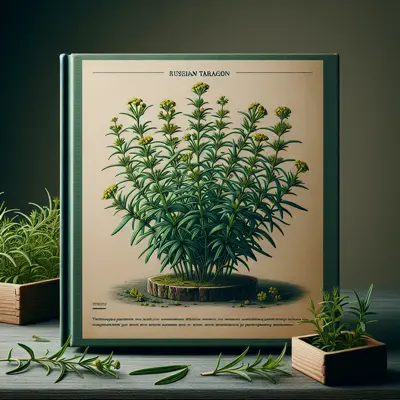
A hardy perennial herb that thrives in cold climates where French Tarragon struggles, though with a milder anise flavor. Russian Tarragon is incredibly easy to grow from seed and forms robust clumps that return year after year, making it perfect for beginning herb gardeners seeking a reliable tarragon experience.
Harvest
60-90d
Days to harvest
Sun
Full sun to partial shade
Zones
2–8
USDA hardiness
Height
1-4 feet
Planting Timeline
Showing dates for Russian Tarragon in USDA Zone 7
All Zone 7 herb →Zone Map
Click a state to update dates
Russian Tarragon · Zones 2–8
Growing Details
Complete Growing Guide
Light: Full sun (6 or more hours of direct sunlight a day), Partial Shade (Direct sunlight only part of the day, 2-6 hours). Soil: Loam (Silt), Sand, Shallow Rocky. Soil pH: Acid (<6.0), Alkaline (>8.0), Neutral (6.0-8.0). Drainage: Occasionally Dry, Very Dry. Height: 1 ft. 0 in. - 4 ft. 0 in.. Spread: 1 ft. 0 in. - 6 ft. 0 in.. Spacing: 12 inches-3 feet. Growth rate: Medium. Maintenance: Medium. Propagation: Division. Regions: Coastal, Mountains, Piedmont.
Harvesting
Bloom time: Summer
Storage & Preservation
Fresh Russian Tarragon keeps best stored like cut flowers—trim stem ends and place in water, covering leaves with a plastic bag, then refrigerate. This method maintains quality for 7-10 days. Alternatively, wrap unwashed stems in slightly damp paper towels and store in the refrigerator crisper for up to one week.
For long-term storage, freezing preserves more flavor than drying. Freeze whole stems in freezer bags, or chop leaves and freeze in ice cube trays with olive oil or water. Frozen tarragon works perfectly in cooked dishes.
Air-drying works well despite Russian Tarragon's mild flavor. Hang small bundles in a warm, dry, well-ventilated area away from direct light. Once completely dry (stems snap cleanly), strip leaves and store in airtight containers. Dried Russian Tarragon maintains decent flavor for 6-12 months when stored properly in a cool, dark location.
History & Origin
Origin: Europe, Subtropical Northern Hemisphere & S. America
Considerations
- -Toxic (Bark, Flowers, Fruits, Leaves, Roots, Seeds, Stems): High severity
Companion Plants
Nightshades — tomatoes, peppers, eggplant — are consistently cited as good neighbors, and the logic is practical: Russian tarragon's aromatic volatile oils appear to confuse or deter several common pests, and NC State Extension notes that mixing plant families breaks up pest-preferred expanses and slows early damage spread. Positioning tarragon 18–24 inches from your tomato row gets you that buffer without root competition. Marigolds pull their weight here too — their root secretions suppress certain soil nematodes — and they don't drink heavily, which matters because tarragon is drought-tolerant and doesn't benefit from sharing a bed with a crop that needs constant moisture. Carrots, lettuce, and beans all have shallow or non-aggressive root systems, so they coexist without crowding each other underground.
Fennel is allelopathic to a wide range of plants and will stunt growth on anything within a couple of feet — keep it on the opposite end of the garden. Mint is a different problem: it's not chemically hostile to tarragon, but it spreads by runner fast enough to swallow shared bed space inside a single growing season. Pot it separately. Black walnut releases juglone through its root zone, a compound toxic to many herbs and vegetables; don't site tarragon within 50–60 feet of one.
Plant Together
Tomatoes
Russian tarragon repels aphids and other pests that commonly attack tomatoes
Peppers
Tarragon's strong scent deters pepper pests like aphids and spider mites
Eggplant
Provides pest protection for eggplants while both thrive in similar warm conditions
Cabbage
Repels cabbage moths and other brassica pests with its aromatic compounds
Carrots
Tarragon helps deter carrot fly while carrots don't compete for nutrients
Lettuce
Provides natural pest control for lettuce without competing for space or nutrients
Beans
Beans fix nitrogen in soil which benefits tarragon, while tarragon repels bean beetles
Marigolds
Both plants repel similar pests and complement each other's pest control properties
Keep Apart
Fennel
Produces allelopathic compounds that inhibit growth of tarragon and most other herbs
Black Walnut
Releases juglone toxin that stunts or kills tarragon and other sensitive plants
Mint
Aggressive spreading nature competes heavily for nutrients and can overwhelm tarragon
Nutrition Facts
Per 100g serving. % Daily Value based on 2,000 calorie diet. Source: USDA FoodData Central (FDC #170937)
Pests & Disease Resistance
Resistance
Excellent disease resistance, very hardy and trouble-free
Common Pests
Few pest problems, occasionally aphids
Diseases
Root rot in waterlogged conditions, generally disease-free
Troubleshooting Russian Tarragon
What you'll see, why it happens, and what to do about it.
Stems wilting and roots turning brown or black, plant collapsing despite adequate watering
Likely Causes
- Root rot from waterlogged or poorly drained soil — Russian tarragon's biggest vulnerability
- Overwatering in heavy clay soil that holds moisture around the crown
What to Do
- 1.Dig up the plant and cut away blackened roots with clean shears; replant in a raised bed or a spot with sharper drainage
- 2.Amend the planting area with coarse sand or fine gravel before replanting — target a well-draining soil at pH 6.0–8.0
- 3.Pull back on watering entirely; once established, Russian tarragon handles drought on its own and rarely needs more than one deep watering every 7–10 days in dry stretches
Clusters of small soft-bodied insects on new growth, leaves curling or looking stunted
Likely Causes
- Aphid infestation — Russian tarragon sees this occasionally, usually in spring when new shoots are tender
- Absence of beneficial insect habitat nearby to supply natural predation
What to Do
- 1.Knock aphids off with a firm spray from the hose — do this in the morning so foliage dries before evening
- 2.Plant marigolds within 12–18 inches; they attract predatory wasps and lacewings that keep aphid pressure in check
- 3.If pressure persists after a week, apply insecticidal soap directly to affected stems, coating the undersides of leaves
Frequently Asked Questions
What's the difference between Russian and French Tarragon?▼
Can you grow Russian Tarragon in containers?▼
How long does Russian Tarragon take to grow from seed?▼
Is Russian Tarragon good for beginners?▼
When should I plant Russian Tarragon seeds?▼
Does Russian Tarragon spread aggressively?▼
Zone-by-Zone Planting Calendar
| Zone | Indoor Start | Transplant | Direct Sow | Harvest |
|---|---|---|---|---|
| Zone 2 | April – May | June – August | — | August – September |
| Zone 3 | April – May | June – July | — | July – October |
| Zone 4 | March – April | June – July | — | July – October |
| Zone 5 | March – April | May – June | — | June – October |
| Zone 6 | March – April | May – June | — | June – November |
| Zone 7 | February – March | April – June | — | June – November |
| Zone 8 | February – March | April – May | — | May – December |
Growing Guides from Wind River Greens
Sources & References
External authority sources used in compiling this guide.
- ExtensionNC State Extension
- USDAUSDA FoodData Central
See the Methodology page for how this data is sourced, what's AI-assisted, and known limitations.