Stokes' Aster
Stokesia laevis
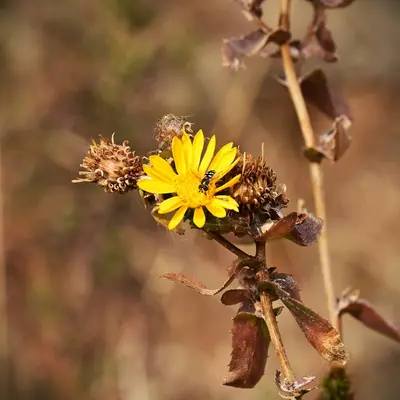
Stokes' Aster (Stokesia laevis) is a perennial native wildflower. Hardy in USDA zones 5 to 9. Prefers full sun.
Sun
Full sun to partial shade
Zones
5–9
USDA hardiness
Height
12-24 inches
Planting Timeline
Showing dates for Stokes' Aster in USDA Zone 7
All Zone 7 native-wildflower →Zone Map
Click a state to update dates
Stokes' Aster · Zones 5–9
Growing Details
Complete Growing Guide
Light: Full sun (6 or more hours of direct sunlight a day), Partial Shade (Direct sunlight only part of the day, 2-6 hours). Soil pH: Acid (<6.0), Neutral (6.0-8.0). Drainage: Good Drainage, Moist, Occasionally Wet. Height: 1 ft. 0 in. - 2 ft. 0 in.. Spread: 1 ft. 0 in. - 1 ft. 6 in.. Spacing: 3 feet-6 feet. Maintenance: Low. Propagation: Division, Seed, Stem Cutting. Regions: Coastal, Mountains, Piedmont.
Harvesting
Harvest time: Summer
Storage & Preservation
Stokesia laevis is an ornamental wildflower primarily grown for landscape display rather than harvest. Fresh cut flowers should be stored in a cool location (65-72°F) with moderate humidity in a water-filled vase, changing water every 2-3 days for a 7-10 day vase life. For preservation, air-dry flower stems upside-down in a dark, well-ventilated space for 2-3 weeks to create long-lasting dried arrangements. Alternatively, press individual flowers between parchment paper under weights for 2-4 weeks for botanical crafts. Freeze-drying is another option for preserving the flower's color and structure.
History & Origin
Stokesia laevis is a native wildflower to the southeastern United States, particularly found in the coastal plains from South Carolina to Florida. The species name "laevis" refers to its smooth foliage. While the plant has been cultivated as an ornamental for over a century, specific documentation about its formal breeding or introduction by particular breeders remains limited. The variety appears to have entered cultivation through native plant collection and seed propagation traditions rather than deliberate hybridization programs. Various cultivars have since been developed by seed companies and nurseries, but the origin story of the species itself is rooted in its natural habitat and the horticultural interest in native wildflowers that gained momentum throughout the twentieth century.
Origin: Southeastern United States
Advantages
- +Beautiful blue-purple cornflower-like blooms attract pollinators reliably
- +Blooms prolifically from summer through fall with deadheading
- +Extremely low maintenance once established in proper conditions
- +Thrives in poor, sandy, or well-drained soils others reject
Considerations
- -Susceptible to root rot in poorly drained or wet soil
- -Requires full sun; performs poorly in partial shade locations
- -Short-lived perennial; may need division or replacement every 3-4 years
- -Slow to establish; takes time to reach mature size
Companion Plants
Purple Coneflower (Echinacea), Black-eyed Susan, and Butterfly Weed are all solid neighbors for Stokesia laevis — they share similar soil pH preferences (roughly 6.0–7.5), tolerate similar moisture swings, and bloom on overlapping schedules that keep pollinators cycling through the bed from June into September. Little Bluestem Grass works well as a structural backdrop; its fine-textured root system doesn't push aggressively into Stokesia's crown zone, and it stays out of its light. Yarrow and Wild Bergamot both attract parasitic wasps that suppress aphid populations — that's a real, documented mechanism, not just a catalog claim.
Keep Stokesia away from Black Walnut (Juglans nigra): its roots release juglone, a compound that interferes with respiration in sensitive plants and can kill them outright over a single growing season. Tall Fescue is a quieter threat — it spreads by tillers and rhizomes, crowding Stokesia's shallow crown and pulling moisture from the top 6 inches of soil where Stokesia does most of its feeding. Crown Vetch behaves similarly and has no business in a perennial bed you're trying to maintain long-term.
Plant Together
Purple Coneflower (Echinacea)
Attracts beneficial insects and pollinators, similar growing requirements
Black-eyed Susan
Complementary bloom times and attracts diverse pollinators
Wild Bergamot
Repels harmful insects while attracting beneficial ones, shares similar soil preferences
Little Bluestem Grass
Provides structural support and creates natural prairie ecosystem
Yarrow
Improves soil health and attracts predatory insects that control pests
Butterfly Weed
Attracts butterflies and beneficial insects, complementary root systems
Wild Lupine
Fixes nitrogen in soil and provides habitat for native butterfly larvae
Catmint
Deters rodents and rabbits that may damage Stokesia
Keep Apart
Walnut Trees
Produces juglone which is toxic to many wildflowers including Stokesia
Tall Fescue
Aggressive root system competes for nutrients and releases growth inhibitors
Crown Vetch
Invasive tendencies can overwhelm and crowd out native wildflowers
Pests & Disease Resistance
Common Pests
Spider mites, aphids, slugs
Diseases
Root rot (in wet soil), powdery mildew (in humid conditions)
Troubleshooting Stokes' Aster
What you'll see, why it happens, and what to do about it.
Leaves developing white, powdery coating in midsummer, especially on plants with limited airflow
Likely Causes
- Powdery mildew (Erysiphe cichoracearum) — thrives in humid air with warm days and cool nights
- Crowded spacing under 18 inches that traps moisture around foliage
What to Do
- 1.Cut back the worst-affected stems to open up the plant; don't compost the clippings
- 2.Space plants at least 18-24 inches apart at planting — fixing this mid-season is hard
- 3.Apply a diluted neem oil spray (2 tsp per quart of water) every 7 days until symptoms stop spreading
Plant wilting and collapsing despite adequate rainfall, crown soft or brown at soil level
Likely Causes
- Root rot caused by Phytophthora or Pythium species — almost always tied to poorly drained soil or overwatering
- Planting in a low spot where water pools after rain
What to Do
- 1.Dig the plant, cut away any black or mushy roots, and replant in a raised bed or site amended 12 inches deep with coarse sand or pine bark fines
- 2.Don't replant Stokesia in the same waterlogged spot — fix the drainage first or choose a different location entirely
- 3.If replanting in a container, use a mix with at least 25% perlite to prevent future saturation
Frequently Asked Questions
Is Stokesia laevis a good choice for beginning gardeners?▼
When should I plant Stokesia laevis?▼
Can you grow Stokesia laevis in containers?▼
How long does Stokesia laevis bloom?▼
What are the ideal growing conditions for Stokesia laevis?▼
How do I overwinter Stokesia laevis in cold climates?▼
Zone-by-Zone Planting Calendar
Growing Guides from Wind River Greens
Sources & References
External authority sources used in compiling this guide.
- ExtensionNC State Extension
See the Methodology page for how this data is sourced, what's AI-assisted, and known limitations.