Apricotta
Cosmos bipinnatus
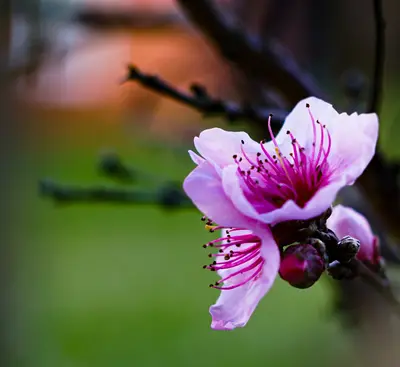
Tall, vigorous, densely branching plants. Delicate single blooms have a slightly ruffled edge and glow in shades of blush, apricot, and rose. We have observed variation in bloom color: some flowers are lighter in color, while some express more rose than apricot. The 2 1/2-3" blooms are not as full or uniform as we would like. Still, we appreciate the variety for its productive plants and its ability to unify warm and cool hues in arrangements.
Harvest
75-90d
Days to harvest
Sun
Full sun to partial shade
Zones
2–11
USDA hardiness
Height
2-4 feet
Planting Timeline
Showing dates for Apricotta in USDA Zone 7
All Zone 7 flower →Zone Map
Click a state to update dates
Apricotta · Zones 2–11
Growing Details
Succession Planting
Direct sow every 3 weeks from April through mid-June in zone 7, stopping once daytime highs are consistently above 90°F — not because the plants die in heat, but because late-sown seedlings struggle to build enough root mass before the worst of summer arrives. A second sowing in late August can push your cut-flower window into fall; those plants won't log a full 75–90 days before frost in colder zones, but in zones 8–9 they'll keep blooming until a hard freeze ends the season. Deadhead every few days regardless of when you sowed — Cosmos stops setting buds fast once it thinks it's done its job.
Complete Growing Guide
Tall, vigorous, densely branching plants. Delicate single blooms have a slightly ruffled edge and glow in shades of blush, apricot, and rose. We have observed variation in bloom color: some flowers are lighter in color, while some express more rose than apricot. The 2 1/2-3" blooms are not as full or uniform as we would like. Still, we appreciate the variety for its productive plants and its ability to unify warm and cool hues in arrangements. According to Johnny's Selected Seeds, Apricotta is 75 - 90 days to maturity, annual, open pollinated. Notable features: Use for Cut Flowers and Bouquets, Attracts Beneficial Insects.
Light: Full sun (6 or more hours of direct sunlight a day), Partial Shade (Direct sunlight only part of the day, 2-6 hours). Soil: Clay, Loam (Silt), Sand. Soil pH: Alkaline (>8.0), Neutral (6.0-8.0). Drainage: Good Drainage, Occasionally Dry. Height: 2 ft. 0 in. - 4 ft. 0 in.. Spread: 2 ft. 0 in. - 3 ft. 0 in.. Spacing: 12 inches-3 feet. Growth rate: Rapid. Maintenance: Low. Propagation: Seed. Regions: Coastal, Mountains, Piedmont.
Harvesting
Apricotta reaches harvest at 75 - 90 days from sowing per Johnny's Selected Seeds. Expect 2 1/2-3" at peak. As an annual, harvest continues until frost ends the season.
Type: Capsule.
Storage & Preservation
For fresh Apricotta flowers, store in a cool location away from direct sunlight and ethylene-producing fruits. Keep stems in fresh water in the refrigerator at 35-40°F to extend vase life to 7-10 days, changing water every 2-3 days. To preserve blooms long-term, air-dry by hanging stems upside-down in a warm, dark, well-ventilated space for 2-3 weeks, or press flowers between absorbent paper under weight for 4-6 weeks to create flat botanical specimens. Alternatively, dry individual petals on a screen and store in airtight containers for use in potpourri or craft projects.
History & Origin
Apricotta is open-pollinated, meaning seed saved from healthy plants will produce true-to-type offspring. Listed in the Johnny's Selected Seeds catalog.
Origin: Mexico and southwest North America
Advantages
- +Tall, vigorous plants produce abundant blooms for cutting arrangements
- +Delicate single flowers with ruffled edges add romantic texture to designs
- +Color variation in blush, apricot, and rose unifies warm and cool tones
- +Easy to grow with 75-90 day maturity and minimal care requirements
- +Densely branching habit maximizes productivity and continuous flowering potential
Considerations
- -Bloom size inconsistency at 2.5-3 inches lacks fullness and uniformity
- -Color variation unpredictable, ranging from light to heavily rose-toned flowers
- -Single bloom form less showy than double or semi-double cosmos varieties
Companion Plants
Marigolds deter aphids and whiteflies through both root secretions and foliage scent, making them a practical border plant rather than just a pretty one. Nasturtiums work differently — they pull aphids onto themselves and away from the cosmos, acting as a sacrificial crop you can yank and replace mid-season. Sweet alyssum planted at the base draws in parasitic wasps and hoverflies that keep soft-bodied pest populations in check without any spraying. Black walnut, fennel, and large sunflowers are all problems for different reasons: walnut roots produce juglone, a compound that disrupts cellular respiration in many annuals including Cosmos bipinnatus; fennel releases allelopathic compounds through its roots that stunt nearby plants; and large sunflowers simply crowd out light and moisture within about 24 inches.
Plant Together
Marigolds
Repel nematodes and aphids, attract beneficial insects
Nasturtiums
Act as trap crops for aphids and cucumber beetles, attract pollinators
Basil
Repels thrips, aphids, and flies while attracting beneficial pollinators
Sweet Alyssum
Attracts hover flies and parasitic wasps that control aphids
Cosmos
Attract beneficial insects and create habitat for natural predators
Calendula
Repel aphids and whiteflies, attract beneficial insects
Lavender
Repels moths, fleas, and mosquitoes while attracting pollinators
Petunias
Repel aphids, tomato hornworms, and squash bugs
Keep Apart
Black Walnut Trees
Release juglone toxin that inhibits growth and can kill zinnias
Fennel
Produces allelopathic compounds that stunt growth of nearby flowering plants
Large Sunflowers
Create excessive shade and compete aggressively for nutrients and water
Troubleshooting Apricotta
What you'll see, why it happens, and what to do about it.
Powdery white coating on leaves and stems, usually appearing mid-summer
Likely Causes
- Powdery mildew (Erysiphe cichoracearum) — thrives in warm days with cool nights and poor airflow
- Overcrowded planting that traps humidity around the foliage
What to Do
- 1.Thin plants to at least 12–18 inches apart to open up airflow
- 2.Spray foliage with a diluted baking soda solution (1 tablespoon per gallon of water) weekly as a low-cost suppression measure
- 3.Remove and trash the worst-affected stems — don't compost them
Seedlings collapsing at the soil line within the first 2 weeks after germination
Likely Causes
- Damping off — usually Pythium or Rhizoctonia fungi, triggered by wet, poorly drained starting mix
- Overwatering combined with low light, which keeps the soil surface perpetually damp
What to Do
- 1.Switch to a sterile, well-draining seed-starting mix and water only when the top layer feels dry
- 2.Improve air circulation with a small fan set on low — 30 minutes a day makes a real difference
- 3.Start fresh; damping off can't be reversed once a seedling has gone over
Aphid clusters on new growth tips and flower buds, causing curled or stunted shoots
Likely Causes
- Aphids (Myzus persicae or Aphis gossypii) — drawn to the soft new growth Apricotta puts out all season
- Absence of beneficial insects, often due to nearby pesticide use
What to Do
- 1.Blast them off with a firm stream of water from a hose — repeat every 2–3 days until the population drops
- 2.Plant sweet alyssum or calendula nearby to draw in parasitic wasps and lacewings that feed on aphids
- 3.If the infestation is heavy, apply insecticidal soap directly to the clusters; coat the undersides of leaves too
Plants are tall and leafy but producing very few flowers by day 80 or beyond
Likely Causes
- Excess nitrogen — too much fertilizer pushes vegetative growth at the expense of blooms
- Insufficient direct sun; Cosmos bipinnatus needs at least 6 hours to flower reliably
- Soil that's too rich — this variety does better in lean, average ground than in amended beds
What to Do
- 1.Stop fertilizing entirely; if you've been feeding regularly, skip the next 4–6 weeks and see if flowering picks up
- 2.Move container plants to a spot with more direct sun, or check whether nearby trees have filled in to shade the bed
- 3.Pinch the main stem tip back by 3–4 inches to encourage branching and more flower nodes
Frequently Asked Questions
How long do Apricotta flowers last in a vase?▼
Is Apricotta a good flower variety for beginners?▼
Can you grow Apricotta flowers in containers?▼
When should I plant Apricotta flowers?▼
What color variations does Apricotta show?▼
How large are Apricotta flower blooms?▼
Zone-by-Zone Planting Calendar
| Zone | Indoor Start | Transplant | Direct Sow | Harvest |
|---|---|---|---|---|
| Zone 3 | April – May | June – July | June – August | — |
| Zone 4 | March – April | June – June | June – July | — |
| Zone 5 | March – April | May – June | May – July | — |
| Zone 6 | March – April | May – June | May – July | — |
| Zone 7 | February – March | April – May | April – June | — |
| Zone 8 | February – March | April – May | April – June | — |
| Zone 9 | January – February | March – April | March – May | — |
| Zone 10 | January – January | February – March | February – April | — |
| Zone 1 | May – June | July – August | July – September | — |
| Zone 2 | April – May | June – July | June – August | — |
| Zone 11 | January – January | January – February | January – March | — |
| Zone 12 | January – January | January – February | January – March | — |
| Zone 13 | January – January | January – February | January – March | — |
Growing Guides from Wind River Greens
Sources & References
External authority sources used in compiling this guide.
- BreederJohnny's Selected Seeds
See the Methodology page for how this data is sourced, what's AI-assisted, and known limitations.