Voyage 2 Pink Improved
Eustoma grandiflorum
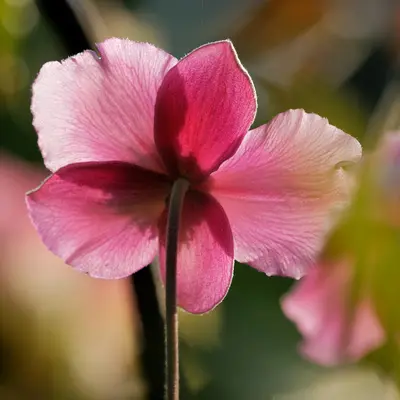
Wikimedia Commons via Eustoma russellianum
3" fully double blooms in a lovely shade of pale pink are lush with abundant layering and ruffling. Group 2, for early spring to summer harvest. Lisianthus is also known as prairie gentian, Texas bluebell, and showy prairie gentian. Pelleted seeds.
Harvest
140-150d
Days to harvest
Sun
Full sun to partial shade
Zones
8–10
USDA hardiness
Height
1-3 feet
Planting Timeline
Showing dates for Voyage 2 Pink Improved in USDA Zone 7
All Zone 7 flower →Zone Map
Click a state to update dates
Voyage 2 Pink Improved · Zones 8–10
Growing Details
Complete Growing Guide
3" fully double blooms in a lovely shade of pale pink are lush with abundant layering and ruffling. Group 2, for early spring to summer harvest. Lisianthus is also known as prairie gentian, Texas bluebell, and showy prairie gentian. Pelleted seeds. According to Johnny's Selected Seeds, Voyage 2 Pink Improved is 140 - 150 days to maturity, annual, hybrid (f1). Notable features: Greenhouse Performer, Use for Cut Flowers and Bouquets.
Light: Full sun (6 or more hours of direct sunlight a day), Partial Shade (Direct sunlight only part of the day, 2-6 hours). Soil: Loam (Silt), Sand. Drainage: Good Drainage, Moist. Height: 1 ft. 0 in. - 3 ft. 0 in.. Spread: 0 ft. 9 in. - 1 ft. 0 in.. Maintenance: High. Propagation: Seed.
Harvesting
Voyage 2 Pink Improved reaches harvest at 140 - 150 days from sowing per Johnny's Selected Seeds. Expect 3" at peak. As an annual, harvest continues until frost ends the season.
This is an ornamental variety — not grown for harvest. Enjoy in the garden landscape.
Storage & Preservation
Store fresh Lisianthus blooms in a cool location with good air circulation, ideally in a refrigerator at 35-40°F with 85-90% humidity if displaying for extended periods. Cut stems last 7-14 days in water. Preservation methods: (1) Air drying—hang stems upside down in a dark, warm, well-ventilated space for 2-3 weeks, ideal for dried arrangements; (2) Silica gel drying—bury blooms in silica gel for 3-5 days to retain shape and color, excellent for keepsakes; (3) Pressing—place blooms between paper under weight for 2-3 weeks for floral crafts and framing.
History & Origin
Voyage 2 Pink Improved is an F1 hybrid developed through controlled cross-pollination. Listed in the Johnny's Selected Seeds catalog.
Origin: Nebraska south to Texas.
Advantages
- +Fully double blooms with abundant ruffling create exceptionally lush, romantic flowers
- +Pale pink color is versatile for weddings and high-end floral arrangements
- +Pelleted seeds simplify sowing and improve germination rates significantly
- +140-150 day timeline allows spring planting for summer peak harvest
- +Easy difficulty makes it suitable for both hobbyists and commercial growers
Considerations
- -Long growing season requires significant greenhouse space and heating costs
- -Lisianthus demands consistently moist soil and high humidity to thrive
- -Susceptible to root rot if drainage is inadequate or watering irregular
- -Sensitive to temperature fluctuations below 60°F during early growth stages
Companion Plants
Marigolds — French types like 'Petite Gold' in particular — are the most practical neighbor for Voyage 2. Their shallow roots don't compete with lisianthus as it develops, and they put off enough scent to confuse thrips and whiteflies during warm spells. Sweet alyssum planted at the border pulls in parasitic wasps (Braconidae family) that keep aphid pressure down without any intervention from you. Lavender nearby can disrupt fungus gnat egg-laying when plants are young and the soil stays damp. Fennel, eucalyptus, and black walnut all produce allelopathic compounds — juglone from walnut, cineole from eucalyptus — that can stunt or kill lisianthus outright, so give those a wide berth.
Plant Together
Marigolds
Repel nematodes, aphids, and other pests while attracting beneficial insects
Nasturtiums
Act as trap crops for aphids and cucumber beetles, attract pollinators
Sweet Alyssum
Attracts beneficial insects like lacewings and parasitic wasps
Zinnia
Attracts butterflies and beneficial predatory insects, similar growing conditions
Basil
Repels thrips, flies, and mosquitoes while attracting pollinators
Petunias
Repel aphids, tomato hornworms, and squash bugs
Cosmos
Attract beneficial insects and pollinators, provide height variation
Lavender
Repels moths, fleas, and mosquitoes with aromatic oils
Keep Apart
Black Walnut
Produces juglone which is toxic to many flowering plants
Eucalyptus
Allelopathic properties inhibit growth of nearby plants
Fennel
Produces chemicals that inhibit growth of most garden plants
Troubleshooting Voyage 2 Pink Improved
What you'll see, why it happens, and what to do about it.
Seedlings collapse at soil level, often within the first 2-3 weeks after germination
Likely Causes
- Damping off (Pythium or Rhizoctonia spp.) — triggered by overwatering and poor airflow around the seedling stem
- Trays kept too wet at temperatures below 65°F, which slows drainage and encourages fungal activity
What to Do
- 1.Water only when the top of the seedling mix is dry to the touch; Voyage 2 germinates fine with bottom-watering, which keeps the stem dry
- 2.Run a small fan near seedling trays for 1-2 hours a day to improve airflow
- 3.If damping off appears, remove affected plugs immediately and drench remaining cells with a copper-based fungicide
Leaves develop gray-brown fuzzy patches, usually starting on older foliage after a stretch of humid weather
Likely Causes
- Botrytis blight (Botrytis cinerea) — a persistent lisianthus problem in humid conditions or when plants are crowded
- Spacing tighter than 18 inches, which traps moisture between plants overnight
What to Do
- 1.Strip affected leaves and bag them — don't compost Botrytis debris
- 2.Space plants a full 18-24 inches apart and avoid overhead irrigation once plants are established
- 3.Apply a sulfur-based fungicide at first sign of infection; repeat every 7-10 days during wet stretches
Plants stay flat and rosette-like for weeks — not sending up any stem — long past when you'd expect upward growth
Likely Causes
- Vernalization stall — Eustoma grandiflorum needs several weeks of cool temperatures around 50-59°F to break out of the rosette stage; skip that window and plants just sit there
- Starting seed too late indoors, so transplants never experienced cool nights before warm weather arrived
What to Do
- 1.Start seeds indoors in February or early March so plants catch natural cool nighttime temperatures before transplant
- 2.If plants are already stalled, move them somewhere that gets nights below 60°F for 2-3 weeks before setting them out for good
- 3.Don't compress the timeline — this variety needs the full 140-150 days, and no amount of warmth will substitute for the cold trigger the rosette stage requires
Frequently Asked Questions
How long do Lisianthus flowers last after cutting?▼
Is Lisianthus a good choice for beginners?▼
Can you grow Lisianthus in containers?▼
When should I plant Lisianthus seeds?▼
What makes Voyage 2 Pink Improved different from other Lisianthus varieties?▼
How much light does Lisianthus need?▼
Zone-by-Zone Planting Calendar
| Zone | Indoor Start | Transplant | Direct Sow | Harvest |
|---|---|---|---|---|
| Zone 3 | April – May | June – July | June – August | — |
| Zone 4 | March – April | June – June | June – July | — |
| Zone 5 | March – April | May – June | May – July | — |
| Zone 6 | March – April | May – June | May – July | — |
| Zone 7 | February – March | April – May | April – June | — |
| Zone 8 | February – March | April – May | April – June | — |
| Zone 9 | January – February | March – April | March – May | — |
| Zone 10 | January – January | February – March | February – April | — |
| Zone 1 | May – June | July – August | July – September | — |
| Zone 2 | April – May | June – July | June – August | — |
| Zone 11 | January – January | January – February | January – March | — |
| Zone 12 | January – January | January – February | January – March | — |
| Zone 13 | January – January | January – February | January – March | — |
Growing Guides from Wind River Greens
Sources & References
External authority sources used in compiling this guide.
- BreederJohnny's Selected Seeds
See the Methodology page for how this data is sourced, what's AI-assisted, and known limitations.