StoX® Champagne
Matthiola incana
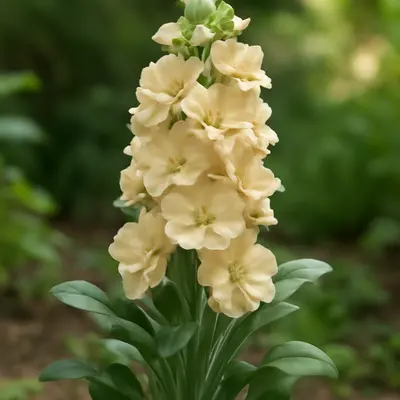
Completely unique, soft peachy-pink color - a standout in our trials. Single-stem/column-type stock for one-cut harvest. Sturdy, upright stems are comparable to the Iron series. Double-flowering plant selection: Plants are selectable for double-flowering blooms. Without selection your plants will produce approximately 55% double-flowering plants and 45% single-flowering plants. Double-flowering plants will display a lighter leaf color at the seedling stage after a cold treatment. You might notice that some seedlings will present the lighter color leaves, even without a prescribed cold treatment. NOTE: This variety produces one flowering stem per plant. Pinching is not advisable as it will terminate flowering. Edible Flowers: The peppery, clove-like flavor of the flowers lends itself well to use as a garnish on salads, desserts, and drinks.
Harvest
90-105d
Days to harvest
Sun
Full sun to partial shade
Zones
6–10
USDA hardiness
Height
1-3 feet
Planting Timeline
Showing dates for StoX® Champagne in USDA Zone 7
All Zone 7 flower →Zone Map
Click a state to update dates
StoX® Champagne · Zones 6–10
Growing Details
Succession Planting
Stock doesn't produce continuously the way a pepper does — each plant sends up its main spike and that's largely the show. Succession planting is your best tool for a longer cut-flower season. In zone 7, start seeds indoors every 3 weeks from February through March, then transplant in waves from April through early May. Stop once daytime highs are consistently hitting 80°F; stock sets buds in cool weather, and sustained heat above that threshold causes plants to bolt past flowering almost entirely.
A fall planting is worth doing too. Direct sow in late August — right around the end of the month — to catch the cooler stretch from October into November. These fall rounds often produce the best stems of the year, since the 90-to-105-day window lands in mild conditions without summer cutting things short.
Complete Growing Guide
Completely unique, soft peachy-pink color - a standout in our trials. Single-stem/column-type stock for one-cut harvest. Sturdy, upright stems are comparable to the Iron series. Double-flowering plant selection: Plants are selectable for double-flowering blooms. Without selection your plants will produce approximately 55% double-flowering plants and 45% single-flowering plants. Double-flowering plants will display a lighter leaf color at the seedling stage after a cold treatment. You might notice that some seedlings will present the lighter color leaves, even without a prescribed cold treatment. NOTE: This variety produces one flowering stem per plant. Pinching is not advisable as it will terminate flowering. Edible Flowers: The peppery, clove-like flavor of the flowers lends itself well to use as a garnish on salads, desserts, and drinks. According to Johnny's Selected Seeds, StoX® Champagne is 90 - 105 days to maturity, annual, open pollinated. Notable features: Use for Cut Flowers and Bouquets, Edible Flowers, Fragrant.
Light: Full sun (6 or more hours of direct sunlight a day), Partial Shade (Direct sunlight only part of the day, 2-6 hours). Soil: Clay, High Organic Matter, Loam (Silt), Sand. Soil pH: Alkaline (>8.0), Neutral (6.0-8.0). Drainage: Good Drainage, Moist. Height: 1 ft. 0 in. - 3 ft. 0 in.. Spread: 0 ft. 9 in. - 1 ft. 6 in.. Spacing: Less than 12 inches, 12 inches-3 feet. Growth rate: Rapid. Maintenance: Low. Propagation: Seed. Regions: Coastal, Mountains.
Harvesting
StoX® Champagne reaches harvest at 90 - 105 days from sowing per Johnny's Selected Seeds. As an annual, harvest continues until frost ends the season.
Seeds will ripen in August and September.
Harvest time: Fall
Storage & Preservation
Fresh stock flowers should be stored upright in a vase with cool water at 35-40°F in the refrigerator, changing water every 2-3 days for optimal vase life of 10-14 days. For preservation: (1) Air-dry by hanging upside-down in a cool, dark, well-ventilated space for 2-3 weeks—ideal for dried arrangements; (2) Press individual florets between parchment paper under weight for 1-2 weeks for crafts and botanical displays; (3) Freeze petals in ice cube trays with water for later use as edible garnishes, keeping frozen up to 3 months.
History & Origin
StoX® Champagne is open-pollinated, meaning seed saved from healthy plants will produce true-to-type offspring. Listed in the Johnny's Selected Seeds catalog.
Origin: The Coast of Europe from Spain to Greece.
Advantages
- +Distinctive soft peachy-pink color provides striking visual appeal in arrangements
- +Single-stem harvest design maximizes efficiency and minimizes labor costs
- +Sturdy upright stems rival Iron series quality for professional use
- +Selectable double-flowering trait allows growers to choose preferred bloom style
- +Edible flowers with peppery clove flavor add culinary versatility
Considerations
- -No pinching allowed limits plant structure customization for growers
- -Unpredictable flowering ratio requires careful selection during seedling stage
- -Single stem per plant yields lower cut volume compared to branching varieties
- -Cold treatment causes inconsistent seedling leaf coloration making identification difficult
Companion Plants
Marigolds earn their spot here — they suppress soil nematodes and their scent confuses the aphids that stock reliably attracts. Sweet alyssum along the bed edges pulls in parasitic wasps and hoverflies, which keeps soft-bodied pest pressure manageable through the 90-to-105-day run. Lavender shares stock's preference for sharp drainage without competing for root space, making it a low-maintenance neighbor. Skip black walnut entirely — juglone from the roots will stunt or kill Matthiola, and around here in the Georgia Piedmont, old walnuts near fence lines aren't unusual. Fennel goes on the avoid list too; it's broadly allelopathic and tends to suppress most flowering annuals planted within a few feet.
Plant Together
Marigolds
Repel aphids, whiteflies, and nematodes while attracting beneficial insects
Sweet Alyssum
Attracts beneficial insects like lacewings and provides ground cover
Nasturtiums
Act as trap crops for aphids and cucumber beetles, sacrificial planting
Petunias
Repel aphids, tomato hornworms, and squash bugs naturally
Lavender
Deters moths, fleas, and mosquitoes while attracting pollinators
Cosmos
Attract beneficial predatory insects and provide complementary flower colors
Catnip
Repels ants, aphids, and flea beetles more effectively than DEET
Zinnia
Attract ladybugs, parasitic wasps, and other beneficial predators
Keep Apart
Black Walnut
Produces juglone toxin that inhibits growth and can kill sensitive plants
Eucalyptus
Releases allelopathic compounds that suppress growth of nearby plants
Fennel
Inhibits growth of most garden plants through allelopathic root secretions
Troubleshooting StoX® Champagne
What you'll see, why it happens, and what to do about it.
Gray, powdery coating on leaves and stems, usually appearing first on older growth as temperatures cool in fall
Likely Causes
- Powdery mildew (Erysiphe cichoracearum) — favored by warm days and cool nights with poor air circulation
- Crowded spacing under 12 inches that traps humidity around foliage
What to Do
- 1.Thin plants to at least 12 inches apart if you haven't already — airflow matters more than anything else here
- 2.Spray affected foliage with a diluted neem oil solution (2 tbsp per gallon of water) every 7 days until symptoms stop spreading
- 3.Water at the base, not overhead — wet foliage at night is the fastest way to make this worse
Plants wilting and collapsing at the soil line, stem base dark and mushy, even with adequate water
Likely Causes
- Botrytis stem rot (Botrytis cinerea) or Phytophthora root rot — both thrive in waterlogged, poorly draining soil
- Overwatering combined with heavy clay soil that holds moisture too long
What to Do
- 1.Pull and trash the affected plant immediately — don't compost it
- 2.Check drainage in that bed; if water pools for more than 30 minutes after rain, amend with coarse sand or perlite before replanting
- 3.Hold off watering neighboring plants until the top inch of soil is dry to the touch
Frequently Asked Questions
How long do StoX® Champagne stock flowers last in a vase?▼
Is StoX® Champagne stock suitable for beginner flower growers?▼
What does StoX® Champagne stock taste like?▼
Can you grow StoX® Champagne stock flowers in containers?▼
When should I plant StoX® Champagne stock for summer blooms?▼
What is the difference between the double and single-flowering plants on this variety?▼
Zone-by-Zone Planting Calendar
| Zone | Indoor Start | Transplant | Direct Sow | Harvest |
|---|---|---|---|---|
| Zone 3 | April – May | June – July | June – August | — |
| Zone 4 | March – April | June – June | June – July | — |
| Zone 5 | March – April | May – June | May – July | — |
| Zone 6 | March – April | May – June | May – July | — |
| Zone 7 | February – March | April – May | April – June | — |
| Zone 8 | February – March | April – May | April – June | — |
| Zone 9 | January – February | March – April | March – May | — |
| Zone 10 | January – January | February – March | February – April | — |
| Zone 1 | May – June | July – August | July – September | — |
| Zone 2 | April – May | June – July | June – August | — |
| Zone 11 | January – January | January – February | January – March | — |
| Zone 12 | January – January | January – February | January – March | — |
| Zone 13 | January – January | January – February | January – March | — |
Growing Guides from Wind River Greens
Sources & References
External authority sources used in compiling this guide.
- BreederJohnny's Selected Seeds
See the Methodology page for how this data is sourced, what's AI-assisted, and known limitations.