Chantilly™ White
Antirrhinum majus
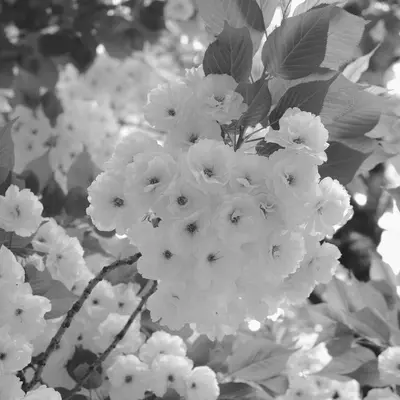
Group 1-2: Performs best under short days and low temperatures. Because Chantilly snapdragons are bred for short-day production, long-day growing conditions produce stems that are thin and weak. We do not recommend this variety for long-day production. Suitable for greenhouse or in the field. Bloom color is bright white. Edible Flowers: The flowers are a colorful garnish for use in salads, desserts, and drinks. The flavor is floral and slightly bitter, so use sparingly.
Harvest
100-110d
Days to harvest
Sun
Full sun to partial shade
Zones
7–10
USDA hardiness
Height
0-3 feet
Planting Timeline
Showing dates for Chantilly™ White in USDA Zone 7
All Zone 7 flower →Zone Map
Click a state to update dates
Chantilly™ White · Zones 7–10
Growing Details
Succession Planting
Start seeds indoors 10–12 weeks before your last frost — that puts you at February to early March in zone 7. Transplant out in April to May once nights stay reliably above 40°F. A second sowing in late June or early July can give you a fall flush in zones 7–10, since Chantilly White recovers well once summer heat breaks in September. Don't sow after mid-July; there aren't enough cool days left to get 100–110 days of productive bloom before frost shuts things down.
If you're cutting for arrangements, staggering transplants every 3–4 weeks from your first planting date through early June keeps a steady supply coming rather than one compressed glut. Just don't expect much from any planting during peak July–August heat — the plants pause and wait it out, and so should you.
Complete Growing Guide
Group 1-2: Performs best under short days and low temperatures. Because Chantilly snapdragons are bred for short-day production, long-day growing conditions produce stems that are thin and weak. We do not recommend this variety for long-day production. Suitable for greenhouse or in the field. Bloom color is bright white. Edible Flowers: The flowers are a colorful garnish for use in salads, desserts, and drinks. The flavor is floral and slightly bitter, so use sparingly. According to Johnny's Selected Seeds, Chantilly™ White is 100 - 110 days to maturity, annual, hybrid (f1). Notable features: Greenhouse Performer, Use for Cut Flowers and Bouquets, Edible Flowers, Fragrant.
Light: Full sun (6 or more hours of direct sunlight a day), Partial Shade (Direct sunlight only part of the day, 2-6 hours). Soil: High Organic Matter. Drainage: Good Drainage. Height: 0 ft. 6 in. - 3 ft. 0 in.. Spread: 0 ft. 6 in. - 0 ft. 10 in.. Spacing: Less than 12 inches. Growth rate: Medium. Maintenance: Medium.
Harvesting
Chantilly™ White reaches harvest at 100 - 110 days from sowing per Johnny's Selected Seeds. As an annual, harvest continues until frost ends the season.
A capsule, half hidden by calyx lobes, short-beaked.
Type: Capsule. Length: 1-3 inches.
Storage & Preservation
Fresh cut flowers should be kept in clean, cool water at 40-45°F (4-7°C) immediately after harvest to extend vase life. Remove lower leaves to prevent bacterial growth. For short-term storage, keep stems in water at room temperature away from direct sunlight and ripening fruit. Vase life is typically 7-10 days. To preserve longer, air-dry cut stems upside-down in a dark, well-ventilated location for dried arrangements. Alternatively, press flowers between absorbent paper for 1-2 weeks to preserve them for crafts or floral designs. Glycerin preservation can also maintain flexibility and color.
History & Origin
Chantilly™ White is an F1 hybrid developed through controlled cross-pollination. Listed in the Johnny's Selected Seeds catalog.
Origin: Southwestern Europe
Advantages
- +Bright white blooms provide clean, elegant aesthetic for floral arrangements
- +Edible flowers offer unique garnish option for culinary presentations
- +Short growing cycle of 100-110 days enables quick production turnover
- +Easy difficulty level makes variety suitable for beginner growers
- +Performs reliably in both greenhouse and field production settings
Considerations
- -Requires short-day conditions; long-day production yields thin, weak stems
- -Not recommended for long-day growing regions or summer production
- -Floral flavor is slightly bitter, limiting edible flower appeal
Companion Plants
Marigolds (Tagetes patula specifically) and catnip both pull weight near snapdragons — marigolds push out root exudates that repel aphids and whiteflies, while catnip disorients a range of soft-bodied insects before they ever settle in. Sweet alyssum and lobelia fill the base of the planting without competing hard for root space, and their small open flowers draw parasitic wasps that keep pest pressure in check without any effort on your part.
Black walnut is the companion to keep well away — but the reason isn't vague toxicity. The tree produces juglone, a compound that blocks cellular respiration in susceptible plants, and the effect shows up as wilting and slow decline that's easy to misread as drought stress. Fennel causes similar (if less severe) problems through allelopathic root secretions; most ornamentals planted within 2 feet of it struggle to size up. Eucalyptus works the same way. None of these are worth experimenting with.
Plant Together
Marigolds
Repel aphids, whiteflies, and other pests while attracting beneficial insects
Sweet Alyssum
Attracts beneficial insects and provides ground cover protection
Nasturtiums
Act as trap crops for aphids and flea beetles, drawing pests away
Lobelia
Complements white flowers aesthetically and attracts pollinators
Ageratum
Repels mosquitoes and other flying pests while providing color contrast
Catnip
Natural insect repellent that deters ants, aphids, and mosquitoes
Petunias
Repel aphids, tomato hornworms, and other garden pests
Cosmos
Attract beneficial predatory insects and provide structural support
Keep Apart
Black Walnut
Produces juglone toxin that inhibits growth of most flowering plants
Eucalyptus
Releases allelopathic compounds that suppress nearby plant growth
Fennel
Inhibits growth of most garden plants through allelopathic root secretions
Troubleshooting Chantilly™ White
What you'll see, why it happens, and what to do about it.
Gray fuzzy coating on stems or flower buds, often after a stretch of cool, damp weather
Likely Causes
- Botrytis cinerea (gray mold) — thrives in humid, stagnant air and dead or dying tissue
- Spent blooms left on the plant, which give Botrytis an entry point
What to Do
- 1.Deadhead aggressively — remove faded flowers before petals drop and decompose on the foliage
- 2.Thin crowded stems to open up airflow; 12–18 inches between plants is the minimum, not a suggestion
- 3.Avoid overhead watering in the evening; drip irrigation or morning hand-watering keeps foliage dry overnight
Orange, rust-colored pustules on the undersides of leaves, with corresponding yellow patches on top
Likely Causes
- Antirrhinum rust (Puccinia antirrhini) — a snapdragon-specific fungal rust that spreads fast in cool, moist conditions
- Planting too close together, or in a spot with poor morning sun that keeps leaves wet
What to Do
- 1.Pull and bag infected leaves immediately — don't compost them
- 2.Apply a copper-based fungicide or sulfur spray on a 7-day schedule once rust appears; label rates apply
- 3.Rotate snapdragons out of any bed where rust showed up for at least one full season
Flower spikes stop producing new blooms by midsummer, plants look leggy and exhausted
Likely Causes
- Heat shutdown — Antirrhinum majus naturally stalls when daytime highs push consistently above 85–90°F
- No cutback after the first flush, so the plant puts energy into setting seed rather than new laterals
What to Do
- 1.Cut spent spikes back by about one-third as soon as the bottom two-thirds of flowers have opened and dropped
- 2.In zones 7–8, plants often bounce back in September once temperatures drop below 80°F — don't pull them yet
- 3.Keep soil consistently moist through the heat; drought stress accelerates the shutdown
Frequently Asked Questions
How long do Chantilly White flowers last in a vase?▼
Can you grow Chantilly White snapdragons in containers?▼
Is Chantilly White a good choice for beginner gardeners?▼
What does Chantilly White snapdragon taste like as an edible flower?▼
Why are Chantilly White snapdragons not recommended for long-day production?▼
When should I plant Chantilly White snapdragons?▼
Zone-by-Zone Planting Calendar
| Zone | Indoor Start | Transplant | Direct Sow | Harvest |
|---|---|---|---|---|
| Zone 1 | May – June | July – August | July – September | — |
| Zone 2 | April – May | June – July | June – August | — |
| Zone 11 | January – January | January – February | January – March | — |
| Zone 12 | January – January | January – February | January – March | — |
| Zone 13 | January – January | January – February | January – March | — |
| Zone 3 | April – May | June – July | June – August | — |
| Zone 4 | March – April | June – June | June – July | — |
| Zone 5 | March – April | May – June | May – July | — |
| Zone 6 | March – April | May – June | May – July | — |
| Zone 7 | February – March | April – May | April – June | — |
| Zone 8 | February – March | April – May | April – June | — |
| Zone 9 | January – February | March – April | March – May | — |
| Zone 10 | January – January | February – March | February – April | — |
Growing Guides from Wind River Greens
Sources & References
External authority sources used in compiling this guide.
- BreederJohnny's Selected Seeds
See the Methodology page for how this data is sourced, what's AI-assisted, and known limitations.