Tall Ironweed
Vernonia gigantea
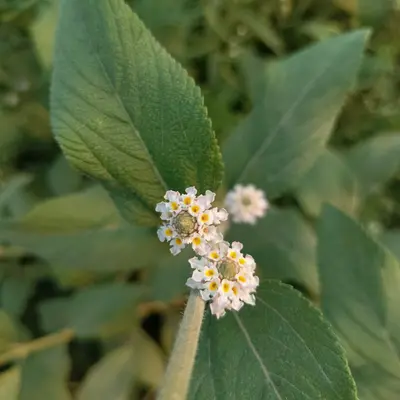
Tall Ironweed (Vernonia gigantea) is a perennial native wildflower. Hardy in USDA zones 5 to 8.
Sun
Full sun to partial shade
Zones
5–8
USDA hardiness
Height
3-12 feet
Planting Timeline
Showing dates for Tall Ironweed in USDA Zone 7
All Zone 7 native-wildflower →Zone Map
Click a state to update dates
Tall Ironweed · Zones 5–8
Growing Details
Complete Growing Guide
Light: Full sun (6 or more hours of direct sunlight a day), Partial Shade (Direct sunlight only part of the day, 2-6 hours). Soil: Clay, Loam (Silt), Sand, Shallow Rocky. Soil pH: Acid (<6.0), Alkaline (>8.0), Neutral (6.0-8.0). Drainage: Good Drainage, Moist. Height: 3 ft. 0 in. - 12 ft. 0 in.. Spread: 3 ft. 0 in. - 6 ft. 0 in.. Spacing: 3 feet-6 feet. Maintenance: Low. Propagation: Division, Seed. Regions: Coastal, Mountains, Piedmont.
Harvesting
Each floret is replaced by achene that is gray to brown. Attached to each achene are short and long hairs that are pale purple or yellowish-brown. This allows the seed to be easily dispersed by the wind.
Color: Brown/Copper, Gray/Silver. Type: Achene. Length: < 1 inch. Width: < 1 inch.
Harvest time: Fall
Storage & Preservation
Tall Ironweed is grown for ornamental flowers rather than culinary use, so storage focuses on cut flowers. Store fresh-cut stems in a cool location (65-72°F) with high humidity, preferably in a vase with fresh water away from direct sunlight. Cut flowers typically last 7-10 days indoors. For preservation, dry flowers by hanging bundles upside-down in a warm, dark, well-ventilated space for 2-3 weeks—dried arrangements last months. Alternatively, press individual flowers between parchment paper under weight for 1-2 weeks to create botanical specimens. Seeds can be collected and stored dry in cool, dark conditions for future planting seasons.
History & Origin
Origin: Southeastern to Central United States and Central Canada
Advantages
- +Attracts: Bees, Butterflies
- +Low maintenance
Companion Plants
The beneficial companions here are almost all native prairie and meadow species — Purple Coneflower, Black-eyed Susan, Little Bluestem Grass, Goldenrod, and Joe Pye Weed — and that's not a coincidence. They share similar soil preferences (lean and well-drained beats rich and amended), root architectures that don't crowd each other out, and bloom windows that string together a pollinator buffet from June through October. Around here in the Georgia piedmont, that late-summer overlap between Vernonia's deep purple and Goldenrod's yellow pulls in native bees — especially bumble bees and specialist Andrena species — right when the bees need it most before fall. The harmful companions — Crown Vetch, Autumn Olive, and Multiflora Rose — aren't really a companion question at all; all three are invasive species that spread aggressively and crowd out the native plant community Vernonia belongs to, so the advice is don't plant them, period.
Plant Together
Purple Coneflower
Shares similar growing conditions and attracts beneficial pollinators while extending bloom season
Black-eyed Susan
Complements purple blooms with yellow flowers and attracts diverse beneficial insects
Wild Bergamot
Attracts butterflies and native bees while sharing preference for well-drained soils
Little Bluestem Grass
Provides structural support and creates natural prairie ecosystem with complementary root systems
Joe Pye Weed
Similar height and bloom time creates butterfly habitat corridor and shares moisture preferences
Goldenrod
Blooms simultaneously to create pollinator magnet and provides late-season nectar source
New England Aster
Extends pollinator season into fall and creates dense wildlife habitat together
Wild Ginger
Provides ground cover beneath tall stems and attracts different beneficial insects
Keep Apart
Crown Vetch
Aggressive spreader that can outcompete and smother native wildflowers
Autumn Olive
Invasive shrub that creates dense shade and depletes soil nutrients
Multiflora Rose
Forms impenetrable thickets that crowd out native plants and reduce biodiversity
Troubleshooting Tall Ironweed
What you'll see, why it happens, and what to do about it.
Seedlings emerge then damp off at soil level within the first 2 weeks, stems pinched and dark at the base
Likely Causes
- Damping off (Pythium or Rhizoctonia spp.) — favored by soggy, poorly drained seed-starting mix
- Sowing too deep; Vernonia gigantea seed needs light to germinate and shouldn't be buried more than 1/8 inch
What to Do
- 1.Surface-sow or barely cover seed, press firmly for soil contact, and mist rather than drench
- 2.Switch to a well-draining seed-starting mix and bottom-water only — let the surface dry between waterings
- 3.If starting indoors, run a small fan for 30 minutes a day to improve air circulation around the flats
Established plant flops over or leans badly by midsummer, especially on plants over 6 feet
Likely Causes
- Too much shade — Vernonia gigantea in partial shade (under 4 hours direct sun) produces taller, weaker stems than plants in full sun
- Overly rich soil with excess nitrogen, which pushes fast, soft vegetative growth
What to Do
- 1.Cut plants back by one-third in late May or early June (the 'Chelsea chop') — this delays bloom slightly but produces shorter, stiffer stems that hold themselves up
- 2.Move or transplant to a full-sun spot in fall after bloom; avoid amending the bed with high-nitrogen fertilizers
Rust-colored or orange powdery pustules on leaf undersides, usually appearing in late summer humidity
Likely Causes
- Leaf rust (likely Puccinia vernoniae or a related rust fungus) — common on Vernonia species in humid southeastern summers
- Dense planting at less than 24-inch spacing that traps moisture around foliage
What to Do
- 1.Remove and bag the worst-affected leaves — don't compost them
- 2.Thin or divide crowded clumps in fall so each plant gets 24–36 inches of breathing room
- 3.A light application of neem oil early in the season can slow spread, but rust on a native wildflower rarely kills the plant — tolerance is usually the right call
Frequently Asked Questions
When should I plant Tall Ironweed seeds?▼
Can you grow Tall Ironweed in containers?▼
Is Tall Ironweed good for beginner gardeners?▼
How long does Tall Ironweed take to bloom from seed?▼
What are the flower colors and blooming time for Tall Ironweed?▼
Does Tall Ironweed attract pollinators?▼
Zone-by-Zone Planting Calendar
Growing Guides from Wind River Greens
Sources & References
External authority sources used in compiling this guide.
- ExtensionNC State Extension
See the Methodology page for how this data is sourced, what's AI-assisted, and known limitations.