Little Gem
Lactuca sativa
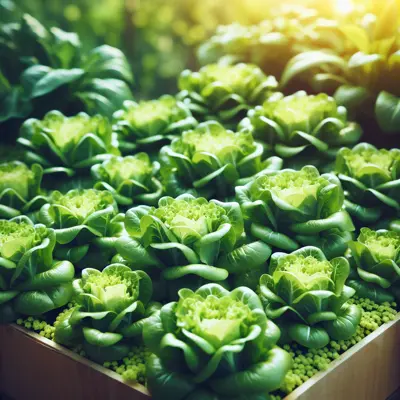
A uniform strain of an old French variety renowned for its buttery texture and sweet flavor. Exceptionally quick to close and blanch internal leaves. Heavily savoyed leaf. Pairs well with Rosaine and Cegolaine. Does not hold in the field as long as Newham. MT0-30. Also available with NOP-compliant pelleting.
Harvest
40d
Days to harvest
Sun
Full sun to partial shade
Zones
2–11
USDA hardiness
Height
6-12 inches
Planting Timeline
Showing dates for Little Gem in USDA Zone 7
All Zone 7 lettuce →Zone Map
Click a state to update dates
Little Gem · Zones 2–11
Growing Details
Succession Planting
Direct sow every 14 days starting March 1 in zone 7, and keep going until daytime highs are reliably hitting 80°F — past that point, Little Gem bolts fast and tip burn becomes a losing battle. That typically cuts off your spring window around late April or early May. Pick back up in late August or early September for a fall run, sowing every 14 days through mid-October; the 40-day days-to-harvest means a September 15 sowing will finish before hard frost in most of zone 7.
Complete Growing Guide
Little Gem lettuce thrives when started either indoors or direct sown, depending on your climate and preference. For earliest harvests, sow seeds indoors 4-6 weeks before your last spring frost, then transplant seedlings outdoors once they've developed their first true leaves. Alternatively, direct sow seeds into the garden 2-3 weeks before the last frost date, as Little Gem germinates reliably in cool soil. The beauty of this compact variety lies in succession planting—sow new seeds every two weeks from early spring through late summer for continuous harvests throughout the season. For fall crops, count backward from your first frost date and sow 55-65 days prior.
Prepare garden beds with rich, well-draining soil amended with compost or aged manure. Little Gem's compact size means it doesn't demand deep soil, but it does appreciate consistent moisture retention. Space plants 6-8 inches apart in rows 10-12 inches apart, or use tighter spacing of 4-6 inches if succession planting in containers. Sow seeds ¼ inch deep, pressing them gently into moist soil without covering heavily. Thin seedlings once they've emerged to prevent crowding, which reduces air circulation and invites disease.
Water consistently throughout the growing season, keeping soil evenly moist but never waterlogged. Little Gem's shallow root system and compact form make it particularly sensitive to drought stress during head formation, which can trigger tip burn—a disorder that creates brown, papery spots on inner leaves. Provide 1-1.5 inches of water weekly through rain or irrigation. Feed with a balanced, diluted liquid fertilizer every 2-3 weeks once plants are established; Little Gem needs moderate nutrition rather than heavy feeding.
This British heirloom demonstrates surprising susceptibility to certain pests and diseases despite its hardiness. Watch closely for aphids, which cluster on new growth and can multiply rapidly in cool weather. Slugs pose particular threats to young seedlings and the tender hearts; hand-pick or use copper tape barriers. Flea beetles cause characteristic shot-hole damage on leaves but rarely kill established plants. Downy mildew appears as yellow patches with gray mold underneath, especially during cool, wet springs—improve air circulation and avoid overhead watering. Lettuce drop, a fungal disease that causes sudden wilting and stem rot, thrives in cool, humid conditions; ensure excellent drainage and spacing.
The most common mistake gardeners make with Little Gem is harvesting too late. These miniature heads mature in 55-65 days and reach peak tenderness at 4-6 inches tall. Waiting for heads to become massive diminishes the sweet flavor and tender texture that define this variety. Harvest when heads feel firm but before outer leaves become tough. The compact size also makes Little Gem ideal for container growing, where you can protect plants from pests and control conditions more precisely. Consider growing a succession of containers to stagger harvests throughout the season.
Harvesting
Little Gem reaches harvest at 40 days from sowing per Johnny's Selected Seeds. As an annual, harvest continues until frost ends the season.
Tiny seeds with a dandelion-like tuft (pappus) to aid in wind dispersal.
Color: Brown/Copper. Type: Achene. Length: < 1 inch. Width: < 1 inch.
Harvest time: Summer
Edibility: Leaves can be used raw or cooked in salads, sandwiches, and other dishes. Head lettuce can be stored for 2-3 weeks while leaf and butterhead store for 1-2 weeks.
Storage & Preservation
Store unwashed Little Gem heads in the refrigerator wrapped in damp paper towels inside perforated plastic bags. Properly stored heads maintain quality for 7-10 days, significantly longer than loose-leaf varieties. Keep at 32-36°F with high humidity—your crisper drawer is ideal.
For immediate use, place cut stems in cold water like flowers to maintain crispness. Little Gem's compact heads make excellent individual serving portions, so consider harvesting just what you need rather than storing long-term.
While not typically preserved through traditional methods, Little Gem can be quickly blanched and frozen for cooked applications, though texture suffers for fresh use. The variety's quick-cooking nature makes it better suited for immediate consumption. For longer-term storage, focus on succession planting rather than preservation—plant new crops every 2-3 weeks for continuous fresh harvests throughout the growing season.
History & Origin
Little Gem is open-pollinated, meaning seed saved from healthy plants will produce true-to-type offspring. Listed in the Johnny's Selected Seeds catalog.
Origin: Mediterranean to Siberia
Advantages
- +Exceptionally quick maturity at just 40 days from seed to harvest
- +Sweet, nutty flavor with buttery texture makes it excellent for fresh eating
- +Uniform strain quickly closes and blanches interior leaves naturally
- +Easy difficulty level suitable for beginner and experienced gardeners
- +Heavily savoyed leaves add visual appeal and texture to salads
Considerations
- -Does not hold in field as long as Newham variety, requiring timely harvesting
- -Susceptible to multiple diseases including downy mildew, lettuce drop, and tip burn
- -Vulnerable to common pests like aphids, slugs, cutworms, and flea beetles
Companion Plants
Radishes are the most practical companion here — they germinate in 5–7 days and mark the row while drawing flea beetles away from the lettuce. Chives and garlic operate on a similar principle: their sulfur compounds interfere with aphid host-location, and aphids are the most consistent pest pressure Little Gem faces through its short 40-day run. Carrots share neither root depth nor water demand with shallow-rooted lettuce, so they coexist without fighting over resources. Skip fennel entirely — it releases allelopathic compounds from its roots that suppress germination and drag down growth in most vegetables. Sunflowers cast dense shade and compete aggressively for the shallow soil moisture lettuce depends on.
Plant Together
Chives
Repels aphids and improves lettuce flavor
Carrots
Deep roots don't compete with shallow lettuce roots, loosens soil
Radishes
Quick growth breaks up soil for lettuce, deters leaf miners
Marigolds
Repels aphids, whiteflies, and nematodes
Spinach
Similar growing requirements, efficient use of garden space
Garlic
Natural pest deterrent, repels aphids and slugs
Dill
Attracts beneficial insects that control lettuce pests
Nasturtiums
Acts as trap crop for aphids and cucumber beetles
Keep Apart
Sunflowers
Too tall, creates excessive shade that stunts lettuce growth
Brassicas
Compete for similar nutrients and can attract shared pests like flea beetles
Fennel
Releases allelopathic compounds that inhibit lettuce growth
Nutrition Facts
Per 100g serving. % Daily Value based on 2,000 calorie diet. Source: USDA FoodData Central (FDC #2346388)
Pests & Disease Resistance
Resistance
Good bolt resistance, moderate disease tolerance
Common Pests
Aphids, slugs, cutworms, flea beetles
Diseases
Downy mildew, lettuce drop, tip burn
Troubleshooting Little Gem
What you'll see, why it happens, and what to do about it.
Seedlings collapse and die at soil level within the first 7–10 days after planting, sometimes with fuzzy white mold on the soil surface nearby
Likely Causes
- Damping off — a fungal complex (commonly Pythium or Rhizoctonia) that thrives in wet, poorly drained soil
- Replanting in the same bed where lettuce grew the previous 2–3 seasons, allowing pathogen load to build up
What to Do
- 1.Pull the dead seedlings and don't replant in that spot until you've amended with compost and let the bed rest at least one season
- 2.Improve drainage before sowing — raised beds or a light till to break up compaction helps considerably
- 3.Water in the morning so the soil surface dries by evening; standing moisture overnight is what the fungus wants
White-gray fuzzy coating on the undersides of leaves, with yellow patches showing on the upper surface
Likely Causes
- Downy mildew (Bremia lactucae) — favored by cool nights below 65°F and high humidity, common in spring and fall windows
- Overcrowded plantings that trap moisture between heads
What to Do
- 1.Pick off and trash (don't compost) any affected outer leaves as soon as you spot them
- 2.Space Little Gem at the full 8 inches — it's a compact head but still needs airflow between plants
- 3.If Bremia is a recurring problem in your beds, a copper-based fungicide applied at first sign can slow spread; follow label rates
Brown, papery burn on the innermost tip-edges of leaves, even when the plant looks otherwise healthy
Likely Causes
- Tip burn — a calcium-distribution problem triggered by inconsistent watering or temperatures above 80°F, not a pest or pathogen
- Irregular irrigation that causes the plant to move water unevenly, starving inner leaves of calcium
What to Do
- 1.Water consistently — 1 inch per week, split into smaller sessions if your soil drains fast
- 2.Harvest at 40 days; Little Gem held too long in warm weather will tip-burn badly on the inner leaves
- 3.A 30–40% shade cloth during afternoon heat spikes buys a few extra days before burn sets in
Frequently Asked Questions
How long does Little Gem lettuce take to grow?▼
Can you grow Little Gem lettuce in containers?▼
What does Little Gem lettuce taste like?▼
Is Little Gem lettuce good for beginners?▼
When should I plant Little Gem lettuce?▼
Little Gem vs regular romaine lettuce - what's the difference?▼
Zone-by-Zone Planting Calendar
| Zone | Indoor Start | Transplant | Direct Sow | Harvest |
|---|---|---|---|---|
| Zone 3 | — | — | May – June | July – October |
| Zone 4 | — | — | April – June | June – October |
| Zone 5 | — | — | April – May | June – November |
| Zone 6 | — | — | April – May | June – November |
| Zone 7 | — | — | March – May | May – November |
| Zone 8 | — | — | March – April | May – December |
| Zone 9 | — | — | February – March | April – December |
| Zone 10 | — | — | January – March | March – December |
| Zone 1 | — | — | June – July | July – September |
| Zone 2 | — | — | May – July | June – September |
| Zone 11 | — | — | January – February | January – December |
| Zone 12 | — | — | January – February | January – December |
| Zone 13 | — | — | January – February | January – December |
Growing Guides from Wind River Greens
Sources & References
External authority sources used in compiling this guide.
- BreederJohnny's Selected Seeds
- USDAUSDA FoodData Central
See the Methodology page for how this data is sourced, what's AI-assisted, and known limitations.