Lily Orienpet Conca d'Or
Lilium 'Conca d'Or'
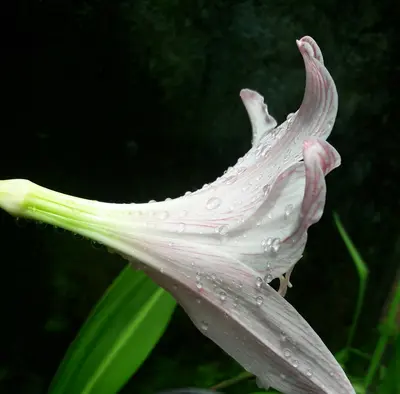
This magnificent Orienpet hybrid lily combines the best traits of Oriental and Trumpet lilies, producing enormous fragrant yellow blooms that can reach 10 inches across. The towering stems create a dramatic vertical accent in the garden, while the intoxicating fragrance fills the evening air. These long-lived bulbs multiply over time, creating impressive clumps that become more spectacular each year.
Sun
Full sun to partial shade
Zones
3–8
USDA hardiness
Height
1-6 feet
Planting Timeline
Showing dates for Lily Orienpet Conca d'Or in USDA Zone 7
All Zone 7 flower →Zone Map
Click a state to update dates
Lily Orienpet Conca d'Or · Zones 3–8
Growing Details
Complete Growing Guide
Light: Full sun (6 or more hours of direct sunlight a day), Partial Shade (Direct sunlight only part of the day, 2-6 hours). Soil: High Organic Matter. Soil pH: Acid (<6.0). Drainage: Good Drainage. Height: 1 ft. 0 in. - 6 ft. 0 in.. Spread: 0 ft. 8 in. - 2 ft. 0 in.. Spacing: 12 inches-3 feet. Growth rate: Rapid. Maintenance: Low. Regions: Coastal, Mountains, Piedmont.
Harvesting
Three part capsule that splits open
Color: Green. Type: Capsule.
Storage & Preservation
Fresh cut Conca d'Or stems last longest when stored in cool water (65-70°F) with flower food containing sugar and antibacterial agents. Recut stems every 2-3 days and change water completely. Remove lower leaves that would sit below the waterline to prevent bacterial growth.
For preservation, these lilies dry beautifully – harvest just as buds begin opening and hang stems upside down in a dark, well-ventilated area. The seed pods that form after flowering also make excellent dried arrangements. Press individual petals between weighted paper for craft projects, though the thick petals require 3-4 weeks to dry completely. The intense fragrance doesn't preserve well in dried forms, but the dramatic golden color and form remain striking in dried arrangements for 6-8 months when stored away from direct sunlight.
History & Origin
Origin: North America, Europe and Asia
Advantages
- +Enormous 10-inch fragrant yellow blooms create stunning visual impact in gardens.
- +Intoxicating evening fragrance makes this lily special for sensory experience.
- +Long-lived bulbs multiply over time, becoming more impressive annually.
- +Combines best traits of Oriental and Trumpet lilies for vigor.
- +Dramatic tall stems provide excellent vertical accent in landscape design.
Considerations
- -Susceptible to multiple pests including lily beetles and destructive voles.
- -Vulnerable to serious diseases like basal rot and lily mosaic virus.
- -Moderate difficulty requires proper care to prevent botrytis blight problems.
- -Needs well-draining soil and careful management to ensure long-term success.
Companion Plants
Hostas, astilbe, and Japanese painted fern do the real work here — they fill in the lower 12–18 inches around 'Conca d'Or' with dense foliage that shades the soil, cutting moisture loss and suppressing weeds without their roots tangling with the bulbs. Fall-planted allium bulbs (set 6–8 inches deep) earn a spot for their sulfur compounds, which repel the aphids and thrips that target lily stems through summer. Catmint and lavender bridge the bloom gap before the lilies open in midsummer while adding pest-confusing scent. Black walnut trees are a hard no — juglone from their root zone moves through the soil far enough to stunt Lilium before you'd ever think to blame the tree.
Plant Together
Hostas
Provide shade for lily bulbs and complement tall lily stems with broad foliage
Astilbe
Shares similar moisture requirements and provides textural contrast with feathery plumes
Heuchera
Low-growing groundcover that keeps lily bulbs cool and suppresses weeds
Japanese Painted Fern
Tolerates partial shade created by lilies and adds silvery foliage contrast
Catmint
Repels aphids and other pests that commonly attack lilies
Alliums
Natural pest deterrent that protects lily bulbs from rodents and insects
Lavender
Repels aphids, spider mites, and other lily pests while providing aromatic contrast
Mulching Groundcovers
Keep lily roots cool and moist while preventing soil temperature fluctuations
Keep Apart
Black Walnut Trees
Produce juglone toxin that inhibits lily growth and can cause stunting or death
Crown Imperial Fritillaria
May harbor lily mosaic virus and other diseases that spread to Oriental lilies
Tulips
Share common bulb diseases and pests, creating concentrated infection risk
Pests & Disease Resistance
Resistance
Good resistance to lily mosaic virus, moderate botrytis resistance
Common Pests
Lily beetles, aphids, thrips, mice, voles
Diseases
Botrytis blight, basal rot, lily mosaic virus
Troubleshooting Lily Orienpet Conca d'Or
What you'll see, why it happens, and what to do about it.
Bright red beetles (about 1/4 inch long) and skeletonized leaves, sometimes with larvae covered in their own dark excrement
Likely Causes
- Scarlet lily beetle (Lilioceris lilii) — adults overwinter in soil and emerge in spring to feed and lay eggs on lily foliage
- Larvae are the worse offenders; they hatch fast and eat ragged holes through leaves and buds
What to Do
- 1.Hand-pick adults and larvae daily into a jar of soapy water — they drop when disturbed, so cup your hand under the stem first
- 2.Spray neem oil (diluted per label, typically 2 tablespoons per gallon) on the undersides of leaves every 7 days once you see the first adult
- 3.Check the undersides of leaves for orange egg clusters and crush them on sight — catching eggs early saves you a lot of grief later
Gray-brown fuzzy patches on buds, stems, or leaves, often after a stretch of cool, wet weather
Likely Causes
- Botrytis blight (Botrytis elliptica) — a fungal disease that spreads by spores in humid, still air and colonizes dying or water-stressed tissue first
- Crowded planting with poor airflow makes the problem significantly worse
What to Do
- 1.Remove and bag (don't compost) all affected tissue immediately — Botrytis spreads by airborne spores and moves fast
- 2.Space bulbs at least 12 inches apart and switch to drip irrigation at the base; wet foliage is where this disease gets its foothold
- 3.Apply a copper-based fungicide every 10–14 days during wet spells as a preventive once you've had Botrytis in a bed
Frequently Asked Questions
How long does Lily Orienpet Conca d'Or take to bloom?▼
Can you grow Conca d'Or lilies in containers?▼
When should I plant Conca d'Or lily bulbs?▼
Do Conca d'Or lilies spread and multiply?▼
How do you protect Conca d'Or lilies from lily beetles?▼
What's the difference between Conca d'Or and other Orienpet lilies?▼
Zone-by-Zone Planting Calendar
| Zone | Indoor Start | Transplant | Direct Sow | Harvest |
|---|---|---|---|---|
| Zone 3 | April – May | June – July | June – August | — |
| Zone 4 | March – April | June – June | June – July | — |
| Zone 5 | March – April | May – June | May – July | — |
| Zone 6 | March – April | May – June | May – July | — |
| Zone 7 | February – March | April – May | April – June | — |
| Zone 8 | February – March | April – May | April – June | — |
| Zone 9 | January – February | March – April | March – May | — |
| Zone 10 | January – January | February – March | February – April | — |
| Zone 1 | May – June | July – August | July – September | — |
| Zone 2 | April – May | June – July | June – August | — |
| Zone 11 | January – January | January – February | January – March | — |
| Zone 12 | January – January | January – February | January – March | — |
| Zone 13 | January – January | January – February | January – March | — |