Ficus Benjamina
Ficus benjamina
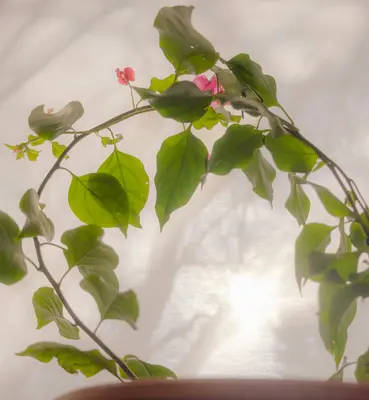
The classic Weeping Fig is a beloved indoor tree with glossy, oval leaves and gracefully drooping branches that create an elegant canopy effect. Native to Asia and Australia, it's prized for its ability to adapt to indoor conditions while maintaining a tree-like structure that can reach impressive heights. Though it may drop leaves when first brought home, once established it becomes a stunning, long-lived centerpiece that can be pruned and shaped to fit any space.
Sun
Full sun to partial shade
Zones
10–12
USDA hardiness
Height
5-30 feet
Complete Growing Guide
Light: Dappled Sunlight (Shade through upper canopy all day), Deep shade (Less than 2 hours to no direct sunlight), Full sun (6 or more hours of direct sunlight a day), Partial Shade (Direct sunlight only part of the day, 2-6 hours). Soil: Loam (Silt), Sand. Soil pH: Acid (<6.0), Alkaline (>8.0), Neutral (6.0-8.0). Drainage: Very Dry. Height: 5 ft. 0 in. - 30 ft. 0 in.. Spread: 3 ft. 0 in. - 30 ft. 0 in.. Spacing: 6-feet-12 feet, 12-24 feet, 24-60 feet. Growth rate: Medium. Maintenance: High. Propagation: Stem Cutting.
Harvesting
Flowers and fruits are enclosed in a fleshy sac that turns from green to orange-red to red and then purplish black. A globose to slightly oblong fig, in pairs, green maturing to reddish then purple-black.
Color: Black, Green, Orange, Purple/Lavender, Red/Burgundy. Length: < 1 inch. Width: < 1 inch.
Storage & Preservation
Ficus Benjamina is a living houseplant, not a perishable item requiring storage. However, optimal preservation involves maintaining stable indoor conditions: keep in a warm location (65-75°F) with consistent humidity (40-60%). Avoid drafts, cold windows, and sudden temperature fluctuations, which trigger leaf drop. To preserve long-term vigor: water when top inch of soil is dry, provide bright indirect light, rotate quarterly for even growth, and repot every 2-3 years with fresh potting mix. Mist leaves monthly to maintain glossy appearance and prevent pest infestations.
History & Origin
Origin: Tropical & Subtropical Asia and Northern Australia
Considerations
- -High maintenance
Companion Plants
Indoors, Ficus benjamina does best surrounded by plants that share its light and humidity requirements — Spider Plant, Pothos, and Peace Lily all handle 4-6 hours of indirect light without complaint and won't compete for root space in a shared tray setup. Boston Fern is worth placing nearby specifically because it transpires steadily, nudging ambient humidity up several points; in our zone 7 Georgia winters, when forced-air heat pulls indoor humidity down to 20-30%, that passive moisture contribution is genuinely useful. Monstera and Fiddle Leaf Fig are the ones to avoid — both want soil kept consistently wetter than ficus tolerates, and managing two conflicting watering schedules in the same corner of a room is a reliable way to rot the ficus roots by February.
Plant Together
Spider Plant
Similar light and watering requirements, helps purify air together
Pothos
Compatible humidity needs and creates layered foliage display
Peace Lily
Increases humidity levels which benefits Ficus, similar indirect light needs
Boston Fern
Adds humidity to air and thrives in similar bright, indirect light conditions
Rubber Plant
Same family (Ficus) with identical care requirements and pest resistance
Philodendron
Similar watering schedule and helps create beneficial microclimate
Snake Plant
Tolerates lower light when Ficus creates shade, different root depths
ZZ Plant
Drought tolerant backup when watering is inconsistent, complementary growth habits
Keep Apart
Fiddle Leaf Fig
Competes for same light conditions and prone to similar fungal issues
Monstera
Large leaves compete for light and space, similar nutrient requirements cause competition
Calathea
Requires much higher humidity and more consistent moisture than Ficus prefers
Pests & Disease Resistance
Resistance
Generally healthy but susceptible to leaf spot and root rot
Common Pests
Scale insects, spider mites, aphids, whiteflies
Diseases
Root rot, leaf spot, powdery mildew, canker
Troubleshooting Ficus Benjamina
What you'll see, why it happens, and what to do about it.
Sticky residue on leaves and stems, with yellowing foliage and tiny bumps along the branches
Likely Causes
- Scale insects (soft or armored) — common on ficus kept in low-humidity indoor air
- Aphid colonies clustering on new growth
What to Do
- 1.Wipe visible scale off with a cotton ball soaked in 70% isopropyl alcohol, hitting every bump you can find
- 2.Follow up with a neem oil spray (2 tsp neem per quart of water, plus a few drops of dish soap) every 7 days for 3 weeks
- 3.Move the plant away from other houseplants until the infestation is cleared
Fine webbing on the undersides of leaves, with stippled or bronzed leaf surfaces
Likely Causes
- Spider mites (Tetranychus urticae) — almost always triggered by dry indoor air, especially in heated rooms in winter
What to Do
- 1.Blast the undersides of leaves with a strong stream of water in a sink or shower — this physically removes mites and eggs
- 2.Raise humidity around the plant to at least 50% using a pebble tray or a nearby humidifier
- 3.Apply insecticidal soap spray every 5-7 days for 3 rounds if the population doesn't drop
Dozens of leaves dropping in a short period — without obvious yellowing or spotting beforehand
Likely Causes
- Relocation shock — Ficus benjamina is notorious for dropping leaves when moved even a few feet to a new light position
- Cold drafts or temperatures below 55°F from a nearby vent, window, or exterior door
What to Do
- 1.Pick a permanent spot with bright, indirect light and leave it there — this species does not forgive frequent moves
- 2.Keep the plant at least 3 feet from heating and AC vents, and away from single-pane windows in winter
- 3.Cut back on watering slightly while it re-establishes; a stressed root system can't handle the same volume it did before the move
Wilting or yellowing despite moist soil, with mushy dark roots visible when you unpot
Likely Causes
- Root rot (Phytophthora or Pythium spp.) from consistently waterlogged soil, especially in pots without drainage
- Standing water pooling in the saucer and wicking back up into the root zone
What to Do
- 1.Remove the plant from its pot, cut off all black or mushy roots with sterile scissors, and let the root ball air out for 30-60 minutes before repotting
- 2.Use a mix of standard potting soil cut with 20-25% perlite, and make sure the new pot has at least one drainage hole
- 3.Water only when the top inch of soil is dry, and empty the saucer within an hour of watering
Frequently Asked Questions
Is Ficus Benjamina a good houseplant for beginners?▼
Why is my Ficus Benjamina dropping leaves?▼
How tall can a Ficus Benjamina grow indoors?▼
How often should I water my Ficus Benjamina?▼
Can I grow Ficus Benjamina in low light?▼
Is Ficus Benjamina toxic to pets?▼
Growing Guides from Wind River Greens
Sources & References
External authority sources used in compiling this guide.
- ExtensionNC State Extension
See the Methodology page for how this data is sourced, what's AI-assisted, and known limitations.