Indian Pink
Spigelia marilandica
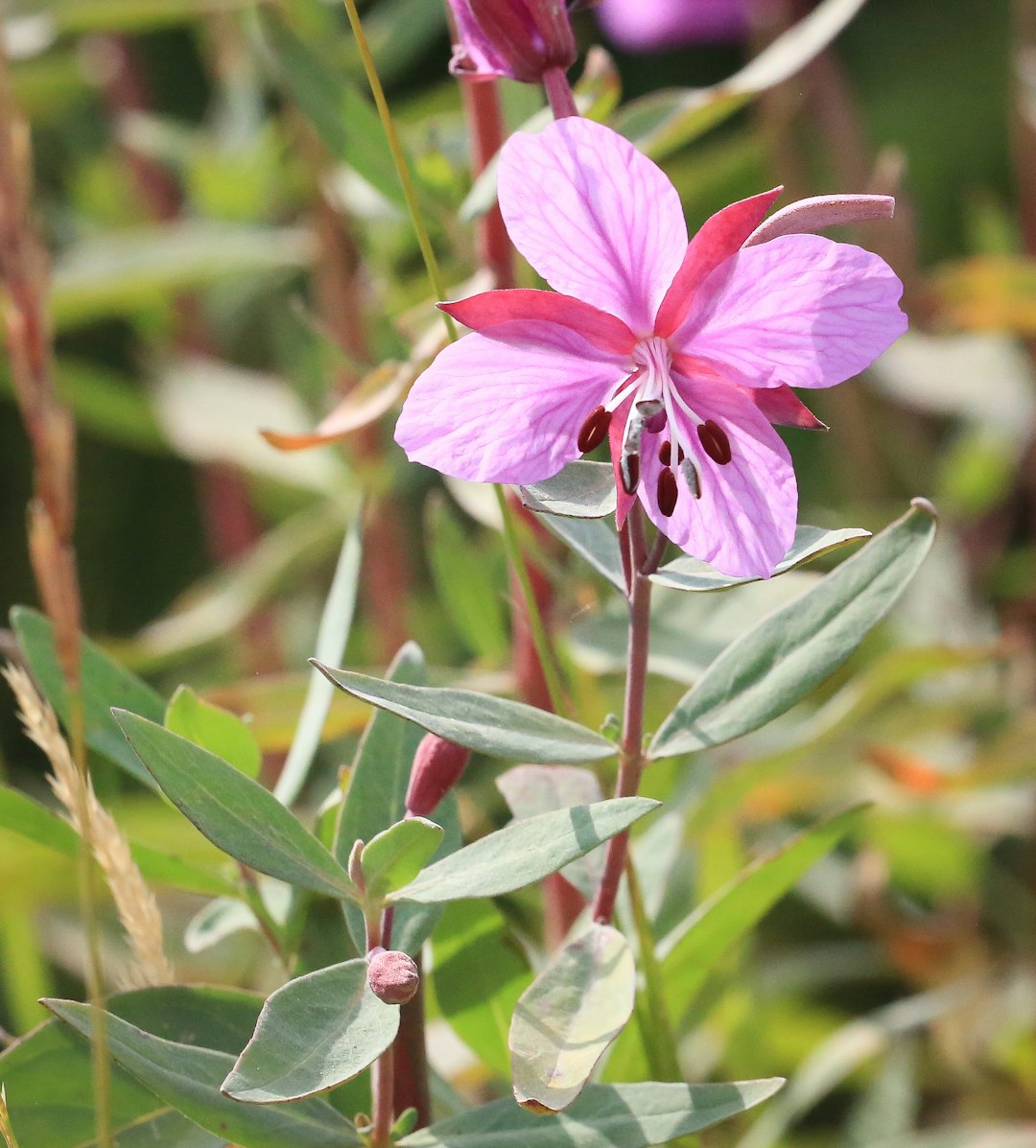
Indian Pink (Spigelia marilandica) is a perennial native wildflower. Hardy in USDA zones 5 to 9. Prefers part sun.
Sun
Partial shade
Zones
5–9
USDA hardiness
Height
12-24 inches
Planting Timeline
Showing dates for Indian Pink in USDA Zone 7
All Zone 7 native-wildflower →Zone Map
Click a state to update dates
Indian Pink · Zones 5–9
Growing Details
Complete Growing Guide
Light: Dappled Sunlight (Shade through upper canopy all day), Deep shade (Less than 2 hours to no direct sunlight), Partial Shade (Direct sunlight only part of the day, 2-6 hours). Soil: High Organic Matter. Soil pH: Acid (<6.0). Drainage: Good Drainage, Moist, Occasionally Wet. Height: 1 ft. 0 in. - 2 ft. 0 in.. Spread: 0 ft. 6 in. - 1 ft. 6 in.. Spacing: 12 inches-3 feet. Growth rate: Medium. Maintenance: Low. Propagation: Division, Seed, Stem Cutting. Regions: Mountains.
Harvesting
Two-celled seed capsules release their seeds in June and July.
Type: Capsule.
Harvest time: Summer
Storage & Preservation
Indian Pink is not harvested for food storage. If collecting seed for next season, dry the ripe seed pods completely at room temperature (65–75°F) in a well-ventilated area for 5–10 days. Once fully dry, store seeds in an airtight container (glass jar or seed envelope) in a cool, dark location (32–50°F ideally). Properly stored Indian Pink seeds remain viable for 2–3 years.
If preserving cut flowers, recut stems at a 45-degree angle and place immediately in room-temperature water with a floral preservative packet (or a mix of sugar, bleach, and water). Change water every 2–3 days and remove any foliage below the waterline. Blooms last longest in cool rooms away from ripening fruit and direct sunlight. For dried arrangements, hang cut stems upside-down in a warm, dry, dark location for 2–3 weeks until papery.
History & Origin
Origin: East central and southeastern United States
Advantages
- +Attracts: Hummingbirds, Songbirds
- +Low maintenance
Considerations
- -Toxic (Flowers, Fruits, Leaves, Roots, Seeds, Stems): Low severity
Companion Plants
Wild Ginger (Asarum canadense) is the most practical ground-level pairing — it fills bare soil around Spigelia's base, suppresses weeds, and shares the same preference for moist, acidic shade without crowding the root zone. Ferns do similar work with more vertical interest. Purple Coneflower and Wild Columbine suit the sunnier edges where the canopy opens up, and both pull in ruby-throated hummingbirds alongside Indian Pink's own tubular red blooms — you get a longer hummingbird window across the whole planting. Black Walnut is a hard no: juglone, the allelopathic compound its roots release, is lethal to Spigelia, and no amount of soil amendment changes that.
Plant Together
Wild Bergamot
Attracts beneficial pollinators and shares similar native habitat requirements
Purple Coneflower
Both are native perennials that attract butterflies and beneficial insects
Wild Ginger
Provides ground cover and shares preference for partial shade and moist soil
Coral Bells
Complementary foliage texture and both thrive in woodland garden settings
Ferns
Create beneficial microclimate with increased humidity and filtered light
Trillium
Both are native woodland plants that prefer similar soil and light conditions
Wild Columbine
Attracts different pollinators and blooms at complementary times
Bloodroot
Early spring bloomer that shares native woodland habitat preferences
Keep Apart
Black Walnut
Produces juglone which is toxic to many plants including native wildflowers
Mint
Aggressive spreader that can overwhelm and outcompete delicate native plants
Fennel
Releases allelopathic compounds that inhibit growth of nearby plants
Troubleshooting Indian Pink
What you'll see, why it happens, and what to do about it.
Leaves wilting or yellowing in patches despite regular watering, soil staying wet
Likely Causes
- Root rot from Phytophthora or Pythium species — both thrive in waterlogged, poorly drained soil
- Planting in a site with less than 4 hours of dappled shade, causing moisture to evaporate unevenly and stress roots
What to Do
- 1.Dig up a plant and check the roots — brown, mushy roots confirm rot; healthy roots are white and firm
- 2.Amend the bed with coarse grit or pine bark fines to improve drainage before replanting
- 3.Relocate to a spot with consistent moisture that doesn't pool after rain — a north-facing slope or under deciduous canopy works well
Flower buds forming but dropping before opening, or blooms lasting only 1-2 days
Likely Causes
- Soil pH above 6.5 — Spigelia marilandica strongly prefers acidic conditions around 6.0 and nutrient uptake suffers above that range
- Drought stress during bud set, which typically happens in late spring when soil can dry out fast
What to Do
- 1.Test your soil pH with a basic kit; if it's above 6.2, top-dress with elemental sulfur at the rate on the package and water in
- 2.Mulch 2-3 inches deep with shredded hardwood or pine straw to hold moisture through the bud-set window
- 3.Water deeply twice a week during dry spells rather than light daily sprinkles
Sluggish establishment after transplant — plant sits unchanged for 4-6 weeks, minimal new growth
Likely Causes
- Spigelia marilandica has a slow-to-establish root system and resents root disturbance; bare-root or rough transplanting is a common culprit
- Transplanting into a site with fewer than 4 hours of shade, causing the plant to redirect energy into stress response rather than root development
What to Do
- 1.Don't fertilize or move it — Indian Pink often stalls for a full season before taking off in year two, and fussing with it makes things worse
- 2.Keep the root zone consistently moist for the first 8 weeks; let the top inch dry slightly between waterings but no more
- 3.Next time, transplant in May or early June when soil temps are reliably above 55°F and the deciduous canopy has fully leafed in overhead
Frequently Asked Questions
How long does Indian Pink take to grow from seed to flowering?▼
Can you grow Indian Pink in containers?▼
Does Indian Pink really attract hummingbirds?▼
Is Indian Pink good for beginners?▼
When should I plant Indian Pink seeds?▼
Why isn't my Indian Pink blooming?▼
Zone-by-Zone Planting Calendar
Growing Guides from Wind River Greens
Sources & References
External authority sources used in compiling this guide.
- ExtensionNC State Extension
See the Methodology page for how this data is sourced, what's AI-assisted, and known limitations.