Lincoln
Pisum sativum 'Lincoln'
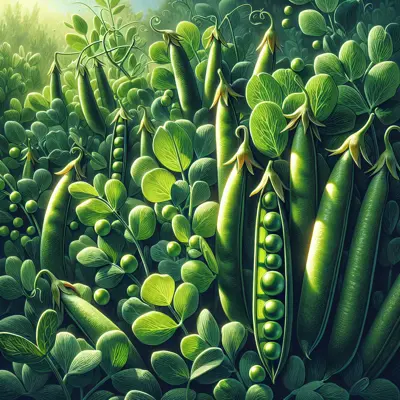
A dependable All-America Selections winner from 1908 that remains one of the most popular shelling peas for home gardeners. This variety produces heavy yields of dark green pods filled with exceptionally sweet peas that freeze beautifully. Lincoln's consistent performance and excellent flavor have made it a garden staple for over a century.
Harvest
65-70d
Days to harvest
Sun
Full sun to partial shade
Zones
2–11
USDA hardiness
Height
12-18 inches
Planting Timeline
Showing dates for Lincoln in USDA Zone 7
All Zone 7 pea →Zone Map
Click a state to update dates
Lincoln · Zones 2–11
Growing Details
Succession Planting
Direct sow Lincoln every 14–16 days starting as soon as soil reaches 45°F — and keep going through late April. Stop when daytime highs are regularly hitting 75°F; peas set pods poorly above that threshold and Erysiphe pisi (powdery mildew) will take the planting before you get a real harvest. At 65–70 days to maturity, a mid-April sowing is usually the last realistic spring window.
For a fall run, count back 70 days from your first expected frost and direct sow then — late August to early September in zone 7. Germination can be spotty when soil is still warm, so sow thicker than the label says and thin to 2–3 inches once they're up. The UGA Vegetable Garden Calendar lists September as viable for cool-season crops, but Lincoln's sensitivity to heat makes that fall window shorter than most people expect — don't push the back end.
Complete Growing Guide
Start preparing your planting site in late winter by working compost or well-aged manure into the soil. Lincoln peas thrive in cool weather, so you'll want to direct sow seeds 2-4 weeks before your last expected frost date. In zones 3-5, this typically means mid to late March, while gardeners in zones 6-8 can plant as early as February.
Soak your Lincoln pea seeds overnight before planting to improve germination rates. Plant seeds 1-2 inches deep and 2-3 inches apart in rows spaced 12-18 inches apart. Unlike many vegetables, peas actually prefer slightly cooler soil temperatures around 45-65°F, so don't wait for warm spring weather.
Install supports at planting time rather than waiting until plants are established. Lincoln peas reach 24-30 inches tall and benefit from trellising or pea netting. Use 4-6 foot tall supports and gently train the tendrils to climb as plants grow. This variety's vigorous climbing habit makes proper support crucial for maximum pod production.
Avoid heavy nitrogen fertilization, as peas fix their own nitrogen through root nodules. Instead, focus on phosphorus and potassium by working bone meal or a balanced organic fertilizer into the soil before planting. Side-dress with compost mid-season if plants appear pale or growth slows.
Maintain consistent soil moisture throughout the growing season, especially during flowering and pod development. Water deeply 1-2 times per week rather than daily shallow watering, which encourages shallow root development. Mulch around plants to retain moisture and suppress weeds, but keep mulch away from stems to prevent fungal issues.
For extended harvests, make succession plantings every 10-14 days until 8-10 weeks before your first fall frost. This technique works particularly well with Lincoln's reliable germination and consistent maturity timing. Stop succession planting once daytime temperatures consistently exceed 75°F, as heat stress reduces pod production and sweet flavor.
Watch for common mistakes like planting too late in spring or overcrowding plants. Lincoln peas need good air circulation to prevent powdery mildew, especially in humid climates. Thin seedlings if they're too dense, and avoid working in the garden when plants are wet to prevent spreading diseases.
Harvesting
Harvest Lincoln peas when pods are bright green, plump, and firm to the touch, typically 65-70 days from planting. The pods should feel full but not bulging, and you should be able to clearly see the outline of individual peas inside. Perform the 'snap test' by bending the pod - properly mature pods will snap cleanly rather than bend.
Harvest in early morning when pods are crisp and sugar content is highest. Pick pods with a gentle twisting motion, supporting the vine with your other hand to avoid damaging the plant. Lincoln's pods don't all mature simultaneously, so check plants every 2-3 days during peak season.
Start harvesting from the bottom of the plant and work upward, as lower pods mature first. Properly harvested Lincoln plants will continue producing for 2-3 weeks. The pods should make a slight 'pop' when you open them, and the peas inside should be bright green and sweet. If peas have started to fade to pale green or feel starchy, they're past prime eating quality but still suitable for drying.
Storage & Preservation
Fresh Lincoln peas maintain peak quality for only 2-3 days after harvest, so process them quickly. Store unwashed pods in perforated plastic bags in the refrigerator's crisper drawer. For best flavor, shell peas just before eating or preserving.
Freezing is the ideal preservation method for Lincoln peas. Blanch shelled peas in boiling water for 90 seconds, then immediately plunge into ice water. Drain thoroughly and freeze in single layers on baking sheets before transferring to freezer bags. Properly frozen Lincoln peas maintain their sweet flavor for 8-12 months.
For canning, use a pressure canner following USDA guidelines, as peas are low-acid foods. Lincoln's naturally sweet flavor makes them excellent for soup mixes and casseroles when canned. You can also allow some pods to fully mature and dry on the plant for winter storage as dried split peas.
History & Origin
Lincoln pea earned its place in gardening history as an All-America Selections winner in 1908, during the early years of organized variety trials in the United States. Developed through careful selection breeding in the Midwest, this variety was specifically chosen for its exceptional reliability and superior eating quality compared to other shelling peas of the era.
The variety's name likely honors Abraham Lincoln, reflecting the patriotic naming trends common in early 20th-century American plant breeding. Lincoln pea quickly became a commercial success, with seed companies recognizing its consistent performance across diverse growing conditions and climates.
For over 115 years, Lincoln has remained virtually unchanged, a testament to the careful selection work of early plant breeders who created a nearly perfect combination of flavor, yield, and disease resistance. Unlike many modern hybrid varieties, Lincoln's open-pollinated nature allowed generations of gardeners to save seeds, spreading this variety through seed exchanges and family gardens across North America. Today, it remains one of the most widely available heirloom peas, still offered by dozens of seed companies and considered a benchmark variety for evaluating other shelling peas.
Advantages
- +Exceptional cold tolerance allows planting 2-4 weeks before last frost
- +Heavy yields of 6-8 peas per pod with consistent production
- +Outstanding sweet flavor that maintains quality when frozen
- +Reliable 65-70 day maturity regardless of weather variations
- +Strong disease resistance to common wilt and root problems
- +Self-supporting vigorous vines reduce need for extensive staking
- +Open-pollinated variety allows for seed saving year after year
Considerations
- -Heat sensitive and stops producing when temperatures exceed 75°F
- -Requires consistent moisture or pods become tough and starchy
- -Susceptible to aphid infestations during warm, humid weather
- -Limited harvest window of 2-3 weeks compared to indeterminate varieties
- -Pods must be harvested frequently or plants stop producing
Companion Plants
Carrots and radishes work well alongside Lincoln because they feed at a different depth — carrots especially, pulling moisture from 6–10 inches down rather than competing in the shallow zone where pea roots concentrate during pod fill. Lettuce and spinach fit underneath or alongside without crowding, tolerating the partial shade that pea vines cast and clearing out before heat arrives. Marigolds pull in parasitic wasps and hoverflies that keep pea aphid (Acyrthosiphon pisum) pressure from getting out of hand. Onions and garlic are consistent problems — alliums appear to slow pea germination and suppress early root development, and that effect is repeatable enough that there's no reason to test it yourself.
Plant Together
Carrots
Peas add nitrogen to soil that carrots need, carrots don't compete for space
Radishes
Help break up soil for pea roots and mature quickly before peas need full space
Lettuce
Benefits from nitrogen fixed by peas and provides living mulch
Spinach
Thrives on nitrogen provided by peas and has similar growing requirements
Marigolds
Repel aphids and other pests that commonly attack pea plants
Chives
Repel aphids and improve overall garden pest management
Mint
Deters ants and aphids, though should be contained to prevent spreading
Cucumbers
Benefit from nitrogen fixed by peas when planted in succession
Keep Apart
Onions
Can inhibit pea growth and nitrogen fixation through root secretions
Garlic
Allelopathic compounds can stunt pea growth and reduce yields
Gladiolus
Competes heavily for nutrients and can inhibit pea development
Nutrition Facts
Per 100g serving. % Daily Value based on 2,000 calorie diet. Source: USDA FoodData Central (FDC #170419)
Pests & Disease Resistance
Resistance
Good general vigor with some resistance to common wilt diseases.
Common Pests
Aphids, pea weevils, leaf miners, thrips
Diseases
Fusarium wilt, powdery mildew, bacterial blight, root rot
Troubleshooting Lincoln
What you'll see, why it happens, and what to do about it.
White powdery coating spreading across leaves and pods, usually showing up as temperatures warm past 65°F
Likely Causes
- Powdery mildew (Erysiphe pisi) — a fungal pathogen that thrives in warm, dry air with poor circulation
- Planting too late into warming spring weather, giving the disease a head start
What to Do
- 1.Pull and trash severely affected plants — don't compost them
- 2.Improve row spacing so air can move through; Lincoln tops out at 12–18 inches but dense rows still trap humidity
- 3.Plan your last direct sow at least 70 days before daytime highs consistently hit 80°F — late-spring plantings almost always end this way otherwise
Plants wilting and yellowing from the base up despite adequate water, roots showing brown or reddish discoloration when you pull one
Likely Causes
- Fusarium wilt (Fusarium oxysporum f. sp. pisi) — soil-borne fungus that persists for years in the same bed
- Root rot (Aphanomyces euteiches or Pythium spp.) from waterlogged soil or heavy clay with poor drainage
What to Do
- 1.Pull affected plants immediately and don't replant peas in that bed for at least 3–4 years
- 2.Work compost into heavy clay before planting and confirm water isn't pooling at row bases
- 3.Ridge or raise beds if drainage is a recurring problem — UGA Extension recommends ridge planting for early spring crops specifically to improve drainage and get soil warming faster
Tiny pale-green or black insects clustered on growing tips and leaf undersides, new growth curling or puckering
Likely Causes
- Pea aphids (Acyrthosiphon pisum) — they target the softest tissue first and build large colonies fast in cool weather
- Low predator pressure early in the season before beneficial insects establish
What to Do
- 1.Knock them off with a firm spray of water; repeat every 2–3 days until the numbers drop
- 2.If colonies persist, apply insecticidal soap directly to them — coat the undersides of leaves, not just the tops
- 3.Next season, interplant chives or marigolds in the same bed to draw in parasitic wasps before aphid populations spike
Frequently Asked Questions
How long do Lincoln peas take to grow?▼
Can you grow Lincoln peas in containers?▼
Are Lincoln peas good for beginners?▼
What do Lincoln peas taste like?▼
When should I plant Lincoln peas?▼
Lincoln vs Green Arrow peas - what's the difference?▼
Zone-by-Zone Planting Calendar
| Zone | Indoor Start | Transplant | Direct Sow | Harvest |
|---|---|---|---|---|
| Zone 3 | — | — | May – June | July – October |
| Zone 4 | — | — | April – June | July – October |
| Zone 5 | — | — | April – May | June – November |
| Zone 6 | — | — | April – May | June – November |
| Zone 7 | — | — | March – May | May – November |
| Zone 8 | — | — | March – April | May – December |
| Zone 9 | — | — | February – March | April – December |
| Zone 10 | — | — | January – March | March – December |
| Zone 1 | — | — | June – July | August – September |
| Zone 2 | — | — | May – July | July – September |
| Zone 11 | — | — | January – February | February – December |
| Zone 12 | — | — | January – February | February – December |
| Zone 13 | — | — | January – February | February – December |
Growing Guides from Wind River Greens
Sources & References
External authority sources used in compiling this guide.
See the Methodology page for how this data is sourced, what's AI-assisted, and known limitations.