Deer Tongue
Lactuca sativa
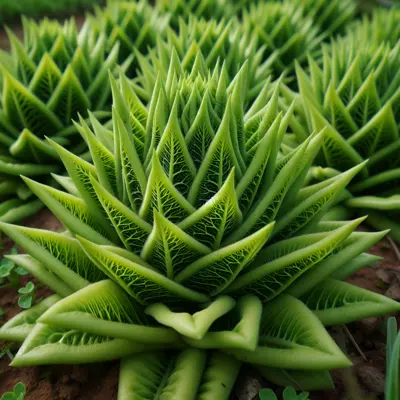
An heirloom with unique, narrow, tongue-shaped leaves. Pointed, buttery leaves have a crunchy rib and excellent flavor. Slow to bolt. MT0-30.
Harvest
45-55d
Days to harvest
Sun
Full sun to partial shade
Zones
2–11
USDA hardiness
Height
6-12 inches
Planting Timeline
Showing dates for Deer Tongue in USDA Zone 7
All Zone 7 lettuce →Zone Map
Click a state to update dates
Deer Tongue · Zones 2–11
Growing Details
Succession Planting
Direct sow every 14-21 days starting March 1 in zone 7, continuing through late April. Deer Tongue handles heat better than most lettuce — it'll push into May and sometimes early June before bolting — but once daytime highs are consistently above 80°F, germination turns erratic and the leaves go bitter in a hurry. Pause for summer, then restart a fall succession around August 15, sowing every 2-3 weeks through late September.
Fall sowings often outperform spring ones. Days are shortening, soil temps are dropping back toward the 60s, and downy mildew pressure tends to ease off compared to the humid spring flush. A row cover on hand for nights below 28°F will extend your harvest well into November.
Complete Growing Guide
Deer Tongue lettuce thrives when direct sown into the garden about two weeks before your last spring frost, though you can also start seeds indoors four to six weeks earlier if you prefer transplants. This heirloom variety germinates reliably in cool soil between 60 and 65 degrees Fahrenheit, so timing is essential—sowing too late in spring will cause the plants to bolt prematurely despite their reputation for slow bolting. For fall harvests, sow seeds in mid to late summer, roughly eight to ten weeks before your first expected frost, which often produces superior quality leaves in the cooler season.
Prepare your soil by working in compost or well-rotted organic matter to improve drainage and nutrient content. Deer Tongue prefers loose, fertile soil with a pH between 6.0 and 7.0. Sow seeds directly at a depth of about one-quarter inch, spacing them thinly in rows twelve inches apart. Once seedlings emerge and develop their first true leaves, thin them to six to eight inches apart to allow the distinctive tongue-shaped leaves adequate room to develop their characteristic narrow form and crisp texture. Closer spacing will result in smaller, more tender plants if you prefer harvesting whole heads earlier, while wider spacing produces larger individual leaves suitable for cutting.
Water consistently and deeply, keeping the soil evenly moist but never waterlogged. Deer Tongue has shallow roots that require regular moisture, particularly during warm spells. A drip irrigation system or soaker hose works better than overhead watering, which can promote fungal issues. Feed the plants with a balanced organic fertilizer when they're about three weeks old, or work a slow-release fertilizer into the soil at planting time.
While Deer Tongue is naturally less susceptible to aphids than many lettuce varieties, you should still monitor for slugs, which favor the tender leaves regardless of variety. Handpick slugs in early morning or evening, or use organic slug controls around the planting area. Watch for downy mildew in cool, humid conditions by ensuring adequate air circulation and avoiding wetting the foliage. Bacterial leaf spot is rarely problematic but can occur in warm, wet conditions; remove affected leaves immediately.
Succession planting works wonderfully with Deer Tongue—sow a new batch every two to three weeks for continuous harvests throughout the season. You can harvest individual outer leaves once the plant reaches six inches tall, or wait until full maturity at 45 to 55 days for whole-head harvesting. The most common mistake gardeners make with Deer Tongue is overwatering after bolting begins. Once you notice flowering starting, the plant's flavor deteriorates regardless of water management, so harvest promptly when you see the seed stalk forming rather than attempting to extend the harvest window.
Harvesting
Deer Tongue reaches harvest at 31 baby; 46 full size from sowing per Johnny's Selected Seeds. As an annual, harvest continues until frost ends the season.
Tiny seeds with a dandelion-like tuft (pappus) to aid in wind dispersal.
Color: Brown/Copper. Type: Achene. Length: < 1 inch. Width: < 1 inch.
Harvest time: Summer
Edibility: Leaves can be used raw or cooked in salads, sandwiches, and other dishes. Head lettuce can be stored for 2-3 weeks while leaf and butterhead store for 1-2 weeks.
Storage & Preservation
Fresh deer tongue lettuce stores exceptionally well due to its thick, succulent leaves. After harvesting, rinse leaves in cool water and dry thoroughly in a salad spinner. Store in the refrigerator wrapped in slightly damp paper towels inside a perforated plastic bag for up to 10-14 days – significantly longer than most lettuce varieties.
For preservation, deer tongue's sturdy leaves make excellent fermented additions to sauerkraut or kimchi. You can also blanch mature leaves for 30 seconds and freeze them for later use in soups or braised dishes. While not ideal for traditional lettuce preservation methods like drying, the thick leaves work well when pickled as a crunchy garnish. Young tender leaves can be preserved in olive oil for short-term storage, lasting up to one week refrigerated.
History & Origin
Deer Tongue is an heirloom variety with documented breeding heritage. Deer Tongue is open-pollinated, meaning seed saved from healthy plants will produce true-to-type offspring. Listed in the Johnny's Selected Seeds catalog.
Origin: Mediterranean to Siberia
Advantages
- +Unique tongue-shaped leaves add visual interest and texture to salads
- +Slow to bolt variety extends harvest window compared to standard lettuce
- +Excellent sweet and mild flavor with crispy, succulent leaf texture
- +Naturally resistant to slugs and aphids, reducing pest management needs
Considerations
- -Susceptible to downy mildew in humid or cool, wet conditions
- -Narrow leaf shape produces lower total yield per plant than butterhead varieties
- -Requires consistent moisture; drought stress reduces crunch and increases bitterness
Companion Plants
Radishes and carrots are the most practical neighbors for Deer Tongue. Radishes germinate in 5-7 days and mark your rows while loosening the top inch of soil crust; pull them at 25-30 days before they start competing for moisture. Carrots root down 12 inches or more, well below where lettuce feeds, so the two crops genuinely don't crowd each other underground. Chives and garlic at the bed corners emit volatile sulfur compounds that deter aphids — a small bonus given that Deer Tongue runs less aphid-prone than most lettuce types, but worth doing anyway.
Sunflowers are the main one to keep at a distance. They release allelopathic compounds through root exudates and decomposing leaf litter, and at 5-6 feet tall they'll put a 6-12 inch lettuce plant in full shade by midsummer. Fennel suppresses a broad range of vegetables and has no business in a mixed bed regardless of what else you're growing. Nasturtiums planted at the bed edge pull aphid pressure away from the lettuce without competing for soil nutrients — a straightforward trade worth making.
Plant Together
Chives
Repels aphids and other soft-bodied insects that damage lettuce leaves
Carrots
Loosens soil with deep roots, doesn't compete for surface nutrients
Radishes
Quick-growing roots break up compacted soil and deter root maggots
Nasturtiums
Acts as trap crop for aphids and cucumber beetles, attracts beneficial insects
Marigolds
Repels nematodes and aphids while attracting predatory insects
Garlic
Natural fungicide properties help prevent downy mildew and other lettuce diseases
Spinach
Similar growing requirements, provides ground cover to retain soil moisture
Dill
Attracts beneficial insects like lacewings and parasitic wasps that control pests
Keep Apart
Sunflowers
Allelopathic compounds inhibit lettuce germination and growth
Broccoli
Heavy nitrogen feeder that competes directly with lettuce for nutrients
Fennel
Releases allelopathic compounds that stunt growth of most vegetables including lettuce
Nutrition Facts
Per 100g serving. % Daily Value based on 2,000 calorie diet. Source: USDA FoodData Central (FDC #2346388)
Pests & Disease Resistance
Resistance
Excellent heat tolerance and bolt resistance, naturally pest resistant
Common Pests
Slugs, aphids (less susceptible than most lettuce)
Diseases
Downy mildew, bacterial leaf spot (rare)
Troubleshooting Deer Tongue
What you'll see, why it happens, and what to do about it.
Seedlings collapse and die within 7-10 days of going in the ground — stems pinch off at soil level, sometimes with fuzzy white mold on the soil surface
Likely Causes
- Damping off — a fungal complex (commonly Pythium or Rhizoctonia solani) that thrives in wet, poorly drained soil
- Replanting in the same bed year after year, which lets pathogen load build up
What to Do
- 1.Don't water again until the top inch of soil is dry — damping off needs wet conditions to spread
- 2.If you've grown lettuce in that bed 3+ years running, move it; NC State Extension's IPM guidance specifically flags repeated same-bed planting as a setup for this problem
- 3.Next sowing, start with fresh seed-starting mix (not garden soil) and make sure the bed has at least 6 inches of drainage below the root zone
Irregular holes chewed in outer leaves overnight, with silvery slime trails visible in the morning
Likely Causes
- Slugs (Deroceras reticulatum and related species) — most active after rain or irrigation, especially in dense plantings or mulched beds
- Irrigating late in the day, which keeps the soil surface wet through the night
What to Do
- 1.Set out slug traps — shallow containers sunk to soil level, filled with cheap beer — between rows; check and empty every 2-3 days
- 2.Switch irrigation to early morning so the soil surface dries out before dark
- 3.Apply iron phosphate bait (Sluggo) around the bed perimeter at the label rate; it breaks down into fertilizer and is safe around edibles
Frequently Asked Questions
How long does deer tongue lettuce take to grow?▼
Is deer tongue lettuce good for beginners?▼
Can you grow deer tongue lettuce in containers?▼
What does deer tongue lettuce taste like?▼
When should I plant deer tongue lettuce seeds?▼
Deer tongue vs regular lettuce - what's the difference?▼
Zone-by-Zone Planting Calendar
| Zone | Indoor Start | Transplant | Direct Sow | Harvest |
|---|---|---|---|---|
| Zone 3 | — | — | May – June | June – October |
| Zone 4 | — | — | April – June | June – October |
| Zone 5 | — | — | April – May | June – November |
| Zone 6 | — | — | April – May | May – November |
| Zone 7 | — | — | March – May | May – November |
| Zone 8 | — | — | March – April | April – December |
| Zone 9 | — | — | February – March | March – December |
| Zone 10 | — | — | January – March | March – December |
| Zone 1 | — | — | June – July | July – September |
| Zone 2 | — | — | May – July | July – September |
| Zone 11 | — | — | January – February | February – December |
| Zone 12 | — | — | January – February | February – December |
| Zone 13 | — | — | January – February | February – December |
Growing Guides from Wind River Greens
Sources & References
External authority sources used in compiling this guide.
- BreederJohnny's Selected Seeds
- USDAUSDA FoodData Central
See the Methodology page for how this data is sourced, what's AI-assisted, and known limitations.