Wild Strawberry
Fragaria virginiana
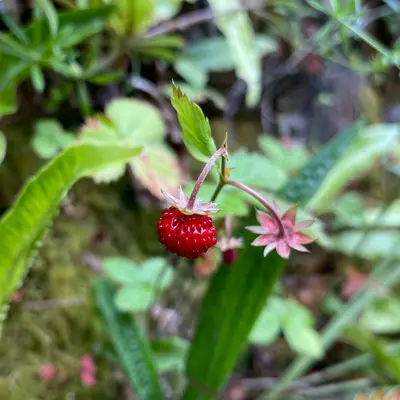
A native groundcover that offers the best of both worlds - attractive foliage, delicate white flowers, and tiny flavorful berries that wildlife and humans alike enjoy. This hardy perennial spreads by runners to form dense mats that suppress weeds while providing food for birds, butterflies, and gardeners. The leaves turn beautiful bronze-red in fall, extending the seasonal interest.
Harvest
60-90d
Days to harvest
Sun
Full sun to partial shade
Zones
5–9
USDA hardiness
Height
4-9 inches
Planting Timeline
Showing dates for Wild Strawberry in USDA Zone 7
All Zone 7 ground-cover →Zone Map
Click a state to update dates
Wild Strawberry · Zones 5–9
Growing Details
Complete Growing Guide
Light: Full sun (6 or more hours of direct sunlight a day), Partial Shade (Direct sunlight only part of the day, 2-6 hours). Soil: Clay, High Organic Matter, Loam (Silt). Drainage: Good Drainage, Moist, Occasionally Dry. Height: 0 ft. 4 in. - 0 ft. 9 in.. Spread: 1 ft. 0 in. - 2 ft. 0 in.. Growth rate: Medium. Maintenance: Medium. Propagation: Division. Regions: Coastal, Mountains, Piedmont.
Harvesting
Flowers give way to achene-dotted ovoid fruits (strawberries) which mature to red fruit, 1/2 inch across. Seeds are embedded in the pits of the strawberries.
Color: Red/Burgundy. Type: Berry. Length: < 1 inch. Width: < 1 inch.
Garden value: Edible
Harvest time: Summer
Edibility: Wild strawberries have a sweet tart flavor.
Storage & Preservation
Wild strawberries are best enjoyed fresh immediately after harvest for optimal flavor. Store unwashed berries in a breathable container in the refrigerator at 32-40°F with moderate humidity for 3-5 days. For preservation, freeze berries on a baking sheet before transferring to freezer bags for up to 12 months. Make jam with the flavorful berries using a standard pectin recipe. Alternatively, dry berries in a dehydrator at 135°F for 8-12 hours to create a concentrated snack or tea ingredient.
History & Origin
Origin: East Canada to Northern and Eastern United States and Mexico
Advantages
- +Attracts: Pollinators, Predatory Insects, Songbirds, Specialized Bees
- +Edible: Wild strawberries have a sweet tart flavor.
Companion Plants
Thyme and chives make practical neighbors — both stay low (under 12 inches), so they don't shade out the strawberry plants, and their volatile oils are thought to confuse aphids that might otherwise cluster on the foliage. Borage is worth planting nearby too; it draws in ground beetles and hoverflies that patrol at soil level, right where wild strawberry runners spread. Marigolds (Tagetes spp.) add enough visual contrast that you can actually find the fruit, and their root secretions suppress soil nematodes that would otherwise stress the shallow crown.
Black walnut (Juglans nigra) is a hard no. The juglone it releases accumulates in the soil directly under and around the canopy — wild strawberry is one of the more sensitive species to it, and you'll see plants yellow, stunt, and die without any obvious above-ground cause. Brassicas and tomatoes are less dramatic but compete aggressively in the same top 6 inches of soil, and tomatoes carry Verticillium wilt, which strawberries are genuinely susceptible to.
Plant Together
Thyme
Repels slugs and snails that commonly damage strawberry plants
Borage
Attracts pollinators and beneficial insects while improving soil nutrients
Chives
Repels aphids and other pests with strong sulfur compounds
Marigolds
Deter nematodes and root pests while attracting beneficial predatory insects
Nasturtiums
Act as trap crops for aphids and cucumber beetles
Garlic
Natural fungicide properties help prevent fungal diseases in strawberries
Spinach
Provides living mulch without competing for nutrients, similar growing requirements
Pine Trees
Pine needles create acidic mulch that strawberries prefer
Keep Apart
Black Walnut
Releases juglone toxin that inhibits strawberry growth and fruit production
Brassicas
Heavy nitrogen feeders that compete aggressively for soil nutrients
Tomatoes
Share common diseases like verticillium wilt and attract similar pests
Pests & Disease Resistance
Resistance
Excellent disease resistance as native plant
Common Pests
Birds (beneficial for seed dispersal), occasional aphids
Diseases
Leaf spot (minor), crown rot in wet conditions
Troubleshooting Wild Strawberry
What you'll see, why it happens, and what to do about it.
Small, circular brown or purple-bordered spots appearing on leaves mid-season
Likely Causes
- Leaf spot (Mycosphaerella fragariae) — fungal, spreads in humid conditions with poor airflow
- Overhead watering that keeps foliage wet for extended periods
What to Do
- 1.Remove and trash (not compost) affected leaves as soon as you spot them
- 2.Water at the base, not overhead — a soaker hose works well for a ground cover planting
- 3.Thin the runners if the planting has gotten dense; 12 inches between crowns is the minimum you want
Crown collapsing at soil level, plant wilting and dying despite adequate moisture
Likely Causes
- Crown rot (Phytophthora cactorum) — almost always triggered by poorly drained soil or overwatering
- Planting too deep, with the crown buried below soil level
What to Do
- 1.Dig up affected plants and dispose of them — crown rot doesn't reverse
- 2.Check that surviving crowns sit at soil level, not below it; re-set any that have sunk
- 3.Amend the bed with coarse compost or grit before replanting, and avoid low spots that collect standing water after rain
Frequently Asked Questions
How long does it take to harvest wild strawberries?▼
Are wild strawberries good for beginners?▼
Can you grow wild strawberries in containers?▼
What do wild strawberries taste like?▼
When should I plant wild strawberries?▼
How do wild strawberries spread and suppress weeds?▼
Zone-by-Zone Planting Calendar
Growing Guides from Wind River Greens
Sources & References
External authority sources used in compiling this guide.
- ExtensionNC State Extension
See the Methodology page for how this data is sourced, what's AI-assisted, and known limitations.