Katz Ruby
Matthiola incana
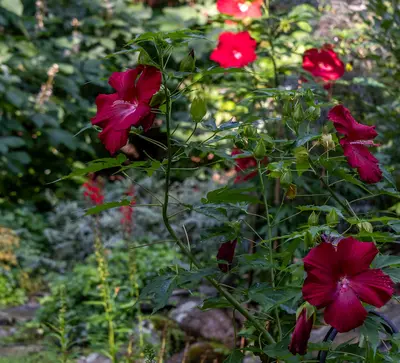
Long stems with 1 1/2-2", wine-red colored blooms. Early blooming one-cut series. Performed well in our spring, early summer, and fall trials. Good uniformity in bloom time and stem length. 55-60% double-flowering without selection; some selection possible. Plant Variety Protected. NOTE: This variety produces one flowering stem per plant. Pinching is not advisable as it will terminate flowering. Edible Flowers: The peppery, clove-like flavor of the flowers lends itself well to use as a garnish on salads, desserts, and drinks.
Harvest
90-100d
Days to harvest
Sun
Full sun to partial shade
Zones
6–10
USDA hardiness
Height
1-3 feet
Planting Timeline
Showing dates for Katz Ruby in USDA Zone 7
All Zone 7 flower →Zone Map
Click a state to update dates
Katz Ruby · Zones 6–10
Growing Details
Succession Planting
Stock doesn't hold well once it bolts, so succession planting is worth the extra seed cost. In zone 7, sow a first round indoors in early February for a late April transplant. Start a second round indoors in late February to early March and transplant in May. That gives you two overlapping waves of bloom before June heat shuts things down — Matthiola incana stops producing quality stems once daytime highs are consistently above 80°F, which arrives somewhere around mid-June most years here.
For a fall cut-flower window, start a third round indoors in early August and transplant in early September. Plants establish through the warm early fall and come into bloom as temperatures drop into the 60s in October and November. That fall round often yields the best stem length of the year, since nothing is racing against a heat deadline.
Complete Growing Guide
Long stems with 1 1/2-2", wine-red colored blooms. Early blooming one-cut series. Performed well in our spring, early summer, and fall trials. Good uniformity in bloom time and stem length. 55-60% double-flowering without selection; some selection possible. Plant Variety Protected. NOTE: This variety produces one flowering stem per plant. Pinching is not advisable as it will terminate flowering. Edible Flowers: The peppery, clove-like flavor of the flowers lends itself well to use as a garnish on salads, desserts, and drinks. According to Johnny's Selected Seeds, Katz Ruby is 90 - 100 days to maturity, annual, open pollinated. Notable features: Plant Variety Protected, Use for Cut Flowers and Bouquets, Edible Flowers, Fragrant.
Light: Full sun (6 or more hours of direct sunlight a day), Partial Shade (Direct sunlight only part of the day, 2-6 hours). Soil: Clay, High Organic Matter, Loam (Silt), Sand. Soil pH: Alkaline (>8.0), Neutral (6.0-8.0). Drainage: Good Drainage, Moist. Height: 1 ft. 0 in. - 3 ft. 0 in.. Spread: 0 ft. 9 in. - 1 ft. 6 in.. Spacing: Less than 12 inches, 12 inches-3 feet. Growth rate: Rapid. Maintenance: Low. Propagation: Seed. Regions: Coastal, Mountains.
Harvesting
Katz Ruby reaches harvest at 90 - 100 days from sowing per Johnny's Selected Seeds. Expect 1 1/2-2" at peak. As an annual, harvest continues until frost ends the season.
Seeds will ripen in August and September.
Harvest time: Fall
Storage & Preservation
Fresh Katz Ruby flowers should be stored stem-down in a vase with fresh water at room temperature (65-70°F) away from direct sunlight and ethylene-producing fruits. In cool conditions, blooms last 7-10 days. For preservation, try air-drying by hanging bundles upside-down in a warm, dark, well-ventilated space for 1-2 weeks to create long-lasting dried arrangements. Alternatively, press flowers between parchment paper under heavy books for 2-3 weeks for crafts and decorative uses. For culinary preservation, freeze edible petals in ice cube trays with water for garnishing drinks, or dry petals on a low-temperature oven setting (150°F, 30-40 minutes) and store in airtight containers for up to 6 months.
History & Origin
Katz Ruby is open-pollinated, meaning seed saved from healthy plants will produce true-to-type offspring. Listed in the Johnny's Selected Seeds catalog.
Origin: The Coast of Europe from Spain to Greece.
Advantages
- +Wine-red blooms on long stems create striking cut flower arrangements
- +Reliable early blooming with excellent uniformity across spring, summer, and fall
- +Over half the plants naturally produce double flowers without selection needed
- +Edible flowers with peppery clove flavor work well as gourmet garnishes
- +Easy to grow variety with minimal care requirements for most gardeners
Considerations
- -Single flowering stem per plant limits yield compared to pinchable varieties
- -Cannot pinch for branching without completely terminating the plant's flower production
- -Plant Variety Protected status may restrict seed saving and propagation options
- -Requires 90-100 days to bloom, making it less suitable for quick turnarounds
Companion Plants
Marigolds and sweet alyssum are the most useful neighbors for Katz Ruby stock. French marigolds (the 'Bonanza' series works well) deter aphids and whiteflies through root exudates and pull in parasitic wasps that knock back caterpillar pressure. Sweet alyssum draws hoverflies whose larvae eat aphids — worth having close by, since stock can take a real hit from green peach aphid (Myzus persicae) once warm weather arrives. Catmint and lavender are solid fillers in the same bed; neither competes aggressively for nutrients at stock's root depth, and both extend the pollinator window when you're cutting for market or the house.
Keep stock well away from fennel and black walnut. Fennel releases allelopathic compounds that stunt most neighboring plants — it's a poor companion for nearly everything in a cutting garden, and stock's shallow roots make it more vulnerable, not less. Black walnut is a different problem: juglone, the compound in its root zone and decomposing leaf litter, is potent enough to damage sensitive plants at 50–60 feet from the trunk. In our zone 7 Georgia gardens, where black walnuts turn up along fence rows and field edges with some regularity, that's a bigger practical concern than most growers expect the first time they lose a bed to it.
Plant Together
Marigolds
Repel nematodes and aphids while attracting beneficial insects
Lavender
Deters pests with strong fragrance and attracts pollinators
Nasturtiums
Act as trap crop for aphids and cucumber beetles
Sweet Alyssum
Attracts beneficial insects like lacewings and hover flies
Zinnia
Attracts butterflies and beneficial predatory insects
Cosmos
Provides habitat for beneficial insects and adds complementary colors
Catmint
Repels ants, mice, and various garden pests
Sunflowers
Attract pollinators and beneficial birds that eat pest insects
Keep Apart
Black Walnut
Produces juglone which is toxic to many flowering plants
Eucalyptus
Releases allelopathic compounds that inhibit nearby plant growth
Fennel
Inhibits growth of most garden plants through allelopathy
Troubleshooting Katz Ruby
What you'll see, why it happens, and what to do about it.
Seedlings collapse at soil level ('pinched' stem) shortly after germination or transplant
Likely Causes
- Damping off (Pythium or Rhizoctonia spp.) — fungal rot triggered by soggy, poorly drained growing medium
- Overwatering combined with low airflow in seed trays
What to Do
- 1.Water only when the top half-inch of medium is dry; bottom-water trays rather than overhead misting
- 2.Run a small fan near seedlings for at least a few hours daily to improve air circulation
- 3.If starting fresh, use a sterile seed-starting mix and clean trays — don't reuse last season's mix
White to gray powdery coating on leaves, usually appearing mid-to-late season
Likely Causes
- Powdery mildew (Erysiphe cruciferarum) — common on Matthiola in humid conditions with warm days and cool nights
- Crowded planting that restricts airflow between stems
What to Do
- 1.Space plants at least 9–12 inches apart at transplant to keep air moving
- 2.Apply a dilute potassium bicarbonate spray (1 tablespoon per gallon) at first sign — it won't cure advanced infection but slows spread
- 3.Pull and trash badly affected plants; don't compost them
Leaves develop small, irregular yellow patches that turn tan-brown with a faint halo, often on older foliage first
Likely Causes
- Downy mildew (Peronospora matthiolae) — favored by cool, wet weather in early spring
- Overhead irrigation that keeps foliage wet overnight
What to Do
- 1.Switch to drip irrigation or water at the base of plants early in the morning
- 2.Remove affected leaves promptly and dispose in the trash
- 3.Avoid planting stock in the same bed two seasons running — rotate to a different brassica-family crop or non-host
Plants bloom early with short stems and quickly go to seed, well before the 90–100 day mark
Likely Causes
- Heat stress — Matthiola incana bolts when daytime temperatures consistently exceed 80°F
- Transplanting too late in spring, putting plants into warming soil with no cool-season runway left
What to Do
- 1.In zone 7, transplant by late April at the latest so plants establish during the 60–75°F window before June heat arrives
- 2.Start seeds indoors in February so you have stocky 8–10 week transplants ready to go in early
- 3.Consider a fall planting started indoors in August — stock performs well as temperatures drop back into the 60s in October and produces longer stems than a rushed spring crop
Frequently Asked Questions
How long do Katz Ruby flowers last in a vase?▼
Is Katz Ruby a good variety for beginners?▼
Can you grow Katz Ruby in containers?▼
What does Katz Ruby taste like and how do you use it?▼
When should I plant Katz Ruby seeds?▼
Why shouldn't you pinch Katz Ruby flowers?▼
Zone-by-Zone Planting Calendar
| Zone | Indoor Start | Transplant | Direct Sow | Harvest |
|---|---|---|---|---|
| Zone 1 | May – June | July – August | July – September | — |
| Zone 2 | April – May | June – July | June – August | — |
| Zone 11 | January – January | January – February | January – March | — |
| Zone 12 | January – January | January – February | January – March | — |
| Zone 13 | January – January | January – February | January – March | — |
| Zone 3 | April – May | June – July | June – August | — |
| Zone 4 | March – April | June – June | June – July | — |
| Zone 5 | March – April | May – June | May – July | — |
| Zone 6 | March – April | May – June | May – July | — |
| Zone 7 | February – March | April – May | April – June | — |
| Zone 8 | February – March | April – May | April – June | — |
| Zone 9 | January – February | March – April | March – May | — |
| Zone 10 | January – January | February – March | February – April | — |
Growing Guides from Wind River Greens
Sources & References
External authority sources used in compiling this guide.
- BreederJohnny's Selected Seeds
See the Methodology page for how this data is sourced, what's AI-assisted, and known limitations.