Garland Chrysanthemum
Glebionis coronaria
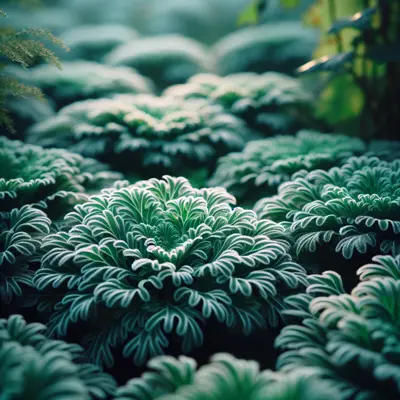
Garland Chrysanthemum is a tender, leafy herb with finely divided, feathery foliage that reaches maturity in 30-50 days. Also known as shungiku or edible chrysanthemum, this heirloom variety produces delicate, deeply lobed leaves with a distinctive mild, slightly bitter flavor. The fresh, herbal notes carry subtle hints of chrysanthemum flowers, making it prized in East Asian cuisines for both raw salads and cooked applications. This versatile herb thrives in cool seasons and is remarkably easy to grow, tolerating partial shade while preferring rich, well-draining soil enriched with organic matter.
Harvest
30-50d
Days to harvest
Sun
Full sun to partial shade
Zones
2–11
USDA hardiness
Height
12-24 inches
Planting Timeline
Showing dates for Garland Chrysanthemum in USDA Zone 7
All Zone 7 herb →Zone Map
Click a state to update dates
Garland Chrysanthemum · Zones 2–11
Growing Details
Succession Planting
Direct sow garland chrysanthemum every 14–21 days from late February through mid-April, then pick back up in late August through October for a fall run. The plant bolts fast once daytime highs consistently hit 80°F, so the summer gap is real — don't fight it. Each sowing takes 30–50 days to first harvest, meaning a mid-August sowing should put you cutting leaves by late September, well ahead of frost.
Cut outer leaves when plants reach 4–6 inches tall and they'll flush again 2–3 times before bolting. Once the center stem starts to elongate and flower buds form, the flavor turns bitter quickly — pull the plant, work a little compost into the bed, and put in your next succession rather than waiting it out.
Complete Growing Guide
Start your garland chrysanthemum journey by choosing the right timing—this cool-season crop thrives in temperatures between 50-70°F, making early spring (4-6 weeks before last frost) and fall your prime planting windows. In zones 3-6, focus on spring and early fall plantings, while zones 7-9 can enjoy extended fall and winter growing seasons.
Prepare your planting bed by working 2-3 inches of compost or well-aged manure into the top 6 inches of soil. Garland chrysanthemum demands excellent drainage but consistent moisture, so raised beds work exceptionally well. Test your soil pH—this Asian green prefers slightly acidic to neutral conditions (6.0-7.0).
Direct sowing yields the best results since garland chrysanthemum develops a taproot that resents transplanting. Scatter seeds thinly over prepared soil and barely cover with 1/8 inch of fine soil—these seeds need light to germinate effectively. Keep soil consistently moist but not waterlogged during the 7-14 day germination period.
Once seedlings reach 2 inches tall, thin to 4-6 inches apart. This spacing prevents overcrowding while maximizing leaf production. Apply a balanced liquid fertilizer (10-10-10) at half strength every two weeks, focusing on nitrogen to encourage lush foliage growth.
The biggest mistake gardeners make is waiting too long to harvest. Begin cutting when plants reach 4-6 inches tall—regular harvesting every 7-10 days actually stimulates more tender growth. Stop harvesting once flower buds appear, as leaves become increasingly bitter.
Maximize your harvest through succession planting every 2-3 weeks until summer heat arrives. In hot climates, provide afternoon shade using row covers or plant taller companions like tomatoes on the west side. Cool-season protection with low tunnels extends your growing season significantly, allowing harvests well into winter in zones 7 and above.
Harvesting
Begin harvesting garland chrysanthemum when plants reach 4-6 inches tall, typically 30-40 days from sowing. Look for bright green, tender leaves with no yellowing or tough stems—the younger the leaves, the milder the flavor.
Harvest in early morning when leaves are crisp and fully hydrated. Use clean scissors or your fingers to pinch off the top 2-3 inches of each stem, including the growing tip. This cut-and-come-again method encourages bushier growth and continuous production.
Focus on the outer leaves first, working your way toward the center, or harvest entire young shoots. Avoid taking more than one-third of the plant at once to ensure continued growth. Stop harvesting immediately when flower buds appear—the leaves become unpalatably bitter once the plant begins flowering. A gentle tug test works well: tender stems should snap easily, while tough, fibrous stems indicate the plant is past prime harvest stage.
Storage & Preservation
Fresh garland chrysanthemum leaves are highly perishable and best used within 2-3 days of harvest. Store unwashed leaves in perforated plastic bags in your refrigerator's crisper drawer at 32-35°F. Wash just before use to prevent premature deterioration.
For longer storage, blanch clean leaves in boiling water for 30 seconds, shock in ice water, drain thoroughly, and freeze in portion-sized containers for up to 6 months. The texture changes but flavor remains excellent for cooked dishes.
Drying works well for seasoning purposes—hang small bundles in a warm, dark, well-ventilated area until crispy, then crumble into airtight containers. Fermented garland chrysanthemum (similar to kimchi preparation) creates a tangy condiment that keeps for several weeks refrigerated, popular in Korean cuisine as ssukgat-kimchi.
History & Origin
Garland chrysanthemum originated in the Mediterranean region but found its true calling in East Asian cuisine over 1,000 years ago. Chinese cultivators first domesticated wild chrysanthemum species for both ornamental and culinary purposes during the Tang Dynasty (618-907 CE), developing varieties specifically selected for tender, flavorful leaves rather than showy flowers.
The crop spread to Japan during the Heian period, where it became known as "shungiku" (spring chrysanthemum) and integrated deeply into traditional hot pot cuisine and tempura preparations. Korean adoption followed, creating "ssukgat," often fermented or used fresh in seasonal dishes.
Unlike many modern vegetables developed through intensive breeding programs, garland chrysanthemum remains largely unchanged from its historical forms, making it a true heirloom crop. Its dual nature as both edible green and potential flowering ornamental reflects ancient Asian agricultural practices of maximizing garden utility. Today's varieties trace directly back to these thousand-year-old Asian selections, preserving authentic flavors and growing characteristics.
Advantages
- +Extremely fast-growing with harvests possible just 30 days from seed
- +Thrives in cool weather when most herbs struggle, extending growing seasons
- +Cut-and-come-again harvesting provides continuous yields from single plantings
- +Naturally pest-resistant due to bitter compounds that deter most insects
- +Requires minimal space and grows well in containers as small as 6 inches deep
- +Adds authentic umami flavors impossible to replicate with other greens
- +Self-seeds readily if allowed to flower, creating volunteer crops next season
Considerations
- -Bolts rapidly in temperatures above 75°F, severely limiting summer growing
- -Leaves become intensely bitter and inedible once flowering begins
- -Very short storage life requires immediate use or processing after harvest
- -Acquired taste that may not appeal to those unfamiliar with Asian cuisines
- -Seeds can be difficult to find at standard garden centers
Companion Plants
Garland chrysanthemum does well next to the brassica family — cabbage, broccoli — and leafy crops like lettuce and spinach because they share similar water needs (about 1 inch per week) and none of them are competing for the same root depth. Marigolds nearby genuinely help: their scent disrupts some of the aphids and flea beetles that target shungiku, and there's field data behind that claim, not just folklore. Fennel is the one to skip — it releases allelopathic root exudates that suppress a wide range of annuals, and garland chrysanthemum is no exception. Black walnut is a harder no: juglone toxicity in that root zone will stunt or kill most annuals within planting range, so in our zone 7 Georgia garden, keep this crop well clear of any established walnut trees.
Plant Together
Lettuce
Benefits from chrysanthemum's natural pest-repelling properties, especially against aphids
Cabbage
Chrysanthemum repels cabbage worms and other brassica pests
Tomatoes
Chrysanthemum deters whiteflies and aphids that commonly attack tomatoes
Carrots
Chrysanthemum's pest-repelling compounds help protect carrots from root flies
Marigolds
Both plants contain natural pyrethrin compounds that enhance overall garden pest control
Spinach
Protected from leaf miners and aphids by chrysanthemum's natural insecticidal properties
Broccoli
Chrysanthemum helps deter flea beetles and cabbage moths from brassica crops
Radishes
Benefits from chrysanthemum's ability to repel root maggots and other soil pests
Keep Apart
Black Walnut
Produces juglone which inhibits chrysanthemum growth and can cause wilting
Fennel
Allelopathic compounds inhibit growth and development of chrysanthemum
Sunflowers
Compete heavily for nutrients and water, can overshadow and stunt chrysanthemum growth
Nutrition Facts
Per 100g serving. % Daily Value based on 2,000 calorie diet. Source: USDA FoodData Central (FDC #172232)
Pests & Disease Resistance
Resistance
Good disease resistance, may bolt quickly in hot weather
Common Pests
Aphids, flea beetles, leaf miners
Diseases
Damping off, downy mildew in cool, wet conditions
Troubleshooting Garland Chrysanthemum
What you'll see, why it happens, and what to do about it.
Seedlings collapse at soil level overnight — stems pinched and dark, roots brown and slimy
Likely Causes
- Damping off — soil-borne fungi (Pythium spp., Rhizoctonia solani) that thrive in wet, poorly ventilated conditions
- Overwatering or trays with no drainage, keeping the root zone saturated
- Sowing too densely indoors, which cuts airflow between seedlings
What to Do
- 1.Pull and trash affected seedlings immediately — they won't recover
- 2.Water only when the top 1/4 inch of the seed-start mix is dry, and bottom-water when possible to keep the soil surface drier
- 3.Thin to at least 1 inch apart at germination and run a small fan nearby for 30 minutes a day — NC State Extension notes that good air movement is one of the most effective physical controls for damping off
Grayish-purple fuzzy coating on the undersides of lower leaves, with pale yellow patches on top
Likely Causes
- Downy mildew (Peronospora spp.) — favored by cool nights below 60°F combined with wet or humid conditions
- Dense planting that traps moisture around the foliage
What to Do
- 1.Strip affected leaves and bin them — don't compost
- 2.Water at the base only, in the morning, so foliage dries before nightfall
- 3.Space plants the full 4–6 inches apart and avoid overhead irrigation during the cool, wet stretches of spring and fall
Clusters of tiny soft-bodied insects on new growth, leaves curling or slightly sticky
Likely Causes
- Aphids (likely Myzus persicae or Macrosiphum euphorbiae) — they target the soft new tips, especially on plants stressed by inconsistent watering
- Ant activity nearby, which often signals and protects an aphid colony
What to Do
- 1.Knock them off with a firm stream of water from a hose — do this 3 days in a row to break the cycle
- 2.If the infestation persists past day 3, apply insecticidal soap directly to the colonies, coating the undersides of leaves
- 3.Check for ant trails; disrupting ant access (sticky tape around pot rims or row legs) removes the colony's protectors
Small, ragged shothole damage across leaves, worst on seedlings under 4 inches tall
Likely Causes
- Flea beetles (Phyllotreta spp.) — tiny, jumping black beetles that feed hard on young transplants and seedlings
- Newly disturbed or bare soil nearby, which flea beetles prefer for overwintering
What to Do
- 1.Cover transplants immediately with floating row cover (Agribon AG-19 or similar) and seal the edges — flea beetles won't find what they can't reach
- 2.Once plants hit 6–8 inches and have some leaf mass to spare, remove the cover; established plants outgrow the damage fast
- 3.If you've had heavy flea beetle pressure in that bed before, delay transplanting by 1 week — letting the soil warm and dry slightly reduces early-season numbers
Frequently Asked Questions
How long does garland chrysanthemum take to grow from seed?▼
Can you grow garland chrysanthemum in containers?▼
What does garland chrysanthemum taste like?▼
When should I plant garland chrysanthemum?▼
Is garland chrysanthemum good for beginners?▼
How do you prevent garland chrysanthemum from bolting?▼
Zone-by-Zone Planting Calendar
| Zone | Indoor Start | Transplant | Direct Sow | Harvest |
|---|---|---|---|---|
| Zone 2 | April – May | June – August | — | August – September |
| Zone 11 | January – January | January – March | — | March – December |
| Zone 3 | April – May | June – July | — | July – October |
| Zone 4 | March – April | June – July | — | July – October |
| Zone 5 | March – April | May – June | — | June – October |
| Zone 6 | March – April | May – June | — | June – November |
| Zone 7 | February – March | April – June | — | June – November |
| Zone 8 | February – March | April – May | — | May – December |
| Zone 9 | January – February | March – April | — | April – December |
| Zone 10 | January – January | February – April | — | April – December |
Growing Guides from Wind River Greens
Sources & References
External authority sources used in compiling this guide.
See the Methodology page for how this data is sourced, what's AI-assisted, and known limitations.