Bugleweed
Ajuga reptans
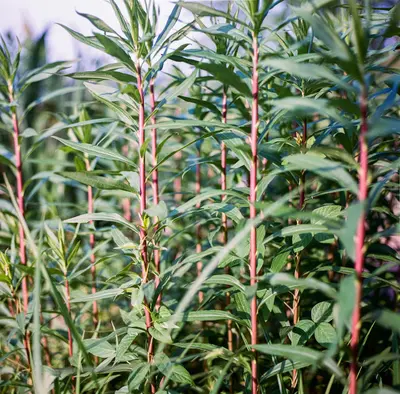
A fast-spreading evergreen ground cover that forms dense mats of glossy leaves topped with stunning spikes of blue-purple flowers in spring. Perfect for suppressing weeds in shady areas while providing reliable year-round coverage with seasonal color bursts. Extremely hardy and low-maintenance once established.
Sun
Full sun to partial shade
Zones
3–10
USDA hardiness
Height
6-12 inches
Planting Timeline
Showing dates for Bugleweed in USDA Zone 7
All Zone 7 ground-cover →Zone Map
Click a state to update dates
Bugleweed · Zones 3–10
Growing Details
Complete Growing Guide
Bugleweed thrives in partial to full shade where it outcompetes weeds without requiring frequent division, unlike many aggressive spreaders that need annual thinning. Plant in spring or fall in moist, well-draining soil; it tolerates clay better than most groundcovers but will languish in waterlogged conditions. This cultivar flowers most prolifically with cool spring temperatures, so establish plants by mid-spring to maximize bloom potential. Watch for powdery mildew in humid climates with poor air circulation—space plantings adequately and avoid overhead watering. Bugleweed occasionally develops root rot if drainage fails, particularly in winter dormancy. A practical advantage: deadheading spent flower spikes encourages denser foliage development and prevents excessive self-seeding, keeping mature plantings compact and preventing encroachment into adjacent beds.
Light: Dappled Sunlight (Shade through upper canopy all day), Deep shade (Less than 2 hours to no direct sunlight), Full sun (6 or more hours of direct sunlight a day), Partial Shade (Direct sunlight only part of the day, 2-6 hours). Soil: Clay, Loam (Silt), Sand. Soil pH: Acid (<6.0). Drainage: Good Drainage, Occasionally Wet. Height: 0 ft. 6 in. - 1 ft. 0 in.. Spread: 0 ft. 6 in. - 1 ft. 0 in.. Spacing: Less than 12 inches. Growth rate: Rapid. Maintenance: Medium. Propagation: Division, Seed. Regions: Coastal, Mountains, Piedmont.
Harvesting
Bugleweed reaches peak readiness for harvesting when the flower spikes display their deepest blue-purple coloration and the individual florets along the stem have fully opened, typically mid to late spring. The flowers should feel firm to the touch rather than wilting, and the stems will snap cleanly when bent if harvested at the optimal moment. For continuous harvesting throughout the blooming season, pinch or deadhead spent flower spikes regularly to encourage additional blooms rather than waiting for a single large harvest. A crucial timing tip is to cut flowers in early morning after dew has dried but before afternoon heat, as this maximizes the vase life and color vibrancy of the delicate spikes. Regular harvesting also prevents the plant from setting seed, extending the ornamental display well into late spring.
Each flower is replaced by 4 nutlets that are oval-shaped and pitted across the surface.
Color: Brown/Copper. Type: Nut. Length: < 1 inch. Width: < 1 inch.
Harvest time: Fall
Storage & Preservation
Bugleweed is a landscape plant, not a harvested or edible variety, so traditional storage and preservation methods do not apply. However, if you want to propagate or share established plants, divisions can be dug, potted in moist compost, and kept in cool conditions (50-60°F) for several weeks before planting elsewhere. Wrap potted divisions loosely in plastic to retain moisture without creating fungal conditions.
Seeds, if collected from spent flower spikes in midsummer, can be dried on paper in a cool, dry location and stored in paper envelopes at room temperature for up to 1-2 years. Viability declines significantly after the first year, so use fresh seed when possible. If you're collecting divisions or runners to expand coverage in your own garden, pot them immediately in well-drained soil and establish them in a nursery bed or sheltered spot before transplanting to final locations in fall or spring.
History & Origin
Ajuga reptans, commonly known as bugleweed, is a European native species with origins throughout temperate regions from Britain to the Mediterranean. While no single documented breeder or introduction date exists for this species, it has been cultivated as an ornamental ground cover for centuries, with its use becoming particularly widespread in Victorian gardens during the nineteenth century. The plant's popularity stems from its naturally occurring vigor and reliability rather than deliberate breeding efforts, making it more a heritage tradition than a modern cultivar. Various named selections have since emerged through cultivation and horticulture, but the species itself represents a wild-origin introduction to gardens rather than a controlled breeding program product.
Origin: Europe, northern Africa, southwestern Asia
Advantages
- +Rapidly spreads to suppress weeds in shady garden areas
- +Beautiful blue-purple flower spikes emerge reliably every spring
- +Evergreen foliage provides attractive year-round coverage and texture
- +Extremely hardy and requires minimal maintenance once fully established
Considerations
- -Crown rot develops in poorly drained or overly wet soil
- -Slug and snail damage can disfigure foliage during wet seasons
- -Spreads aggressively and may overtake nearby desirable plants
- -Leaf spot fungus thrives in humid conditions without airflow
Companion Plants
Ajuga's most natural companions are shade-tolerant perennials that share its preference for moist, humus-rich soil without competing aggressively for it. Hostas and ferns are the most practical pairing — their upright or arching foliage rises above the Ajuga mat and fills vertical space, while Ajuga covers the bare soil between clumps that would otherwise go to weeds. Coral Bells (Heuchera) and Lungwort (Pulmonaria) work on the same principle: similar root depth in the top 6–8 inches, overlapping moisture needs, and no allelopathic chemistry between them. Wild Ginger spreads slowly enough that it won't shove Ajuga out — the two tend to coexist at the edges rather than one smothering the other.
Mint is the one to keep out of this bed entirely. It spreads by underground stolons and will push straight through an Ajuga planting inside a single season — you'll end up with a tangled mess that's nearly impossible to sort out without digging the whole thing. Pachysandra is a slower problem but still a problem; it thickens into a dense canopy over two or three years and shades Ajuga out, particularly in deeper shade where Ajuga is already stretching for light. Black Walnut deserves a hard pass for most broadleaf perennials in this category — Penn State Extension documents juglone, the allelopathic compound released by walnut roots and decomposing hulls, as toxic to a wide range of ornamentals, and Ajuga has no documented tolerance for it.
Plant Together
Hosta
Similar shade and moisture requirements, creates layered woodland garden effect
Astilbe
Complementary growing conditions, bugleweed provides ground cover around astilbe's base
Ferns
Both thrive in moist, shaded conditions and create natural woodland partnerships
Coral Bells
Compatible moisture needs, bugleweed fills gaps between coral bell clumps
Wild Ginger
Native woodland companions with similar soil and light preferences
Lungwort
Both prefer partial shade and moist soil, bloom at different times extending season
Japanese Painted Fern
Contrasting textures complement each other in shaded garden beds
Lamium
Similar growing habits and requirements, both serve as effective ground covers
Keep Apart
Mint
Both are aggressive spreaders that compete intensely for space and resources
Black Walnut
Produces juglone toxin that inhibits growth of many ground cover plants
Pachysandra
Both are vigorous spreading ground covers that compete for the same ecological niche
Pests & Disease Resistance
Resistance
Generally disease resistant, may develop crown rot in poorly drained soils
Common Pests
Slugs, snails, occasionally aphids
Diseases
Crown rot, leaf spot in humid conditions
Troubleshooting Bugleweed
What you'll see, why it happens, and what to do about it.
Patches of plants collapsing or rotting at the base, especially after several days of wet weather or in poorly drained spots
Likely Causes
- Crown rot (Phytophthora or Pythium spp.) — thrives when soil stays waterlogged and airflow at ground level is poor
- Planting too densely, which traps moisture in the crown
What to Do
- 1.Dig out and discard affected plants — don't compost them
- 2.Improve drainage in that spot by working in coarse compost or grit before replanting
- 3.Thin remaining plants to at least 6 inches apart so air can move through the mat
Ragged holes chewed in leaves, with a silvery slime trail visible in the morning, mostly on young or low-lying foliage
Likely Causes
- Slugs or snails — both are drawn to the dense, cool mat that Ajuga forms, especially in shaded spots with consistent moisture
What to Do
- 1.Apply iron phosphate bait (Sluggo or equivalent) around the planting; it's safe around pets and won't harm ground beetles
- 2.Rake back any thick mulch within 6 inches of the crown to reduce daytime hiding spots
- 3.Check under the foliage mat at night with a flashlight and hand-pick if the population is small
Frequently Asked Questions
Is bugleweed invasive?▼
Can I grow bugleweed in full sun?▼
How fast does bugleweed spread?▼
What climate zones is bugleweed hardy in?▼
How do I prevent crown rot in bugleweed?▼
Can bugleweed grow in containers or pots?▼
Zone-by-Zone Planting Calendar
Growing Guides from Wind River Greens
Sources & References
External authority sources used in compiling this guide.
- ExtensionNC State Extension
See the Methodology page for how this data is sourced, what's AI-assisted, and known limitations.