Thai Basil
Ocimum basilicum
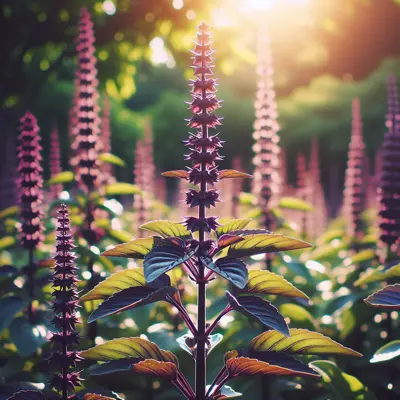
Thai Basil is a distinctive Southeast Asian herb prized for its striking purple-tinged stems and narrow, dark green leaves. Reaching maturity in approximately 74 days, this heirloom variety delivers an intensely aromatic profile—a bold combination of anise-licorice sweetness with spicy, clove-like undertones that sets it apart from sweet basil. Essential in Thai and Vietnamese cuisines, it adds authentic depth to curries, stir-fries, and aromatic broths. The plant thrives in full sun to partial shade with rich, well-drained soil enriched with organic matter. Easy to moderate difficulty makes it accessible for most gardeners, though watch for common pests like aphids and Japanese beetles.
Harvest
74d
Days to harvest
Sun
Full sun to partial shade
Zones
10–10
USDA hardiness
Height
0-3 feet
Planting Timeline
Showing dates for Thai Basil in USDA Zone 10
All Zone 10 herb →Zone Map
Click a state to update dates
Thai Basil · Zones 10–10
Growing Details
Succession Planting
Thai basil keeps producing as long as you don't let it flower — a single planting can carry you from transplant through December in zone 10 with consistent harvesting. Pinch flower heads the moment they form. A plant that goes fully to seed drops leaf production fast and the flavor turns sharp and medicinal. If you'd rather work with young, tender growth than manage one aging plant, stagger transplants every 3–4 weeks from February through August and pull the oldest plants when they get leggy past 24 inches.
Back off succession planting once nighttime temperatures hold above 75°F — that heat doesn't stop growth outright, but it makes staying ahead of the flower heads a full-time job. Rotate Thai basil out of the same bed each season; Pythium can persist in soil from one annual planting to the next and will hit seedlings hard the following year.
Complete Growing Guide
Thai Basil can be started indoors six to eight weeks before your last spring frost, giving you vigorous transplants ready to move outside once soil temperatures reach 70°F consistently. Alternatively, direct sow seeds outdoors after all frost danger has passed, planting them shallowly—just a quarter-inch deep—since they need light to germinate. Either method works well for this reliable cultivar, though indoor starting gives you earlier harvests and lets you admire those dramatic dark leaves sooner.
Prepare soil that drains well but retains some moisture; Thai Basil prefers fertile ground enriched with compost or well-rotted manure. Space plants twelve to fifteen inches apart, as this variety grows to sixteen to twenty inches tall and develops a full, bushy habit when given room. Full sun is essential—aim for six to eight hours daily, though Thai Basil tolerates partial afternoon shade in very hot climates and actually benefits from it in regions with intense summer heat.
Water consistently, keeping soil evenly moist but never waterlogged. During establishment, water deeply twice weekly; once established, reduce to once weekly unless rainfall is sparse. Feed monthly with a balanced, water-soluble fertilizer or side-dress with compost to support continuous growth and leaf production through the seventy-four-day harvest window and beyond.
Thai Basil attracts specific pests that require vigilance. Aphids congregate on new growth and the undersides of those distinctive two to three-inch leaves, so inspect regularly and spray with insecticidal soap if populations build. Japanese beetles may skeletonize foliage; hand-pick early morning invaders or use pheromone traps nearby. Slugs damage lower leaves, especially in humid conditions—mulch keeps them from direct soil contact, and beer traps or diatomaceous earth offer organic control.
Watch for bacterial leaf spot, identifiable by dark, oily lesions on leaves, and downy mildew, which appears as whitish coating on undersides—this variety is prone to mildew when humidity soars. Improve air circulation by pruning lower branches, spacing plants generously, and watering at soil level rather than overhead. Remove affected leaves immediately and discard (never compost) infected material.
Pinch the growing tips regularly to encourage bushier growth and delay flowering, which extends your harvest period. The purple flowers and red leaves create stunning garnishes and possess intense basil flavor, so don't feel obligated to remove all blooms—use them liberally in drinks, salads, and desserts.
One critical mistake: gardeners often treat Thai Basil like sweet basil, harvesting sparingly to preserve the plant. This variety actually produces more vigorously with aggressive harvesting. Pinch off the top inch or two weekly; this stimulates branching and fuller plants rather than tall, leggy specimens. Harvest fearlessly, and Thai Basil rewards you abundantly.
Harvesting
Peak harvesting of Thai Basil occurs when leaves reach their full 2-3 inch length and display the characteristic deep purple-black coloration, signaling maximum flavor concentration in the anise-licorice profile. Gently squeeze a leaf—it should feel supple and release fragrant oils rather than feel brittle or papery. For continuous yields throughout the 74-day season, pinch off stem tips regularly rather than stripping entire plants at once, which encourages bushier growth and prolonged production. Begin harvesting when plants reach 6-8 inches tall to prevent legginess, and prioritize removing flower buds as they form unless you plan to harvest the intensely flavored purple blooms for garnishing. This approach maintains vigor while delivering tender leaves at their aromatic peak.
Edibility: Leaves and flowers in tea, as flavoring
Storage & Preservation
Fresh Thai basil keeps best at room temperature in a glass of water like cut flowers, lasting 7-10 days with daily water changes. Avoid refrigeration, which blackens leaves and diminishes the essential anise oils that make this variety special.
For preservation, freezing works exceptionally well—wash and dry leaves completely, then freeze whole leaves in single layers on baking sheets before transferring to freezer bags. Frozen Thai basil retains more flavor than dried and works perfectly in cooked dishes.
Drying Thai basil requires gentle heat—use a dehydrator at 95°F or hang small bundles in a dark, well-ventilated area. Properly dried leaves retain their purple-green color and concentrated flavor for up to one year. The flower spikes dry beautifully and make excellent additions to herbal teas. Oil infusions capture the complex flavor profile—pack clean leaves in neutral oil and store refrigerated for up to one month.
History & Origin
Thai basil, a cultivar of Ocimum basilicum, emerged from Southeast Asian culinary traditions where it has been grown for centuries in Thailand and neighboring regions. While specific breeding records and the identity of original developers remain undocumented, this variety represents a distinct selection within the broader basil species, likely preserved and propagated by Thai farmers and gardeners who valued its characteristic anise-licorice flavor and ornamental dark foliage. The variety's introduction to Western horticulture occurred primarily through seed companies in the late twentieth century, who recognized its culinary appeal and striking visual qualities. Unlike many modern vegetable varieties with traceable breeding programs, Thai basil's origins rest in traditional agricultural heritage rather than formal institutional breeding efforts.
Origin: Tropical Africa and Asia
Advantages
- +Striking dark purple foliage and flowers provide ornamental garden appeal
- +Intense anise-licorice flavor with clove notes elevates Thai and Asian cuisine
- +Edible flowers offer versatile garnishing options for drinks, salads, and desserts
- +Moderate growing difficulty makes it accessible for beginner to experienced gardeners
- +Reaches harvestable size in 74 days with minimal space requirements
Considerations
- -Susceptible to bacterial leaf spot and downy mildew in humid climates
- -Multiple pest pressures including aphids, Japanese beetles, and slugs require monitoring
- -Strong licorice flavor may not suit all palates or traditional basil recipes
Companion Plants
Thai basil planted among tomatoes, peppers, and eggplant makes practical sense beyond any folk claim about pest confusion — they share nearly identical needs (full sun, 1 inch of water per week, warm soil) so you're managing one bed instead of three. That said, the aromatic oils in the foliage do appear to interfere with aphid host-finding, and NC State Extension lists aphids as a top Thai basil pest, so there's a real mechanism worth crediting. Marigolds nearby pull their weight through root secretions that suppress soil nematodes, and garlic at the bed edges contributes sulfur compounds that deter aphids on contact. Mixing these plant families also breaks up large blocks of pest-preferred crops — something NC State Extension's IPM guidance calls out directly as a way to contain early damage before it spreads.
Rue and common sage release allelopathic compounds — from both roots and decomposing leaf litter — that suppress basil germination and stunt established plants. Keep at least 18–24 inches of separation if they're already in the garden. Cucumber is the less obvious problem: it competes hard for shallow soil moisture and sprawls into neighboring beds, creating the kind of stagnant, humid microclimate that bacterial leaf spot (Pseudomonas cichorii) needs to take hold.
Plant Together
Tomatoes
Thai basil repels hornworms and aphids while improving tomato flavor and growth
Peppers
Mutual pest deterrent, basil repels aphids and spider mites that attack peppers
Eggplant
Basil deters flea beetles and aphids that commonly damage eggplants
Oregano
Similar growing requirements and both herbs repel many of the same garden pests
Marigolds
Both plants repel nematodes and various flying insects, creating stronger pest control
Cilantro
Attracts beneficial insects like parasitic wasps that protect basil from harmful pests
Lettuce
Basil provides partial shade for lettuce while repelling aphids that damage leafy greens
Garlic
Natural fungicide properties help prevent fungal diseases that can affect basil
Keep Apart
Rue
Allelopathic compounds inhibit basil germination and stunt growth
Common Sage
Competes aggressively for nutrients and may inhibit basil's aromatic oil production
Cucumber
Different watering needs and cucumber's sprawling growth can overshadow and stress basil plants
Nutrition Facts
Per 100g serving. % Daily Value based on 2,000 calorie diet. Source: USDA FoodData Central (FDC #172232)
Pests & Disease Resistance
Resistance
Good resistance to fusarium wilt, better heat tolerance than sweet basil
Common Pests
Aphids, Japanese beetles, slugs
Diseases
Bacterial leaf spot, downy mildew in humid conditions
Troubleshooting Thai Basil
What you'll see, why it happens, and what to do about it.
Leaves show dark, water-soaked spots that dry to angular brown patches, sometimes with yellow halos — most noticeable after several humid days
Likely Causes
- Bacterial leaf spot (Pseudomonas cichorii) — thrives when leaves stay wet and air movement is poor
- Overcrowded spacing (under 8 inches) that traps humidity around the foliage
What to Do
- 1.Remove and bag affected leaves — don't compost them
- 2.Water at the base, not overhead, and do it in the morning so foliage dries before evening
- 3.Thin crowded plants to at least 8 inches apart; NC State Extension's IPM guidance specifically ties reduced air movement to accelerated disease spread
Seedlings collapse at soil level — stems look pinched and dark, roots turn brown and slimy, sometimes with fuzzy white patches on the nearby soil surface
Likely Causes
- Damping off — typically Pythium or Rhizoctonia species — triggered by overly wet, poorly drained starting mix
- Sowing too deep or keeping germination trays in low-light conditions that slow drying between waterings
What to Do
- 1.Discard affected seedlings and the surrounding mix entirely — don't try to save them
- 2.Start fresh in a sterile, well-draining seed-starting mix and let the surface dry slightly between waterings
- 3.Run a small fan over the tray to improve airflow; Thai basil should germinate in 5–10 days at 70–75°F, so soggy trays sitting longer than that are a red flag
Frequently Asked Questions
How long does Thai basil take to grow from seed?▼
Can you grow Thai basil in containers?▼
What does Thai basil taste like compared to sweet basil?▼
Should you let Thai basil flower?▼
Is Thai basil good for beginners?▼
When should I plant Thai basil seeds?▼
Zone-by-Zone Planting Calendar
| Zone | Indoor Start | Transplant | Direct Sow | Harvest |
|---|---|---|---|---|
| Zone 10 | January – January | February – April | — | April – December |
Growing Guides from Wind River Greens
Sources & References
External authority sources used in compiling this guide.
See the Methodology page for how this data is sourced, what's AI-assisted, and known limitations.