Opus™ III Lavender
Antirrhinum majus
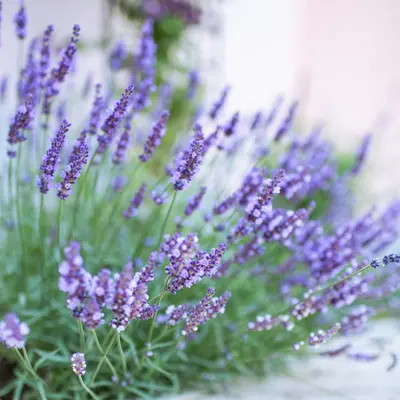
Group 3 snapdragon, well-suited for production under long days and high light. Excellent performance in the field or greenhouse. Opus™ Lavender III is very comparable to Costa Summer Lavender III but with slightly larger florets and a gray-lavender bloom color. About 5 days earlier to bloom than Potomac Lavender.Edible Flowers: The flowers are a colorful garnish for use in salads, desserts, and drinks. The flavor is floral and slightly bitter, so use sparingly.
Harvest
105-115d
Days to harvest
Sun
Full sun to partial shade
Zones
7–10
USDA hardiness
Height
0-3 feet
Planting Timeline
Showing dates for Opus™ III Lavender in USDA Zone 7
All Zone 7 flower →Zone Map
Click a state to update dates
Opus™ III Lavender · Zones 7–10
Growing Details
Succession Planting
Snapdragons perform best in cool weather — they'll flower hard in spring, slow down once daytime highs push past 80°F, then sometimes rebound in fall. For zone 7, start seeds indoors in February or early March at soil temps of 65–75°F, then transplant out in April once nighttime lows hold consistently above 40°F. A second round started indoors in late June or early July can go out in August for fall color; those plants often carry through until first frost.
Don't bother sowing through the summer — Opus III Lavender won't perform in Georgia heat, and the plants will just stall. Two rounds, spring and late-summer-for-fall, is the practical ceiling for this variety in our climate.
Complete Growing Guide
Group 3 snapdragon, well-suited for production under long days and high light. Excellent performance in the field or greenhouse. Opus™ Lavender III is very comparable to Costa Summer Lavender III but with slightly larger florets and a gray-lavender bloom color. About 5 days earlier to bloom than Potomac Lavender.Edible Flowers: The flowers are a colorful garnish for use in salads, desserts, and drinks. The flavor is floral and slightly bitter, so use sparingly. According to Johnny's Selected Seeds, Opus™ III Lavender is 105 - 115 days to maturity, annual, hybrid (f1). Notable features: Greenhouse Performer, Use for Cut Flowers and Bouquets, Fragrant.
Light: Full sun (6 or more hours of direct sunlight a day), Partial Shade (Direct sunlight only part of the day, 2-6 hours). Soil: High Organic Matter. Drainage: Good Drainage. Height: 0 ft. 6 in. - 3 ft. 0 in.. Spread: 0 ft. 6 in. - 0 ft. 10 in.. Spacing: Less than 12 inches. Growth rate: Medium. Maintenance: Medium.
Harvesting
Opus™ III Lavender reaches harvest at 105 - 115 days from sowing per Johnny's Selected Seeds. As an annual, harvest continues until frost ends the season.
A capsule, half hidden by calyx lobes, short-beaked.
Type: Capsule. Length: 1-3 inches.
Storage & Preservation
Fresh lavender snapdragon flowers are best stored upright in a vase with water at room temperature (65-70°F) and kept out of direct sunlight for 7-10 days. For longer storage, refrigerate at 35-40°F in a humid environment to extend vase life to 2-3 weeks. Preservation methods include: (1) Air-drying by hanging bundles upside down in a well-ventilated, dark space for 1-2 weeks to retain color and form; (2) Pressing between parchment paper under weights for 2-3 weeks for use in crafts or decoration; (3) Freeze-drying if equipment is available to maintain vibrant color and structure for long-term storage.
History & Origin
Opus™ III Lavender is an F1 hybrid developed through controlled cross-pollination. Listed in the Johnny's Selected Seeds catalog.
Origin: Southwestern Europe
Advantages
- +Blooms 5 days earlier than Potomac Lavender, improving production timelines
- +Larger florets than Costa Summer Lavender III variant for visual impact
- +Performs excellently in both greenhouse and field growing conditions
- +Suitable for long-day production with high-light requirements
- +Edible flowers add premium value as salad and dessert garnish
Considerations
- -Floral-bitter flavor requires sparingly using in culinary applications
- -Gray-lavender color may not appeal to all market preferences
- -105-115 day production window demands precise scheduling and planning
- -Snapdragons susceptible to rust and powdery mildew in humid conditions
Companion Plants
Rosemary, thyme, sage, and oregano are solid neighbors for Opus III Lavender snapdragons because they share the same drainage preferences — all of them resent wet feet — and their aromatic oils tend to confuse aphids and whiteflies looking for a landing spot. Catmint pulls double duty: it draws pollinators that also work the snapdragon flowers, and its low mounding habit fills bare ground without pushing deep roots into snapdragon territory. French marigolds like 'Durango' are worth tucking in at the bed edge — their root exudates suppress soil nematodes, and in our zone 7 Georgia garden, whitefly pressure builds fast by late May, so having marigolds already established when Opus III hits peak bloom makes a real difference.
Mint is the plant to keep at a distance — it travels by rhizome and will quietly crowd out snapdragon roots before you notice it's moved in. Impatiens and hostas both want more water and less sun than this snapdragon can tolerate, so pairing them means one plant is always struggling. Keep them in a different bed entirely.
Plant Together
Rosemary
Similar water and soil requirements, both repel common garden pests
Thyme
Complementary growth habits and shared preference for well-draining soil
Sage
Both are Mediterranean herbs with similar cultural needs and pest-repelling properties
Oregano
Attracts beneficial pollinators and has compatible growing requirements
Catmint
Deters aphids and ants while attracting beneficial insects
Marigold
Repels nematodes and aphids, adds complementary color contrast
Echinacea
Attracts butterflies and bees, thrives in similar well-draining conditions
Sedum
Drought-tolerant companion that attracts late-season pollinators
Keep Apart
Mint
Aggressive spreader that can overtake lavender and requires more water
Impatiens
Requires frequent watering and rich, moist soil incompatible with lavender
Hostas
Prefer shade and consistent moisture, opposite of lavender's sun and drought needs
Pests & Disease Resistance
Common Pests
Aphids, spider mites, whiteflies
Diseases
Powdery mildew, rust, root rot
Troubleshooting Opus™ III Lavender
What you'll see, why it happens, and what to do about it.
White powdery coating on upper leaf surfaces, usually appearing first on older leaves in mid to late spring
Likely Causes
- Powdery mildew (Erysiphe antirrhini) — favored by warm days, cool nights, and poor airflow
- Plants spaced too close together, blocking air circulation
What to Do
- 1.Strip and bag affected leaves — don't compost them
- 2.Space plants at least 12 inches apart and thin any crowded stems to open up the canopy
- 3.Apply a potassium bicarbonate spray or neem oil at first sign; repeat every 7-10 days
Orange or rust-colored pustules on the undersides of leaves, with corresponding yellow spots on the upper surface
Likely Causes
- Snapdragon rust (Puccinia antirrhini) — windborne spores spread it fast, and humid stretches make it worse
- Overhead irrigation that keeps foliage wet for hours at a time
What to Do
- 1.Remove and dispose of infected leaves immediately — Puccinia antirrhini moves quickly once established
- 2.Switch to drip irrigation or water at the base in the morning so foliage dries before midday
- 3.Rotate this bed away from snapdragons for at least one full season
Clusters of small soft-bodied insects on new growth tips, with leaves curling or puckering
Likely Causes
- Aphid infestation (commonly Myzus persicae or Aphis gossypii) — they colonize tender new shoots fast, especially during spring flushes
- Excess nitrogen pushing too much soft, lush growth that aphids prefer
What to Do
- 1.Knock aphids off with a firm spray of water from the hose — do this in the morning so the plant dries before evening
- 2.If pressure is heavy, apply insecticidal soap directly to colonies; repeat every 5-7 days
- 3.Ease up on high-nitrogen fertilizer mid-season
Stems collapsing at the soil line, roots appearing brown and mushy when pulled
Likely Causes
- Root rot (Phytophthora or Pythium spp.) — almost always caused by waterlogged soil or poorly draining beds
- Planting in heavy clay without amendment, which holds water around the crown
What to Do
- 1.Pull and discard affected plants — there's no saving a plant with rotted roots
- 2.Amend beds with perlite or coarse compost before replanting; snapdragons want well-drained soil, not wet feet
- 3.If the bed stays soggy after rain, consider raised beds or a layer of gravel beneath the planting area
Frequently Asked Questions
How long do Opus III Lavender snapdragon flowers last in a vase?▼
Can you grow Opus III Lavender snapdragons in containers?▼
What does Opus III Lavender snapdragon taste like when used as an edible flower?▼
Is Opus III Lavender snapdragon easy for beginners to grow?▼
When should I plant Opus III Lavender snapdragon seeds?▼
How does Opus III Lavender compare to Potomac Lavender snapdragon?▼
Zone-by-Zone Planting Calendar
| Zone | Indoor Start | Transplant | Direct Sow | Harvest |
|---|---|---|---|---|
| Zone 1 | May – June | July – August | July – September | — |
| Zone 2 | April – May | June – July | June – August | — |
| Zone 11 | January – January | January – February | January – March | — |
| Zone 12 | January – January | January – February | January – March | — |
| Zone 13 | January – January | January – February | January – March | — |
| Zone 3 | April – May | June – July | June – August | — |
| Zone 4 | March – April | June – June | June – July | — |
| Zone 5 | March – April | May – June | May – July | — |
| Zone 6 | March – April | May – June | May – July | — |
| Zone 7 | February – March | April – May | April – June | — |
| Zone 8 | February – March | April – May | April – June | — |
| Zone 9 | January – February | March – April | March – May | — |
| Zone 10 | January – January | February – March | February – April | — |
Growing Guides from Wind River Greens
Sources & References
External authority sources used in compiling this guide.
- BreederJohnny's Selected Seeds
See the Methodology page for how this data is sourced, what's AI-assisted, and known limitations.