Tetra White
Tanacetum parthenium
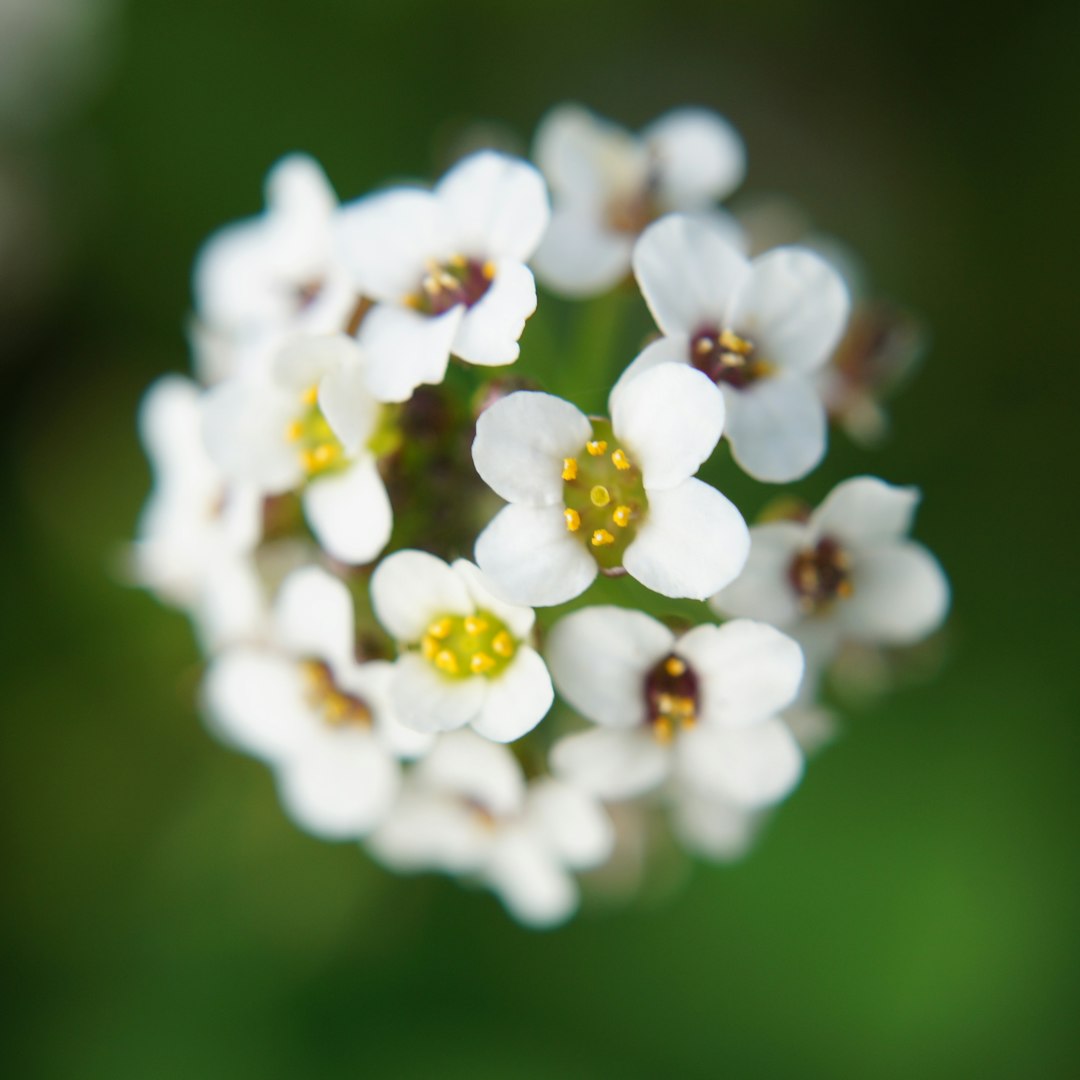
Fully double 3/4-1" blooms uniformly fill the top of the plant, making it a very productive cut flower. Blooms are pure white with citrus-yellow to lime-green centers. Tender or short-lived perennial in Zones 5-9. Also known as feverfew.
Harvest
100-110d
Days to harvest
Sun
Full sun to partial shade
Zones
5–8
USDA hardiness
Height
1-3 feet
Planting Timeline
Showing dates for Tetra White in USDA Zone 7
All Zone 7 flower →Zone Map
Click a state to update dates
Tetra White · Zones 5–8
Growing Details
Succession Planting
Tetra White is a tender perennial that blooms over a long season once established — you're not harvesting a discrete crop and replanting on a schedule. A single sowing started indoors in February or March (zone 7) will flower from midsummer through fall and, in zones 7 and warmer, may overwinter and return the following year. Succession sowing doesn't apply here.
Complete Growing Guide
Light: Full sun (6 or more hours of direct sunlight a day), Partial Shade (Direct sunlight only part of the day, 2-6 hours). Soil: High Organic Matter, Loam (Silt), Sand. Soil pH: Acid (<6.0), Alkaline (>8.0), Neutral (6.0-8.0). Drainage: Good Drainage, Moist. Height: 1 ft. 0 in. - 3 ft. 0 in.. Spread: 1 ft. 0 in. - 2 ft. 0 in.. Spacing: Less than 12 inches, 12 inches-3 feet. Growth rate: Rapid. Maintenance: Low, Medium. Propagation: Division, Seed. Regions: Coastal, Piedmont.
Harvesting
The center disk of the flower becomes a head of dry, brown seeds. The seeds are ribbed and measure 1-2 mm long. The plant is self-seeding and can be aggressive.
Color: Brown/Copper. Length: < 1 inch. Width: < 1 inch.
Harvest time: Fall
Edibility: Edible leaves can make tea.
Storage & Preservation
Store fresh Tetra White blooms in a cool location, ideally in the refrigerator at 35-40°F with 90-95% humidity to maximize vase life of 7-10 days. Keep stems in fresh, clean water and re-cut stems every 2-3 days. For preservation, air-dry blooms by hanging upside-down in a dark, well-ventilated space for 2-3 weeks to retain color and structure. Alternatively, press flowers between parchment paper under heavy books for 1-2 weeks for dried arrangements. Freeze-drying preserves delicate petals for long-term storage and craft applications.
History & Origin
Origin: Southeastern Europe to Central Asia and West Himalaya
Advantages
- +Attracts: Bees, Butterflies, Hummingbirds
- +Edible: Edible leaves can make tea.
- +Fast-growing
- +Low maintenance
Considerations
- -Toxic: Low severity
- -Causes contact dermatitis
Companion Plants
Marigolds, Sweet Alyssum, and Nasturtiums are the companions worth planting near Tetra White. French marigolds (like 'Petite Harmony') push out aphids and whiteflies through both root exudates and scent — useful because feverfew's dense white canopy can shelter soft-bodied insects when airflow is poor. Sweet Alyssum, topping out at 3–6 inches, draws in parasitic wasps that go after aphids and thrips without shading out anything. Nasturtiums work differently: they pull aphids onto themselves, concentrating the problem in one spot where you can actually do something about it.
Black Walnut is the one to plant nowhere near Tetra White or most other herbaceous plants — its roots release juglone, and even moderate exposure stunts growth. Eucalyptus produces its own allelopathic compounds in leaf litter and root exudates that suppress nearby plants similarly. Fennel is a different category of bad neighbor: it doesn't produce one specific toxin so much as it chemically suppresses almost everything around it, and feverfew is no exception. Give fennel its own container or its own far corner of the yard.
Plant Together
Marigolds
Repel nematodes and aphids while attracting beneficial insects
Sweet Alyssum
Attracts beneficial insects and provides ground cover to retain soil moisture
Nasturtiums
Act as trap crops for aphids and cucumber beetles while adding color contrast
Lobelia
Complements white flowers with blue blooms and thrives in similar growing conditions
Petunias
Repel tomato hornworms and aphids while providing continuous blooms
Zinnias
Attract beneficial pollinators and predatory insects while adding height variation
Catnip
Repels mosquitoes, ants, and rodents through natural compounds
Cosmos
Attract beneficial insects and provide structural support in mixed plantings
Keep Apart
Black Walnut
Produces juglone toxin that inhibits growth and can kill sensitive flowering plants
Eucalyptus
Releases allelopathic compounds that suppress growth of nearby plants
Fennel
Inhibits growth of most garden plants through allelopathic root secretions
Troubleshooting Tetra White
What you'll see, why it happens, and what to do about it.
Leaves and stems covered in white powdery coating, usually showing up in midsummer when nights cool down
Likely Causes
- Powdery mildew (Erysiphe cichoracearum) — fungal, thrives when days are warm and nights are cool with low airflow
- Crowded planting below the 12-inch spacing minimum
What to Do
- 1.Cut out the worst-affected stems at the base and dispose of them — don't compost
- 2.Thin plants to at least 12 inches apart to get air moving through the foliage
- 3.Apply a diluted neem oil spray (2 tsp per quart of water) every 7 days until new growth comes in clean
Seedlings falling over at the soil line within the first 2 weeks after germination
Likely Causes
- Pythium or Rhizoctonia fungi in overly wet, poorly drained seed-starting mix
- Starting seeds in trays without bottom drainage, or misting so heavily that the surface stays wet for hours
What to Do
- 1.Start fresh in a sterile seed-starting mix — don't reuse last year's tray soil
- 2.Water from the bottom by setting trays in a shallow pan; let the surface dry slightly between waterings
- 3.Run a small fan on low near your seedlings for 30 minutes a day to keep the surface from staying damp
Plant produces almost no flowers and keeps putting out leafy growth well into summer
Likely Causes
- Too much nitrogen — either from a heavy compost application or a high-N fertilizer pushing vegetative growth at the expense of blooms
- Insufficient sun — Tetra White needs at least 4–6 hours of direct light to flower reliably
What to Do
- 1.Hold off on any additional feeding; if you top-dressed with compost in spring, skip further amendments this season
- 2.Move container plants to a sunnier spot, or note the bed location and plant something shade-tolerant there next year
- 3.Deadhead spent and forming buds consistently — removing them signals the plant to redirect energy into new flower production
Frequently Asked Questions
How long do Tetra White flowers last in a vase?▼
Is Tetra White a good choice for beginners?▼
Can you grow Tetra White in containers?▼
When should I plant Tetra White seeds?▼
What are the yellow-green centers on Tetra White blooms?▼
How many hours of sunlight does Tetra White need?▼
Zone-by-Zone Planting Calendar
| Zone | Indoor Start | Transplant | Direct Sow | Harvest |
|---|---|---|---|---|
| Zone 3 | April – May | June – July | June – August | — |
| Zone 4 | March – April | June – June | June – July | — |
| Zone 5 | March – April | May – June | May – July | — |
| Zone 6 | March – April | May – June | May – July | — |
| Zone 7 | February – March | April – May | April – June | — |
| Zone 8 | February – March | April – May | April – June | — |
| Zone 9 | January – February | March – April | March – May | — |
| Zone 10 | January – January | February – March | February – April | — |
| Zone 1 | May – June | July – August | July – September | — |
| Zone 2 | April – May | June – July | June – August | — |
| Zone 11 | January – January | January – February | January – March | — |
| Zone 12 | January – January | January – February | January – March | — |
| Zone 13 | January – January | January – February | January – March | — |
Growing Guides from Wind River Greens
Sources & References
External authority sources used in compiling this guide.
- BreederJohnny's Selected Seeds
See the Methodology page for how this data is sourced, what's AI-assisted, and known limitations.