Elliott Blueberry
Vaccinium corymbosum 'Elliott'
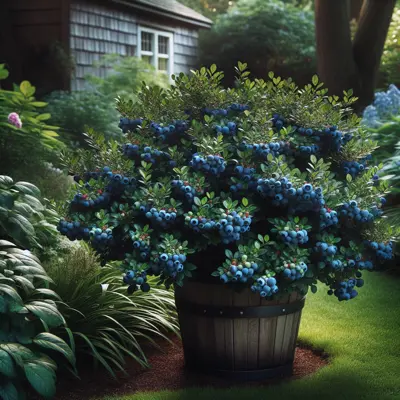
The season extender that blueberry enthusiasts dream about, Elliott produces sweet, firm berries well into late summer when other varieties have finished. This vigorous highbush variety offers excellent cold hardiness and consistent heavy yields of medium-large berries with exceptional storage quality. Its extended harvest period makes it invaluable for home gardeners wanting fresh blueberries from July through September.
Sun
Full sun to partial shade
Zones
3–8
USDA hardiness
Height
6-12 feet
Planting Timeline
Showing dates for Elliott Blueberry in USDA Zone 7
All Zone 7 berry →Zone Map
Click a state to update dates
Elliott Blueberry · Zones 3–8
Growing Details
Complete Growing Guide
Elliott demands acidic soil (pH 4.5–5.5) and consistent moisture through its extended late-season fruiting, which stretches into September and demands regular watering when other blueberries rest. Plant in full sun with excellent drainage to prevent root rot, particularly important since Elliott's vigor can mask early stress symptoms. This cultivar shows minimal disease issues but remains susceptible to mummy berry in humid climates—remove affected fruit promptly. Unlike earlier varieties, Elliott flowers later, reducing late-frost damage risk, though this means you'll need cross-pollination from mid or late-season varieties like Duke or Ozark Blue. One practical tip: prune Elliott conservatively in early spring, removing only dead wood and crossing canes, since aggressive pruning delays the abundant late-season harvest you're growing it for. Space plants 4–6 feet apart to accommodate its vigorous 6–12 foot mature height.
Light: Full sun (6 or more hours of direct sunlight a day), Partial Shade (Direct sunlight only part of the day, 2-6 hours). Soil: Clay, Loam (Silt), Sand. Soil pH: Acid (<6.0). Drainage: Good Drainage, Moist, Occasionally Dry. Height: 6 ft. 0 in. - 12 ft. 0 in.. Spread: 6 ft. 0 in. - 10 ft. 0 in.. Spacing: 6-feet-12 feet. Growth rate: Medium. Maintenance: Medium. Propagation: Seed, Stem Cutting. Regions: Mountains, Piedmont.
Harvesting
Elliott blueberries are ready to harvest when they achieve a deep blue-purple color with a silvery bloom coating the skin, typically reaching three-eighths to half-inch diameter. Test readiness by gently rolling a berry between your fingers—ripe Elliotts feel distinctly firm yet yield slightly to pressure, distinguishing them from softer varieties. Rather than a single harvest, Elliott's extended season rewards multiple passes through the plant every three to five days from mid-July through September, as berries mature progressively rather than all at once. For optimal flavor, wait until berries are fully colored and have rested on the bush for at least two days after reaching peak appearance, since Elliott continues developing sugars even after turning blue.
Blue to purple small round fruits that show up in August, ripening from a green to pink color to full ripeness. Females cannot produce fruit on their own. Fruit is edible.
Color: Blue, Green, Pink, Purple/Lavender. Type: Berry. Length: < 1 inch. Width: < 1 inch.
Garden value: Edible
Harvest time: Summer
Edibility: The berries are edible and have been used raw, sun-dried. smoke-dried, and baked. They have high iron content.
Storage & Preservation
Fresh Elliott berries store exceptionally well compared to other varieties—up to 2 weeks refrigerated in shallow containers lined with paper towels. Don't wash until ready to eat, as moisture promotes mold. For short-term storage, keep at room temperature for 2-3 days to allow full flavor development.
Elliott's firm texture makes it outstanding for freezing. Spread unwashed berries on cookie sheets, freeze solid, then transfer to freezer bags. They maintain texture better than most varieties when thawed. For jam-making, Elliott's natural pectin content creates firm sets without added thickeners. The variety's extended season also makes it perfect for small-batch preserving—process berries weekly as they ripen rather than dealing with one massive harvest.
History & Origin
The Elliott blueberry emerged from the University of Florida's breeding program in the 1970s, developed to extend the commercial harvest season in warm climates where late-season production fills important market gaps. Like other highbush varieties in its lineage, Elliott descends from crosses within Vaccinium corymbosum germplasm, though detailed records of its specific parent varieties remain limited in publicly available documentation. The variety was intentionally selected for late ripening characteristics and cold hardiness traits that allow it to thrive across broader growing regions than many Florida-bred cultivars, making it valuable for both commercial operations and home gardeners seeking an extended harvest window.
Origin: Eastern North America
Advantages
- +Extends blueberry harvest season into late summer and early fall
- +Produces sweet, firm berries with excellent storage and shelf life
- +Vigorous growth habit delivers consistent heavy yields reliably
- +Cold hardy variety thrives in northern climates successfully
- +Medium-large berries offer superior fresh eating quality and flavor
Considerations
- -Susceptible to anthracnose and phytophthora root rot in wet conditions
- -Requires well-draining acidic soil; struggles in poor drainage situations
- -Bird predation during extended late-season harvest period demands netting
- -Moderate difficulty level means more pruning and maintenance work needed
Companion Plants
Azalea, rhododendron, and heather are the most logical neighbors for Elliott blueberry — not because they do anything active for the blueberry, but because they share the same soil chemistry requirements. All of them want a pH in the 4.5–5.5 range, so planting them together means you're managing one soil system instead of two conflicting ones. Pine trees reinforce that chemistry: needle drop acidifies the soil gradually over years, and their canopy structure lets enough light through for a blueberry that can handle partial shade. Ferns fill space at the base in those lower-light spots without competing seriously for water or nutrients at the root zone.
Strawberries and thyme work well at the drip line. Thyme attracts parasitic wasps that go after the aphids that show up on blueberry shoots in spring — not a dramatic effect, but it costs you nothing. Cranberry wants conditions nearly identical to Elliott's, so mixing it in as groundcover in a dedicated berry patch makes practical sense for space efficiency rather than any pest or disease benefit.
Black walnut is a hard no. It produces juglone — a compound that accumulates in the soil within roughly 50-60 feet of the trunk and damages the roots of sensitive plants, blueberries included. Brassicas are a less urgent concern, but they thrive at pH 6.0–7.0, which means any soil work you do to keep them happy directly undermines the acid conditions Elliott needs. Pick one or the other for a given bed.
Plant Together
Azalea
Shares similar acidic soil requirements and shallow root system
Rhododendron
Compatible acid-loving plant that doesn't compete for nutrients
Pine Trees
Naturally acidify soil through needle drop and provide wind protection
Ferns
Thrive in acidic conditions and provide ground cover without root competition
Cranberry
Similar pH and moisture requirements, compatible growing conditions
Heather
Acid-loving companion that attracts beneficial pollinators
Strawberry
Ground cover that helps retain soil moisture and suppress weeds
Thyme
Attracts pollinators and repels harmful insects while tolerating acidic soil
Keep Apart
Black Walnut
Produces juglone toxin that inhibits blueberry growth and fruit production
Brassicas
Prefer alkaline soil conditions opposite to blueberry requirements
Cedar Trees
Can harbor rust diseases that may spread to blueberry plants
Nutrition Facts
Per 100g serving. % Daily Value based on 2,000 calorie diet. Source: USDA FoodData Central (FDC #2346411)
Pests & Disease Resistance
Resistance
Good resistance to mummy berry and stem canker
Common Pests
Blueberry maggot, aphids, scale insects, birds during harvest
Diseases
Anthracnose, phytophthora root rot, bacterial canker
Troubleshooting Elliott Blueberry
What you'll see, why it happens, and what to do about it.
Berries shriveling or showing sunken, dark lesions just before or after ripening
Likely Causes
- Anthracnose (Colletotrichum acutatum) — a fungal disease that infects fruit during wet spring weather and goes latent until ripening
- Overripe fruit left on the bush too long in humid conditions
What to Do
- 1.Pick fruit on schedule — Elliott holds well on the bush, but don't push it past peak ripeness in wet summers
- 2.Rake up and bag any mummified fruit under the bush; don't compost it
- 3.Next season, apply a copper-based fungicide at bloom and again 10-14 days later if you had anthracnose this year
Leaves yellowing between the veins while the veins themselves stay green, especially on new growth
Likely Causes
- Iron chlorosis from soil pH too high — blueberries need pH 4.5-5.5, and even a reading of 6.0 will lock out iron
- Waterlogged soil causing root damage that limits nutrient uptake
What to Do
- 1.Test your soil pH first — don't guess. If it's above 5.5, work in elemental sulfur at the rate recommended for your soil type and retest in 60 days
- 2.Mulch with 3-4 inches of pine bark or pine needles, which acidify slowly as they break down
- 3.If drainage is poor, raised beds or mounded planting rows are a more permanent fix than any amendment
Small white maggots found inside ripe or nearly ripe berries, fruit dropping early
Likely Causes
- Blueberry maggot (Rhagoletis mendax) — the adult fly lays eggs under the skin of developing fruit in mid-summer
- Spotted wing drosophila (Drosophila suzukii) — a more recent pest with similar damage, attacks fruit slightly earlier
What to Do
- 1.Hang yellow sticky traps baited with ammonium acetate near the bushes from late June onward to monitor adult fly populations
- 2.Harvest frequently — every 2-3 days at peak — and remove any soft or dropped fruit immediately
- 3.Row cover applied before fruit colors up can physically exclude both pests; remove it briefly for any needed pollination if bloom overlaps
Frequently Asked Questions
How long does Elliott blueberry take to produce fruit?▼
When should I plant Elliott blueberry bushes?▼
Can you grow Elliott blueberries in containers?▼
What does Elliott blueberry taste like compared to other varieties?▼
Do Elliott blueberry bushes need a pollinator?▼
Why are my Elliott blueberries not ripening until very late?▼
Zone-by-Zone Planting Calendar
Growing Guides from Wind River Greens
Sources & References
External authority sources used in compiling this guide.
See the Methodology page for how this data is sourced, what's AI-assisted, and known limitations.