Buttercrunch
Lactuca sativa
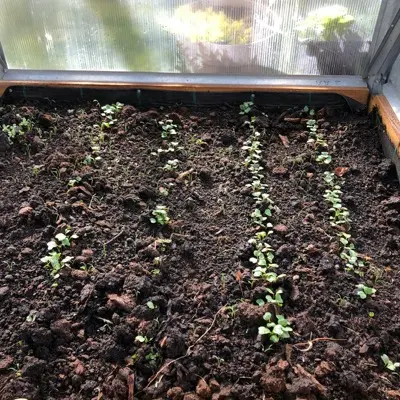
Johnny's produces Buttercrunch lettuce using the original stock seed from Cornell University. Forms a small, open but tightly bunched, 6" rosette that is fan-shaped rather than round. Dark green leaves and small compact hearts that blanch to an appetizing yellow color. Crisp and sweet. MT0-30.
Harvest
55-65d
Days to harvest
Sun
Full sun to partial shade
Zones
2–11
USDA hardiness
Height
6-12 inches
Planting Timeline
Showing dates for Buttercrunch in USDA Zone 7
All Zone 7 lettuce →Zone Map
Click a state to update dates
Buttercrunch · Zones 2–11
Growing Details
Succession Planting
Direct sow Buttercrunch every 14-18 days starting around March 1 in zone 7, and plan to stop by early May — once daytime highs are consistently above 78°F, germination becomes unreliable and what does come up will bolt before producing a full head. A fall run works just as well: wait until soil temperatures drop below 75°F (usually mid-August), then sow every 2 weeks through mid-September for harvests that carry into November.
Keep each sowing small — a 3-foot row or a single 12-inch container per interval is plenty for most households. The point is staggered harvests, not volume. Sow too much at once and you'll have 12 heads ready the same week and nothing for the following month.
Complete Growing Guide
Buttercrunch lettuce thrives as a cool-season crop and should be direct sown in early spring, about two weeks before your last frost date, or started indoors three to four weeks before transplanting. For fall harvests, sow seeds in mid to late summer, timing your planting so heads mature before the first hard freeze. Unlike some lettuce varieties, Buttercrunch germinates reliably in cool soil, though seeds may struggle above 75°F, so avoid summer sowings in warm climates unless you can provide afternoon shade. Indoors, sow seeds in shallow flats and transplant seedlings when they develop their first true leaves.
Prepare your garden bed with rich, well-draining soil amended with compost or aged manure, as Buttercrunch's compact 6-inch rosette still demands consistent nutrition to develop its characteristically sweet, crisp leaves and attractive yellow hearts. Space plants 8 to 10 inches apart in rows 12 inches wide—this variety's fan-shaped habit requires slightly more room than round heading types. Sow seeds just barely beneath the soil surface, pressing them gently into place, as Buttercrunch seeds need light to germinate properly.
Keep soil consistently moist throughout the growing season, providing about one inch of water weekly through rainfall or irrigation. Inconsistent watering causes tipburn, a frustrating disorder that browns leaf margins and spoils the pristine appearance Buttercrunch is known for. Feed with a balanced, nitrogen-rich fertilizer every two to three weeks, or side-dress with compost if you prefer organic methods, as the Johnny's original stock seed performs best with steady nutrient availability.
Buttercrunch's tender, delicate leaves attract aphids and flea beetles with particular enthusiasm, so monitor plants closely starting at the seedling stage and consider preventive row covers if these pests have troubled your garden before. Slugs also favor the succulent blanched hearts, especially during wet springs. Watch for downy mildew on leaf undersides during cool, damp weather, and ensure good air circulation by avoiding overcrowding. Bottom rot, caused by calcium deficiency coupled with inconsistent moisture, specifically threatens this variety's compact hearts, so maintain steady watering and avoid allowing soil to dry between waterings.
The single most critical mistake gardeners make with Buttercrunch is attempting to grow it in summer heat. This variety bolts frustratingly quickly when temperatures consistently exceed 70°F, converting that sweet heart into a bitter, elongated flowering stalk before you've harvested a single leaf. Treat Buttercrunch as a spring and fall crop exclusively, and resist the temptation to push it into hot weather. Practice succession planting instead, sowing new seeds every two weeks during spring and again monthly from mid-August onward, ensuring a continuous harvest of tender heads during the seasons when Buttercrunch naturally excels.
Harvesting
Buttercrunch reaches harvest at 28 baby; 46 full size from sowing per Johnny's Selected Seeds. Expect 6" at peak. As an annual, harvest continues until frost ends the season.
Tiny seeds with a dandelion-like tuft (pappus) to aid in wind dispersal.
Color: Brown/Copper. Type: Achene. Length: < 1 inch. Width: < 1 inch.
Harvest time: Summer
Edibility: Leaves can be used raw or cooked in salads, sandwiches, and other dishes. Head lettuce can be stored for 2-3 weeks while leaf and butterhead store for 1-2 weeks.
Storage & Preservation
Store freshly harvested Buttercrunch in the refrigerator crisper drawer wrapped loosely in damp paper towels, then placed in a perforated plastic bag. Properly stored heads maintain quality for 7-10 days at 32-35°F with high humidity (95-98%).
Avoid washing before storage, as excess moisture promotes rot. Instead, trim the stem end and remove any damaged leaves, then store whole heads to preserve freshness longer than individual leaves.
While lettuce doesn't preserve well through traditional methods like canning or freezing, you can extend its use by making lettuce soup (freeze after cooking), dehydrating outer leaves for seasoning powder, or fermenting in kimchi-style preparations. For best results, use Buttercrunch fresh within a week of harvest when its signature buttery texture and sweet flavor are at their peak. The tender inner leaves can be separated and stored in containers with paper towels for immediate use in salads.
History & Origin
Buttercrunch is open-pollinated, meaning seed saved from healthy plants will produce true-to-type offspring. Listed in the Johnny's Selected Seeds catalog.
Origin: Mediterranean to Siberia
Advantages
- +Small 6-inch rosette fits easily in home gardens and containers.
- +Blanched yellow hearts provide appealing visual contrast and tender texture.
- +Sweet, buttery flavor with nutty finish offers superior taste complexity.
- +Easy to moderate difficulty makes it suitable for beginner gardeners.
- +Cornell University heritage genetics ensure reliable, proven performance.
Considerations
- -Susceptible to bolting when exposed to heat or temperature fluctuations.
- -Vulnerable to multiple pests including aphids, leafminers, slugs, and flea beetles.
- -Compact size limits total yield compared to larger head lettuce varieties.
- -Prone to tipburn and bottom rot in inconsistent watering or humidity conditions.
Companion Plants
Radishes and carrots are the most practical companions for Buttercrunch. Radishes germinate in 5-7 days and mark the row while the lettuce is still establishing; they're harvested well before lettuce needs the full 8-10 inches of spacing, so competition is brief. Carrots share a similar root depth and water demand, and their fine feathery tops don't cast meaningful shade on a low-growing 6-12 inch crop. Chives and garlic planted along the bed edge offer some deterrence for aphids — the sulfur compounds these alliums release appear to disrupt the insects' host-finding behavior, though plant them as a preventive measure, not a rescue once aphids are already established.
French marigolds (Tagetes patula specifically) draw aphids and thrips away from the lettuce and host predatory insects like parasitic wasps that work through the pest population over time. Nasturtiums pull double duty as a trap crop — aphids pack onto them in preference to most vegetables, so plant a cluster a foot or two away and check them every few days rather than letting them become a breeding colony next to your bed.
Fennel has no place near lettuce. Its roots release allelochemicals that suppress germination and stunt growth across a wide range of vegetables, and Buttercrunch — with a relatively shallow root zone and a 55-65 day window to produce — can't afford that kind of underground interference. Sunflowers are a spacing problem more than a chemical one: they'll cast hard shade on a crop that already prefers partial shade, and unlike a shade cloth you can adjust, a 6-foot sunflower isn't going anywhere.
Plant Together
Chives
Repels aphids and improves lettuce growth and flavor
Carrots
Deep roots don't compete with shallow lettuce roots, helps loosen soil
Radishes
Quick harvest creates space, helps break up soil for lettuce roots
Marigolds
Repels aphids, whiteflies, and nematodes that damage lettuce
Garlic
Natural pest deterrent, repels aphids and rabbits
Spinach
Similar growing conditions, provides ground cover and efficient space use
Dill
Attracts beneficial insects that prey on lettuce pests
Nasturtiums
Acts as trap crop for aphids and cucumber beetles
Keep Apart
Sunflowers
Creates excessive shade and competes heavily for nutrients and water
Broccoli
Heavy feeder that competes for nitrogen, can overshadow lettuce
Fennel
Inhibits growth of most garden plants through allelopathy
Nutrition Facts
Per 100g serving. % Daily Value based on 2,000 calorie diet. Source: USDA FoodData Central (FDC #2346388)
Pests & Disease Resistance
Resistance
Good resistance to tipburn and moderate bolt resistance
Common Pests
Aphids, leafminers, slugs, flea beetles
Diseases
Downy mildew, bottom rot, tipburn, bolting in heat
Troubleshooting Buttercrunch
What you'll see, why it happens, and what to do about it.
Seedlings collapse at soil level within the first 1-2 weeks after transplanting or germination — stems look pinched or rotted at the base
Likely Causes
- Damping off (Pythium spp. or Rhizoctonia solani) — soil-borne fungi that thrive in cold, wet, poorly drained conditions
- Overwatering or heavy clay soil that holds moisture around the stem
What to Do
- 1.Pull the dead seedlings and check for the fuzzy whitish mold at soil level that NC State's IPM materials describe — that confirms a fungal culprit, not a watering mistake alone
- 2.Don't replant into the same spot immediately; let the bed dry out and work in compost to improve drainage before resowing
- 3.Start fresh seed in a different location or container with sterile seed-starting mix, and water only when the top half-inch of soil is dry
Leaves develop brown, papery edges (tipburn) or the whole plant bolts and turns bitter before reaching full size
Likely Causes
- Tipburn — calcium deficiency driven by heat stress and inconsistent watering, not a soil calcium shortage
- Bolting triggered by daytime temperatures consistently above 78-80°F or day length exceeding 14 hours
What to Do
- 1.Harvest the whole head at 55-60 days rather than waiting for full size once temperatures climb — Buttercrunch moves fast toward bolt in heat
- 2.Keep soil moisture at 1-1.5 inches per week without letting it swing from dry to saturated; tipburn is almost always a water-uptake problem, not a fertility problem
- 3.Shade cloth (30-40% block) over the bed can buy 2-3 extra weeks in late spring before bolting becomes inevitable
Frequently Asked Questions
How long does Buttercrunch lettuce take to grow?▼
Can you grow Buttercrunch lettuce in containers?▼
Is Buttercrunch lettuce good for beginners?▼
What does Buttercrunch lettuce taste like?▼
When should I plant Buttercrunch lettuce?▼
Buttercrunch vs Boston lettuce - what's the difference?▼
Zone-by-Zone Planting Calendar
| Zone | Indoor Start | Transplant | Direct Sow | Harvest |
|---|---|---|---|---|
| Zone 1 | — | — | June – July | August – September |
| Zone 2 | — | — | May – July | July – September |
| Zone 11 | — | — | January – February | February – December |
| Zone 12 | — | — | January – February | February – December |
| Zone 13 | — | — | January – February | February – December |
| Zone 3 | — | — | May – June | July – October |
| Zone 4 | — | — | April – June | June – October |
| Zone 5 | — | — | April – May | June – November |
| Zone 6 | — | — | April – May | June – November |
| Zone 7 | — | — | March – May | May – November |
| Zone 8 | — | — | March – April | May – December |
| Zone 9 | — | — | February – March | April – December |
| Zone 10 | — | — | January – March | March – December |
Growing Guides from Wind River Greens
Sources & References
External authority sources used in compiling this guide.
- BreederJohnny's Selected Seeds
- USDAUSDA FoodData Central
See the Methodology page for how this data is sourced, what's AI-assisted, and known limitations.