Japanese Painted Fern
Athyrium niponicum
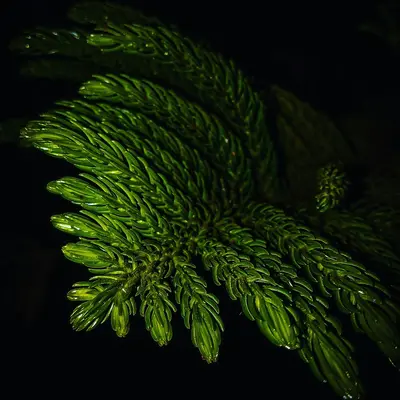
A stunning shade perennial that brings luminous color to dark corners with its silvery-gray fronds marked with purple stems and green edges. This elegant fern creates a sophisticated groundcover that brightens shaded areas like no other plant can. Its metallic sheen and architectural form make it a designer favorite for upscale landscape projects.
Sun
Partial shade
Zones
4–9
USDA hardiness
Height
18-24 inches
Planting Timeline
Showing dates for Japanese Painted Fern in USDA Zone 7
All Zone 7 ground-cover →Zone Map
Click a state to update dates
Japanese Painted Fern · Zones 4–9
Growing Details
Complete Growing Guide
Light: Dappled Sunlight (Shade through upper canopy all day), Deep shade (Less than 2 hours to no direct sunlight), Partial Shade (Direct sunlight only part of the day, 2-6 hours). Soil: High Organic Matter. Drainage: Good Drainage. Height: 1 ft. 6 in. - 2 ft. 0 in.. Spread: 1 ft. 6 in. - 2 ft. 0 in.. Maintenance: Low.
Harvesting
No fruits. This plant reproduces via spores.
Storage & Preservation
Japanese Painted Ferns are living perennials and not harvested for storage or consumption. As landscape plants, they require in-ground cultivation or container growing. To preserve plant health: (1) Maintain consistent moisture in rich, humus-laden soil during growing season and reduce watering in dormancy. (2) Mulch around the base to retain soil moisture and regulate temperature. (3) In colder zones, apply winter mulch protection to protect crowns from freezing. Store potted specimens in cool conditions (50-60°F) with indirect light during dormancy. Indoor container plants need high humidity and should not dry out completely.
History & Origin
Origin: Eastern Asia
Advantages
- +Luminous silvery-gray fronds brighten dark shade areas remarkably well
- +Purple stems and green edges create sophisticated, eye-catching color contrast
- +Low-maintenance groundcover requiring minimal care once established successfully
- +Elegant architectural form adds designer appeal to upscale landscape projects
- +Easy to moderate difficulty makes it accessible for most gardeners
Considerations
- -Susceptible to crown rot in poorly drained or waterlogged soil conditions
- -Slugs and snails can damage delicate fronds throughout growing season
- -Requires consistently moist soil; struggles in dry shade locations
- -Slower to spread than aggressive groundcovers, limiting quick coverage options
Companion Plants
Hosta, Astilbe, and Heuchera are the natural partners — they share the same partial-shade, consistent-moisture requirements without competing at root depth, and the contrast in leaf texture and scale makes for a genuinely well-composed bed. Lungwort and Wild Ginger fill the lower layer without crowding. Skip any planting within 50 feet of a Black Walnut; juglone, the allelopathic compound those trees exude from roots and decomposing hulls, is enough to stall or kill a fern that would otherwise thrive in identical conditions. Mint is a different problem — it spreads by underground runners and will physically crowd out a slow-establishing fern within a single growing season.
Plant Together
Hosta
Similar shade and moisture requirements, complementary foliage textures and colors
Astilbe
Thrives in same moist, shaded conditions and provides contrasting upright flower spikes
Heuchera
Compatible shade perennial with colorful foliage that complements fern's silver markings
Japanese Forest Grass
Creates textural contrast while sharing similar cultural needs and shade tolerance
Lungwort
Similar silvery leaf markings and shade requirements create harmonious plantings
Wild Ginger
Native groundcover that shares preference for moist, rich, shaded soil conditions
Impatiens
Provides seasonal color in shade while fern offers textural backdrop
Caladium
Complementary colorful foliage that thrives in similar shaded, moist conditions
Keep Apart
Black Walnut
Produces juglone toxin that inhibits fern growth and can cause yellowing and decline
Mint
Aggressive spreading habit can overwhelm delicate fern roots and compete for space
Fennel
Allelopathic compounds inhibit growth of nearby plants including sensitive ferns
Pests & Disease Resistance
Resistance
Excellent disease resistance
Common Pests
Slugs, snails (occasionally)
Diseases
Crown rot in waterlogged conditions
Troubleshooting Japanese Painted Fern
What you'll see, why it happens, and what to do about it.
Ragged, irregular holes chewed in fronds, often noticed in the morning with a slime trail nearby
Likely Causes
- Slugs (Deroceras reticulatum or similar) — most active at night and after rain
- Snails — same feeding behavior, slightly larger damage patches
What to Do
- 1.Set out iron phosphate bait (Sluggo) around the crown at dusk; reapply after rain
- 2.Pull back any thick mulch directly against the crown — slugs shelter there during the day
- 3.Check under nearby rocks or debris at night with a flashlight and hand-pick
Crown sitting in standing water or soil that stays soggy for more than 2-3 days; fronds collapse and the base smells faintly rotten
Likely Causes
- Crown rot — typically Pythium or Phytophthora species thriving in waterlogged, low-oxygen soil
- Planting in a low spot with poor drainage or compacted clay subsoil
What to Do
- 1.Dig the plant, cut away any black or mushy crown tissue with a clean knife, and let it air-dry for an hour before replanting
- 2.Amend the bed with coarse compost and perlite to improve drainage, or raise the bed 4-6 inches
- 3.Water at soil level in the morning rather than overhead — fern crowns that stay wet overnight rot faster
Frond tips turning brown and crispy, starting at the outer edges and working inward, in midsummer
Likely Causes
- Too much direct sun — afternoon exposure in particular scorches fronds fast on a plant rated for 4-6 hours of partial shade
- Underwatering or inconsistent moisture during heat spikes
What to Do
- 1.Move or transplant to a spot with morning sun only and afternoon shade
- 2.Mulch 2-3 inches deep with shredded leaves or wood chips to retain soil moisture
- 3.Water deeply to hit the 1-1.5 inches per week this fern needs — light daily sprinkles encourage shallow roots that stress out faster
New fronds emerging pale green or nearly white, with little of the silver-and-burgundy coloration Athyrium niponicum cultivars are known for
Likely Causes
- Too much shade — below 4 hours of indirect light, color intensity fades noticeably
- Nutrient-depleted soil, particularly low nitrogen
What to Do
- 1.Move the plant to a spot with dappled light for most of the day rather than deep shade under a dense canopy
- 2.Top-dress around (not on) the crown with an inch of finished compost in early spring
- 3.If soil pH has crept above 7.0, a light application of elemental sulfur can bring it back into the 5.5-6.5 range where nutrient uptake improves
Frequently Asked Questions
Is Japanese Painted Fern a good ground cover for beginners?▼
Can you grow Japanese Painted Fern in containers?▼
How long does Japanese Painted Fern take to establish as a ground cover?▼
What's the difference between Japanese Painted Fern and other shade ferns?▼
Can Japanese Painted Fern handle full sun exposure?▼
How often should I water Japanese Painted Fern?▼
Zone-by-Zone Planting Calendar
Growing Guides from Wind River Greens
Sources & References
External authority sources used in compiling this guide.
- ExtensionNC State Extension
See the Methodology page for how this data is sourced, what's AI-assisted, and known limitations.