Fastigiata European Beech
Fagus sylvatica 'Fastigiata'
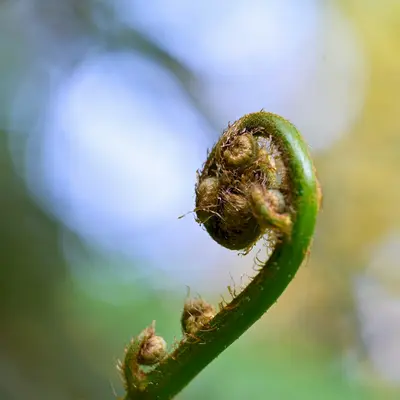
An architectural marvel among ornamental trees, this upright beech forms a distinctive narrow column perfect for formal landscapes and tight spaces. The smooth silvery-gray bark and glossy green leaves that turn golden-bronze in fall create year-round interest, while its unique fastigiate form makes it a stunning focal point. This slow-growing specimen tree becomes more impressive with age.
Sun
Full sun to partial shade
Zones
4–7
USDA hardiness
Height
50-60 feet
Planting Timeline
Showing dates for Fastigiata European Beech in USDA Zone 7
All Zone 7 ornamental-tree →Zone Map
Click a state to update dates
Fastigiata European Beech · Zones 4–7
Growing Details
Complete Growing Guide
Light: Full sun (6 or more hours of direct sunlight a day), Partial Shade (Direct sunlight only part of the day, 2-6 hours). Soil: High Organic Matter, Loam (Silt), Sand, Shallow Rocky. Soil pH: Acid (<6.0), Alkaline (>8.0), Neutral (6.0-8.0). Drainage: Good Drainage, Moist. Height: 50 ft. 0 in. - 60 ft. 0 in.. Spread: 35 ft. 0 in. - 50 ft. 0 in.. Spacing: 24-60 feet. Growth rate: Slow. Maintenance: Low. Propagation: Seed. Regions: Mountains, Piedmont.
Harvesting
The fruit is light brown to reddish-brown, bristly husk, and measures about 3/4 inches long. It opens into 4 sections and contains a triangular, or 3-angled, brown nut that measures 5/8 inches long. The fruits are known as beechnuts, and they ripen in the fall and are edible.
Color: Brown/Copper, Red/Burgundy. Type: Nut. Length: < 1 inch. Width: < 1 inch.
Garden value: Edible, Showy
Harvest time: Fall
Edibility: The beechnuts are edible if cooked properly. Raw or unripe nuts eaten in large quantities are toxic and can cause gastrointestinal distress. Young leaves can be cooked for greens in the spring.
Storage & Preservation
As an ornamental tree, Fastigiata European Beech requires no food storage. For propagation material (cuttings or seeds), store in cool, humid conditions at 32-40°F with 60-70% humidity. Hardwood cuttings can be stored in moist peat moss over winter. Seeds should be stratified in cool, moist sand for 2-3 months before spring planting. Potted specimens should be kept in outdoor growing conditions appropriate to the season. No shelf life applies as this is a living specimen plant.
History & Origin
Origin: Eastern and Southern Europe to Caucasus
Advantages
- +Attracts: Small Mammals, Songbirds
- +Edible: The beechnuts are edible if cooked properly. Raw or unripe nuts eaten in large quantities are toxic and can cause gastrointestinal distress. Young leaves can be cooked for greens in the spring.
- +Low maintenance
Considerations
- -Toxic (Fruits): Low severity
Companion Plants
The shade-tolerant groundcovers in this tree's companion list — hostas, astilbe, ferns, heuchera, and Japanese painted fern — work because they're genuinely adapted to the dry, root-competitive conditions a mature beech casts. Fastigiata beech roots are notoriously shallow and dense, so you want plants that stay in the top 4-6 inches of soil without putting up a fight; all of these do. Black walnut is the non-negotiable avoid: juglone from its roots accumulates in soil within the drip line and can stunt or kill beech outright. Norway maple is a different problem — it runs surface roots at the same depth and soil layer as beech and will quietly win that resource competition over several seasons.
Plant Together
Hostas
Thrives in the dappled shade created by beech canopy, complementary foliage textures
Astilbe
Enjoys partial shade and moist conditions under beech trees, adds colorful blooms
Ferns
Natural woodland companions that thrive in acidic soil and filtered light
Heuchera
Tolerates shade and compacted soil, provides year-round foliage interest
Wild Ginger
Excellent groundcover for deep shade, spreads without competing with tree roots
Lamium
Shade-tolerant groundcover that prevents erosion under the tree canopy
Japanese Painted Fern
Thrives in acidic woodland conditions, silvery foliage contrasts with beech bark
Ajuga
Dense groundcover that suppresses weeds while tolerating root competition
Keep Apart
Black Walnut
Produces juglone toxin that inhibits beech growth and causes yellowing leaves
Norway Maple
Aggressive shallow roots compete directly with beech for nutrients and water
Rhododendron
Both prefer acidic soil but compete for same nutrients, can stunt each other's growth
Pests & Disease Resistance
Resistance
Generally disease resistant when properly sited
Common Pests
Scale insects, aphids, beech bark beetle
Diseases
Beech bark disease, leaf spot, powdery mildew
Troubleshooting Fastigiata European Beech
What you'll see, why it happens, and what to do about it.
Bark develops crusty, orange-tinged cankers with white woolly patches, branches dying back from the crown down
Likely Causes
- Beech bark disease — a two-stage infection where beech scale (Cryptococcus fagisuga) wounds the bark, then Neonectria fungi move in through those wounds
- Established infestations in nearby mature beech trees spreading scale crawlers by wind
What to Do
- 1.Scrub visible white wool colonies off the bark with a stiff brush in late summer before crawlers hatch
- 2.Apply horticultural oil (2% dilution) to the trunk and major limbs in early spring to smother overwintering scale
- 3.Remove and dispose of severely cankered limbs; there's no cure once Neonectria is deep in the wood
Sticky, shiny residue on leaves and branches, with clusters of small soft-bodied insects on new growth tips in spring
Likely Causes
- Woolly beech aphid (Phyllaphis fagi) — populations can explode fast on new flush growth in April and May
- Absence of natural predators, often because broad-spectrum insecticides knocked out lacewings and parasitic wasps nearby
What to Do
- 1.Knock aphids off with a firm stream of water from a hose — effective on young trees where you can reach the canopy
- 2.Apply insecticidal soap directly to infested growth; repeat every 5-7 days for 2-3 applications
- 3.Avoid high-nitrogen fertilizer that pushes the soft, lush new growth aphids prefer
White powdery coating on leaf surfaces, most visible in late summer, leaves may curl or distort slightly
Likely Causes
- Powdery mildew (Erysiphe fagisuga) — thrives in warm days and cool nights, common from late July through September
- Poor air circulation from planting closer than the recommended 20-25 feet spacing
What to Do
- 1.On a young tree, pull the worst-affected leaves and bag them — don't compost them
- 2.Apply a sulfur-based fungicide or neem oil spray at first sign; coverage has to be thorough on both leaf surfaces
- 3.On an established tree, Erysiphe fagisuga is mostly cosmetic — if the tree is otherwise healthy, improving spacing matters more than spraying
Irregular brown or tan spots on leaves, some with a yellow halo, appearing mid-season on scattered leaves across the canopy
Likely Causes
- Leaf spot fungi (Gloeosporium fagi or Phyllosticta species) — splash-spread pathogens that get a foothold during wet springs
- Overhead irrigation wetting foliage late in the day, leaving leaves damp overnight
What to Do
- 1.Rake and bag all fallen leaves in autumn — these fungi overwinter in leaf litter and reinfect the following spring
- 2.Switch any irrigation to drip or soaker delivery at the root zone; keep water off the foliage entirely
- 3.A single application of copper-based fungicide at bud break can reduce infection pressure in years with wet springs
Frequently Asked Questions
How long does Fastigiata European Beech take to reach full size?▼
Is Fastigiata European Beech good for beginners?▼
Can you grow Fastigiata European Beech in containers?▼
When should I plant Fastigiata European Beech?▼
How much sunlight does Fastigiata European Beech need?▼
What pests affect Fastigiata European Beech?▼
Zone-by-Zone Planting Calendar
Growing Guides from Wind River Greens
Sources & References
External authority sources used in compiling this guide.
- ExtensionNC State Extension
See the Methodology page for how this data is sourced, what's AI-assisted, and known limitations.