Woodland Sunflower
Helianthus divaricatus
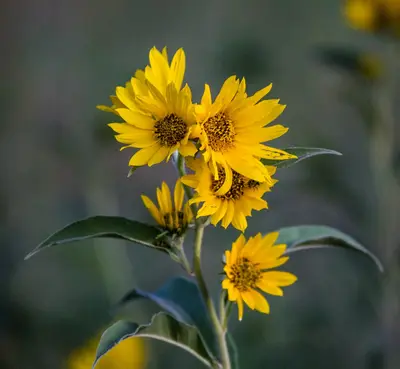
Woodland Sunflower (Helianthus divaricatus) is a perennial native wildflower. Hardy in USDA zones 3 to 8.
Sun
Full sun to partial shade
Zones
3–8
USDA hardiness
Height
2-6 feet
Planting Timeline
Showing dates for Woodland Sunflower in USDA Zone 7
All Zone 7 native-wildflower →Zone Map
Click a state to update dates
Woodland Sunflower · Zones 3–8
Growing Details
Complete Growing Guide
Woodland Sunflower germinates readily from seed and can be started either indoors or direct sown into the garden. If starting indoors, sow seeds about six weeks before your last spring frost date, pressing them lightly into seed-starting mix without covering them completely since they need light to germinate. Direct sowing works equally well and is often preferred for this hardy perennial; scatter seeds directly onto prepared garden soil after the last frost has passed. In warmer zones, you can also sow in early fall for spring establishment.
Space Woodland Sunflower plants about 18 to 24 inches apart to allow for their spreading rhizomatous growth habit. Unlike some sunflower varieties that stay compact, this species will colonize an area over time, so give it room to expand. Plant seeds just barely beneath the soil surface, no deeper than a quarter-inch. This variety thrives in average, well-drained soil and actually prefers less-fertile conditions; overly rich soil can lead to excessive vegetative growth at the expense of flowers. Work in some compost before planting if your soil is very poor, but resist the urge to over-amend.
Water newly established plants regularly until they're well-rooted, typically about three weeks after germination. Once established, Woodland Sunflower is quite drought-tolerant and needs water only during extended dry spells. In fact, consistent overwatering can encourage root rot, particularly in clay soils. No supplemental feeding is necessary for this native wildflower; it evolved to thrive without fertilizer, and additional nutrients aren't beneficial. A light mulch around plants helps retain soil moisture and suppresses weeds during establishment.
Woodland Sunflower is remarkably pest and disease-resistant compared to many ornamental sunflowers. However, watch for rust fungus, which can appear on the undersides of leaves in humid conditions, especially toward late season. Ensure good air circulation by spacing plants properly and removing lower leaves if needed. Spider mites occasionally cause stippling on foliage during hot, dry periods, though established plants rarely need intervention. The main vulnerability is powdery mildew, which occurs more in shaded conditions, so maintaining adequate light exposure helps prevent it.
Pinching back young plants when they're about 12 inches tall encourages bushier, more abundant flowering rather than tall, sparse stems. Deadheading spent flowers extends the blooming season through late summer and fall. Many gardeners make the mistake of treating Woodland Sunflower like a tender annual that needs coddling, when the opposite is true—this is a tough perennial that actually performs better with benign neglect. Resist over-watering and over-fertilizing, and let it establish its natural growth pattern. Once settled in, it becomes a reliable, self-sufficient garden performer for years to come.
Harvesting
The disk florets are followed by tiny achenes, measuring up to 2mm long. The achene is dark brown to black and is flat and oval.
Color: Black, Brown/Copper. Type: Achene. Length: < 1 inch. Width: < 1 inch.
Harvest time: Fall
Storage & Preservation
Woodland Sunflower is primarily grown as an ornamental native wildflower rather than for harvest, so traditional food storage doesn't apply. If cutting flowers for fresh arrangements, place stems in water immediately and keep in a cool location (65-70°F) away from direct heat and ripening fruit. Change water every 2-3 days; cut flowers typically last 7-10 days. For seed preservation, allow flower heads to dry naturally on the plant in fall, then harvest and store seeds in a cool, dry place (40-50°F, low humidity) in paper envelopes for 1-2 years. For winter enjoyment, dry flower heads by hanging upside-down in a warm, well-ventilated space for decorative displays.
History & Origin
Origin: Southeastern Canada & the North Central to Eastern United States
Advantages
- +Attracts: Butterflies, Pollinators, Songbirds, Specialized Bees
- +Fast-growing
- +Low maintenance
Companion Plants
The most practical pairings for Woodland Sunflower are plants that share its tolerance for lean, slightly acidic soil and don't need a lot of fuss. Wild Bergamot (Monarda fistulosa) and Purple Coneflower (Echinacea purpurea) bloom on overlapping schedules and draw in a different mix of pollinators — long-tongued bees favor Monarda, while Echinacea pulls in generalists and Fritillary butterflies. Neither will outcompete the sunflower's rhizomes. Native Asters and Goldenrod extend bloom into October and fill the gaps left when Helianthus foliage starts looking weathered by late August. At the base of the clump in partial shade, Wild Ginger (Asarum canadense) works as a ground layer — shallow-rooted enough that it doesn't compete much, and dense enough to suppress weeds between the sunflower stems.
Black Walnut (Juglans nigra) is the one to plan around carefully. Its roots and decomposing leaf litter release juglone, an allelopathic compound that causes wilting and stem dieback in Helianthus — the plant looks water-stressed but won't recover when you water it. If there's a walnut on your property, keep this planting at least 50–60 feet from the drip line. Tree of Heaven (Ailanthus altissima) is a different kind of problem: it's an aggressive invasive that will shade out a young planting in a few seasons through sheer growth rate, not chemistry. And Bermudagrass — or any other rhizomatous turf grass — will push straight into the sunflower's root zone at ground level. Keep a clean edge, or a buried barrier, between this planting and any lawn area.
Plant Together
Wild Bergamot
Attracts beneficial insects and pollinators, shares similar soil and light requirements
Purple Coneflower
Complementary bloom times extend pollinator season, both thrive in similar conditions
Wild Columbine
Provides ground-level interest beneath tall sunflowers, attracts different pollinators
Native Asters
Late-season blooms complement sunflower timing, support migrating butterflies
Goldenrod
Creates diverse habitat for beneficial insects, blooms sequentially with sunflowers
Wild Ginger
Provides ground cover in partial shade cast by sunflowers, different root zones
Spicebush
Offers structural diversity and butterfly host plant, compatible moisture needs
Cardinal Flower
Attracts hummingbirds and different pollinators, thrives in similar woodland edges
Keep Apart
Black Walnut
Produces juglone which inhibits growth of sunflowers and many other plants
Aggressive Grasses
Compete intensely for nutrients and water, can crowd out young sunflower seedlings
Tree of Heaven
Allelopathic invasive species that suppresses native wildflower establishment
Troubleshooting Woodland Sunflower
What you'll see, why it happens, and what to do about it.
Stems collapsing or rotting at the soil line on young plants after a wet spring
Likely Causes
- Pythium or Rhizoctonia damping-off — both thrive in cold, waterlogged soil
- Planting in a low spot with poor drainage
What to Do
- 1.Let the soil surface dry out between waterings; Woodland Sunflower handles drought far better than it handles wet feet
- 2.Amend planting beds with coarse grit or aged compost to improve drainage before transplanting
- 3.If you're direct sowing, wait until soil temps are consistently above 55°F — slow germination in cold soil gives pathogens more time to move in
Leaves covered in white powdery coating by midsummer, especially on plants in shadier spots
Likely Causes
- Powdery mildew (Erysiphe cichoracearum) — extremely common on Helianthus species in humid conditions with low airflow
- Plants spaced under 18 inches apart, or positioned against a fence or wall that blocks air movement
What to Do
- 1.Thin clumps to at least 18–24 inches apart to open up airflow
- 2.Cut affected stems back to the ground after flowering — it's a perennial and will return; one rough-looking August doesn't kill it
- 3.If mildew appears before bloom, a diluted baking soda spray (1 tablespoon per gallon of water) can slow spread, though it won't reverse existing damage
Clump spreading aggressively into neighboring plants, crowding out shorter species within 2–3 seasons
Likely Causes
- Rhizomatous spread — Helianthus divaricatus moves by underground rhizomes and can colonize several feet in a single season in loose, fertile soil
- No physical barrier between the planting and adjacent beds
What to Do
- 1.Install a root barrier 6–8 inches deep around the clump perimeter if you're planting near smaller natives like Wild Columbine or Wild Ginger
- 2.Divide every 2–3 years in early spring before growth exceeds 6 inches — pull rhizomes from the edges and replant or compost the excess
- 3.Avoid heavily amended or irrigated soil immediately around the clump; leaner, drier conditions slow lateral spread noticeably
Frequently Asked Questions
Is Woodland Sunflower good for beginner gardeners?▼
When should I plant Woodland Sunflower?▼
Can you grow Woodland Sunflower in containers?▼
How long does Woodland Sunflower take to bloom?▼
What are the differences between Woodland Sunflower and Common Sunflower?▼
How do I encourage more blooms on Woodland Sunflower?▼
Zone-by-Zone Planting Calendar
Growing Guides from Wind River Greens
Sources & References
External authority sources used in compiling this guide.
- ExtensionNC State Extension
See the Methodology page for how this data is sourced, what's AI-assisted, and known limitations.