Tom Thumb
Pisum sativum 'Tom Thumb'
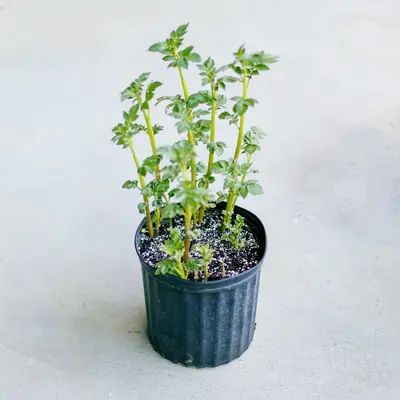
The ultimate space-saving pea variety, Tom Thumb grows just 8-10 inches tall yet produces a surprising abundance of sweet, tender peas. This Victorian-era heirloom is perfect for container gardens, small spaces, and children's gardens. Despite its tiny stature, it delivers full-sized flavor and requires no staking or trellising.
Harvest
50-55d
Days to harvest
Sun
Full sun to partial shade
Zones
2–11
USDA hardiness
Height
12-18 inches
Planting Timeline
Showing dates for Tom Thumb in USDA Zone 7
All Zone 7 pea →Zone Map
Click a state to update dates
Tom Thumb · Zones 2–11
Growing Details
Succession Planting
Tom Thumb stops setting pods once daytime highs climb past 80°F, so in zone 7 the spring window is shorter than it looks. Direct sow every 14 days starting March 1 and stop by May 1 — or earlier if your spring heats up fast. Each sowing gives roughly a 10-day picking window before pods toughen, so staggered plantings keep something ready rather than everything coming in the same week.
You get a second window in fall. Sow again in late August or early September for harvest in October and November. The UGA Vegetable Garden Calendar also flags English peas as a February planting option, so if you can get seed in the ground by late February, that early push is worth attempting — NC State Extension recommends planting on a raised bed or ridge for better drainage during those wet late-winter weeks.
Complete Growing Guide
Start preparing your Tom Thumb pea patch in late winter by selecting a spot with morning sun and afternoon shade in warmer zones (7-9), or full sun in cooler regions. This dwarf variety thrives in loose, well-draining soil with a pH between 6.0-7.0. Work compost into heavy clay soils, but avoid fresh manure which encourages leafy growth over pod production.
Direct sow seeds 4 weeks before your last frost date when soil temperatures reach 45°F. In zones 3-6, this typically means early March planting. Plant seeds 1 inch deep and 2 inches apart in rows spaced 6 inches apart. Unlike tall pea varieties, Tom Thumb's compact 8-10 inch height means you can plant in blocks rather than rows for maximum space efficiency. Soak seeds overnight in lukewarm water before planting to improve germination rates.
Skip indoor starting entirely – peas transplant poorly and direct-sown plants consistently outperform transplants. The cool-weather preference of Tom Thumb means germination occurs reliably in cold soil that would rot warm-season crops.
Fertilize sparingly at planting with a balanced 10-10-10 fertilizer, then switch to low-nitrogen feeding once plants begin flowering. Peas fix their own nitrogen, so excess nitrogen delays flowering and reduces yields. Side-dress with bone meal when flowers appear to boost phosphorus for pod development.
Maintain consistent soil moisture during flowering and pod-filling stages, but avoid overhead watering which promotes powdery mildew. Mulch around plants with straw to retain moisture and suppress weeds that compete with Tom Thumb's shallow root system.
The biggest mistake gardeners make is overwatering established plants. Tom Thumb tolerates drought better than most peas once established. Watch for aphid clusters on growing tips in warm weather – blast them off with water rather than using insecticidal soap which can damage tender new growth. Plant successive crops every 2 weeks through early summer for continuous harvests.
Harvesting
Begin harvesting Tom Thumb peas 50-55 days from planting when pods reach 2-3 inches long and feel plump but not hard. The pods should be bright green with a slight gloss and yield slightly to gentle pressure. Test readiness by opening a sample pod – peas inside should be tender enough to dent with your fingernail and sweet when eaten raw.
Harvest in early morning when pods are crisp and full of moisture. Use both hands to pick – hold the vine steady with one hand while gently pulling pods downward and twisting slightly with the other. This prevents damaging the plant's shallow root system. Tom Thumb's compact size makes harvest easy since all pods are within easy reach.
Check plants daily once harvest begins, as peak flavor lasts only 2-3 days before peas become starchy. Regular picking every other day encourages continued production for 3-4 weeks. Leave any pods intended for seed saving until they turn brown and rattle when shaken.
Storage & Preservation
Fresh Tom Thumb peas maintain peak quality for 3-5 days when stored in perforated plastic bags in the refrigerator at 32-35°F. Keep pods unwashed and only shell peas just before use to prevent rapid quality loss.
For longer storage, blanch shelled peas in boiling water for 90 seconds, then plunge into ice water before freezing in airtight containers. Frozen peas retain excellent quality for 8 months. Tom Thumb peas also excel for quick pickling – combine equal parts vinegar and water with salt and sugar for a crisp refrigerator pickle that lasts 2 weeks.
Dehydrate surplus peas at 125°F for 8-12 hours until they rattle in the container. Properly dried peas store for up to one year and work well in soups and stews. The variety's concentrated sweetness intensifies when dried, making them excellent for snacking.
History & Origin
Tom Thumb peas trace their lineage to Victorian England in the 1850s, developed specifically for the era's fascination with miniature plants and formal kitchen gardens. Named after the diminutive folklore character, this variety was bred by selecting the shortest plants from traditional field pea populations over multiple generations.
The variety gained popularity in America during the late 1800s through seed catalogs that marketed it as ideal for 'ladies' gardens' and children's plots. Burpee featured Tom Thumb prominently in their 1888 catalog, praising its ability to produce full-sized harvests in minimal space.
This heirloom variety nearly disappeared during the mid-20th century push toward mechanized agriculture that favored uniform, tall-growing varieties. Seed saving efforts by organizations like Seed Savers Exchange preserved Tom Thumb through the 1980s. Today, it's experiencing renewed popularity among urban gardeners and those practicing intensive growing methods in small spaces, proving that Victorian-era breeding wisdom remains relevant for modern container gardening.
Advantages
- +Requires zero staking, trellising, or support structures unlike standard pea varieties
- +Produces surprisingly high yields relative to plant size – up to 20 pods per 8-inch plant
- +Matures quickly at 50-55 days, beating most standard pea varieties by 10-15 days
- +Perfect container size allows growing in 6-inch deep pots or window boxes
- +Less susceptible to soil-borne diseases due to minimal ground contact
- +Wind-resistant compact structure prevents lodging in storms
- +Ideal teaching variety for children who can easily reach all pods
Considerations
- -Lower total yield per square foot compared to tall climbing varieties when vertical space is available
- -Shorter harvest window of 3-4 weeks versus 6-8 weeks for indeterminate varieties
- -More labor-intensive harvesting due to smaller individual pod size
- -Shallow root system makes plants more vulnerable to drought stress than deep-rooted varieties
Companion Plants
Carrots and radishes are the most practical companions here — they share Tom Thumb's cool-season window, and radishes germinate fast enough to mark your rows while the peas are still pushing up. Lettuce and spinach fill the gaps underneath without pulling much from the soil; at 12-18 inches, Tom Thumb casts just enough shade to buy your lettuce a few extra days before it bolts in late spring. Keep onions, garlic, and gladiolus out of this bed — alliums are widely reported to stunt pea root development, and gladiolus shares Fusarium wilt (Fusarium oxysporum) with peas, cycling that pathogen right back into soil you'll want clean for next season.
Plant Together
Carrots
Loosen soil for pea roots and don't compete for space since peas climb
Radishes
Break up compacted soil and mature quickly before peas need full space
Lettuce
Grows in pea shade and has shallow roots that don't compete
Spinach
Cool-season crop that benefits from nitrogen fixed by pea roots
Marigolds
Repel aphids and other pests that commonly attack peas
Chives
Deter aphids and other soft-bodied insects with their strong scent
Mint
Repels ants and rodents that may eat pea seeds and pods
Nasturtiums
Trap crop for aphids and cucumber beetles, protecting peas
Keep Apart
Onions
Can inhibit pea growth and nitrogen fixation by beneficial bacteria
Garlic
Allelopathic compounds may stunt pea growth and reduce yields
Gladiolus
Competes heavily for nutrients and may harbor thrips that damage pea pods
Nutrition Facts
Per 100g serving. % Daily Value based on 2,000 calorie diet. Source: USDA FoodData Central (FDC #170419)
Pests & Disease Resistance
Resistance
Moderate disease resistance, less prone to soil-borne issues due to short stature
Common Pests
Aphids, slugs, birds
Diseases
Powdery mildew in humid conditions
Troubleshooting Tom Thumb
What you'll see, why it happens, and what to do about it.
White powdery coating on leaves and stems, usually appearing after day 30 in humid weather
Likely Causes
- Powdery mildew (Erysiphe pisi) — a fungal disease that thrives in warm days, cool nights, and poor airflow
- Planting too densely, which traps moisture between plants
What to Do
- 1.Remove and trash (don't compost) heavily infected leaves immediately
- 2.Thin plants to at least 3 inches apart to open up airflow
- 3.Apply a diluted neem oil spray every 7 days once you see the first signs — waiting until it's everywhere won't help
Stunted, curled shoot tips with sticky residue on leaves, often with ants clustered at the base of new growth
Likely Causes
- Pea aphid (Acyrthosiphon pisum) colonies feeding on new growth
- Ants farming the aphids for honeydew, which also encourages sooty mold on leaf surfaces
What to Do
- 1.Knock aphids off with a strong stream of water from a hose — do it in the morning so foliage dries fast
- 2.Avoid broad-spectrum insecticides that kill off ladybugs and parasitic wasps, which keep pea aphid populations in check
- 3.If the infestation is heavy, spray insecticidal soap directly on colonies, coating the undersides of leaves
Seeds missing after sowing, or seedlings cut off at the soil line within the first week
Likely Causes
- Birds — crows and sparrows scratch up freshly sown seed before it germinates
- Slugs (Deroceras reticulatum) chewing through seedling stems at or just below soil level, especially during wet springs
What to Do
- 1.Lay bird netting or a row cover directly over the bed until seedlings hit 3-4 inches tall
- 2.Scatter iron phosphate bait (sold as Sluggo) around the planting area — it's safe around edibles and pets
- 3.Let the soil surface dry out between waterings; slugs need surface moisture to move and feed
Frequently Asked Questions
How long does Tom Thumb pea take to grow?▼
Can you grow Tom Thumb peas in containers?▼
Do Tom Thumb peas need support?▼
When should I plant Tom Thumb peas?▼
What do Tom Thumb peas taste like?▼
How much space do Tom Thumb peas need?▼
Zone-by-Zone Planting Calendar
| Zone | Indoor Start | Transplant | Direct Sow | Harvest |
|---|---|---|---|---|
| Zone 3 | — | — | May – June | June – October |
| Zone 4 | — | — | April – June | June – October |
| Zone 5 | — | — | April – May | June – November |
| Zone 6 | — | — | April – May | May – November |
| Zone 7 | — | — | March – May | May – November |
| Zone 8 | — | — | March – April | April – December |
| Zone 9 | — | — | February – March | March – December |
| Zone 10 | — | — | January – March | March – December |
| Zone 1 | — | — | June – July | July – September |
| Zone 2 | — | — | May – July | July – September |
| Zone 11 | — | — | January – February | February – December |
| Zone 12 | — | — | January – February | February – December |
| Zone 13 | — | — | January – February | February – December |
Growing Guides from Wind River Greens
Sources & References
External authority sources used in compiling this guide.
See the Methodology page for how this data is sourced, what's AI-assisted, and known limitations.