Tall Coreopsis
Coreopsis tripteris
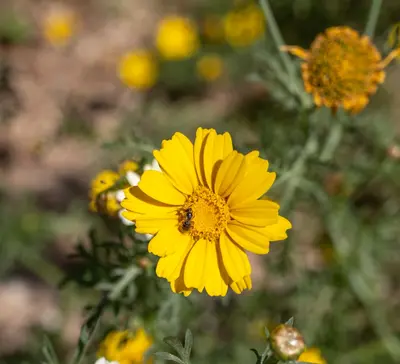
Tall Coreopsis (Coreopsis tripteris) is a perennial native wildflower. Hardy in USDA zones 3 to 8.
Sun
Full sun to part shade
Zones
3–8
USDA hardiness
Height
3-5 feet
Planting Timeline
Showing dates for Tall Coreopsis in USDA Zone 7
All Zone 7 native-wildflower →Zone Map
Click a state to update dates
Tall Coreopsis · Zones 3–8
Growing Details
Complete Growing Guide
Tall Coreopsis distinguishes itself from shorter native wildflowers through its late-season blooming habit, typically flowering from late July through September when many gardens fade, making it invaluable for extending color. This cultivar thrives in full sun with well-draining soil and actually prefers drier conditions once established, tolerating poor fertility better than many perennials. Unlike some native wildflowers, Tall Coreopsis can become leggy in rich soil or excessive shade, so avoid overly amended beds. The plant rarely faces serious pest or disease problems, though powdery mildew may appear in humid conditions with poor air circulation. A practical tip: pinch back stems in early June to encourage bushier growth and prevent the characteristic tall, sparse appearance that gives the species its common name, resulting in fuller plants with more blooms at viewing height.
Light: kor-ee-OP-sis lan-see-oh-LAY-tah. Soil: Loam (Silt), Sand, Shallow Rocky. Soil pH: Acid (<6.0), Neutral (6.0-8.0). Drainage: Good Drainage, Moist, Occasionally Dry. Height: 1 ft. 0 in. - 3 ft. 0 in.. Spread: 1 ft. 0 in. - 2 ft. 0 in.. Spacing: 12 inches-3 feet. Growth rate: Rapid. Maintenance: Low, Medium. Propagation: Division, Seed. Regions: Coastal, Mountains, Piedmont.
Harvesting
Harvest tall coreopsis flowers when the petals have fully unfurled and display their characteristic bright yellow color, typically four to six weeks after bloom initiation. The flower centers should feel firm to the touch, and petals should be crisp rather than wilting or papery. This native perennial responds well to continuous harvesting, as deadheading spent blooms throughout the season encourages additional flushes of flowers and extends the overall bloom period. For optimal vase life and stem quality, cut flowers in early morning hours after the dew has dried but before afternoon heat stress weakens the stems. Removing flowers regularly prevents seed set and redirects the plant's energy into sustained flowering rather than reproduction.
Seeds are cypselae, commonly lacking pappus awns associated with tickseeds that adhere to fibers & skin. Displays from May to July.
Type: Achene. Length: < 1 inch. Width: < 1 inch.
Harvest time: Summer
Bloom time: Spring, Summer
Storage & Preservation
Fresh-cut stems last 7-10 days in a clean vase with cool water and flower food, lasting longest when kept out of direct sunlight and away from ripening fruit. For drying, cut stems when flowers are fully open, remove lower foliage, bundle 8-10 stems together with twine, and hang upside-down in a warm (65-75°F), dry, dark location such as a garage or shed. Dried flowers are completely preserved for 6-12 months or longer in low-humidity storage.
Alternatively, press individual flowers between parchment paper under heavy books for 1-2 weeks to create flat specimens for crafts, herbals, or pressed-flower arrangements—these remain vibrant for several years in dry storage. Tall Coreopsis flowers are not typically frozen or preserved for culinary use since the plant is ornamental, not edible.
History & Origin
Coreopsis tripteris is native to the central and eastern United States, where it grows naturally in prairies, woodlands, and along roadsides from the Great Plains to the Atlantic coast. The species has been cultivated as an ornamental for centuries due to its tall stature and prolific golden-yellow flowers, though specific documentation of its introduction into cultivation or formal breeding programs remains limited. Rather than a modern cultivar, Tall Coreopsis represents the wild species itself, valued by gardeners for its reliable hardiness and low-maintenance character. Its continued popularity in native plant gardening stems from its ecological role and aesthetic appeal rather than from documented breeding work.
Origin: Southeastern Canada to south Central U.S.A
Advantages
- +Tall Coreopsis produces abundant golden-yellow flowers from mid-summer through fall.
- +Extremely cold-hardy perennial thriving in USDA zones 3 through 8 reliably.
- +Requires minimal water and maintenance once established in garden beds.
- +Attracts pollinators and beneficial insects throughout the extended blooming season.
Considerations
- -Plants often require staking or support in windy locations due to height.
- -Susceptible to powdery mildew and rust in humid, poorly-ventilated growing conditions.
- -Self-seeds aggressively, potentially becoming weedy if volunteers aren't regularly removed.
Companion Plants
Purple Coneflower (Echinacea purpurea), Black-eyed Susan (Rudbeckia hirta), and Bee Balm (Monarda didyma) are the companions worth planting close to Tall Coreopsis. They share the same lean-soil, full-sun preferences and bloom in overlapping windows from July through September, running a kind of relay for pollinators — particularly native bees and swallowtails, with goldfinches moving in on the coreopsis seed heads come fall. Planting them at 18–24 inches from each other keeps airflow honest and reduces powdery mildew pressure across all of them. Little Bluestem Grass makes a good structural neighbor too — its fibrous roots occupy a shallower soil profile than coreopsis's crown, so there's no real competition for moisture, and the dried stems provide winter cover that benefits ground-nesting bees well into March.
The companions to avoid are mostly about light theft and root aggression. Dense tree canopy drops Tall Coreopsis below the 6-plus hours of sun it needs to stay upright and bloom well — you'll get 5-foot plants that flop without ever putting on a real show. Invasive grasses like Japanese stiltgrass (Microstegium vimineum) can outcompete young transplants before they get a foothold in the first season, and Crown Vetch (Coronilla varia) — which USDA classifies as invasive across much of its range — spreads by both rhizome and seed and will simply bury anything nearby. Give Tall Coreopsis at least 3–4 feet of clear ground away from any aggressive spreader, and pull vetch seedlings the moment you spot them.
Plant Together
Purple Coneflower
Similar growing conditions, attracts beneficial pollinators and creates natural prairie habitat
Black-eyed Susan
Complementary bloom times, shared pollinators, and similar soil and water requirements
Native Grasses
Provides structural support, prevents soil erosion, and mimics natural prairie ecosystem
Bee Balm
Attracts beneficial insects and hummingbirds while sharing similar moisture needs
Butterfly Weed
Attracts butterflies and beneficial insects, thrives in similar well-drained soil conditions
Wild Bergamot
Natural pest deterrent properties and attracts native pollinators
Little Bluestem Grass
Provides wind protection and creates natural prairie plant community
Yarrow
Attracts beneficial predatory insects and improves soil health
Keep Apart
Dense Tree Canopy
Blocks essential sunlight needed for optimal growth and flowering
Invasive Grasses
Compete aggressively for nutrients and water, can crowd out native wildflowers
Crown Vetch
Aggressive spreading habit smothers native wildflowers and depletes soil nutrients
Troubleshooting Tall Coreopsis
What you'll see, why it happens, and what to do about it.
Stems flopping over or lodging by midsummer, especially in plants over 4 feet tall
Likely Causes
- Excess nitrogen from fertilized or over-amended soil pushing rank, weak growth
- Insufficient sunlight — even a few hours of shade daily produces lankier stems
What to Do
- 1.Cut plants back by one-third in late May or early June (the 'Chelsea chop') to produce shorter, stiffer stems that don't need staking
- 2.Don't amend the planting bed with compost or fertilizer — Coreopsis tripteris thrives in lean soil and punishes you for being generous
- 3.Move or divide crowded clumps so each plant gets honest full sun
Powdery white coating on leaves, usually showing up in August when humidity is high
Likely Causes
- Powdery mildew (Erysiphe cichoracearum or related species) — common on coreopsis in humid conditions with poor airflow
- Crowded planting at less than 18 inches between plants
What to Do
- 1.Cut affected foliage back hard — the plant will often rebound with clean growth before frost
- 2.Thin or divide clumps to 18–24 inches apart so air can actually move through
- 3.Late-season mildew is mostly cosmetic; the plant will still set seed fine if you leave it
Seeds sown direct in spring fail to germinate or come up very sparsely after 3 weeks
Likely Causes
- Soil temperature too low — Coreopsis tripteris germinates best at 65–70°F
- Seed buried too deep; these need light to germinate and should barely be pressed into the surface
- Seed lacking cold stratification — some seed lots perform better after 4–6 weeks of moist cold at 35–40°F
What to Do
- 1.Wait until soil temps are consistently above 60°F before sowing, typically late March through May depending on your zone
- 2.Press seed onto the surface and firm it down — no more than 1/8 inch of cover at most
- 3.If germination stays poor, refrigerate next year's seed in a damp paper towel for 30 days before sowing
Plant fails to return in spring after the first winter, or crown is soft and rotted at the soil line
Likely Causes
- Crown rot from waterlogged soil over winter — Coreopsis tripteris handles drought but not prolonged wet feet
- Heavy clay that holds standing water, especially in zones 3–5 where repeated freeze-thaw cycles deepen the damage
What to Do
- 1.Improve drainage before planting: raise the bed 4–6 inches or work in coarse grit if you're in heavy clay
- 2.Leave the dead stems standing through winter — they protect the crown and shelter ground-nesting bees; cut them to 4–6 inches in early spring
- 3.In zones 3–4, mulch the crown with 2–3 inches of straw after the ground freezes to buffer temperature swings